

Drum Chandeliers in Chandeliers
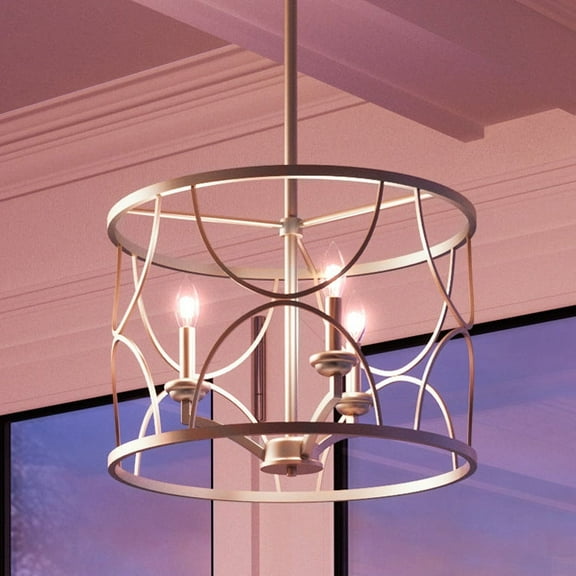

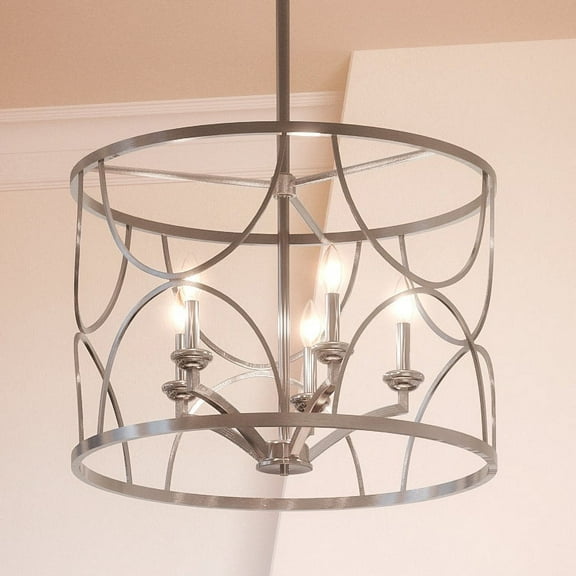


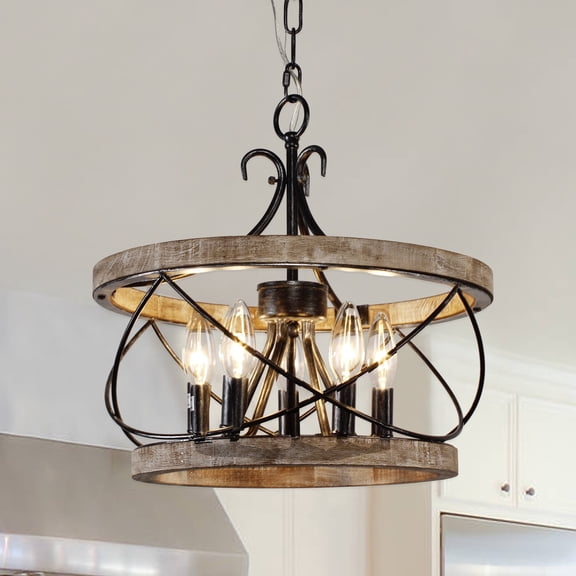

















About Drum Chandeliers in Chandeliers - Walmart.com
Drum chandeliers help you bring centered light and a clean silhouette into dining rooms, entryways, and bedrooms. You can compare shade material, mount type, finish, and scale to fit your ceiling height and room layout.
How to choose drum chandeliers for your space
You should start with room size because diameter affects how balanced the fixture looks over a table or open floor. You may want a wider drum shade when your table or room footprint is larger.
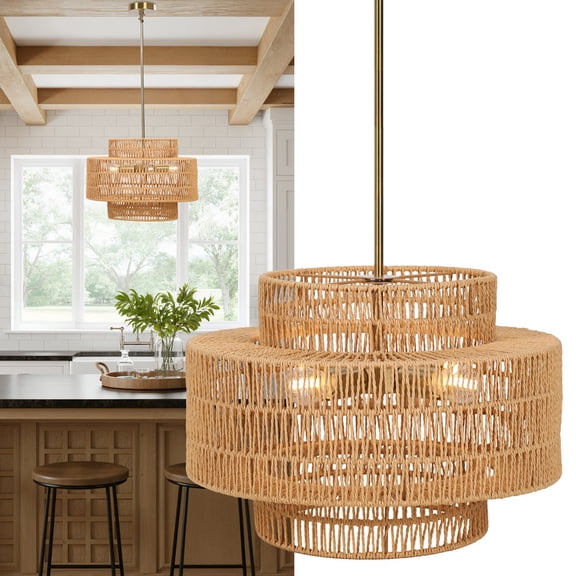
If you’re hanging over a dining table, you can look for a fixture that feels narrower than the tabletop. You can create a grounded look when the chandelier doesn’t extend past the table edges.
Ceiling height also matters when you compare fixture height and hanging method. You may prefer adjustable chain styles for taller ceilings and flush mount drum chandeliers for lower clearances.
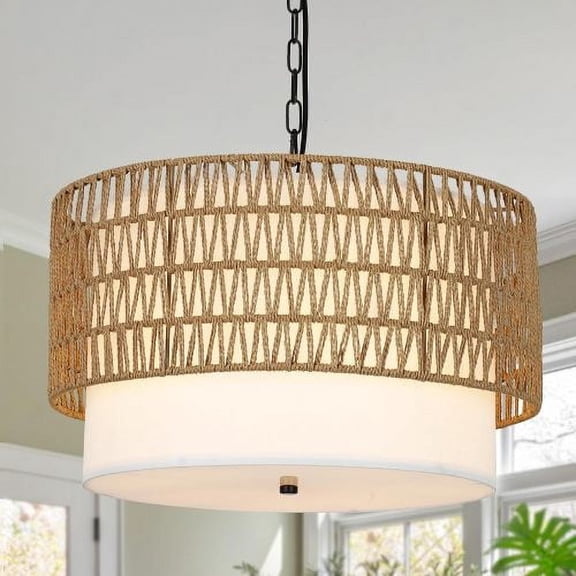
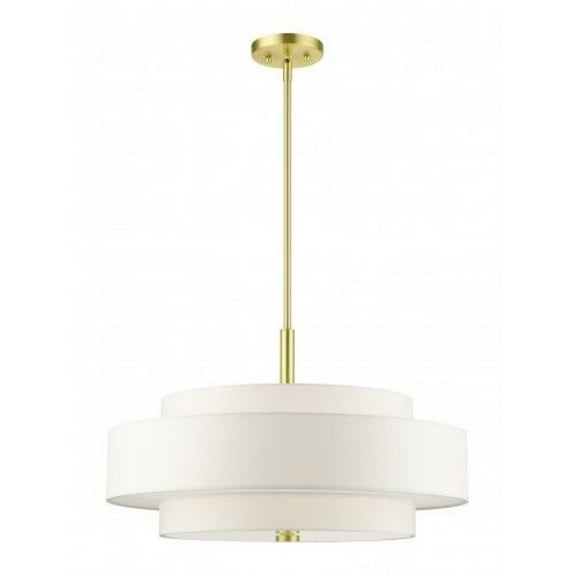
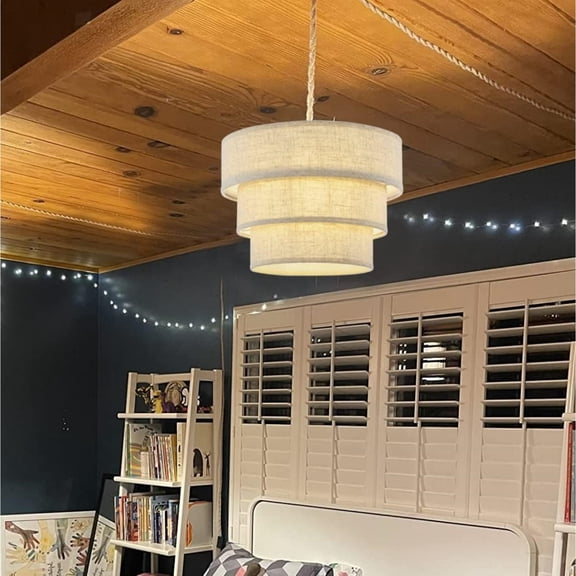
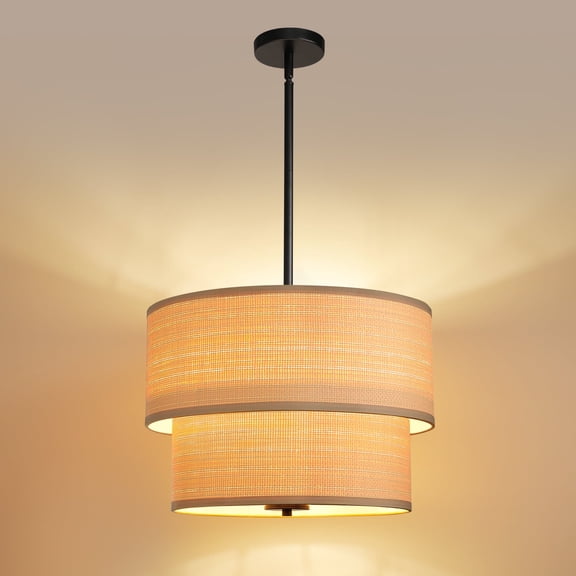
- You can use fabric shades for softer diffusion in bedrooms and dining spaces.
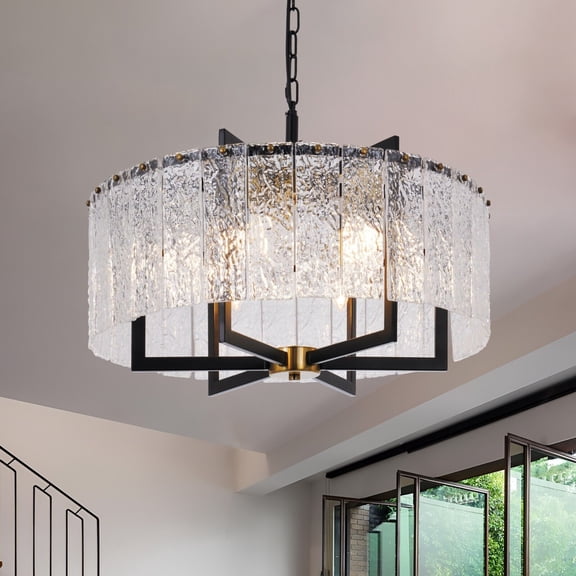
- You can choose metal or glass shades when you want a crisper glow and a cleaner outline.
- You can select black, gold-tone, bronze, or brushed nickel finishes to match nearby hardware.
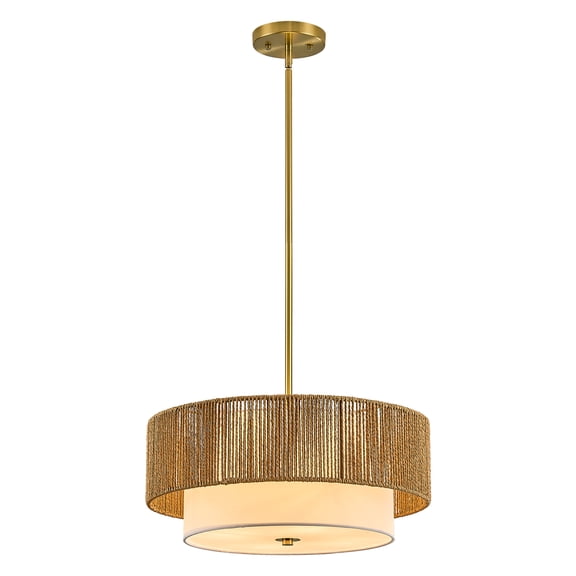
- You can compare semi-flush mount, flush mount, and chain-hung options based on ceiling height.
Choosing modern drum chandeliers and shade materials
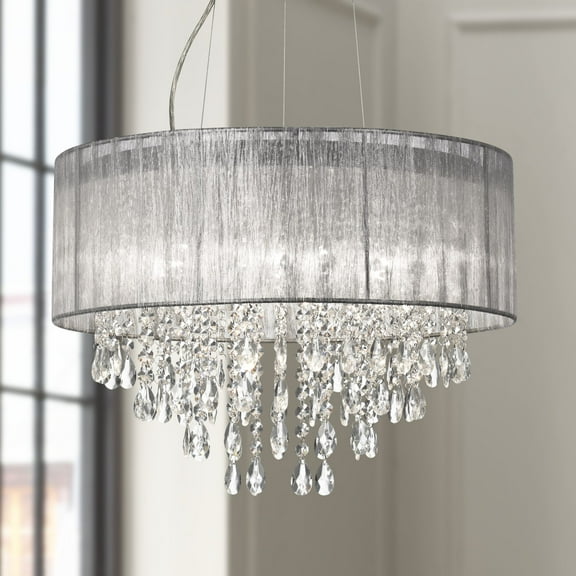
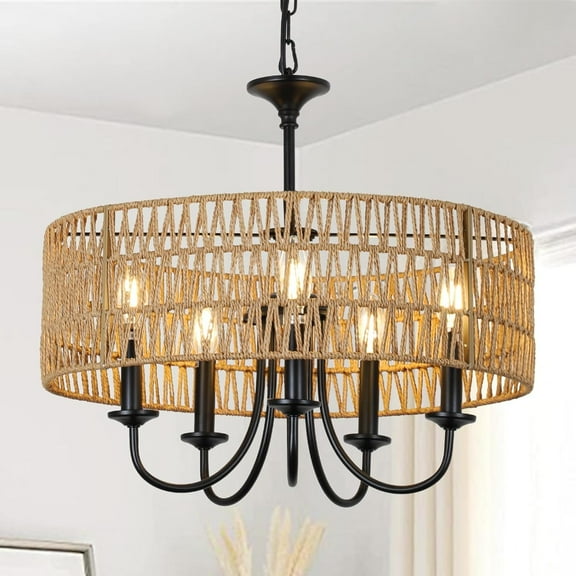
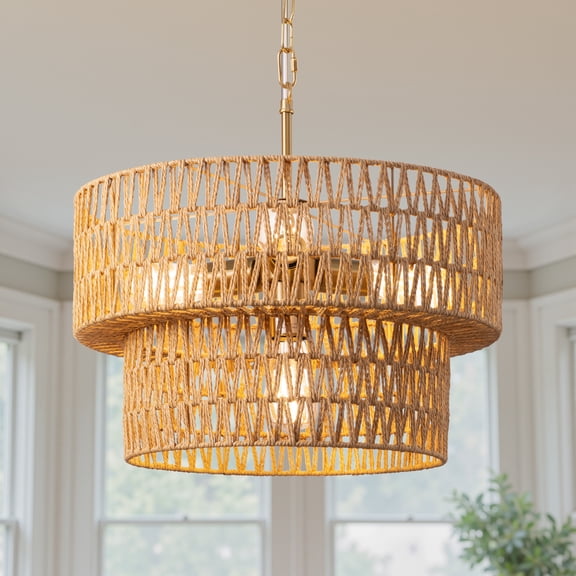
You can use shade material as a practical decision point because it changes both appearance and light spread. You may choose a fabric drum chandelier when you want a softer look and a relaxed visual texture.
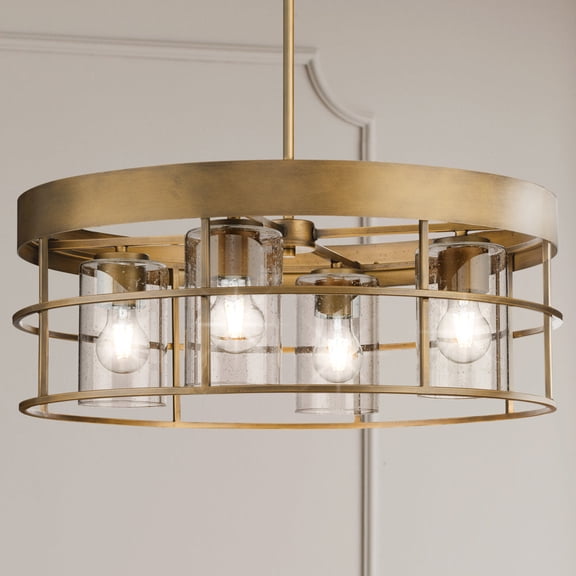
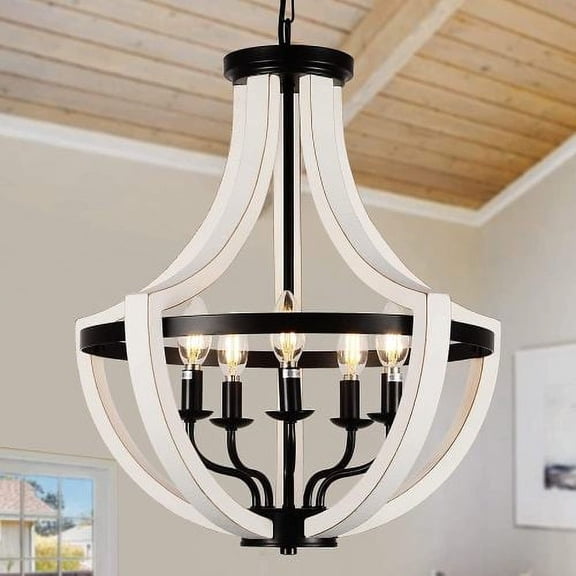
Metal drum shades give you a clean edge and a structured profile in contemporary rooms. Glass accents can brighten the fixture’s appearance, while wood details can support farmhouse or rustic spaces.
Style is another key decision when you compare modern drum chandeliers with farmhouse, rustic, or transitional options. You can use modern lines for cleaner spaces, while rustic details pair well with mixed woods and warm finishes.
If you want a fixture that bridges classic and current décor, you may prefer a transitional drum shade chandelier. You can get a versatile shape that works with changing furniture and seasonal décor updates.
What to look for in finish, mount type, and fit
You can use finish to tie your chandelier to cabinet pulls, faucets, frames, or table bases. A black drum chandelier often creates strong contrast, while gold-tone or bronze can warm neutral rooms.
Brushed nickel works well when you want a lighter metallic look with stainless appliances or cooler palettes. You should compare finish with nearby hardware so your lighting feels intentional.
Mount type affects fit and function, especially when your ceiling height is limited. You may want semi-flush mount styles when you need presence without a long drop.
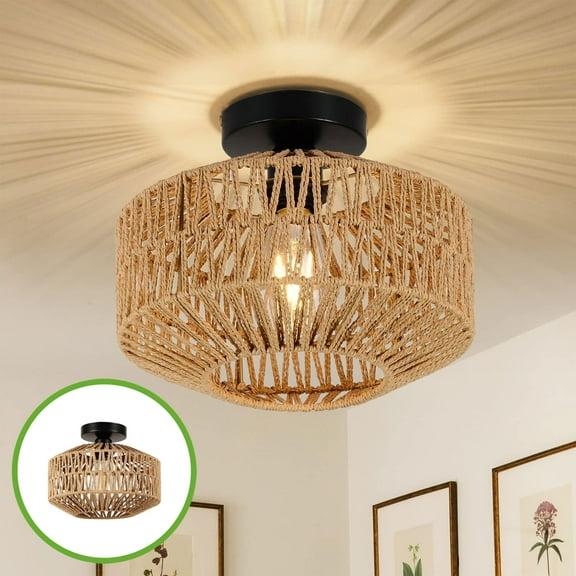
Flush mount drum chandeliers sit closer to the ceiling, so you can use them in bedrooms, hall-adjacent spaces, or lower entryways. Adjustable chain styles give you flexibility when your foyer or dining room has extra height.
You should also check whether your ceiling is flat or angled before choosing a fixture. If your room has a slope, you may need a sloped ceiling adapter for a centered hang.
Canopy dimensions matter when you’re replacing an older light or covering an existing ceiling box area. You can avoid fit surprises when you compare canopy width with your current opening.
Comparing light output and everyday upkeep
You can compare bulb compatibility to understand how the chandelier lights your room. Many fixtures use an E26 bulb base, and this helps you find replacement bulbs in familiar shapes.
Max wattage tells you the upper bulb limit the fixture is designed to support. You should review that number when you want enough light over a dining table, reading corner, or open entry.
Dimming support gives you flexibility across daily routines and evening gatherings. You can pair dimmable fixtures with compatible dimmable bulbs and switches for a softer dining mood.
If you use your chandelier in a multipurpose room, flexible light output becomes especially helpful. You can keep things bright for homework or meals, then lower the glow for a calmer setting.
Maintenance is another practical choice point when you compare materials. Fabric shades may need light dusting, while metal shades usually wipe clean quickly during regular upkeep.
You should think about placement before choosing a lighter or darker shade material. Darker interiors can direct light downward, while lighter fabrics often create a gentler all-around glow.
Matching drum shade chandeliers to real rooms
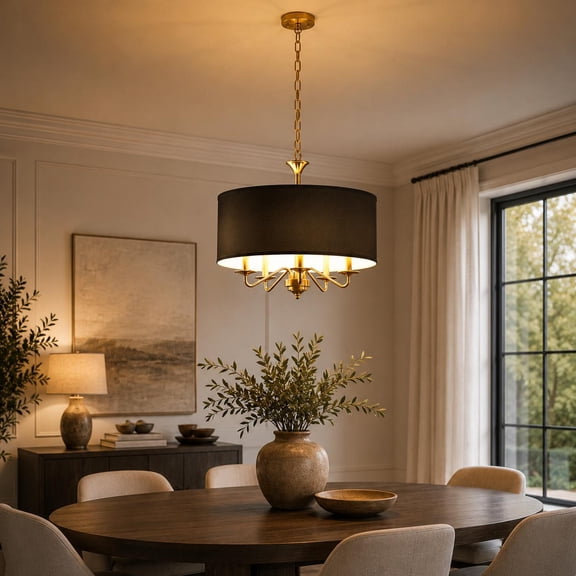
You can use a fabric drum chandelier over a dining table when you want softer diffusion and a tailored shape. That combination often suits transitional or classic rooms with upholstered chairs and layered textiles.
In an entryway, you may prefer modern drum chandeliers with metal detailing and a bold finish. You can create a clean first impression when the fixture echoes stair rails, mirrors, or console hardware.
If your bedroom has lower ceilings, flush mount drum chandeliers can give you decorative scale without too much drop. You can keep the room open while still getting the fuller presence of a chandelier silhouette.
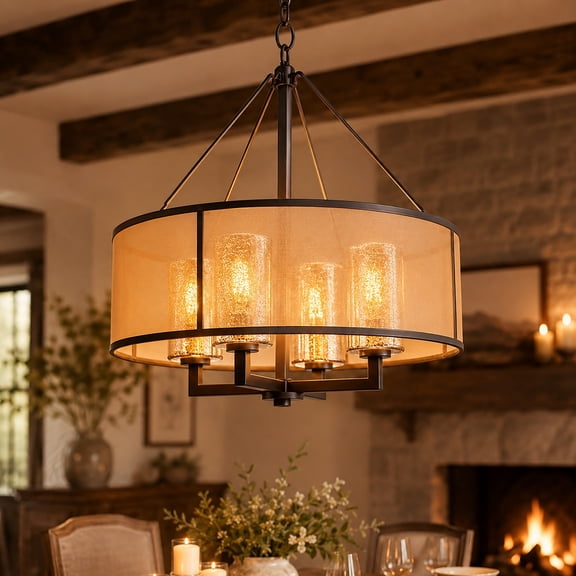
Farmhouse spaces often pair well with wood accents, bronze finishes, or simple drum profiles. You can reinforce that look when your fixture connects with beams, benches, or weathered wood furniture.
Rustic rooms usually benefit from warm finishes and textured materials that don’t feel overly polished. You can use black or bronze details to anchor the light against stone, leather, or natural wood.
For open-concept homes, you should compare fixture diameter and finish across connected spaces. You can create visual flow when your chandelier relates to nearby pendant lights or adjacent chandeliers.
You can narrow your choice faster when you measure first and compare key specs second. With the right drum shape, mount type, and light output, you can get focused style and balanced illumination.