


Shop Digital and Dial Calipers for Precise Measurement
















About Shop Digital and Dial Calipers for Precise Measurement - Walmart.com
A measuring caliper helps you check inside, outside, depth, and step dimensions with the precision many home improvement projects demand. This category focuses on digital, dial, and Vernier designs built for repeatable readings across metalworking, woodworking, machining, and home shop tasks.
Why a measuring caliper belongs in your toolbox
Precision changes how confidently you fit parts, compare materials, and verify dimensions before cutting or drilling. A caliper measurement tool gives you detailed readings that a standard tape measure or ruler canu't match.
That extra control matters when youu're checking drill bit diameters, pipe outer dimensions, hardware thickness, or small gaps. You get cleaner planning, fewer fit surprises, and more confidence during layout work.
- Measure outside dimensions like rods, bolts, and stock thickness.
- Check inside dimensions on openings, tubing, and slots.
- Use the depth rod for holes, recesses, and channels.
- Confirm step measurements on edges and machined parts.
Calipers for measuring are especially useful when fractions feel too broad for the job. Many models read in inches and millimeters, which helps when plans, parts, and materials use different measurement systems.
Types of measuring caliper tools to compare
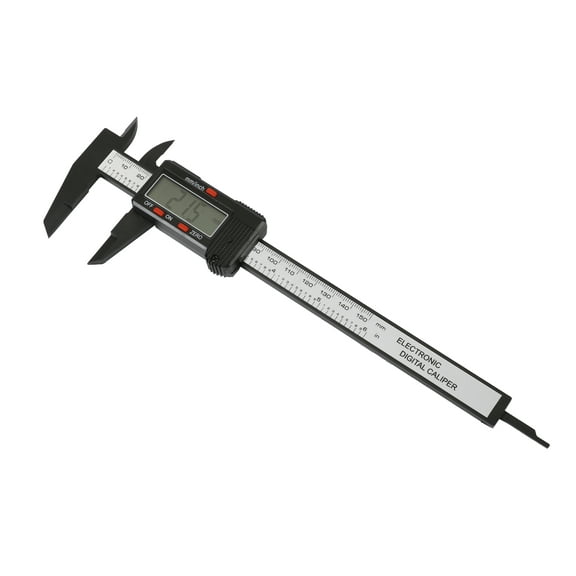
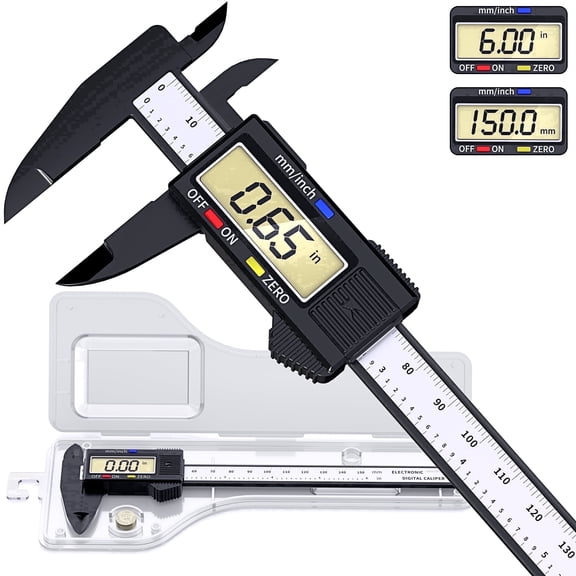
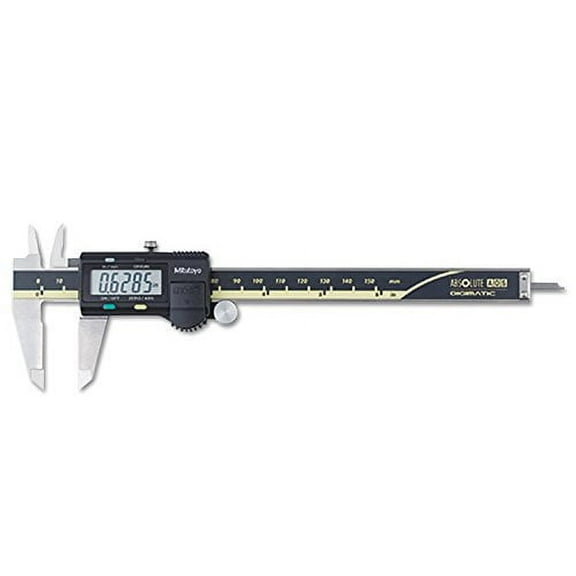
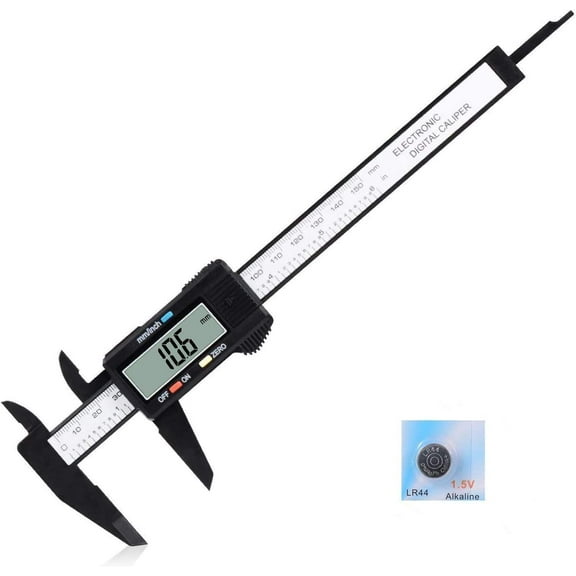
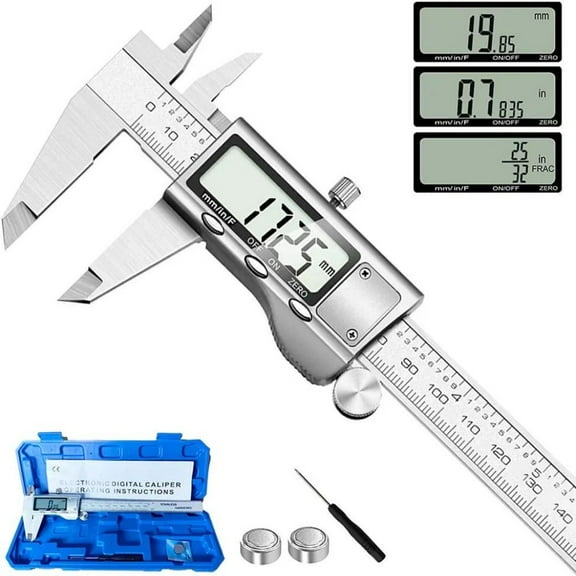
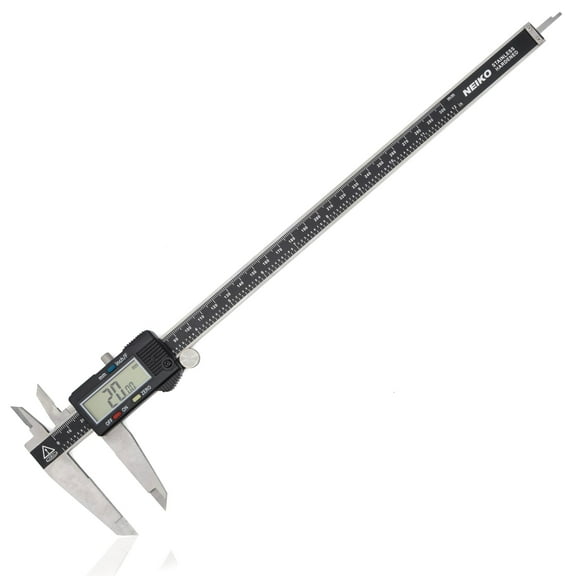
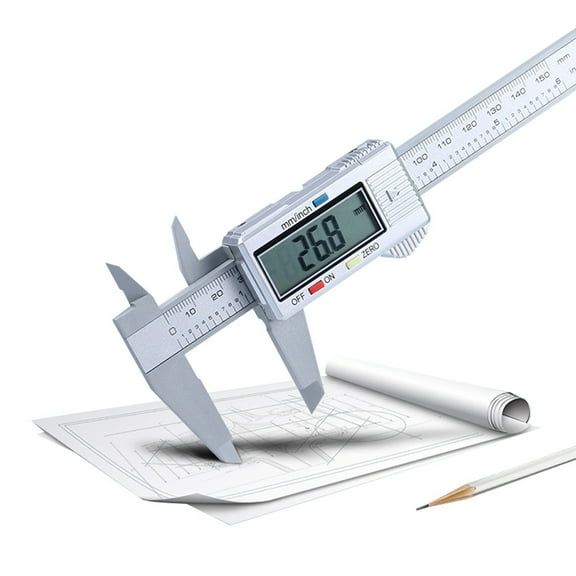
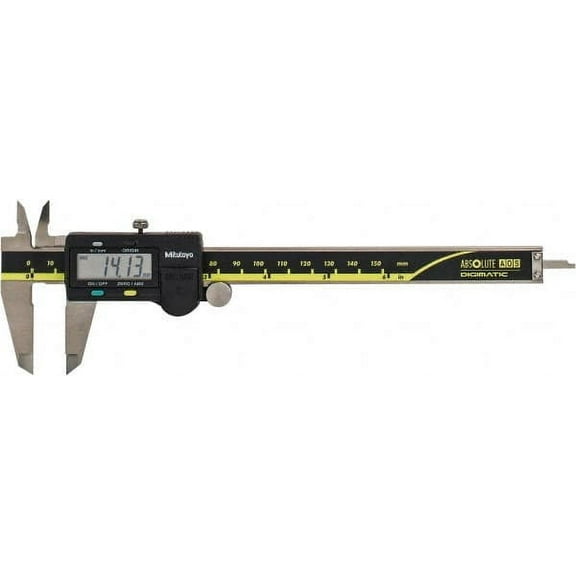
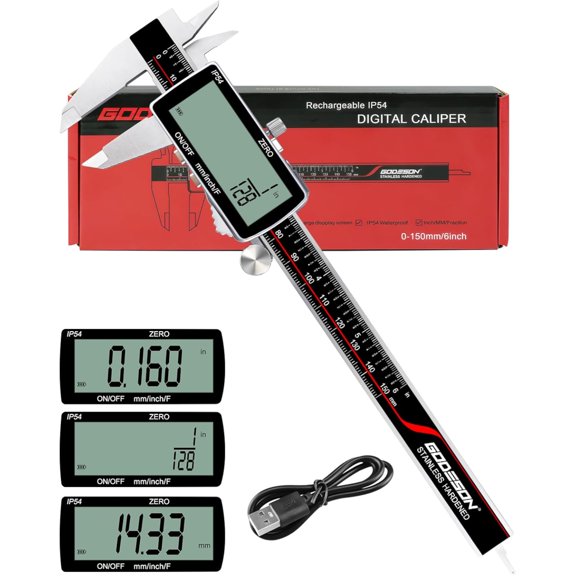
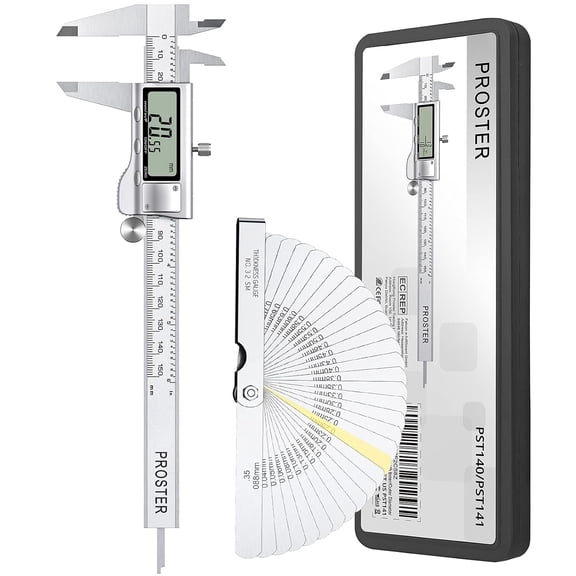
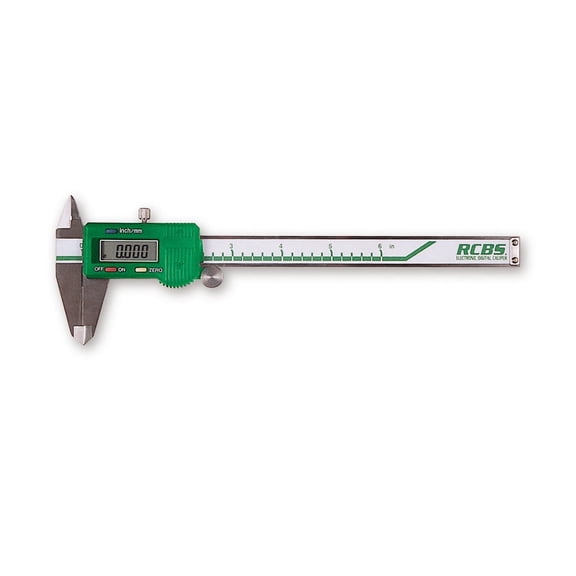
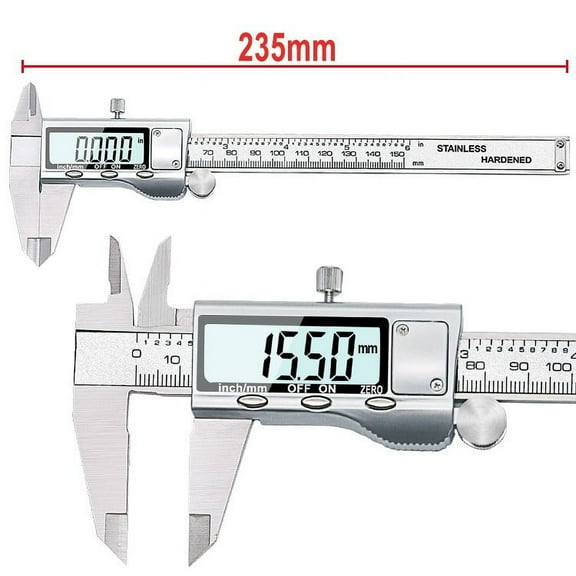
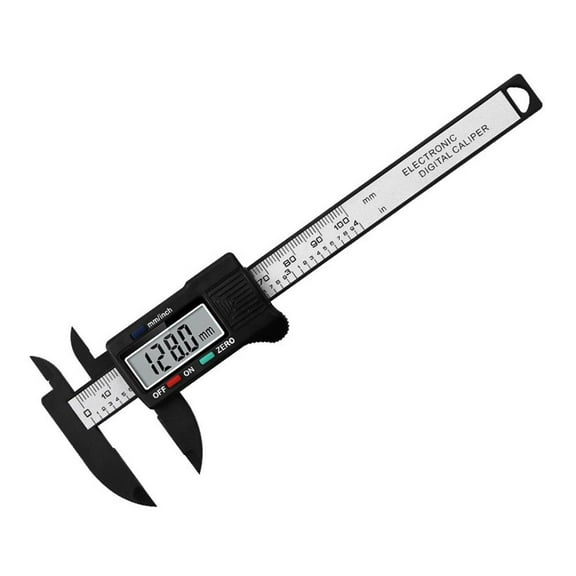
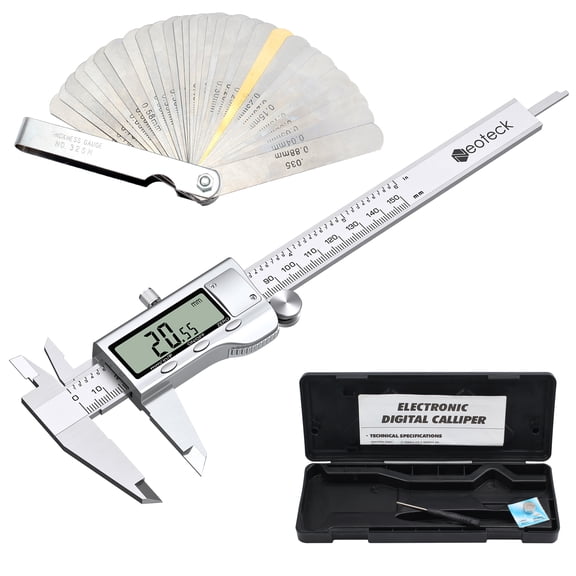
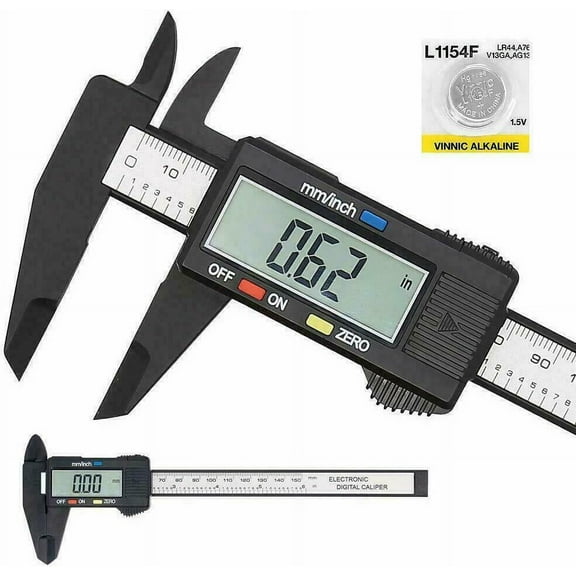
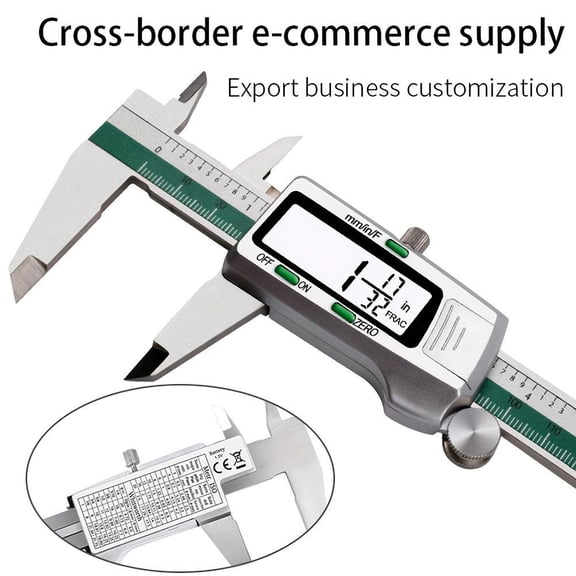
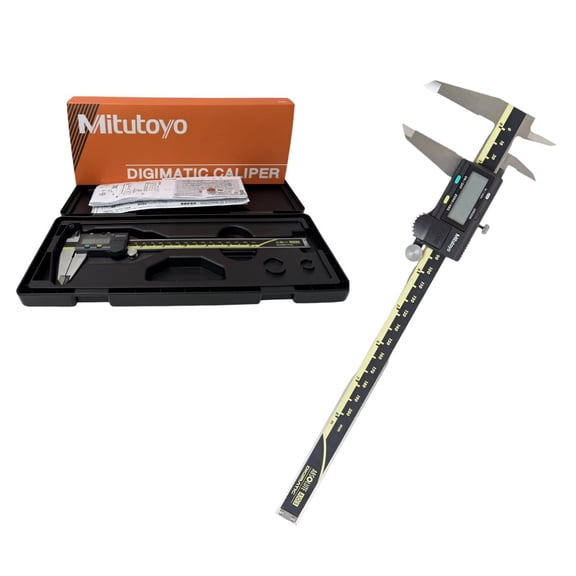
Digital models are popular for quick reading and easy unit changes. Large screens help when youu're checking dimensions at a bench, in a garage, or on a jobsite.
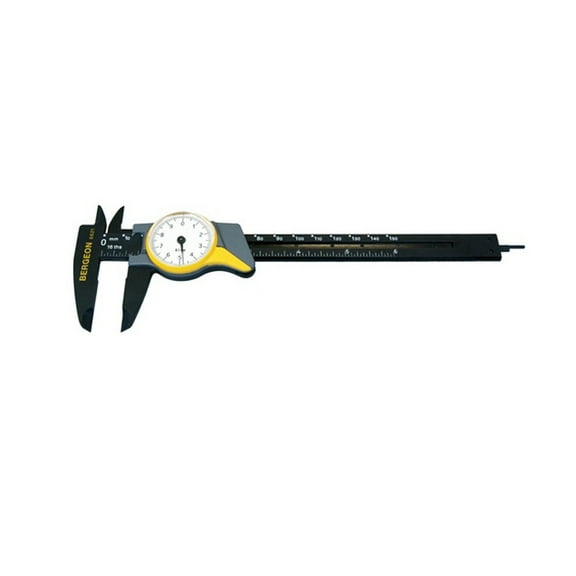
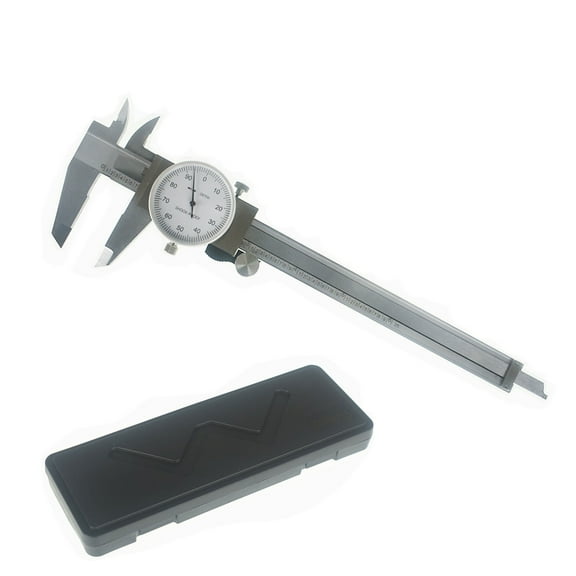
Dial styles offer an analog display with a clear needle movement. Many shoppers like them for battery-free operation and easy visual tracking during repeated checks.
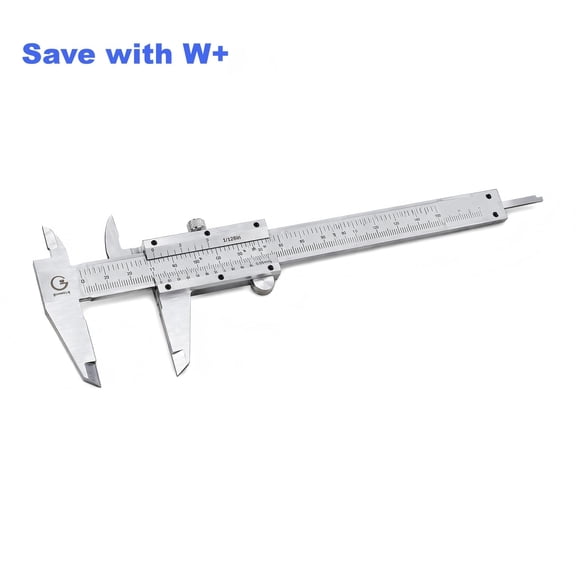
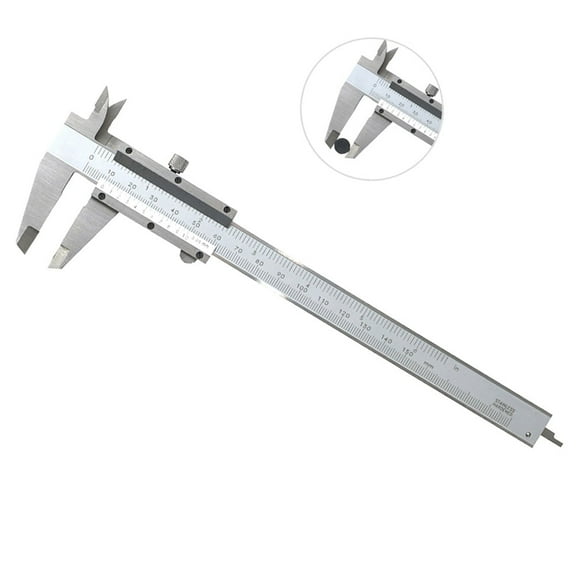
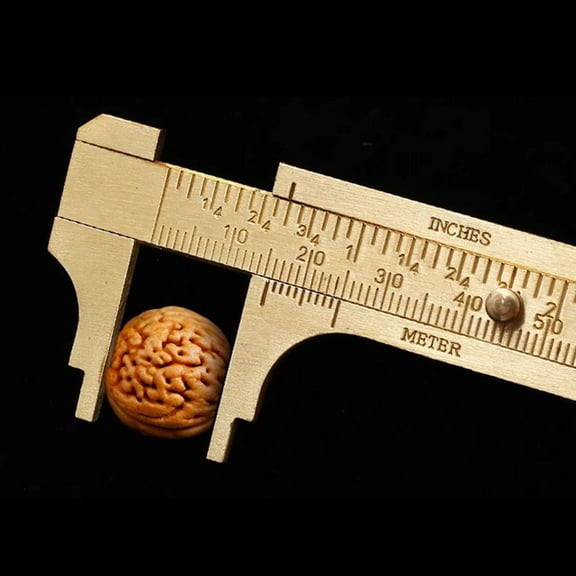
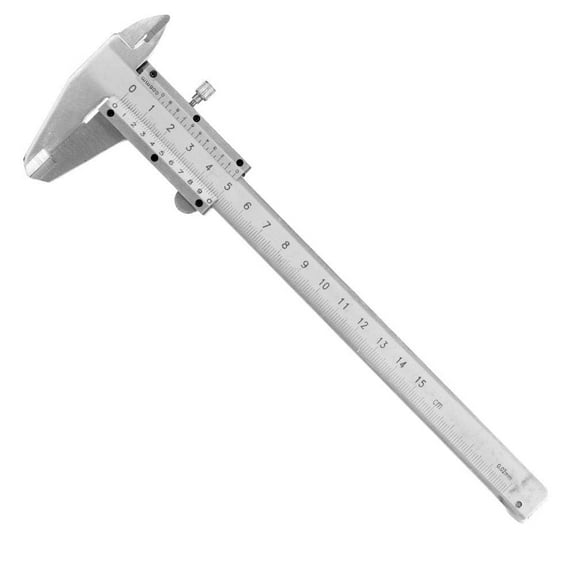
Vernier options use etched scales and manual reading. They appeal to users who want a classic caliper tool with no electronics and a compact, durable format.
Jaw length, measuring range, and resolution all shape how a tool handles your work. A six-inch caliper suits many household and shop tasks, while larger capacities fit wider stock.
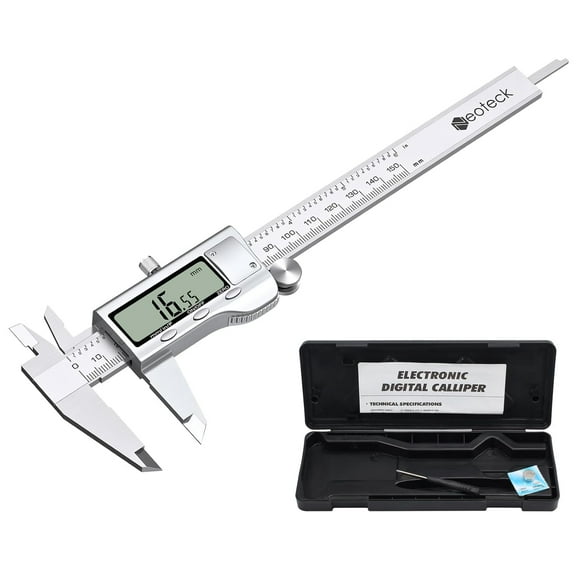
Look closely at the beam material and slider movement. Stainless steel bodies and smooth thumb rollers can make repeated measurements feel steadier and easier to control.
How to choose the right caliper measurement tool
Start with the material and size range you measure most often. Small hardware, thin sheet stock, and hobby parts call for different handling than lumber fittings or metal fabrication pieces.
If you switch between metric and inch readings often, digital measuring calipers can streamline the process. If you prefer a mechanical tool, dial and Vernier models keep operation simple.
Resolution matters when youu're checking fit between mating parts. A finer display can help when tolerances are tight, especially for shafts, bushings, washers, and drilled openings.
Calibration features also deserve attention. Some digital units include zero reset at any position, which is useful for comparison measuring and quick differential checks.
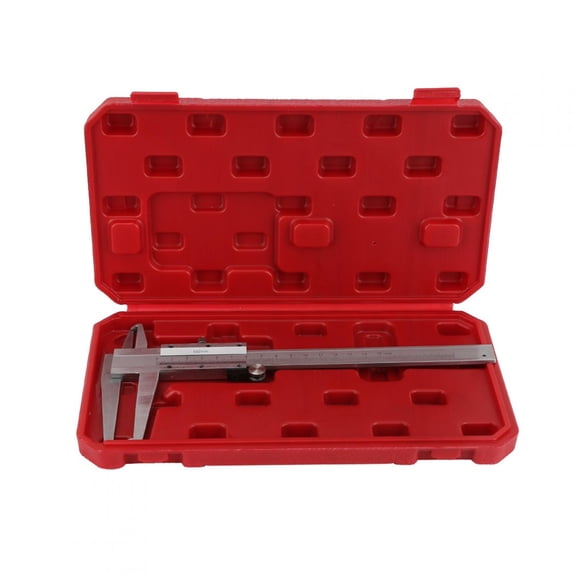
Storage details can influence long-term convenience. Cases, protective sleeves, and organized foam inserts help keep jaws clean and scales easier to read between projects.
Where measuring calipers make the biggest difference
In woodworking, a measuring caliper helps verify dowel diameters, groove widths, router bit sizes, and hardware recess depths. Itu's also handy for checking plywood thickness, which often varies from nominal labels.
In metalworking, these tools support layout and inspection on bar stock, tubing, bolts, and drilled holes. They help you compare actual dimensions before tapping, filing, or fitting replacement parts.
Automotive and garage users often reach for measuring calipers when checking rotors, fasteners, spacers, and hose fittings. The ability to measure inside and outside dimensions in one tool adds useful flexibility.
For hobby benches and makerspaces, calipers for measuring support model building, 3D printing, electronics enclosures, and small assembly work. Theyu're useful when printed parts, purchased hardware, and design files need close dimension matching.
Many experienced users keep a caliper near other precision tools like micrometers and feeler gauges. That setup makes it easier to move from quick checks to tighter verification without interrupting the workflow.
Reading and using a measuring caliper with confidence
Digital designs are straightforward because the display shows the reading directly. Dial and Vernier styles take more interpretation, but many users appreciate their tactile operation and consistent feel.
For accurate results, keep the jaws clean and close them evenly on the surface. Light, consistent contact helps the tool sit squarely and gives readings that are easier to repeat.
Itu's also helpful to match the jaw section to the task. Outside jaws handle external widths, inside jaws reach openings, and the depth rod checks recesses and drilled cavities.
A measuring caliper stands out because one tool covers several measurement methods in a compact format. That versatility makes it a practical addition for workshops, garages, and detailed home improvement projects.
When your work depends on parts fitting as planned, the right caliper supports cleaner measuring and steadier results. Clear readings, versatile jaws, and project-ready formats help you move forward with fewer measurement guesses.