

Garden Arbors, Outdoor Arches & Trellises | Walmart
























About Garden Arbors, Outdoor Arches & Trellises | Walmart - Walmart.com
Arbors help you define your garden entrance, support climbing plants, and shape your outdoor style with materials and features that fit your space. You can compare wood, metal, vinyl, and iron designs to match your yard, walkway, or patio layout.
You may want a simple arbor arch for roses, or you may need arbors with gate panels for a more enclosed entry. You can also choose options with trellis sides, planter boxes, or benches when your layout needs extra function.
How to choose garden arbors by material
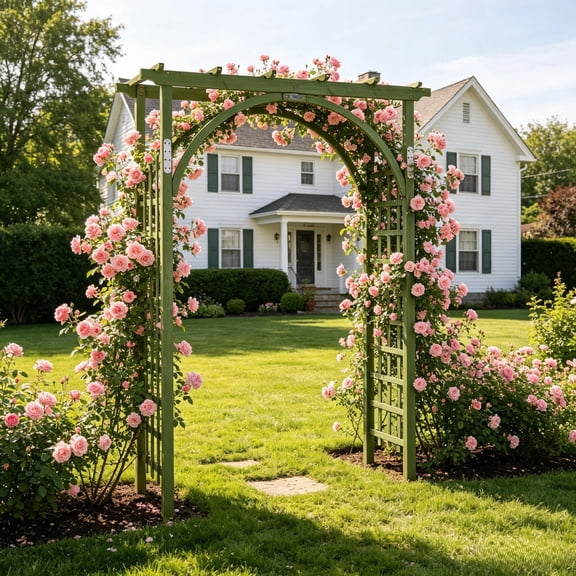
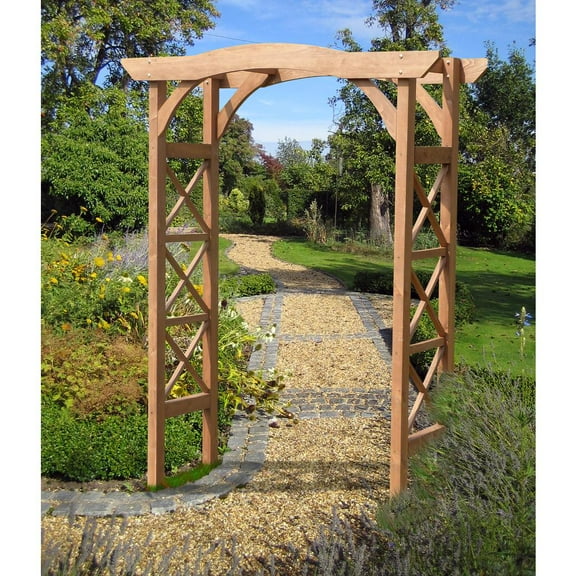
Wooden arbors give your yard a classic look that works well near cottage gardens, picket fences, and stone paths. You can stain or seal wood to coordinate with your deck, raised beds, or porch trim.
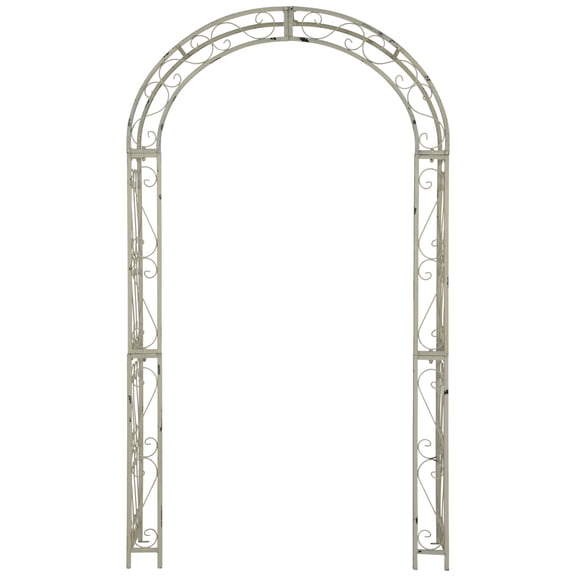
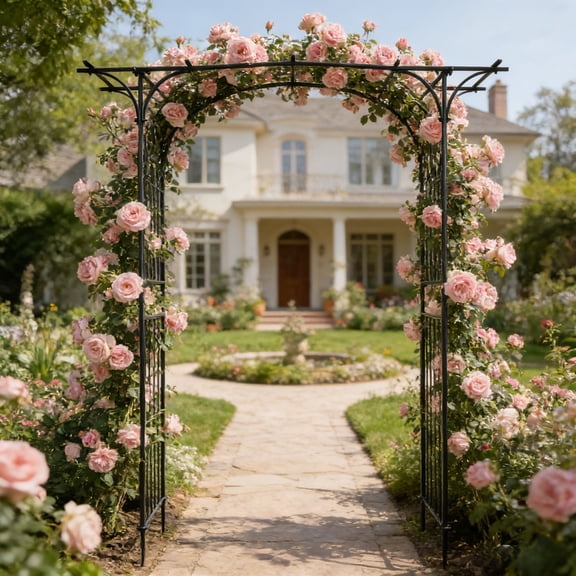
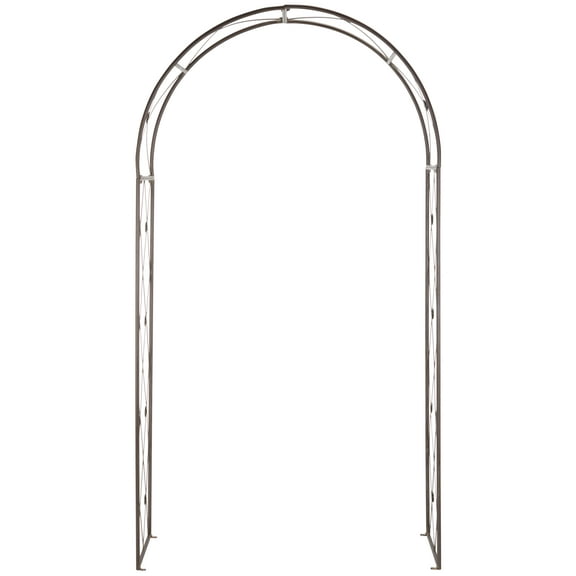
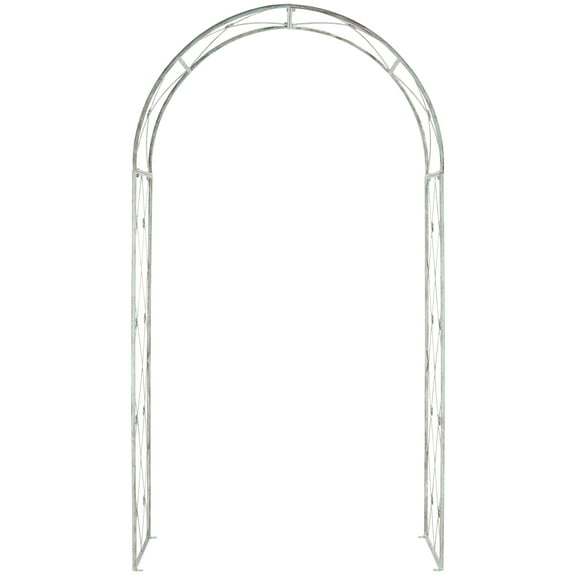
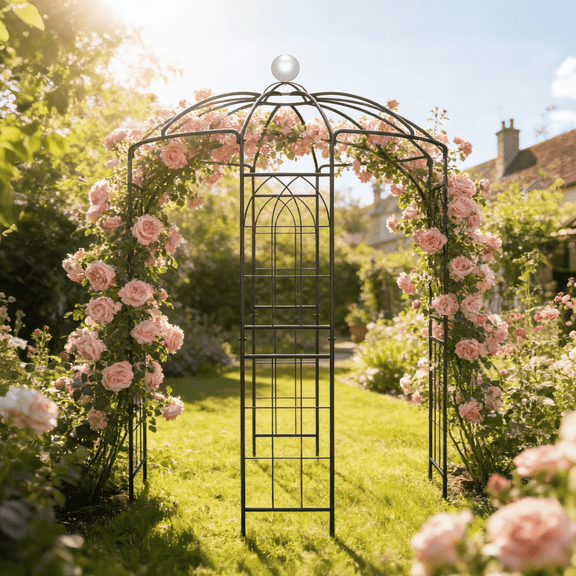
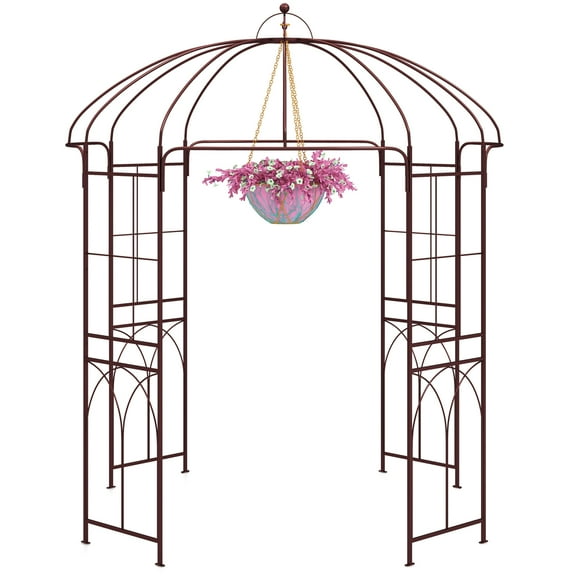
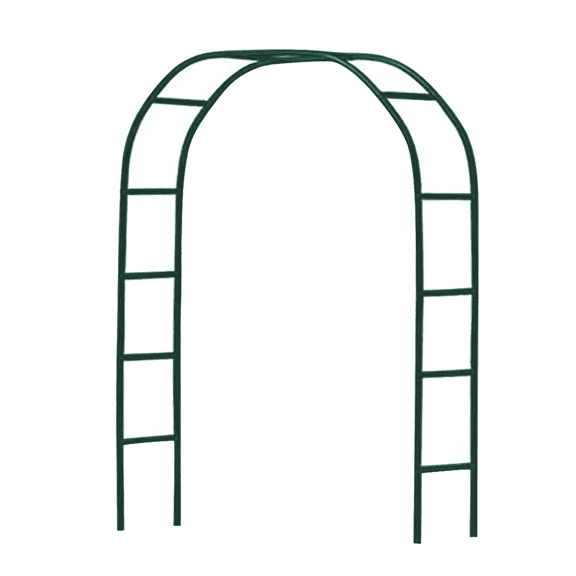
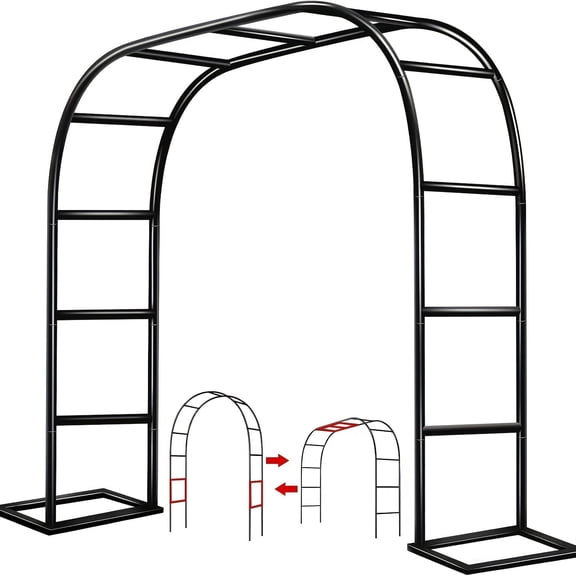
Metal arbors give you a crisp frame for vines and flowering climbers without adding much visual bulk. You’ll often like metal or iron styles when your space has clean lines, narrow paths, or a modern border.
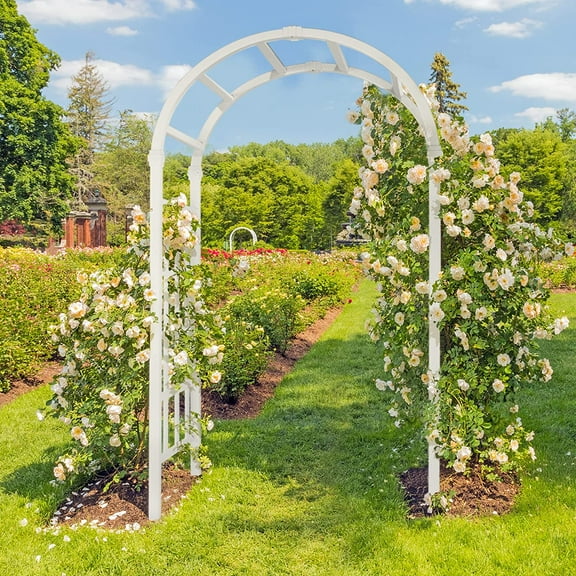
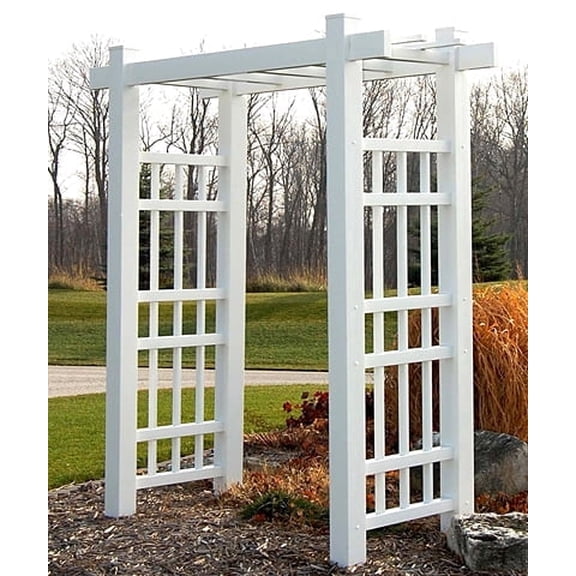
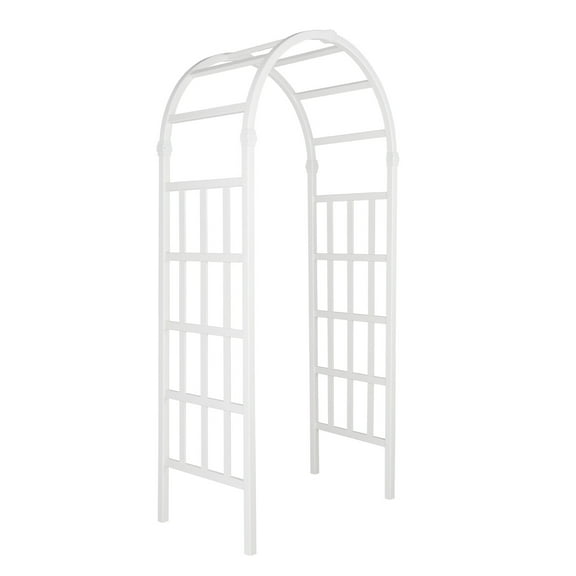
Vinyl arbors give you a bright, tidy look with very little routine upkeep through the seasons. You can choose vinyl when you want a polished garden entrance without regular sealing or repainting.
- You can pick wood when you want a warmer, natural finish.
- You can choose metal or iron when you want a slimmer frame for climbing plants.
- You can select vinyl when your routine calls for simple upkeep.
- You can compare each material by style, maintenance, and overall placement.
Choosing features like arbors with gate, bench, and trellis sides
Arbors with gate designs help you create a more defined transition between your lawn, garden beds, or side yard. You may prefer that feature when you want a formal walkway or a framed entry for guests.
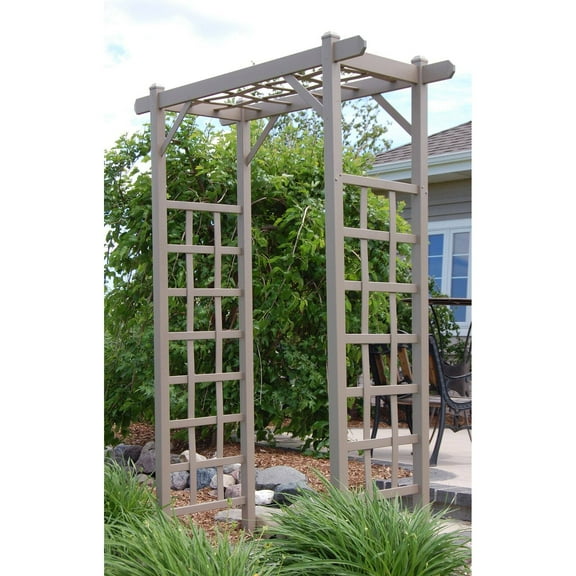
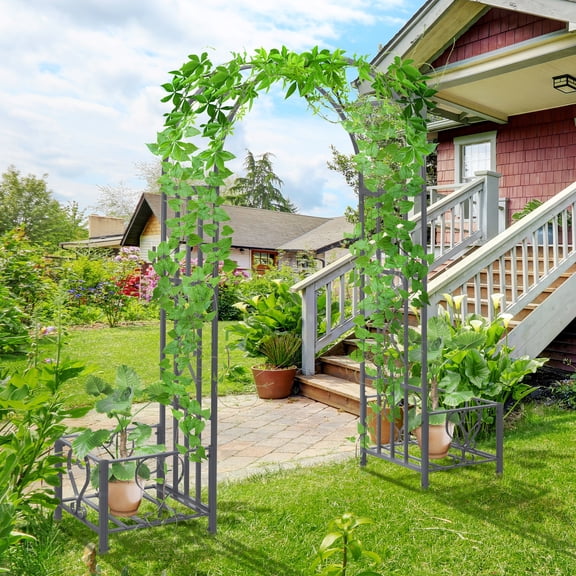
Trellis sides give your vines more surface to climb, which helps you build a fuller vertical display. You can use those panels for clematis, ivy, jasmine, or seasonal flowering plants along a path.
Planter boxes let you place flowers or greenery right at the base, which makes the structure feel integrated. You may like that option when your soil conditions vary or your patio needs movable planting areas.
Bench styles give you a place to sit while also creating a focal point in your backyard arbors plan. You can use that layout near a path bend, water feature, or quiet garden corner.
What to look for in clearance, anchoring, and assembly
Inner width and height clearance matter when you want comfortable walking room under your arbor arch. You should measure your path, mower route, or cart access before choosing a size.
You may want wider clearance when your walkway handles garden carts, wheelbarrows, or riding mower access nearby. You can avoid a cramped fit by checking the opening dimensions, not just the outside frame.
Ground anchoring affects how stable your arbors feel once placed on soil, grass, gravel, or hard surfaces. You should compare anchor kits and mounting methods based on your soil type and placement area.
Some yards need deeper anchoring because soft soil can shift after rain or watering. You can look for options that explain anchor hardware clearly, especially for open areas with frequent wind exposure.
Assembly also shapes your decision because some designs use more parts, panels, or hardware than others. You should check whether your setup needs basic hand tools, a second person, or extra installation time.
Simple frames may suit you when you want a quick weekend project near a garden entrance. More detailed styles may fit you when decorative side panels or gates matter more than fast setup.
Matching arbors to your garden style and use case
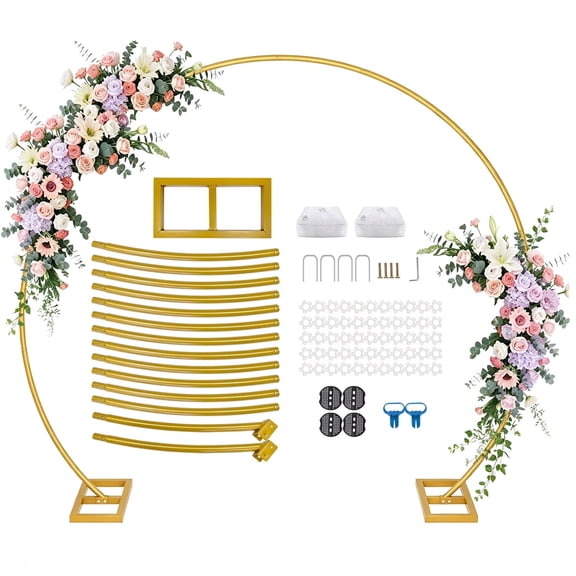
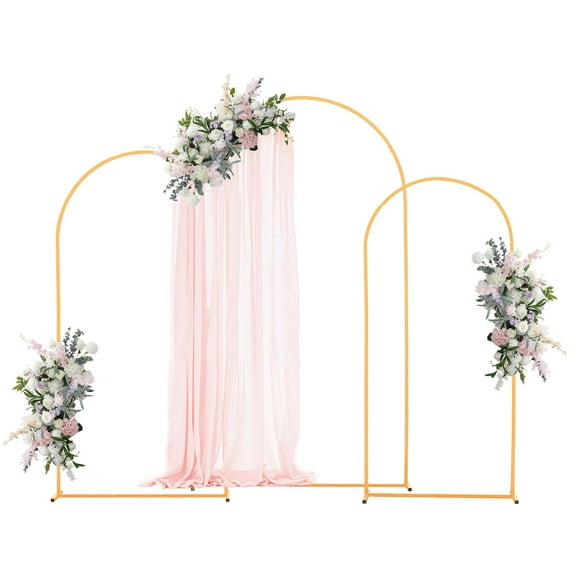
Garden arbors work well when you want to frame a ceremony space, walkway, or backyard patio edge. You can use them for weddings, seasonal parties, or everyday structure in a planting area.
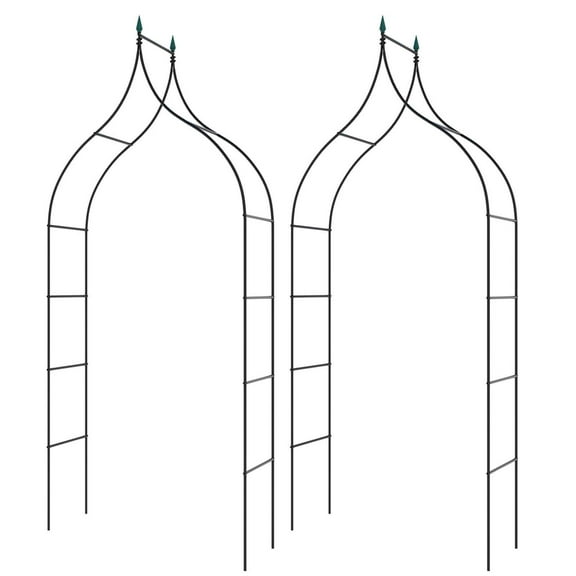
Traditional styles pair well with brick paths, cottage plantings, and rounded flower beds. You may choose gothic lines when you want a more dramatic silhouette around climbing roses or ivy.
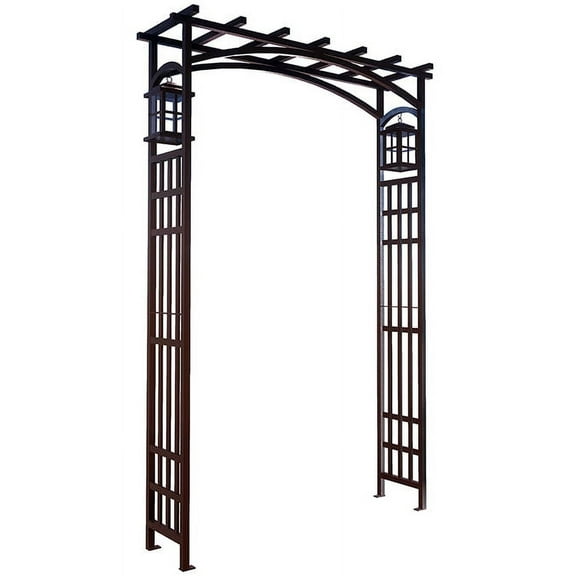
Modern designs fit cleaner landscapes where straight borders, gravel paths, and minimal planting define the space. You can also choose pergola-style frames when you want a broader overhead presence.
Grape arbors and heavier vine setups need enough structure for spreading growth across the top and sides. You should compare frame shape, trellis coverage, and material strength before training larger plants.
For a garden entrance, you may want a centered arch that visually connects fences, gates, or path lighting. For a patio edge, you may prefer a wider frame that softens transitions between seating and planting.
If your goal is a photo-ready focal point, you can look for balanced proportions and decorative top details. If your goal is plant support, you should focus on climbing surfaces, anchoring, and usable clearance.
How wooden arbors, metal arbors, and vinyl arbors fit different spaces
Wooden arbors often suit larger yards where their texture connects with fences, beds, and natural plantings. You can refresh their look over time with stain or sealant that matches your outdoor finishes.
Metal arbors often suit compact spaces because their open lines keep walkways feeling less crowded. You may find that an iron frame works well where vines provide most of the visual fullness.
Vinyl arbors often suit tidy entry points where you want a bright finish and straightforward upkeep. You can place them near drive paths, lawn borders, or formal gardens for a clean outline.
When you compare these options carefully, your arbors can add structure, support, and style without overwhelming your yard. You’ll feel more confident when your choice matches your material preference, clearance needs, and planting plans.