









Scissors in Office Supplies

















About Scissors in Office Supplies - Walmart.com
Scissors and paper trimmers help you handle clean cuts for office packets, school projects, and craft layouts. You can compare cutter type, blade material, and sheet capacity to match your workload.
How to choose scissors and paper trimmers
You should start with cutter type because each option supports a different cutting style. You can choose scissors for hand control, rotary models for straight slices, guillotine styles for stacks, or bypass trimmers for specialty trimming.
If you handle mixed tasks, you may want both office scissors and a tabletop cutter. You can trim labels with precision scissors, then square flyers with paper cutters and trimmers.
When you compare options, you should also check cutting length and base markings. You can line up pages faster when your trimmer includes an alignment grid and a dual-scale ruler.
Choosing cutter type for your work
You can use a guillotine paper cutter when you need quick cuts through thicker stacks. You may prefer this style for forms, classroom packets, and repeated office jobs.
A rotary paper trimmer can give you guided, straight cuts with a sliding blade track. You may find it useful for photos, presentations, and smaller craft layouts.
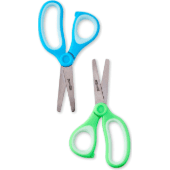
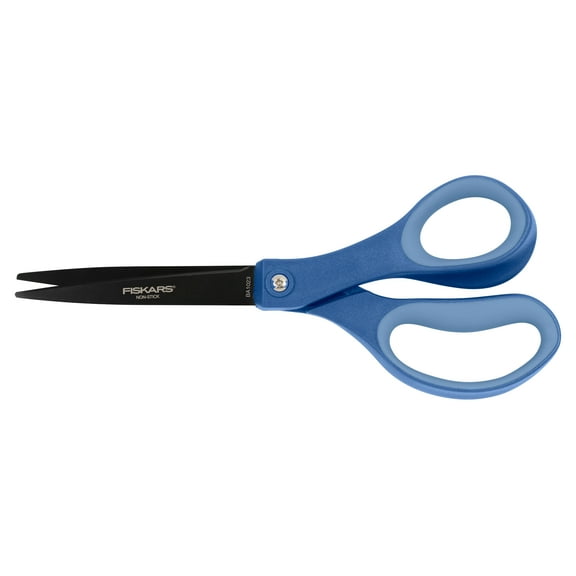
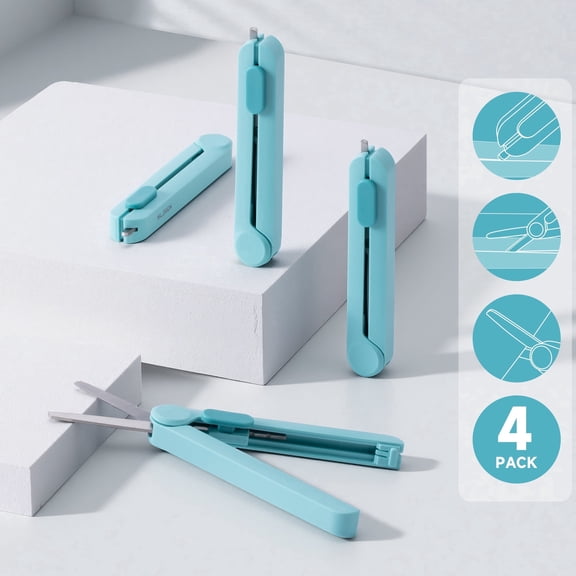
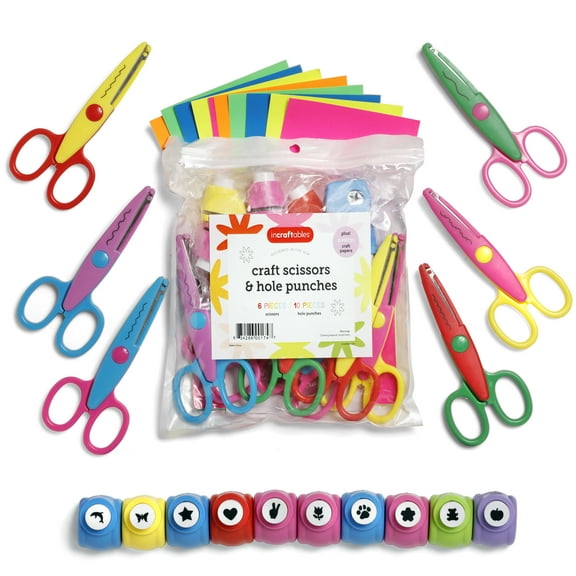
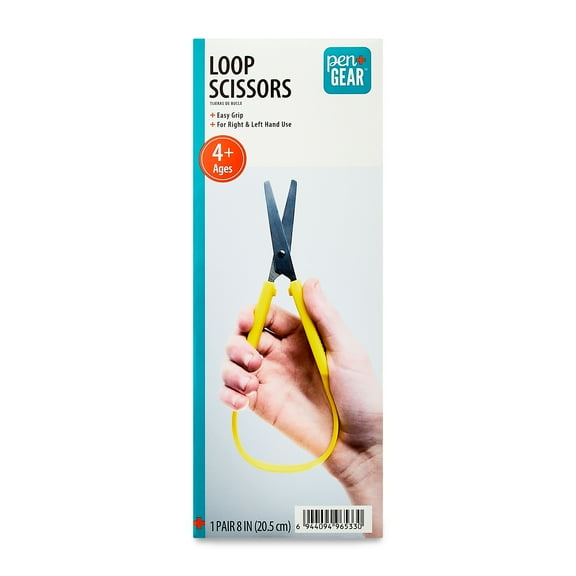
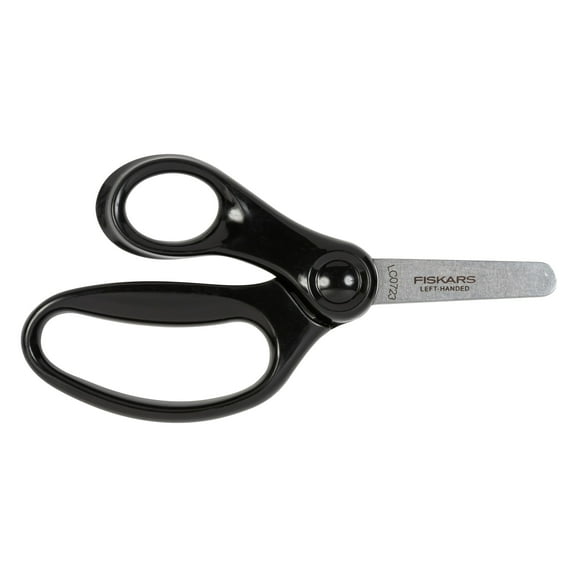
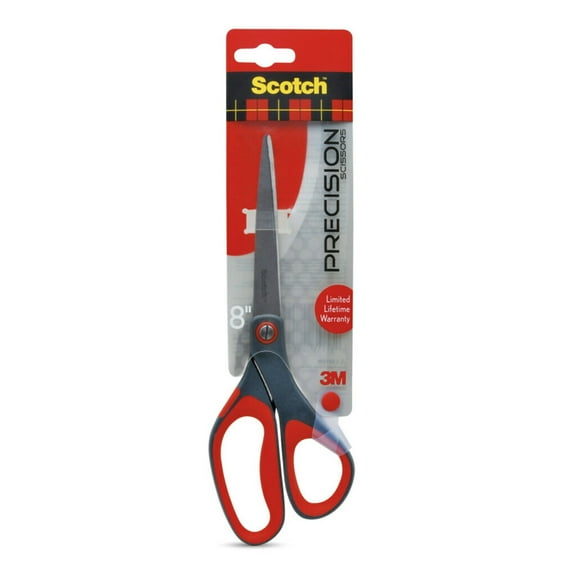
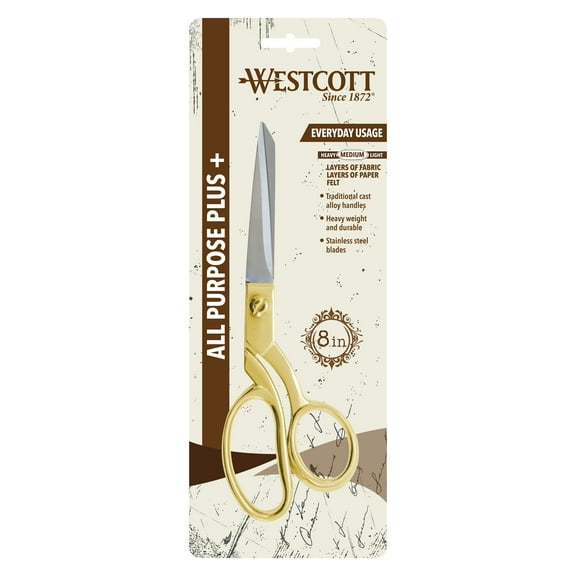
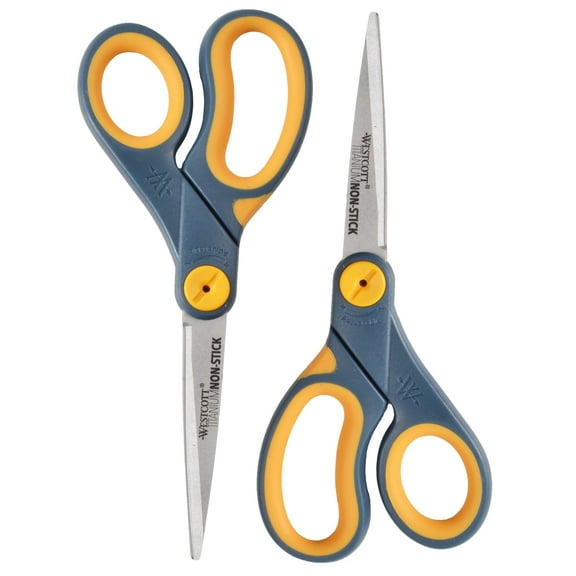
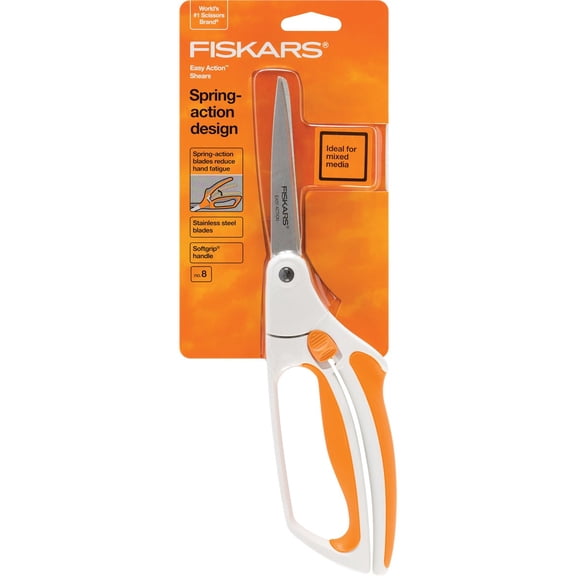
You can keep scissors on hand when you need curved cuts or quick snips away from a desk. You may see craft scissors and school scissors used for shapes, detail work, and everyday classroom supplies.
- You can choose guillotine styles for faster stack cutting.
- You can choose rotary models for measured, straight edges.
- You can choose scissors for flexible hand-guided trimming.
- You can match the tool to office, school, crafting, or industrial tasks.
What to look for in heavy duty paper cutters
You should compare sheet capacity with the paper weight you plan to cut most often. You may only need 10 sheets for light handouts, while 20 sheets or 30+ sheets fit heavier routines.
If you cut cardstock, laminated pages, or thicker paper, you should look closely at cutting capacity. You can get consistent results when your trimmer matches the material thickness on your project list.
You can also compare blade material because it affects feel and upkeep over time. You may commonly see stainless steel, titanium, and carbon steel across heavy duty paper cutters.
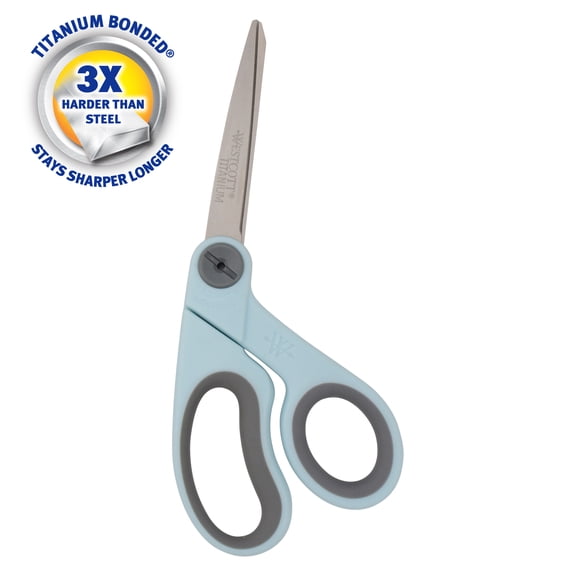
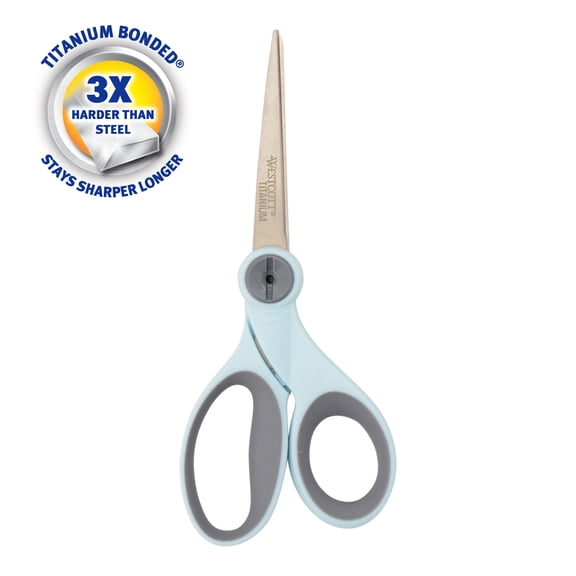
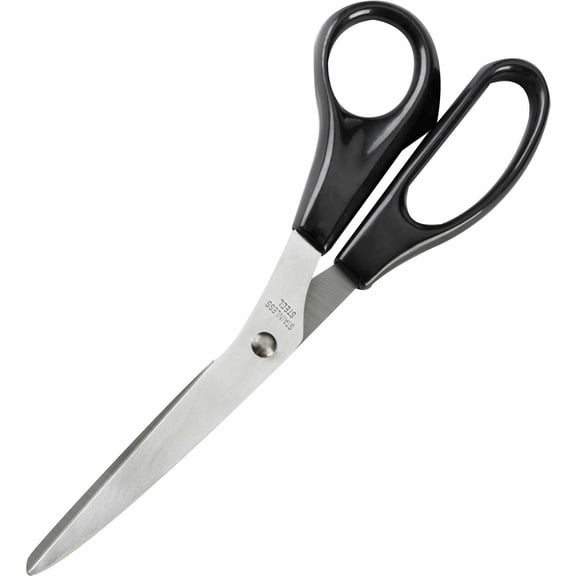
Stainless steel can suit everyday office use because you get reliable cutting on standard paper. Titanium-coated blades can appeal to you when you want longer edge retention through repeated jobs.
Carbon steel may work for demanding tasks where you need a strong cutting edge. You should still check sharpening needs and replacement options before you choose.
Checking safety features and control
You should look for blade guards, latch locks, and covered tracks when shared spaces matter. You may appreciate those details in school rooms, busy offices, and multi-user craft areas.
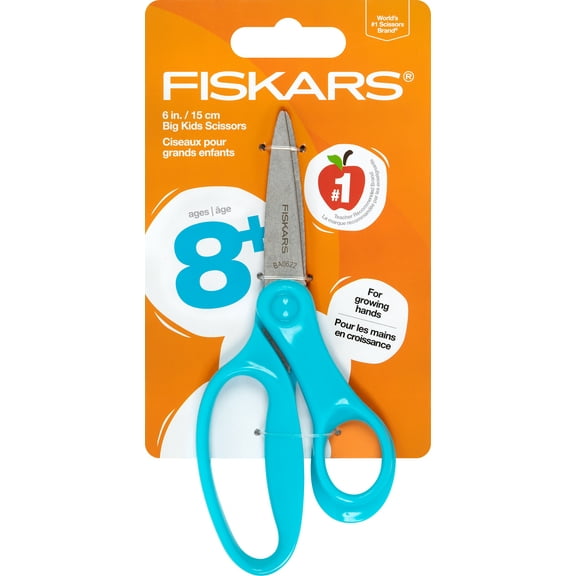
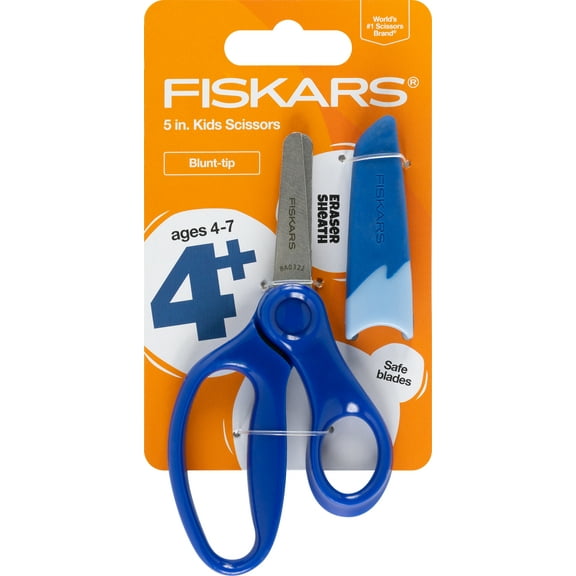
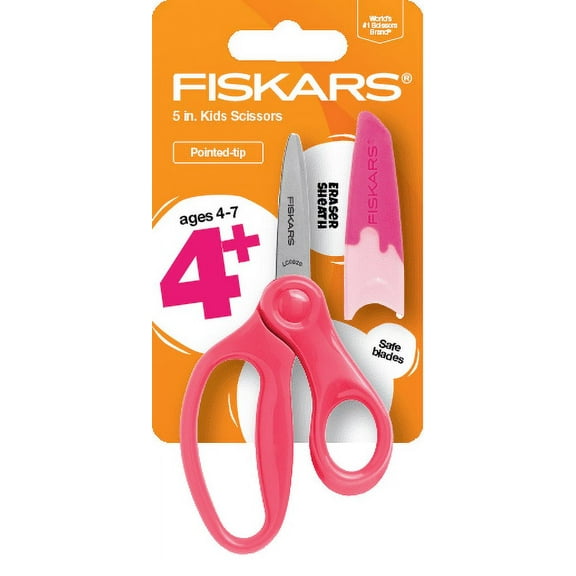
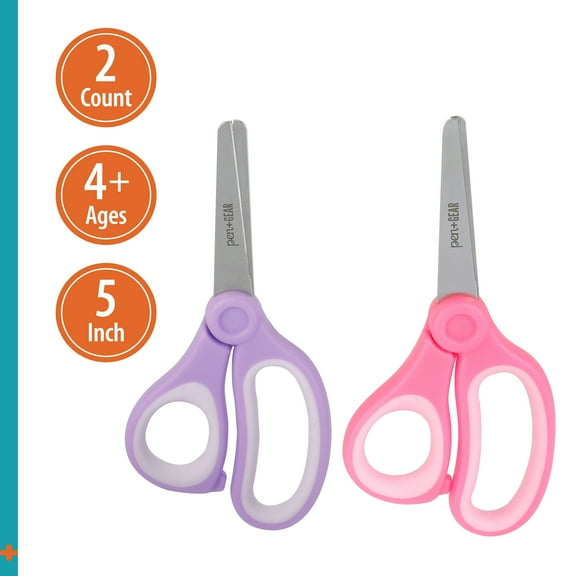
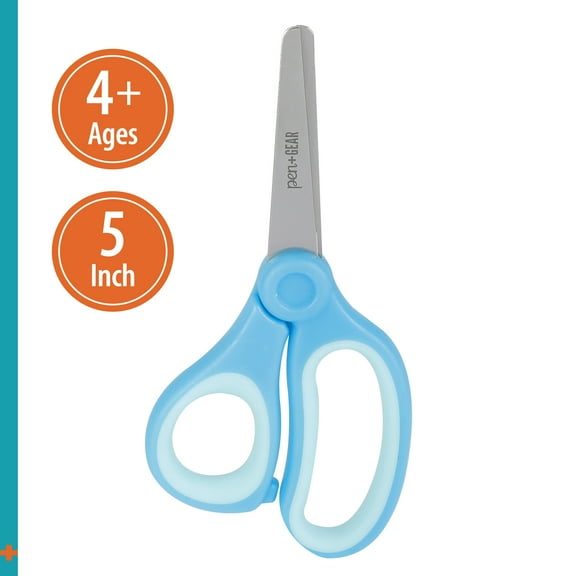
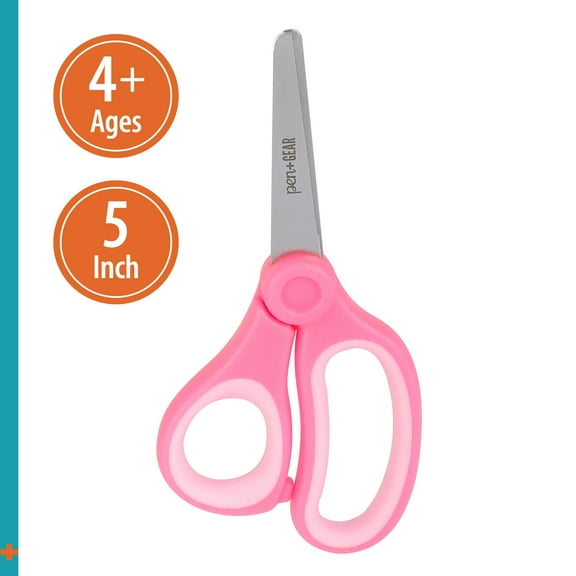
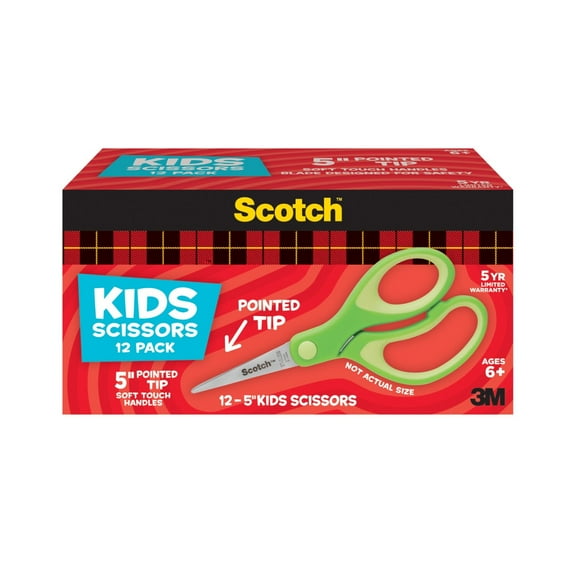
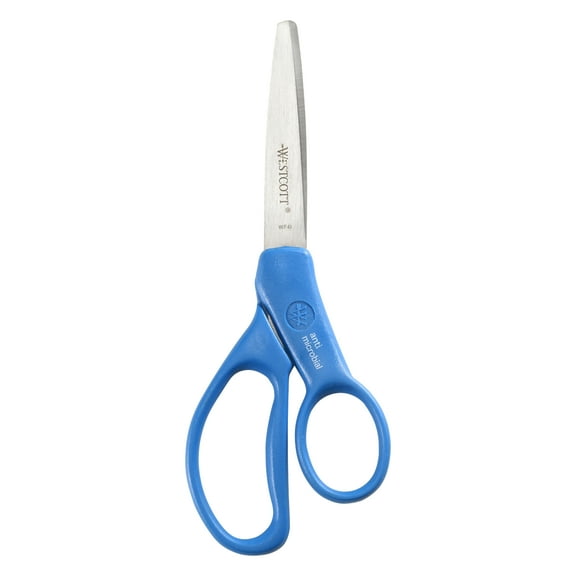
If younger users will handle the tool, you may prefer school scissors with rounded tips and easy-grip handles. You can also look for tension springs or assisted action when you want smoother repeated cutting.
You should check base stability as well because a steady platform helps you guide paper accurately. You can cut quickly when the trimmer stays in place on your desk or worktable.
Comparing cutting length and measurement guides
You can choose a 12 inch cutting length for standard letter pages and common crafting sheets. You may want 15 inch or 18 inch models when you trim larger layouts, signs, or wide materials.
An alignment grid helps you place paper squarely before each cut. A dual-scale ruler helps you measure in two systems without switching tools.
If you prepare handouts, invitations, or photos, you should check these guides carefully. You can reduce guesswork when your paper cutters and trimmers include clear markings and a straight fence.
Matching office scissors and craft scissors to use cases
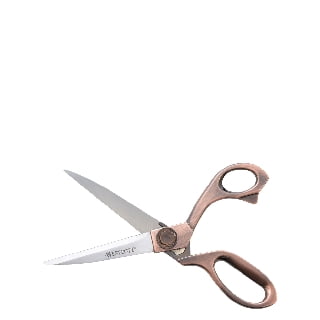
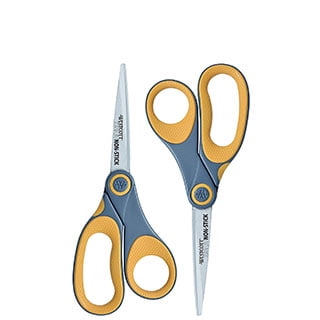
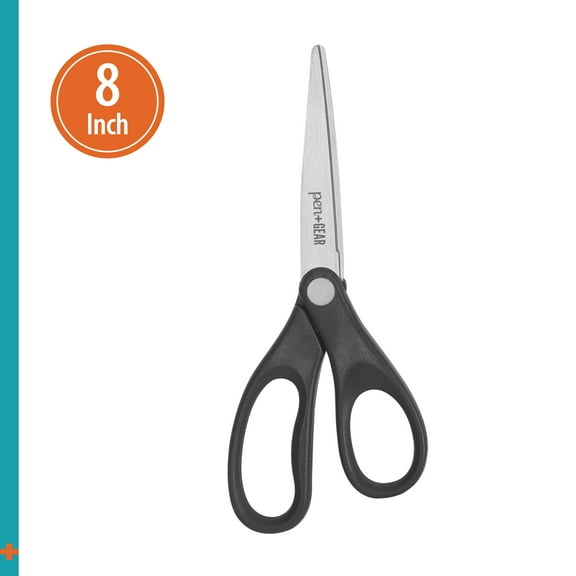
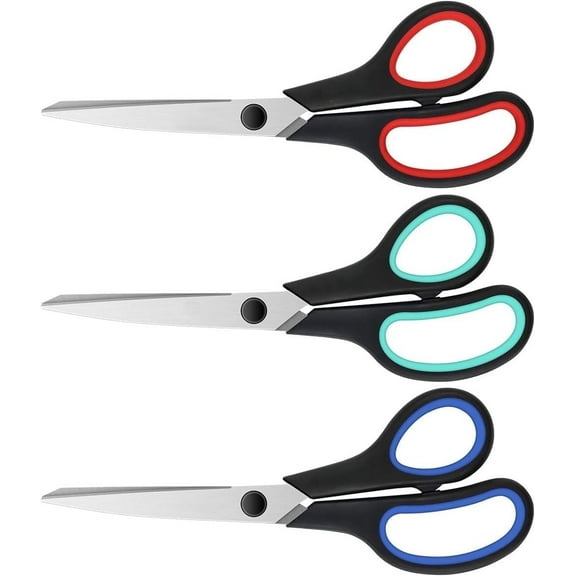
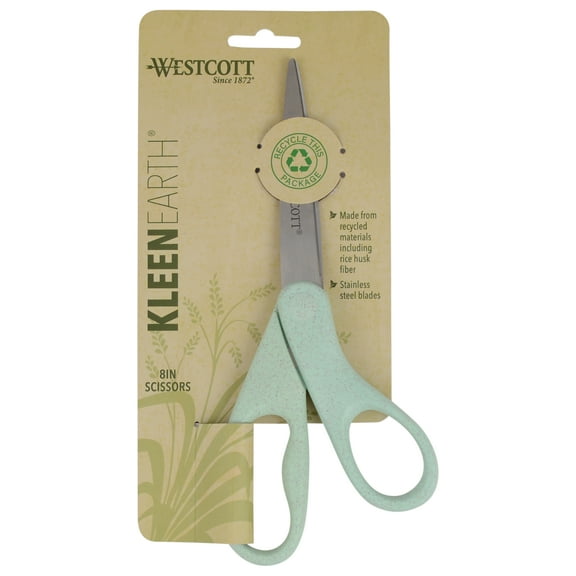
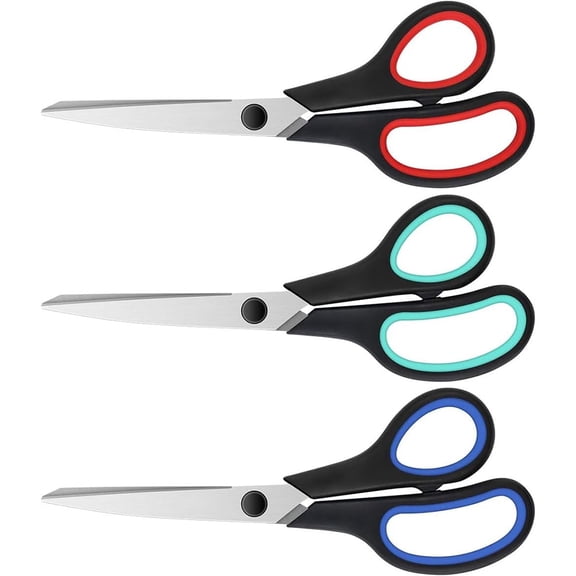
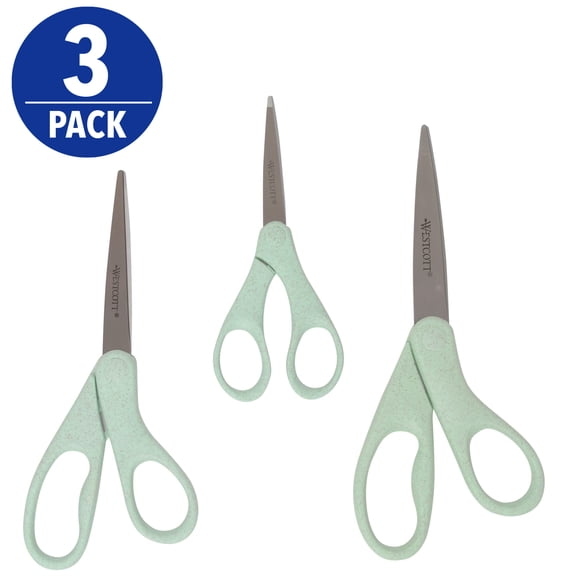
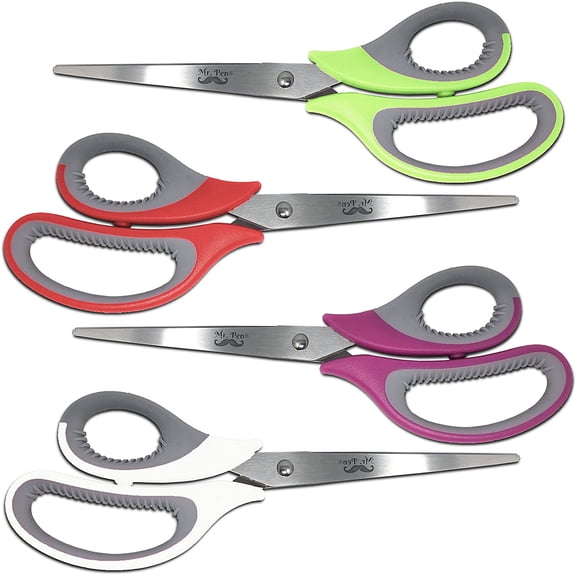
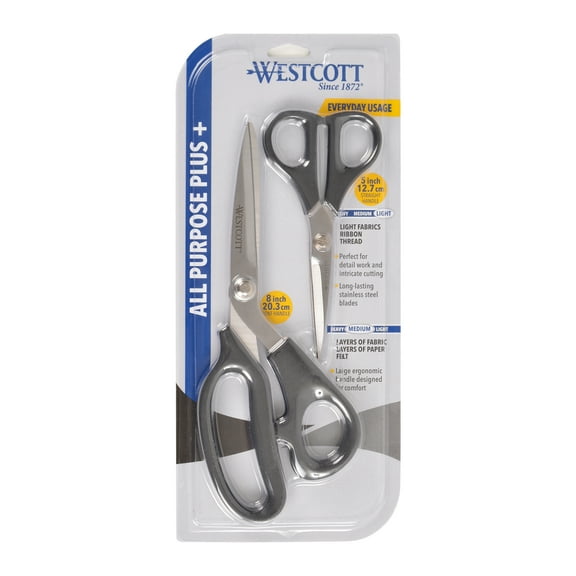
You can choose office scissors for envelopes, shipping labels, and routine desk tasks. You may want comfortable handles and precision scissors when you cut often during the day.
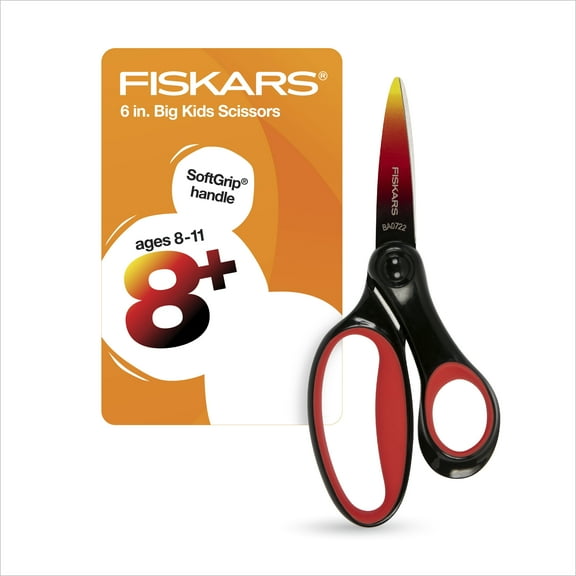
For school use, you may focus on simple handling, manageable size, and safer blade shapes. You can equip classroom projects, bulletin boards, and student supply kits with the right fit.
When you create cards, scrapbooks, or custom decor, craft scissors and rotary tools support different finishes. You can maintain control over fine edges, patterned paper, and photo trimming.
If you manage higher-volume work, you may lean toward heavy duty paper cutters with wider bases. You can process larger batches for mailrooms, print stations, and industrial prep areas.
You can also pair these tools with laminating machines, cardstock paper, and office desk organizers for a smoother setup. You can keep measuring, trimming, and storing supplies more organized in one workspace.
With the right scissors and paper trimmers, you can match capacity, blade style, and safety details to your routine. You can achieve clean cuts, minimal rework, and precise alignment across school, office, and craft tasks.