


Slumberjack in Shop Camping Brands















About Slumberjack in Shop Camping Brands - Walmart.com
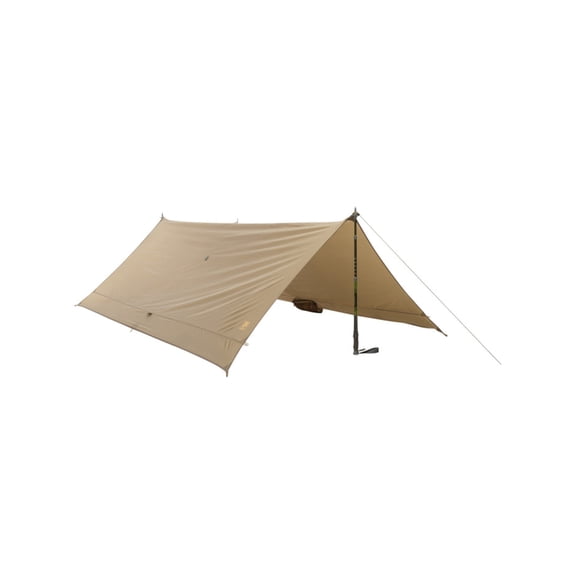
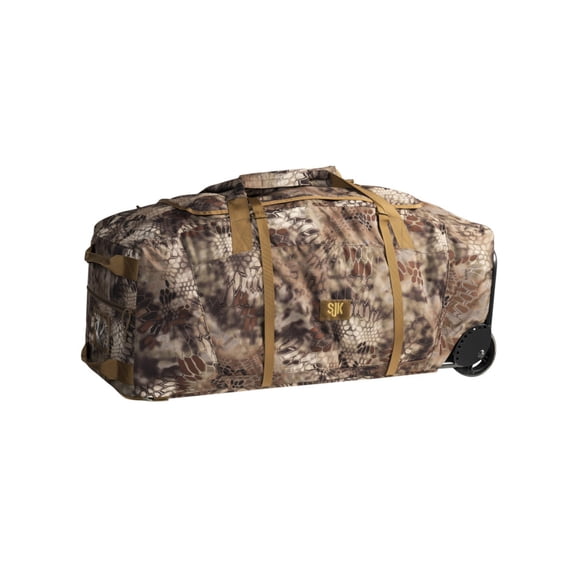
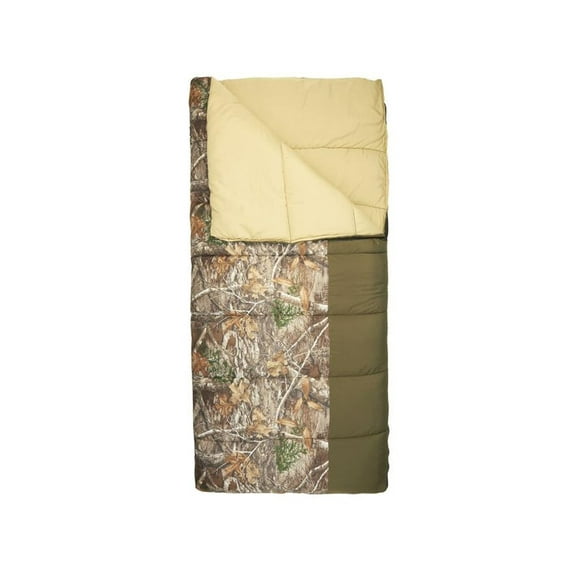
You can compare Slumberjack camping gear by trip style, sleep setup, and carry needs before you head outdoors. You’ll find practical choices across tents, sleeping bags, cots, and backpacks for family camping, hunting camps, and trail weekends.
If you want one brand shelf for shelter, sleep, and camp furniture, this category keeps your planning simple. You can review product types side by side and match capacity, temperature rating, frame construction, and packed size to your outing.
How to choose Slumberjack camping gear
You’ll shop this category by the choices that matter at camp. You can start with product type, then compare capacity, warmth range, frame materials, and transport needs.
When you compare these details first, you can narrow options quickly and avoid mismatched gear. You’ll also spot whether your trip calls for roomy car-camping equipment or lighter setups for carrying farther.
- You can choose tents by sleeping capacity and usable floor space for people and gear.
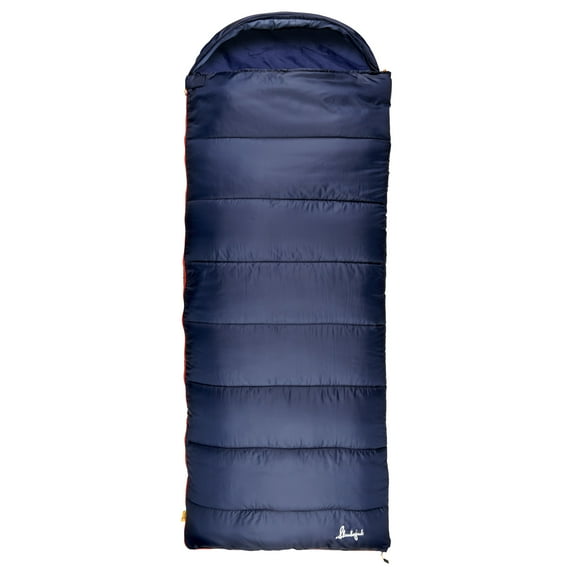
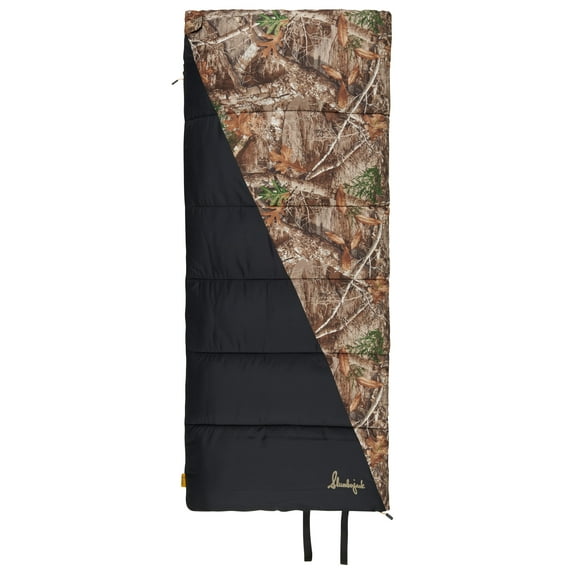
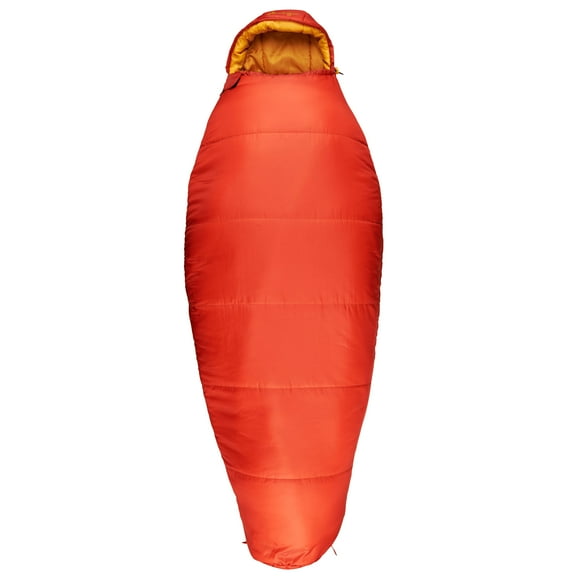
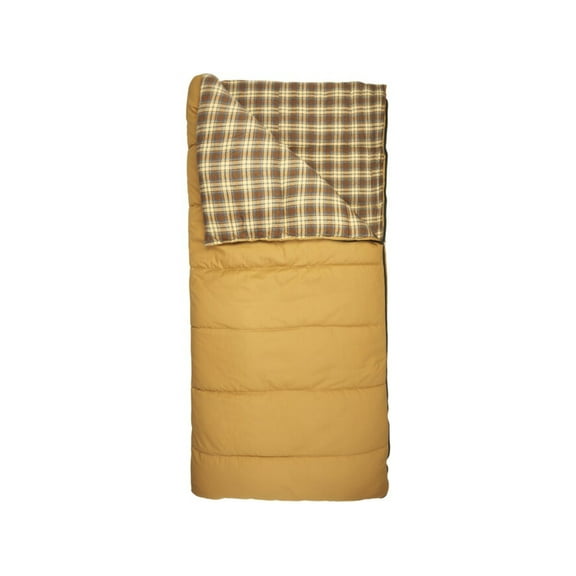
- You can compare sleeping bags by temperature rating, shape, and whether you want a double sleeping bag.
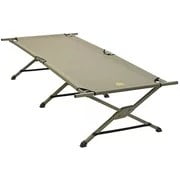
- You can review cots by steel frame, aluminum frame, or folding design for support and portability.
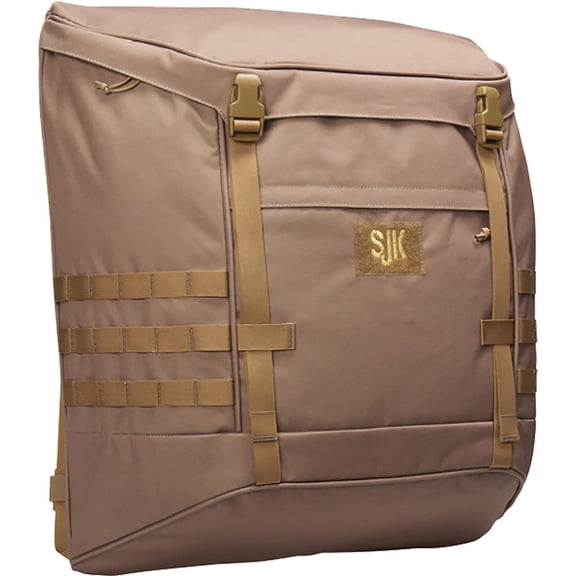
- You can match backpacks to trip length, packed size, and how much equipment you plan to carry.
You’ll notice these choices affect comfort once you reach camp. You can use them to build a setup that fits your season, campsite, and transportation plan.
Choosing between Slumberjack tents and sleep systems
You can use product type as your first filter because each item solves a different camp need. You’ll usually pick tents for shelter, sleeping bags for warmth, cots for elevated rest, and backpacks for hauling essentials.
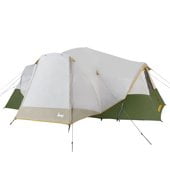
With Slumberjack tents, you should compare listed capacity with your real floor-space needs. You may find a two-person tent works for two sleepers, while a four-person or six-person option gives extra room for duffels.
If your group brings coolers, boots, and layered clothing, you’ll want extra open space beyond what the label suggests. You can also look at an eight-person tent when you need a shared basecamp feel.
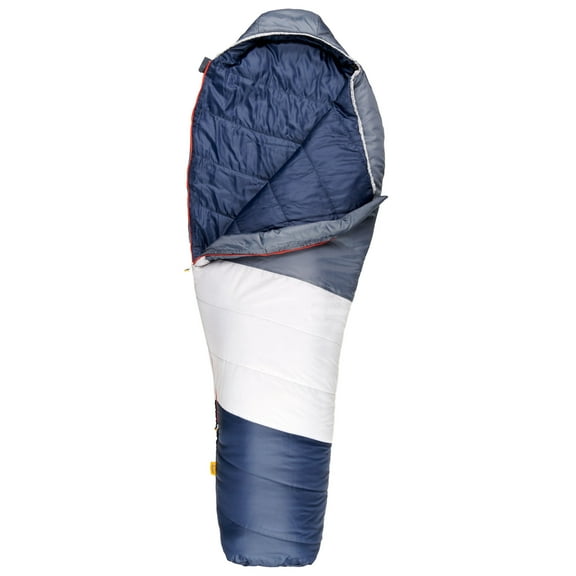
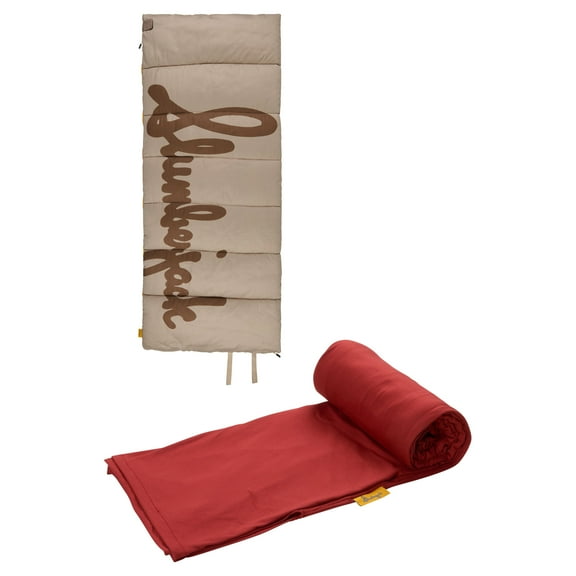
For a Slumberjack sleeping bag, you should focus on season and nighttime conditions first. You can compare zero degree, 20 degree, and 30 degree options by the temperatures you expect overnight.
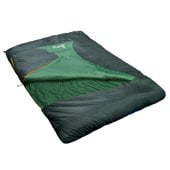
You’ll want lower temperature ratings for colder weather and shoulder-season trips. You can consider a double sleeping bag when you want shared space and fewer separate pieces to pack.
With Slumberjack cots, you should compare frame construction because it changes weight, feel, and transport ease. You may prefer a steel frame for steady support, while aluminum can trim carry weight.
A folding cot can simplify setup and storage when you’re loading a vehicle or organizing a hunting camp. You can use that format when you want quick packing between stops.
What to look for in capacity, temperature rating, and frame construction
You can think of tent capacity as sleeping spots plus gear clearance, not just headcount. You’ll often want one size up if you pack bulky layers, extra bedding, or camp inside longer.
For example, you may use a four-person tent for two adults and gear bins. You can reserve a six-person tent for family camping when you need clearer pathways and more elbow room.
Temperature rating is a key decision point when you’re choosing a sleeping bag. You should compare comfort limits, fill materials, and seasonal plans, because those details shape how warm your setup feels.
A zero degree bag usually fits colder trips and later-season camps. You may choose a 20 degree or 30 degree option when you want a lighter bag for milder nights.
You can also consider bag shape and packed size when storage space matters. If you’re loading a trunk, you may accept more bulk, while longer carries call for tighter packing.
Frame construction matters when you’re comparing cots for support and transport. You’ll often see steel frames add stability for stationary camps, while aluminum helps reduce total weight.
You should also check folding design if you need easy setup at camp. You can compare folded dimensions with your vehicle space, especially when tents, chairs, and coolers travel together.
Matching Slumberjack gear to your camping style
You can build a smarter setup by matching gear to how you actually camp. If you drive to a campsite, you may choose larger tents, roomier bags, and folding cots with less concern about bulk.
For family camping, you’ll likely want extra tent capacity and easy organization space. You can pair that with sleeping bags matched to expected weather and cots that lift sleepers off the ground.
If you’re planning a hunting camp, you may focus on durable shelter and a sleep setup that packs neatly between moves. You can compare steel or folding cot designs depending on how often camp shifts.
For shorter trail trips, you’ll usually pay closer attention to packed size and carrying weight. You can look at backpacks and lighter sleep gear when every item needs to travel farther.
You may also want a double sleeping bag for paired sleeping arrangements on relaxed weekend trips. If you camp solo, you can choose a single bag and smaller shelter for simpler packing.
When your trip spans changing weather, you should check temperature rating and layer space inside the tent. You can prepare with more confidence when your shelter and sleep system work together.
You can use this Slumberjack selection as a practical planning tool for the whole campsite. You’ll feel fully prepared when your tent size, sleeping bag rating, cot frame, and carry setup all fit the trip.