





Dog Potty Training Supplies & Puppy Pads | Walmart
























About Dog Potty Training Supplies & Puppy Pads | Walmart - Walmart.com
Dog potty training gets easier when you compare pads, trays, grass patches, and sprays by your space and your dog's size. You can narrow options faster when you focus on absorbency, floor protection, and indoor routines that fit your day.
How to choose dog potty training products
You can start with product type, because each format supports a different routine. You may prefer pads for quick setup, trays for added structure, grass patches for balcony use, or sprays for habit building.
If you're training a young puppy, you may want puppy training pads that fit crates, playpens, or small rooms. If you're guiding an older dog indoors, you may look for an indoor dog potty setup with a tray or grass surface.
You should also compare your dog's size before you choose pad dimensions. You can avoid messy overhang when you match smaller pads to little dogs and larger pads to bigger breeds.
- You can use pads for fast cleanup and flexible room placement.
- You can choose trays when you want edges that help keep pads in place.
- You can try grass patches when you want an outdoor-like surface on patios or balconies.
- You can add sprays when you want a familiar spot for repeat training.
Choosing puppy training pads and dog potty pads
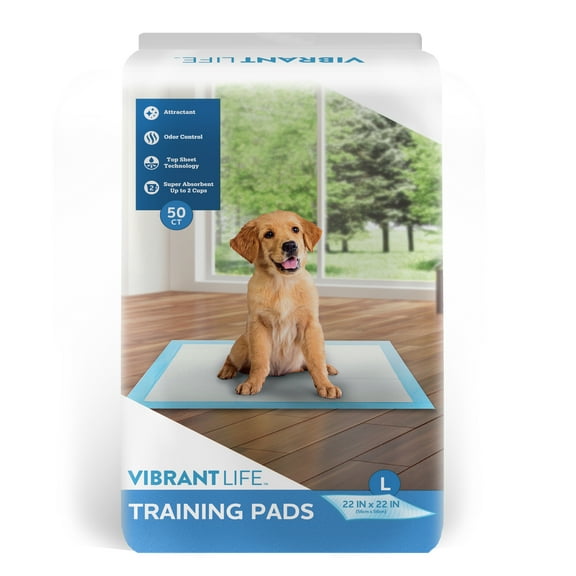
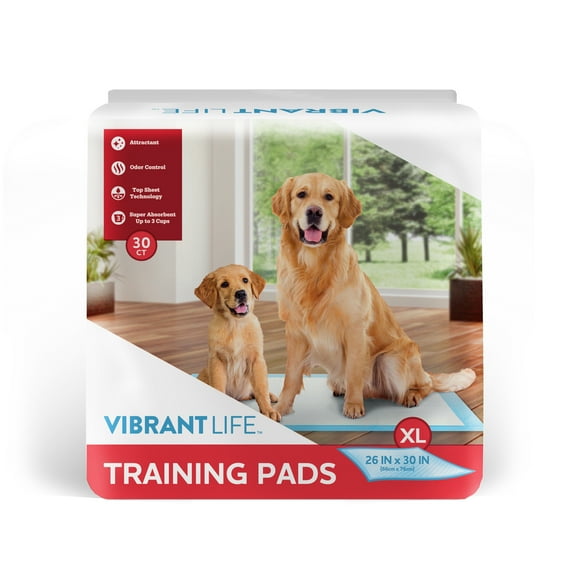
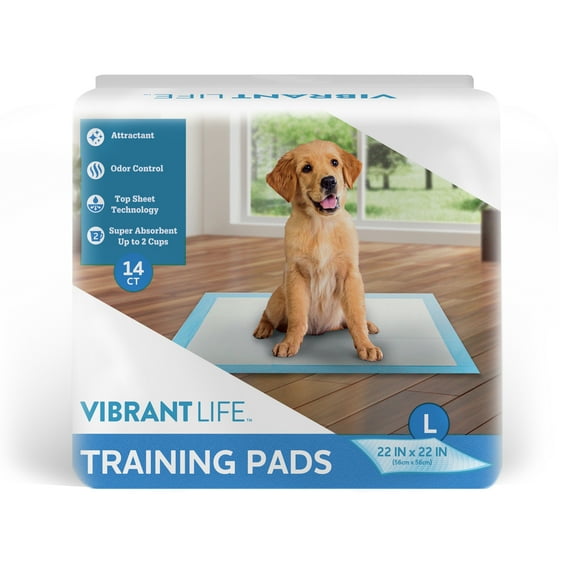
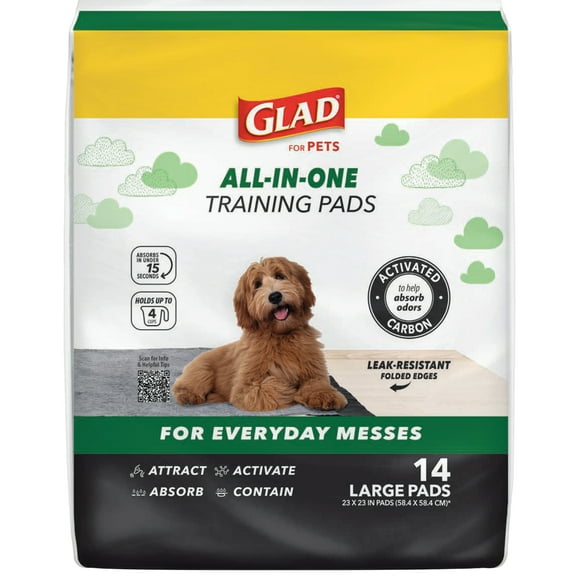
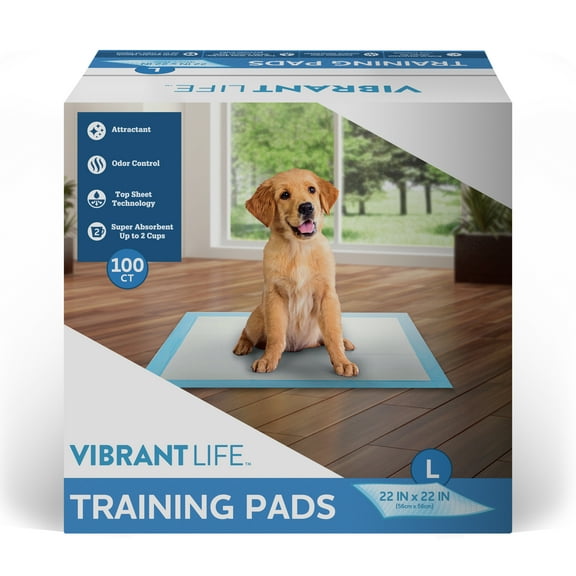
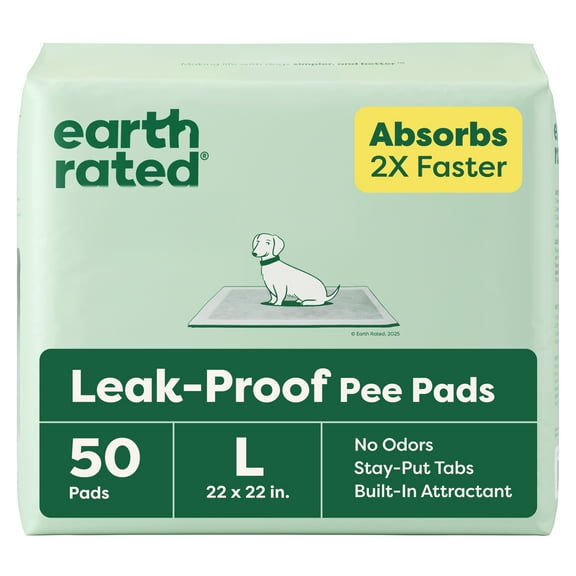
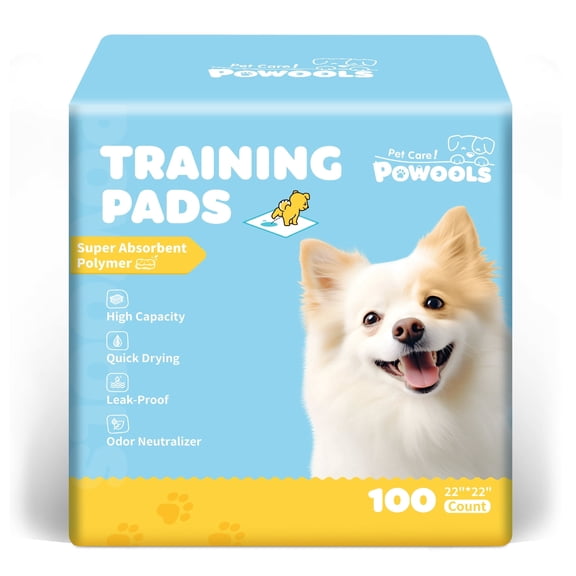
You should compare absorbency levels first, because they shape how often you change each pad. You may choose standard pads for frequent daytime changes, or overnight styles for longer stretches.
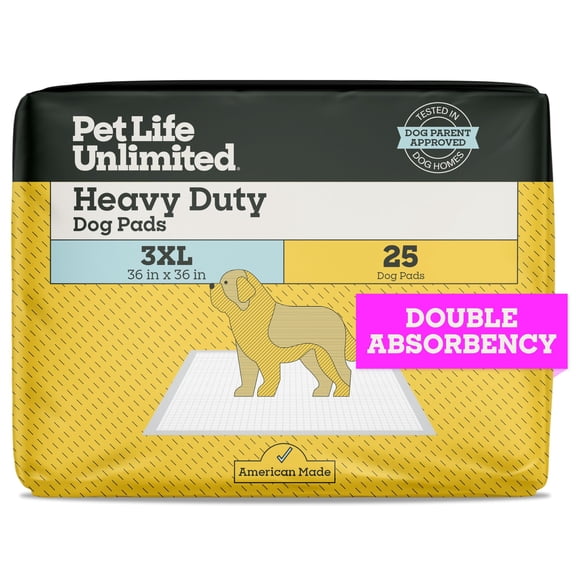
If you have one small puppy, you may only need a lighter absorbency level. If you have several dogs or a larger breed, you may want heavy duty or multi-dog dog potty pads.
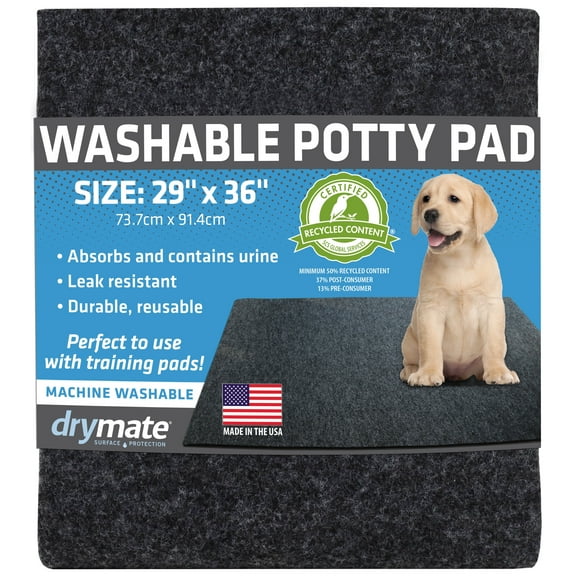
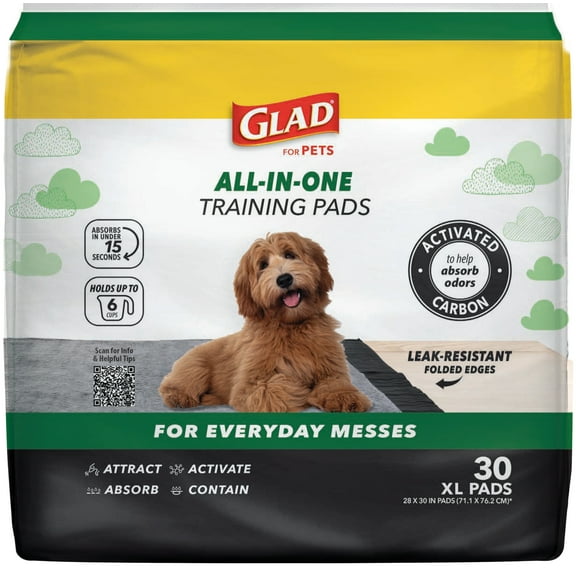
You should check leak-proof backing when you're protecting hardwood, tile, or carpet. You can keep floors cleaner when your pad has a sealed bottom layer and quilted top surface.
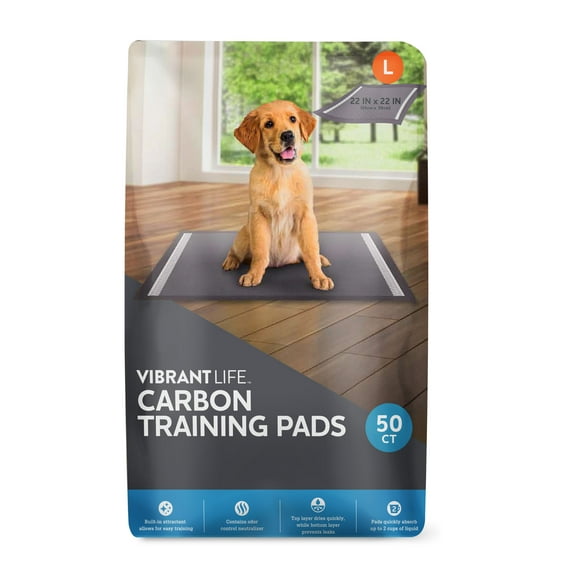
Odor control matters when you're training in bedrooms, laundry rooms, or apartment corners. You may notice charcoal polymer cores help trap smells, while light attractant scents help guide repeat use.
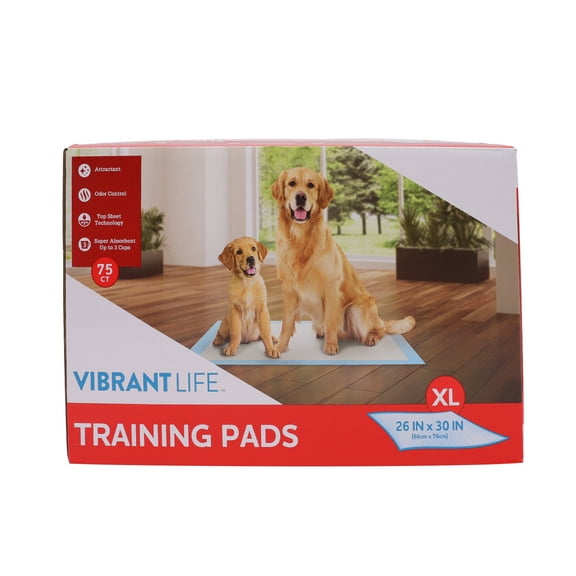
You should match pad size to your dog's build and turning space. If your dog is under 20 pounds, you may prefer compact pads, while larger dogs need more landing room.
You can also compare edge design and thickness when you want less tracking. You may find thicker pads feel steadier under paws, especially during early dog potty training steps.
Comparing trays, indoor dog potty setups, and grass patches
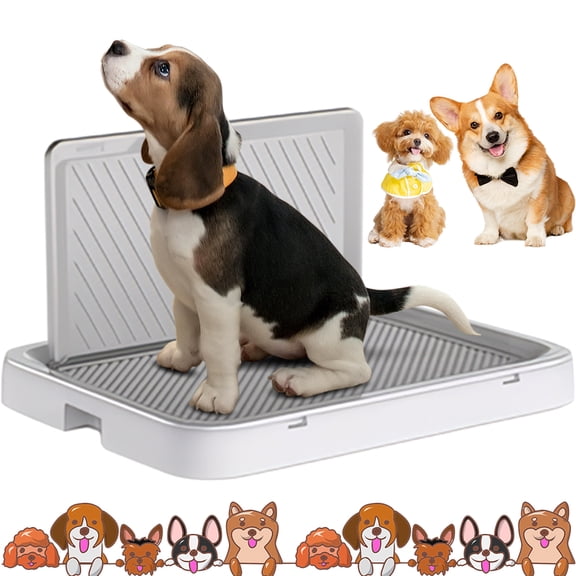
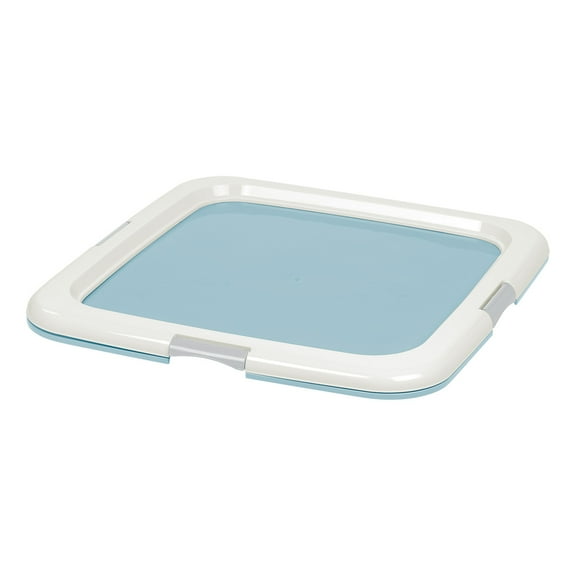
You may want trays when your dog shifts pads around during training. You can use raised edges and fitted frames to keep the surface flatter and easier to manage.
If you live in an apartment, you may prefer an indoor dog potty that stays in one consistent spot. You can place it near a balcony door, utility area, or enclosed patio.
Grass patches give you a different texture than flat pads. You can compare synthetic turf and real grass based on upkeep, replacement pace, and the feel your dog prefers.
If you want lower routine maintenance, you may lean toward a dog grass pad made with synthetic turf. If you want a natural outdoor feel, you may consider real grass for short-term training cycles.
You should think about drainage and cleanup before you choose a tray or turf system. You can simplify rinsing when you pick removable layers and surfaces that wipe down quickly.
Material details can guide your decision when you're comparing odor control and comfort. You may look for charcoal polymer in pads, synthetic turf for repeat use, or scented plastic parts in certain systems.
Matching dog potty training options to your routine
You can build a more predictable routine when your setup matches your home and schedule. If you're home often, you may use standard pads, but overnight styles help when your schedule runs longer.
If you're training on an apartment balcony, you may compare real grass and synthetic turf carefully. You can choose real grass for a natural transition, while synthetic turf works well for repeat rinsing.
You may want trays for travel because they create a more defined potty zone in temporary spaces. You can also pack folded pads for hotel stops, car breaks, or visits with family.
If your dog is still learning room boundaries, you may keep the potty area near a crate or gate. You can make routines clearer when you keep placement, surface type, and timing consistent.
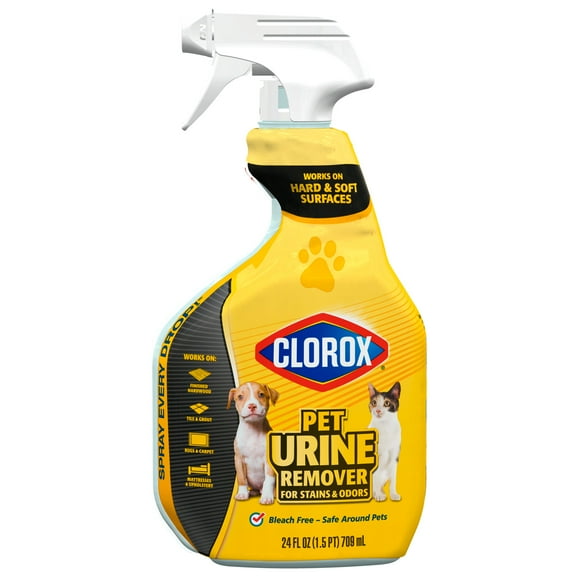
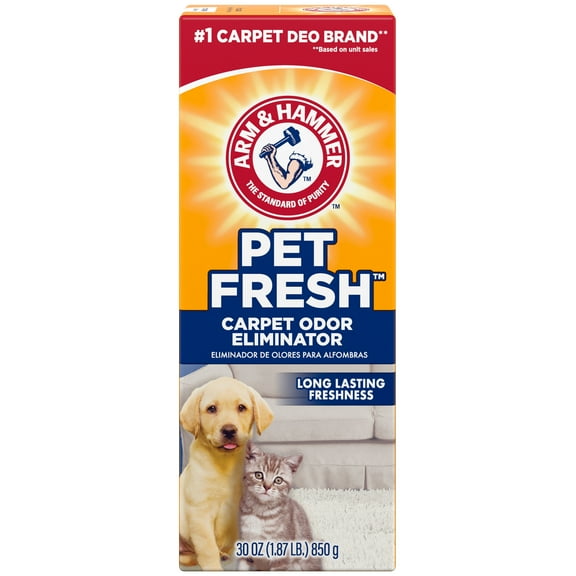
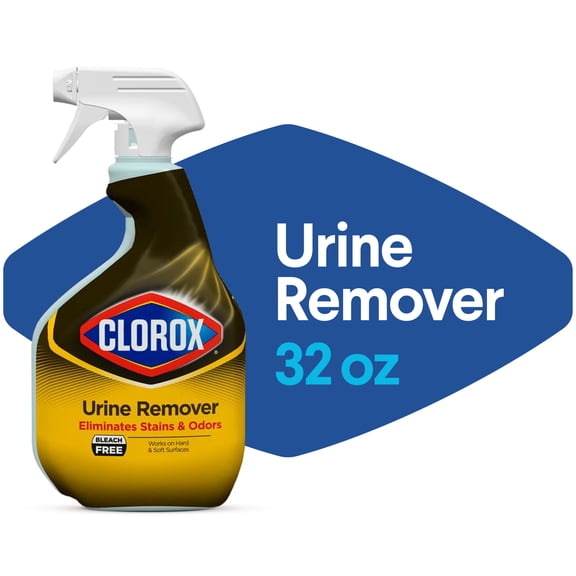
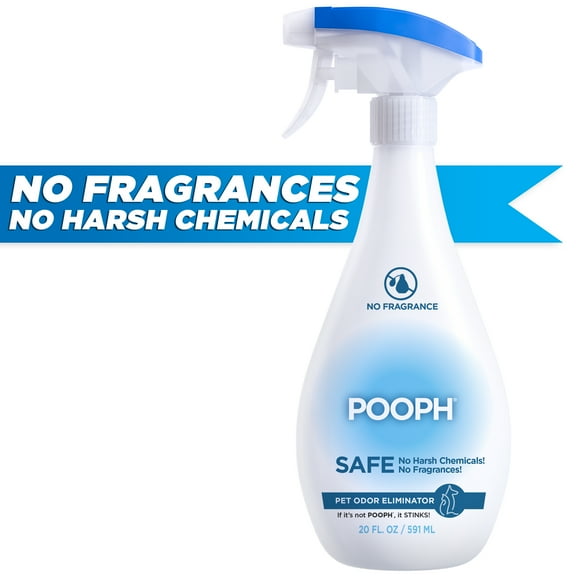
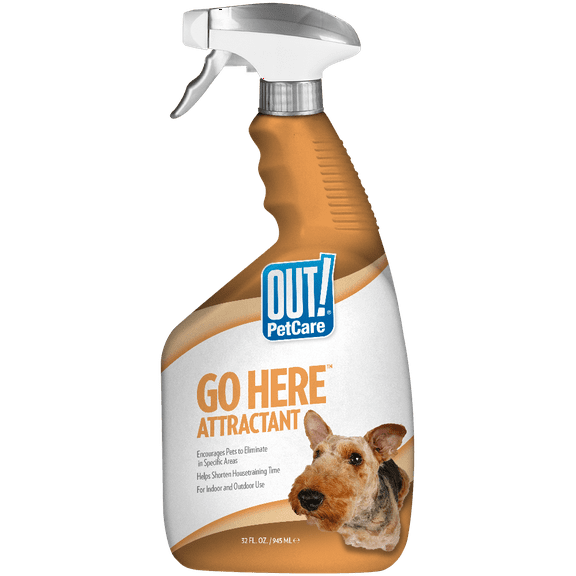
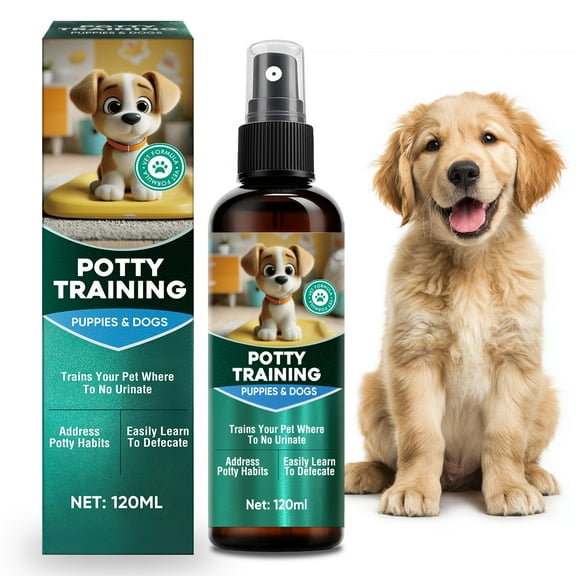
You can use sprays as a support tool when you want one target area. You should apply them only where you want repeat visits, so your dog connects that spot with the routine.
As your dog grows, you may need larger pads or a wider tray. You can adjust your dog potty training setup without changing the whole routine your dog already knows.
What to look for before you decide
You should compare product type, dog size, absorbency, location use, and material before you commit. You can make faster choices when you weigh cleanup time, floor coverage, and where your dog will use it.
With the right mix of puppy training pads, trays, or grass patches, you can create a cleaner routine that fits your home. You can feel more confident when your setup supports steady practice and simpler cleanup.