


Find auto parts that fit
Let’s search for parts that fit your vehicle.Mighty Max Battery in Shop by Brand
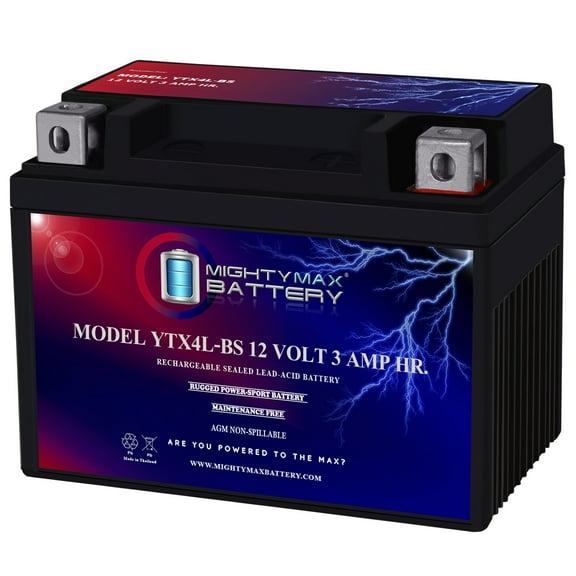

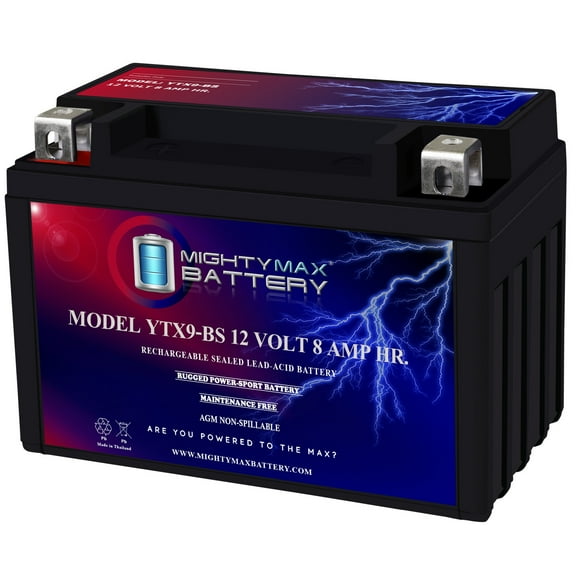
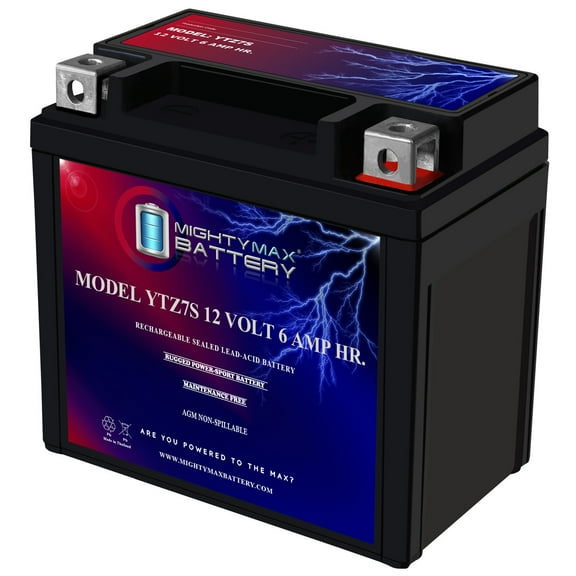
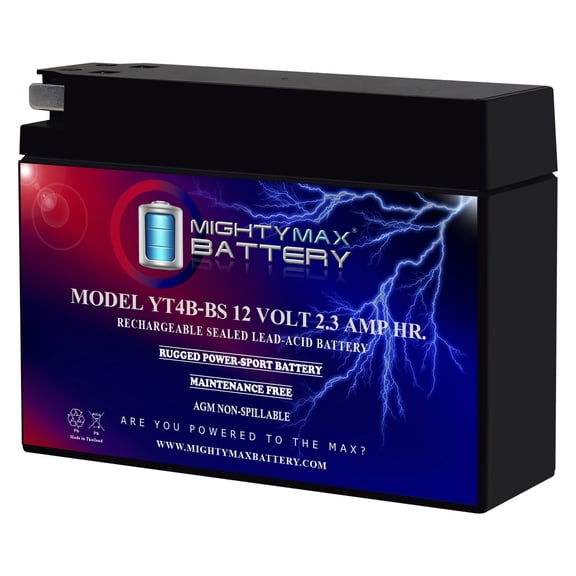
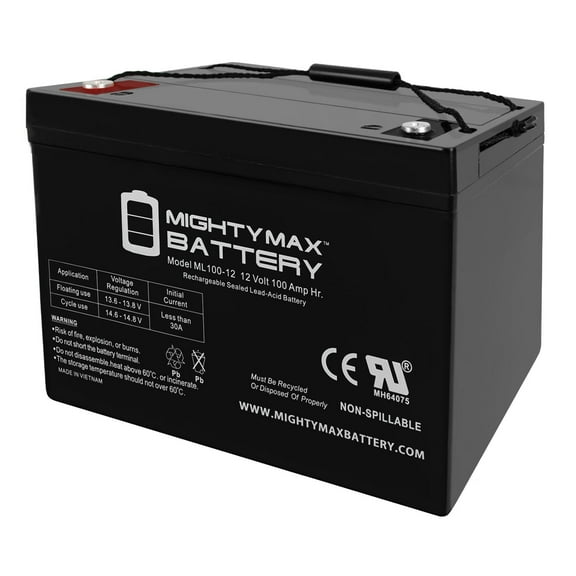
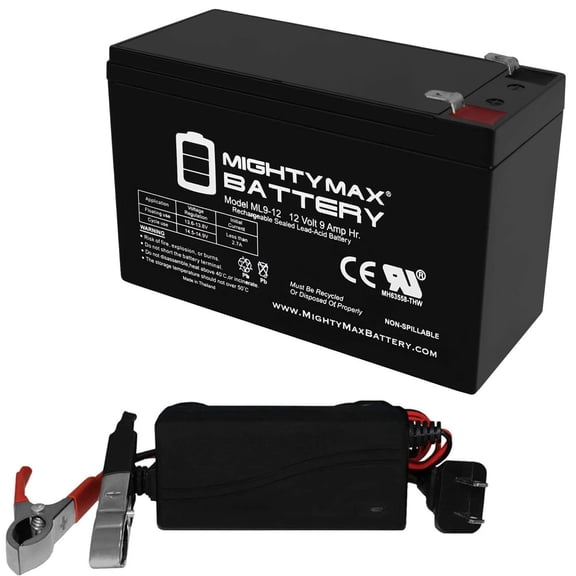


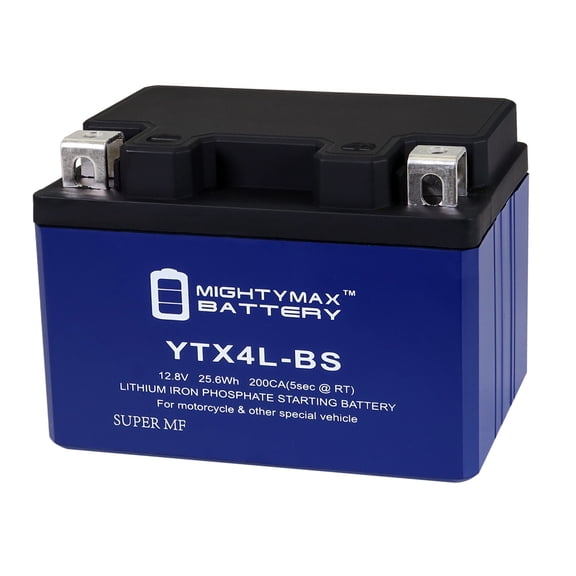

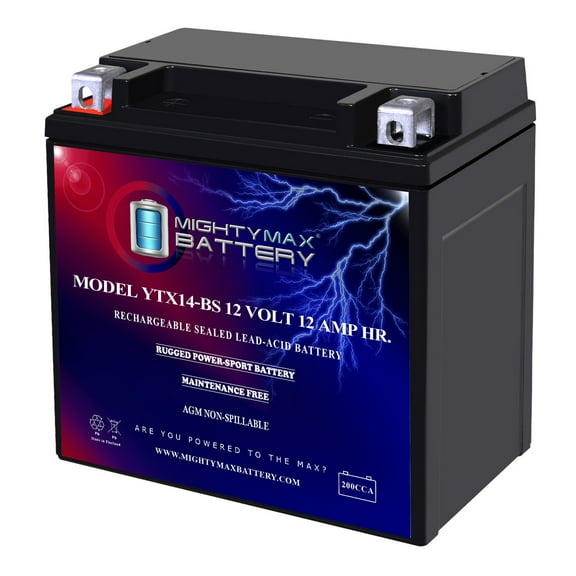
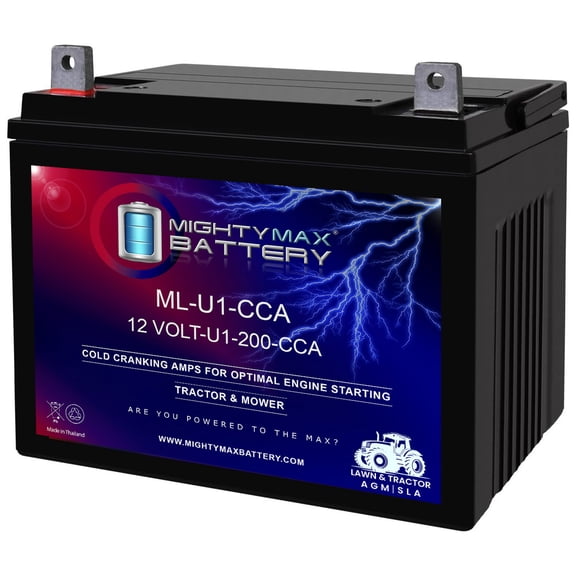
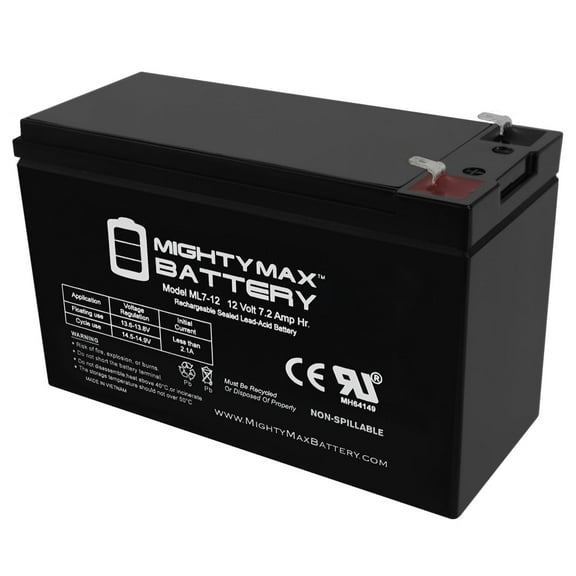


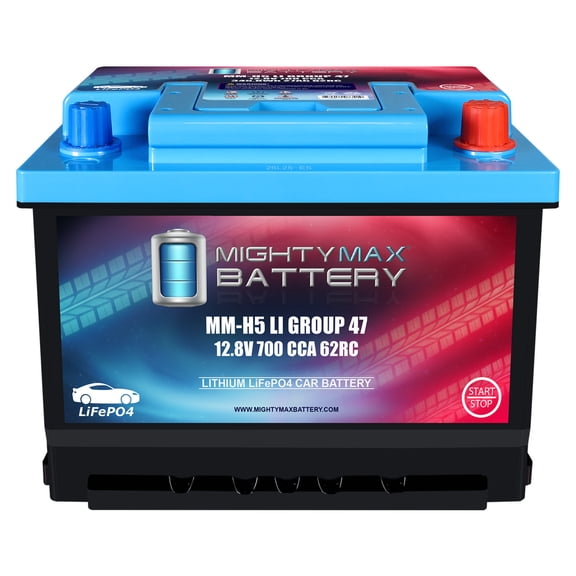
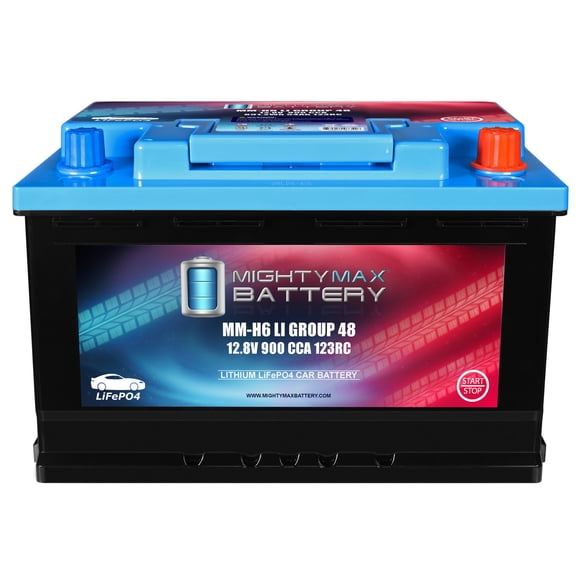

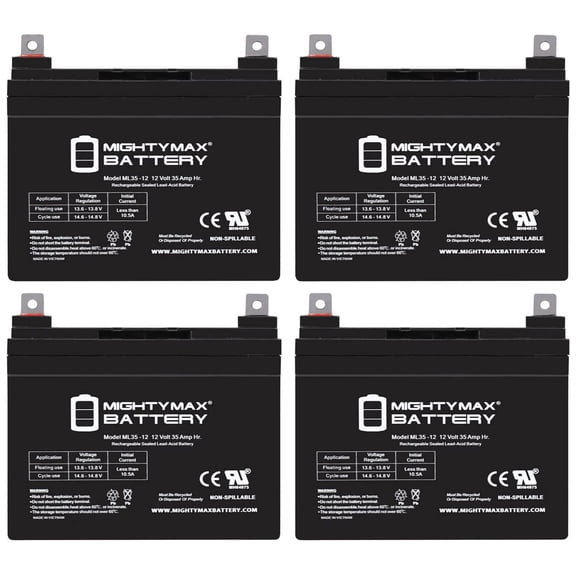


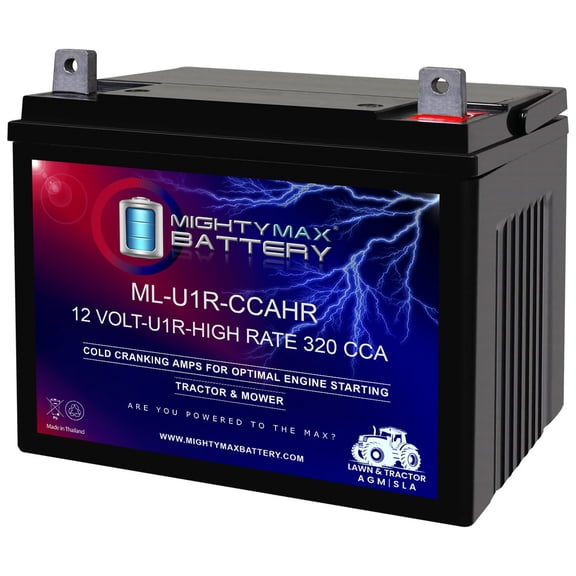
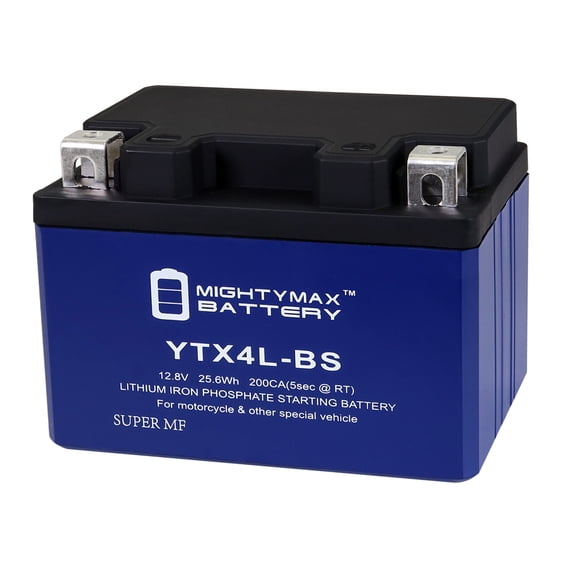


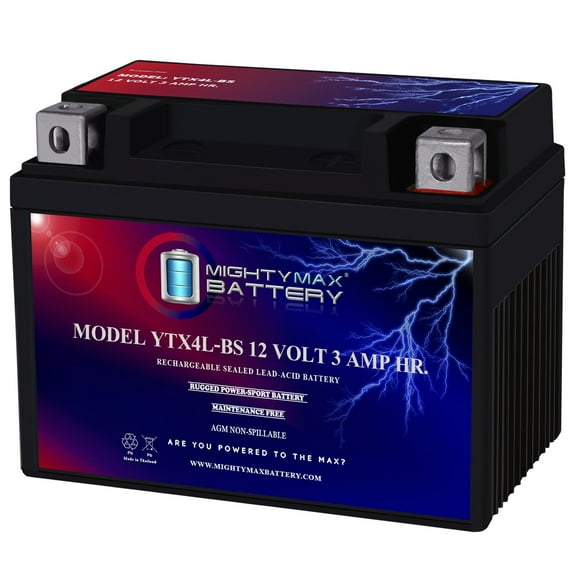


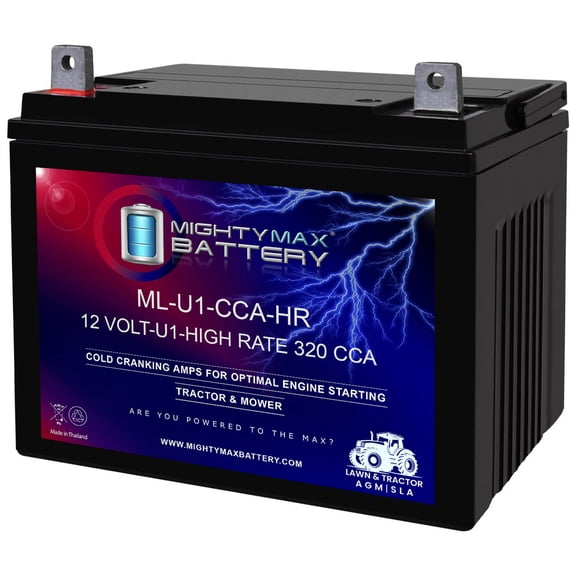


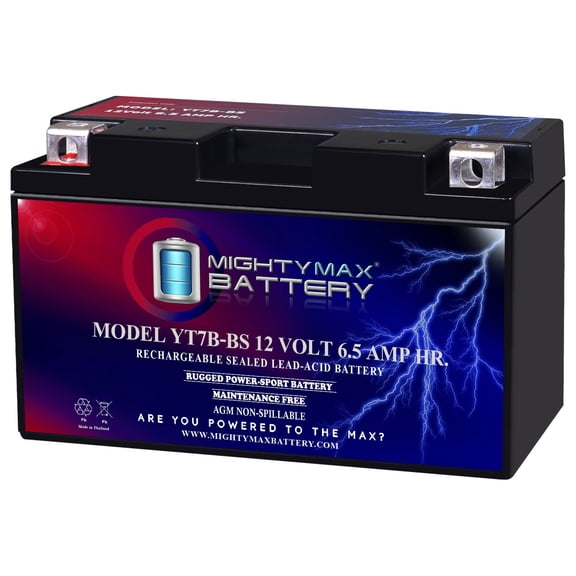


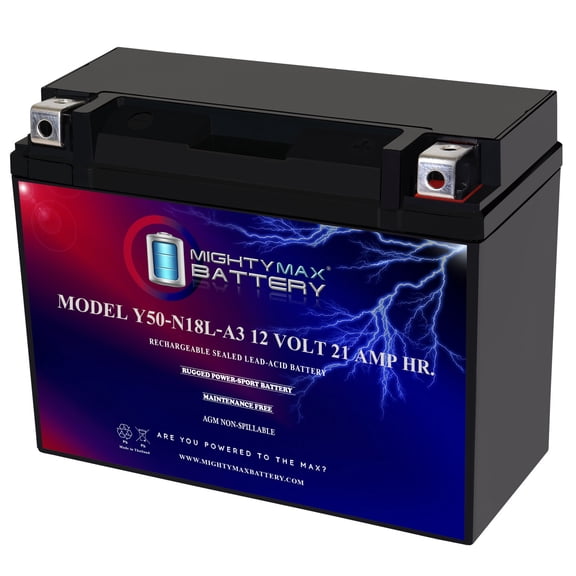
About Mighty Max Battery in Shop by Brand - Walmart.com
You can compare mighty max battery options by voltage, chemistry, and fit, so your replacement matches your equipment and your daily power needs. You’ll find choices for UPS backup units, scooters, mobility devices, solar setups, and trolling motors, with practical specs that help you choose with confidence.
How to choose mighty max battery options
Start with your required voltage, because your device needs an exact match to run as intended. You should check whether your current unit uses 12V, 6V, or 24V before you compare anything else.
Next, compare amp-hour capacity, because your runtime often changes as capacity increases. You may choose 7.2Ah, 12Ah, 35Ah, or 100Ah depending on how long you want power between charges.
Then, measure your battery compartment and confirm your terminal style before you replace your current unit. You’ll avoid fit issues when your dimensions and connections match your equipment from the start.
What you gain from the right battery match
You get a smoother replacement process when you narrow your options by application and specifications first. You’ll spend less time sorting through mismatched models when your voltage, terminals, and dimensions are already confirmed.
Your setup can stay more dependable when you choose chemistry and capacity that fit the job. You’ll notice that backup systems, scooters, and solar storage each ask for different runtime and charging priorities.
- You can match exact voltage requirements for compatible operation.
- You can choose higher amp-hours when your equipment needs longer runtime.
- You can compare chemistry types for charging habits and maintenance preferences.
- You can check dimensions and terminals before your replacement arrives.
- You can select application-focused options for UPS, solar, mobility, or marine use.
You also get more useful search paths when you know the terms that matter. You can compare a mighty max battery replacement, a mighty max agm battery, or a mighty max deep cycle battery based on your equipment.
Choosing the right voltage and capacity
You should treat voltage as non-negotiable, because your equipment is built around a specific electrical requirement. You’ll want a 12v mighty max battery for many backup systems, scooters, and power equipment that require 12V input.
You can treat amp-hours as a runtime guide, because higher capacity usually supports longer use between charges. You might pick 35Ah for backup or mobility needs, while 7.2Ah or 12Ah often suits smaller systems.
If your application draws power over longer periods, you may compare larger capacities like 100Ah. You’ll often see that approach with solar storage and trolling motor setups that need sustained output.
Comparing chemistry type for your application
You should compare chemistry carefully, because your charging style and usage pattern affect which option feels practical. You can start with a mighty max sla battery when you want a familiar sealed format for many common replacements.
You may look at AGM when you want a sealed design with strong everyday versatility. You’ll often choose a mighty max agm battery for UPS systems, scooters, and mobility applications that need dependable rechargeable power.
Gel options can suit applications where steady discharge behavior matters during repeated use. You can compare lithium iron phosphate choices when you want a lighter format and a different charging profile.
You should also consider whether your setup needs deep cycling instead of brief standby support. You’ll likely explore a mighty max deep cycle battery for solar storage or trolling motor use.
Checking fit, terminals, and charging details
You should measure length, width, and height before you replace any battery in a tight compartment. You can prevent return hassles when your new battery fits your tray, bracket, or enclosed housing correctly.
Your terminal type matters just as much as size, because your cables need the right connection point. You should compare terminal layout and hardware style so your installation stays straightforward.
You can also check whether your charger matches your selected chemistry and voltage before you finalize your choice. You’ll get a more informed pick when your battery and charger are designed to work together.
Matching batteries to real-world uses
You can choose a mighty max rechargeable battery for home backup equipment when you want stored power ready for short outages. You should focus on exact voltage, compact dimensions, and a chemistry that fits standby charging.
For scooters and wheelchair or mobility equipment, you should verify fit and terminal access before capacity upgrades. You may choose a higher amp-hour option when your device allows it and you want longer runtime.
In solar setups, you can compare deep cycle options that support repeated charging and discharging. You should look at larger capacities and confirm whether your controller supports the battery chemistry you select.
For trolling motors, you’ll want to prioritize sustained output and application fit over broad brand claims. You can narrow your options faster when you compare voltage, amp-hours, dimensions, and chemistry together.
You can shop this category with a clearer plan when you measure first and compare specs in order. Your right match delivers compatible power, cleaner installation, and runtime that fits how you actually use your equipment.