


Learning Resources

Spark imagination & play



Early learning must-haves


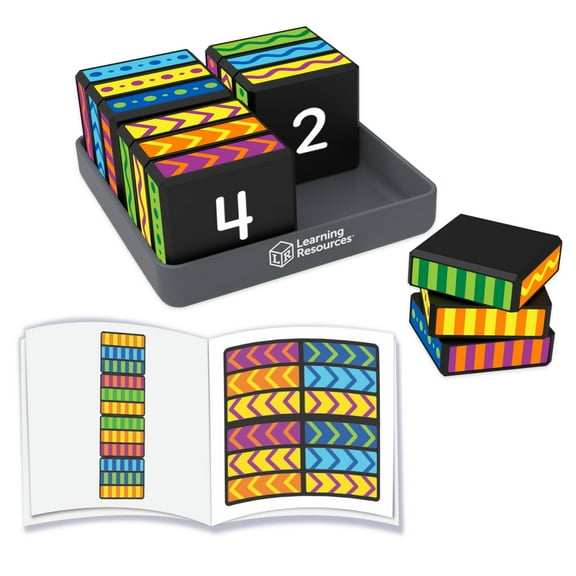
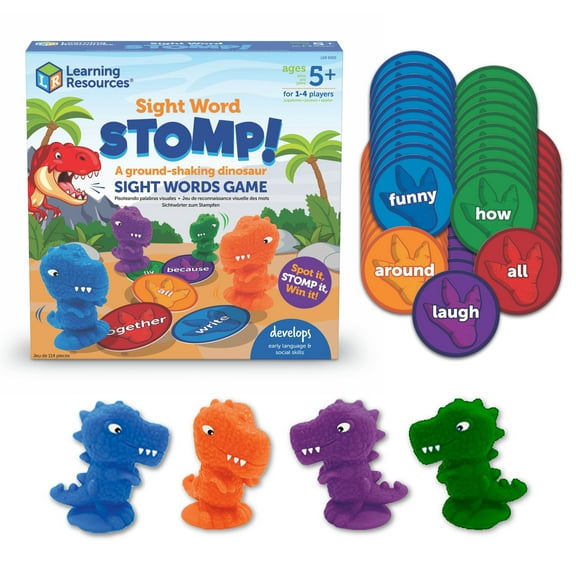
Learning made fun, for everyone
For all ages & needs
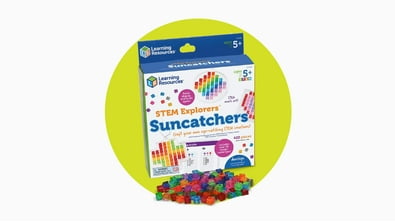
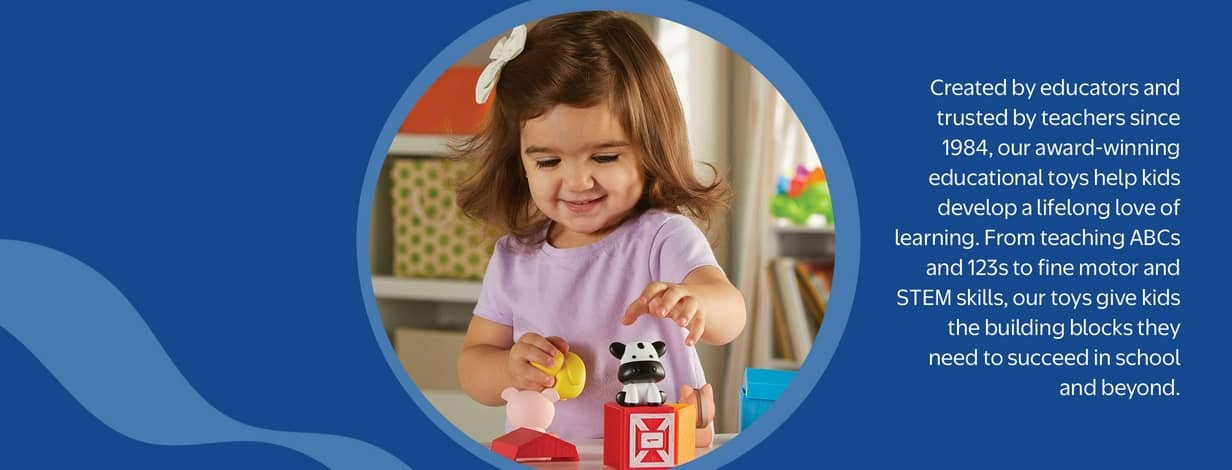
Curious minds grow here
Award-winning toys & games that bring learning to life.FAQ
About Learning Resources - Walmart.com
Learning resources toys help you turn playtime into hands-on practice for school skills and everyday discovery. You can compare age groups, subjects, toy types, and settings to choose activities that fit your child or classroom.
How to choose learning resources toys by age group
You should start with age group because developmental milestones shape how children explore, sort, count, and build. You can use age labels to match attention span, hand control, and early problem-solving skills.
For toddlers, you may look for chunky manipulatives, simple matching games, and easy-grip pieces. For preschool and kindergarten, you can consider letter games, counting sets, and early science activities.
As children grow, you can compare ages five to seven options with ages eight plus activities. You’ll often find more steps, complex challenges, and focused independent play in older age ranges.
What to look for in learning resources toys by subject
You can narrow your choice faster when you match toys to the skill you want to practice. Learning resources toys often focus on STEM, math, reading and phonics, fine motor skills, or social-emotional learning.
- You can choose STEM sets when you want hands-on experiments, building tasks, and simple cause-and-effect learning.
- You can pick math activities when your child needs counting, sorting, patterning, or early number practice.
- You can select reading and phonics games when you want letter recognition, sounds, word building, and early reading routines.
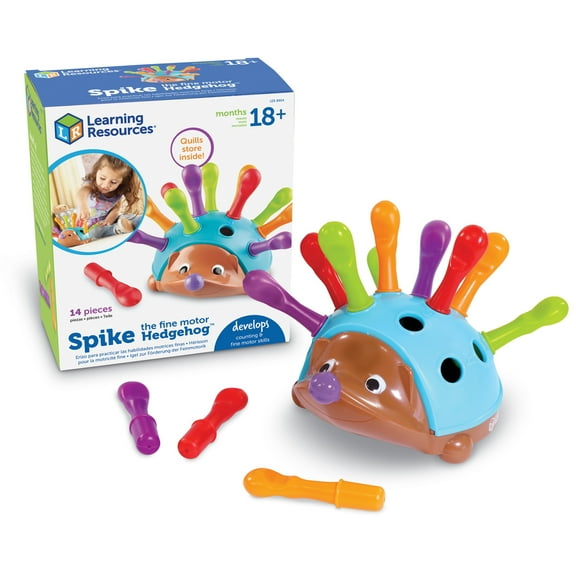
- You can look for fine motor activities when you want squeezing, pinching, stacking, lacing, or tool-based play.
- You can compare social-emotional options when you want turn-taking, feelings vocabulary, and cooperative play.
You may also check whether a toy connects with classroom goals or homeschool lessons. If you follow school standards, you can look for clear ties to Common Core, STEM, or STEAM skills.
Choosing toy types that match how you learn
You can use toy type to decide how structured or open-ended your play time should feel. Manipulatives, games, puzzles, and activity sets each support a different learning style.
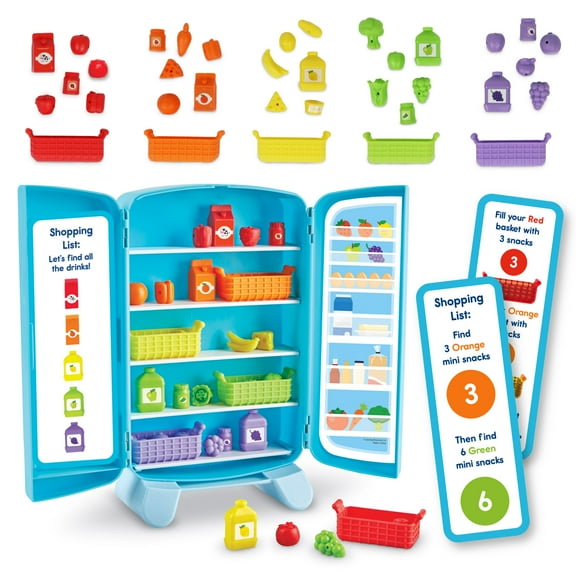
If you want flexible practice, you can consider manipulatives like counters, sorting pieces, or stackable shapes. You’ll usually get repeat play that supports counting, grouping, comparing, and hands-on exploration.
When you want turn-taking and clear rules, you can compare games for group learning or guided practice. If you prefer step-by-step challenges, you can choose puzzles or activity sets with a defined goal.
Comparing kids learning resources for classroom, homeschool, or home play
You should also think about where you will use the toy most often. Kids learning resources can feel very different in a classroom, homeschool space, or family playroom.
For classroom use, you may look for durable materials, easy sorting, and pieces that hold up through repeated handling. You can also check whether cleanup feels simple during a busy school day.
In homeschool settings, you might prefer activity sets that support guided lessons and independent follow-up practice. At home, you may want shorter activities that fit after-school routines or weekend play.
How childrens learning resources support independent or guided play
You can make an informed choice when you decide how much adult support the activity needs. Some childrens learning resources work well with direct teaching, while others fit independent exploration.
If you want solo play, you can look for self-directed formats with visual prompts, simple rules, and clear piece matching. You’ll often find these formats helpful for quiet time or center time.
When you want guided learning, you can choose sets that invite questions, demonstrations, and shared problem-solving. You may prefer this style for phonics practice, science discovery, or early math modeling.
Key features to compare before you decide
You can compare piece size, storage, and activity length before choosing a set. Those details shape how your child handles pieces and returns to the activity often.
Look for age-appropriate parts that fit small hands and support the intended skill level. You should also consider whether the set includes cards, boards, tools, or bins for organized use.
If you need repeated use across several children, you can check for sturdy construction and easy-to-sort components. You’ll appreciate those details during centers, sibling play, or homeschool rotations.
Use cases for learning resource activities across daily routines
You can use these activities during morning centers, after-school learning time, or rainy-day indoor play. Learning resource activities also fit teacher-led small groups and simple homeschool lesson blocks.
For preschool practice, you might pair a phonics game with a read-aloud and a tracing task. For early STEM, you can use an activity set before a simple building challenge or observation journal.
Older children may use puzzles, logic games, or math tasks during independent work time. You can rotate subjects through the week to keep practice focused without feeling repetitive.
Why this category works for real learning moments
You can shop this category with a clear plan because the choices map to age, subject, toy type, and setting. That makes it simple for you to find hands-on practice that fits school goals and everyday play.