



Hard-Sided Ice Chest Coolers & Soft Lunch Bags for Sale(452)
Best seller Igloo 48 QT Laguna Hard Sided Ice Chest Cooler, Red White & Blue $25.77
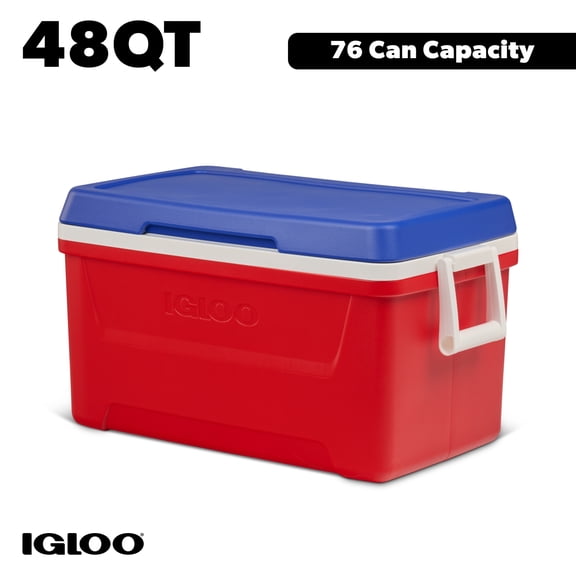
Igloo 48 QT Laguna Hard Sided Ice Chest Cooler, Red White & Blue

Best seller Igloo 5 Gallon Heavy-Duty Beverage Cooler, Orange $28.97


Igloo 5 Gallon Heavy-Duty Beverage Cooler, Orange
Igloo 1/2 Gallon Sports Beverage Plastic Jug with Hooks, Gray $7.97


Igloo 1/2 Gallon Sports Beverage Plastic Jug with Hooks, Gray
Overall pick Igloo 4-Pack MaxCold Small Ice Freeze Block, Multi Color, Made for Portable Food Cooling $3.93
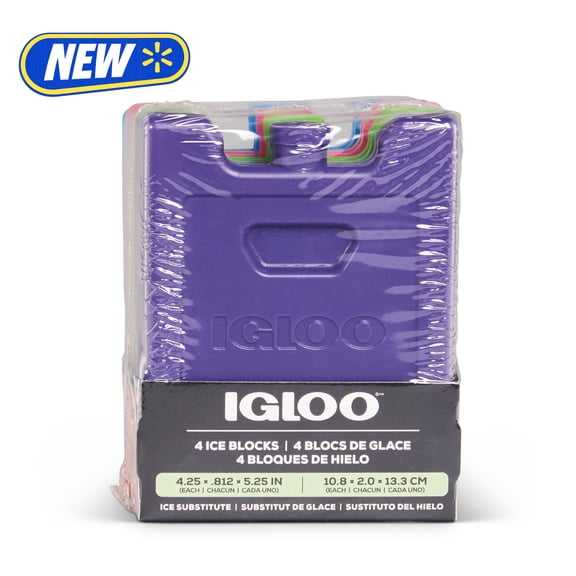
Igloo 4-Pack MaxCold Small Ice Freeze Block, Multi Color, Made for Portable Food Cooling
Igloo 1/2 Gallon Sports Beverage Plastic Jug with Hooks, Gray $7.97
Igloo 1/2 Gallon Sports Beverage Plastic Jug with Hooks, Gray
Igloo 2 Gallon Sports Plastic Beverage Jug with Hooks, Red $16.97
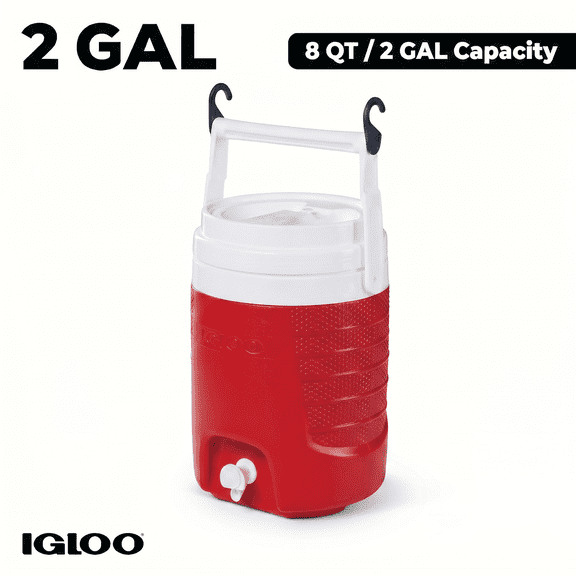
Igloo 2 Gallon Sports Plastic Beverage Jug with Hooks, Red
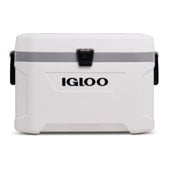
Igloo 100 QT Latitude Marine Ultra Hard-Sided Cooler, White and Moonscape Gray $99.00

Igloo 100 QT Latitude Marine Ultra Hard-Sided Cooler, White and Moonscape Gray
Igloo 28 QT Laguna Hard-Sided Ice Chest Cooler, Red $22.67

Igloo 28 QT Laguna Hard-Sided Ice Chest Cooler, Red
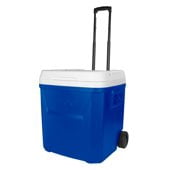
In 200+ people's carts Igloo 60 QT Laguna Ice Chest Cooler with Wheels, Blue $39.96
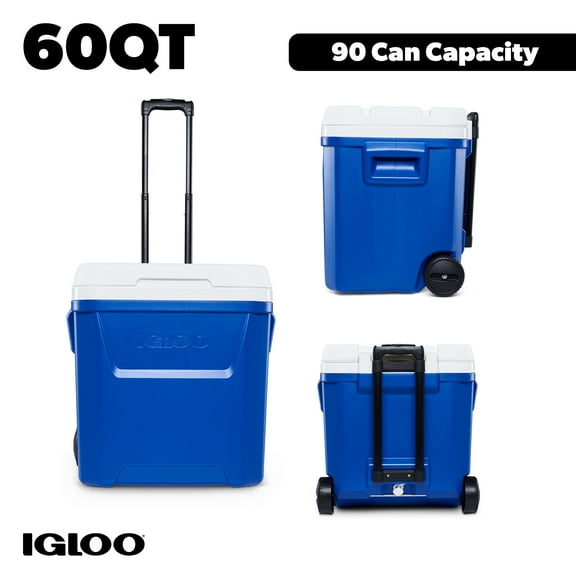


Igloo 60 QT Laguna Ice Chest Cooler with Wheels, Blue
100+ bought since yesterday Igloo 2 Gallon Sports Plastic Beverage Jug with Hooks, Blue $16.97


Igloo 2 Gallon Sports Plastic Beverage Jug with Hooks, Blue
Rollback Igloo 50 QT Overland Ice Chest Cooler, Blue $69.00 Was $79.00 $1.38/qt
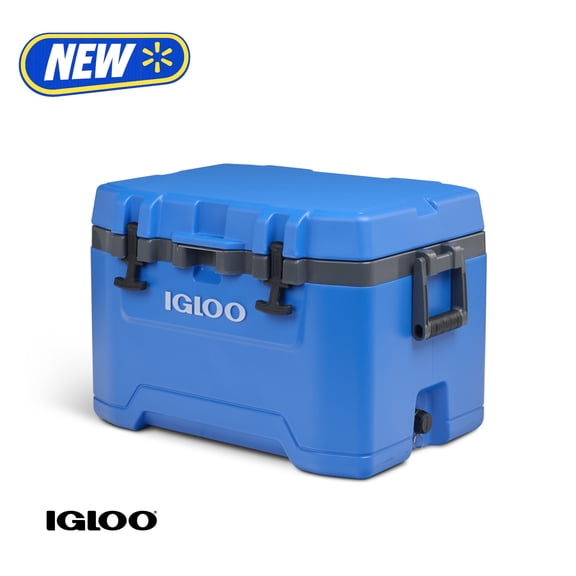
Igloo 50 QT Overland Ice Chest Cooler, Blue
Best seller Igloo 48 QT Laguna Hard Sided Ice Chest Cooler, White $25.77

Igloo 48 QT Laguna Hard Sided Ice Chest Cooler, White
In 100+ people's carts Igloo 16 QT Laguna Hard Side Ice Chest Cooler with Wheels, Aqua Blue $29.88
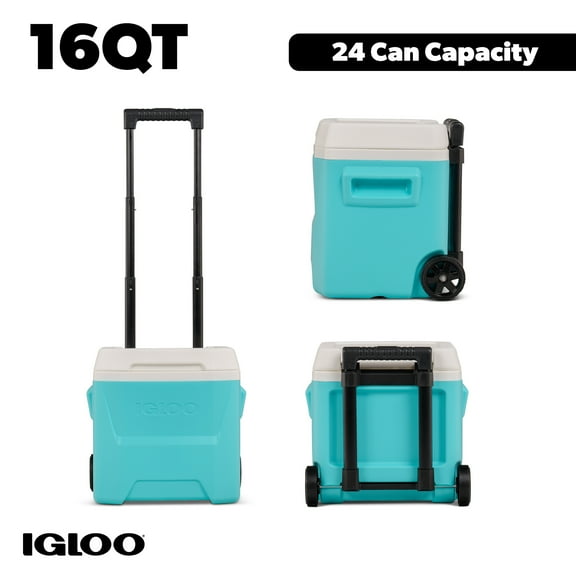


Igloo 16 QT Laguna Hard Side Ice Chest Cooler with Wheels, Aqua Blue
Best seller Igloo 28 QT Laguna Hard-Sided Ice Chest Cooler, Aqua Blue and White $22.67


Igloo 28 QT Laguna Hard-Sided Ice Chest Cooler, Aqua Blue and White
500+ bought since yesterday Igloo MaxCold Small Ice Freeze Block, Blue, Best Used for On-the-Go Snacks and Lunches to Keep Food Cool $0.98

Igloo MaxCold Small Ice Freeze Block, Blue, Best Used for On-the-Go Snacks and Lunches to Keep Food Cool
Rollback Igloo 50 QT Overland Ice Chest Cooler, Blue $69.00 Was $79.00 $1.38/qt
Igloo 50 QT Overland Ice Chest Cooler, Blue
Igloo 11 QT Tag-A-Long Hard Sided Cooler, Lilac Purple $49.97 $4.54/qt
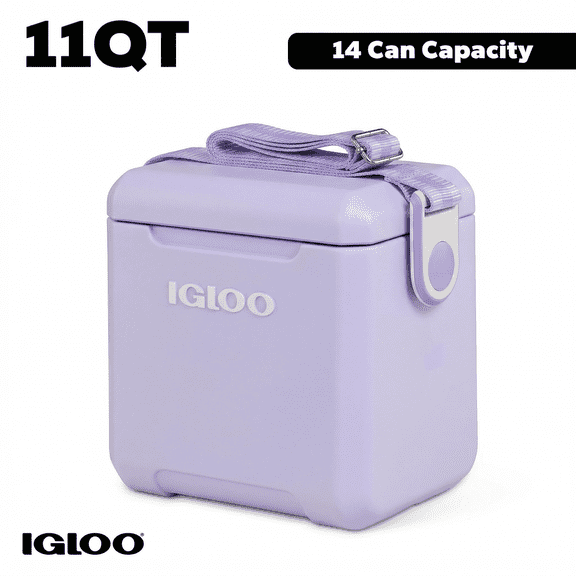


Igloo 11 QT Tag-A-Long Hard Sided Cooler, Lilac Purple
Best seller Igloo Small Cooler, 9 Quart Laguna Ice Chest, 13 Can Capacity, Red $13.44
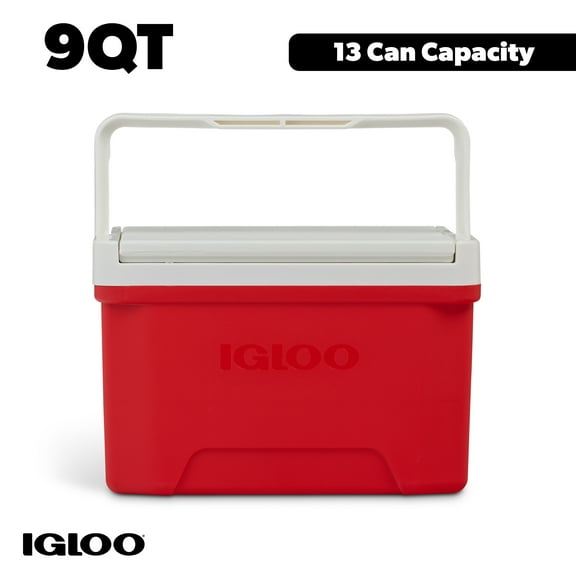
Igloo Small Cooler, 9 Quart Laguna Ice Chest, 13 Can Capacity, Red
Igloo 25 QT Marine Hard Sided Cooler, White $39.88
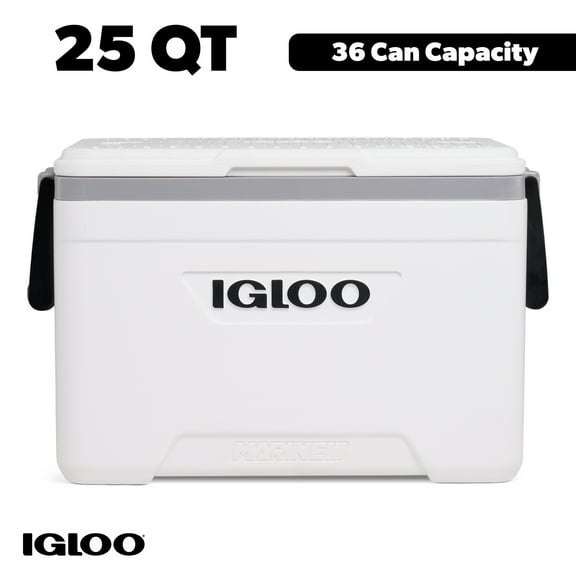
Igloo 25 QT Marine Hard Sided Cooler, White
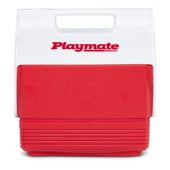
100+ bought since yesterday Igloo 16 QT Playmate Elite Ice Chest Cooler,30 Can Capacity, Red $20.67


Igloo 16 QT Playmate Elite Ice Chest Cooler,30 Can Capacity, Red
Igloo 16 QT Playmate Elite Ice Chest Cooler, 30 Can Capacity, Popsicle $31.18 $1.95/qt

Igloo 16 QT Playmate Elite Ice Chest Cooler, 30 Can Capacity, Popsicle
Igloo 60 QT Laguna Ice Chest Cooler with Wheels, Fuchsia Pink $39.96 $39.96/ea
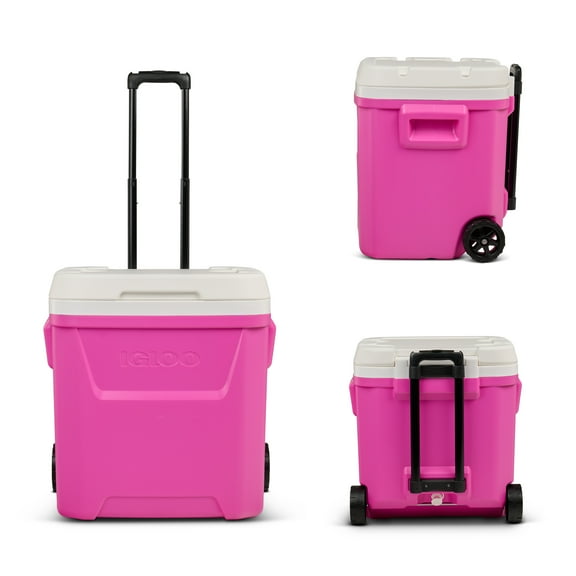
Igloo 60 QT Laguna Ice Chest Cooler with Wheels, Fuchsia Pink
Igloo 9 QT Laguna Ice Chest Cooler, Blue Red and White $13.44
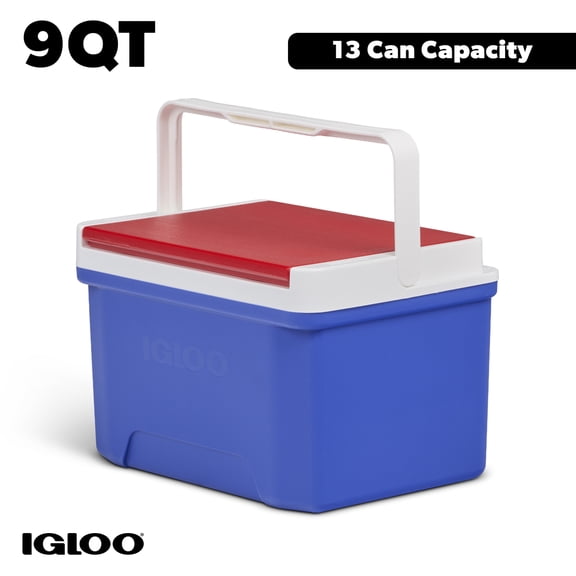


Igloo 9 QT Laguna Ice Chest Cooler, Blue Red and White
Igloo 52 QT Overland Ice Chest Cooler with Wheels, Gray and Blue $114.00 $2.19/qt

Igloo 52 QT Overland Ice Chest Cooler with Wheels, Gray and Blue
Igloo Wheelie Cool 38 QT Hard Sided Cooler with Wheels, Blue $30.88

Igloo Wheelie Cool 38 QT Hard Sided Cooler with Wheels, Blue
Igloo 100 QT Latitude Marine Ultra Hard-Sided Cooler, White and Moonscape Gray $99.00
Igloo 100 QT Latitude Marine Ultra Hard-Sided Cooler, White and Moonscape Gray
Igloo Playmate Mini Cooler, 4 QT Capacity, Holds 6 Cans, Black, Insulated Hard Side Lunchbox Cooler Keeps Your Lunch Cold $14.97
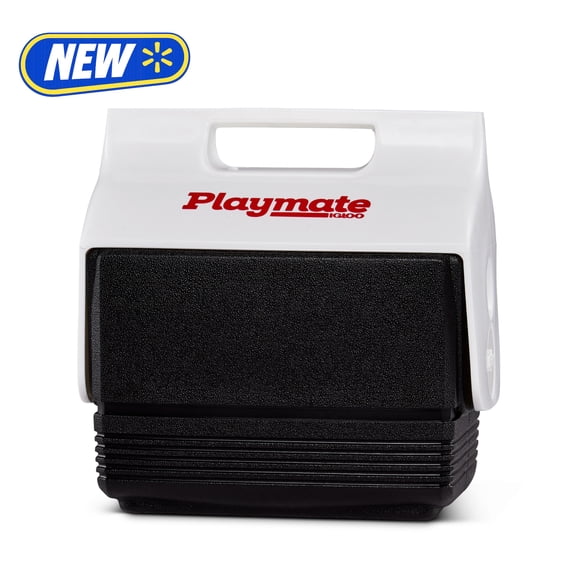
Igloo Playmate Mini Cooler, 4 QT Capacity, Holds 6 Cans, Black, Insulated Hard Side Lunchbox Cooler Keeps Your Lunch Cold
Igloo 30 qt. Profile II Hard Cooler - Carbonite/Sandstone $54.56
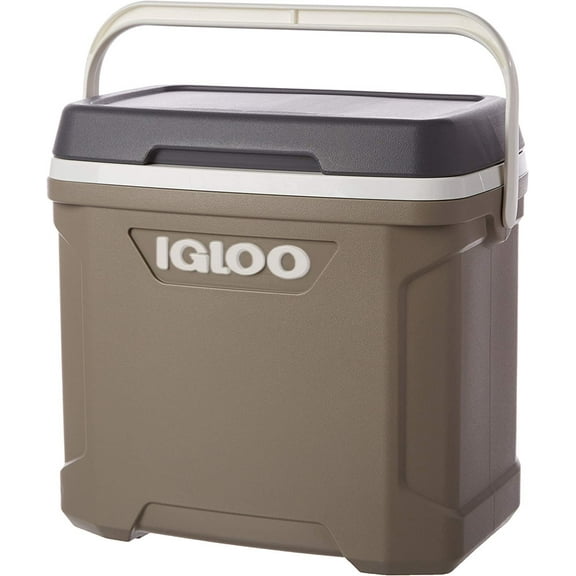


Igloo 30 qt. Profile II Hard Cooler - Carbonite/Sandstone
Igloo 60 QT Marine Ice Chest Cooler with Wheels, White $64.88
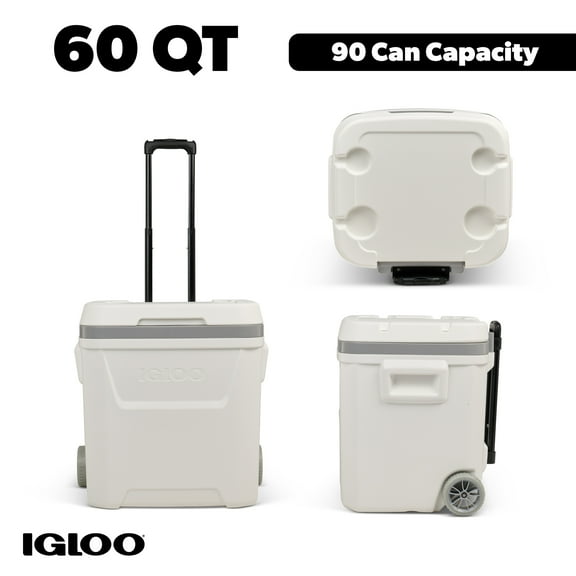
Igloo 60 QT Marine Ice Chest Cooler with Wheels, White
Igloo 32 Oz Flip n Sip Travel Mug $29.99
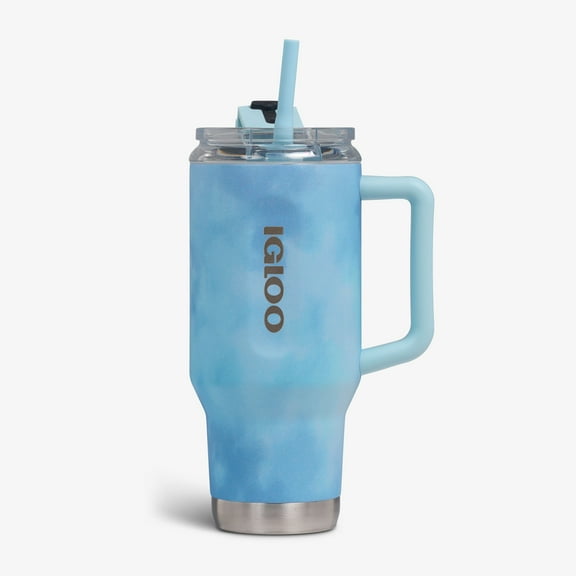


Igloo 32 Oz Flip n Sip Travel Mug
Igloo 72 QT Overland Ice Chest Cooler with Wheels, Gray $162.00

Igloo 72 QT Overland Ice Chest Cooler with Wheels, Gray
Igloo 25 QT Marine Hard Sided Cooler, White $39.88
Igloo 25 QT Marine Hard Sided Cooler, White
Igloo 52 QT Overland Ice Chest Cooler with Wheels, Gray $108.00
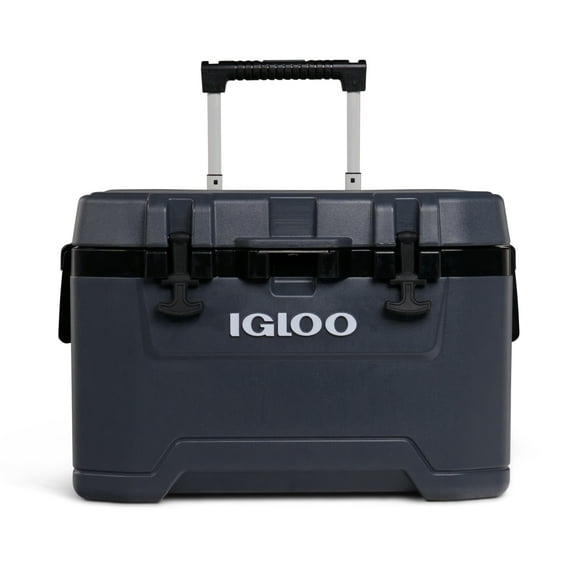
Igloo 52 QT Overland Ice Chest Cooler with Wheels, Gray
Igloo 25 QT Overland Ice Chest Cooler, Blue $69.00 $2.76/qt

Igloo 25 QT Overland Ice Chest Cooler, Blue
Igloo 70 Qt Latitude Marine Ultra, White and Moonscape $84.88
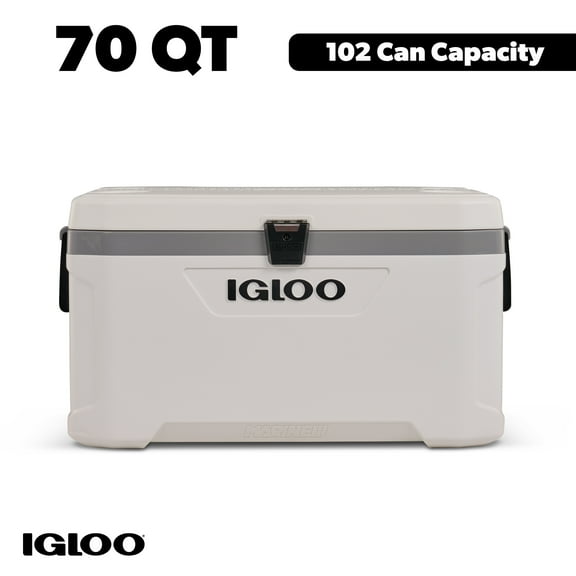
Igloo 70 Qt Latitude Marine Ultra, White and Moonscape
Igloo 16qt Ice Chest Water Cooler with Bail Handle, Jet Carbon $47.49

Igloo 16qt Ice Chest Water Cooler with Bail Handle, Jet Carbon
Igloo Heritage Soft-Sided Lunch Cooler Bag, 12 Can Capacity, Gray and Teal, Insulated Soft Cooler Keeps Food and Drink Cold Wherever You Are $16.68
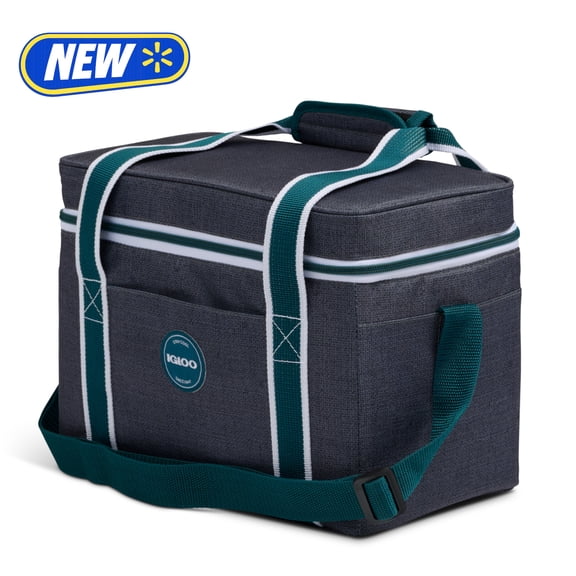

Igloo Heritage Soft-Sided Lunch Cooler Bag, 12 Can Capacity, Gray and Teal, Insulated Soft Cooler Keeps Food and Drink Cold Wherever You Are
Igloo Legend 12 Can Capacity 9 QT Hard Sided Cooler, Red $22.28 Was $24.99 $2.48/qt

Igloo Legend 12 Can Capacity 9 QT Hard Sided Cooler, Red
Igloo 70 QT Trailmate Journey Rolling Cooler, Carbonite Gray $218.49 Was $269.99
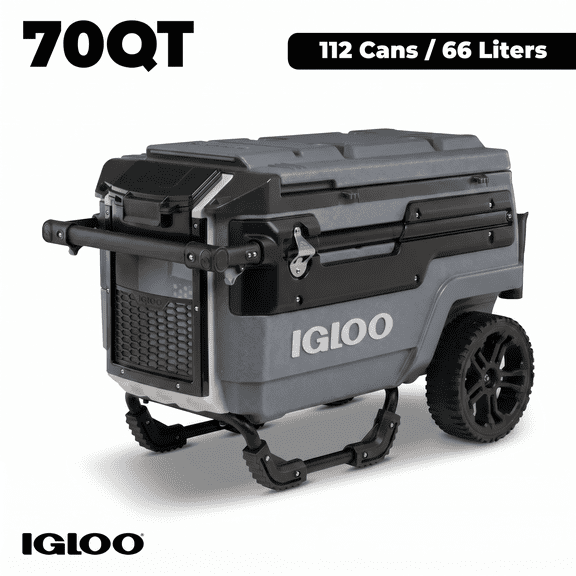


Igloo 70 QT Trailmate Journey Rolling Cooler, Carbonite Gray
INFLTBLE SALLY W/TRT SCK (Pack of 1) $56.41


INFLTBLE SALLY W/TRT SCK (Pack of 1)
Igloo 72 QT Overland Ice Chest Cooler, Blue $109.00 $1.51/qt

Igloo 72 QT Overland Ice Chest Cooler, Blue
Igloo 150 Quart MaxCold Cooler - Convenient Design $180.00
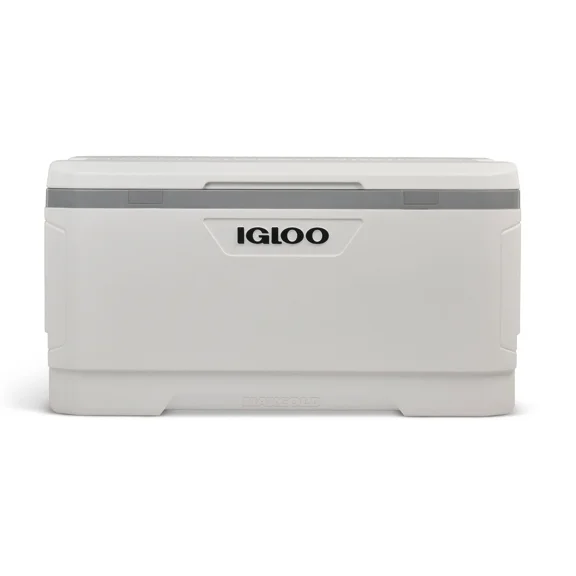
Igloo 150 Quart MaxCold Cooler - Convenient Design
Igloo 72 QT Overland Ice Chest Cooler with Wheels, Gray $162.00
Igloo 72 QT Overland Ice Chest Cooler with Wheels, Gray
Igloo MaxCold 54 qt Hard Ice Chest Cooler, Blue Gray

Igloo MaxCold 54 qt Hard Ice Chest Cooler, Blue Gray
Igloo Soft Sided Cooler, 18-Can Capacity, Laguna Gripper, Aqua Water $19.97


Igloo Soft Sided Cooler, 18-Can Capacity, Laguna Gripper, Aqua Water
Igloo 54 Qt Marine Ultra Cooler , White $84.73 Was $99.95
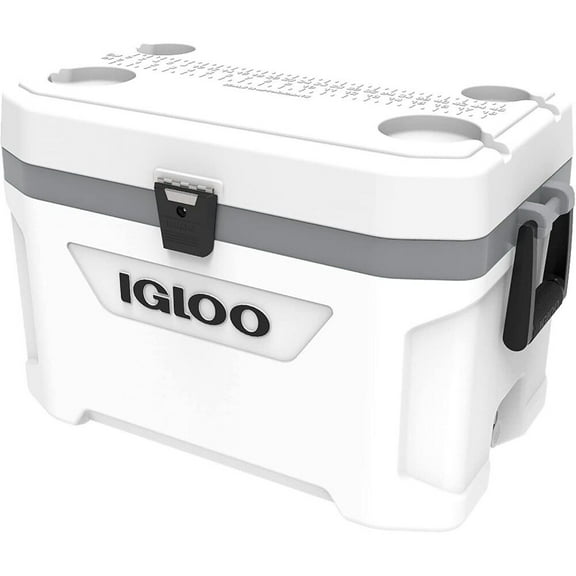
Igloo 54 Qt Marine Ultra Cooler , White
Igloo 10 QT Gripper CoolBox Personal Cooler, Blue $49.97 $5.00/qt

Igloo 10 QT Gripper CoolBox Personal Cooler, Blue
Igloo Marine Gripper Soft-Side 20 Can Cooler $32.44

Igloo Marine Gripper Soft-Side 20 Can Cooler
Igloo Legend Red 5 qt Cooler $18.99
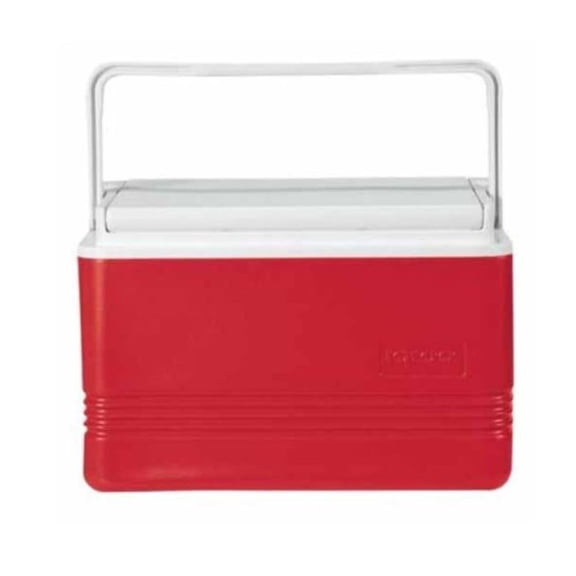
Igloo Legend Red 5 qt Cooler
About Hard-Sided Ice Chest Coolers & Soft Lunch Bags for Sale - Walmart.com
Celebrate summer the right way—keep every drink and snack perfectly chilled as you make memories outdoors. Whether planning a backyard barbecue, heading to the lake, or setting up for July 4th fireworks, Walmart makes it easy to find coolers that fit your gathering’s needs. Explore a variety of insulated options designed to make outdoor entertaining seamless from start to finish.
- Wide Range of Styles: Choose from classic hard-sided ice chests, soft-sided portable coolers, backpack styles, and wheeled models for flexible outdoor convenience.
- Event-Ready Capacities: Select the ideal quart size—big enough for large crowds or compact for smaller outings—to ensure easy storage and efficient use of space in your vehicle or at your picnic spot.
- Reliable Cooling Performance: Keep food and beverages cold for hours with insulation designed for both single-day picnics and extended weekend adventures.
- Easy Mobility: Wheeled coolers roll over grass, gravel, or sand, making it simpler to transport all your supplies—even across sprawling parks or campgrounds.
- Built for the Outdoors: Durable materials and user-friendly features make these coolers sturdy companions for repeated summer use, from sunny days at the lake to family celebrations in the backyard.
- Effortless Cleanup: After the festivities, a quick wash with soap and water brings your cooler back to fresh—ready for the next adventure.
For any summer event, finding the perfect cooler is simple at Walmart. Discover models that combine storage flexibility, cooling confidence, and built-for-fun durability, all in one place—so you can focus on celebrating, not worrying about keeping things cold.
Popular in Hard-Sided Ice Chest Coolers & Soft Lunch Bags for Sale - Walmart.com
FAQ
How can I keep drinks cold all day?
If you want drinks to stay cold for your July 4th event, start by pre-chilling your cooler and the beverages before packing. Add a combination of block ice or reusable ice packs for longer-lasting cooling, and fill any empty space with extra ice or chilled items. Keeping the cooler in the shade and minimizing lid openings helps maintain cooler temperatures throughout the day.
- Pre-chill both cooler and drinks
- Use block ice or packs
- Pack tightly to limit empty air
What cooler size works for family picnics?
For family picnics, cooler size depends on the number of people and how much you plan to bring. Medium coolers (20-40 quart) are great for small groups or short outings, while larger coolers (50+ quart) fit more drinks and food for bigger gatherings. Make sure to consider your vehicle’s available space and how portable you need it to be.
- Estimate how many snacks/drinks you'll carry
- Check quart capacity for your needs
- Match size to transport options
How do I clean a cooler after a picnic?
Cleaning a cooler after use helps keep it fresh for next time. Empty all contents, then wash with mild soap and water using a soft brush or sponge, focusing on corners and seams. Rinse thoroughly and air dry with the lid open. For tough odors, a baking soda and water solution can work well.
- Avoid harsh chemicals—these may damage insulation
- Ensure all soap is rinsed out
- Let the cooler dry completely before storing
Are wheeled coolers easier to use outdoors?
Wheeled coolers can make outdoor events a lot easier, especially for larger gatherings or trips to parks. Wheels help move heavy loads over uneven ground without needing to carry everything by hand. Look for sturdy wheels and handles that match your height for comfortable rolling.
- Check terrain where you'll use the cooler
- Pick wheel designs for grass, sand, or pavement
- Aim for handles that are easy to grip and pull
Can I organize food and drinks in one cooler?
Yes, packing both food and drinks in one cooler is possible if you stay organized. Use divider trays, separate bags, or containers to keep items from shifting and to avoid cross-contamination. Arrange heavier items on the bottom and use ice packs throughout for even cooling.
- Separate snacks, meals, and beverages
- Keep items in leakproof containers
- Position frequently used items near the top