

Hot Shot in Household Essentials by Brand













About Hot Shot in Household Essentials by Brand - Walmart.com
Hot Shot helps you target household pests with focused options for sprays, foggers, baits, gels, and traps. You can compare pest type, application area, and protection length to choose the right fit.
If you're building a plan for roaches, ants, bed bugs, spiders, or fleas, you need choices that match the space. You can sort your options quickly when you know whether you need quick kill, crack and crevice coverage, or longer residual action.
How to choose Hot Shot for your target pest
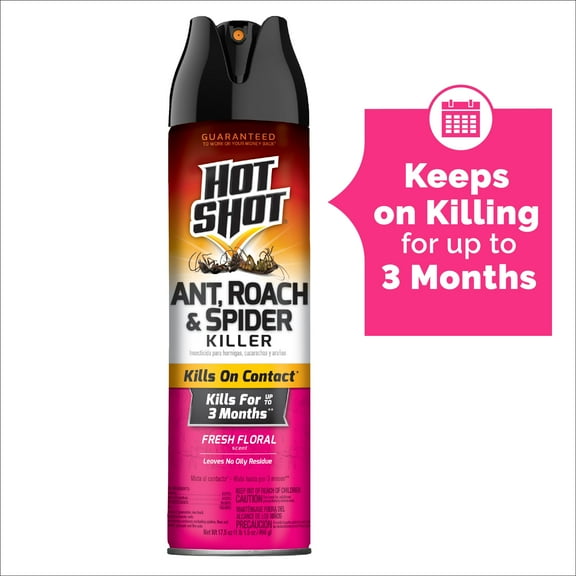
You should start with the pest you see most often, because each treatment style fits a different problem. You may want a hot shot roach killer for kitchen activity, while bed bug items focus on mattresses, frames, and nearby seams.
When you compare species, you can narrow your choice with confidence. You may look for German roach coverage in tight indoor spaces, while larger crawling pests may call for wider perimeter treatment.
- You can use pest-specific options when your home needs focused coverage for roaches, ants, spiders, bed bugs, or fleas.
- You can compare sprays, baits, gels, traps, and foggers based on how pests move through your rooms.
- You can choose quick kill for visible activity or longer residual protection for repeat trouble spots.
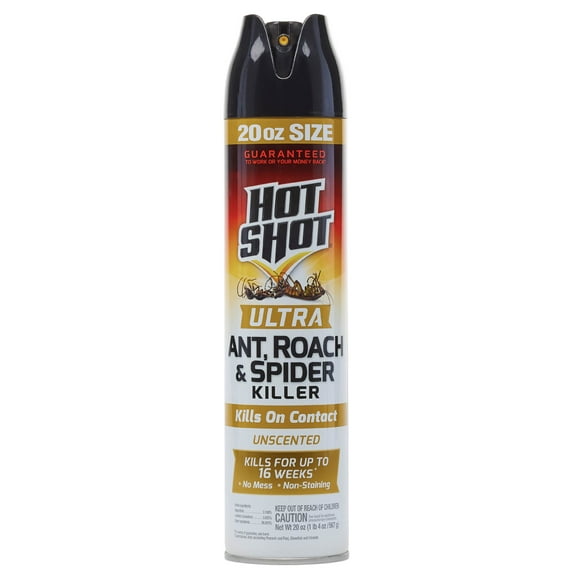
For ant trails, you may prefer a treatment that reaches entry points and edges where activity repeats. For spiders, you may want coverage along baseboards, corners, garages, and outdoor perimeters.
If you're dealing with bed bugs, you should look closely at label directions for the exact surface and room use. You can also compare treatment formats when you need coverage for sleeping areas versus surrounding cracks.
Choosing between hot shot bug spray and hot shot fogger
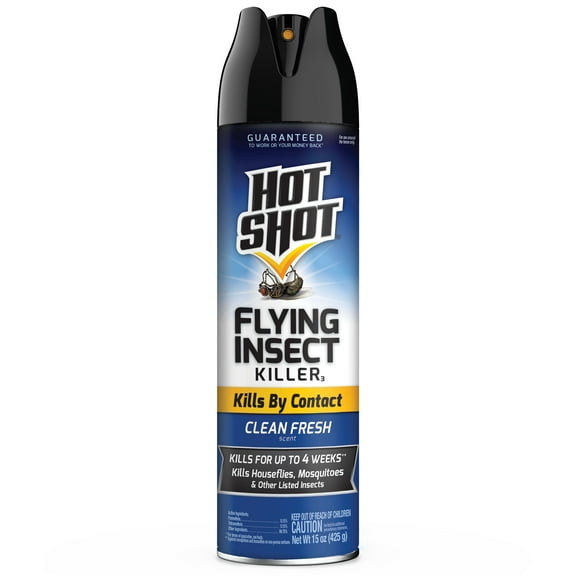
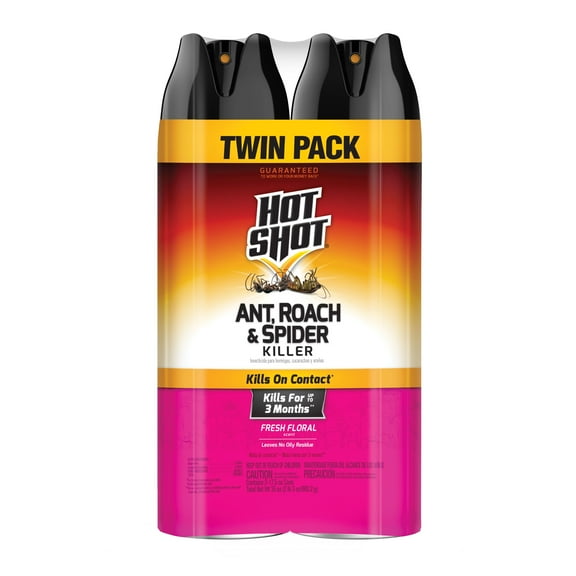
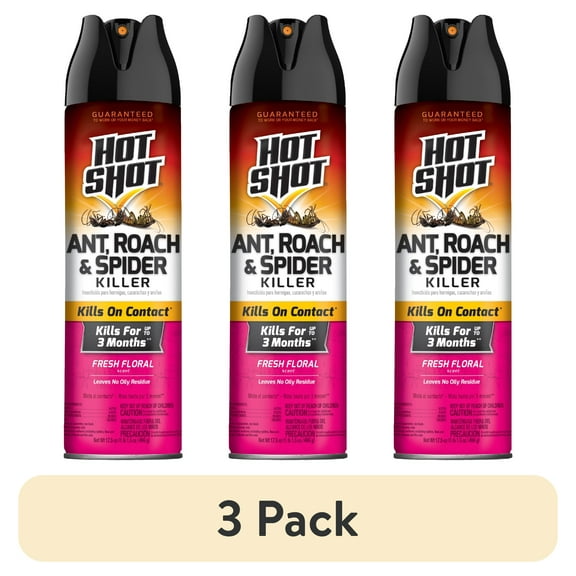
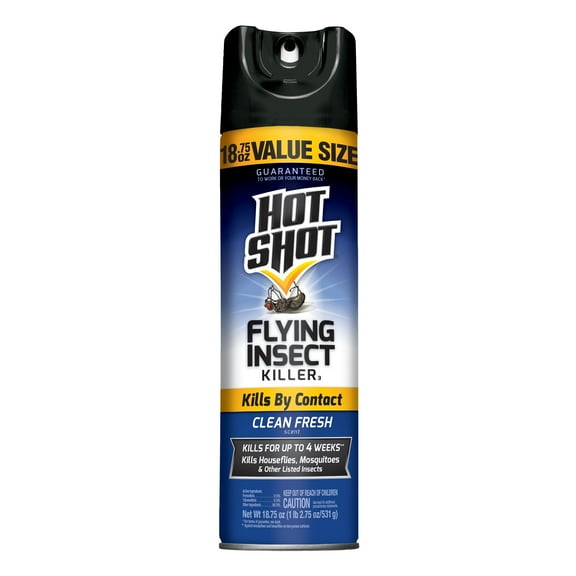
You should match the product type to your room size and how precisely you need to treat. A hot shot bug spray helps you target baseboards, entry points, and crack and crevice areas with targeted control.
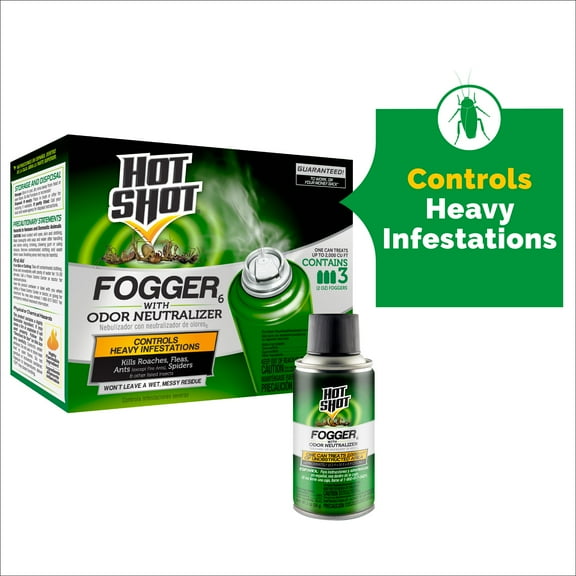
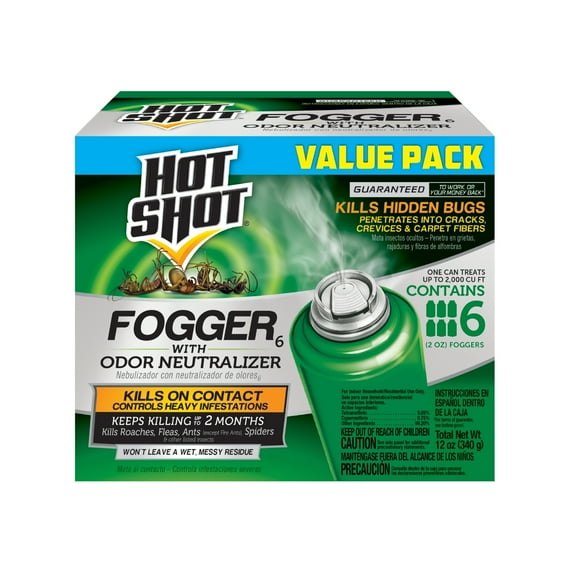
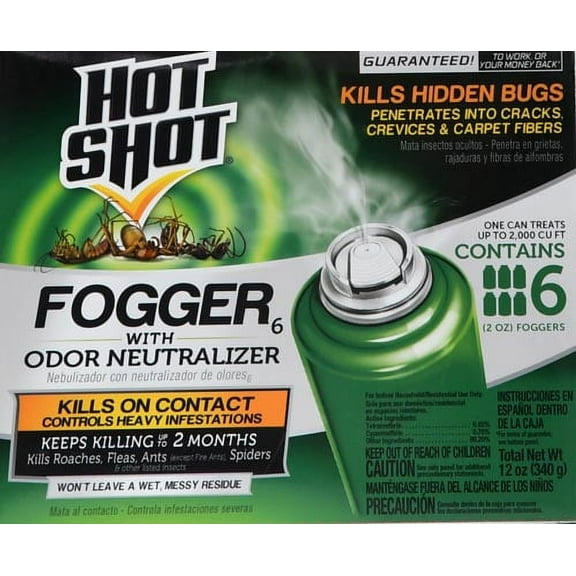
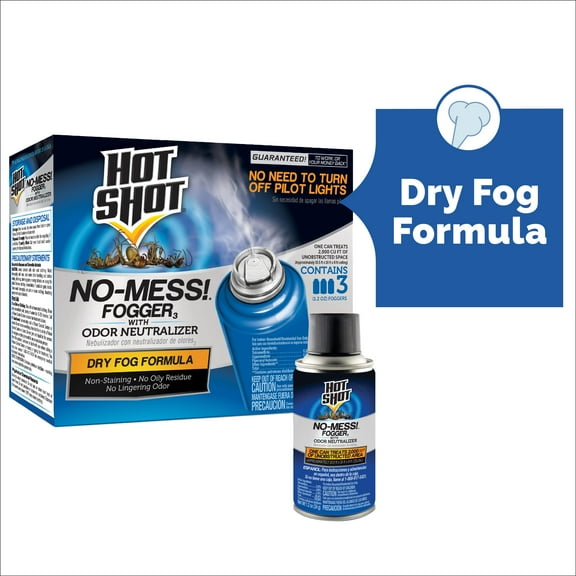
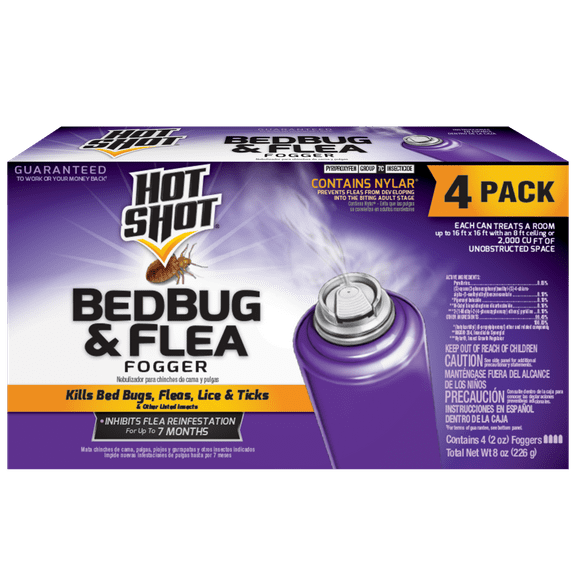
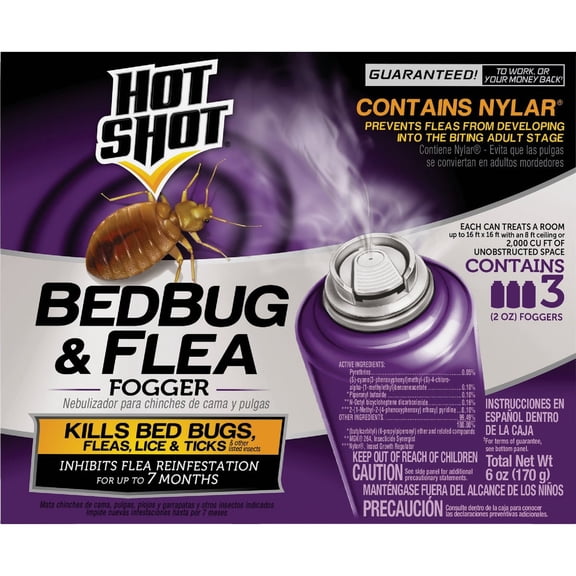
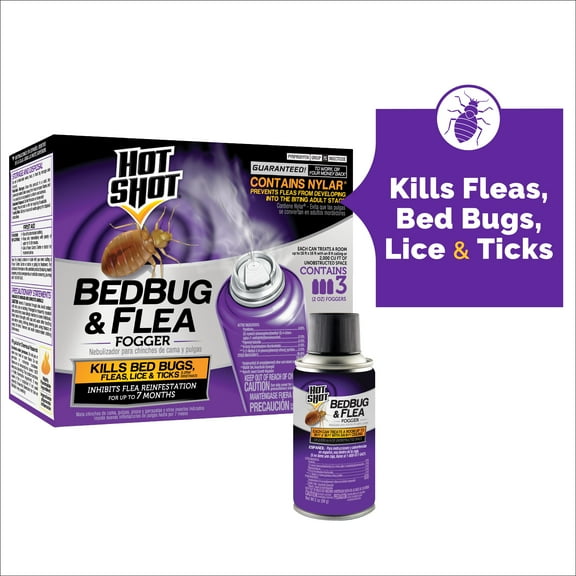
If you need broader room coverage, a hot shot fogger may fit larger indoor spaces with widespread insect activity. You should compare square footage guidance so your treatment matches the room layout.
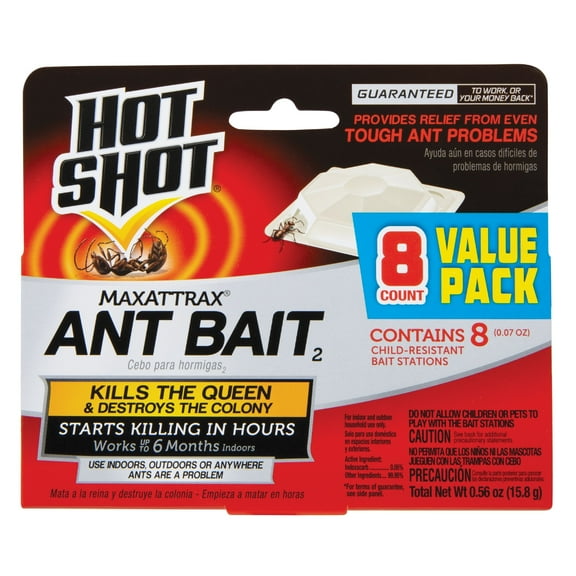
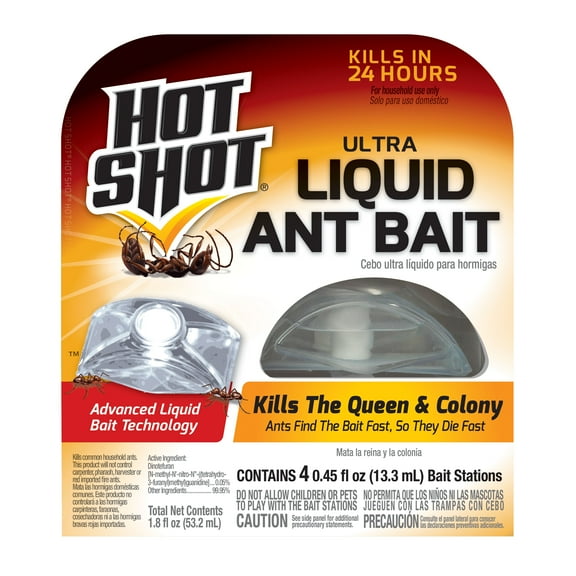
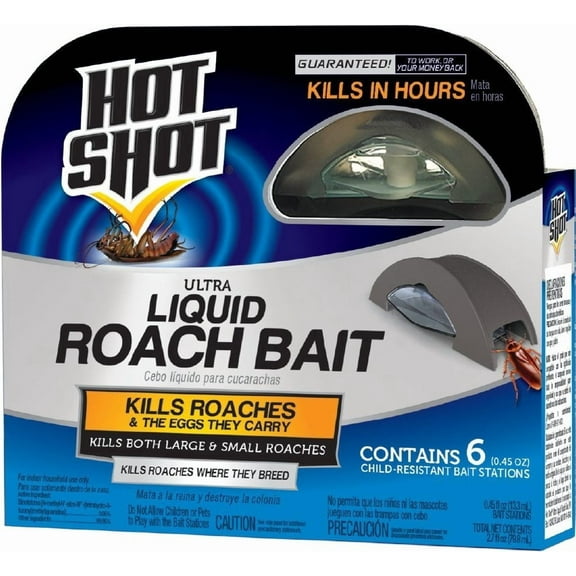
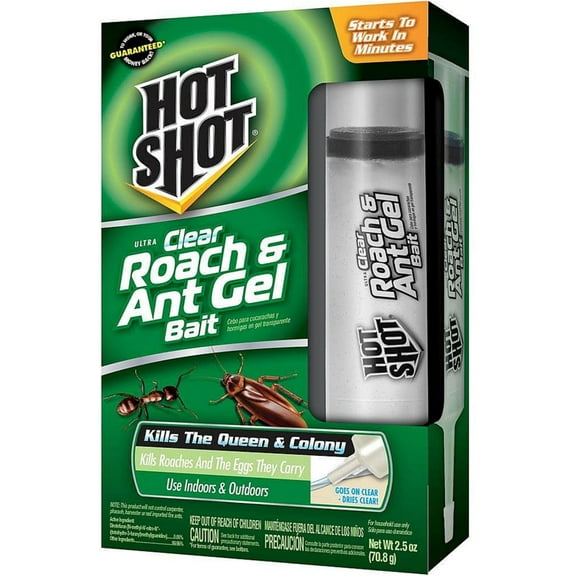
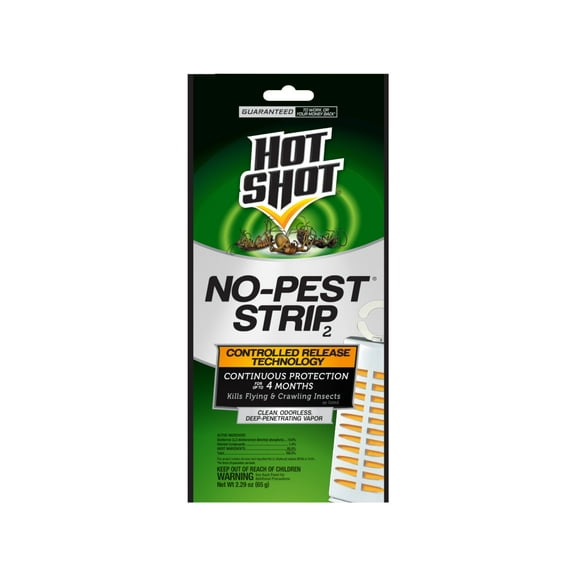
Baits and gels can work well when you want pests to reach the formula in hidden spaces. You may consider them for roach pathways, cabinet gaps, and areas where direct spraying isn't your first choice.
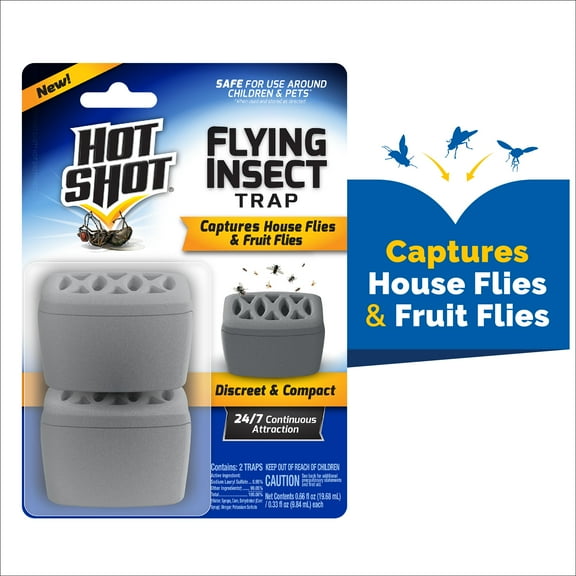
Traps can help you monitor activity and understand where pests are moving. You can use that information to decide whether you need spot treatment, perimeter coverage, or a whole-room approach.
What to look for in application area and household use
You should check whether you need indoor, outdoor, perimeter, or crack and crevice application before you choose. That step helps you avoid buying a format that doesn't match your surfaces.
Indoor treatments can help you focus on kitchens, bathrooms, basements, and utility spaces where insects often appear. Outdoor and perimeter options can help you cover door frames, window lines, patios, and foundation edges.
If you share your home with pets or children, you should read the label and follow placement directions carefully. You can look for formats that fit your routine, such as targeted spots, enclosed bait placements, or room-specific treatments.
You should also think about cleanup, room access, and how much precision you want during application. A directed spray can help you reach seams and corners, while foggers can cover larger enclosed areas.
Comparing protection length and treatment goals
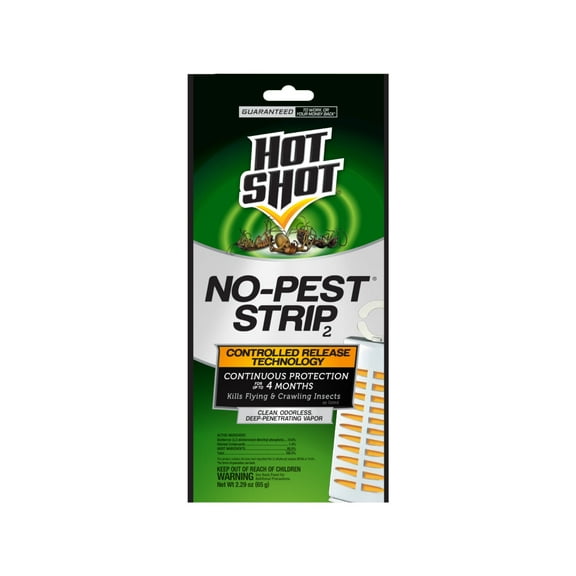
You should decide whether you need quick kill, long-lasting residual action, or protection listed for up to nine months. That choice depends on whether you see active insects now or want extended coverage in repeat areas.
If your issue is sudden and visible, you may want a formula designed for quick knockdown. If activity returns in the same places, you may prefer a residual treatment that continues working after application.
When you compare labels, you should check where the residual claim applies and for how long. You can use that detail to match your plan to baseboards, perimeter lines, or hidden cracks.
For recurring roach activity, you may combine monitoring with targeted placement and follow-up treatment. For seasonal spiders or fleas, you may focus on room edges, entry points, and problem zones that need repeat attention.
Using Hot Shot for common home pest scenarios
If you need a kitchen-focused plan, you may start with a hot shot roach killer for cabinets, baseboards, and appliance gaps. You can add bait or gel when you want pests to carry treatment into hidden spaces.
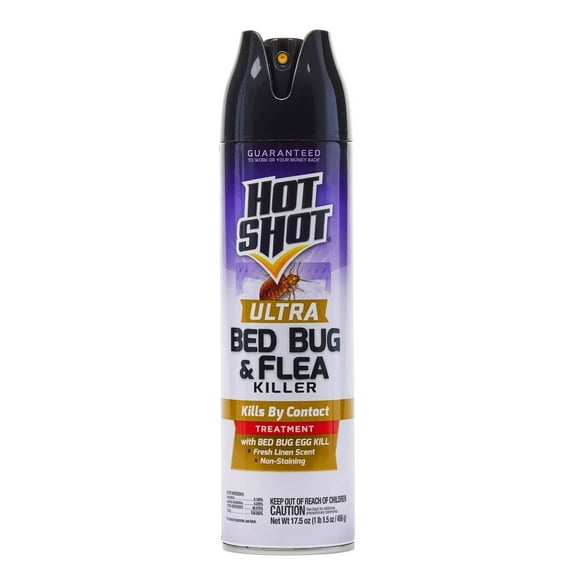
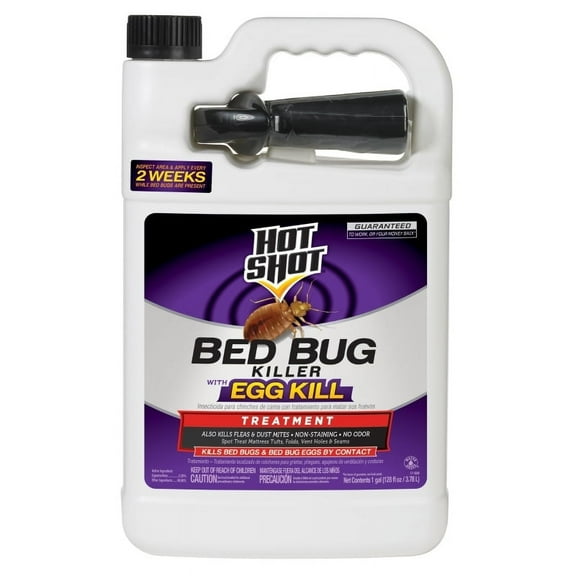
For bedrooms and upholstered areas, you may look for hot shot bed bug treatment options that match the listed surfaces. You should compare sprays and targeted formats when you need exact placement around frames and seams.
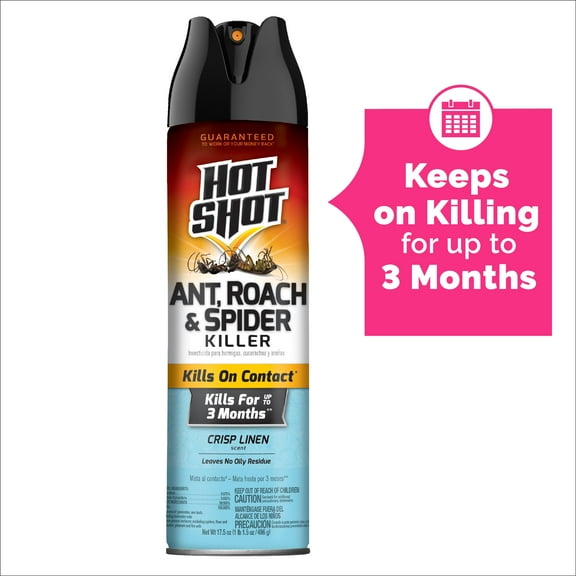
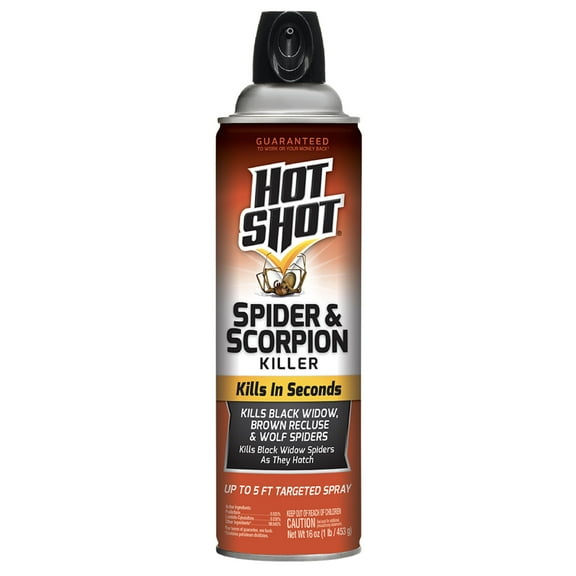
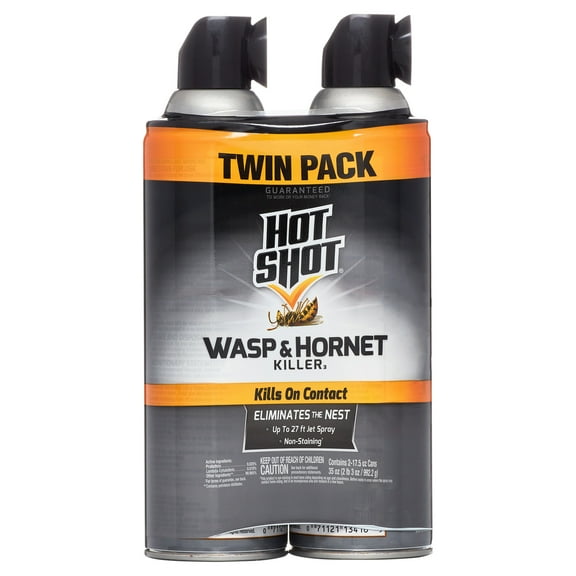
If you notice crawling insects in garages, basements, or utility rooms, you may prefer broader coverage or perimeter treatment. You can consider a hot shot spider spray when corners, storage edges, and entry points need focused attention.
When several rooms show activity, you may compare a hot shot fogger with direct sprays for follow-up detail work. That combination can help you cover open space first, then treat cracks and crevice areas with targeted detail.
You can make an informed choice when you match pest type, product type, application area, and protection length. Hot Shot gives you a direct path to targeted household pest control with options built for the spaces you use every day.