

Casio Piano Keyboards & Digital Pianos | Walmart


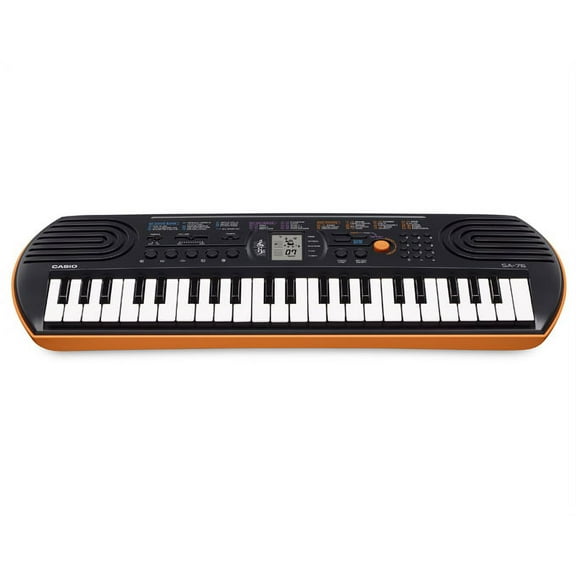
About Casio Piano Keyboards & Digital Pianos | Walmart - Walmart.com
You can compare a casio piano keyboard lineup by key count, key feel, and portability, so your next instrument fits your practice space and goals. You’ll also find distinct series choices that match beginner lessons, home playing, and more advanced performance setups.
If you’re replacing a starter model or moving toward fuller piano technique, you’ll want clear guidance before you choose. You can use these buying tips to compare Casio pianos, accessories, and learning features without guesswork.
How to choose a casio piano keyboard
You should start with the way you plan to play most often. If your focus is basic lessons, casual practice, or melody work, you may prefer fewer keys and a lighter setup.
When your goals include two-hand piano pieces, you should compare longer key ranges right away. You’ll usually want 88 keys if your practice includes classical music, full chord voicings, or traditional piano exercises.
- You can choose 61 keys for beginner lessons, compact storage, and easy movement between rooms.
- You can consider 76 keys if you want more range without the size of a full piano layout.
- You can select 88 keys when your playing calls for full-scale repertoire and familiar piano spacing.
- You should check included accessories, because your setup may need a stand, power adapter, or sustain pedal.
You may also care about where your instrument will live day to day. If your room is shared, a portable keyboard can suit tighter spaces and easier transport.
For a more furniture-style setup, you might compare a console digital piano instead. If you perform or rehearse outside your home, you may prefer a stage piano with a simpler moving setup.
Choosing key action in casio pianos
You should compare key action carefully, because your touch changes how your practice feels. If your hands are used to acoustic piano lessons, you’ll likely notice the difference right away.
You can look at unweighted keys for a lighter response and easier first steps. You may choose semi-weighted keys when you want more control but still want a lighter feel.
If your goal is piano technique, you should focus on weighted options. You’ll often see weighted hammer action, which gives your fingers a feel closer to an acoustic piano.
You can use that feature as a practical decision point, not just a technical term. When your lessons involve dynamics and finger strength, weighted hammer action helps your practice feel more familiar.
You should also compare how the action matches the series line. Casiotone models often support flexible home use, while Privia and Celviano options may fit piano-focused routines.
Comparing series lines and setup features
You can narrow your choice faster when you understand what each line is built around. If your priority is portability and approachable controls, you may start with Casiotone.
When your focus shifts toward a digital piano feel, you may compare Privia models more closely. If your room calls for a home centerpiece, you might look at Celviano styles with a console format.
You should also check what comes in the box before you decide. Your setup may feel more complete when your package includes a stand, a power adapter, or a sustain pedal.
If you’re building a learning space at home, those extras can shape your experience from day one. You can avoid mismatched accessories when you confirm what your keyboard casio package includes.
You may also want app or computer connectivity for lessons and recording. If that matters, you should look for USB-MIDI class-compliant support, which lets your instrument connect with many learning apps.
You don’t need advanced studio knowledge to use that feature well. You can simply connect compatible gear and follow lessons, notation tools, or basic recording workflows more easily.
Matching your piano casio choice to real use
If you’re shopping for a first instrument, you may want 61 keys and unweighted action. That combination can support basic lessons, simple songs, and easier storage in smaller rooms.
When your student is progressing, you might compare 76 keys or 88 keys next. You’ll gain more note range for two-hand pieces and more room to grow into formal practice.
If your routine centers on piano study, you should prioritize 88 keys and weighted action. You’ll get a layout and feel that align more closely with standard acoustic piano exercises.
For family spaces, you may prefer a console digital piano that stays in place. Your room can feel more organized when the instrument has a dedicated footprint instead of a temporary setup.
If you carry gear to lessons, rehearsals, or performances, you should compare portable keyboard and stage piano formats. You’ll appreciate a setup that moves more easily and connects quickly.
You can also think about how often you’ll use apps during practice. If guided learning matters to you, USB-MIDI class-compliant support can make your sessions easier to start and maintain.
Casio keyboard price and what to compare
If you’re wondering about casio keyboard price, you should compare features before focusing on range alone. Your total setup can depend on key count, action type, included accessories, and cabinet style.
You may notice that a full-size digital piano setup often includes different essentials than a portable keyboard. That’s why you should check whether your preferred option includes a pedal, stand, or power supply.
When you compare a casio piano keyboard this way, your choice becomes clearer and more practical. You can focus on the instrument that matches your space, playing style, and learning plan.
You’ll shop with more confidence when your keyboard matches your technique goals and setup needs. That means your next instrument can feel right for daily practice from the first session.