



Berkley Fusion Pole & Fishing Gear | Walmart






































About Berkley Fusion Pole & Fishing Gear | Walmart - Walmart.com
You can compare berkley fishing gear by line type, bait technology, and rod setup, so your next trip feels more dialed in. You’ll also find category depth that covers finesse presentations, reaction strikes, and seasonal tackle changes.
How to choose berkley fishing gear by product type
When you compare product types, you should start with how you fish most often. You may want fishing line for respooling, soft bait for presentations, or tools for fast rig changes.
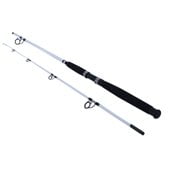
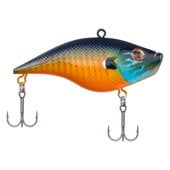
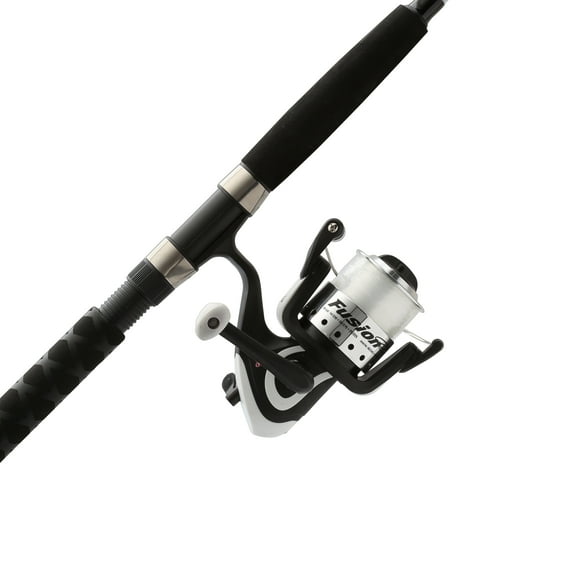
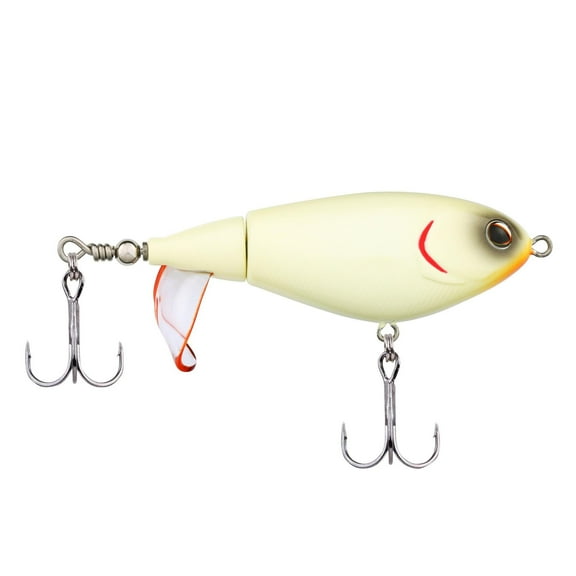
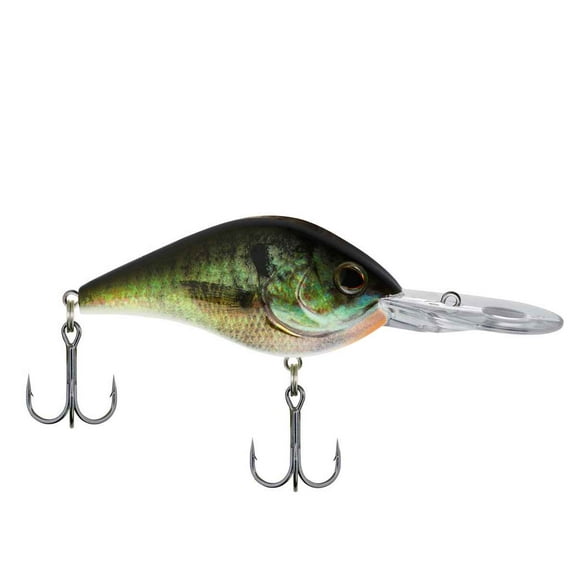
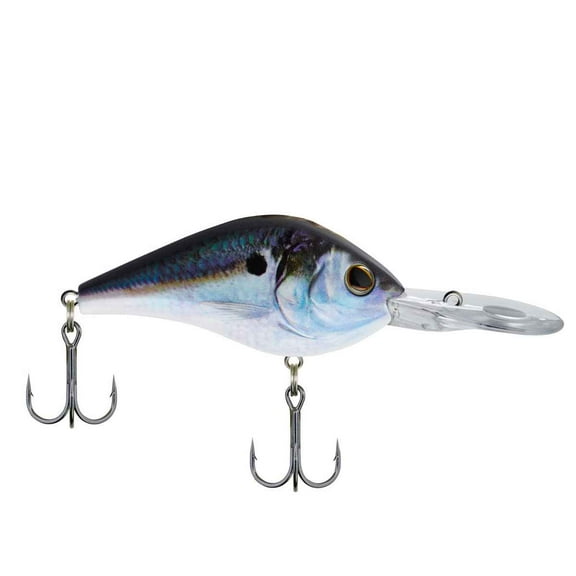
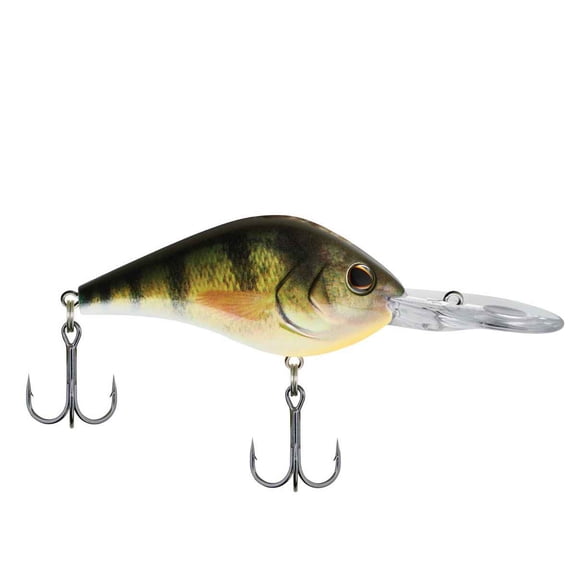
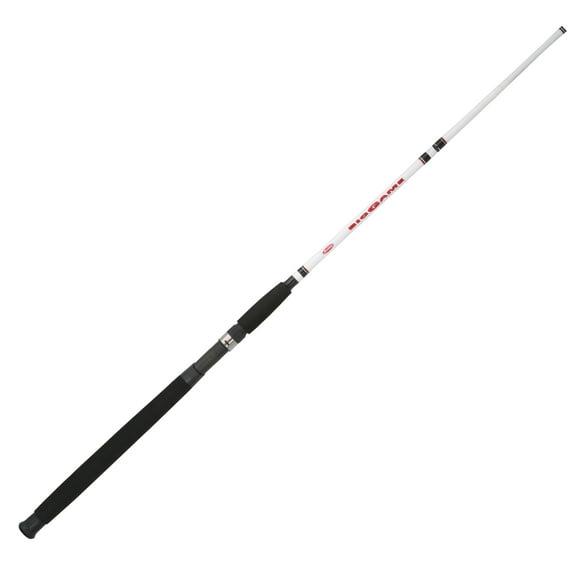
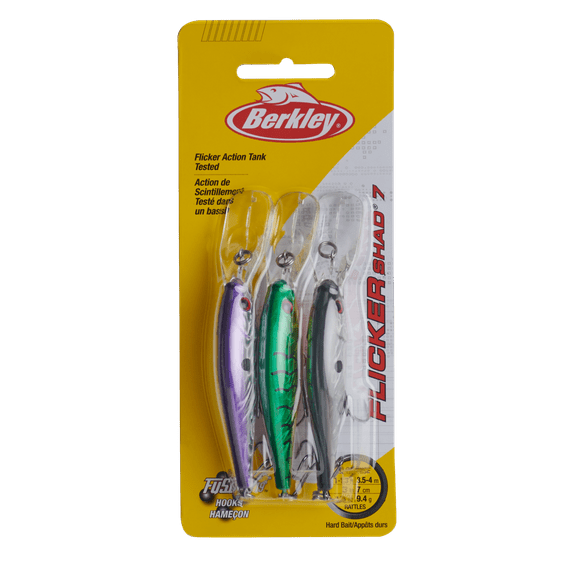
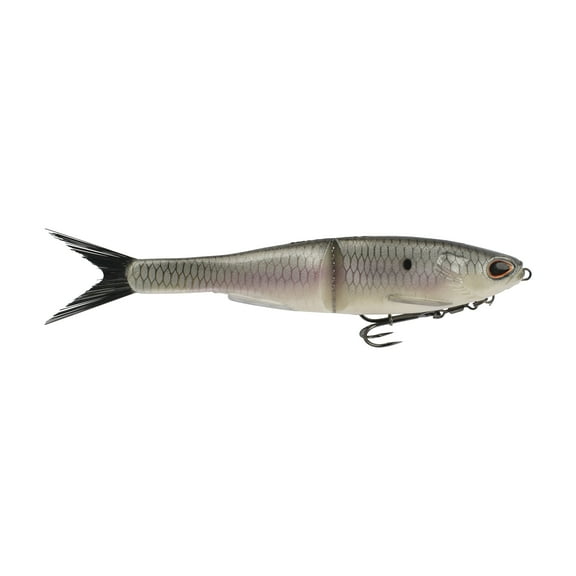
If you throw moving lures, you may also look at berkley hard baits for crank, jerk, and twitch patterns. If you build a full setup, you can pair berkley fishing rods with line and terminal tackle that match your technique.
You’ll usually narrow choices faster when you match each category to a job on the water. Your bass setup may need a different rod, bait profile, and line material than your trout or panfish setup.
Choosing berkley fishing line for your setup
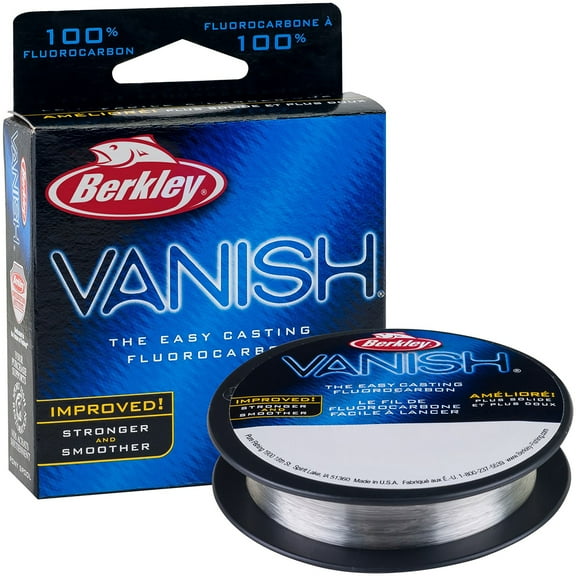
When you choose berkley fishing line, you should compare monofilament, fluorocarbon, and braided options by feel and presentation. You’ll notice each material changes cast control, lure action, and hook-setting response.
Monofilament works well when you want manageable handling and a little stretch during surges near the boat. Fluorocarbon helps you when you want low visibility and solid abrasion resistance around rock, wood, or docks.
Braided line suits you when you want strong sensitivity and a thinner diameter for long casts. You can also compare pound test to balance lure size, cover, and the fish you’re targeting.
- You can choose monofilament when your setup benefits from stretch and easy handling.
- You can choose fluorocarbon when your presentation needs low visibility and abrasion resistance.
- You can choose braided line when your technique needs sensitivity and firm hook sets.
- You should compare pound test to your lure weight, cover type, and target species.
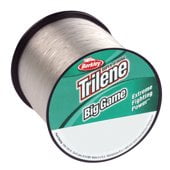
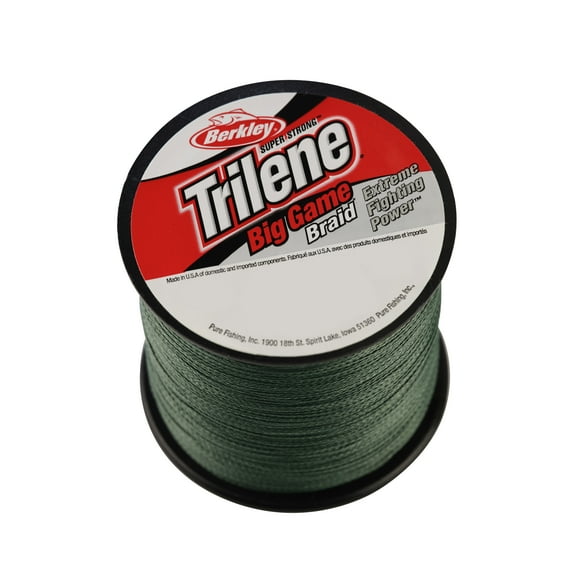
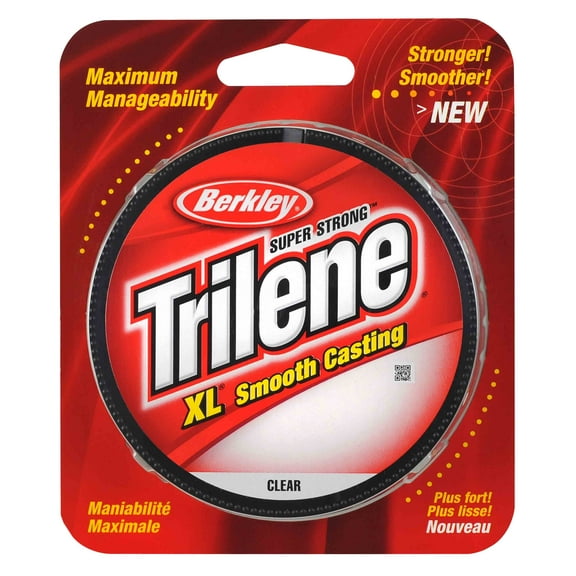
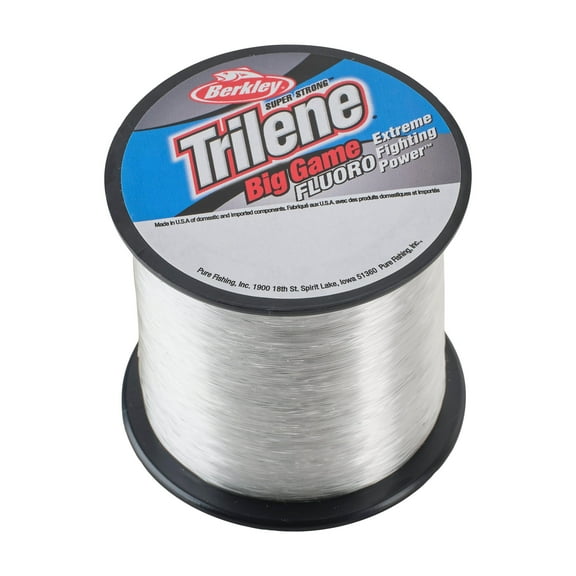
You may also look for line families like Trilene when your priority is dependable casting and technique-specific options. You’ll get more useful results when you match line material to water depth and structure.
Comparing berkley soft baits and berkley powerbait
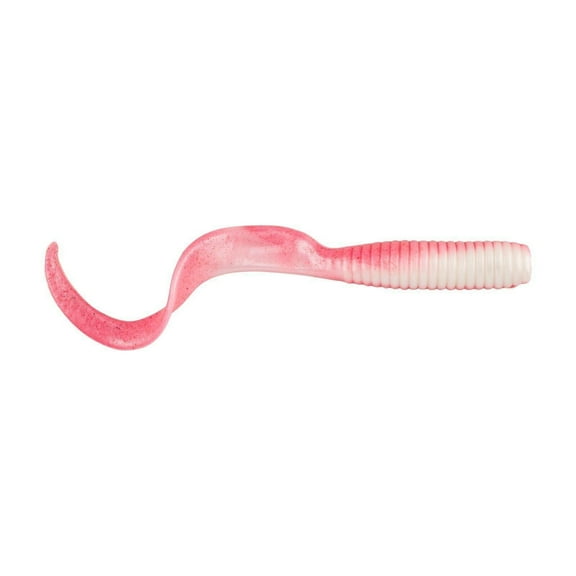
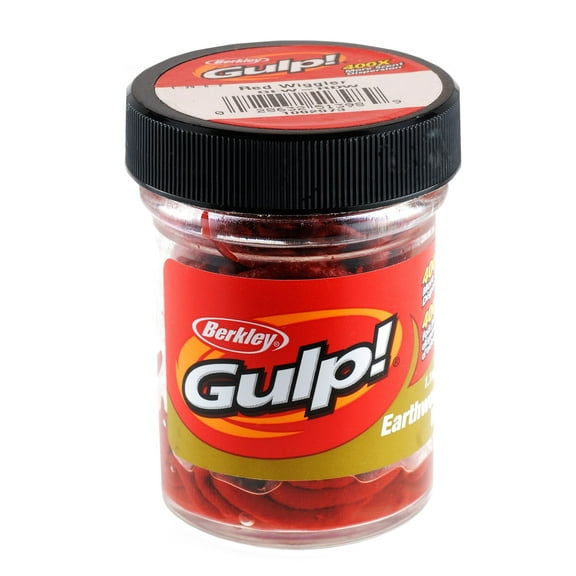
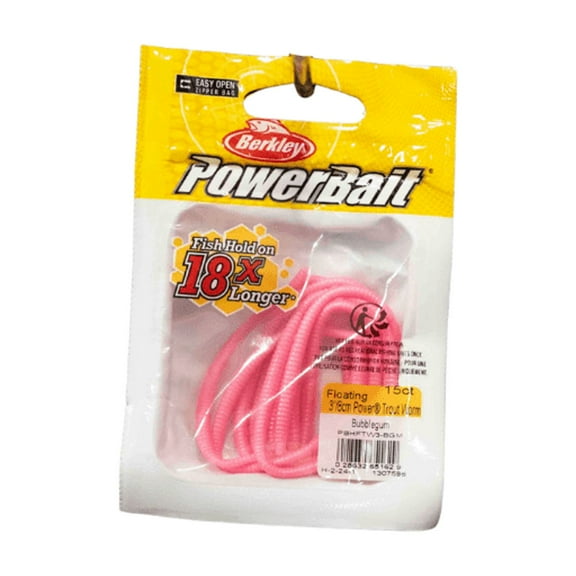
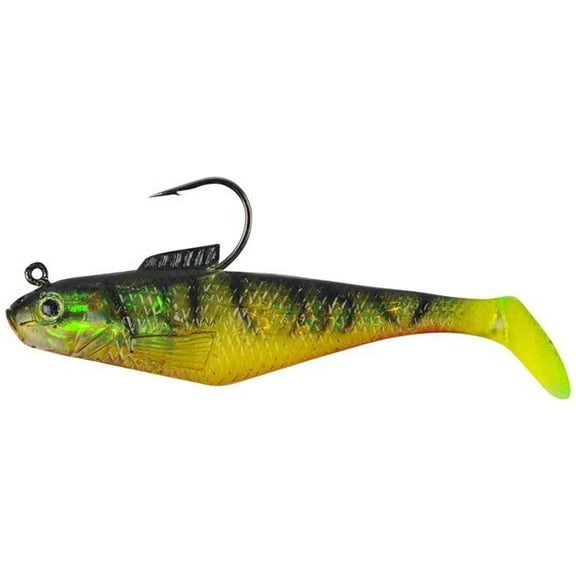
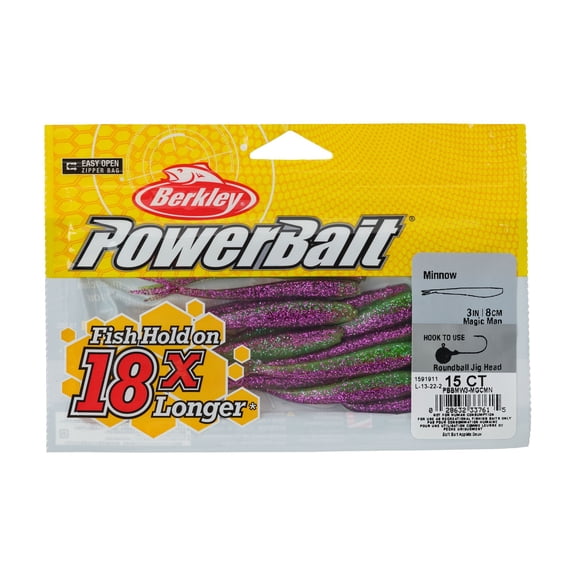
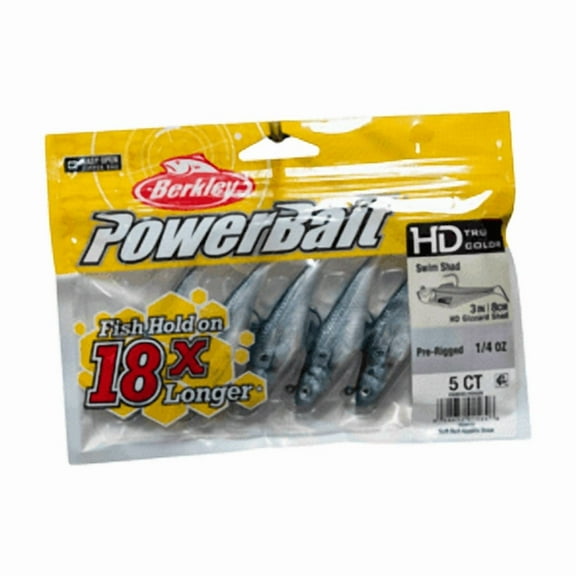
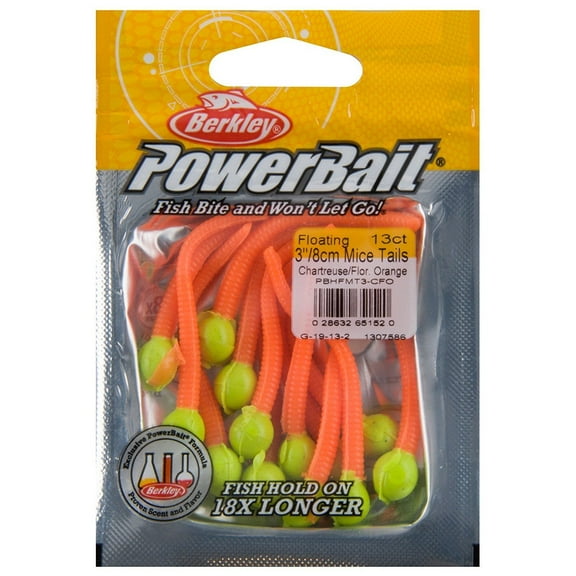
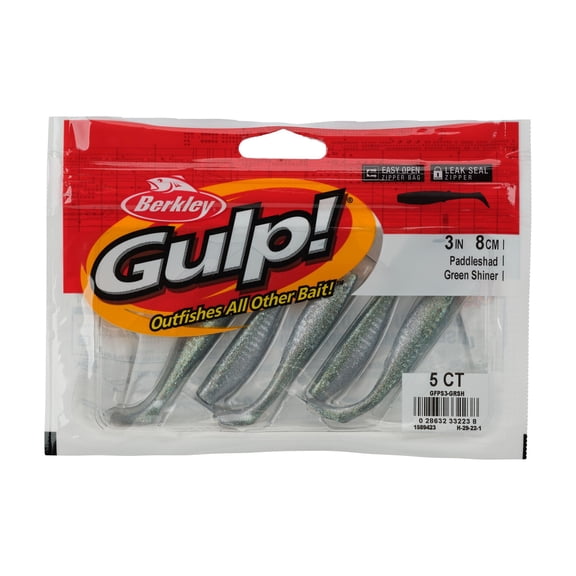
When you compare berkley soft baits, you should consider scent, profile, and how long you want fish to hold on. You’ll often see technologies like berkley powerbait, Gulp!, and MaxScent as key decision points.
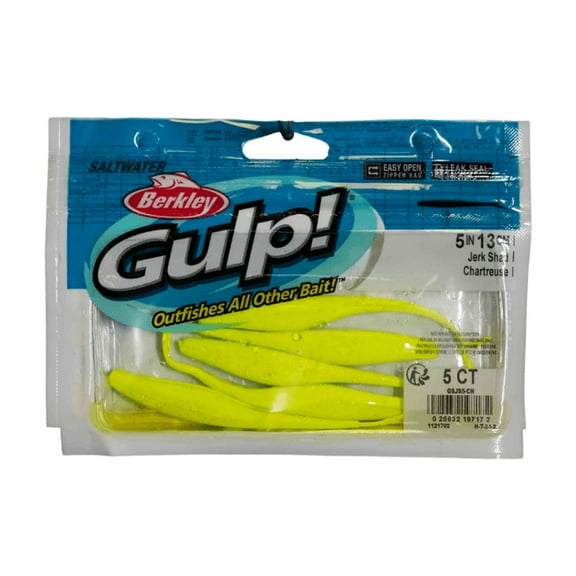
PowerBait can help you present a familiar scent and flavor trail that supports longer inspection moments. Gulp! can help you cover water when you want strong dispersion in moving water or wider search areas.
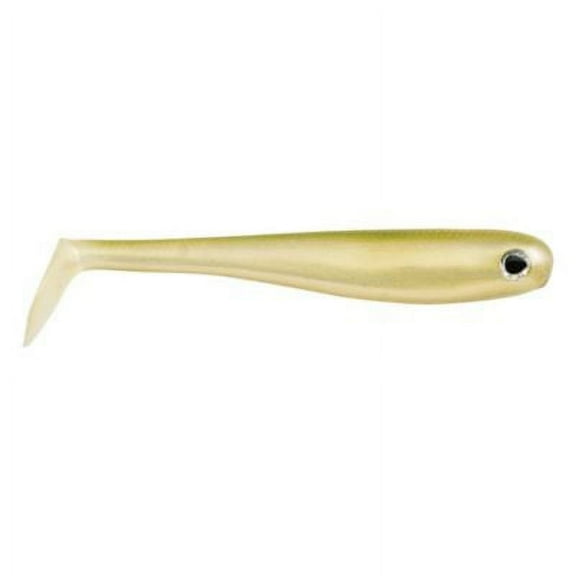
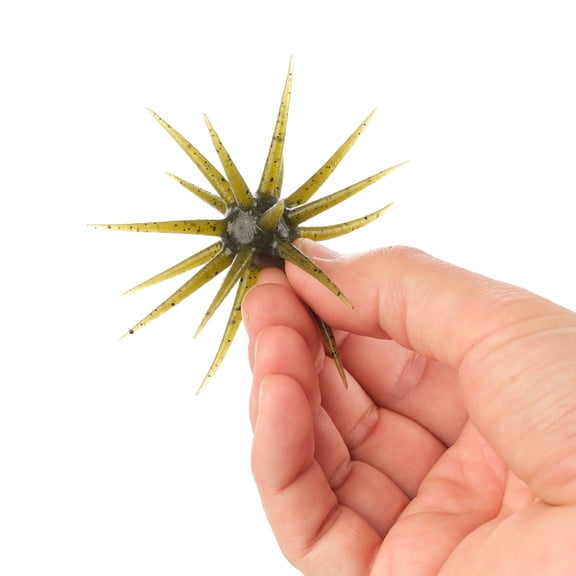
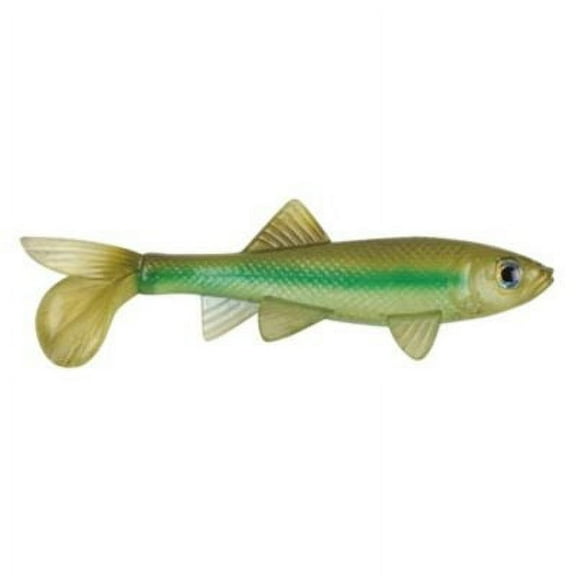
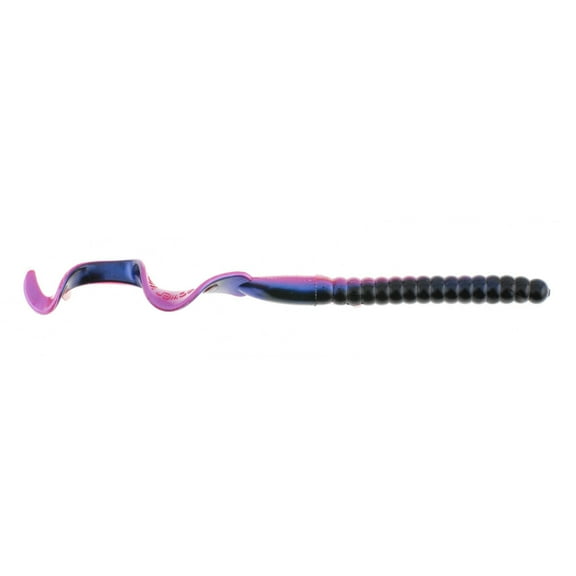
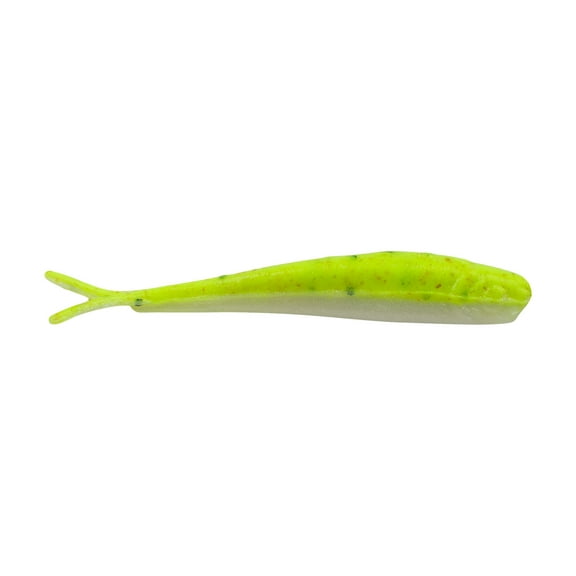
MaxScent can fit your finesse approach when you want a natural feel and subtle presentation style. You should also compare worm, minnow, grub, and creature profiles to match local forage.
Color matters when your water clarity changes through the day. You can use natural tones in clear water, then switch toward brighter patterns when stained conditions limit visibility.
You’ll make stronger bait choices when you match the hatch instead of guessing. Your trout, bass, walleye, and panfish patterns often improve when shape, size, and color mirror what fish already chase.
What to look for in rods and tackle
When you review rods, you should compare action and power before you focus on technique details. You’ll usually want fast action for quick response, while moderate action supports moving bait presentations.
Power tells you how much backbone your setup has during casts and retrieves. You may prefer medium-heavy power for jigs and heavier cover, while lighter power suits smaller baits and lighter line.
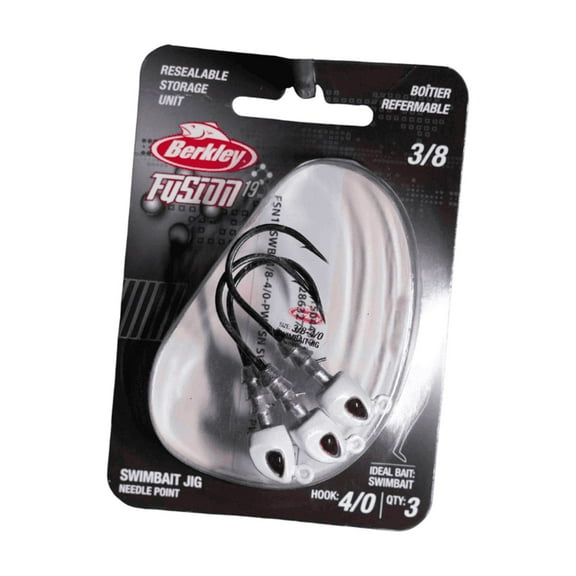
Your tackle choices should support the way your rod and line work together. You can compare tools, terminal tackle, and rigging accessories by how quickly they help you retie, trim, and adjust.
If you fish around brush, rock, or docks, you should check abrasion resistance and rod backbone together. You’ll get a more balanced setup when your line, rod action, and lure weight stay aligned.
Matching your setup to species and season
You should build your setup around target species because feeding behavior changes your tackle needs. Your bass trip may call for creature baits and braid, while your trout day may lean toward lighter line and subtle profiles.
For walleye, you may want line sensitivity and minnow shapes that track cleanly near bottom structure. For panfish, you’ll often prefer smaller presentations that stay lively on light tackle.
Season also changes how you should compare options across this brand page. You can look at berkley ice fishing gear for cold-weather presentations, compact storage, and smaller bait profiles.
During warmer months, you may shift toward faster search baits and heavier cover setups. In colder water, you’ll often slow down with finesse plastics, scent-focused options, and deliberate retrieves.
You’ll get a more consistent setup when each choice supports your water, species, and technique. Your final combination can deliver cleaner casts, more natural presentations, and sharper response on the hook set.
With this category, you can compare berkley fishing gear in a practical way instead of sorting by name alone. Your lineup comes together faster when line material, bait technology, rod action, and species target all work together.