





Big and Tall Undershirts in Big and Tall




























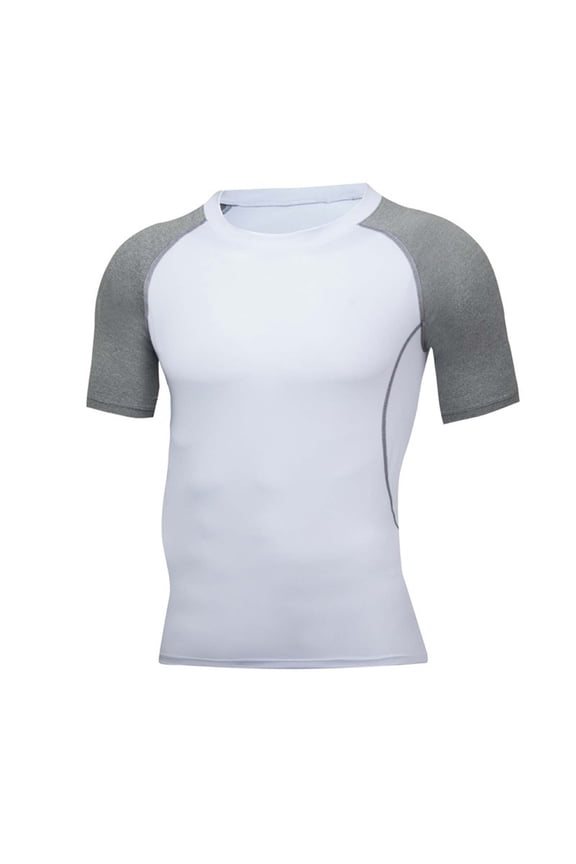


About Big and Tall Undershirts in Big and Tall - Walmart.com
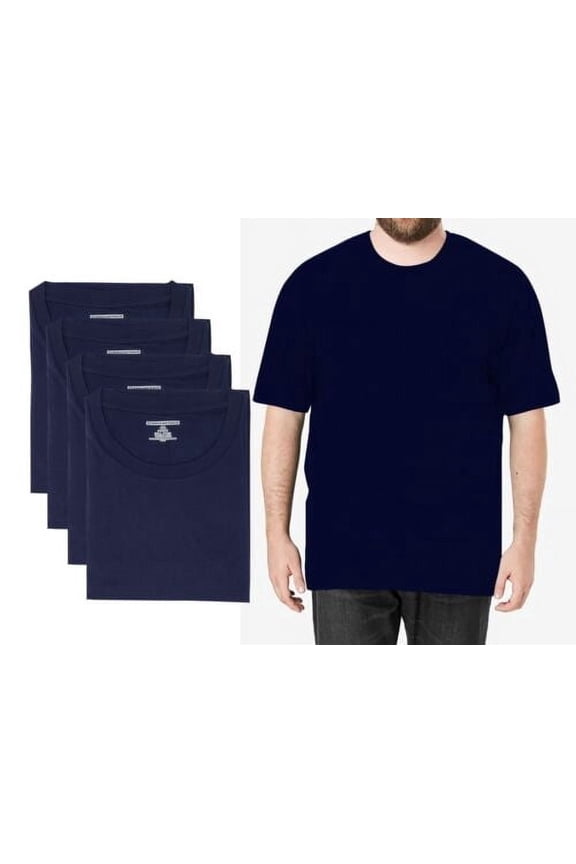
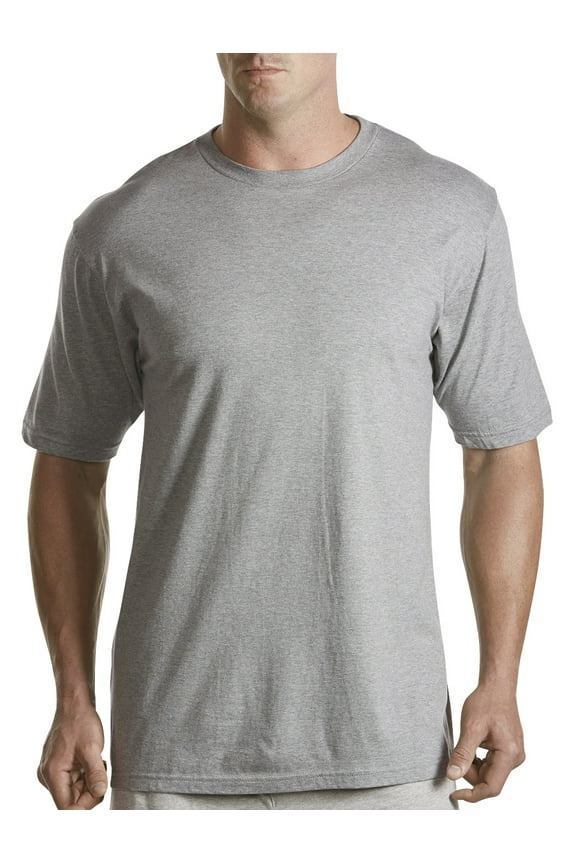
You'll find big and tall undershirts built for longer torsos, broader chests, and easier layering under daily outfits. You can compare lengths, cuts, and fabrics that help your shirt stay tucked and feel comfortable.
If standard basics ride up or feel short, you can use this guide to focus on fit details that matter. You'll see how size range, neckline, length, and fabric affect everyday wear.
How to choose big and tall undershirts
You should start with the difference between big sizing and tall sizing before you pick a pack. You can expect big sizes to add width, while tall sizes add body length and sleeve length.
When you compare XL to XLT, you'll notice XLT usually gives you extra torso coverage without simply adding more width. You can use that distinction when your shirts fit around the chest but untuck too quickly.
If you need more room and more length, you can look at combined size ranges like 1XLT to 5XLT. You may also compare 2XT to 4XT and Big 2X to 6X options for different proportions.
- You can choose big sizes when your priority is chest and midsection room.
- You can choose tall sizes when your priority is longer body coverage.
- You can choose big and tall combinations when you need both width and length together.
- You can check size labels like XLT, 2XT, and 3XLT to match your usual fit.
That approach helps you avoid undershirts that bunch at the waist or pull loose during movement. You can narrow choices faster when you match the label to your body shape.
Choosing size range, cut, and length
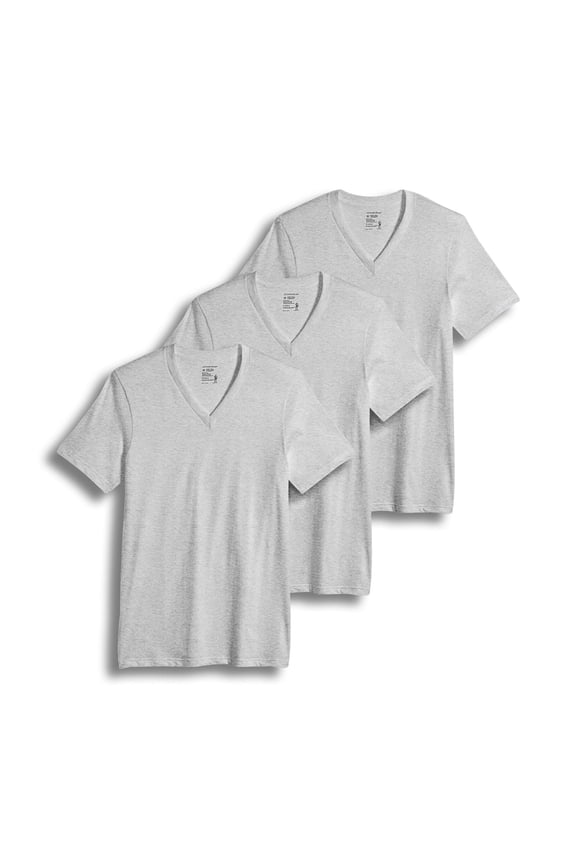
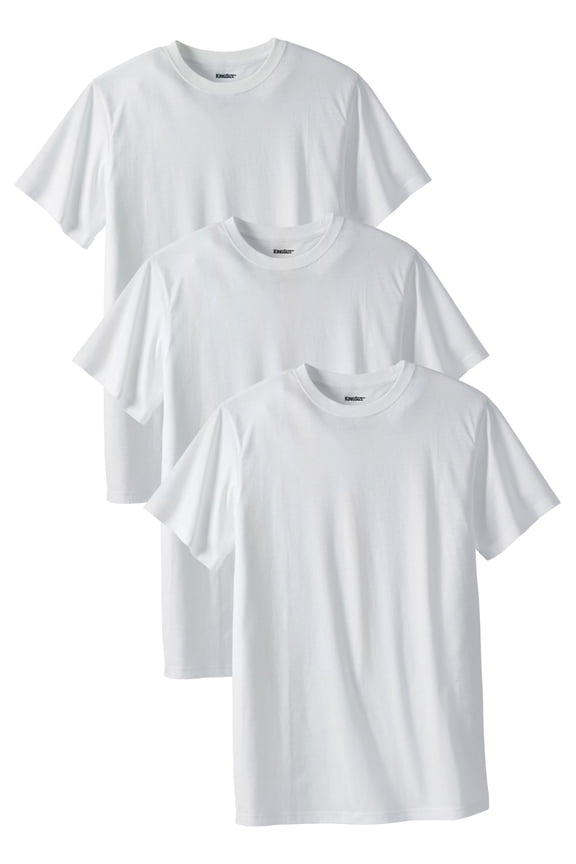
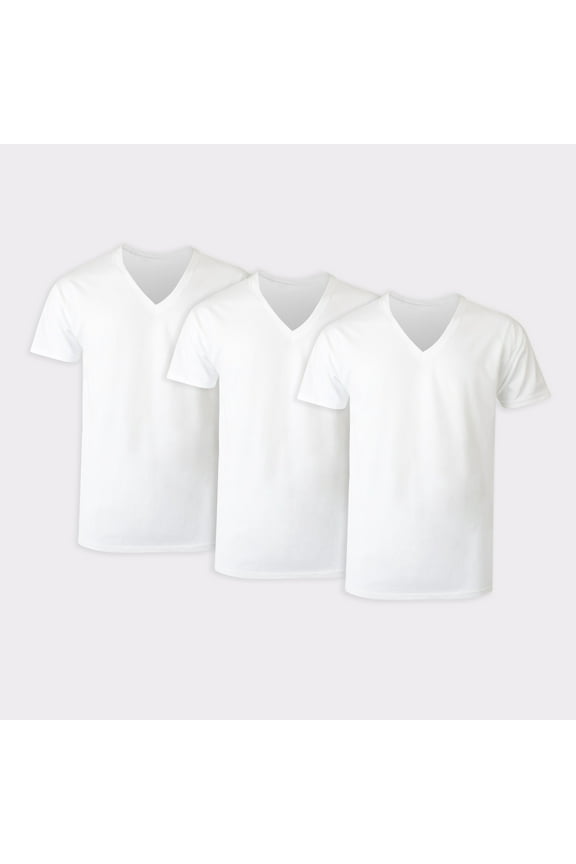
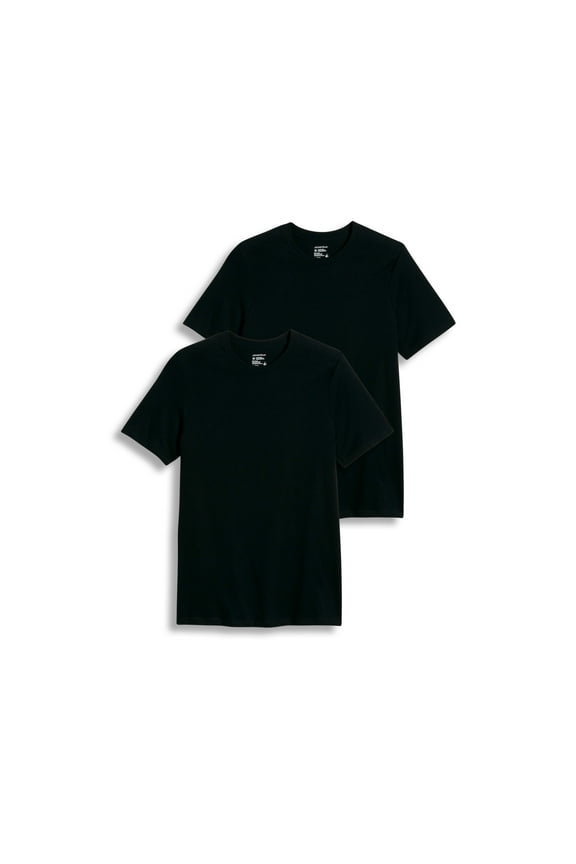
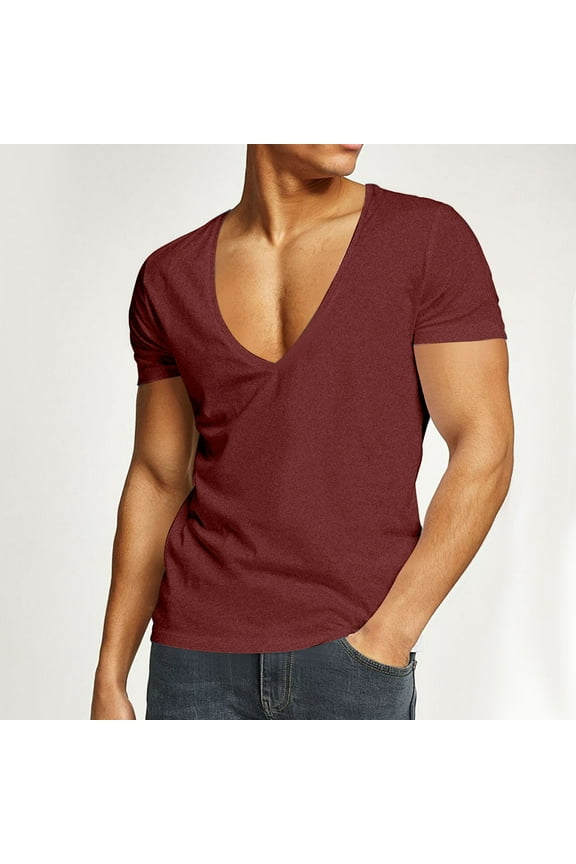
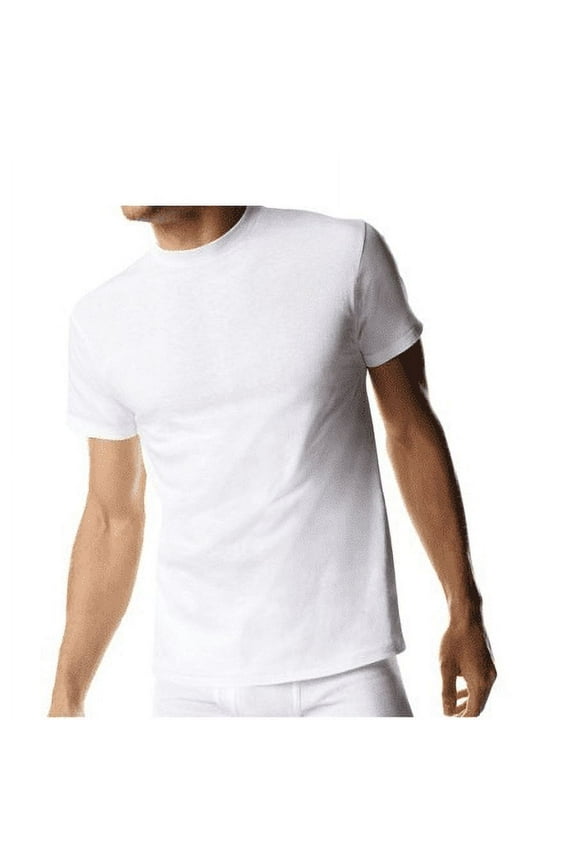
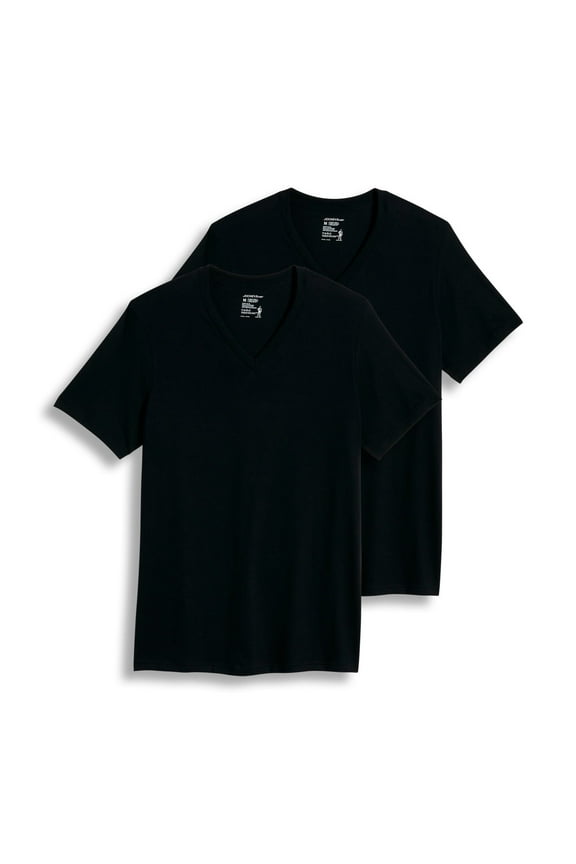
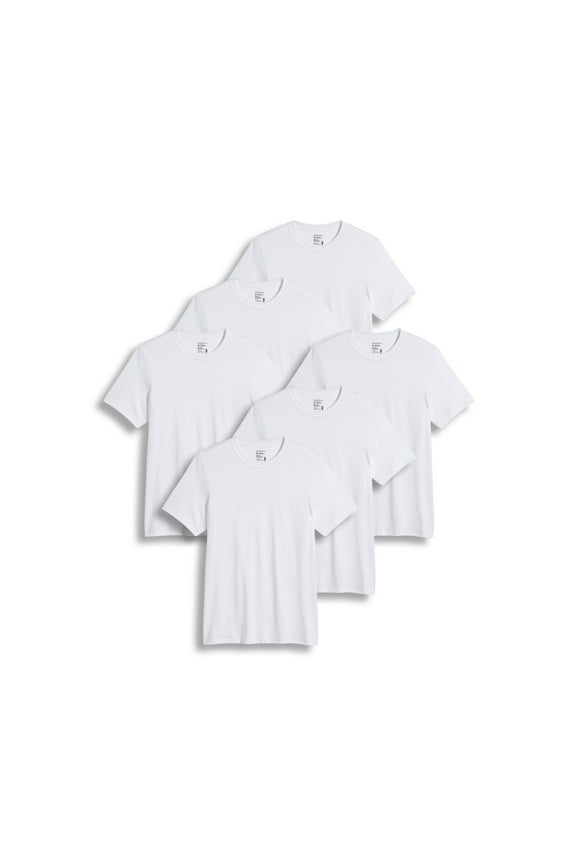
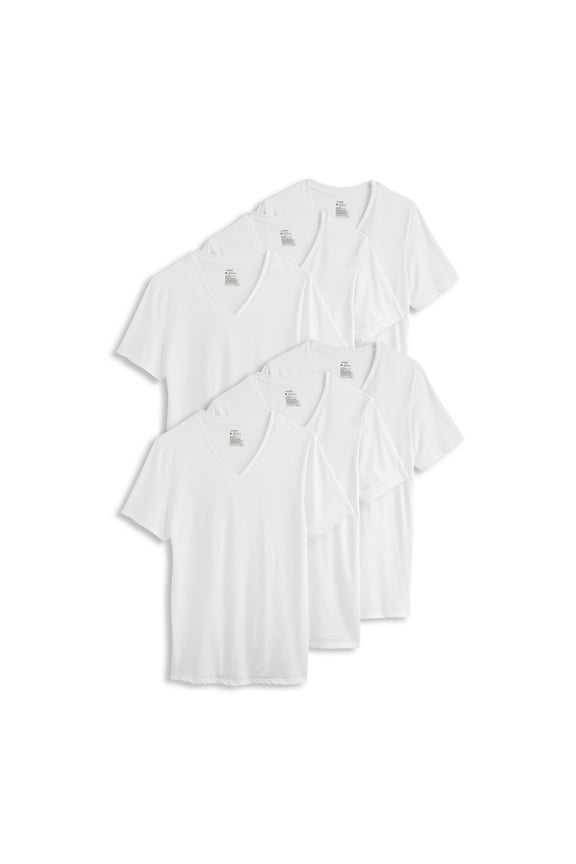
You can use style and length together because neckline choice affects layering just as much as size. You may prefer crewneck styles under casual shirts, while V-neck options stay less visible under open collars.
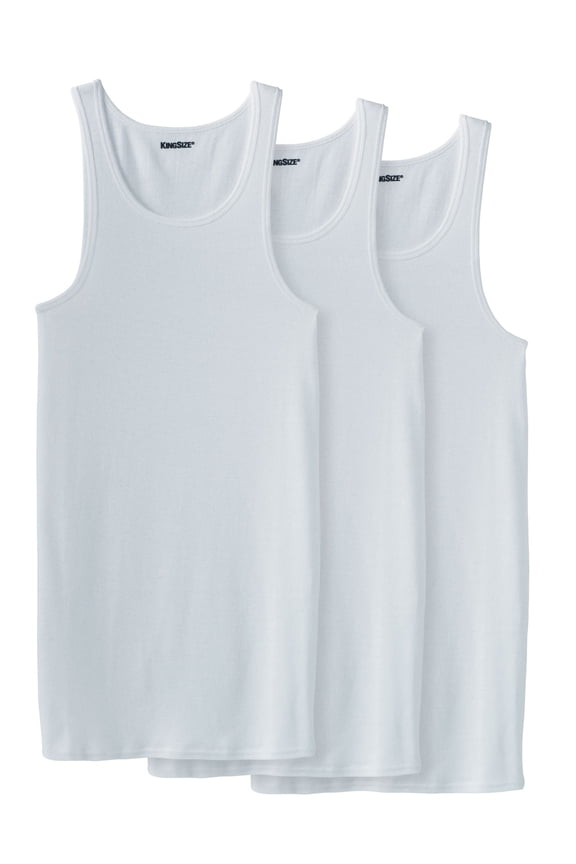
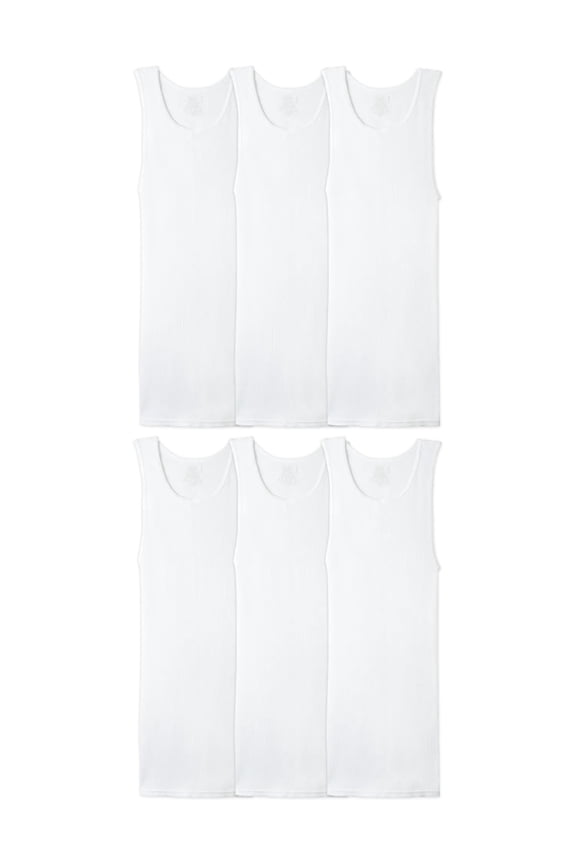
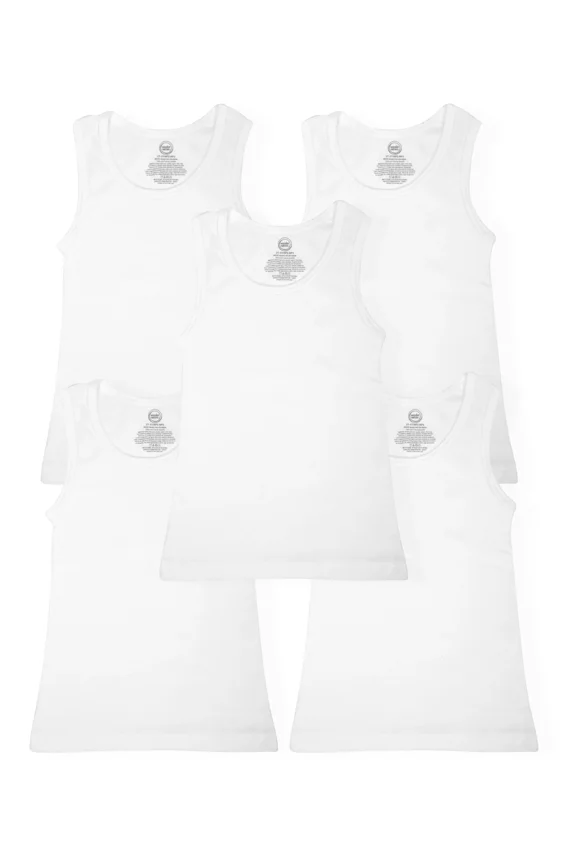
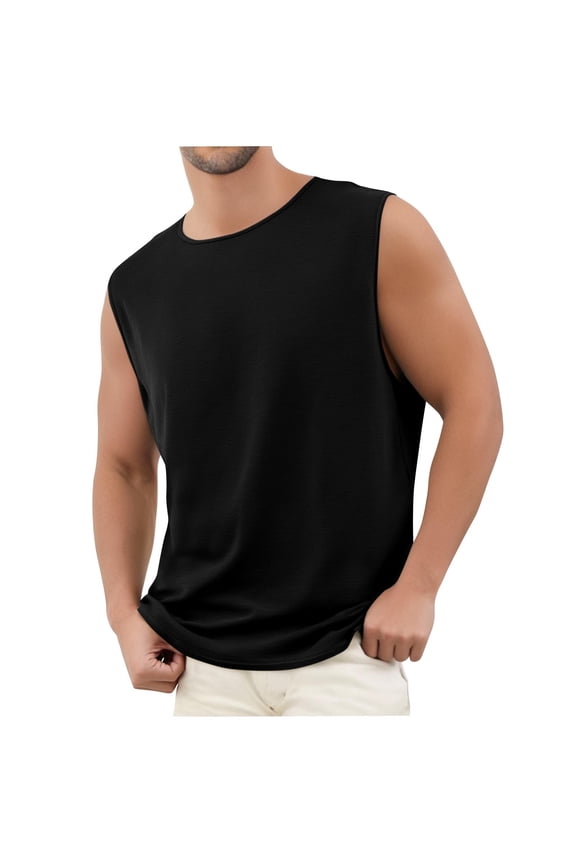
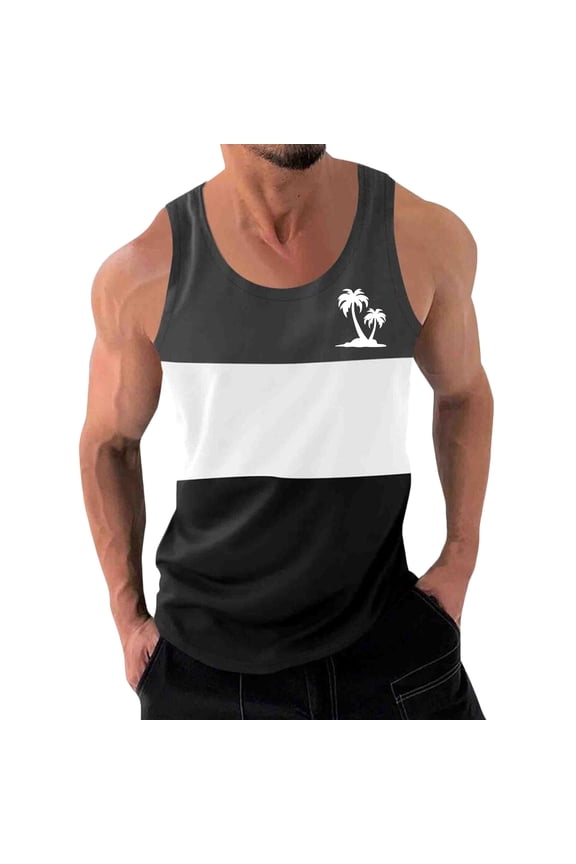
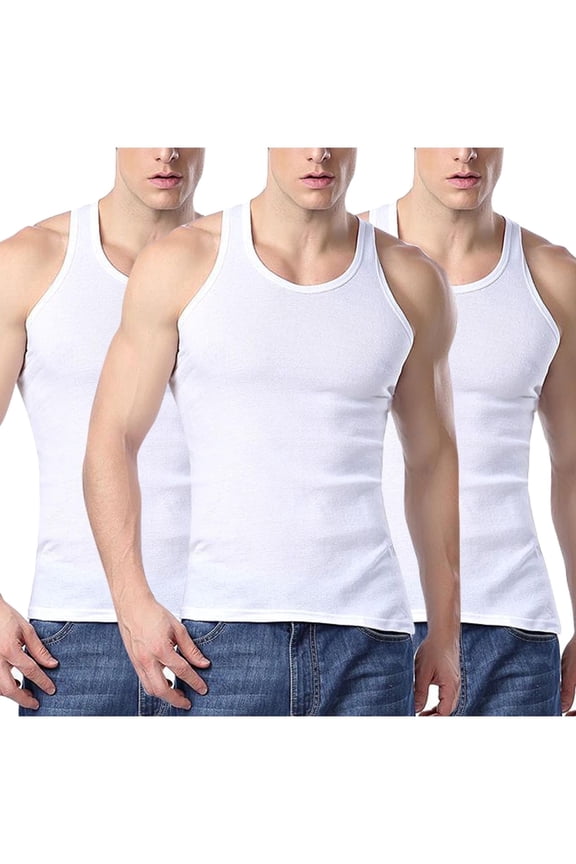
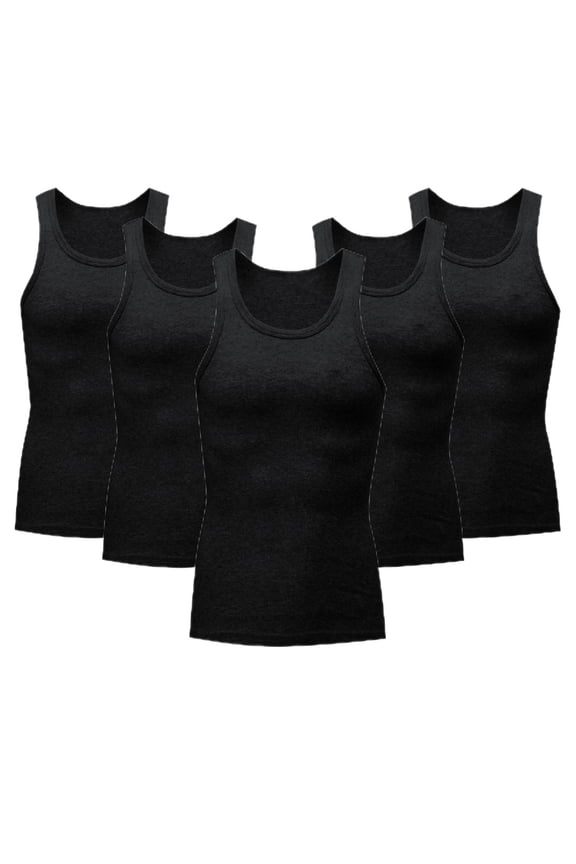
If you want lighter layering, you can compare a big and tall tank top undershirt with short-sleeve options. You may like tank styles when you want shoulder freedom and less bulk under button-downs.
Length matters when you sit, bend, or reach throughout the day. You can look for tall undershirts, long undershirts, and extra long undershirts when standard hems ride upward.
Stay-tucked design usually comes from extra body length and a hem that keeps coverage in place. You can also check whether the cut falls lower in front and back for steadier layering.
Neck opening can change how your undershirt works with workwear, polos, or dress shirts. You can keep a crewneck hidden under some layers, but you may prefer a V-neck with lower shirt buttons.
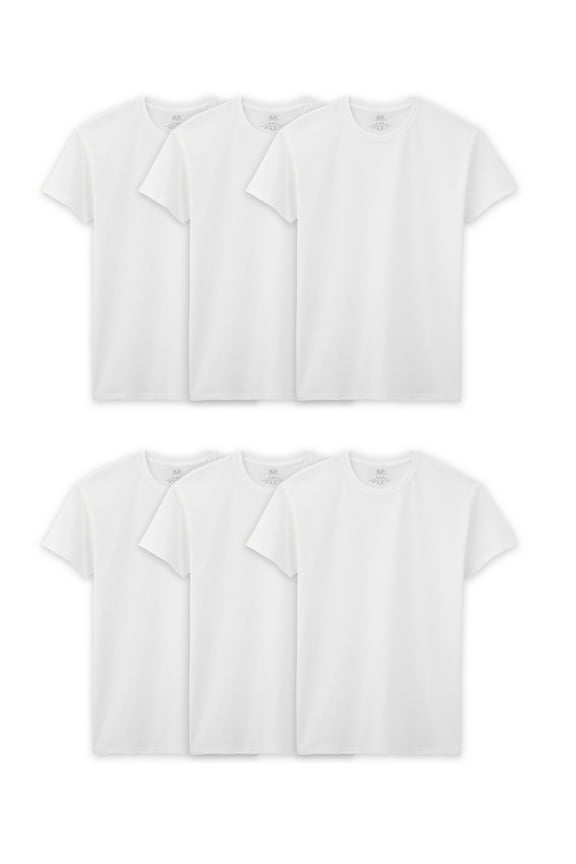
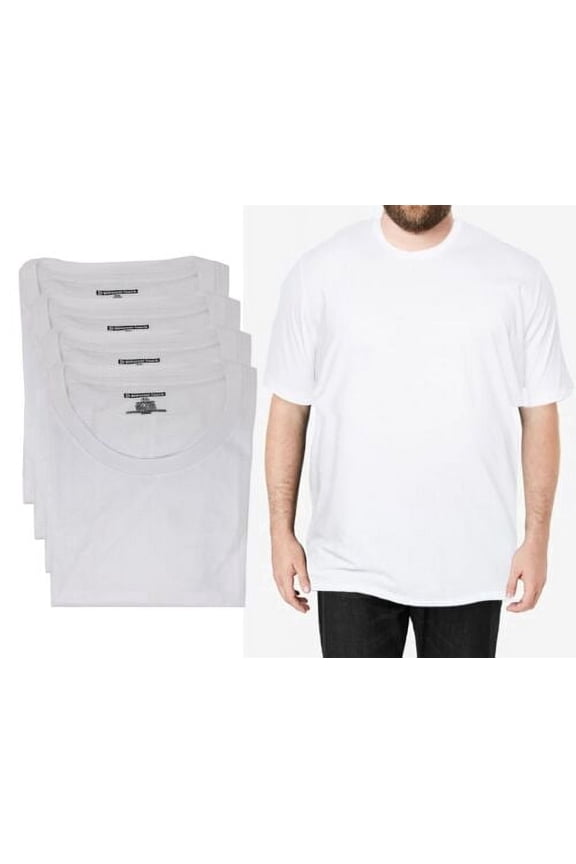
If you rotate undershirts all week, you can compare big undershirts in multipacks for a more consistent fit. You can keep your drawer simpler when each shirt follows the same cut and size logic.
What to look for in fabric and wash performance
You can compare fabric by thinking about breathability, softness, and how the shirt feels under another layer. You may prefer 100% cotton for a familiar feel and ribbed knit for stretch and texture.
If you want easier day-to-day upkeep, you can consider moisture-wicking blends that help fabric feel lighter during long wear. You can also look for blends when wash durability matters to you.
Shrinkage matters because even a good fit can feel shorter after repeated washing and drying. You should check fiber content when you want length to stay more consistent over time.
Cotton blends often help you keep shape and body length more reliably than all-cotton options. You can use that detail when you're choosing shirts for frequent wear and regular laundry cycles.
Ribbed knit can give you a closer fit that layers neatly under sweaters or uniforms. You may prefer smoother jersey fabric when you want a flatter look under lightweight shirts.
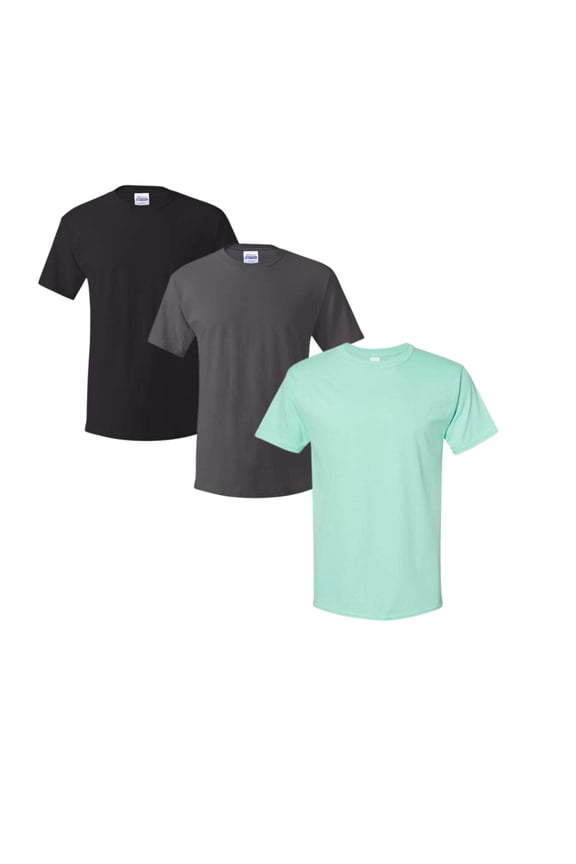
If breathability is your main concern, you can focus on fabric weight and how easily air moves through the material. You can often use casual undershirts for simple everyday layering at home or outside work.
Matching big and tall undershirts to daily use
You can choose extra coverage for office wear, jobsite layers, travel days, or relaxed weekends. You may want different cuts depending on whether your outer shirt is fitted, loose, or open at the collar.
For dress shirts, you can consider V-neck or lower-profile styles that stay less visible at the collar. You can pair extra long lengths with tucked outfits when you want fewer mid-day adjustments.
For tees, flannels, and work shirts, you may prefer crewneck options with a fuller upper edge. You can use those styles when you want an added layer that feels familiar and easy.
If you wear polos or sleeveless tops, you can compare a big and tall tank top undershirt for lighter layering. You can reduce bulk at the sleeves while keeping coverage through the torso.
During active days, you can look for blends that feel breathable and move easily under outer layers. You can also prioritize stay-tucked hems when bending, lifting, or commuting is part of your routine.
When your main issue is width, you can focus on big sizing first and then compare lengths. When your main issue is torso coverage, you can start with tall or extra long options.
If you know your usual size but not your ideal label, you can compare XLT against 2XL carefully. You'll often find XLT adds length, while 2XL usually adds width more than length.
With the right combination of size range, cut, length, and fabric, you can get smoother layering and steadier coverage all day. You can feel more comfortable when your undershirt fits your frame instead of fighting it.