












Pain management in Health
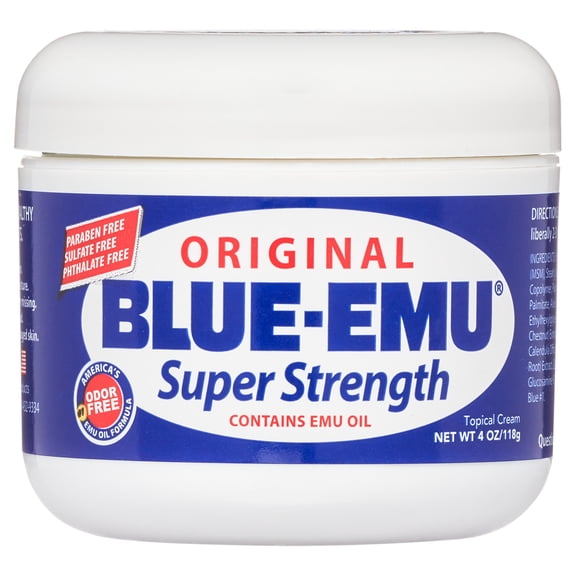

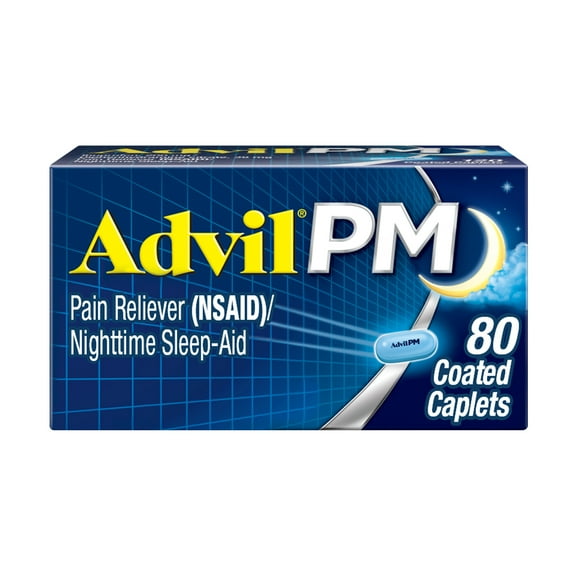

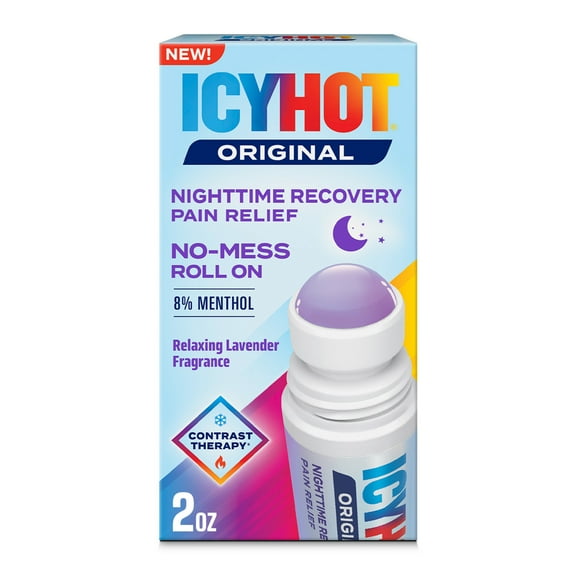
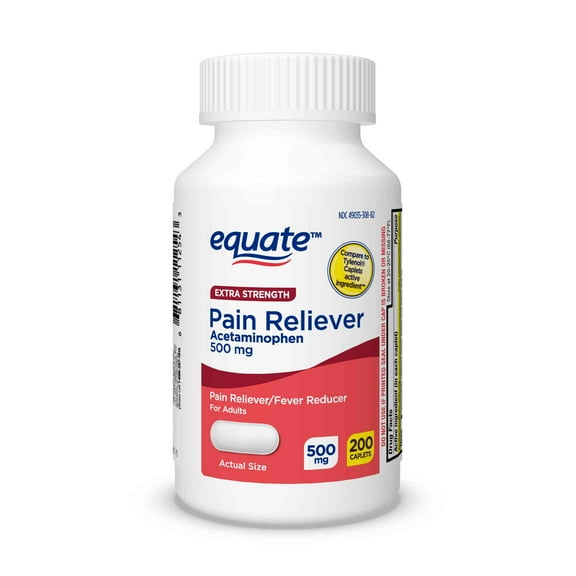
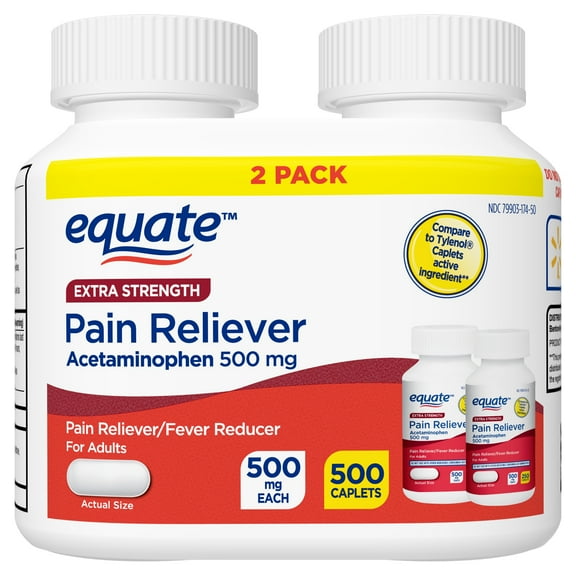
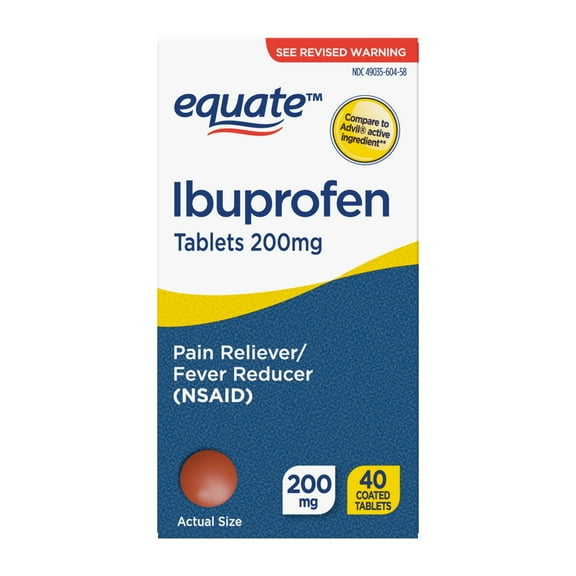
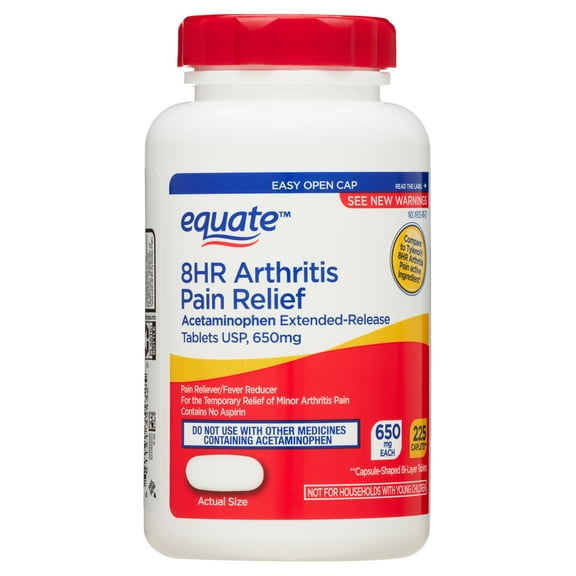
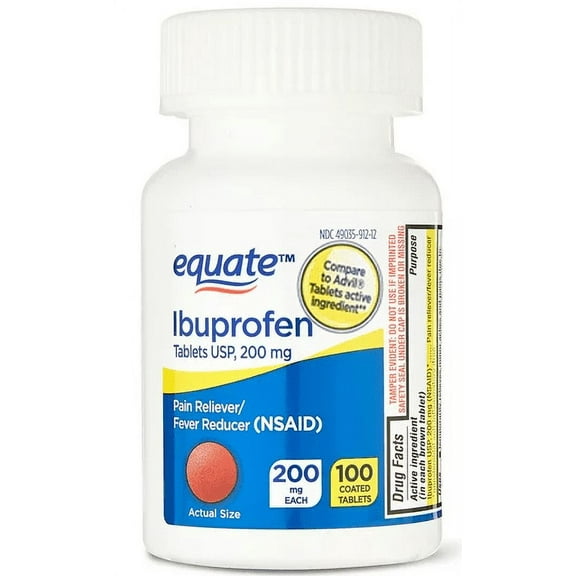


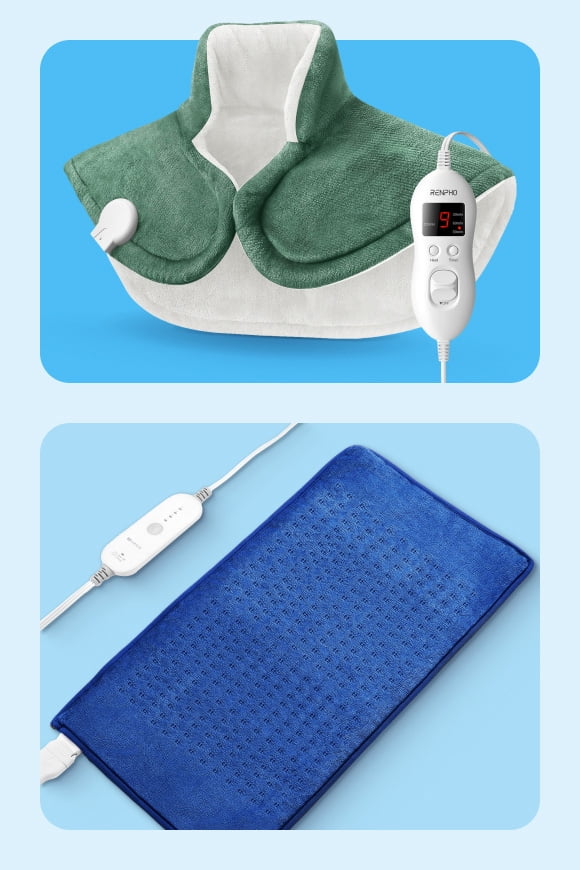
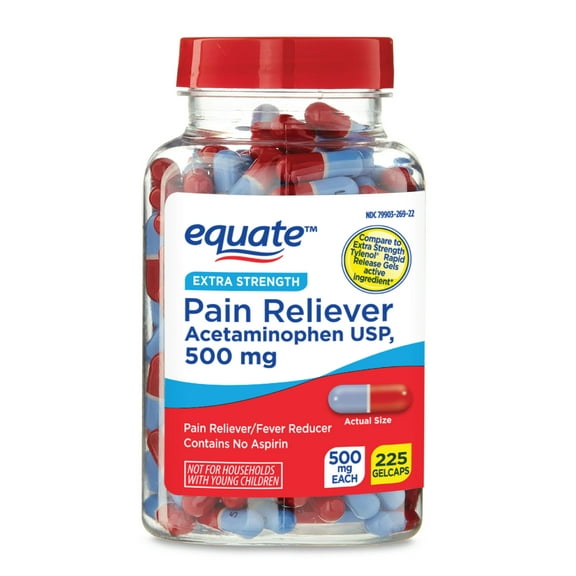

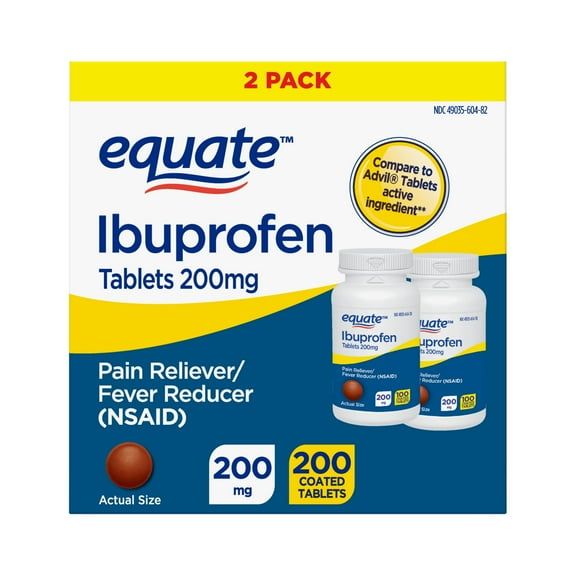
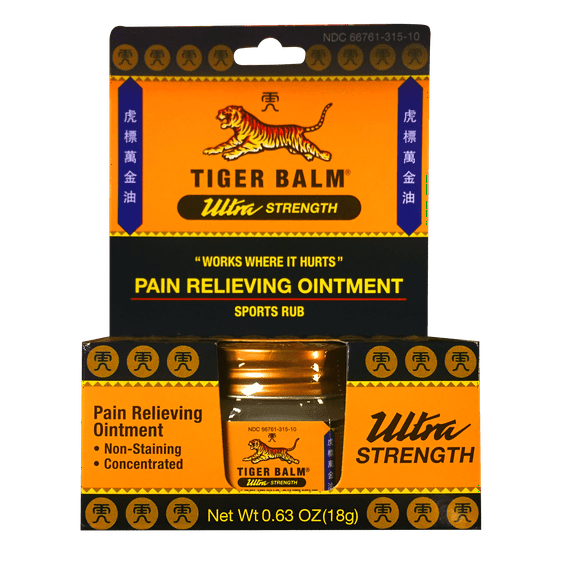
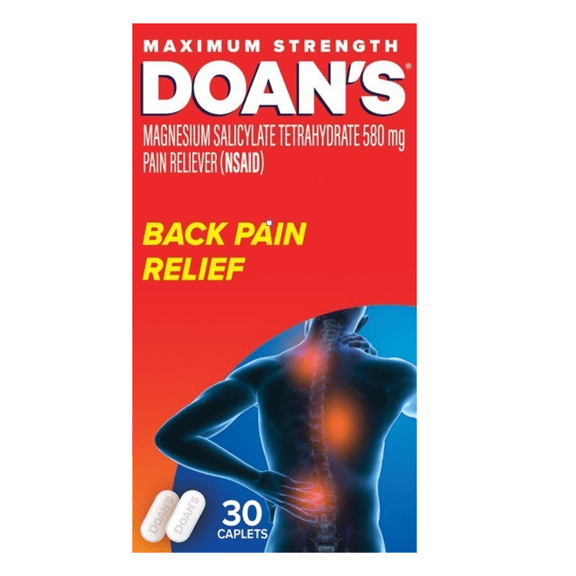

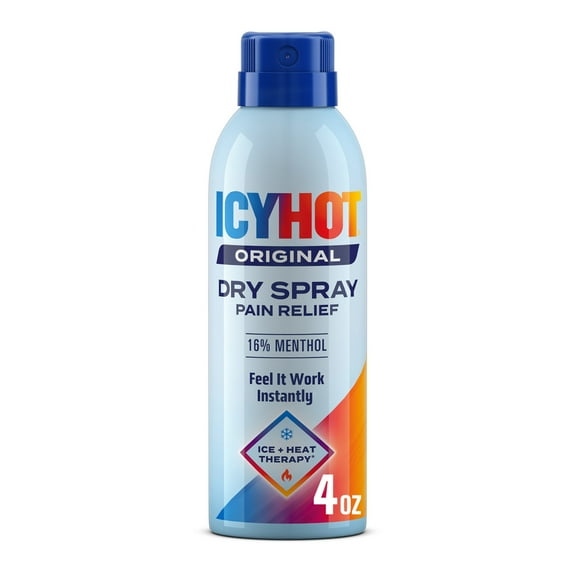
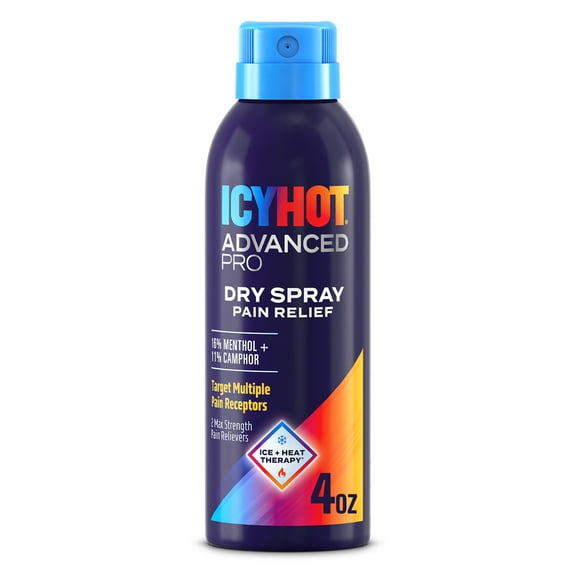


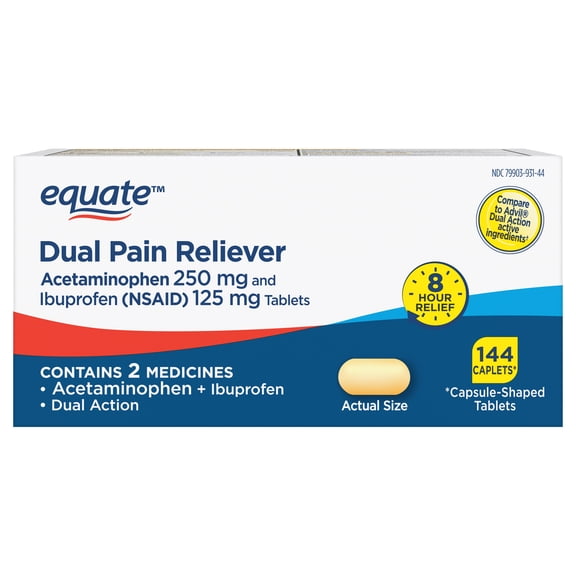

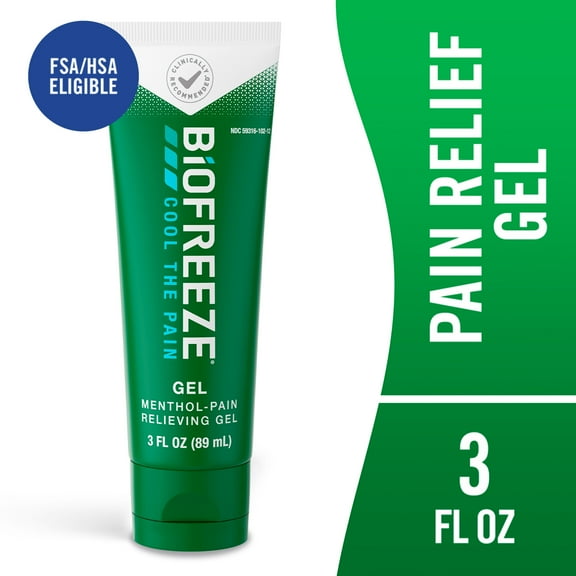
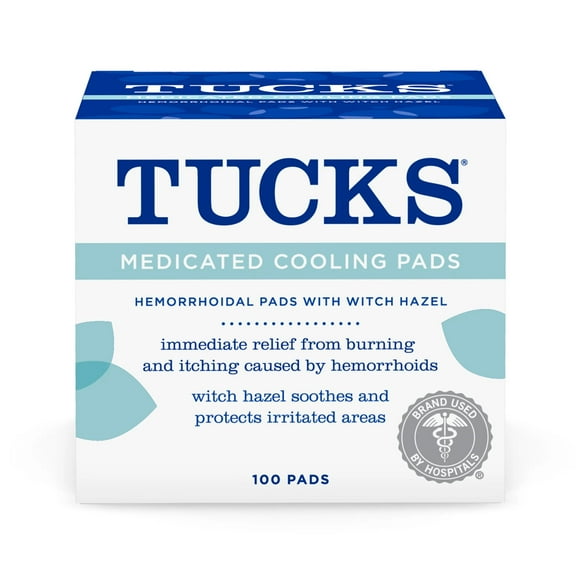
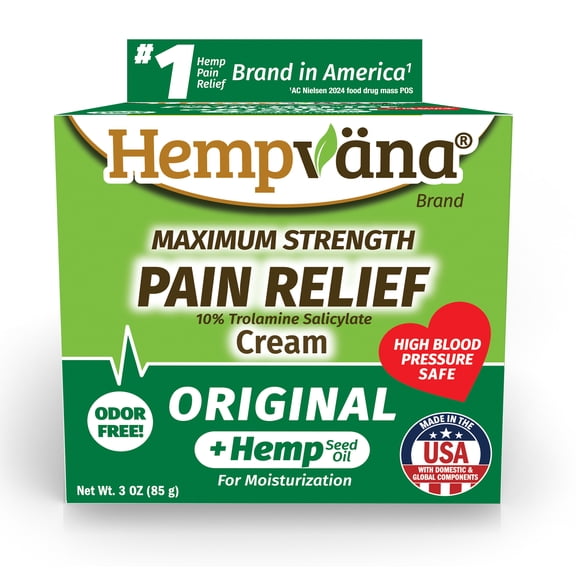


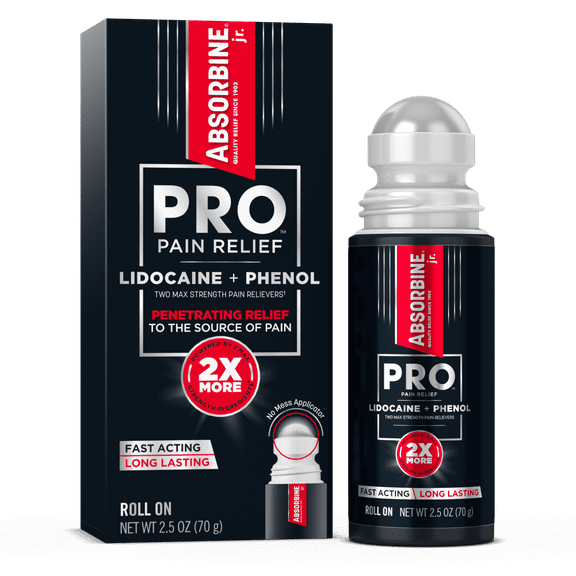
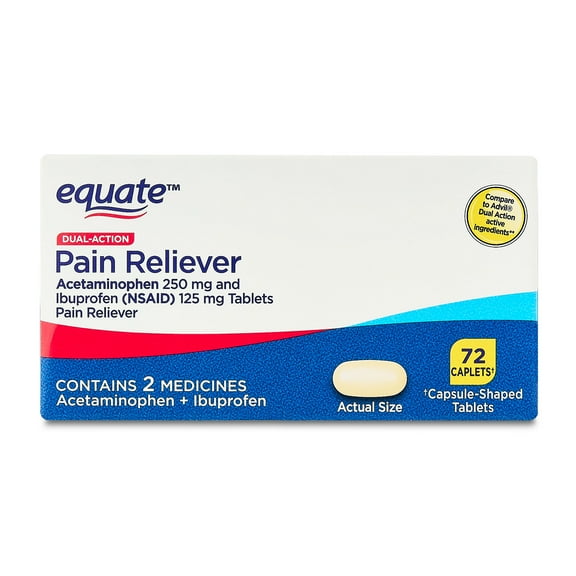

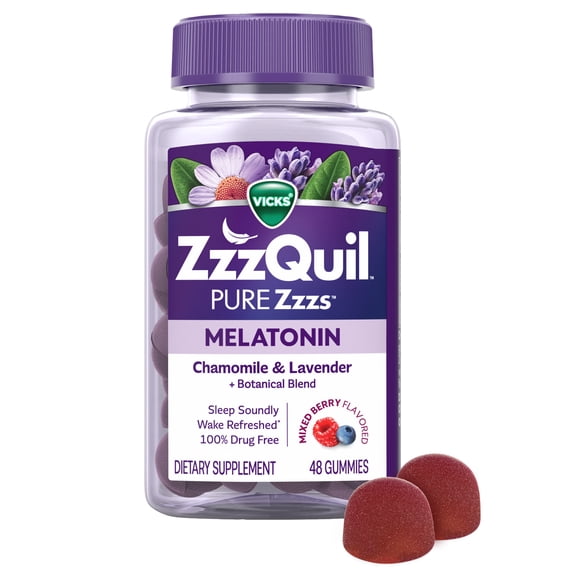


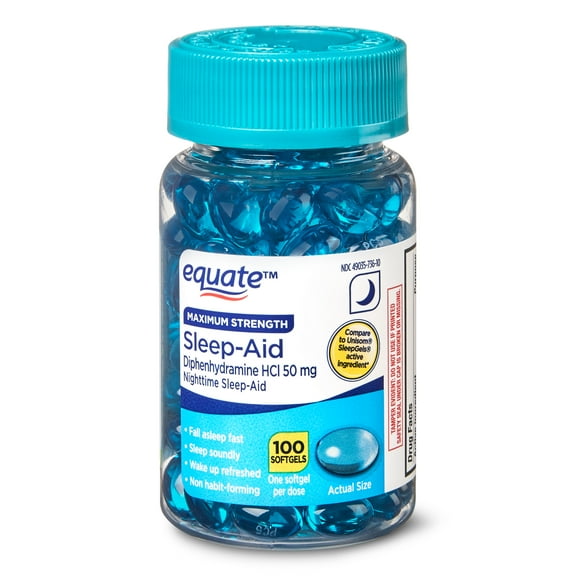


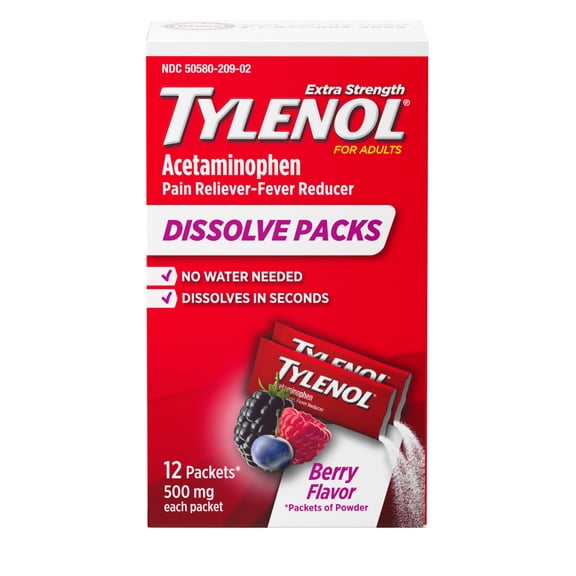
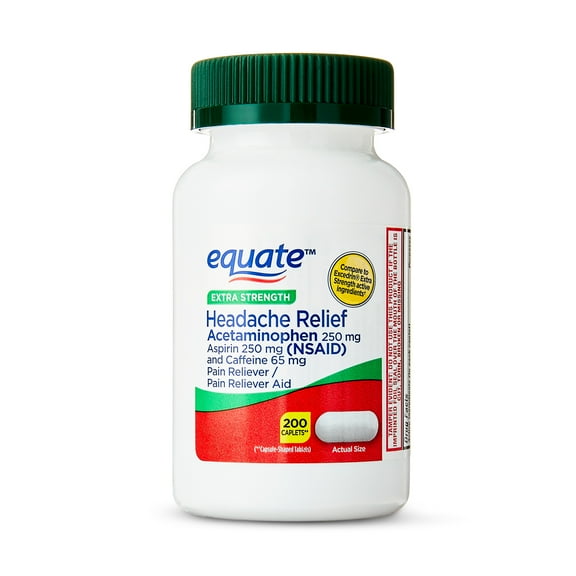
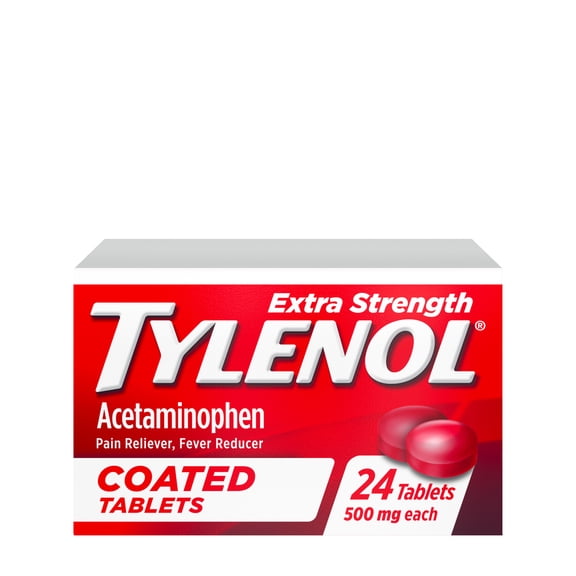


About Pain management in Health - Walmart.com
You can compare health products more easily when you shop by daily needs, product type, and home setup. You’ll find wellness products, personal care products, and home health care supplies that fit everyday routines.
If you’re choosing for daily use, short-term recovery, or chronic care, you’ll want clear guidance before you decide. You can use this page to compare formats, sizing details, and convenience features that matter.
How to choose health products for your routine
You should start with the product category that matches your main need at home. You may compare wellness, personal care, home health care, and daily living aids side by side.
When you narrow the category first, you can sort through options with less guesswork. You’ll also spot practical details faster, like refill frequency, portability, or simple setup.
- You can choose daily wellness items for repeat use and steady routines.
- You can compare personal care products for hygiene, comfort, and easy restocking.
- You can look at home health care supplies for household support and at-home convenience.
- You can select daily living aids when you need sizing, fit, or mobility-focused details.
You may also want products by form, including supplements, equipment, topicals, and disposables. When you compare by form, you can match storage, cleanup, and replacement needs.
If you’re planning around payment options, you may check whether select items are HSA or FSA eligible. That detail can help you organize routine purchases more efficiently.
Choosing wellness products and personal care products
You’ll want to compare labels, ingredients, and package details when you shop wellness products. If ingredients matter in your household, you can review active ingredients and allergen information before you choose.
For supplements, you may compare capsules, gummies, powders, or liquids based on your routine. You can also check supply duration, so your order aligns with daily use.
When you shop personal care products, you’ll usually compare format and convenience first. You may look for disposables, pump bottles, wipes, or travel-friendly packs that fit your schedule.
You can also use certifications and package notes as decision points when manufacturers list them. Those details help you compare products with clearer expectations around ingredients and intended use.
What to look for in home health care supplies
You should focus on compatibility, ease of use, and assembly when you compare home health care supplies. If you’re choosing equipment, you may want details that explain how it fits your space.
You can check dimensions before ordering, especially for bedside, bathroom, or hallway use. If the manufacturer lists weight capacity for daily living aids, you should compare that detail carefully.
For mobility support or recovery equipment, you may prefer products with straightforward setup steps. You’ll appreciate options that are easy to position, store, and use without added complexity.
When you compare equipment, you can also look at handles, folding designs, or adjustable parts. Those features help you match home layouts, transport needs, and regular routines.
Comparing forms, supply duration, and daily living aids
You can narrow health products quickly when you compare form and duration together. If you need daily use items, you may prefer larger counts or easy-to-reorder formats.
For short-term recovery, you might choose disposables or compact equipment that supports temporary home needs. If you’re planning for chronic care, you may focus on comfort, repeat use, and refill timing.
You should also compare daily living aids by sizing and intended setup location. Measurements matter when you need a fit for chairs, beds, bathrooms, or narrow storage spaces.
If portability matters, you can look for lightweight designs or foldable equipment. If stability matters more, you may compare weight capacity and base dimensions first.
Using health products for real home scenarios
You may build a morning routine with supplements, hygiene items, and other health and wellness items. That approach helps you keep everyday essentials together in one regular schedule.
If you’re supporting recovery at home, you can combine topicals, disposables, and equipment by room. You’ll make planning easier when you group items by setup and frequency.
For mobility support, you should measure the use area before choosing equipment or daily living aids. You can then compare dimensions, assembly needs, and storage requirements with more confidence.
If you’re restocking a busy household, you may focus on supply duration and pack format first. You’ll reduce repeat decision-making when your products match your usual pace of use.
You can also shop by household need, whether that means hygiene, wellness, or home support. When you organize products around real routines, you’ll make faster choices with fewer mismatches.
You’ll feel more confident choosing health products when you compare categories, technical details, and daily use needs together. That practical approach helps you find items that fit your space, schedule, and routine.