

Pantry Food; Meal Solutions, Grains & Pasta

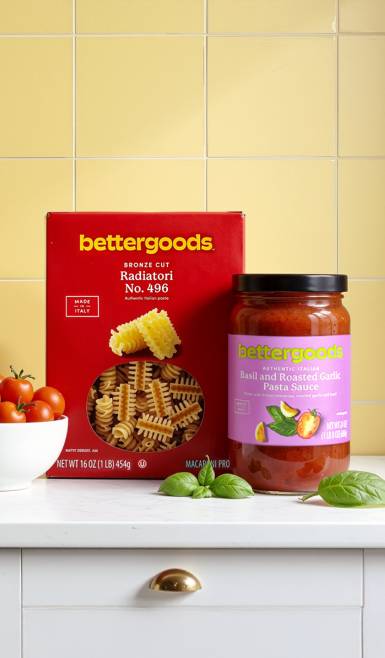
Pantry staples for under $1

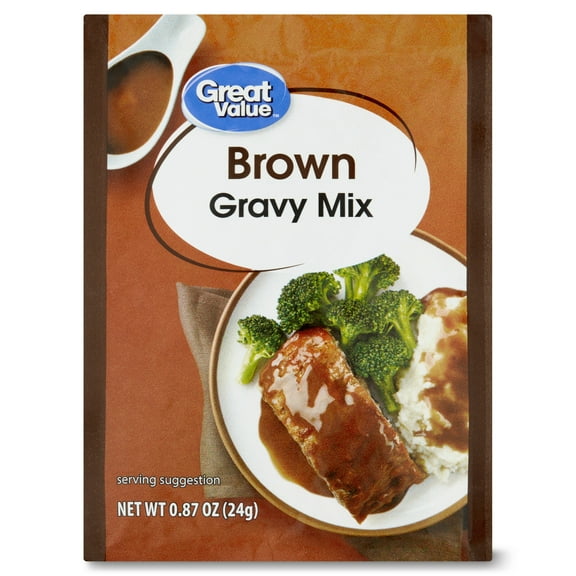
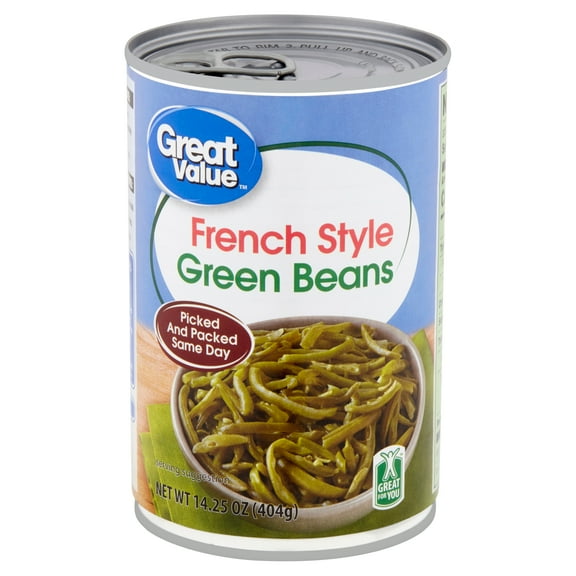
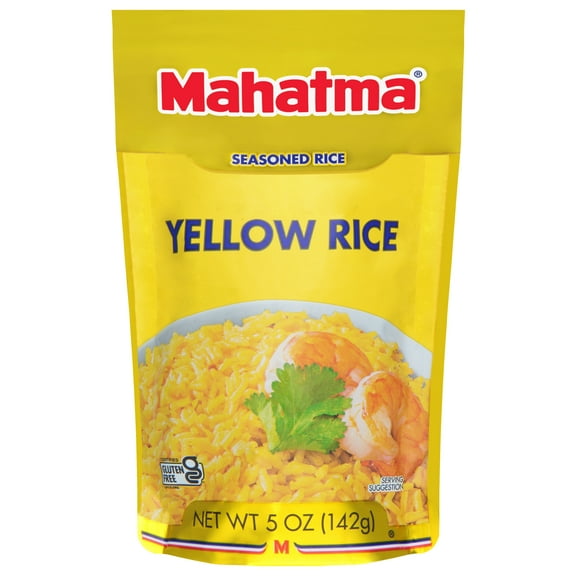
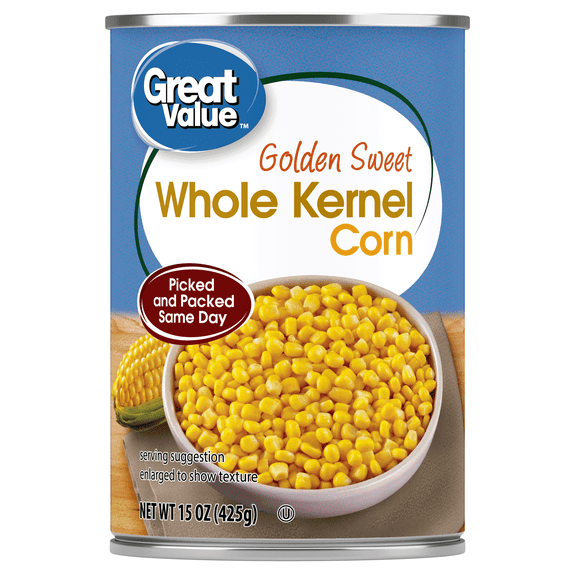

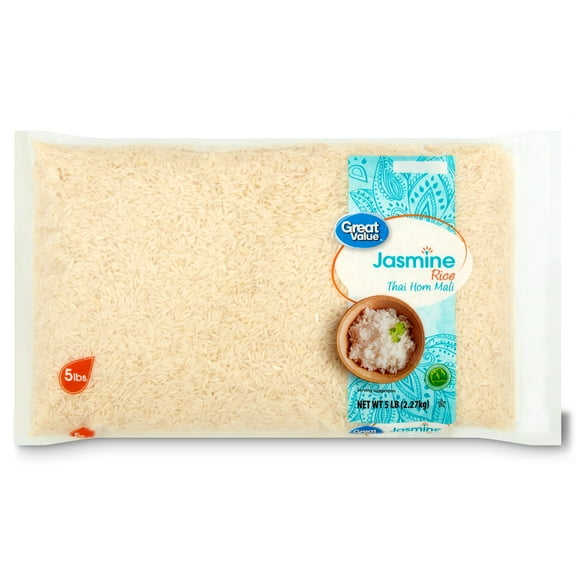
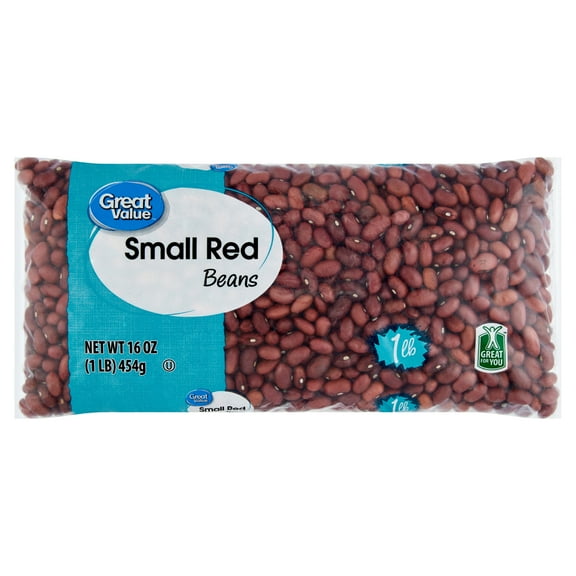
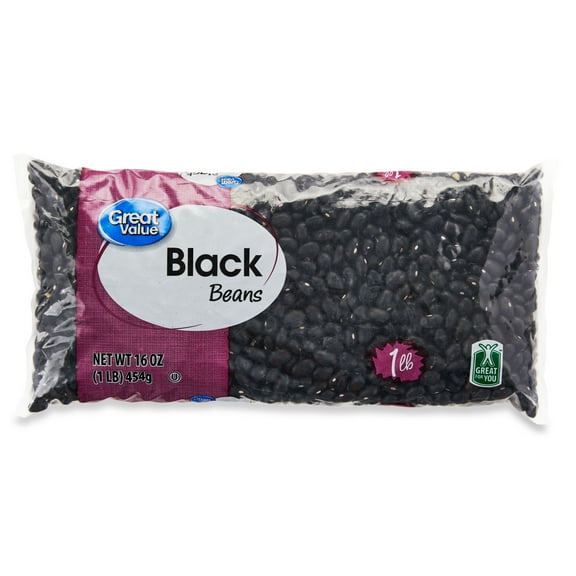
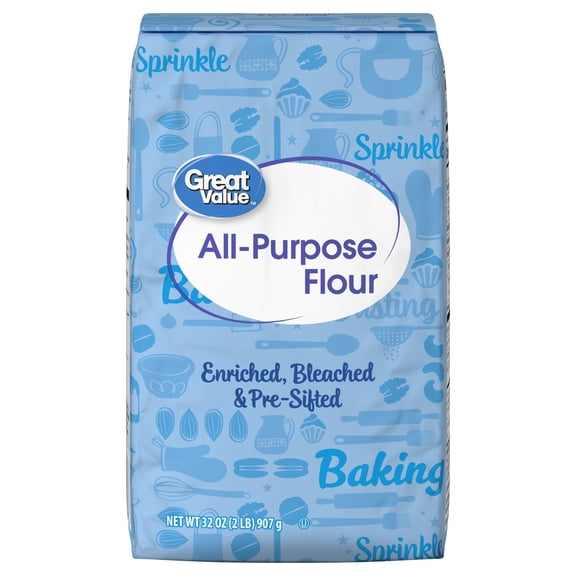





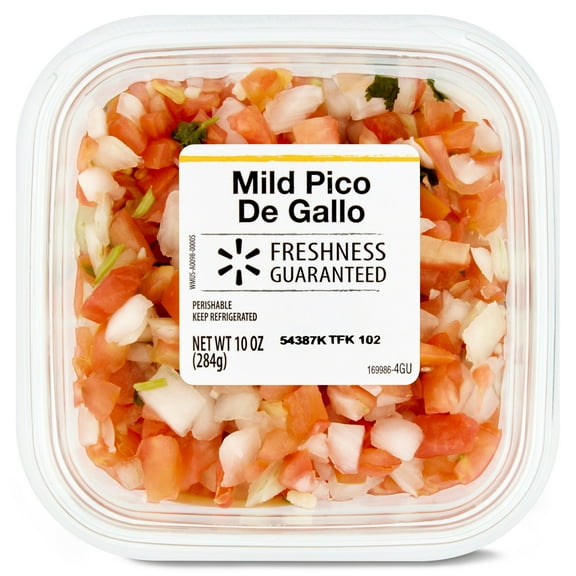


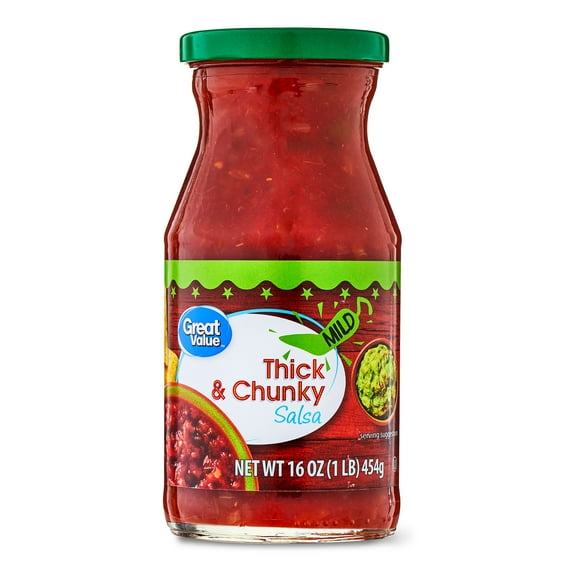

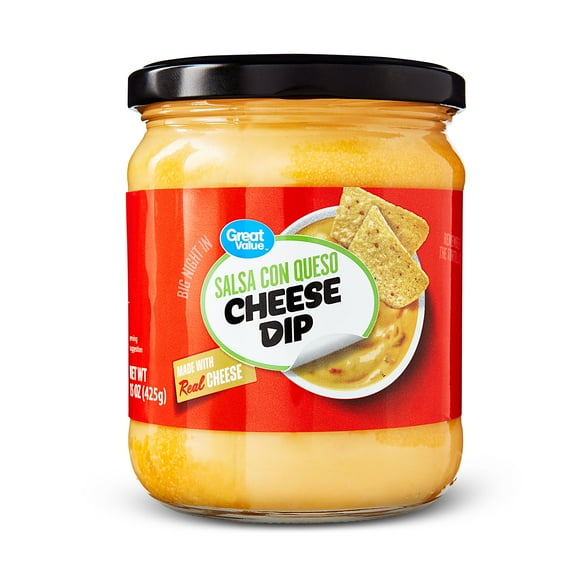


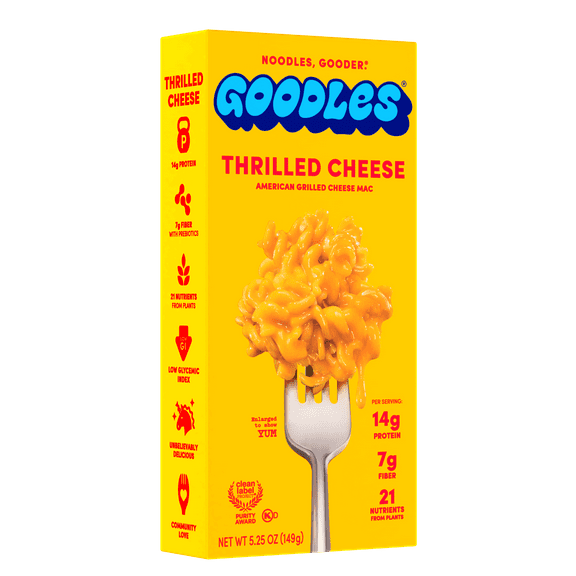
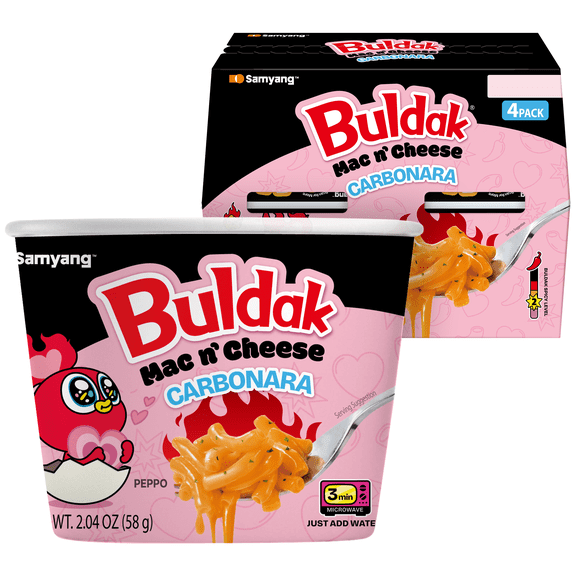
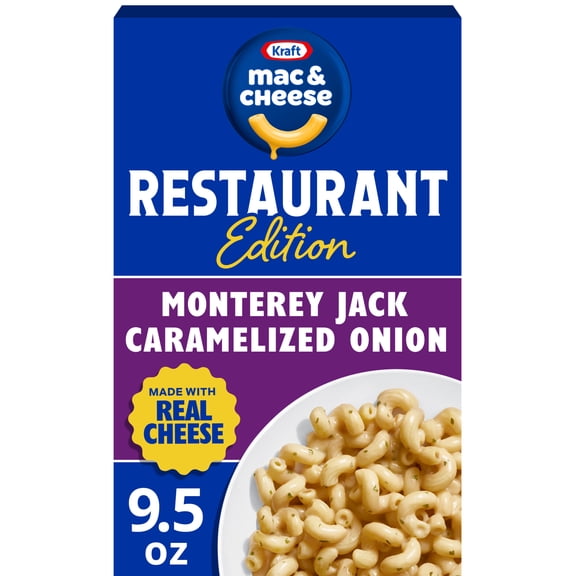
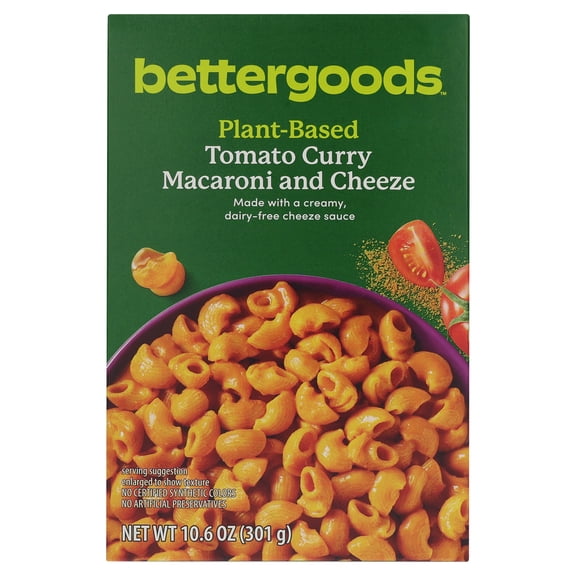

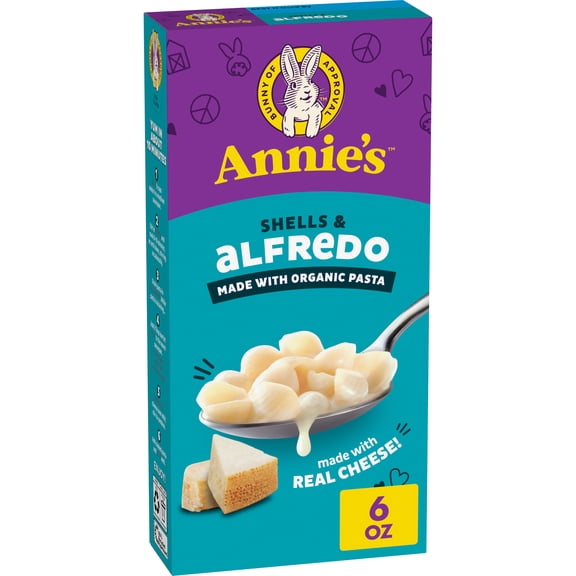


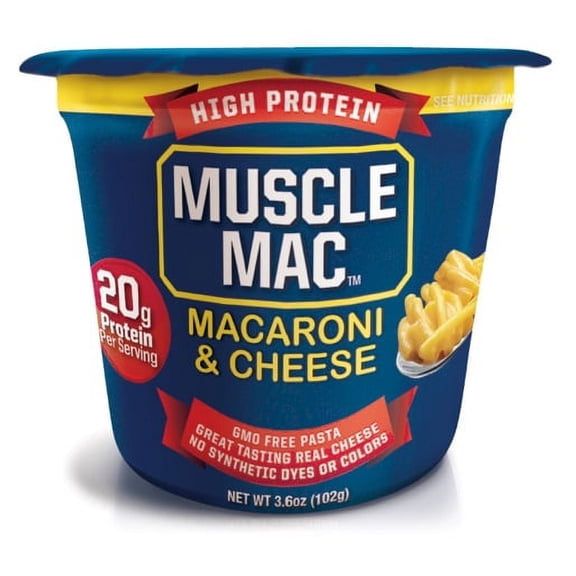
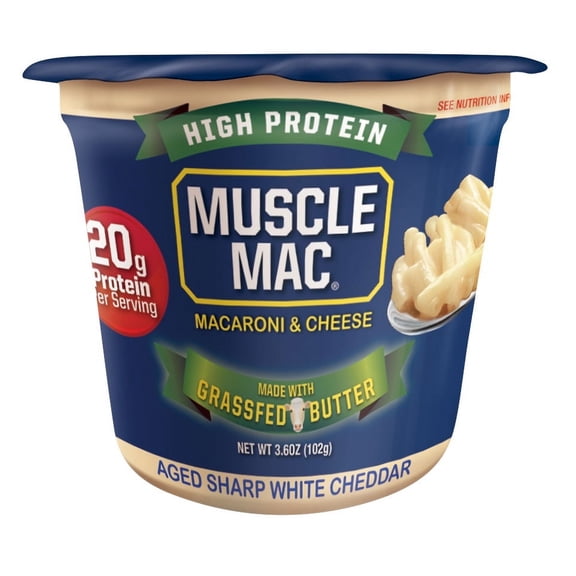
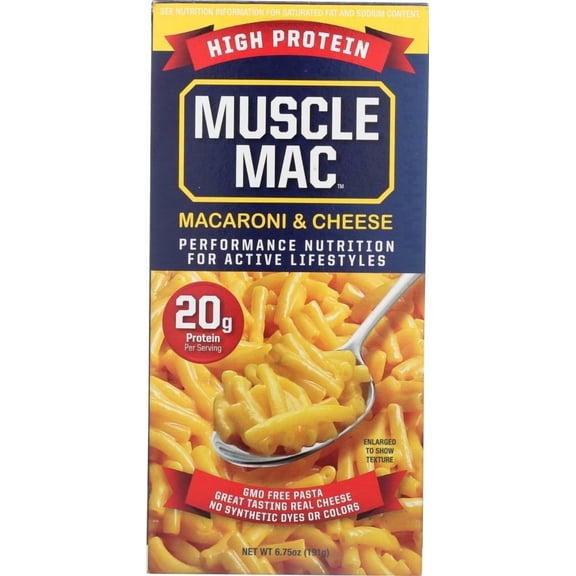

Shop by category









FAQ
About Pantry Food; Meal Solutions, Grains & Pasta - Walmart.com
Pantry foods help you keep everyday meals, quick snacks, and baking basics ready when your schedule gets busy. You can use this pantry guide to compare shelf-stable staples, package types, and storage formats with less guesswork.
If you’re stocking a first kitchen or refilling family favorites, you need pantry foods that fit your routine and shelf space. You can also compare canned goods, grains, baking ingredients, snacks, and condiments in one place.
How to choose pantry foods for your home
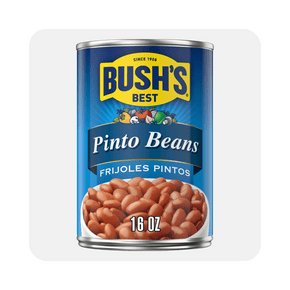
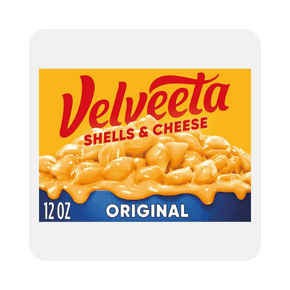
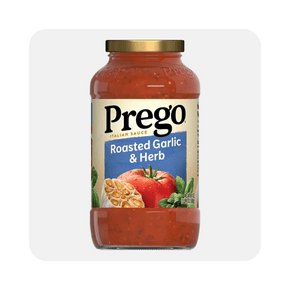
When you choose pantry staples, you should start with how you cook and how often you restock. You may want canned beans for quick dinners, boxed pasta for efficient weeknight prep, and jarred sauces for simple meal assembly.
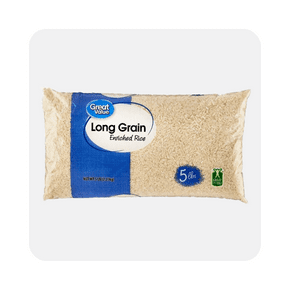
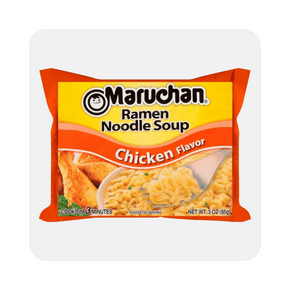
Your pantry can work harder when you mix versatile basics with ready-to-eat options. You can keep breakfast moving with oats and cereal, handle lunch with soup and crackers, and finish dinner with rice or pasta.
- You can build quick meals with canned vegetables, beans, pasta, rice, and jarred sauces.
- You can keep baking projects simple with flour, sugar, baking mixes, and pantry spices.
- You can cover snacks and lunchboxes with crackers, bars, nuts, and single-serve packs.
- You can match your shelf space with bulk sizes, individual portions, or boxed staples.
Your choices also matter when you plan around labels and ingredient lists. You can look for gluten-free certifications, organic labeling, low-sodium options, or sugar-free varieties that match your household needs.
Choosing between pantry goods and packaging types
Packaging type affects how you store, open, and use your pantry goods each week. You may prefer canned items for long shelf life, boxed foods for stackable storage, and jars for sauces, spreads, and condiments.
If your shelves are narrow, you should compare package shape as closely as package size. You can stack shelf-stable boxes neatly, while multi-packs help you group lunch items or repeat-use snacks.
Bulk sizes can work well when you cook often and have room for larger containers. Individual portions can make school lunches, office snacks, and convenient daily planning easier to manage.
You should also check date labels before you stock up on larger quantities. You can rotate older items forward, keep newer items behind them, and make your pantry simple to track.
What to look for in pantry food labels and ingredients
When you compare pantry food options, you should read labels with your meal plan in mind. You can check serving size, ingredient lists, and daily values to understand what fits your recipes.
If sodium or sugar content matters in your home, you should compare those numbers across similar items. You may notice differences between canned soups, pasta sauces, snack bars, and boxed side dishes.
Dietary preferences deserve a close look before you fill your cart. You can look for certified gluten-free products, organic labels, or clearly marked sugar-free and low-sodium pantry staples.
Baking ingredients need the same attention when you want reliable results. You should compare flour types, sweeteners, leavening basics, and mixes so your cookies, breads, and cakes come out as planned.
Matching food for pantry storage to real routines
Your food for pantry setup should reflect how you actually eat during the week. If you cook from scratch, you may want grains, pasta, canned tomatoes, broth, spices, and baking ingredients close at hand.
If your days move fast, you can lean on snacks, ready soups, oatmeal cups, and shelf-stable sides. You can also keep condiments and spreads nearby to pull simple meals together quickly.
For family households, multi-packs and larger boxes can support repeat breakfasts, packed lunches, and after-school snacks. You should measure shelf depth first so your pantry stays organized instead of crowded.
In smaller spaces, boxed grains, slim cans, and stackable jars can help you use each shelf well. You can create zones for breakfast items, dinner staples, baking basics, and grab-and-go snacks.
Seasonal planning can shape your pantry choices too. You may want broth, stuffing mixes, baking extracts, and canned pumpkin for holiday cooking, or crackers, tuna, and condiments for easy summer lunches.
How you can stock pantry foods with confidence
You can make informed pantry decisions when you compare food category, packaging type, storage format, and label details together. Your shelves stay highly useful when every item supports real meals, simplified prep, and dependable everyday routines.