


Find auto parts that fit
Let’s search for parts that fit your vehicle.Automotive Replacement Parts in Auto & Tires



























About Automotive Replacement Parts in Auto & Tires - Walmart.com
Auto parts help you match your vehicle’s exact needs before installation starts. You can compare brakes, filters, batteries, and spark plugs with fitment details that support a precise fit.
You need guidance that reflects real repair decisions across many systems and vehicle setups. You can use year, make, model, and engine information to narrow options with less guesswork.
How to choose auto parts by vehicle fitment
You should start with vehicle fitment before you compare brands, conditions, or part styles. Your year, make, model, and engine type narrow replacement auto parts for a more accurate selection.
You may also need engine code, submodel, or manufacture date for exact compatibility. Your trim details matter when ignition parts, sensors, or brake components changed during the same model year.
When you compare car parts, you should enter complete vehicle details before checkout. You can usually get a precise fit when you attach your full vehicle information to the search.
- You can confirm year, make, model, and engine type for a precise fit.
- You can compare front, rear, left, and right placement before you order.
- You can check whether installation needs basic hand tools or added shop support.
- You can review core charge details on select batteries, starters, and alternators.
Choosing replacement auto parts by category
You may shop differently for brakes, engine items, electrical components, and suspension parts. Your choice depends on service intervals, wear patterns, and the system you’re repairing.
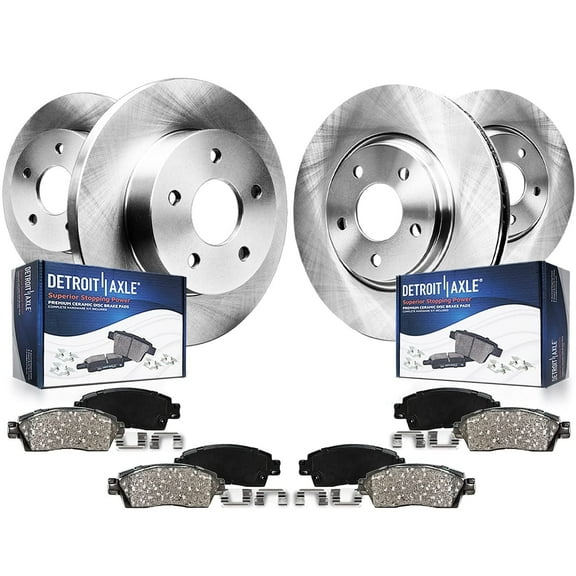
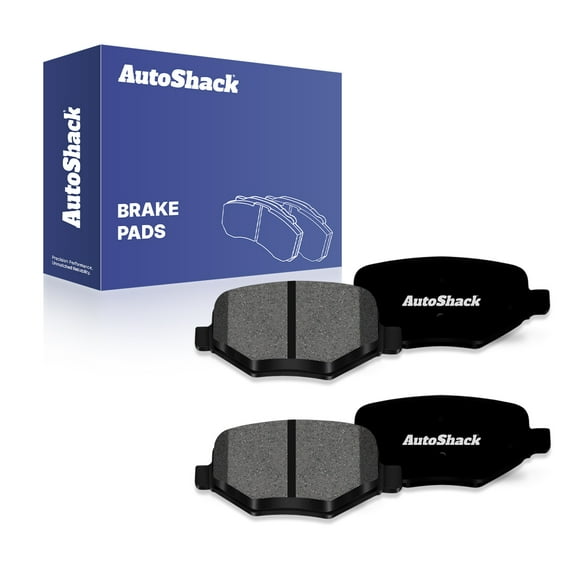
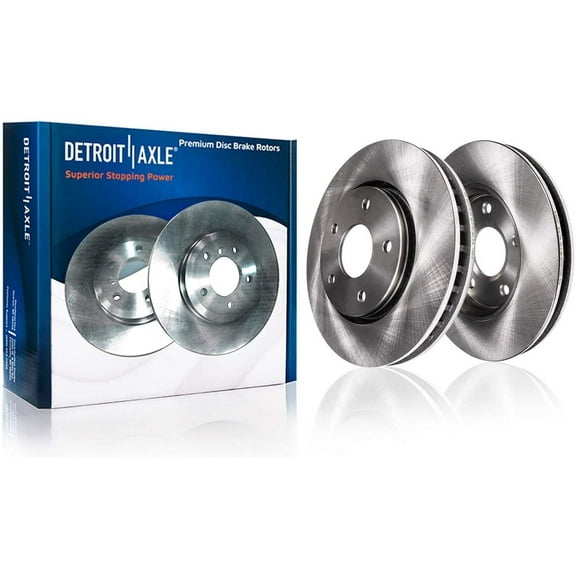
For brakes, you may compare pads, rotors, calipers, and hardware by axle position. Your front and rear brake components often differ in shape, size, and expected wear.
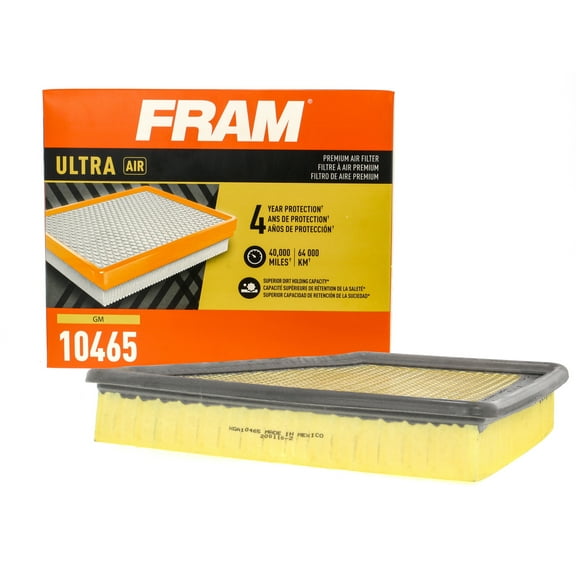
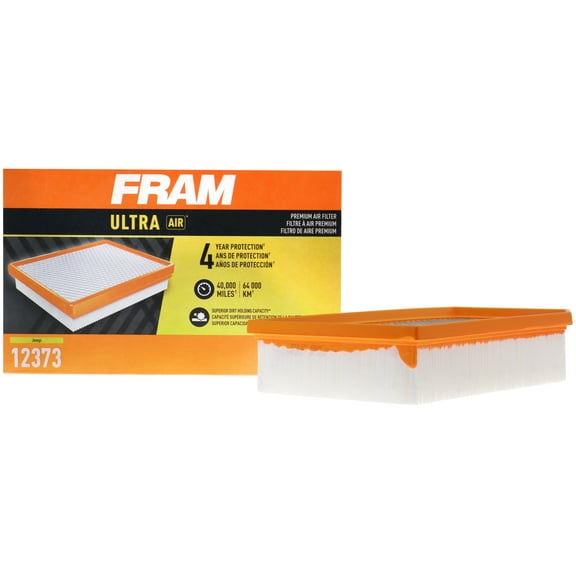
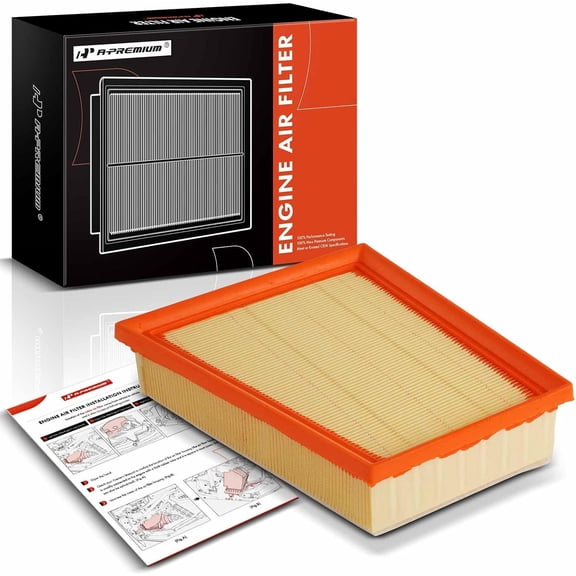
For engine maintenance, you might look at spark plugs, oil filters, air filters, belts, or hoses. Your engine type affects thread size, connector shape, heat range, and overall fit.
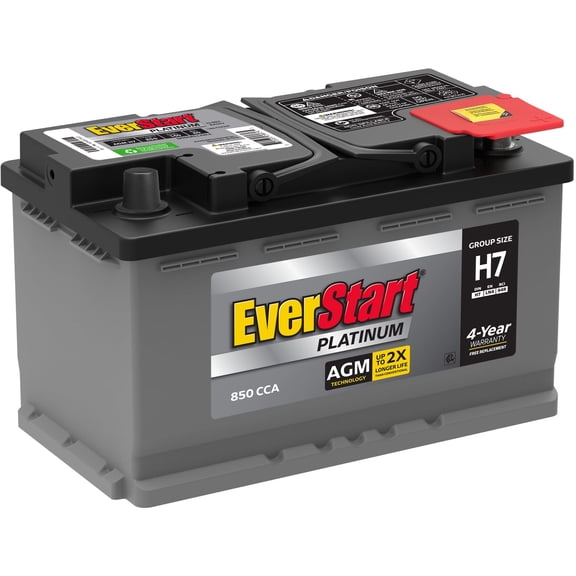
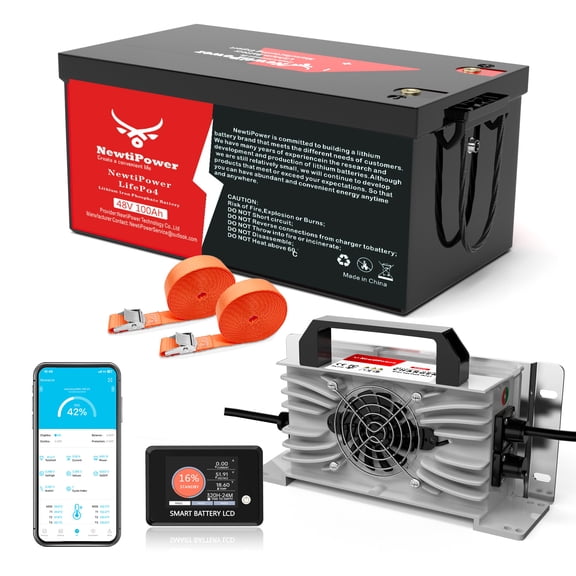
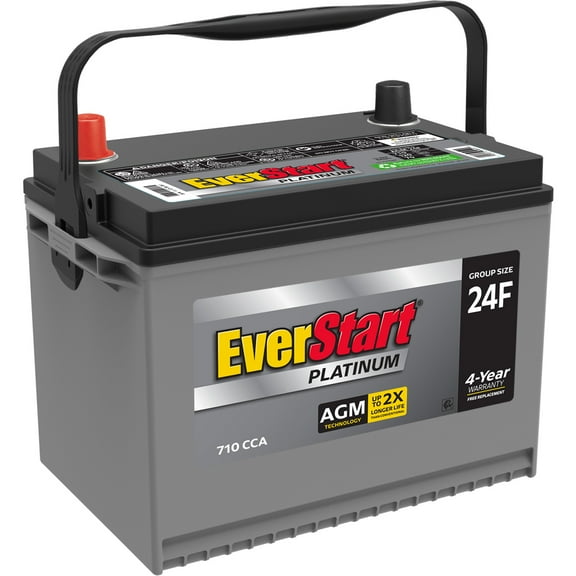
For electrical automotive parts, you should check connector style and output details closely. Your battery group size, terminal placement, and alternator specs should match your vehicle setup.
For suspension vehicle parts, you may compare ride height, drivetrain, and body style. Your shocks, struts, control arms, and sway bar links should match the exact suspension design.
Comparing automotive parts by condition
You can usually choose between OEM, aftermarket, new, and remanufactured options. Your decision depends on fit preferences, included hardware, and the type of repair you’re planning.
With OEM replacement parts, you may look for factory-style mounting points and connection layouts. Your choice may feel simpler when you want familiar fitment standards for your vehicle.
With aftermarket automotive parts, you can compare broader design options across common repair categories. Your review should include fitment notes, hardware contents, and connector details for your application.
With new or remanufactured parts, you should match the condition to the repair category. Your starter, alternator, or steering component may also include a core charge during purchase.
Before you decide, you should check warranty details and return terms. Your confidence improves when you know what’s included and whether a core return applies.
Checking placement and installation needs
You need to verify where each part sits on your vehicle before ordering. Your selection may depend on front or rear location and left or right side placement.
Some car parts work with common tools and direct mounting points. Other vehicle parts may need torque specs, alignment work, or added access for a practical installation plan.
Before you begin, you should compare what comes in the box. Your order may include clips, boots, gaskets, or hardware, while other parts need separate purchase.
For heavier items, you should review pickup, shipping, and return details before checkout. Your planning matters more when batteries, starters, or alternators involve extra handling steps.
Using auto parts for common repair scenarios
You might need auto parts for a brake refresh, battery swap, or tune-up. You can also replace filters and spark plugs during routine maintenance on a commuter or family vehicle.
If your vehicle has trim-specific equipment, you should compare engine code, submodel, and production date. Your match becomes more precise when you verify connector style before purchase.
You may be restoring an older vehicle or maintaining a high-mileage daily driver. Your repair plan could mix OEM replacement parts in one system and aftermarket options in another.
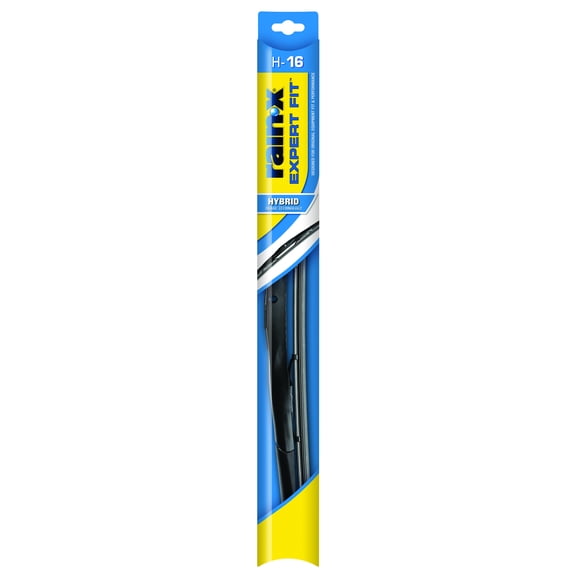
When you’re replacing essentials, you can also pair vehicle parts with useful car accessories. Your maintenance plan may include wiper blades, bulbs, floor mats, or phone mounts.
You can choose pickup or shipping options that fit your project timeline and item size. Your maintenance feels more straightforward when you check your fitment details before the part arrives.
You can make an informed repair choice when your fitment details, part category, condition, and placement all align. Your vehicle gets the right components with fewer installation surprises.