

Woodwind Instruments and Accessories



















![32 Piano Keys Melodica Musical Education Instrument, Piano Keyboard Harmonica Wind Musical Instrument with Portable Carrying Bag for Beginners[Black]](https://i5.walmartimages.com/seo/32-Piano-Keys-Melodica-Musical-Education-Instrument-Piano-Keyboard-Harmonica-Wind-Musical-Instrument-with-Portable-Carrying-Bag-for-Beginners-Black_bcd213bc-68b6-424e-9904-eef7c61b8ae7.7fc17a24c3d63c2128fd75b68e542ea9.jpeg?odnHeight=576&odnWidth=576&odnBg=FFFFFF)








About Woodwind Instruments and Accessories - Walmart.com
You can compare woodwind instruments more easily when you shop by instrument type, skill level, material, and essential accessories. You'll find flutes, clarinets, saxophones, oboes, and care items that support practice, lessons, and performance.
If you're building a school band setup or refreshing your case, you need choices that match how you play. You can narrow options faster when you understand reeds, mouthpieces, body materials, and cleaning basics.
Choosing the right woodwind instruments
You should start with instrument type because each option feels different in your hands and responds in its own way. You may prefer a flute for open airflow, or you may choose a clarinet for a centered embouchure.
If you're shopping for a beginner student, you should compare ease of setup and daily handling. You may find clarinets feel familiar in school band programs, while flutes can suit students who like lighter carrying weight.
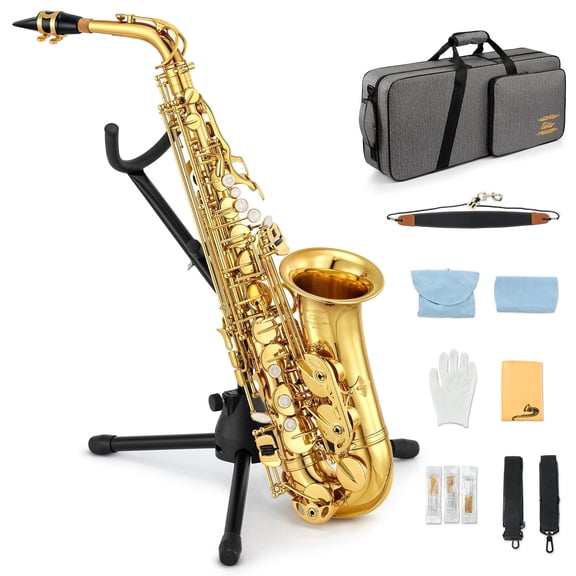
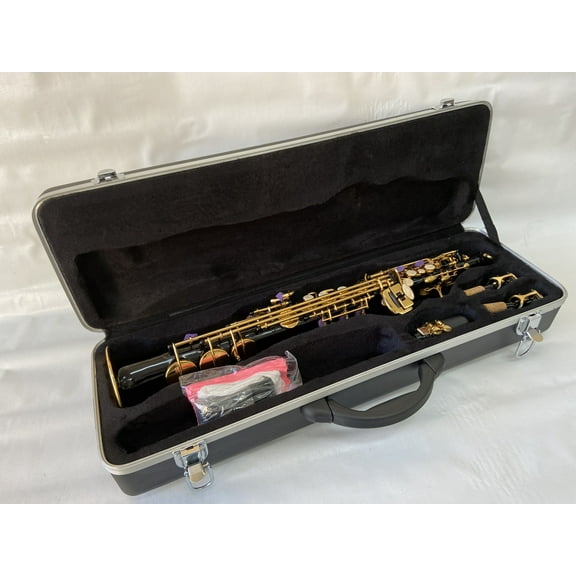
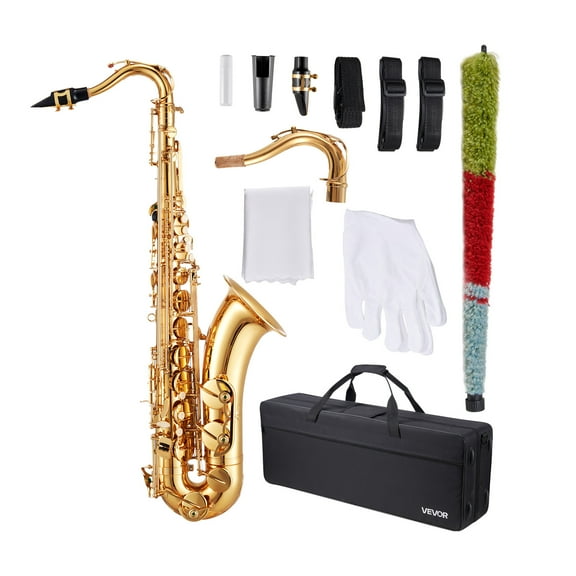
You'll also want to compare saxophones and oboes based on your playing goals and ensemble needs. You can use saxophones for jazz, pep band, and concert settings, while oboes fit orchestral and concert band parts.
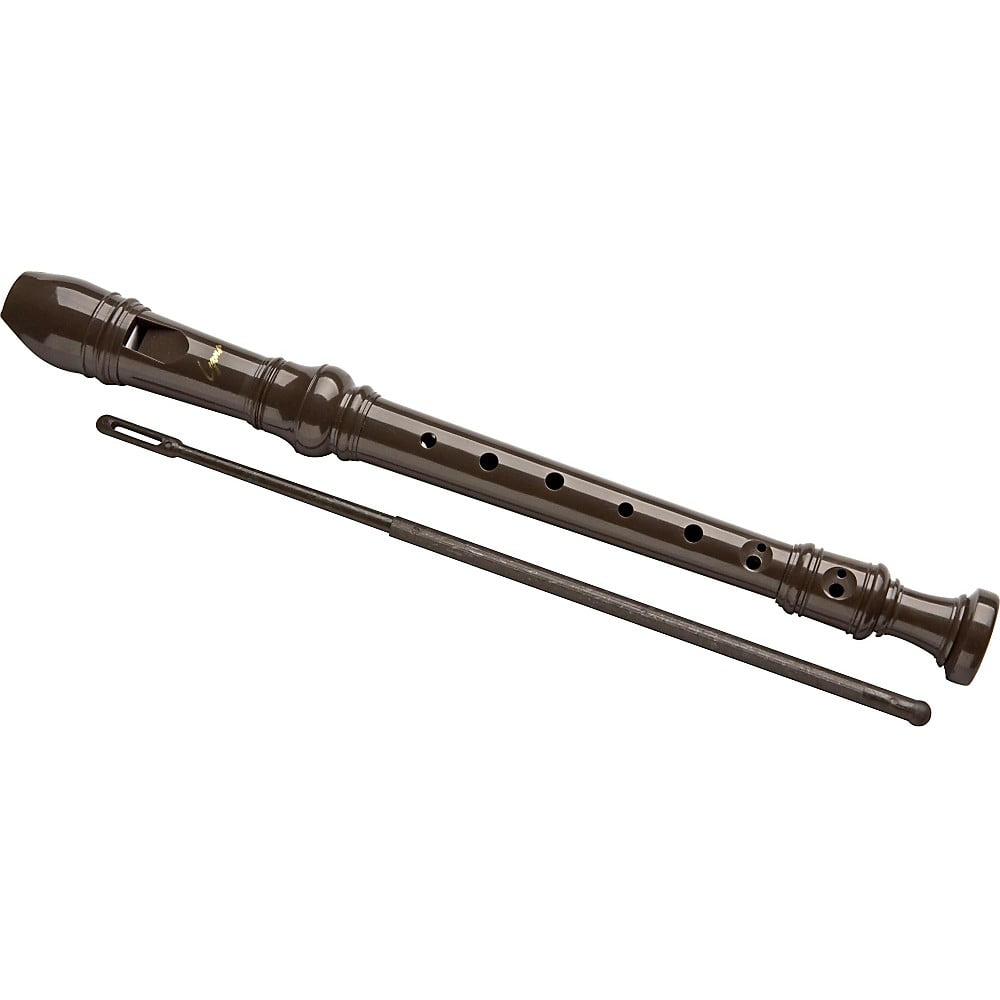
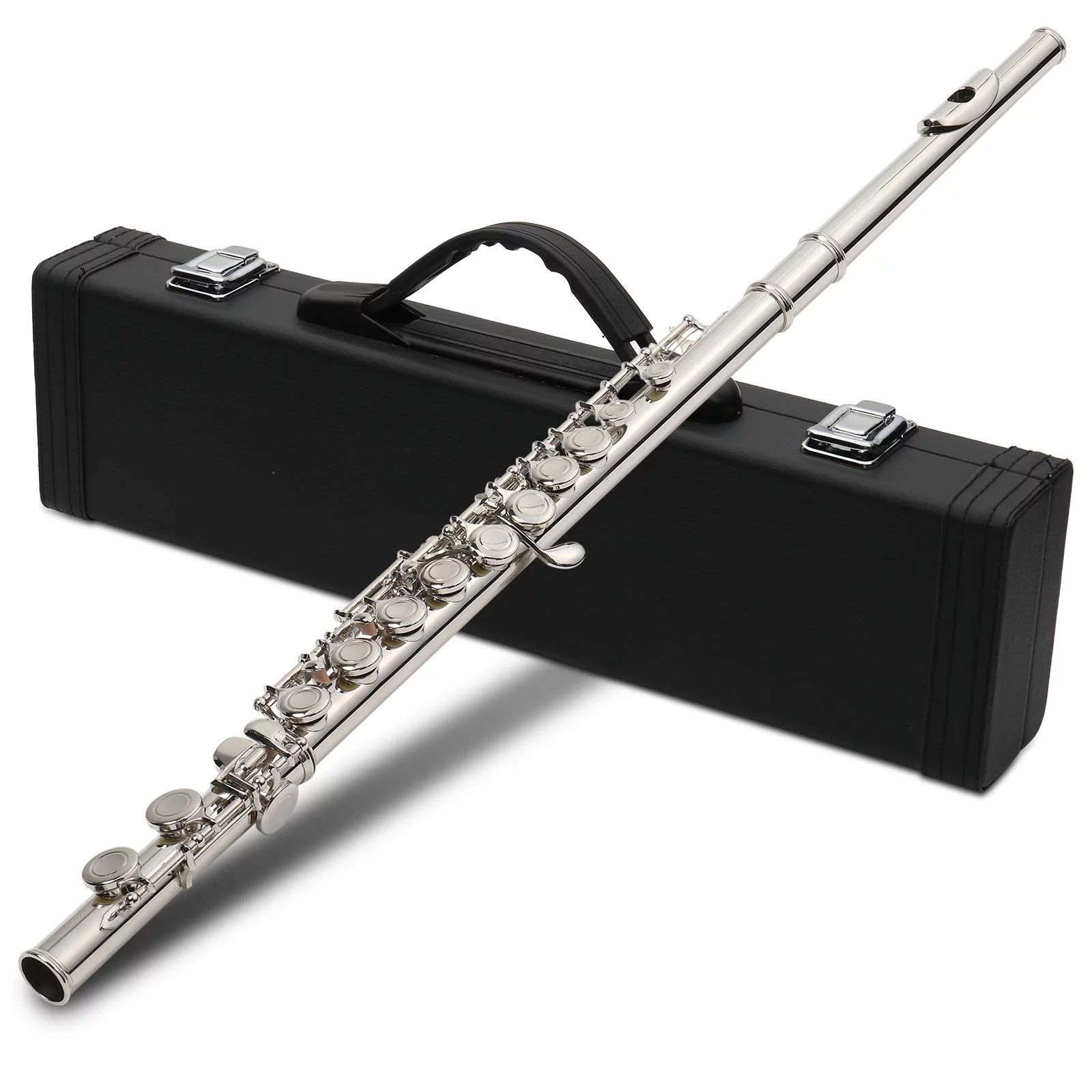
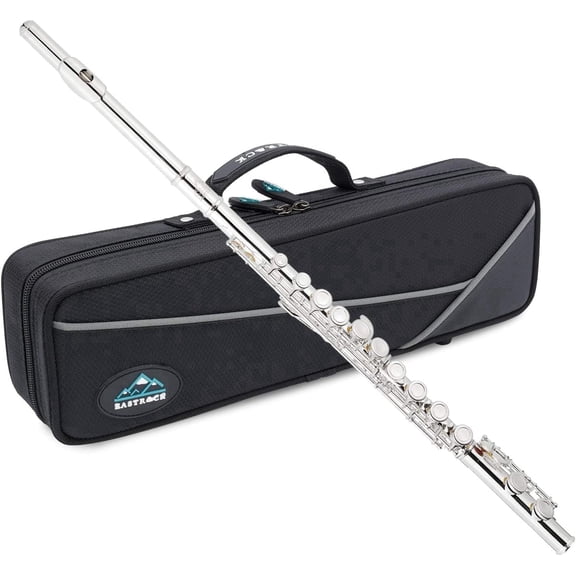
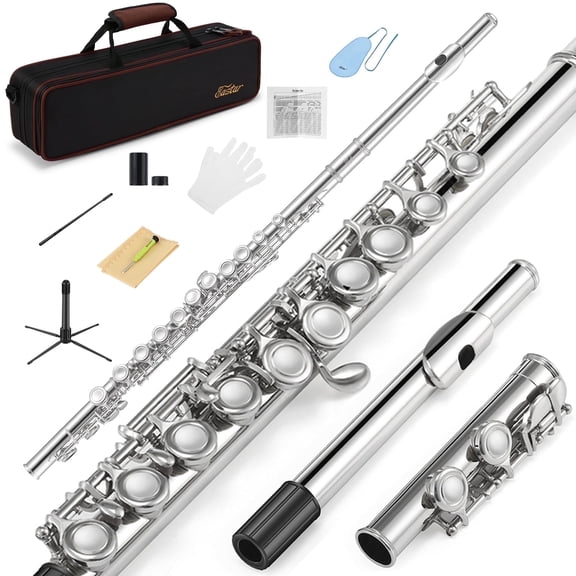
- You can match flutes to players who want a side-blown design and compact case storage.
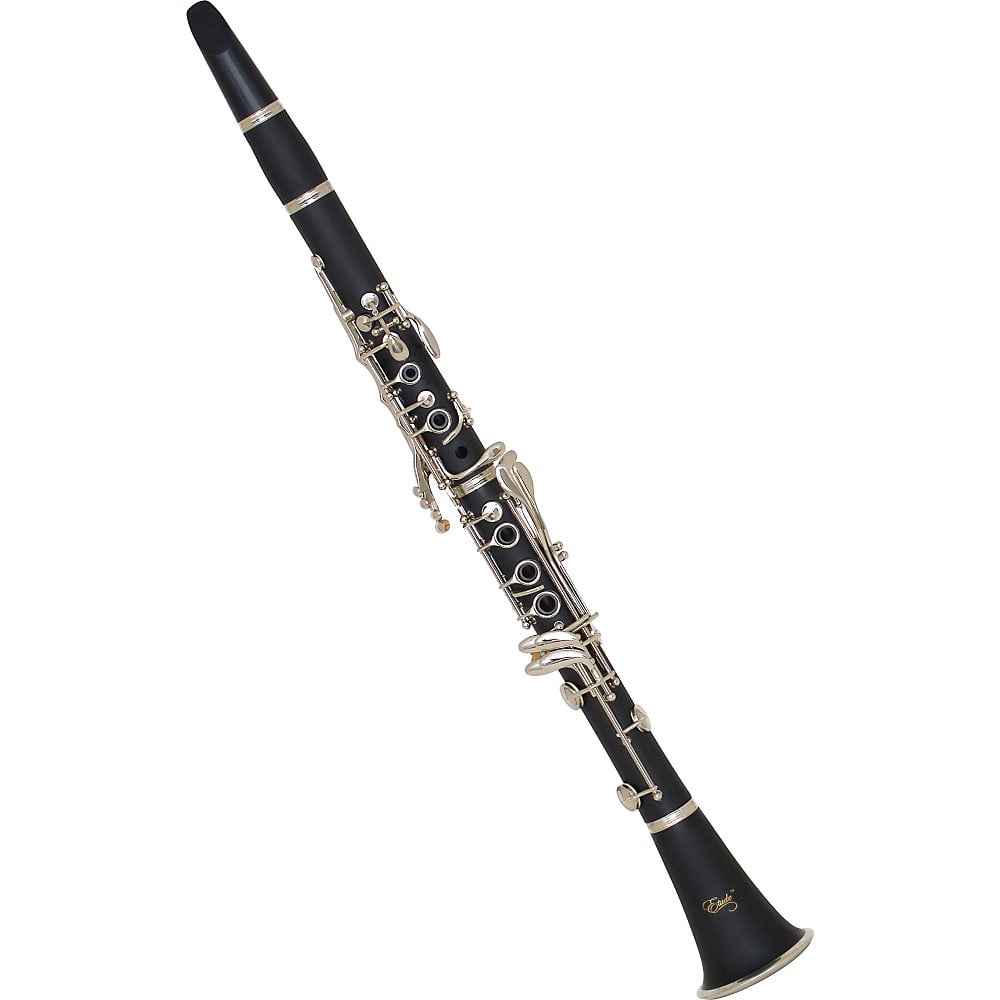
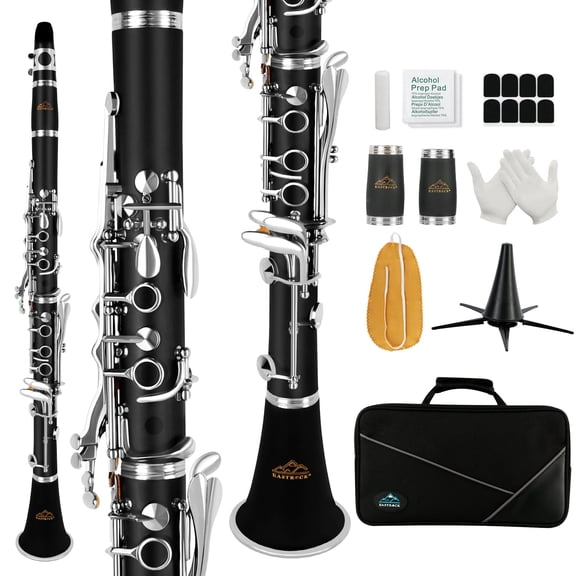
- You can choose clarinets when you want common school band options and broad reed availability.
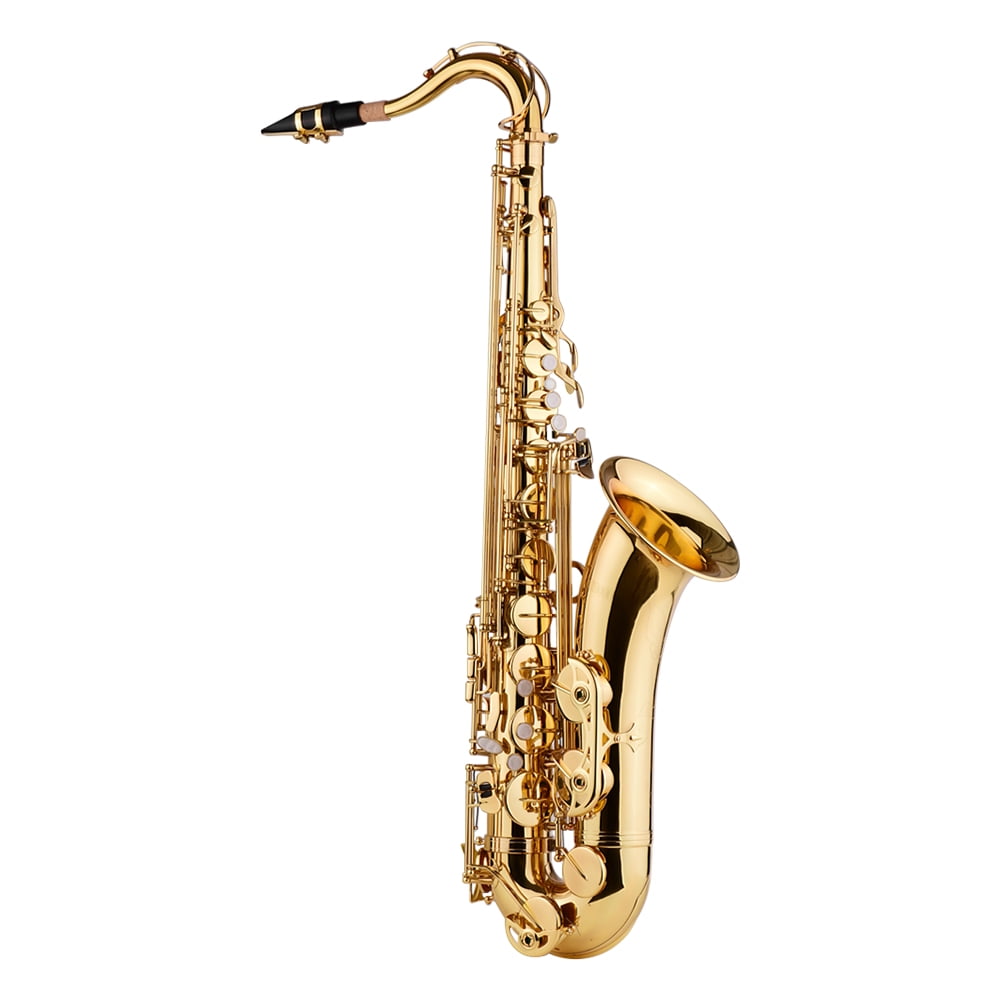
- You can consider saxophones if you want keyed layouts with a familiar single-reed setup.
- You can look at oboes when you need a double-reed instrument with a focused orchestral role.
How to compare woodwind accessories
You should treat woodwind accessories as part of your setup, not as afterthoughts. You can keep practice smoother when you have reeds, mouthpieces, ligatures, swabs, cork grease, and case straps ready.
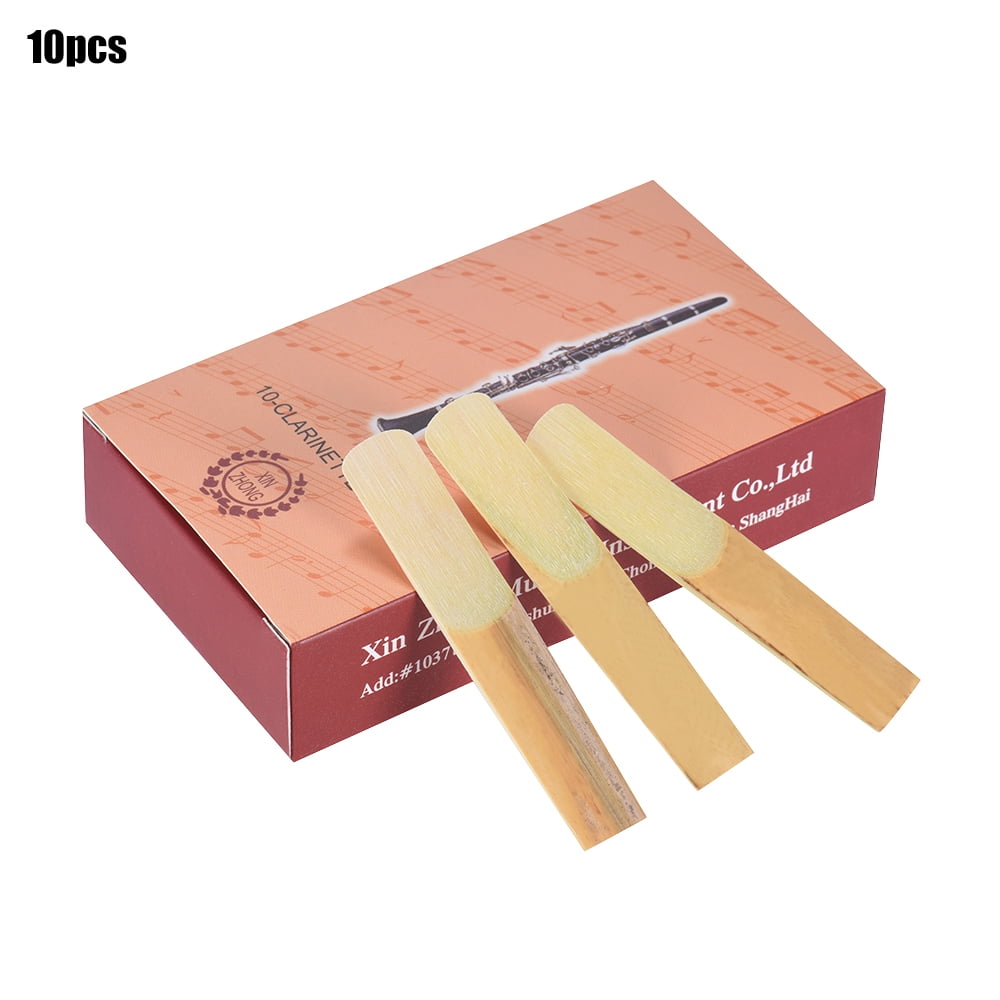
If you play clarinet or saxophone, you need to compare reed strength before you choose extras. You'll usually see strengths from 1.5 to 3.5, and you should expect lower numbers to feel easier to start.
You may prefer softer reeds when you're beginning and building control during lessons or rehearsals. You may move toward firmer reeds later when your tone, response, and consistency matter more to you.
You should also compare mouthpieces and ligatures because they affect fit, response, and day-to-day convenience. You'll want parts that match your instrument model so your setup feels secure and predictable.
- You can use cleaning swabs to remove moisture after practice and keep your case routine simple.
- You can keep cork grease in your bag so joints assemble smoothly before class or rehearsal.
- You can add case straps when you want easier carrying between home, school, and performances.
- You can keep extra woodwind reeds on hand so your practice schedule stays consistent.
What materials mean for your playing needs
You should compare material choices carefully because they shape durability, feel, and long-term upkeep. You may see plastic resin, grenadilla wood, brass, and nickel silver across woodwind musical instruments.
If you're choosing a student clarinet or oboe, you may want plastic resin for everyday durability. You can carry it through school routines more easily, and you can rely on a material designed for frequent handling.
You may choose grenadilla wood when you want a traditional body material and a richer playing character. You should know wood asks for more careful handling, especially when you move between changing temperatures.
You'll often see brass bodies and nickel silver keys on flutes and saxophones, and you should compare finish details closely. You can focus on hand feel, key action, and the balance that suits your practice sessions.
Matching skill level to real-world use
You should shop by skill level so your instrument and accessories align with how often you play. You can start with beginner student models, move into intermediate options, or choose professional setups for advanced repertoire.
If you're shopping for school band, you may want simple assembly, durable materials, and easy accessory replacement. You can keep your routine manageable with common reeds, standard mouthpieces, and practical cleaning kits.
You may need intermediate woodwinds instruments when your player wants stronger response and more refined control. You can compare materials, keywork, and accessory compatibility as your lessons and ensemble parts become more demanding.
If you perform regularly, you may look for specialized mouthpieces, reed preferences, and instrument materials that match your style. You can build a case setup that supports rehearsals, auditions, concerts, and travel days.
How to choose woodwind instruments for everyday routines
You can make a clearer decision when you picture where and how you'll play each week. You may need a flute for marching movement, a clarinet for concert band, or a saxophone for jazz ensemble practice.
If your student carries an instrument daily, you should check case size, accessory storage, and maintenance needs. You can stay organized with cleaning kits, spare reeds, and straps that fit your schedule.
You may also want a woodwind instruments store experience that feels straightforward online, especially when replacing essentials quickly. You can compare instrument families and care items in one place, which helps you keep your setup complete.
When your choices match your instrument type, reed strength, material, and skill level, you can play with fewer setup surprises. You'll feel more prepared for lessons, rehearsals, and performances with the right combination.