

Premium Musical Instruments for Serious Players










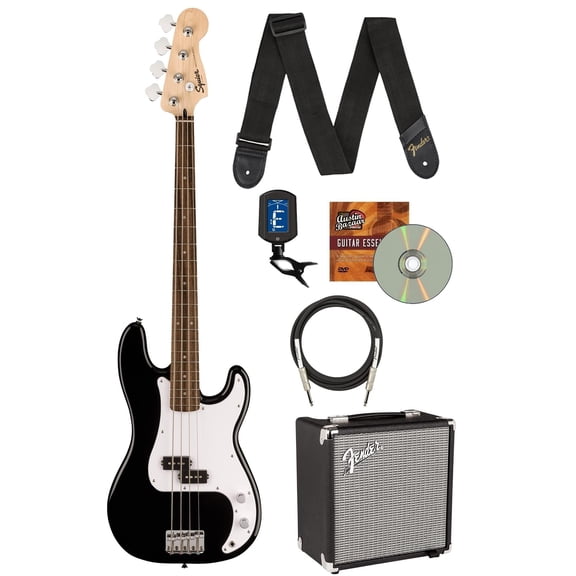
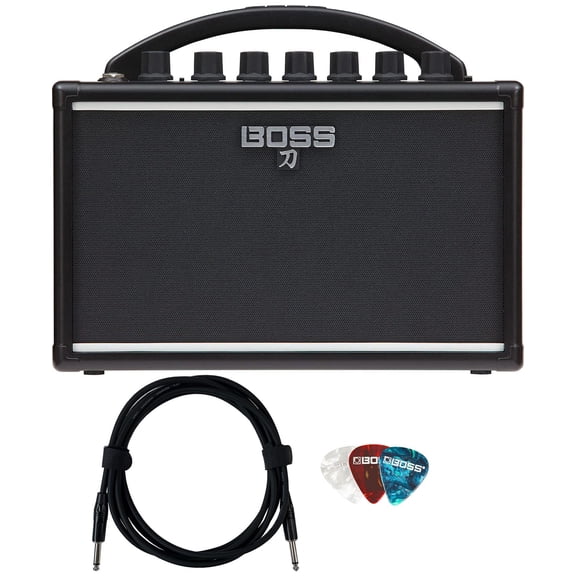
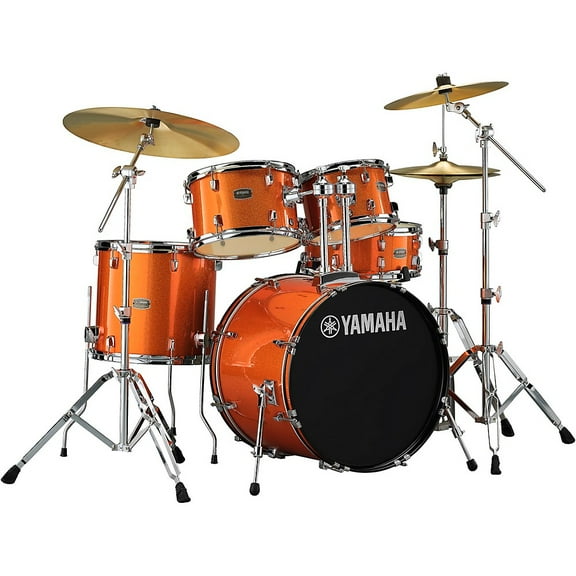


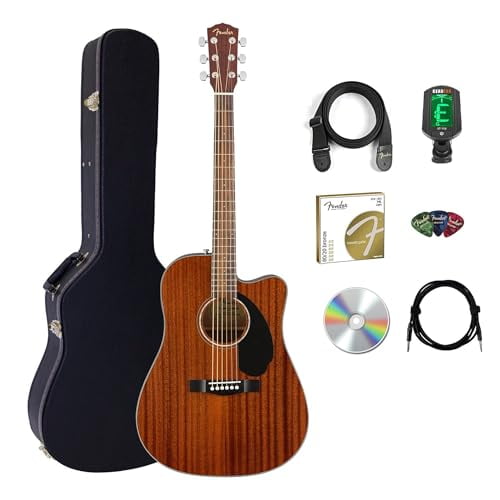














About Premium Musical Instruments for Serious Players - Walmart.com
Musical instruments help you build your sound with category guidance that covers guitars, keyboards, drums, and orchestral choices for serious playing goals. You can compare instrument types, skill levels, power options, and materials before you choose gear that fits your practice style.
How to choose musical instruments by instrument type
Different musical instruments support different playing goals, and you should start with the sound you want to create. You may compare guitars and keyboards for songwriting, or consider drums for rhythm-focused practice and ensemble work.
If you want a portable setup, you may prefer stringed instruments that travel easily between lessons, rehearsals, and performances. If you want a wider note range, you may compare keyboards with orchestral instruments for harmony, arrangement, and structured study.
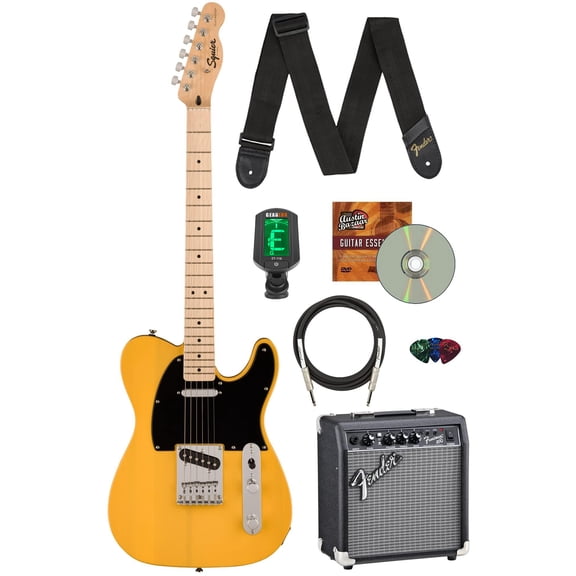
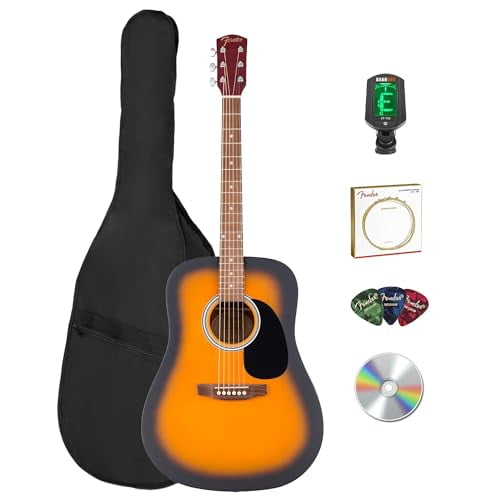
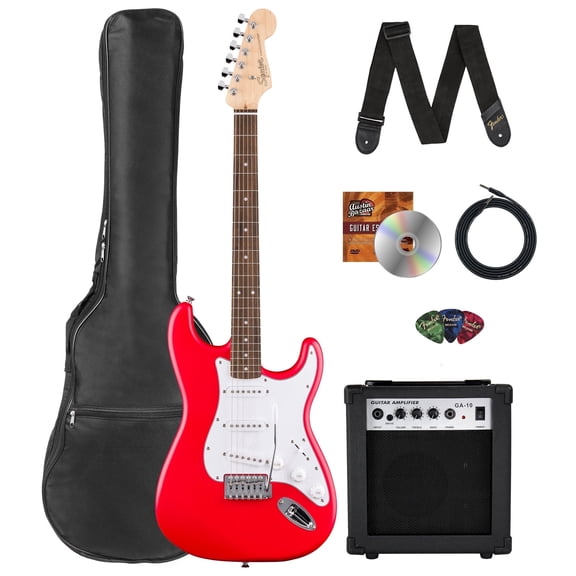
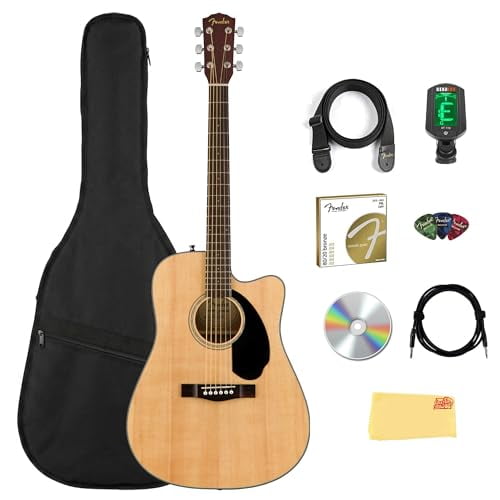
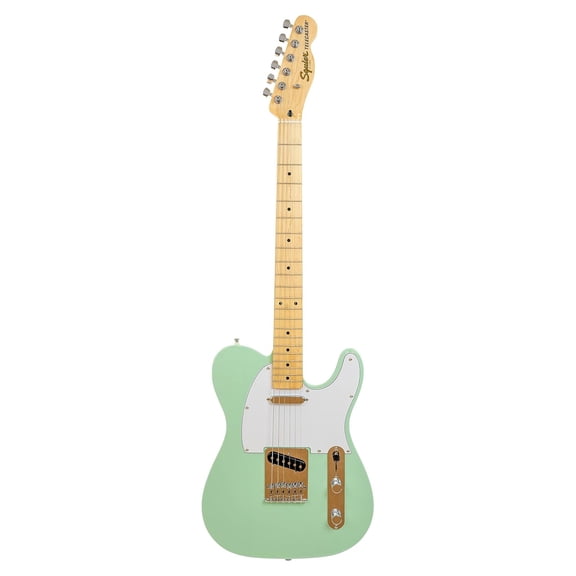
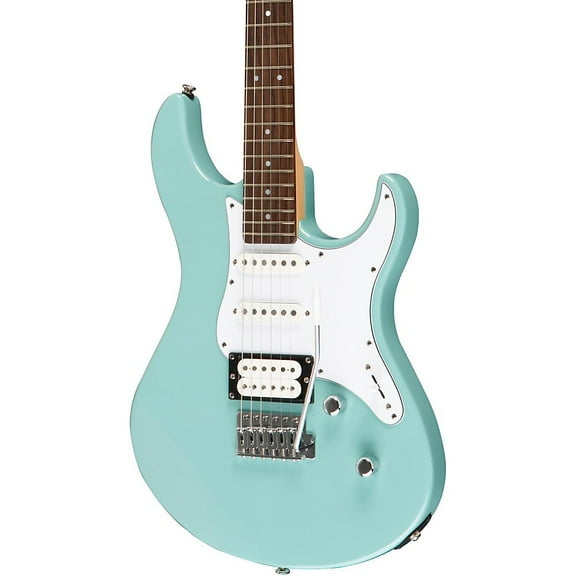
- You can choose guitars for chord work, riffs, and acoustic or amplified playing.
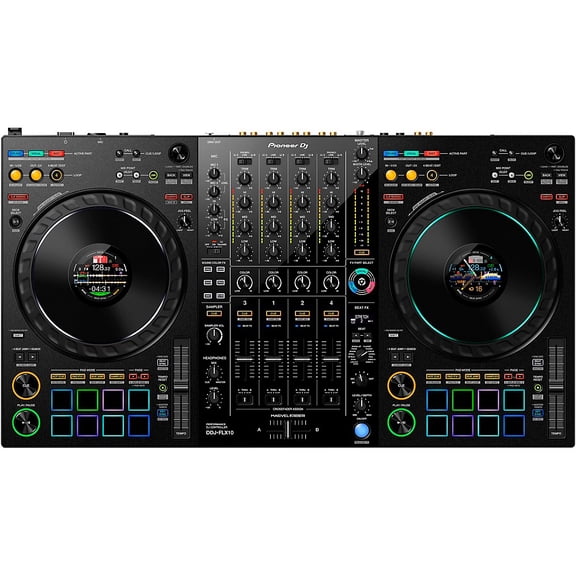
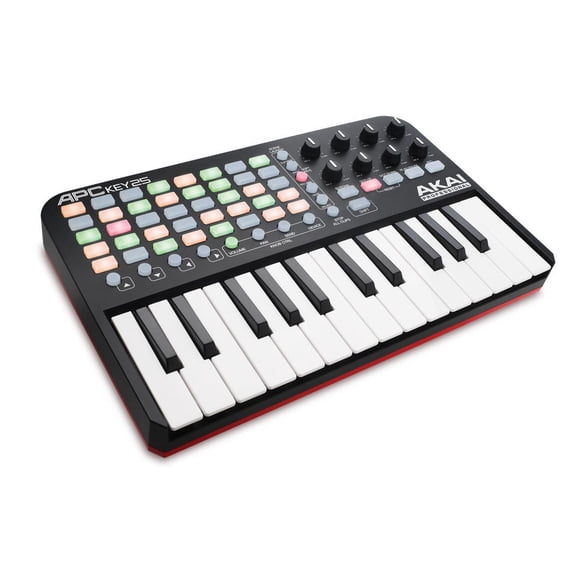
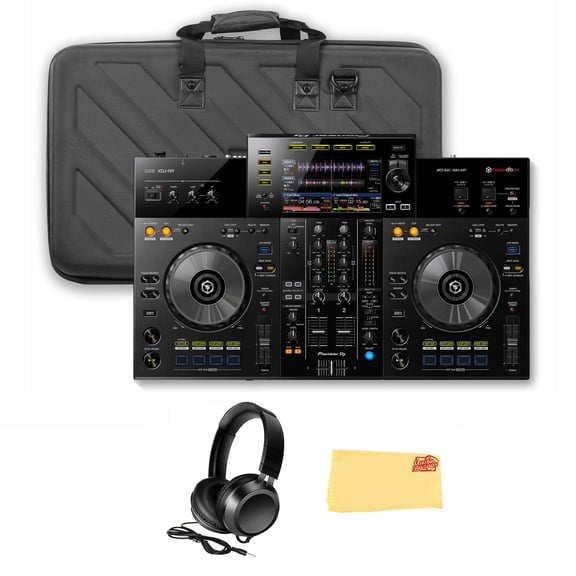
- You can choose keyboards for layered tones, headphones practice, and compact home setups.
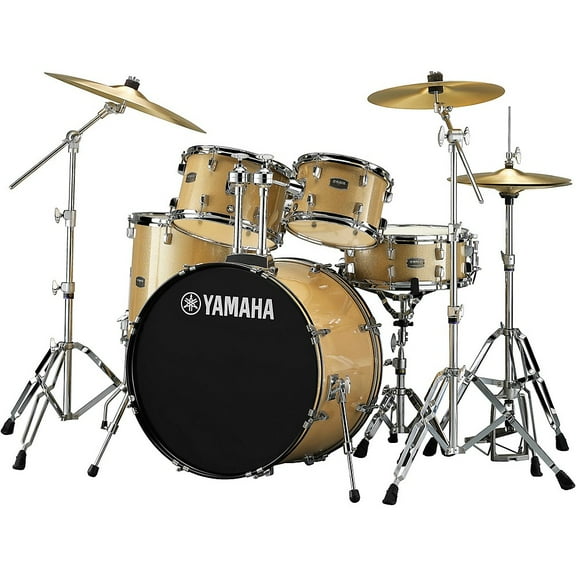
- You can choose drums for timing, coordination, and hands-on rhythm training.
- You can choose brass instruments for bold projection in band, jazz, and orchestral settings.
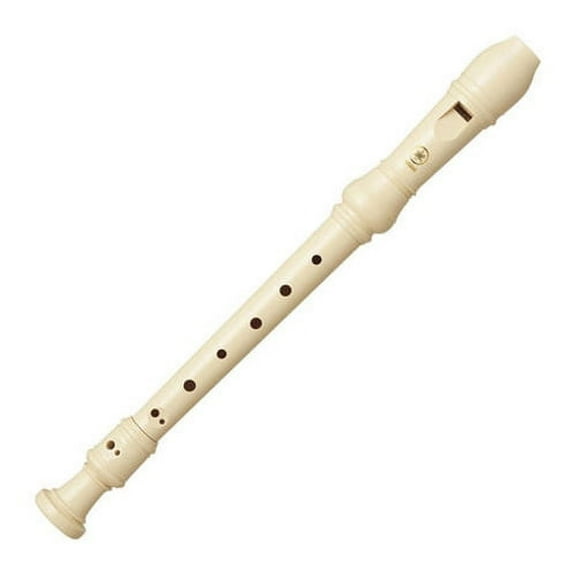
- You can choose woodwind instruments for expressive phrasing and nuanced breath control.
When you compare families side by side, you can narrow your search faster and focus on the feel you want. You should also consider where you'll practice, because space and volume affect which format fits your routine.
Choosing professional musical instruments for your skill level
Your skill level shapes how much setup complexity and control you should take on from the start. You may want simpler playability as a beginner, while intermediate and professional players often look for broader tonal control.
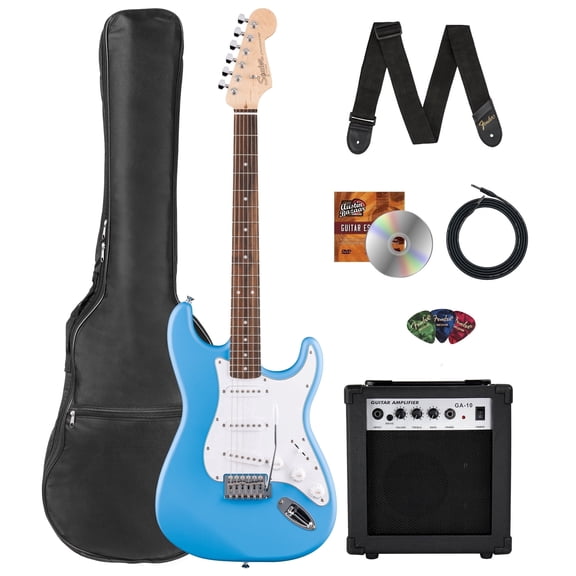
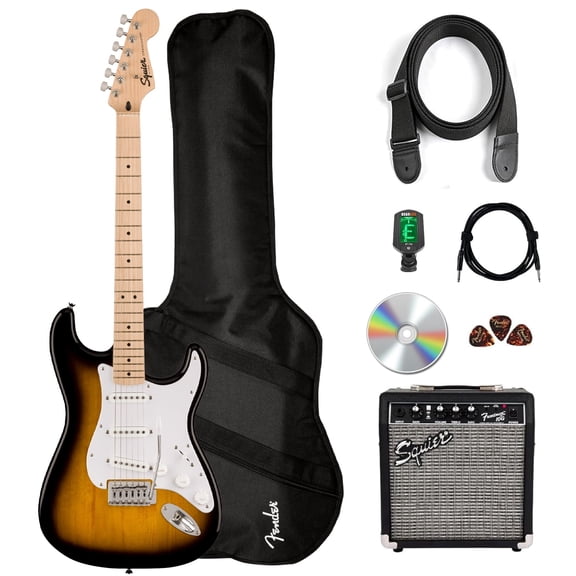
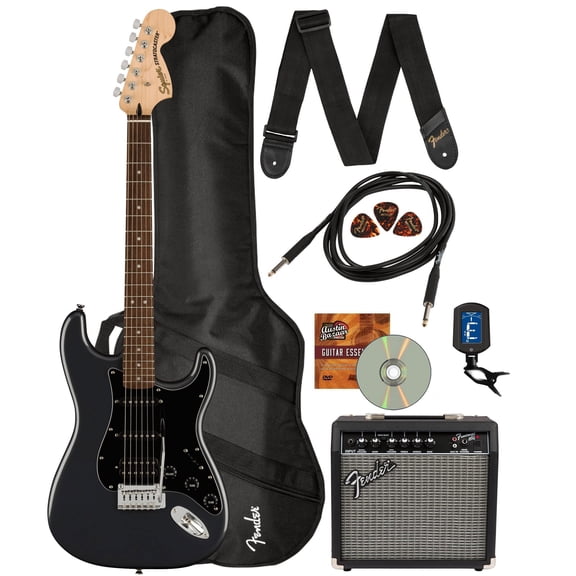
If you're starting out, you should look for comfortable neck shapes, responsive keys, and manageable drum sizes. You can also compare package completeness if you want accessories that help you begin playing right away.
As your experience grows, you may compare professional musical instruments with expanded range, refined hardware, and more detailed adjustment options. You should check whether the instrument supports your repertoire, because advanced pieces often demand faster response and steadier intonation.
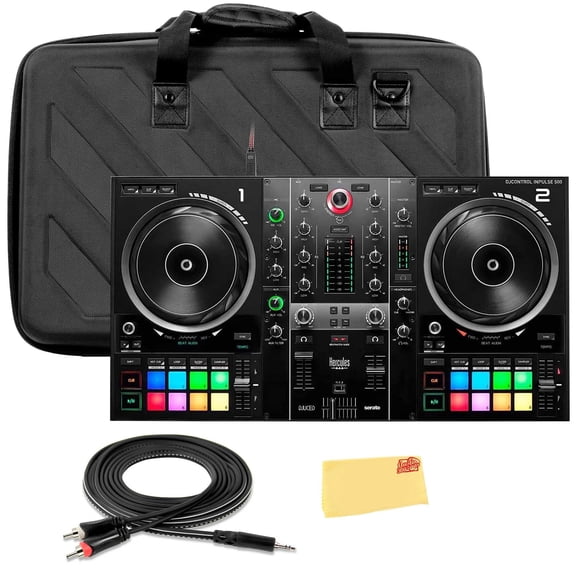
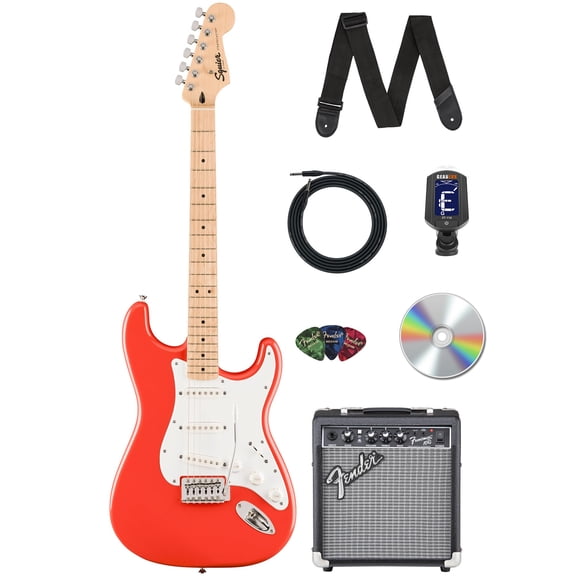
You may also want to compare standalone instruments with bundles that include stands, pedals, cases, or mouthpieces. Your decision depends on whether you need a full setup now or you're replacing one part of an existing rig.
How to compare acoustic, electric, and electro-acoustic options
Your practice environment should guide whether you choose acoustic, electric, or electro-acoustic musical instruments. You can use acoustic formats for direct sound, while electric options often pair with amps, interfaces, or headphones.
If you practice at home, you may prefer keyboards with headphone output or electric guitars that support lower-volume sessions. If you perform live, you should compare electro-acoustic designs that let you move from natural resonance to amplified sound.
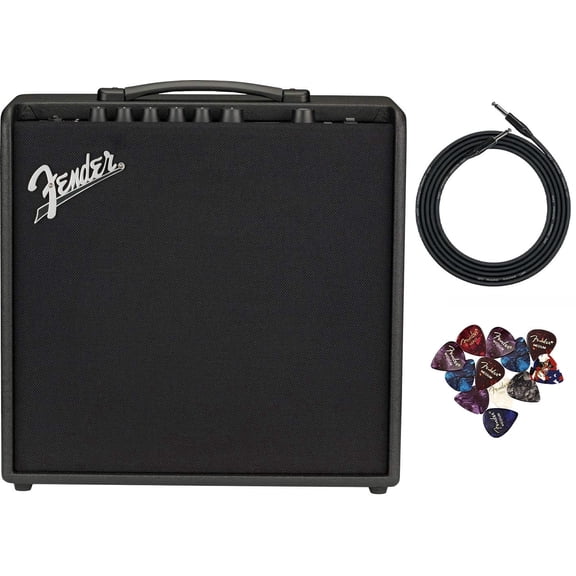
You should also consider how much gear you want around you on day one. Acoustic instruments can keep your setup simple, while electric choices may need cables, amps, pedals, or power connections.
For songwriting and rehearsal, guitars and keyboards often give you flexible starting points across acoustic and electric formats. You can switch between quiet practice, recording setups, and ensemble use when you match the power source to your routine.
What materials and construction mean for orchestral instruments
Materials affect feel, tone, and upkeep, so you should compare construction details before you commit. You may notice solid wood matters for resonance in stringed designs, while metal finishes matter for response and appearance in orchestral instruments.
If you're comparing woodwind instruments or stringed options, you should look at how body materials influence projection and touch. Solid wood can offer a more traditional response, and you may prefer that character for focused practice and performance work.
When you review brass instruments, you should compare brass lacquer and silver plating as decision-critical finishes. Brass lacquer can support a classic look and easier upkeep, while silver plating may appeal if you want a brighter visual finish.
You should also check build details like key action, fretwork, drum shell construction, and hardware stability. Those points help you judge how smoothly your instrument responds during repeated practice, transport, and performance use.
Using musical instruments for practice, lessons, and performance
Your routine can point you toward the right combination of instrument type, skill level, and construction. You may want guitars and keyboards for home songwriting, or you may choose brass and woodwinds for school ensembles and orchestra parts.
If you take lessons, you should look for playability that supports steady technique building and easier daily repetition. If you perform regularly, you may prioritize projection, amplified options, and durable cases or stands.
You can also plan around accessories that help you start immediately, including picks, straps, benches, pedals, sticks, reeds, and cases. Your setup feels more complete when the instrument and add-ons match the way you actually play.
For ensemble settings, you should compare orchestral instruments by material, finish, and response under longer sessions. That approach helps you choose gear that supports rehearsal demands and gives you a consistent playing experience.
With musical instruments organized around real decision points, you can choose with more clarity and less guesswork. Your final setup should match your skill level, your space, and the sound you want to develop.