

Industrial Scientific Supplies & Equipment - Walmart

































About Industrial Scientific Supplies & Equipment - Walmart - Walmart.com
Filing cabinets help you organize paperwork, protect important folders, and keep your workspace easier to manage every day. You can compare drawer layouts, materials, and locking options to match your office setup.
If you're updating a busy workspace, you may want room for letter and legal files without wasting floor space. You can also choose styles that fit a home office, shared workspace, or study area.
How to choose filing cabinets for your space
Start by measuring where your filing cabinets will sit and how many folders you need to store each week. You should compare floor footprint, drawer count, and folder size before you narrow your options.
When you sort papers often, you may prefer a cabinet that keeps folders visible and easy to reach. If you work in a tighter room, you may lean toward a slimmer shape.
- You can use lateral filing cabinets when you want wide drawers and side-by-side folder access.
- You can choose vertical cabinets when you want a smaller footprint and stacked drawer storage.
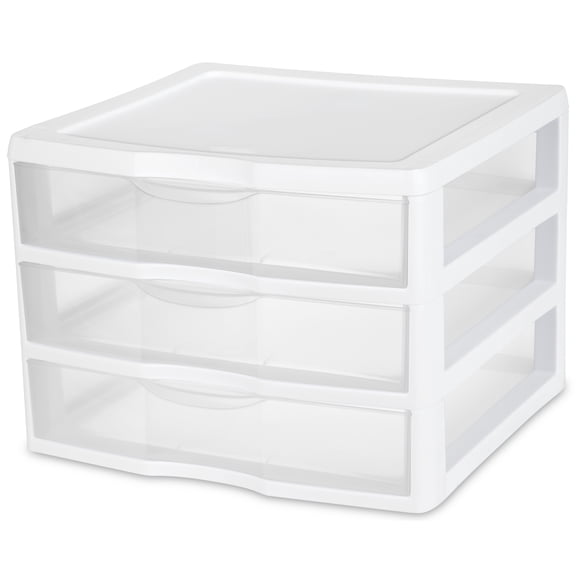
- You can pick a 3 drawer filing cabinet when you need everyday capacity without a taller profile.
- You can consider mobile cabinets when you want wheels or casters for flexible placement.
- You can select locking styles when your files need controlled access during the workday.
These differences matter because your cabinet affects how quickly you file, retrieve, and sort documents. You can make daily tasks smoother when your layout matches your routine.
Choosing between lateral filing cabinets and vertical cabinets
You should compare width and height first because each cabinet type uses space differently. Lateral filing cabinets are wider, while vertical cabinets rise upward with a narrower footprint.
If you file large batches, you may like wide drawers that let you scan many folders at once. If you use a corner or wall gap, you may prefer a taller cabinet.
Open shelf styles can help you mix binders, baskets, and active files in one area. You can use them when you need visible office storage organizers beside a desk.
Mobile cabinets work well when you change layouts or need storage under a work surface. You can roll them closer during tasks, then tuck them away afterward.
What to look for in drawer count, file size, and material
You should match drawer count to your paper volume, not just to cabinet height. A 2-drawer unit can suit light filing, while a 4-drawer unit can hold larger archives.
If you need a middle ground, a 3 drawer filing cabinet can balance capacity and reach. You can keep active folders in upper drawers and older records below.
Document size compatibility matters because you may store letter or legal size folders. You should check whether rails or drawer interiors support the folder type you already use.
Letter files fit many everyday forms, bills, and school papers in a compact layout. Legal files need longer drawer support, so you should confirm sizing before you choose.
A metal filing cabinet can suit busy spaces where you want a clean, simple look. A wood file cabinet can blend with desks and bookcases when you want a furniture-style finish.
If you want an even sturdier frame, you may compare steel construction for frequent daily use. You should also consider drawer glide feel, handle style, and top surface use.
Deciding on locking file cabinet and mobility features
You may want a locking file cabinet when you store tax papers, contracts, or shared office records. You should check whether one lock secures all drawers or only selected compartments.
Some shoppers prefer non-locking cabinets because they want faster access throughout the day. You can choose that route when convenience matters more than restricted entry.
Mobility is another key decision if your workspace changes often. You should look for wheels or casters when you move storage between desks, printers, or work zones.
Stationary cabinets can make sense when you want a fixed filing station beside your desk. You can pair them with office desks, office chairs, and bookcases for a more settled layout.
How filing cabinets fit your home office routine
Filing cabinets for home office setups should support daily work without crowding your room. You can use compact vertical designs near a desk or choose wider cabinets along an open wall.
If you handle school records, receipts, and household paperwork, you may want separate drawers by topic. You can keep labels clear so your folders stay easy to find.
When you run a small business from home, you may need room for client files and supply overflow. You can combine a wood file cabinet with shelving for a coordinated office look.
If you share a workspace, you may assign drawers by person or project for quicker organization. You can also choose locking storage to separate personal and work documents.
With the right filing setup, you can keep papers sorted, surfaces clearer, and daily tasks easier to manage. You can feel more confident when your documents have a dedicated place.