





Valentine's Day Clothing and Accessories










































About Valentine's Day Clothing and Accessories - Walmart.com
Clothing helps you build a wardrobe for daily routines, changing weather, and different plans. You can compare fit, fabric, occasion, and size range to choose everyday clothing with less guesswork.
You may need apparel for work, weekends, workouts, or quiet time at home. You can use this guide to sort wardrobe essentials by how they fit, feel, and wear.
How to choose clothing by fit
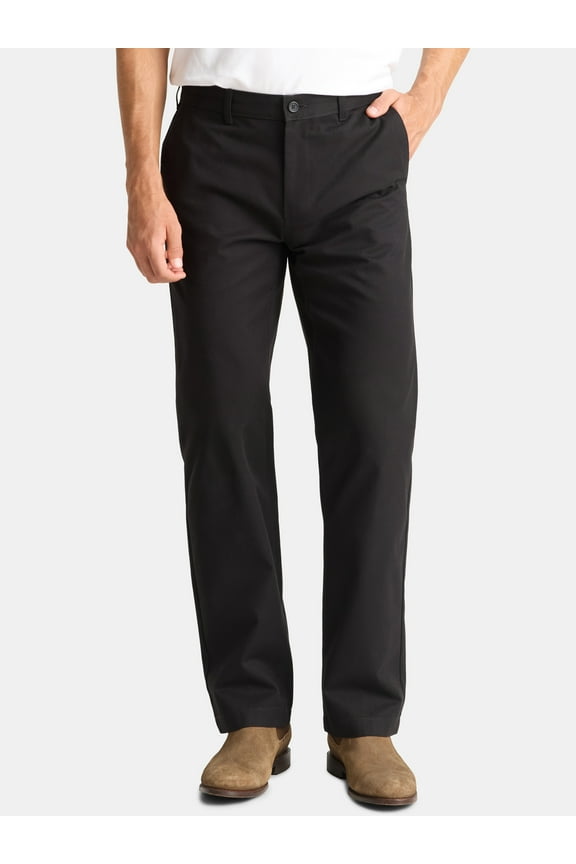
Fit changes how your clothes look, layer, and move through the day. You should compare slim fit, regular fit, relaxed fit, and athletic fit before you choose.
If you like a closer shape, you may prefer slim fit pieces for cleaner lines. If you want easier movement, your relaxed fit clothing can feel roomier through the body.
Regular fit styles can give you a balanced shape for daily wear and easy layering. Athletic fit options can suit your build when you want more room in select areas.
You should check size charts and fit guides before you choose tops, pants, dresses, or outer layers. You can compare chest, waist, hip, and inseam measurements for a more accurate pick.
- You can use slim fit for sharper outlines under jackets or cardigans.
- You can choose regular fit when your wardrobe needs easy daily versatility.
- You can pick relaxed fit clothing when your priority is extra room and casual comfort.
- You can consider athletic fit when your build needs a different cut through shoulders or legs.
Choosing clothing materials for comfort and care
Material affects how your clothing feels, drapes, and handles repeat wear. You should compare cotton, polyester, linen, denim, and wool blend based on your routine.
Cotton clothing can feel soft and breathable for daily outfits and base layers. Polyester can help your apparel keep shape and dry quickly after washing.
Linen can feel light when you want airy texture in warm conditions. Denim can give your clothes structure for jackets, jeans, and everyday layers.
Wool blend fabrics can add warmth and texture when your outfits need a polished finish. You should also check whether your items are machine washable or need extra care.
Care instructions matter when your wardrobe gets frequent use across workdays and weekends. You can simplify laundry by choosing pieces that match your washing and drying habits.
Choosing everyday clothing by style and occasion
Style and occasion help you narrow clothing choices efficiently across a large category. You can compare casual, formal, activewear, business casual, and loungewear for the right look.
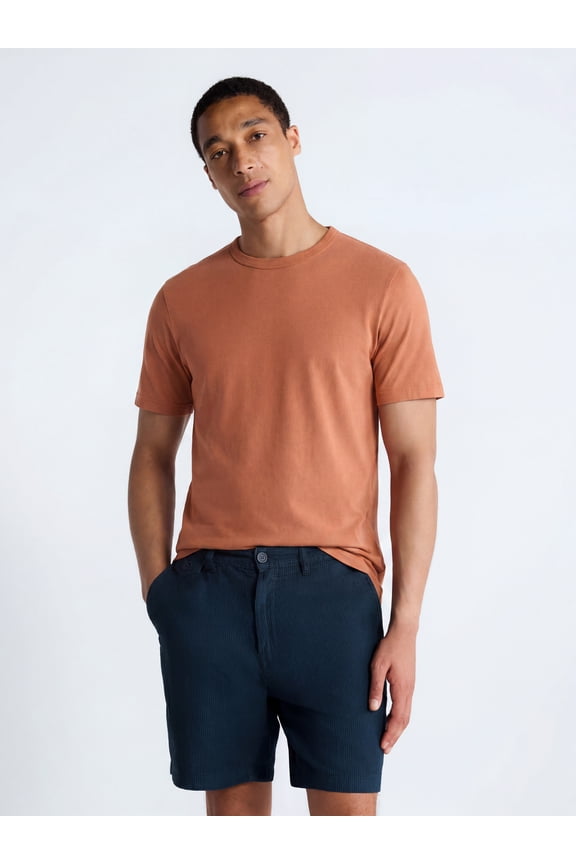
Casual clothing can cover tees, jeans, soft layers, and easy separates for daily plans. Formal options can support events where your outfit needs a more dressed look.
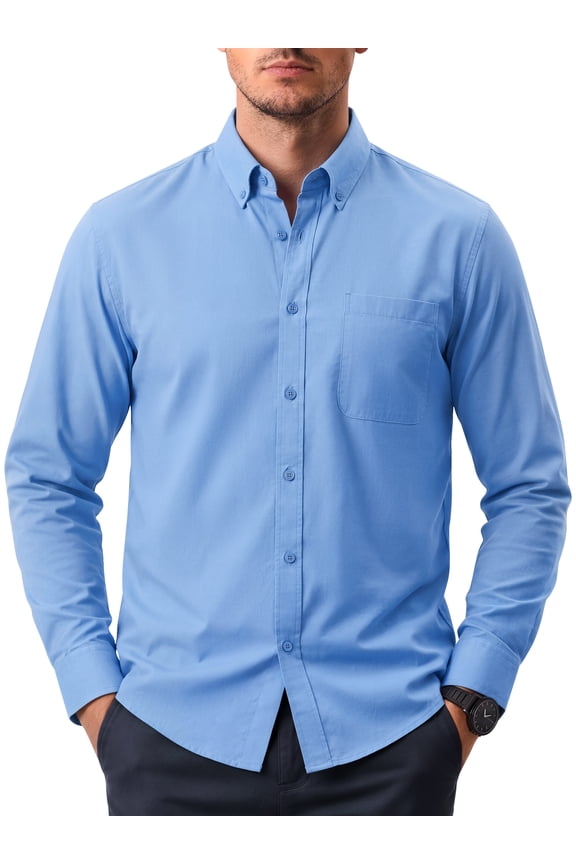
Activewear can work when your day includes movement, errands, or quick changes between activities. Business casual pieces can help you build polished outfits without feeling overly formal.
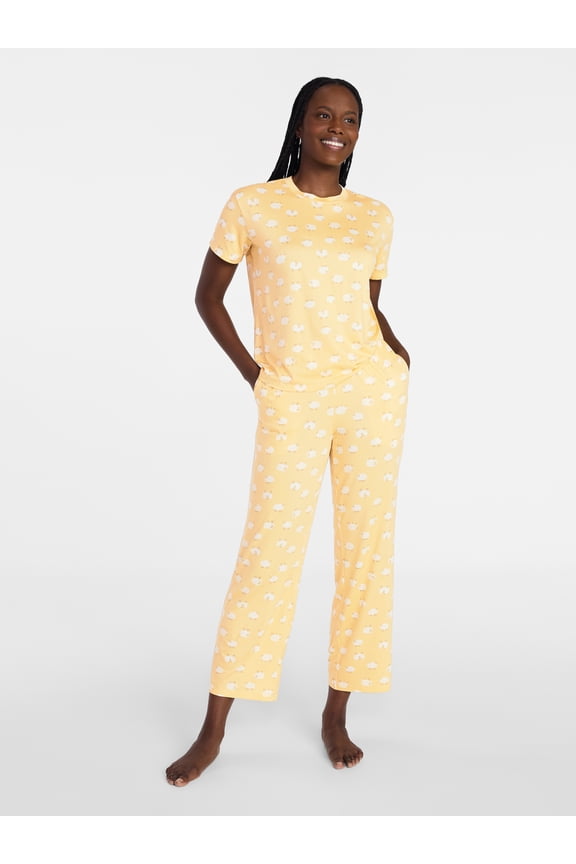
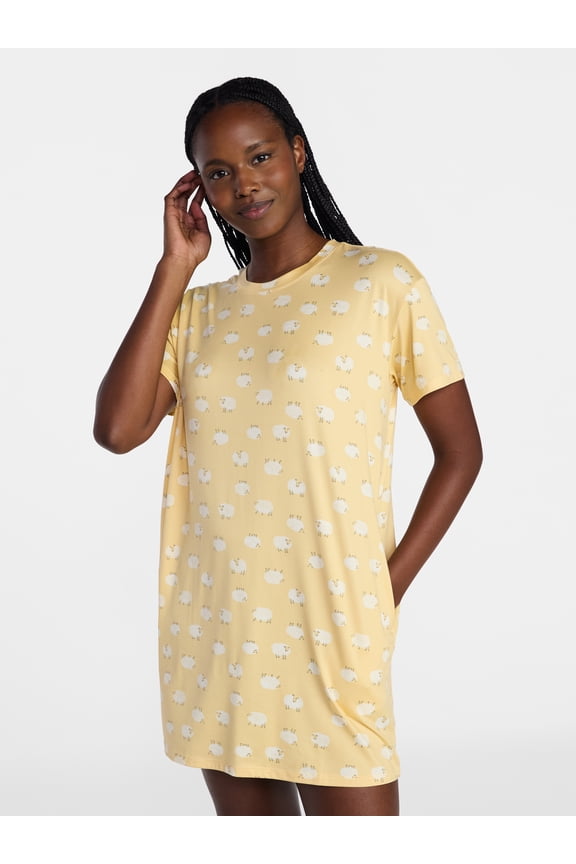
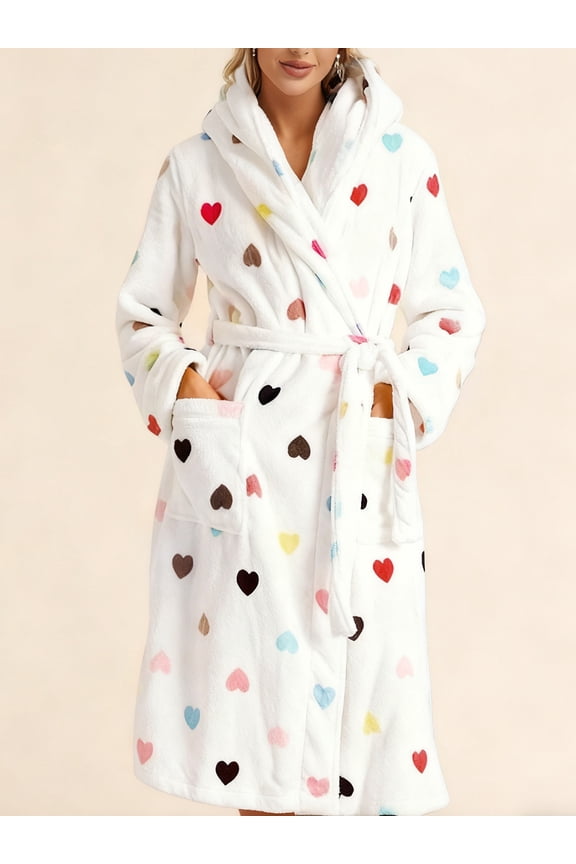
Loungewear can suit slower days when your priority is softness and ease at home. You can also layer these categories together to stretch your wardrobe across seasons.
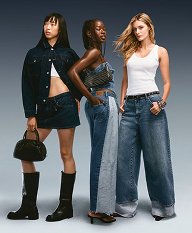
You might wear a cotton tee under a denim jacket in cool weather. You could pair a business casual top with relaxed bottoms for a flexible day that shifts between settings.
How size range supports a suitable clothing match
Size range matters because your comfort starts with proportion, not just a label. You should compare plus size, petite, tall, standard, and unisex options when you narrow your search.
Plus size clothing can offer proportions designed for a different overall fit. Petite pieces can help you avoid extra length in sleeves, hems, and rises.
Tall sizes can give you more length where standard sizing may feel short. Unisex options can provide a straighter shape that works for many everyday outfits.
You should measure key areas and compare them with each fit guide before ordering. You can get closer to the feel you want when your size range matches your body shape.
Using wardrobe essentials across seasons
Wardrobe essentials work harder when you can layer them through changing temperatures. You can start with breathable basics, then add denim, wool blend, or lightweight outer layers.
In warmer months, you may prefer cotton or linen pieces with an easy drape. In cooler weather, you can layer knits, denim, and structured separates for added coverage.
You can also build outfits by function, not just by category labels. Your clothing can move from morning errands to dinner plans with simple changes in layers and shoes.
When you focus on fit, material, care, and occasion, your choices become easier to compare. You can create a wardrobe with pieces that mix well, wash well, and wear comfortably.
Clothing becomes easier to choose when you compare the details that shape daily wear. You can feel more confident in your selection when your fit, fabric, and occasion all line up.