

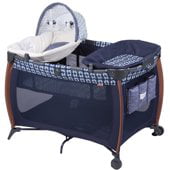
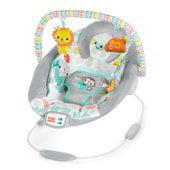
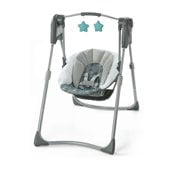
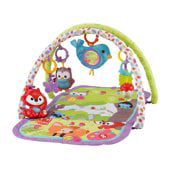


Baby Activities & Gear











































About Baby Activities & Gear - Walmart.com
Baby activity gear helps you build engaging play zones that match your child’s stage and your home’s layout. You can compare activity centers, jumpers, walkers, playmats, and swings by movement, age range, and footprint.
If you’re choosing for a newborn or a new sitter, you’ll want gear that fits early play patterns and daily routines. You’ll also want options that support sensory discovery without taking over your room.
How to choose baby activity gear
You can start with product type, because each format supports a different style of play. Your choice often depends on floor time, upright play, motion, and how long you want to use it.
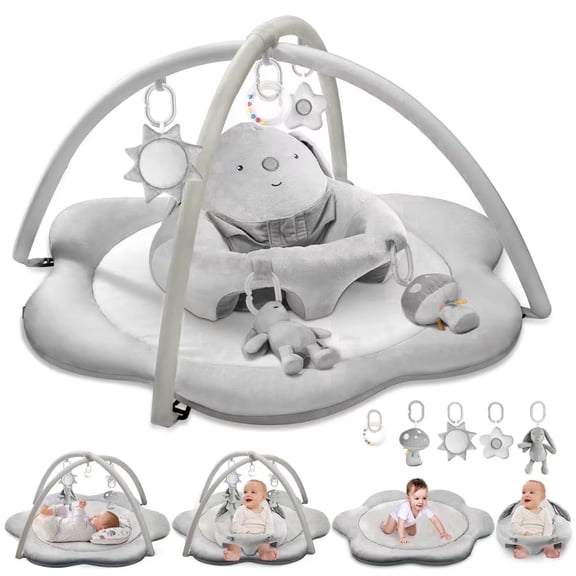
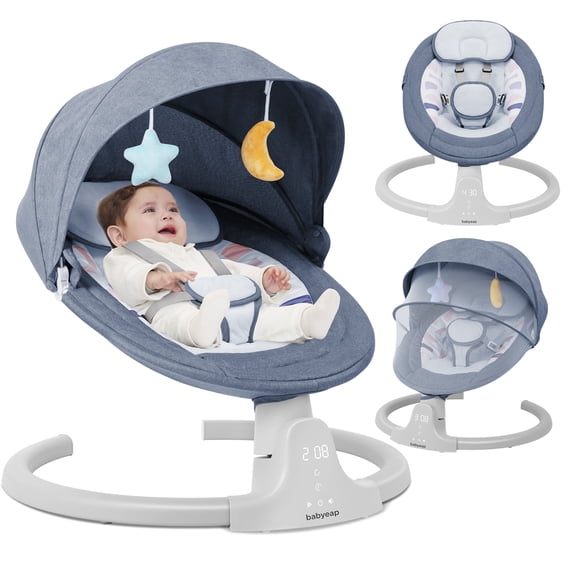
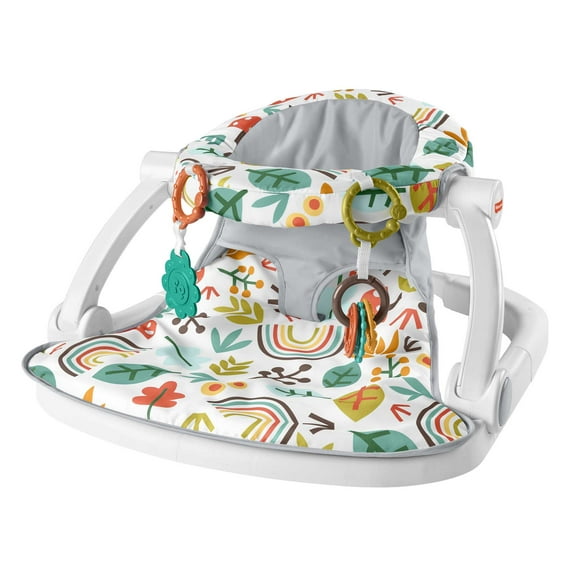
For example, you may choose baby activity centers when you want seated play with toys at arm’s reach. You may prefer playmats when you want tummy-time space, or swings when you want soothing motion.
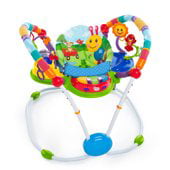
- You can use activity centers for contained play with attached toys and rotating seats.
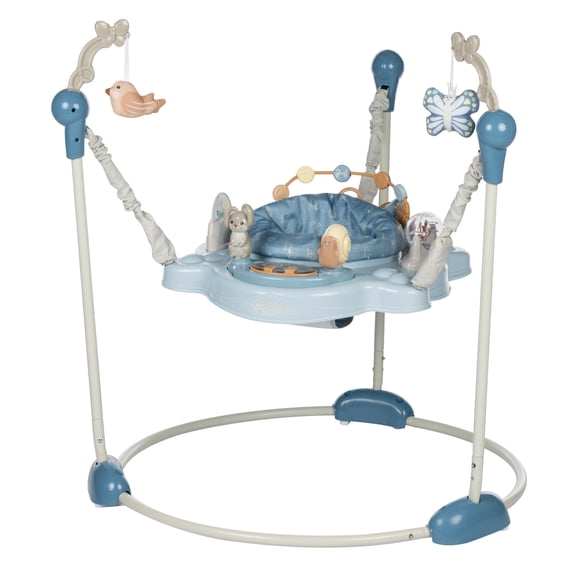
- You can choose jumpers when your child enjoys bounce-based movement and upright exploration.
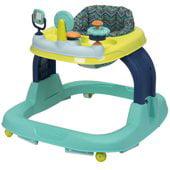
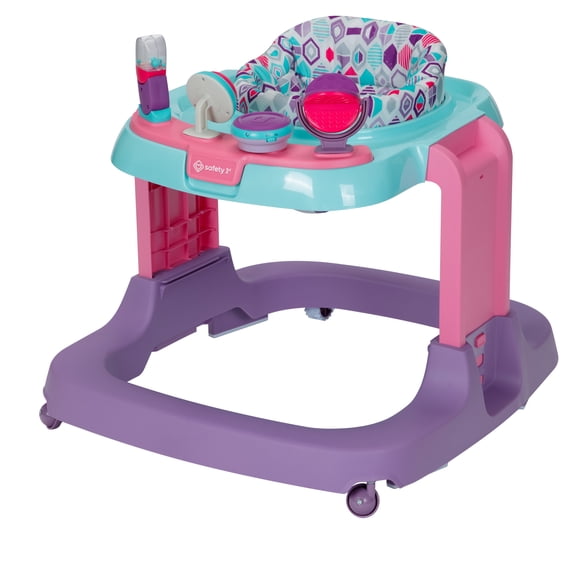
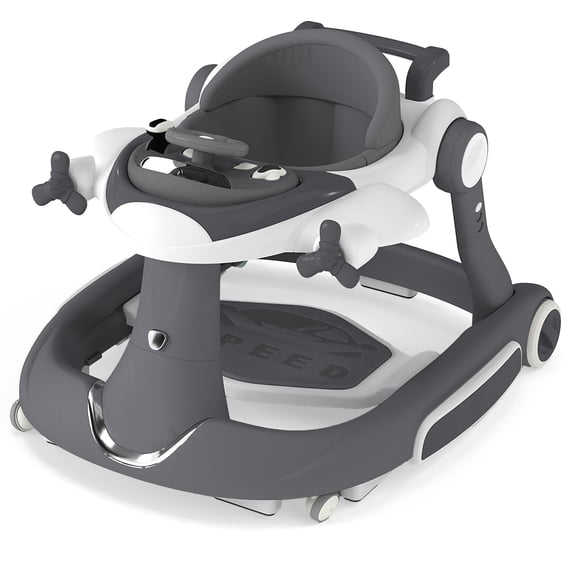
- You can compare walkers for mobile play once your child is ready for supported stepping.
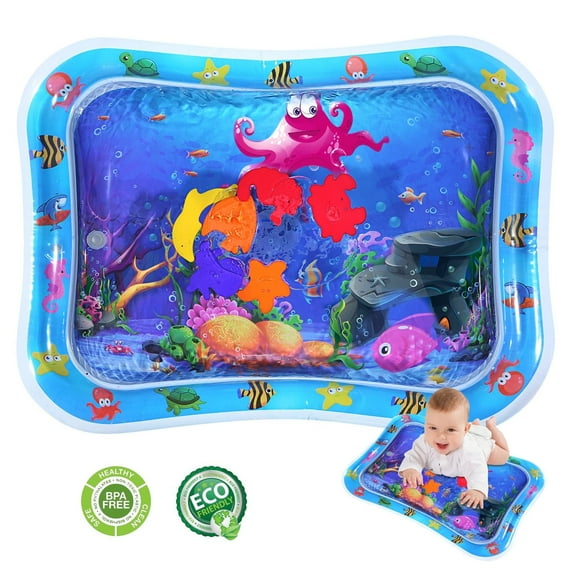
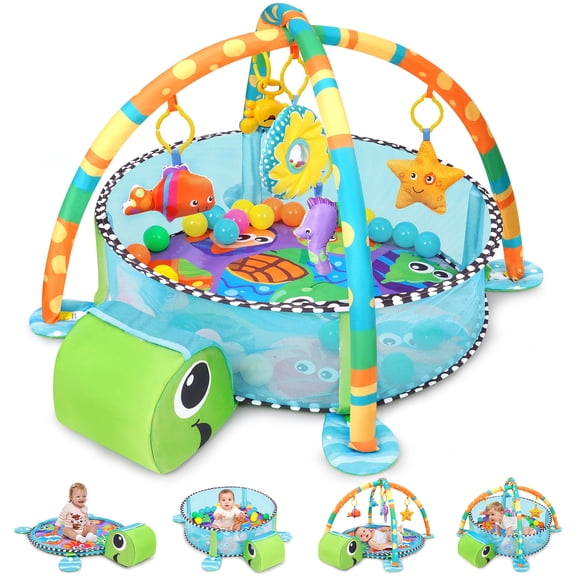
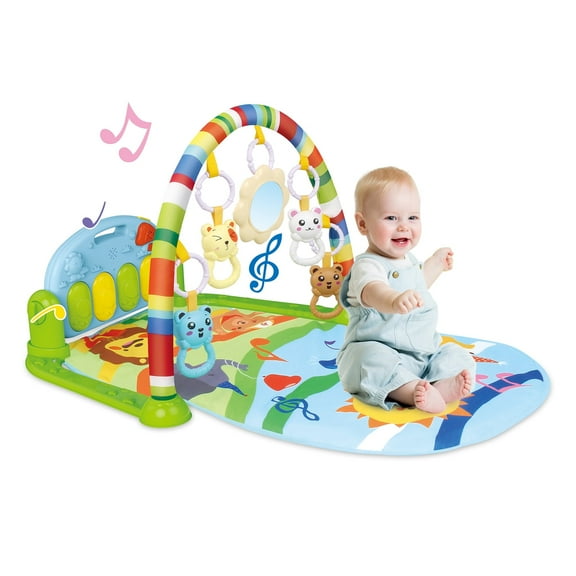
- You can pick playmats for stretch, reach, and floor-based sensory play.
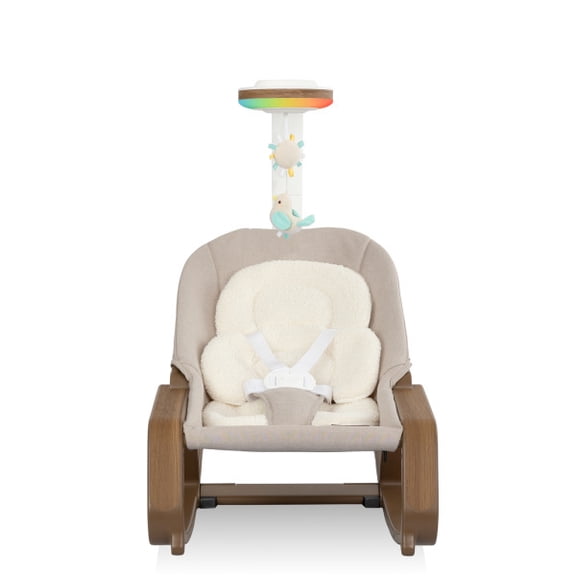
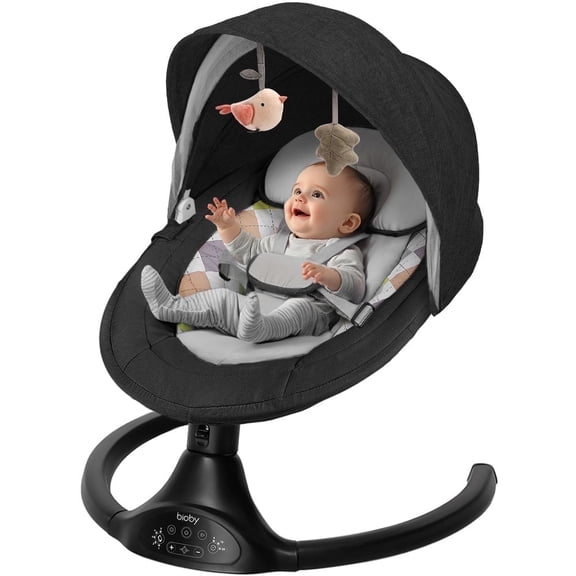
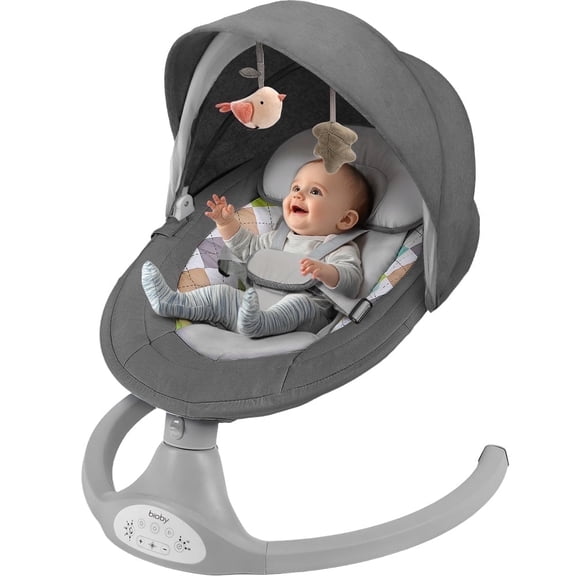
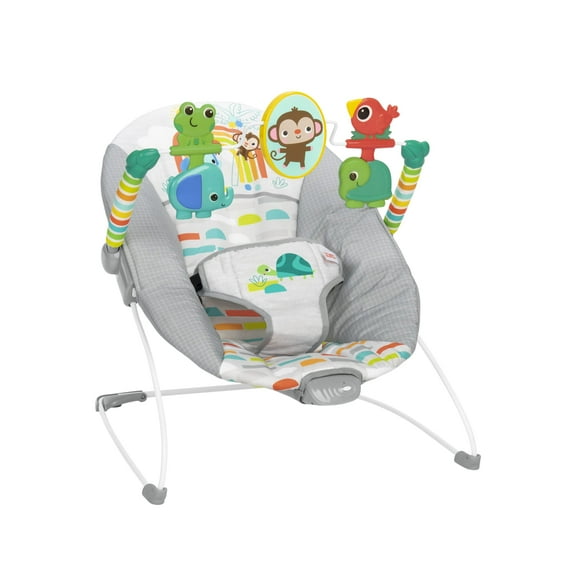
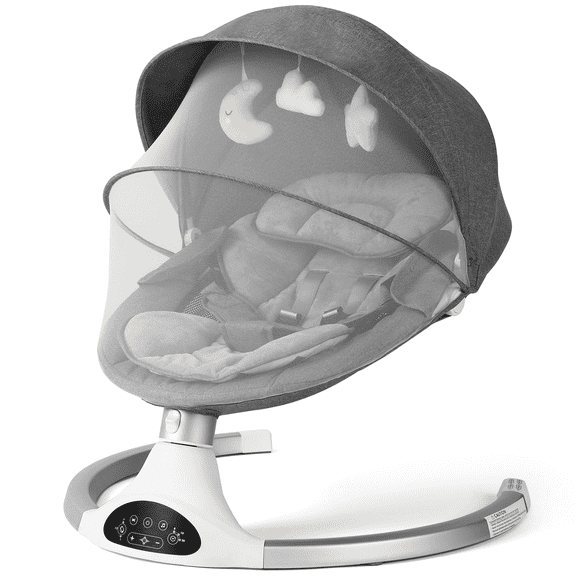
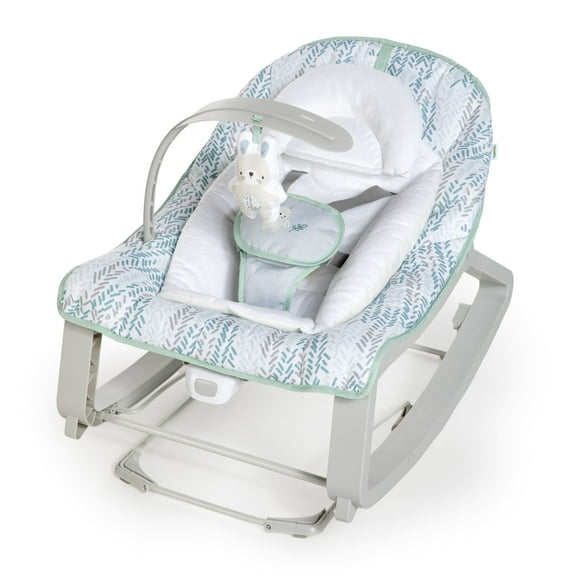
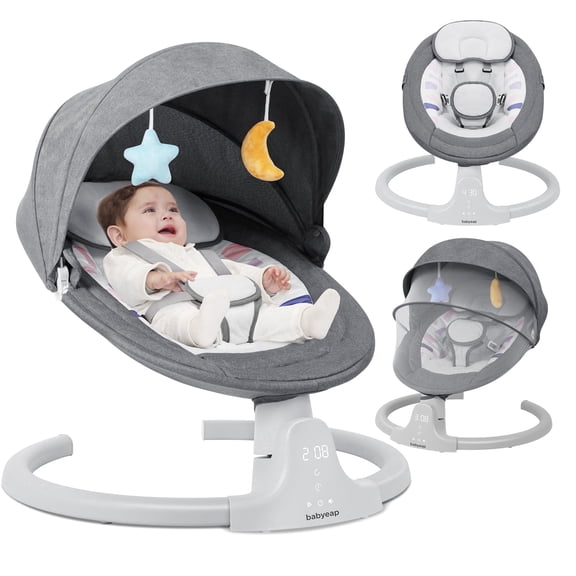
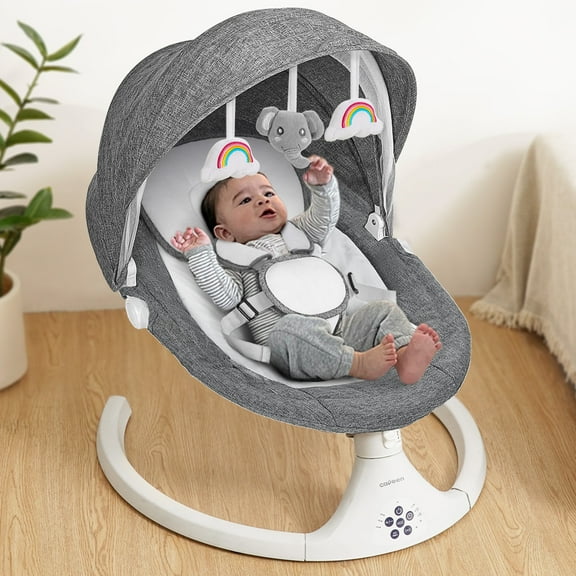
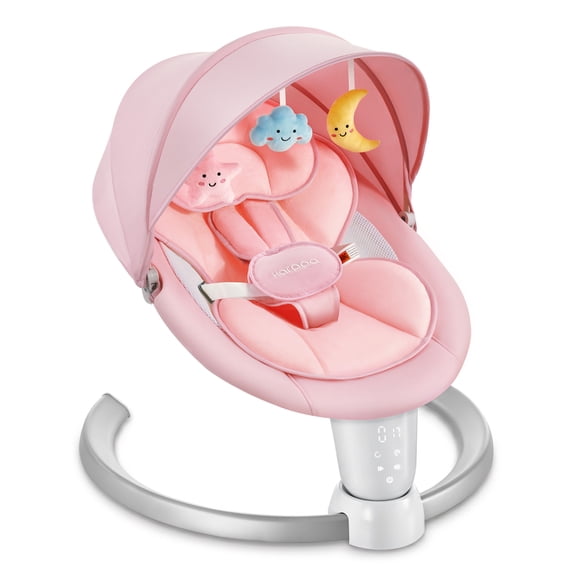
- You can select swings when your routine calls for motion and a compact resting spot.
You’ll also notice that baby play gear can help you match play style to your room size. Your setup may feel simple when you compare stationary, foldable, and travel-friendly designs.
Choosing the right baby activity centers by age
You should match gear to physical milestones, not just a broad age label. Your child’s head control, sitting ability, reaching, and stepping interest can guide the right fit.
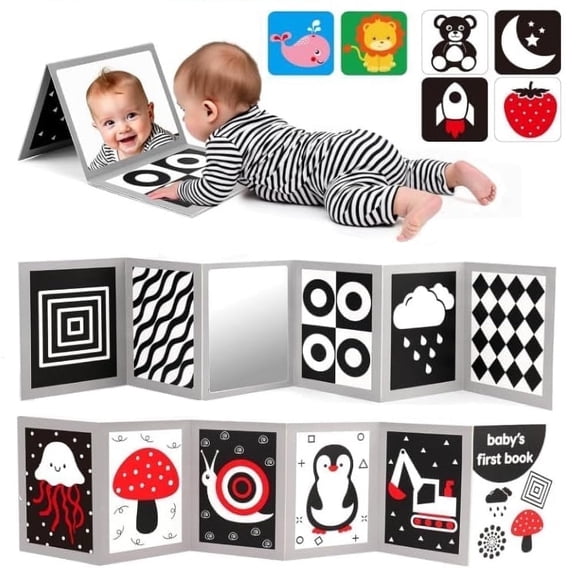
For zero to three months, you may lean toward playmats and infant activity toys that stay close to the floor. Your baby can look, reach, kick, and explore textures without needing upright support.
From three to six months, you may look for mats, gyms, and early seats with simple toy bars. Your child may begin grabbing, rolling, and tracking lights, sounds, or mirrors.
At six to 12 months, you may compare baby activity centers and jumpers for active sessions. Your child may enjoy spinning toys, pressing buttons, and practicing strong leg movement.
After 12 months, you may consider walkers and baby developmental toys that support push-along or interactive play. Your child may be interested in movement across the room and repeat actions.
What to look for in safety details and materials
You should check whether the frame feels stable and whether the seat or mat materials clean easily. Your routine usually goes smoothly when surfaces wipe down fast after daily play.
You may also look for JPMA certification when you want a recognized safety benchmark. Your search can include BPA-free plastics when hard toy parts are part of the design.
You’ll want harnesses, secure seams, and sturdy bases that fit the intended use. Your peace of mind can improve when toy attachments feel secure and height settings lock in place.
If you’re comparing battery operated, manual, and plug-in options, you should think about your daily setup. Your choice may depend on whether you want portability, consistent motion, or fewer cords nearby.
Comparing size, storage, and portability
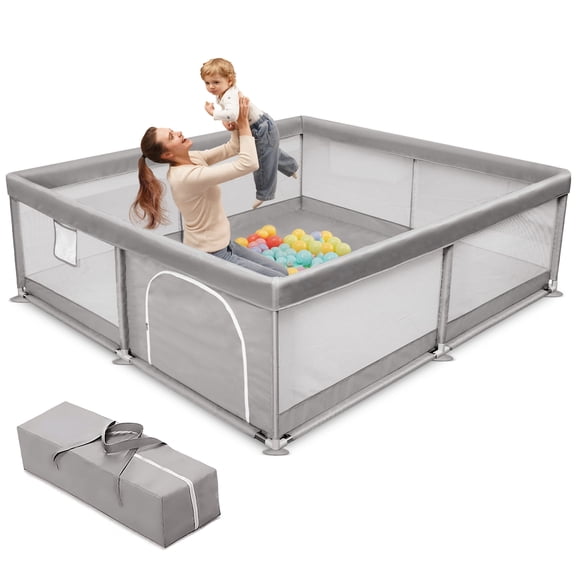
You should measure the area where your gear will stay before you choose a larger frame. Your walkway, furniture spacing, and storage spots can shape which size makes sense.
Foldable designs can work well when you need to clear floor space between play sessions. Your home may benefit from gear that tucks into a closet or slides beside a dresser.
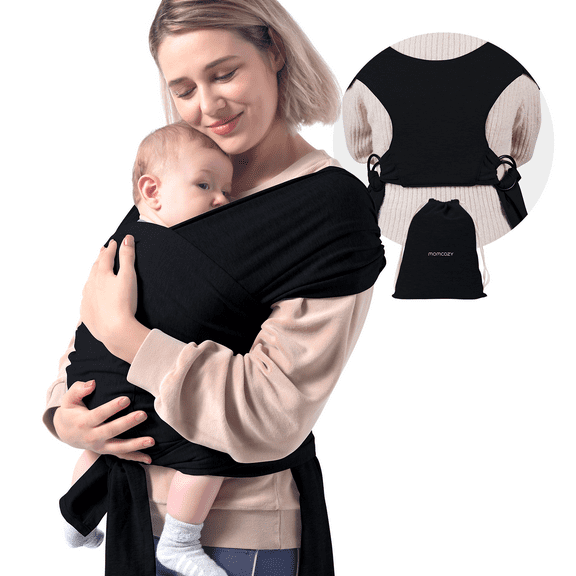
Travel-friendly options can help you keep a familiar play setup when you visit family or move between rooms. Your day may feel straightforward when the design includes handles, lightweight frames, or quick-fold parts.
Stationary designs can make sense when you want one dedicated play zone in a nursery or living room. Your choice may feel simple if you prefer fewer moving parts and a fixed footprint.
Matching developmental focus to daily play
You can compare sensory play, motor skills, cognitive development, and physical strength when narrowing options. Your child may respond differently to textures, music, mirrors, motion, and cause-and-effect toys.
Sensory play often includes crinkle fabrics, textured toys, mirrors, and soft sounds. Your baby can explore what happens when hands, feet, and eyes work together.
Motor skills gear usually supports reaching, kicking, grasping, and stepping practice. Your child may stay engaged when toys sit at the right height and distance.
Cognitive development often shows up through buttons, spinners, bead paths, and toy panels. Your child can repeat actions and learn that pressing, pulling, or turning changes what happens next.
Physical strength matters when you’re choosing gear for active stages. Your baby may use jumpers, walkers, or activity centers differently as legs and core control become strong.
Using baby play gear for real routines
You may want one setup for morning floor play, another for supervised upright play, and another for calming breaks. Your routine can feel organized when each type supports a specific part of the day.
If you live in a smaller space, you might pair a foldable playmat with a compact swing. Your room can stay functional while still giving your child engaging places to play.
If you’re planning for longer use, you may compare multi-stage gear with adjustable heights or removable toy trays. Your purchase can last through changing milestones instead of just one short phase.
You can also connect this category with subtypes like jumpers, walkers, and activity playmats for a focused choice. Your search becomes simple when you start with age, then narrow by space and movement.
Baby activity gear works effectively when you match the format to your child’s stage, your available space, and your daily routine. You’ll feel confident choosing gear that fits how your child plays and how your home functions.