
























Baby Gear Essentials: Strollers, Car Seats & Nursery
Shop by category
Big savings on Activity & Gear!
Shop by age
Shop by price
Baby gear under $100


Brands we love






Build your dream baby registry.


FAQ
About Baby Gear Essentials: Strollers, Car Seats & Nursery - Walmart.com
Baby gear helps you handle daily routines with more comfort, organization, and flexibility. You can compare age stage, portability, safety certifications, and care details to choose items that fit your household.
If you’re building a registry or updating essentials, you likely want clear guidance by stage and category. You can use this guide to compare infant gear, nursery staples, and baby activity gear with confidence.
How to choose baby gear by age stage
Age stage shapes which items you’ll use most often and how long you’ll use them. You can start with new born accessories for feeding, sleep, and transport during those early months.
For newborn needs, you may focus on snug support, easy access, and simple transfers between home and car. You’ll often want compact gear that fits smaller spaces and shorter outings.
As your child grows into the infant stage, you may need infant accessories that support longer awake times and more movement. You can compare playards, high chairs, and strollers based on daily routines.
Once you’re shopping for toddler use, you may look for gear with higher height and weight limits. You’ll also want adaptable designs that keep pace with changing schedules and mealtime habits.
Choosing infant gear for portability and daily routines
Portability matters when you carry gear through doorways, trunks, and tight storage areas. You can compare lightweight, foldable, travel system, and compact options based on how you move each day.
Lightweight designs can feel easier when you lift gear into a car or carry it upstairs. Foldable frames can help you store items between errands, naps, and visits.
If you drive often, you may compare travel system compatibility for smoother transitions. You can also check folding mechanisms, handle positions, and overall footprint before you choose.
- You can use lightweight gear for frequent lifting and quick trips.
- You can choose foldable options when your storage space feels limited.
- You can compare compact designs for apartments, shared rooms, or smaller vehicles.
- You can look for travel system pairings when you want fewer transfers.
Weight limits matter too, because they affect how long your gear may fit your routine. You should check both child size guidance and product dimensions before you commit.
What to look for in baby gear safety certifications
Safety details often guide your decision before color or style does. You can narrow baby gear choices by looking for clear certification language and practical safety design.
JPMA Certified products meet specific juvenile product standards that shoppers often look for first. You’ll also see ASTM Certified language, which signals alignment with recognized performance standards.
When you compare car seats, you may also review crash-test ratings and fit guidance. You should match those details with your vehicle type, installation method, and child stage.
For fabrics and touchpoints, you may notice OEKO-TEX Certified materials on some items. You can use that detail when you’re comparing soft goods, covers, or infant accessories.
You’ll want harness adjustments, stable bases, locking wheels, and secure latches that feel straightforward to use. You can check whether everyday tasks feel simple, because convenience supports consistent use.
Comparing gear categories for home, travel, and play
Each category solves a different daily need, so you should compare them by routine instead of appearance. You can start with strollers, car seats, high chairs, and playards.
Strollers support walks, errands, and longer outings where maneuverability and folding size matter. You can compare wheel style, seat recline, and storage basket space for everyday use.
Car seats focus on vehicle fit, stage compatibility, and installation style. You’ll want to review rear-facing or convertible options, plus height and weight guidance for longer use.
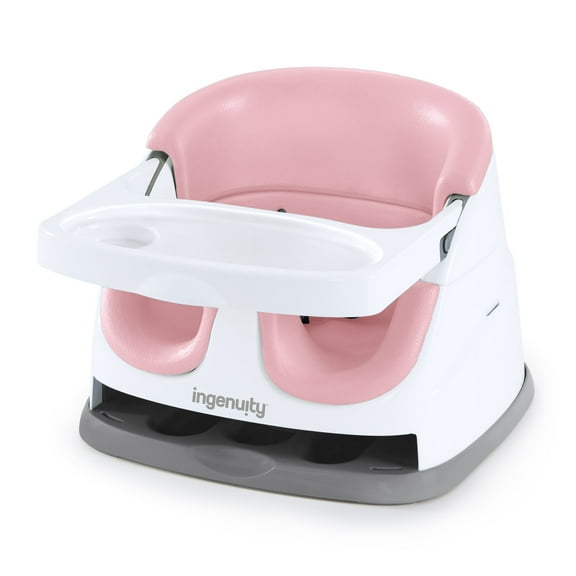
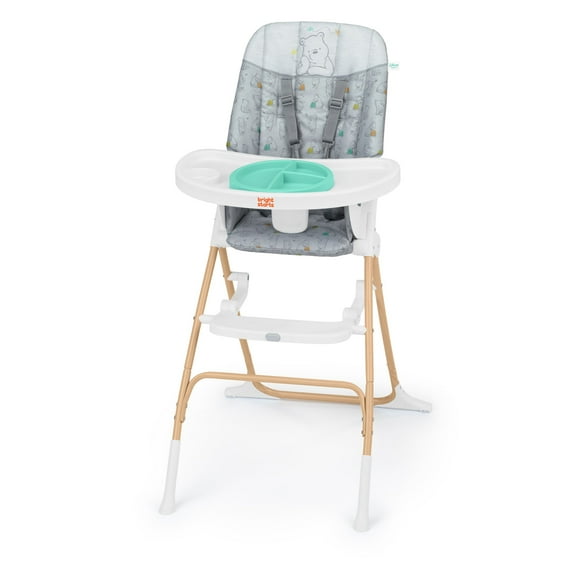
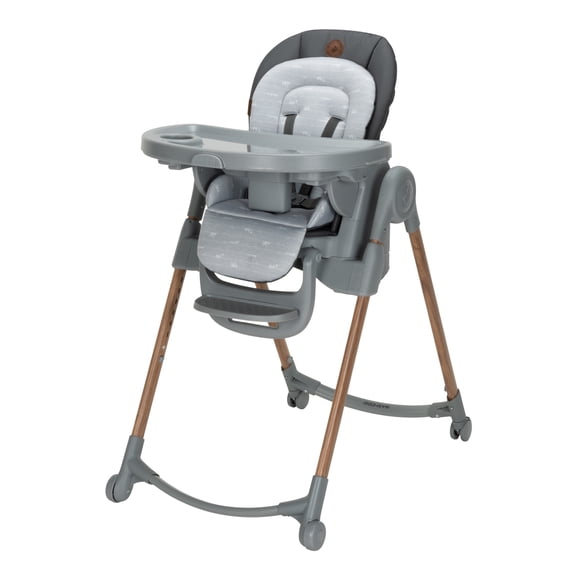
High chairs support feeding routines, cleanup, and seating position at the table. You can compare tray removal, footprint, and wipeable surfaces when meals happen several times a day.
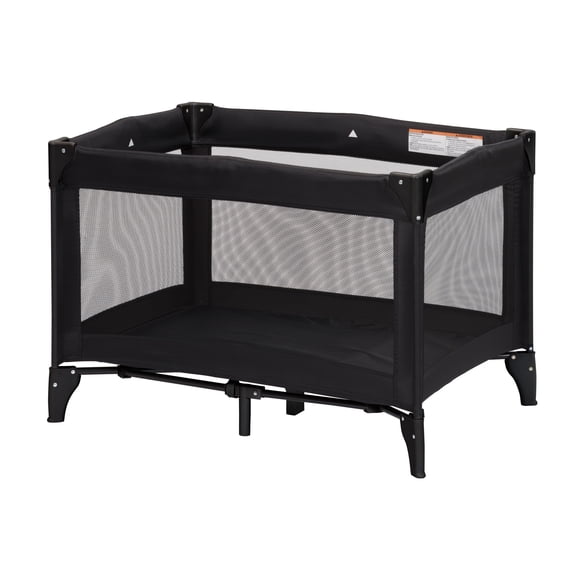
Playards can give you a flexible spot for rest, travel, or contained play. You may look for easy setup, compact fold, and removable inserts that match your routine.
How material and care details affect everyday use
Material and care details matter when you use gear every day and clean it often. You can compare machine washable fabrics, wipe-clean plastics, and soft material choices before you decide.
Machine washable covers can make recurring cleanup feel more manageable after snacks, spills, and daily messes. You’ll appreciate removable pieces when your routine leaves little extra time.
Non-toxic plastic may appear on hard surfaces and activity components across several categories. You can compare smooth finishes and easy-wipe shapes when you expect frequent use.
Organic cotton may matter when you’re choosing liners, covers, or fabric accessories. You’ll want to check care instructions, because fabric comfort and cleanup often work together.
You’ll also benefit from durable seams, secure snaps, and replaceable fabric parts where available. You can get more consistent use when care steps feel simple and repeatable.
Matching baby activity gear and essentials to your lifestyle
Your routine can point you toward the right mix of baby activity gear and core essentials. You can match features to commuting, apartment living, shared caregiving, or travel.
If you’re often on the go, you may prioritize compact strollers, travel systems, and foldable playards. You’ll likely want quick setup and smaller storage footprints for smoother transitions.
If your space feels tight, you can focus on narrow frames, lightweight builds, and multipurpose designs. You may also compare gear that folds flat or stores neatly between uses.
For gifting and registry planning, you can group things for baby by stage and room. You’ll often combine transport gear, feeding gear, and infant accessories for a more complete setup.
When several caregivers use the same items, you should look for intuitive adjustments and straightforward cleaning steps. You can keep routines more consistent when features feel easy to understand.
With the right baby gear, you can build a setup that fits your stage, space, and schedule. You’ll feel more prepared when your essentials support daily movement, feeding, cleanup, and rest.