








Baby Feeding





























About Baby Feeding - Walmart.com
Breast pumps help you build a feeding setup that fits your schedule, whether you need daily sessions, portable use, or simple occasional pumping. You can compare pump type, flange size, and power options more clearly when you understand how each choice affects your routine.
Choosing breast pumps by pump type
You should start with pump type, because that choice shapes how often you pump and where you use it. You can compare double electric, single electric, manual, and wearable styles based on your daily schedule.
If you pump several times each day, you may prefer a double electric breast pump for shorter sessions. If you pump less often, you may like manual breast pumps for simpler control and easier packing.
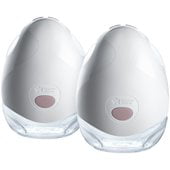
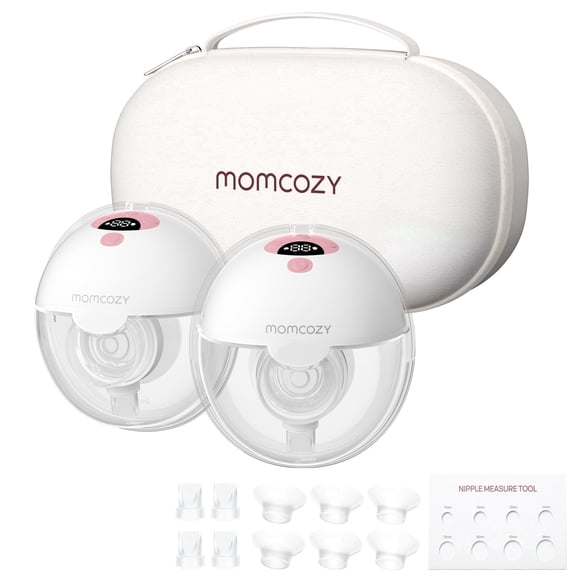
Wearable breast pumps fit inside your bra, so you can move through more of your day. Single electric options can suit you when you want powered pumping with a smaller setup.
- You can choose double electric pumps when you want regular pumping sessions and less total pumping time.
- You can choose wearable breast pumps when you want more mobility during chores, commutes, or travel.
- You can choose manual breast pumps when you want a compact option with fewer parts to carry.
- You can compare single electric styles when you want powered suction in a lighter format.
How to compare electric breast pumps and portability
You should compare portability early, because your setup affects how easily you pump across your day. You can find tabletop units, portable styles with belt clips, and a hands free breast pump design.
Tabletop pumps can suit longer sessions at home, where you want a steady base and simple control access. Portable pumps with belt clips can help you move room to room with less bulk.
If you want fewer cords in your routine, you should compare wearable and hands-free options carefully. You can also check cup design, charging method, and motor size before you narrow your choice.
What to look for in electric breast pump features
You should compare expression technology next, because it shapes your cleaning routine and part layout. You’ll often see closed system, open system, and multi-phase expression options in this category.
A closed system breast pump includes a barrier between milk and the tubing pathway. You may prefer that design when you want simpler upkeep and clearer separation between parts.
Open system designs may use a different layout, so you should check care instructions closely. Multi-phase expression settings can change suction patterns, so you can fine-tune comfort and rhythm.
You should also compare control settings before you decide on electric breast pumps. You may want adjustable suction levels, cycle speeds, and memory functions that support repeat sessions.
Choosing the right flange size and fit
You should treat flange size as a key decision, not a small detail. You can see options like 21mm, 24mm, 27mm, and adjustable inserts across many breast pumps.
Measure flange diameter in millimeters, and match that size to your body for a more secure fit. You may notice that the right fit supports smoother pumping and a more consistent routine.
If you’re comparing several models, you should check which flange sizes come in the box. You can also look for compatible breast pump flanges and insert options when you want more flexibility.
Adjustable sizing can help if your preferred fit falls between standard flange sizes. You should also compare tunnel shape, soft edges, and replacement part availability for ongoing use.
Comparing power sources for your schedule
You should compare power sources based on where you pump most often. You can choose rechargeable battery, plug-in AC, or AA battery options depending on your routine.
Rechargeable breast pump styles can work well when you want fewer cords during commutes, errands, or shared spaces. Plug-in pumps can make sense when you mostly pump at home and want a steady charging setup.
AA battery compatibility can help when you want a simple backup option for travel bags. You should also check runtime, cable type, and whether your pump works while charging.
Matching breast pumps to real routines
If you pump daily at work, you may want electric breast pumps with rechargeable power and a compact carrying setup. You should also look for a closed system design and easy-to-pack parts.
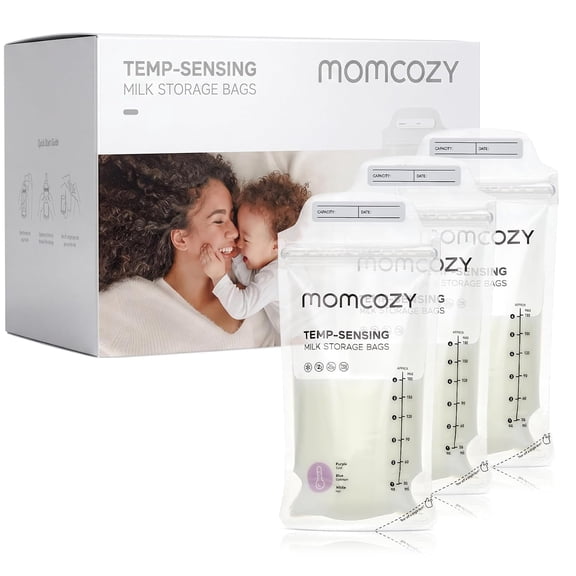
If you’re building a home pumping station, you may prefer a tabletop double electric breast pump with clear controls. You can pair that setup with storage bags, replacement valves, and extra bottles.
When you need flexibility during chores or travel, wearable breast pumps may fit your routine more easily. You can also compare nursing bras and hands-free accessories for stronger day-to-day support.
If you pump only once in a while, manual breast pumps can give you a lighter option to keep nearby. You may like them for occasional use, short trips, or as a backup to your main pump.
You should also think about what comes next after choosing your pump. You can streamline your setup with breast milk storage, extra breast pump accessories, and additional flanges that match your fit.
When you compare breast pumps by type, portability, system design, power, and flange size, you can choose with more clarity. This helps you end up with a setup that fits your routine and keeps each session more manageable.