



Electric Transportation Toys for Adults and Teens
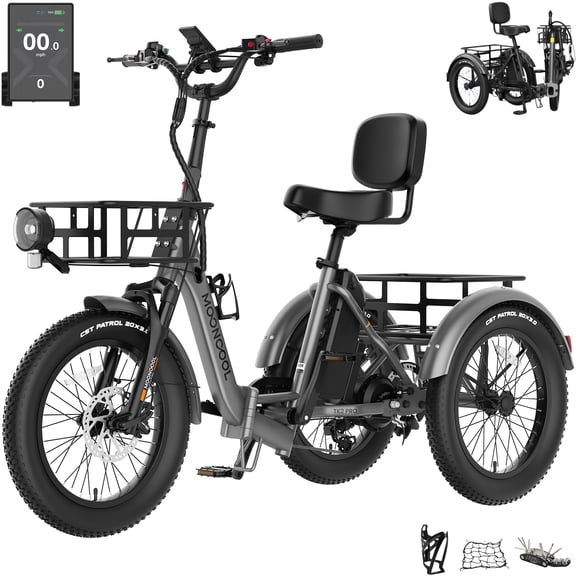


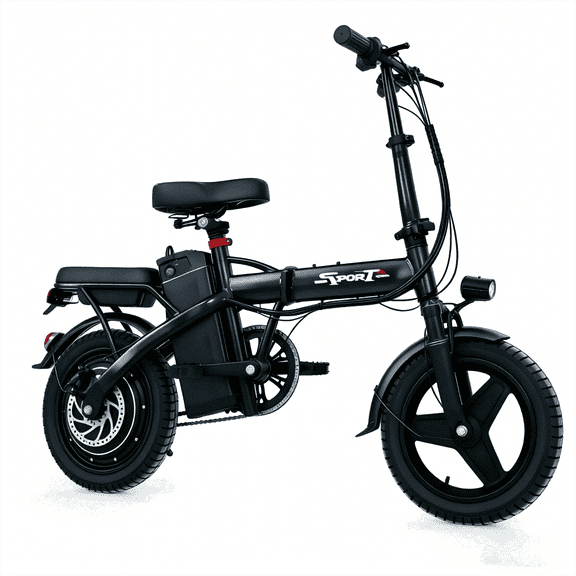


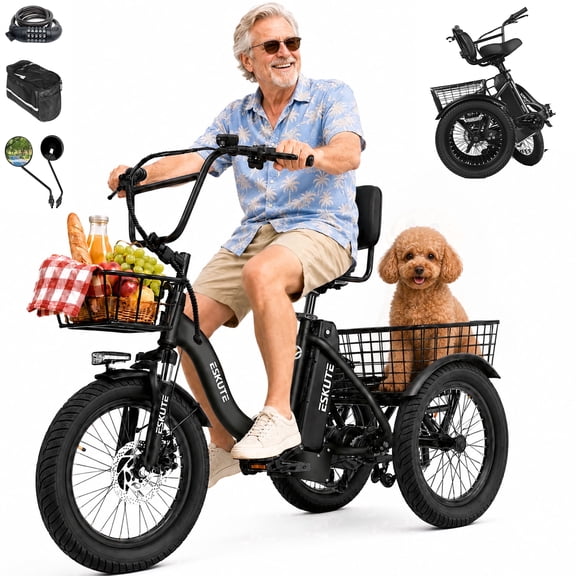

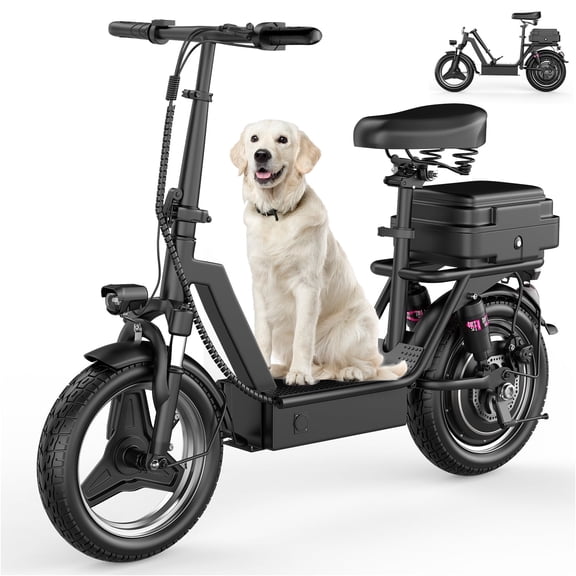




















About Electric Transportation Toys for Adults and Teens - Walmart.com
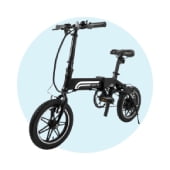
Electric transportation helps you match fun, size, and battery power to the way your child likes to ride. You can compare ride-on cars, scooters, hoverboards, and dirt bikes using age, voltage, and weight limits.
How to choose electric transportation by vehicle type
Vehicle type shapes how your child rides and where you expect that ride to happen. You can start with electric ride on toys for seated cruising, or choose standing options for tighter turns.
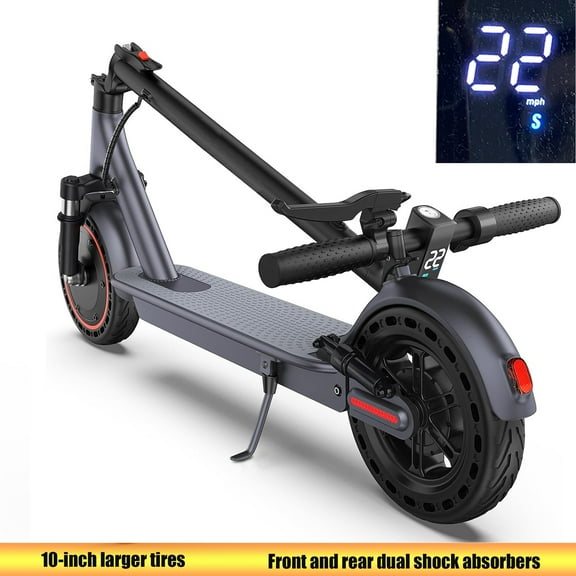
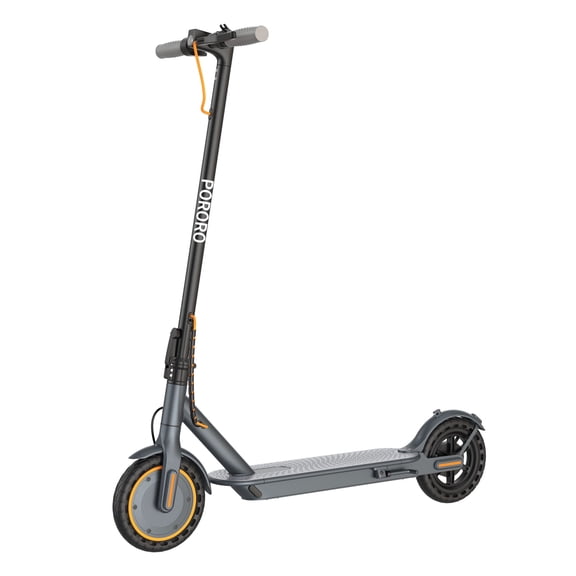
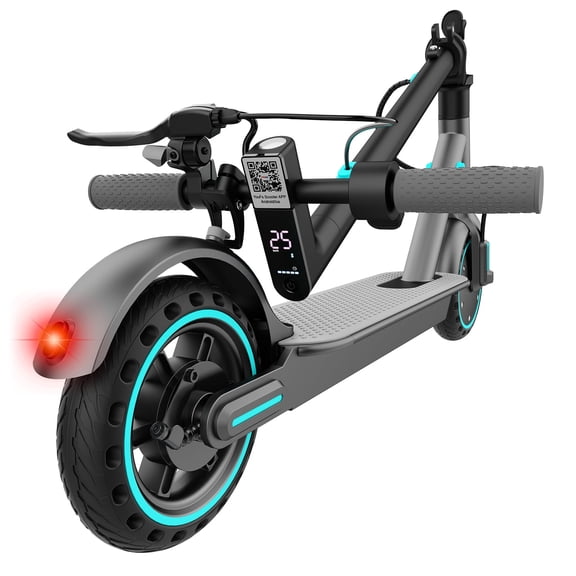
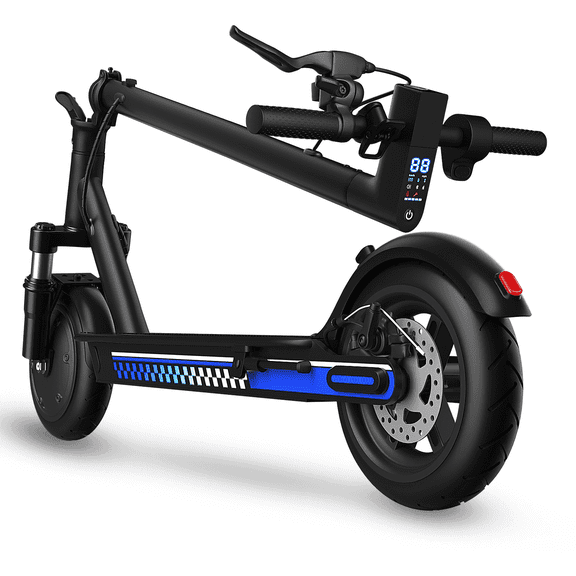
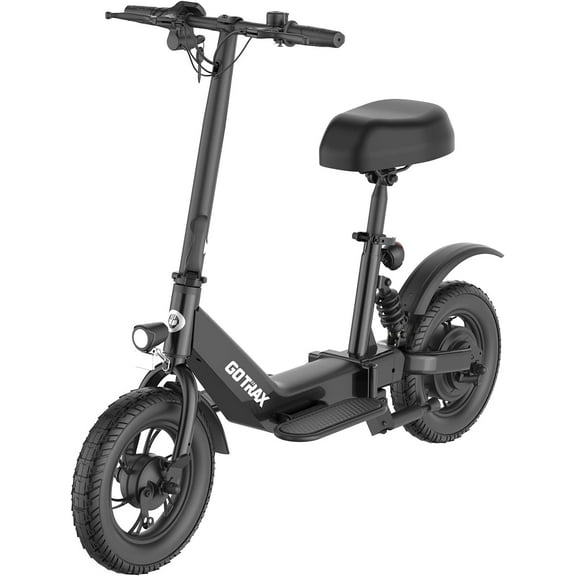
With kids electric ride ons, you can look for steering wheels, pedals, seats, and roomy designs that feel familiar. With kids electric scooters, you can compare deck size, handlebar height, and foldable frames.
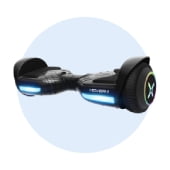
Hoverboards for kids give you a compact option that suits smooth surfaces and quick practice sessions. Kids electric cars give you a larger profile, extra visual details, and space for side-by-side riding on some models.
- You can choose ride-on cars when your child wants a seated driving feel.
- You can choose scooters when your child needs a narrow frame for sidewalks and driveways.
- You can choose hoverboards when your child wants responsive movement and compact storage.
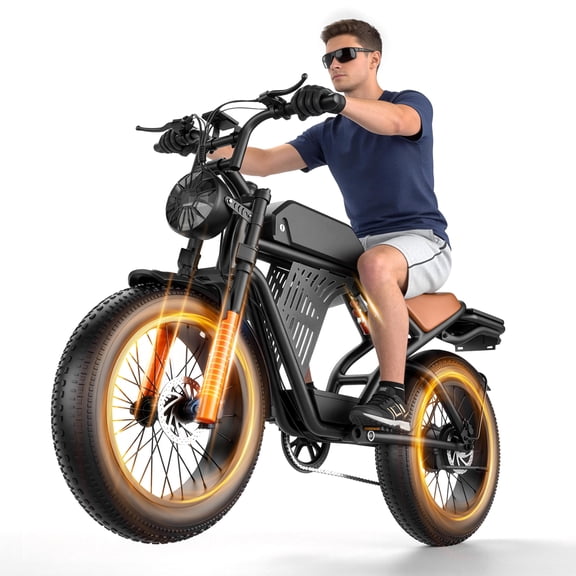
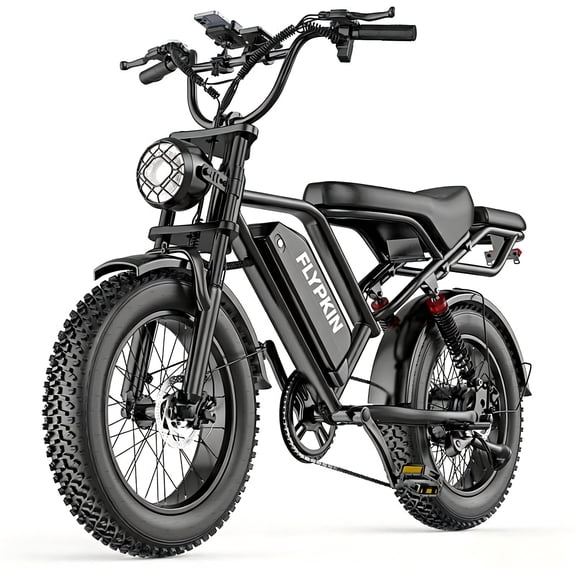
- You can choose dirt bikes when your child wants a motorcycle-style frame and outdoor-focused riding.
Choosing voltage, age range, and weight capacity
Voltage is one of the clearest ways you can compare electric transportation across this category. You can think of 6V, 12V, 24V, and 36V as steps in power, speed, and terrain ability.
For toddlers and many ages 3-5 riders, you may want 6V ride-ons with simpler controls and gentler performance. For ages 3-5 and ages 6-8, you may often compare 12V ride on toys for longer play and stronger movement.
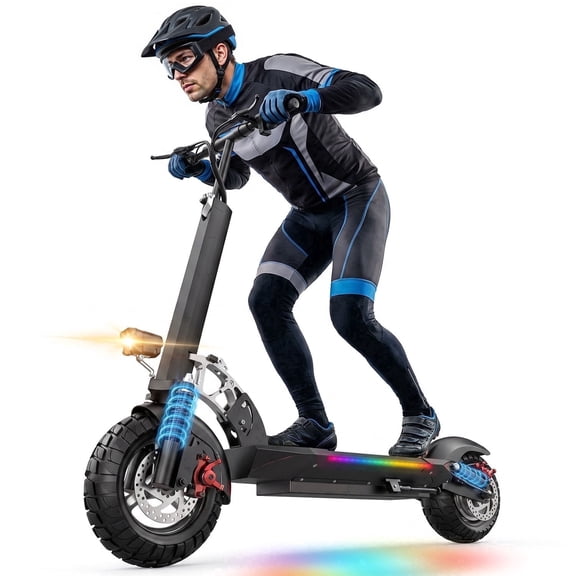
If your child rides on grass, slight inclines, or larger yards, you may look at 24V models for extra push. If your teen wants a stronger scooter or dirt bike feel, you may compare 36V options carefully.
Age range matters because you need a fit that matches height, coordination, and riding confidence. You can use age guidance as a starting point, then check your child’s inseam, reach, and riding style.
Weight capacity helps you narrow choices fast and avoid cramped fits. You can compare limits like up to 50 lbs, up to 120 lbs, and up to 220 lbs based on who will ride.
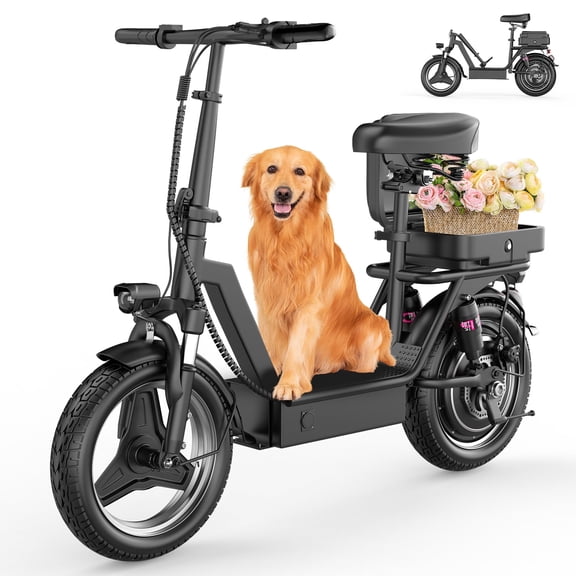
If you're shopping for electric ride ons for toddlers, you may prefer lower platforms and easy entry. If you're shopping for a heavy duty electric scooter, you may look for a higher weight limit and wider deck.
What to look for in battery life, charge time, and setup
Battery life affects how long your child can ride before you need a recharge. You can compare run time in plain terms, then check whether the charging window fits your routine.
Some electric ride on toys support short driveway sessions, while others suit longer backyard use. You can look for charging details that tell you whether you’ll plan overnight charging or shorter top-offs.
Assembly matters when you want a smoother setup on arrival. You can compare whether your pick needs simple wheel and handlebar attachment or a longer build with body panels.
For seated vehicles, you may look for parental remotes, working doors, seatbelts, and easy-start controls. For scooters and hoverboards, you may check braking style, grip surfaces, and handlebar adjustments.
You can also compare tire style because it changes how the ride feels across pavement or packed ground. You may notice wider tires and stronger frames matter more on dirt bikes and larger ride-on cars.
Matching electric transportation to real family use
If your child rides mainly on smooth pavement, you may focus on kids electric scooters or hoverboards for kids. You can keep the choice compact while still matching age guidance and weight limits.
For backyard laps and driveway cruising, you may lean toward kids electric cars or other electric ride on toys. You can prioritize seats, simple controls, and a voltage level that matches your available space.
If siblings share gear, you may compare age range and weight capacity first. You can avoid outgrowing a choice too quickly by measuring rider size before you choose.
For first-time riders, you may prefer lower speeds, steady steering, and simple acceleration. You can make that easier by comparing 6V or 12V options designed for younger riders.
For older kids and teens, you may want a stronger frame and added power for larger spaces. You can compare 24V or 36V models when your rider has the size and experience for them.
When storage matters, you may favor scooters or hoverboards that tuck into tighter spots. When visual details matter, you may prefer ride-on cars with lights, dashboards, and styled exteriors.
Electric transportation becomes easier to shop when you compare voltage, vehicle type, age range, and weight capacity together. You can choose a ride that fits your space, your child, and your daily routine with fewer surprises.