


Electric Transportation
Shop electronic transportation by category


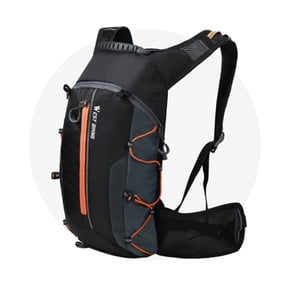
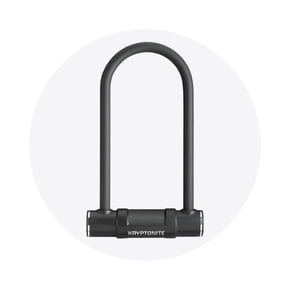
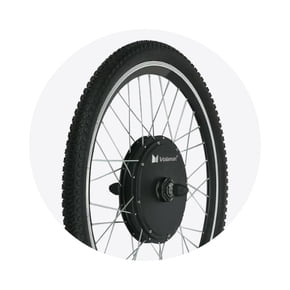
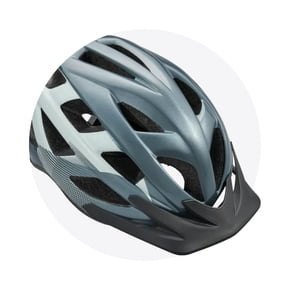
Essential bike accessories


Brands we love



FAQ
About Electric Transportation - Walmart.com
Electric bikes help you cover longer rides with less effort, and you can compare classes, motor power, and frame styles in one place. You’ll find options built for commuting, trails, neighborhood rides, and compact storage.
Choosing electric bikes for adults
When you compare electric bikes for adults, you’ll want to start with your rider profile and daily routine. You can focus on fit, frame style, and support features that match how often you ride.
If you prefer easier mounting, you can look for a step-through frame that feels simple at stops. If you want a classic feel, you can compare step-over frames for a familiar riding position.
You can also consider who’s riding most often, since adults, teens, and seniors may want different frame geometry. You’ll usually notice comfort changes quickly when you compare handlebar reach and saddle height.
How to compare battery range and charge needs
Range per charge is one of the first details you should compare, because it shapes how far you can ride before recharging. You can check battery capacity in watt-hours, voltage, and amp hours for a clearer picture.
A higher watt-hour rating usually gives you more riding distance, especially when you use stronger assist levels. You should also consider hills, rider weight, terrain, and speed, because those factors affect real-world range.
If you ride short city routes, you may only need enough charge for errands and commutes. If you plan longer outings, you’ll want extra capacity that supports extended weekend rides.
Charging time matters too, because you may want a bike that fits your routine between rides. You can compare removable batteries when you want easier charging at home or at work.
- You can choose larger battery capacity for longer commutes and recreation rides.
- You can check removable battery designs when you want flexible charging locations.
- You can compare assist levels to balance ride feel and battery use.
- You can review charge time details when you need dependable weekday planning.
What motor power and class type mean for you
Motor power helps you understand how the bike will feel during starts, climbs, and longer routes. You can compare 250W, 350W, 500W, and 750W e-bike options based on terrain and riding goals.
If you ride flatter streets, you may find lower wattage enough for steady commuting support. If you tackle steep hills or heavier loads, you’ll likely want stronger output and quicker acceleration.
Class type is another key decision, and you should compare it before you choose a model. You can look at Class 1 pedal assist, Class 2 throttle, and Class 3 speed pedelec options.
Class 1 pedal assist bikes support pedaling without a throttle, which many riders like for natural-feeling assistance. Class 2 models add throttle control, while Class 3 options support faster assisted commuting on suitable routes.
When you compare pedal assist bikes, you should think about your local riding style and comfort level. You’ll want a setup that matches your pace, route length, and preferred amount of rider input.
Folding electric bikes and frame choices
Folding electric bikes work well when you need compact storage in apartments, offices, or car trunks. You can choose them when your routine includes mixed travel, small spaces, or frequent carrying.
A folding frame can help you simplify storage, but you should still compare wheel size, latch design, and total bike weight. You’ll want a model that feels manageable when folded and stable when fully opened.
If compact storage matters less, you may prefer a non-folding frame for a traditional ride feel. You can compare step-through and step-over layouts based on comfort, flexibility, and how you start and stop.
Electric mountain bikes, commuter electric bikes, and fat tire electric bikes
Your terrain should guide your choice, because tire style, frame design, and motor setup change the ride experience. You can narrow options faster when you match the bike to streets, trails, or mixed surfaces.
Electric mountain bikes usually fit riders who want trail-ready geometry, stronger climbing help, and control on uneven ground. You can look for suspension details and wider tires when off-road comfort matters.
Commuter electric bikes often suit daily travel, bike lanes, and stop-and-go routes through town. You may want practical touches like integrated lights, racks, or fenders for regular transportation needs.
Fat tire electric bikes can give you added grip and a planted feel on loose or rough surfaces. You can consider them for sand, gravel, snow, or varied paths where wider tires matter.
Cruiser styles can feel relaxed for boardwalk rides, parks, and casual neighborhood loops. You should compare upright positioning and comfort-focused geometry when easygoing rides are your priority.
Assembly, maintenance, and durability checks
Before you choose, you should review how much assembly the bike may require after delivery. You can look for details on handlebars, pedals, wheels, and battery setup to understand the final steps.
Maintenance is easier to plan when you compare brake type, tire size, and replacement part compatibility. You’ll also want to check whether the battery and charger are simple to remove, store, and reconnect.
Frame durability and weight capacity matter when you carry gear or ride often. You can compare frame materials, rack support, and stated rider limits to match your routine.
If you ride daily, you’ll benefit from checking drivetrain parts and wheel construction with extra care. You can feel more confident choosing a bike designed for repeated starts, stops, and longer weekly mileage.
How to match the right setup to your routine
If you commute during the week, you may want commuter electric bikes with moderate power, useful accessories, and dependable range. You can pair that setup with a step-through frame for frequent stops.
If storage is tight, you may prefer folding electric bikes with a removable battery and compact frame. You’ll get a setup that fits apartment living, office storage, or multi-step travel plans.
If you ride trails or rough roads, you can focus on electric mountain bikes or fat tire electric bikes. You’ll want stronger motor options, stable handling, and tires that match changing ground conditions.
For longer recreational rides, you can compare larger batteries, comfortable geometry, and class types that fit your preferred speed. You’ll finish with a bike that supports your route, cadence, and everyday routine.
When you compare electric bikes with clear decision points, you can choose a model that fits your space, terrain, and riding pace. You’ll ride with a setup that feels practical from the first mile to the last.