


Adaptive Sports and Fitness Equipment








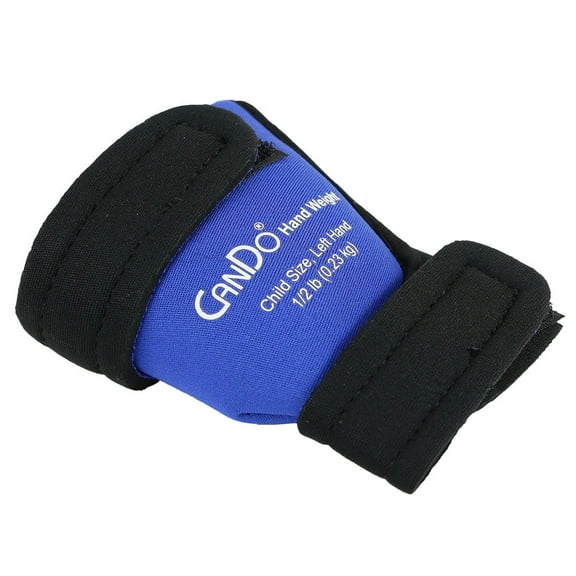




About Adaptive Sports and Fitness Equipment - Walmart.com
Adaptive sports equipment helps you build an active routine with gear that supports real mobility needs. You can compare compatibility, grip options, and activity types before choosing equipment that fits your space and goals.
If you're outfitting a home setup, school program, or community activity area, you need clear guidance. You can use these decision points to narrow choices that match wheelchair use, seated workouts, or standing exercise.
How to choose adaptive sports equipment
When you compare adaptive sports equipment, you should start with mobility support type. You can look for wheelchair-compatible, seated, standing, or hand-cycle options based on how you'll move during activity.
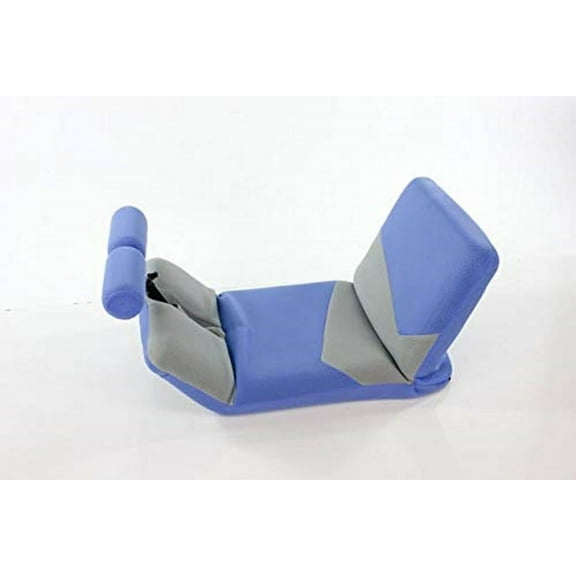
Wheelchair-compatible designs help you check clearance around footrests, armrests, and turning space. Seated options help you stay supported during upper-body work, while standing options fit users who want upright movement.
Hand-cycle styles help you focus on arm-powered cardio and controlled pacing. You can use that format when you want smooth, repeated motion without relying on leg-driven movement.
- You can match mobility support type to wheelchair-compatible, seated, standing, or hand-cycle use.
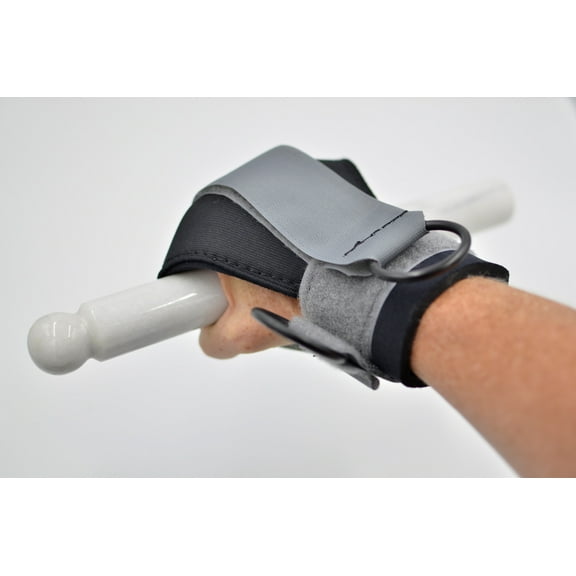
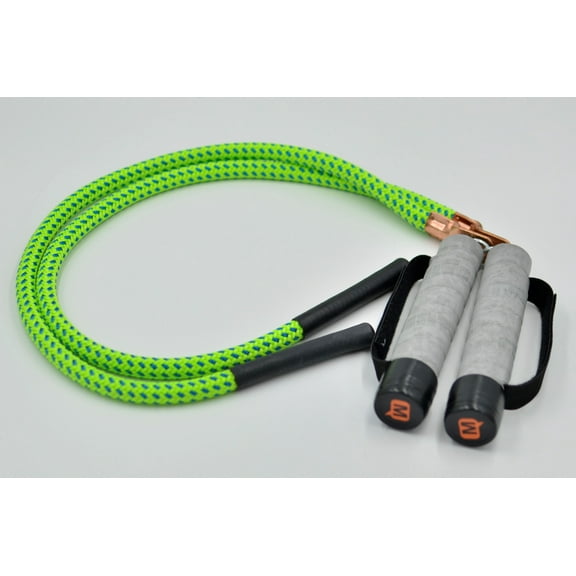
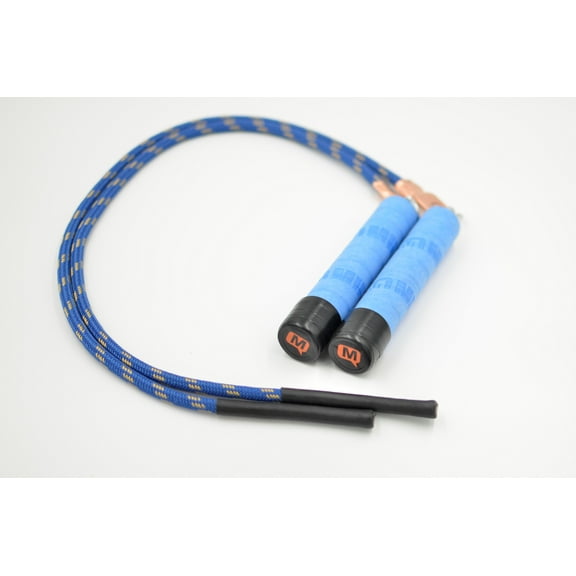
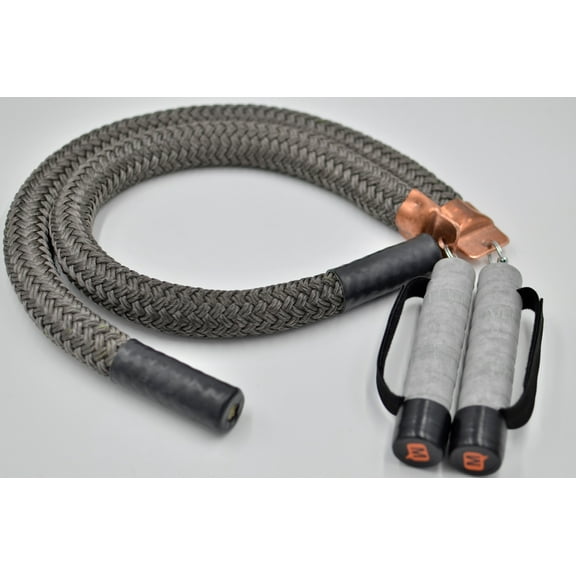
- You can compare grip styles like active hands, strap-on, non-slip, or magnetic attachments.
- You can choose activity types for strength training, cardio, physical education, or team sports.
- You can check whether youth, adult, or senior users need different sizing or adjustment ranges.
Choosing activity type and daily benefits
You should choose activity type based on how and where you'll use the equipment. Strength training setups help you work on controlled resistance, while cardio options support steady movement patterns.
If you're planning for physical education, you may need equipment that handles repeated class use. Team sports gear can help you support passing, catching, rolling, or striking activities in group settings.
At home, you may prefer pieces that fit smaller rooms and store with less effort. In shared spaces, you may want durable frames and simple adjustments that different users can understand quickly.
You can also think about age group before you compare designs too closely. Youth users often need approachable sizing, while adult and senior users may need broader adjustment ranges and easier setup.
What to look for in fit, grip, and adjustment
You should measure your available space and your mobility device before you choose any setup. Clearance dimensions matter because you need enough room for wheels, footplates, transfers, and arm movement.
If you'll use a chair during exercise, you should check approach angle and reach distance. Those details help you place handles, pedals, or resistance points where your arms can move naturally.
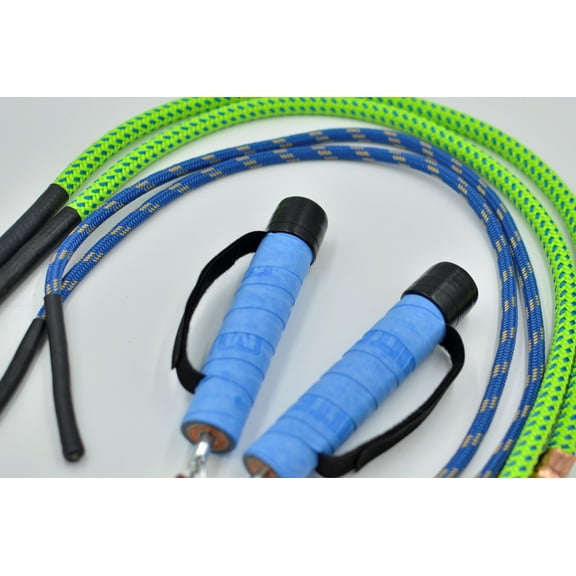
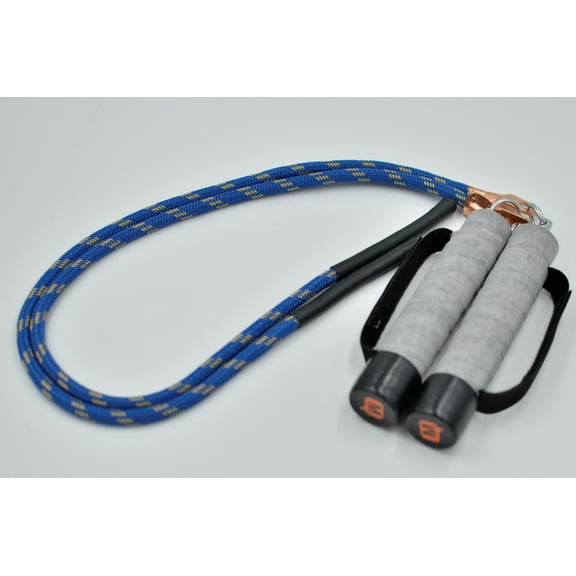
Grip and attachment style also shape how usable your equipment feels each session. Active hands supports can help you maintain contact, while strap-on styles can reduce constant repositioning during repeated movement.
Non-slip surfaces help you keep a steadier hold during pushes, pulls, or lifts. Magnetic attachments can help you connect or release accessories with fewer steps when quick transitions matter.
You should also compare resistance and adjustment options before you commit to one format. Adjustable tension lets you start lighter, then increase difficulty as your routine changes over time.
That flexibility matters when you share equipment across users with different strength levels. It also helps when you want one setup for warmups, skill drills, and more challenging sessions.
Matching adaptive sports equipment to home, school, and program use
If you're building a home area, you may want adaptive sports equipment that fits tighter footprints. Compact formats help you keep pathways open while still supporting regular exercise and skill practice.
For school use, you should look for designs that handle repeated sessions and quick handoffs. Physical education settings often need easy-to-understand adjustments, visible attachment points, and surfaces that clean up simply.
Community programs and recreation spaces may need broader compatibility across different users. You can prioritize adjustable handles, flexible resistance, and stable bases when multiple participants rotate through one station.
If you're planning cardio work, hand-cycle styles can support repetitive arm-powered movement in a controlled format. If you're planning strength work, you may want resistance-based tools that let you change tension quickly.
For team sports activities, you can look for equipment that supports inclusive drills and shared participation. Those options can help you build passing, target practice, rolling games, or coordinated movement sessions.
You can also match grip style to the support each user needs during activity. Strap-on and active hands styles may suit repeated motion, while non-slip and magnetic options may simplify setup changes.
Choosing with confidence for long-term use
You should focus on compatibility, grip support, activity type, and adjustment range before anything else. Those choices help you build a setup that feels usable in daily routines, classes, and organized programs.
When you choose with those details in mind, you get equipment that fits your movement style and space. You can create more consistent participation with gear designed for accessible activity.