

Science & Technology Books in Books


















About Science & Technology Books in Books - Walmart.com
Science and technology books help you explore complex ideas with clear paths for learning, reference, and discovery. You can compare disciplines, reading levels, formats, and publication dates to match your goals.
How to choose science and technology books
When you shop science and technology books, you should first decide whether you want casual reading or structured study. You can narrow your choices faster when you match the book to your purpose.
If you want broad explanations and engaging stories, you may prefer popular science books with approachable language. If you need coursework support, you may prefer science textbooks with chapter exercises and detailed diagrams.
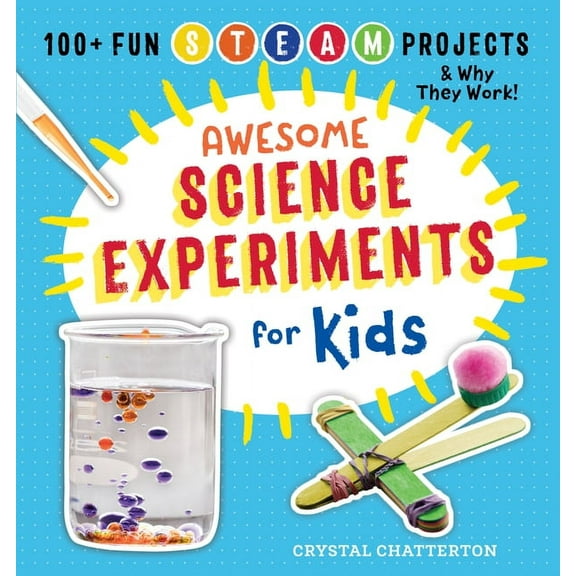
You may also want professional titles when your work calls for technical depth and current methods. If you're choosing for younger readers, you can look for kids science books with visual layouts and simpler vocabulary.
Choosing the right discipline and topic focus
You can start with discipline because subject fit shapes how useful your reading becomes. You may compare physics, chemistry, biology, computer science, and engineering books based on your class, project, or interest.
If you study motion, energy, or equations, you may choose physics or mathematics titles. If you focus on coding, systems, or data, you may choose computer science books or information technology topics.
For lab-based learning, you may look for chemistry and biology titles with charts, terminology, and concept summaries. If you work on design and applied systems, you may compare engineering books and applied science books.
- You can use physics and mathematics books for theory-heavy coursework and problem practice.
- You may choose biology, chemistry, or nature titles when you want visual explanations and topic-based study.
- You can select computer science books and technology books when current tools, software, and systems matter.
- You may pick space and astronomy titles when you want discovery-driven reading with images and timelines.
What to look for in reading level and format
You should compare reading level before you choose a title for study, gifting, or personal interest. You can usually tell the difference by checking chapter depth, terminology, and the amount of explanation.
Popular science books often give you narrative examples, historical context, and accessible language. Academic textbook options usually give you structured chapters, review questions, and terminology you may need for class.
Format also changes how you use your books during reading, note-taking, and storage. You may like paperback for portability, hardcover for repeated reference, spiral bound for desk study, or digital for quick access.
If you annotate often, you may prefer spiral bound or paperback formats that sit open more easily. If you build a home library, you may prefer hardcover editions that display neatly on your shelves.
Comparing publication date for technology books
You should check publication date carefully when you compare technology books and computer science books. You may need current editions when your topic includes programming languages, cybersecurity, cloud tools, or software workflows.
For foundational subjects, you can often use older titles without losing core concepts. You may still want newer editions when examples, interfaces, or standards have changed.
In science categories, publication date matters differently across subjects and goals. You may prioritize recent astronomy discoveries, while you may use established physics principles from earlier editions.
Using science and technology books for real goals
You can match your selection to a classroom assignment, certification path, hobby, or gift list. If you need semester support, you may choose science textbooks by discipline, level, and format.
For casual learning, you may prefer popular science books that explain big ideas without dense coursework. If your work involves coding or systems, you may choose computer science books with current examples and practical references.
You may also build a focused shelf around one theme, such as space and astronomy or nature and ecology. If your interests cross subjects, you can combine engineering books with mathematics and applied science books.
When you buy for a student, you can compare reading level, edition date, and binding style first. When you buy for personal reading, you may focus on topic interest, author approach, and everyday usability.
You can feel confident when your choice matches your subject, reading level, format, and timeline for relevance. Science and technology books reward careful selection with clearer learning and more useful reference on every page.