








Designer Jewelry in Jewelry





About Designer Jewelry in Jewelry - Walmart.com
Designer jewelry helps you finish everyday outfits and occasion looks with polished details that feel intentional. You can compare recognizable labels, metal options, and styling needs in one place.
When you shop this category, you can narrow your choice by jewelry type, material, designer, and occasion. You’ll also find guidance on fit, authenticity details, and care basics that matter for long-term wear.
How to choose designer jewelry by type
You can start with the jewelry type that fits your routine and wardrobe most often. Designer necklaces frame your neckline, while rings, earrings, and bracelets shape how dressed your look feels.
If you wear layered tops or open collars, you may prefer necklace lengths that sit at the collarbone or below. If you want quick polish, you can choose earrings that add shine without changing your whole outfit.
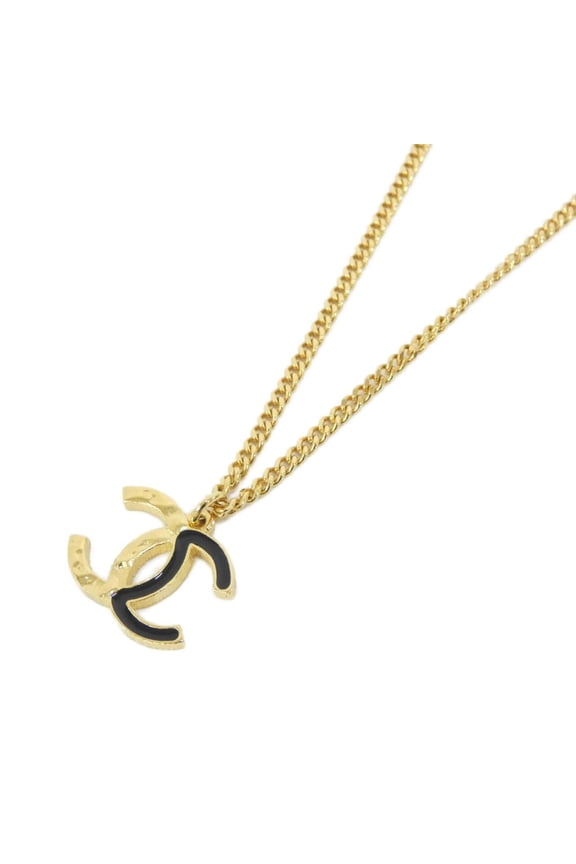
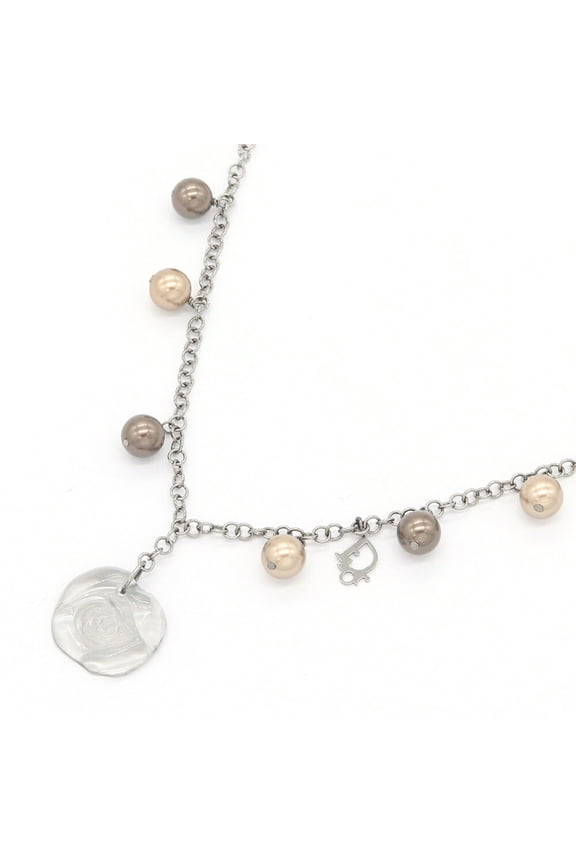
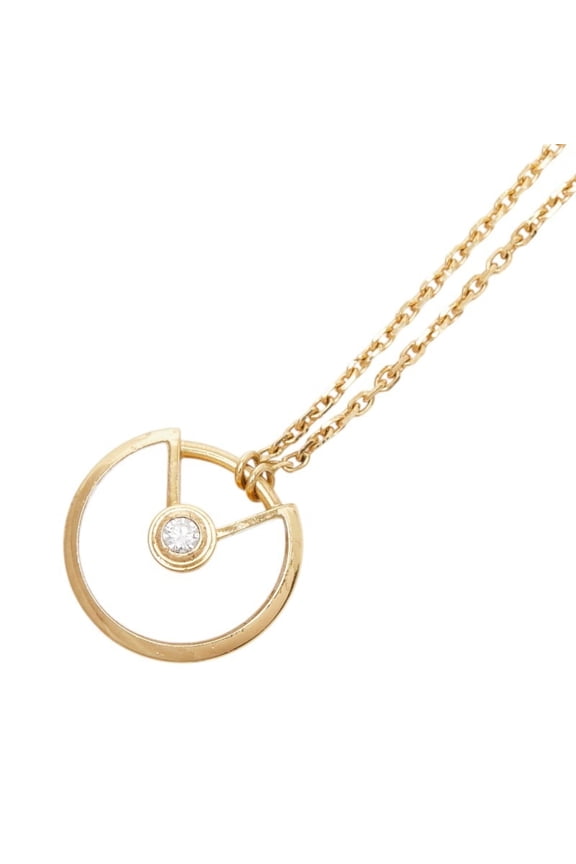
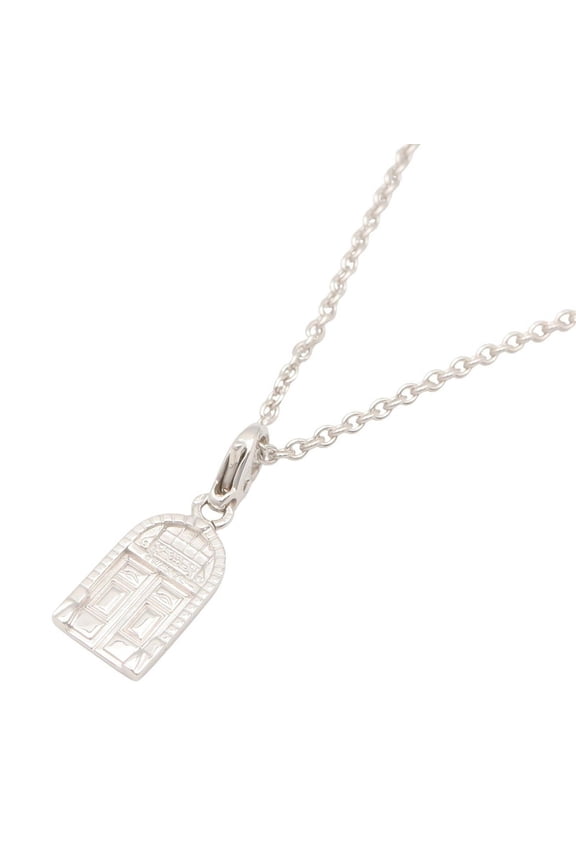
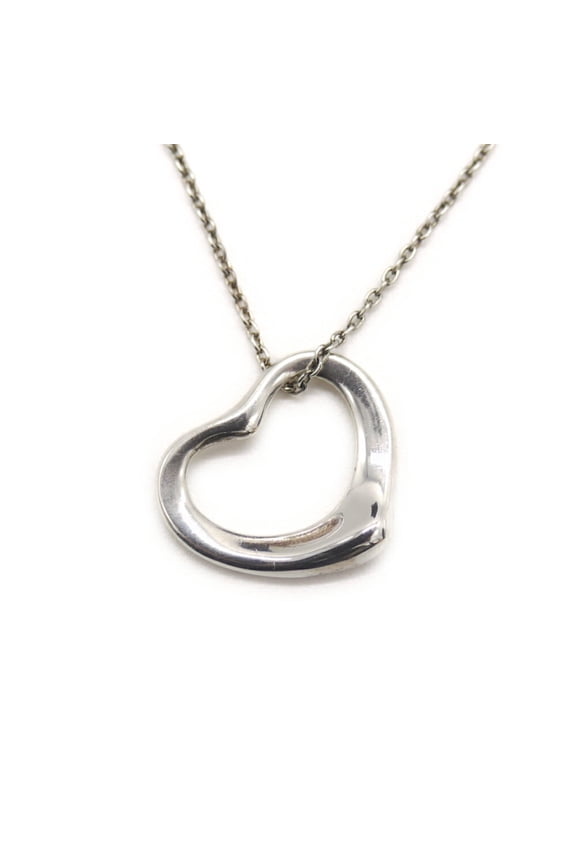
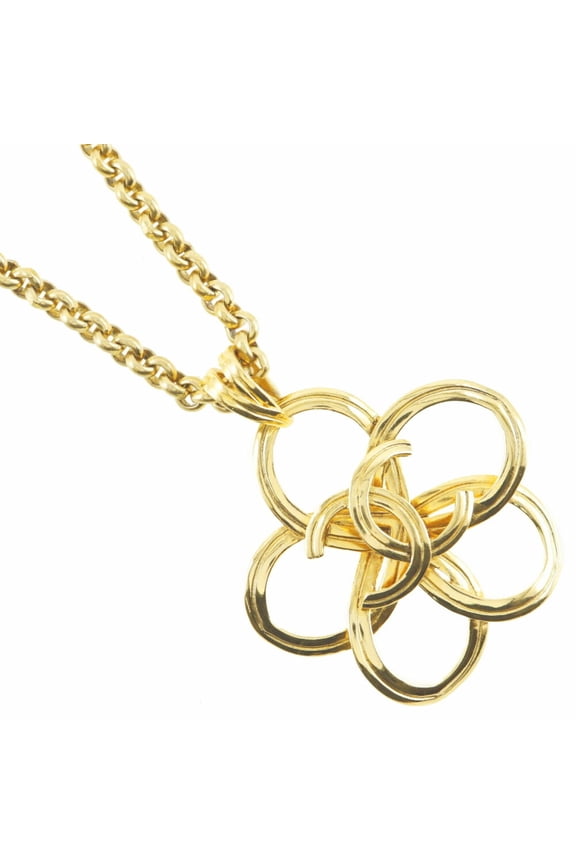
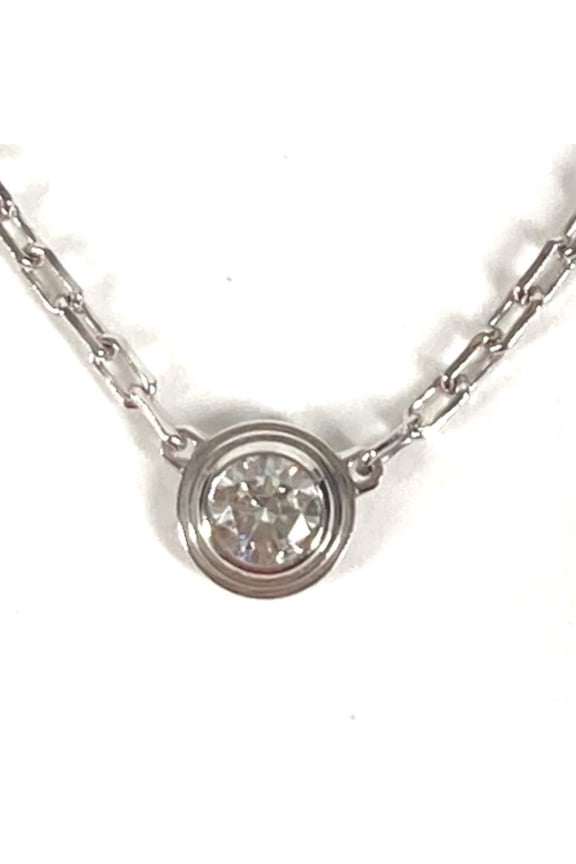
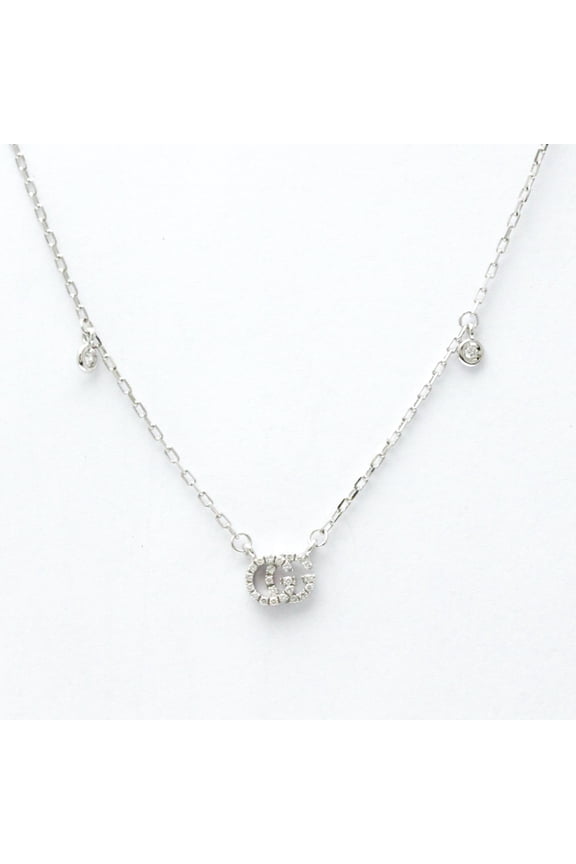
- You can use designer necklaces to highlight necklines, pendants, and layered styling.
- You can pick designer earrings for workdays, evenings out, or simple daily wear.
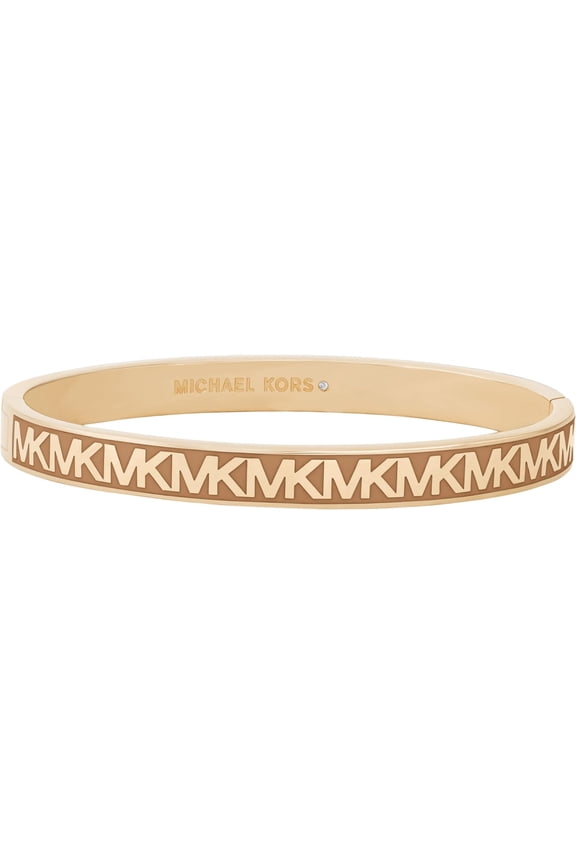
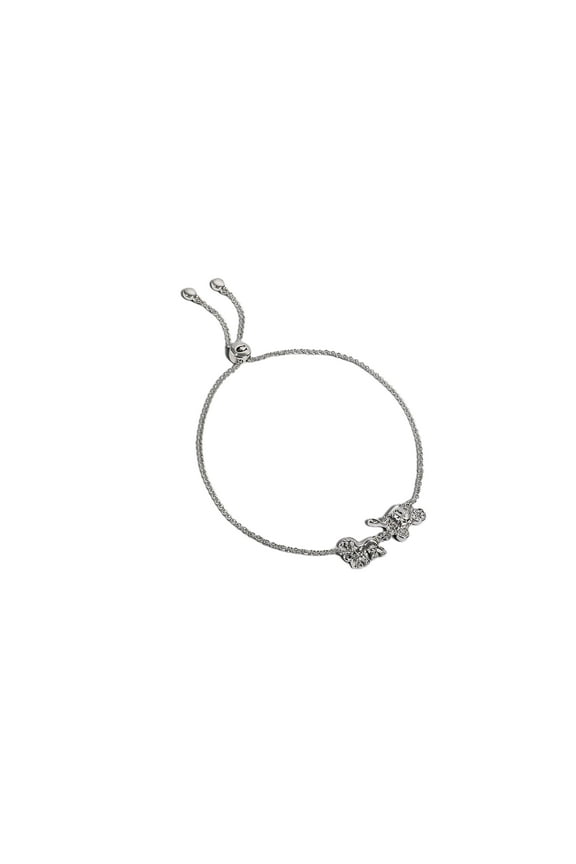
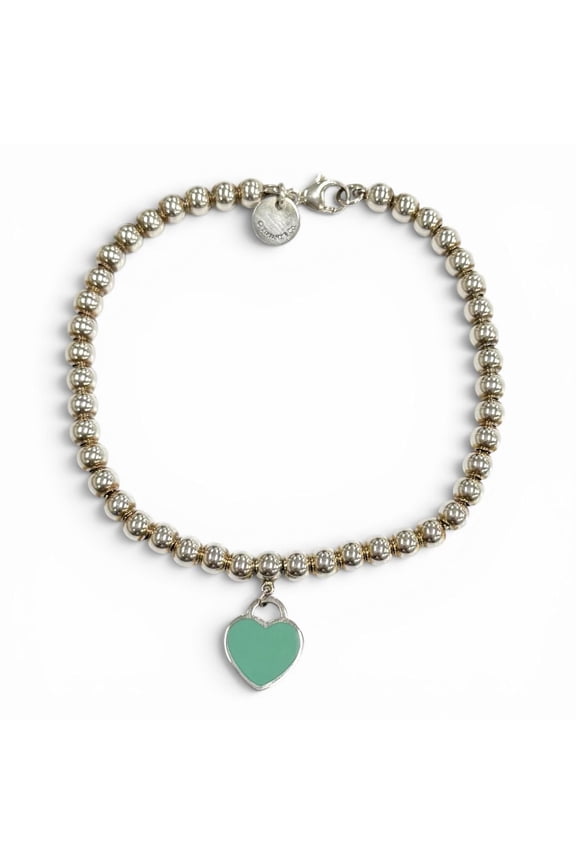
- You can choose designer bracelets when you want wrist detail that pairs with watches or sleeves.
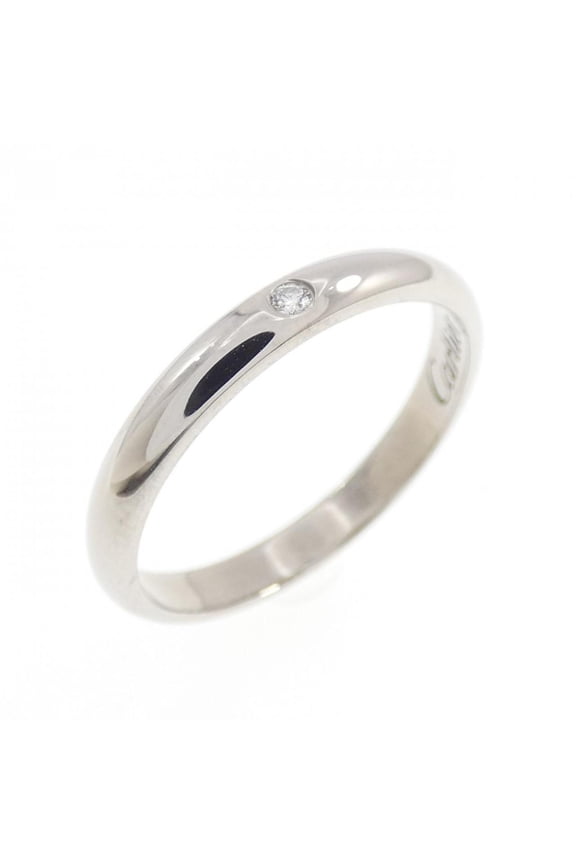
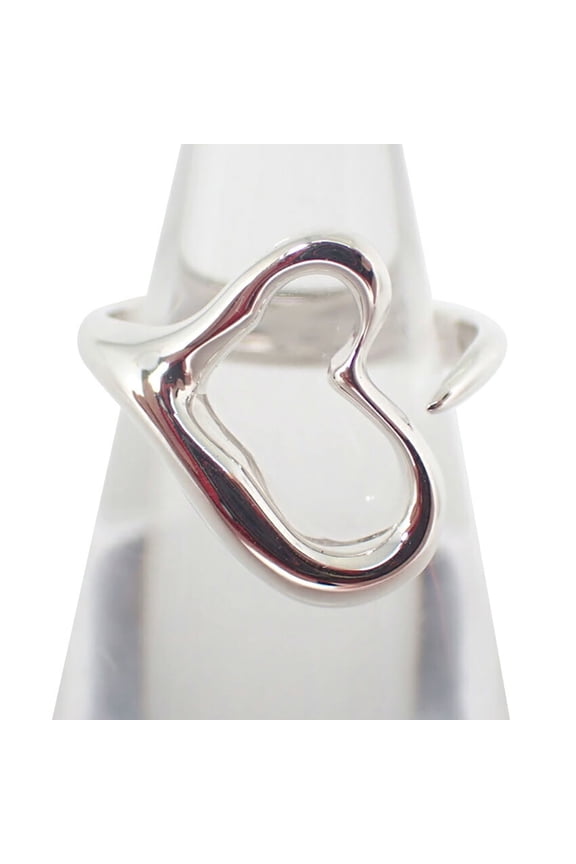
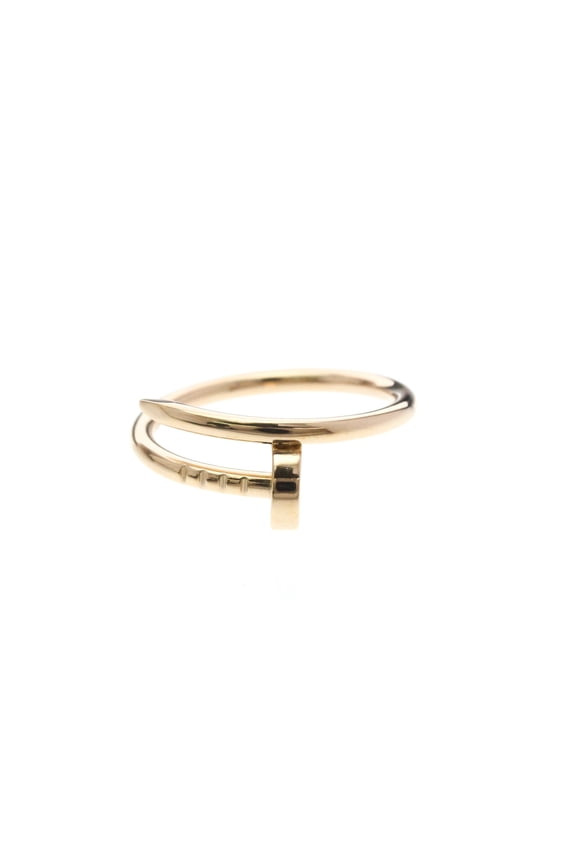
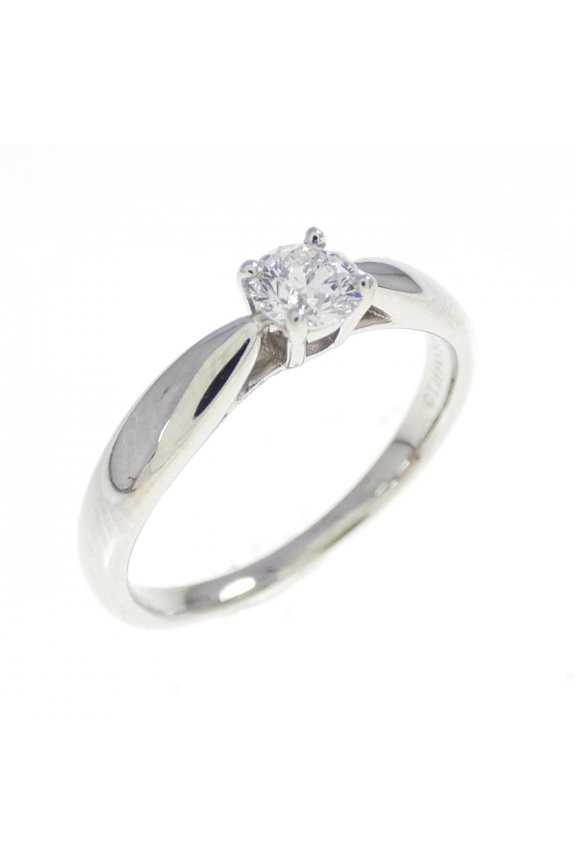
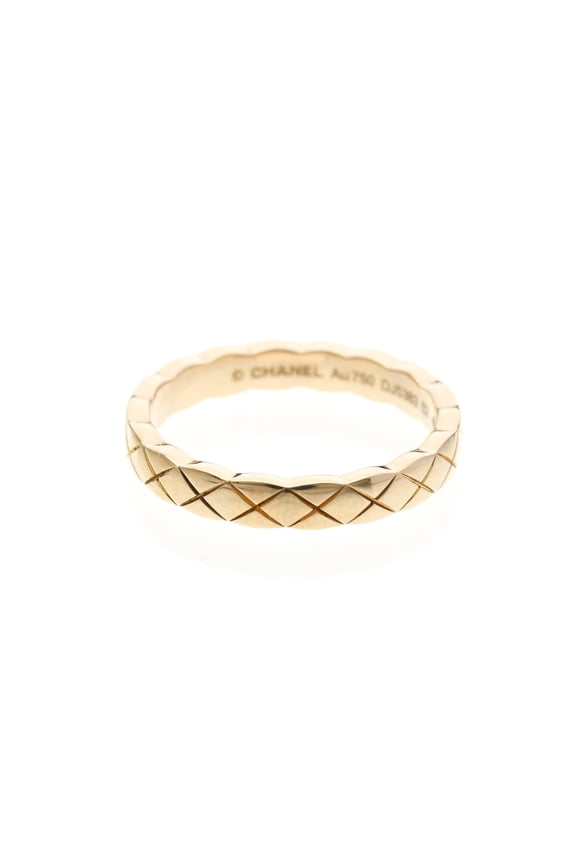
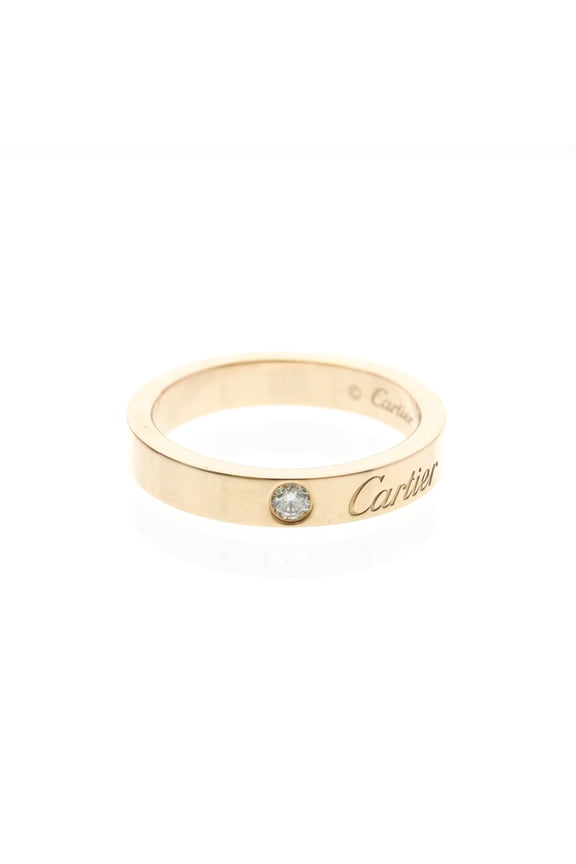
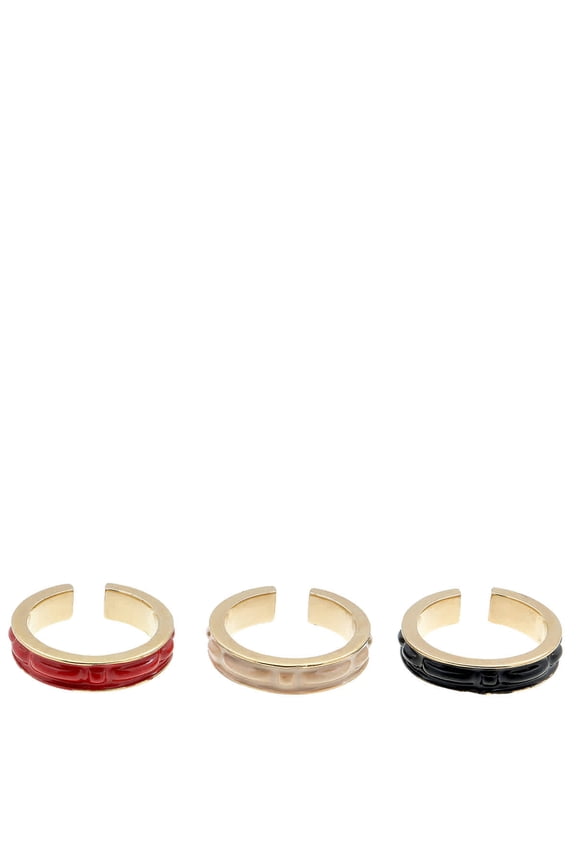
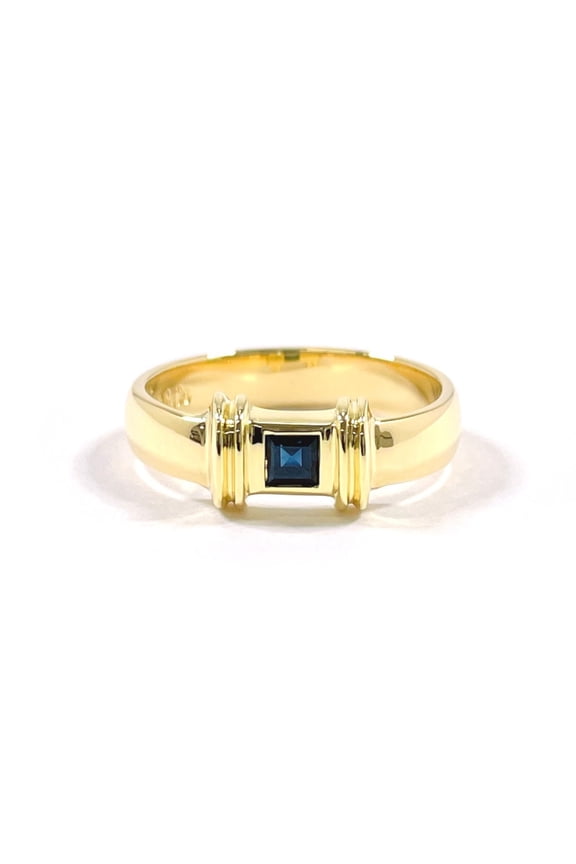
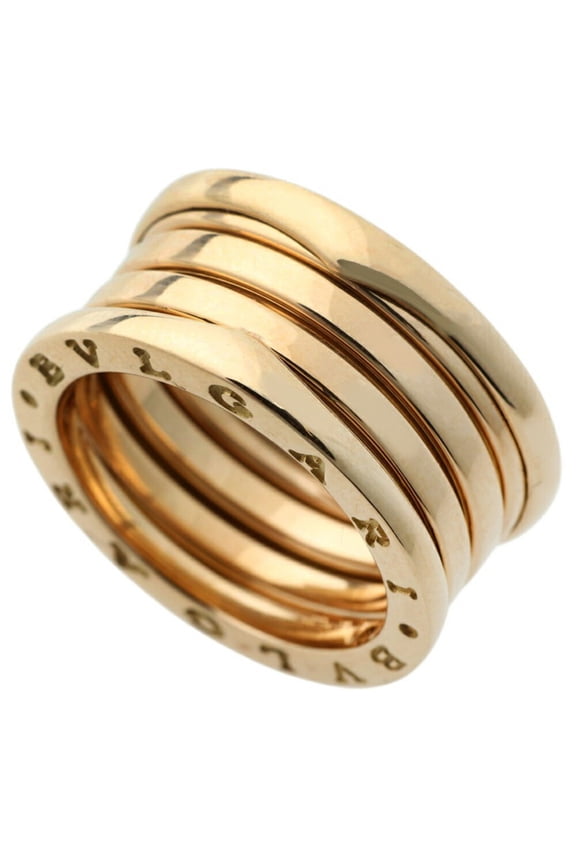
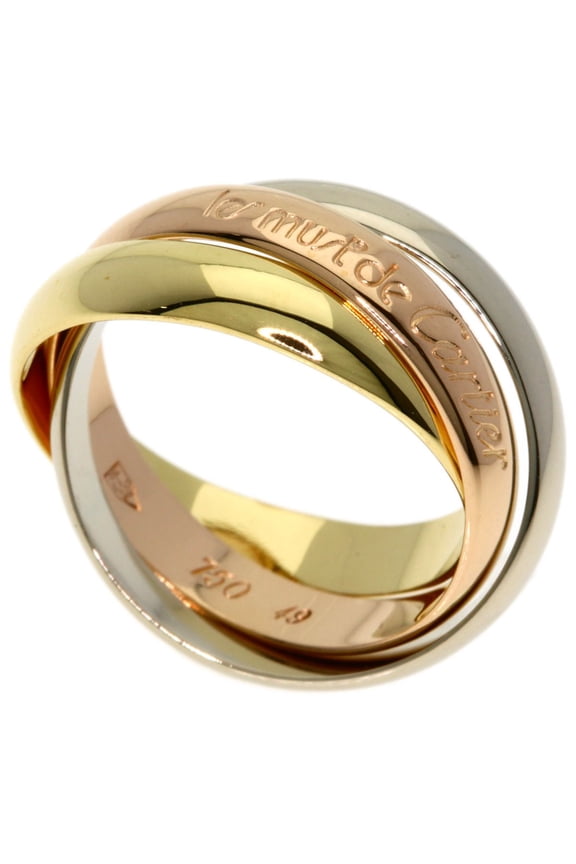
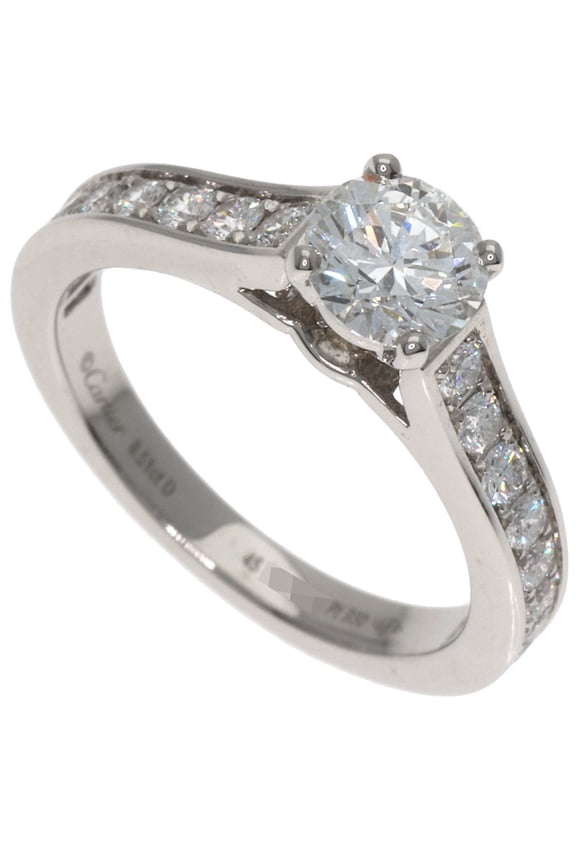
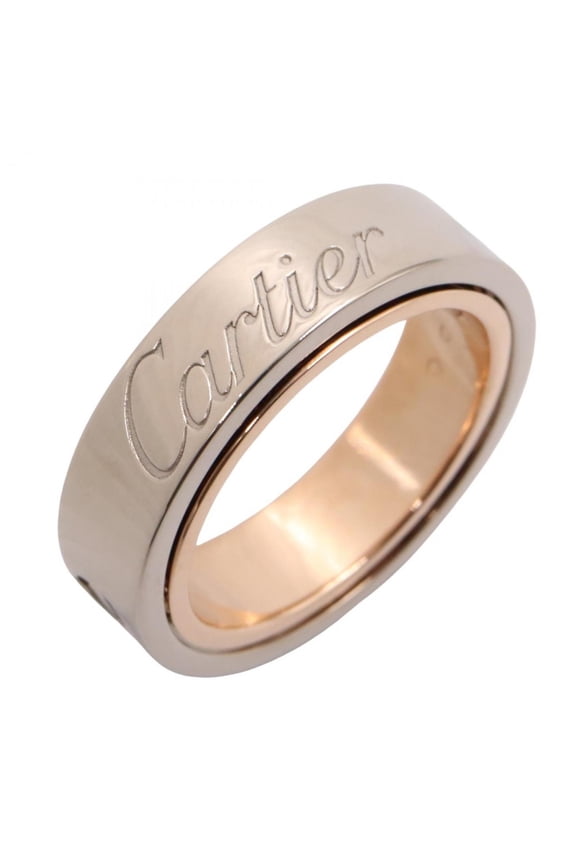
- You can select rings when you want a focused accent with a more personal fit.
For everyday wear, you may lean toward smaller hoops, studs, slim chains, or stackable bracelets. For statement dressing, you can look for larger silhouettes, logo details, or bold mixed-metal shapes.
What to look for in designer necklaces, earrings, and bracelets
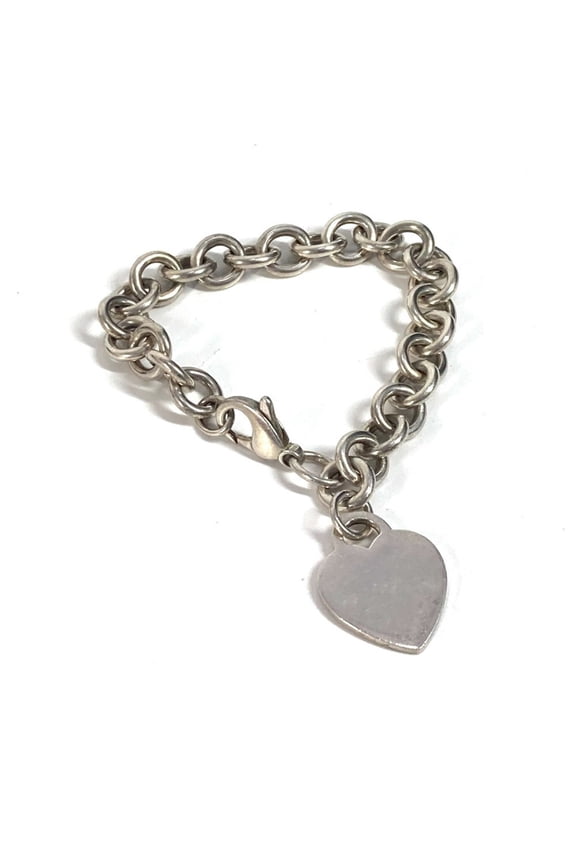
You can compare fine designer jewelry and designer fashion jewelry by material, finish, and intended wear. Sterling silver, 14k gold, gold-plated styles, and brass each give you a different balance of look and upkeep.
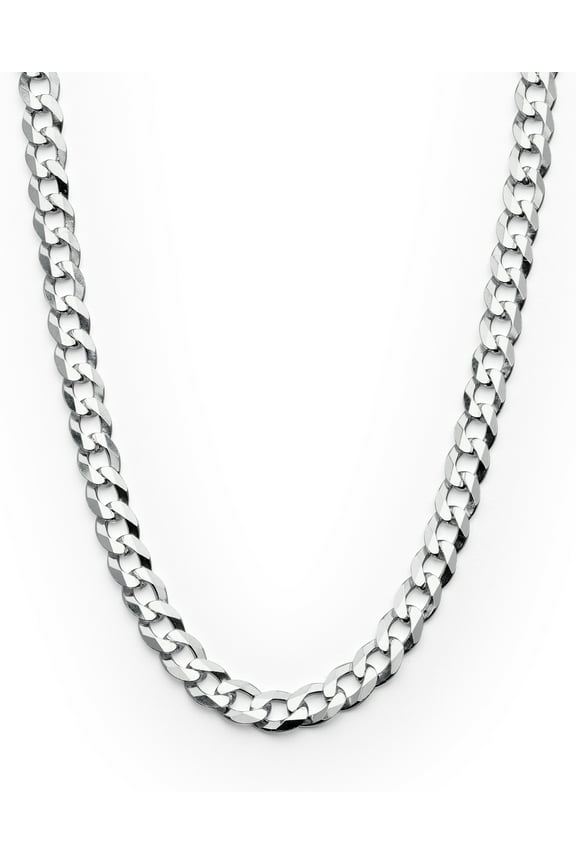
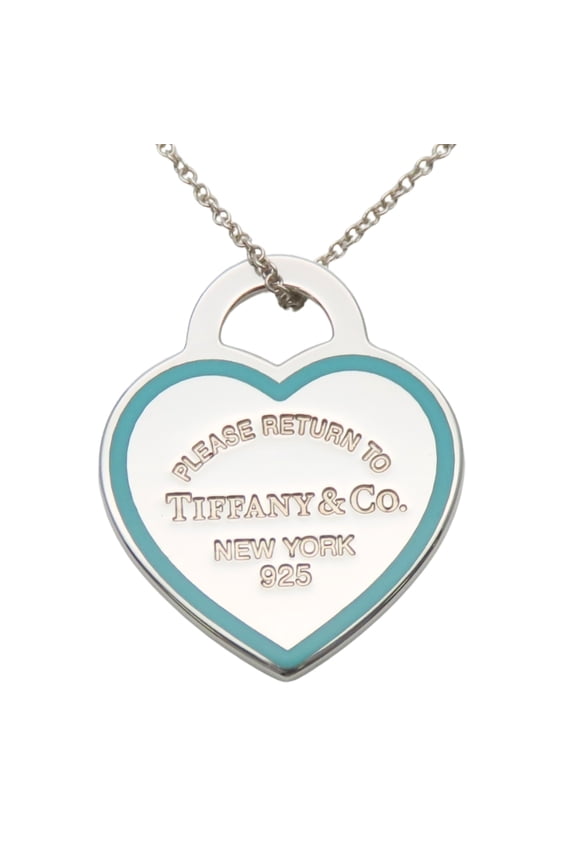
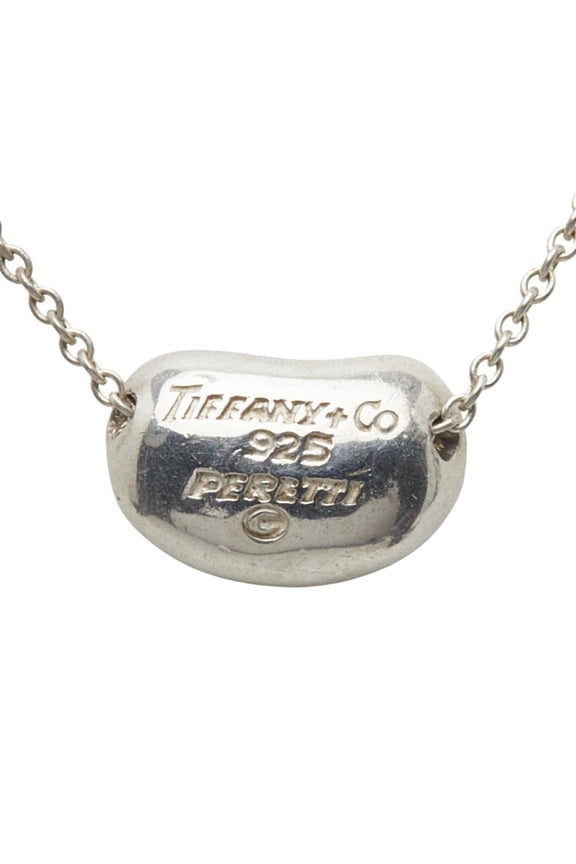
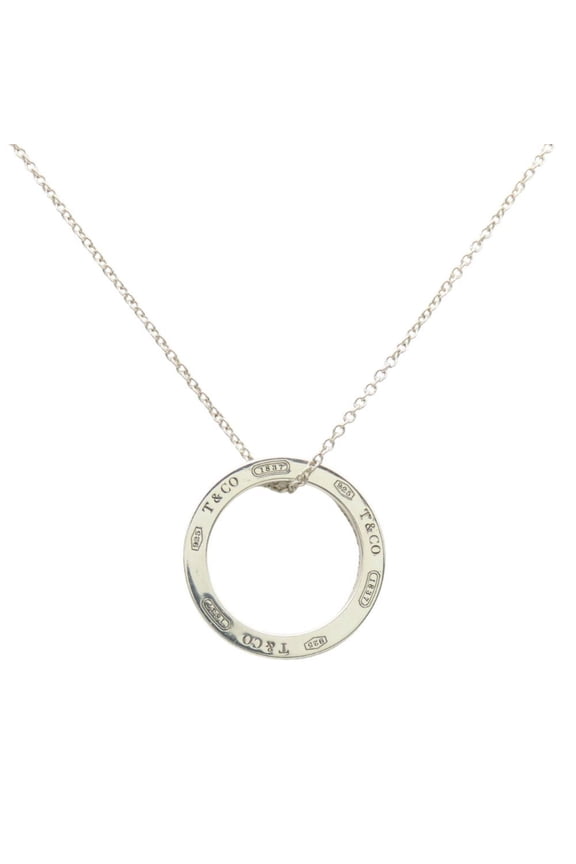
If you want clear metal information, you can check for stampings like .925 on sterling silver pieces. That mark helps you identify silver content in plain, practical terms.
You may also compare how each metal feels against your skin and how often you plan to wear it. If your skin feels selective, you can look closely at material listings before choosing daily pieces.
Gold-plated and brass styles can give you a fashion-forward look with noticeable shine and color. Solid precious metal pieces can suit frequent wear when you want a more classic jewelry wardrobe.
Choosing a designer and checking authenticity details
When you compare labels, you can focus on the design language that matches your style. Some designers lean polished and minimal, while others give you logo-forward, playful, or structured details.
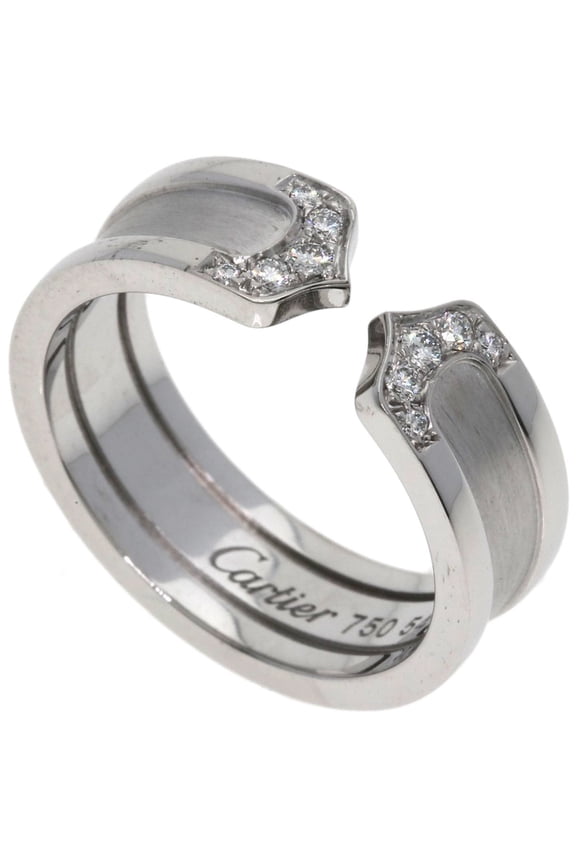
You can also check authenticity markers that support confident browsing. Depending on the piece, you may look for branded packaging, serial numbers, certification details, or signature hardware elements.
If you’re buying a gift, you can compare brand personality as closely as material and shape. A minimalist wearer may want clean metal lines, while a bold dresser may prefer charms, emblems, or larger stones.
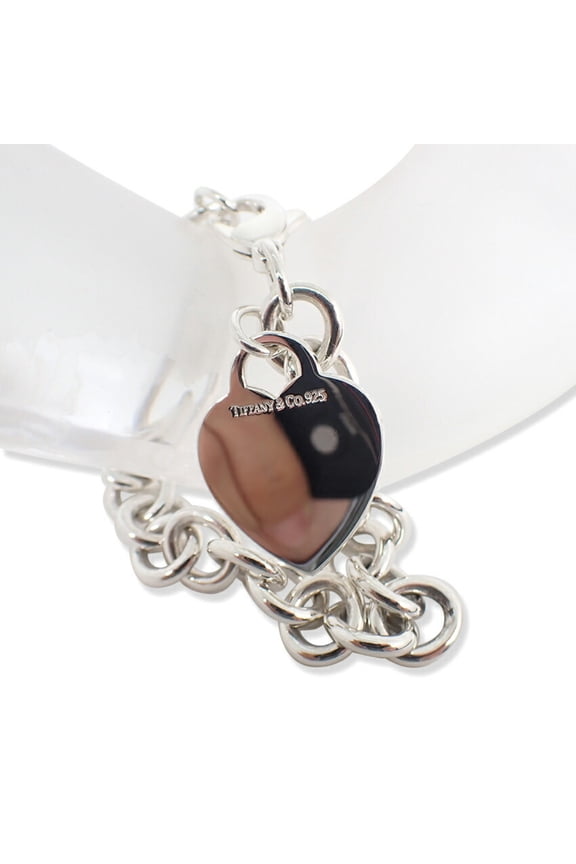
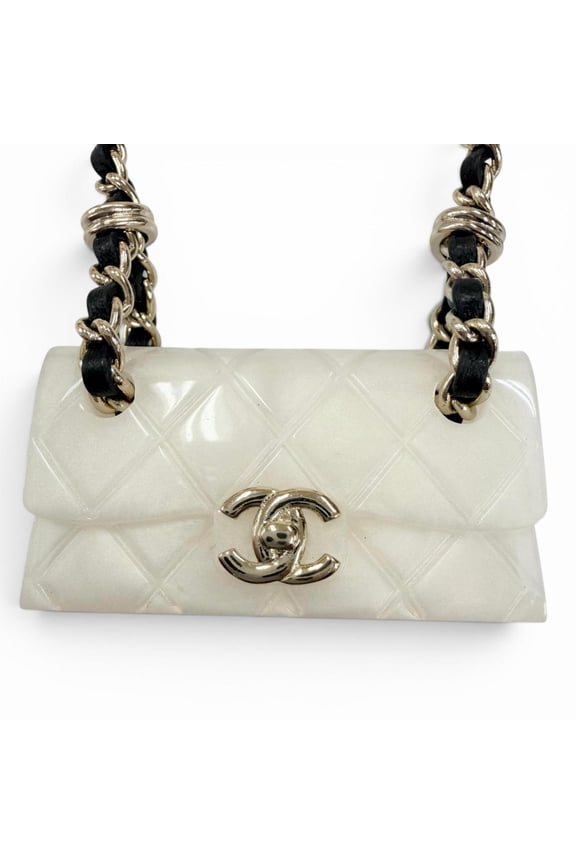
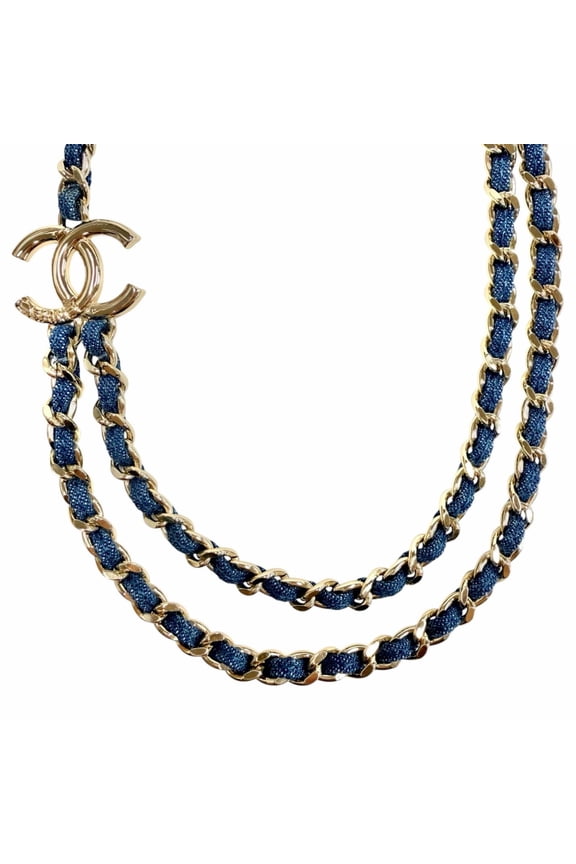
Because this is designer jewelry, you’ll often notice details that differ from generic accessories. You can compare clasps, logo placement, metal finish consistency, and hallmark markings with more intention.
How material, sizing, and style affect your choice
You can use size and proportion to narrow options before you choose a favorite finish. Necklace lengths change how pendants sit, bracelet diameters affect comfort, and ring sizes need a more exact fit.
For a visual guide, you can think of short necklaces as sitting near the collarbone and longer chains falling lower on the chest. That simple check helps you match jewelry to necklines and layering plans.
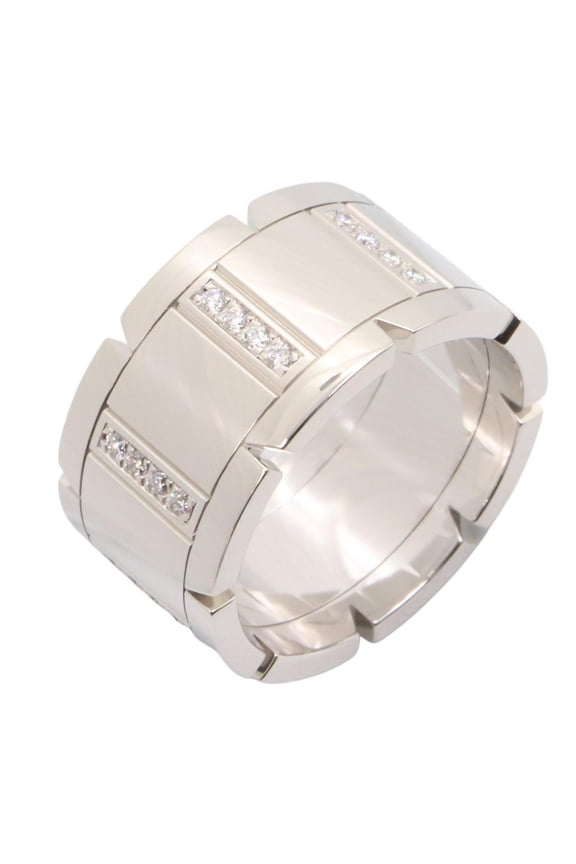
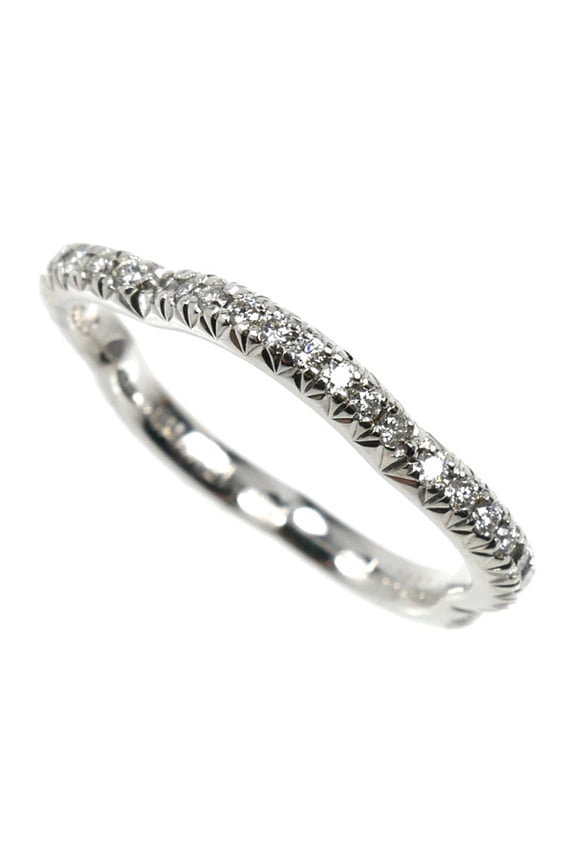
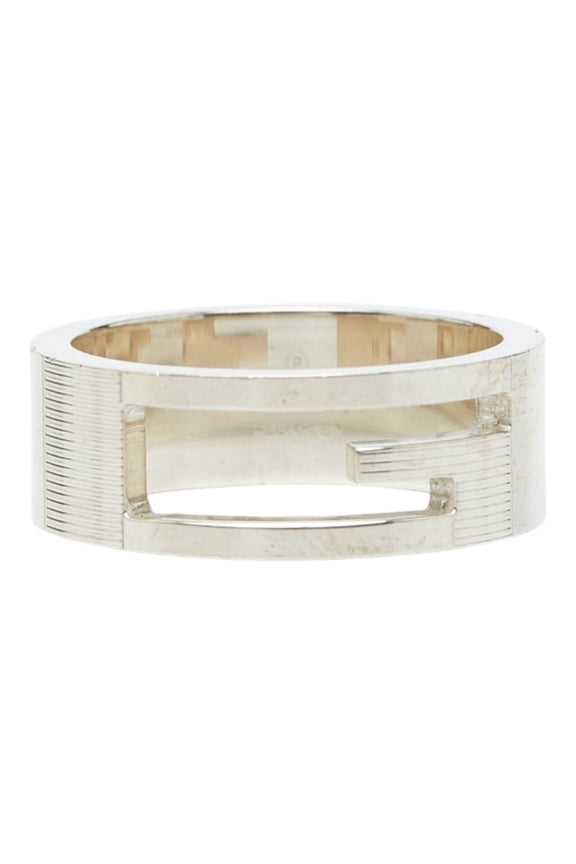
With bracelets, you can compare snug fits against looser drapes depending on your sleeve style. With rings, you should check size charts carefully, especially when bands look wide or heavily detailed.
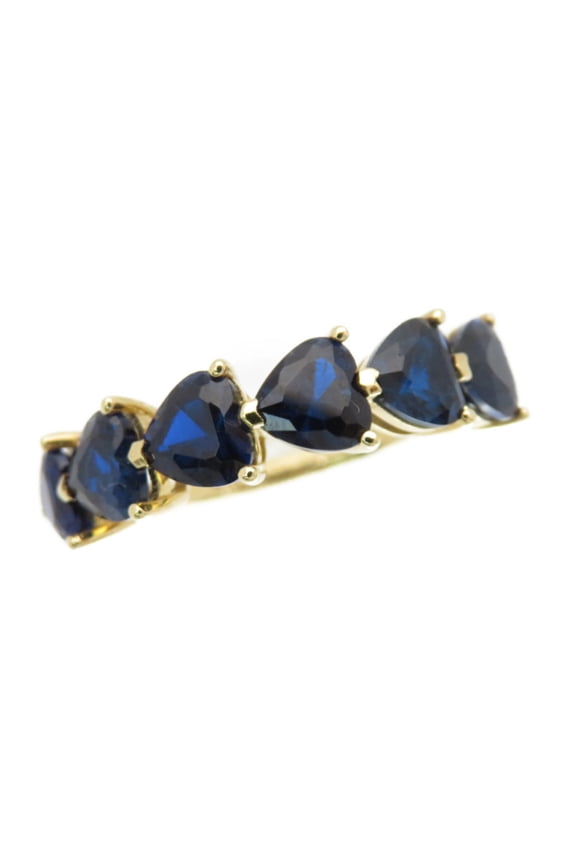
You can also match occasion and style before narrowing by metal. Designer fashion jewelry may suit trend-led outfits, while refined metal designs may fit bridal events, office wear, or understated daily looks.
How to care for designer jewelry
You can keep your pieces looking polished by storing them separately and wiping them after wear. Simple care helps finishes stay brighter and helps details remain easier to appreciate.
For sterling silver, you can use a soft cloth and dry storage to reduce tarnish over time. For plated styles, you can handle clasps gently and avoid rough contact that can wear the finish.
If your jewelry includes chains, charms, or stones, you can check closures before storing each piece. That small habit helps you keep pairs together and keeps delicate shapes from tangling.
When you choose designer jewelry with the right type, material, fit, and care routine, you get pieces that work harder in your wardrobe. You can build a collection that feels polished for everyday wear, events, and gifting.