





Arts and Crafts Supplies | Fabric, Paint & More




























About Arts and Crafts Supplies | Fabric, Paint & More - Walmart.com
Your arts and crafts storage furniture should help you sort supplies, protect materials, and keep your workspace ready for every project. You can compare cabinets, carts, tables, desks, and shelving units to match your room size, storage needs, and crafting routine.
How to choose arts and crafts storage furniture
When you compare arts and crafts storage furniture, you should start with capacity and footprint. You can fit more supplies without crowding your room when you match drawer depth, shelf width, and overall height to your space.
If you work with paper, vinyl, thread, or paint, you should look for storage shapes that fit those items well. You can keep cardstock flatter in shallow drawers, while taller compartments hold cutting machines, bins, and stacked fabric.
Another key choice involves how often you rearrange your setup. You can pick stationary pieces for a dedicated craft room, or choose rolling options when you need flexible layouts.
Choosing between cabinets, carts, tables, desks, and shelving
A craft storage cabinet works well when you want enclosed storage and a tidier look. You can use doors and interior shelves to separate paint bottles, sewing tools, and boxed supplies from your main work surface.
A scrapbook storage cart makes sense when you move tools between rooms or projects. You can roll paper, punches, adhesives, and albums closer to your chair, then tuck the cart away afterward.
A craft table with storage gives you workspace and organization in one footprint. You can spread out cutting mats, sketchbooks, or sewing patterns on top while keeping tools underneath.
- You can use cabinets for enclosed storage and vertical organization.
- You can choose carts when you need mobility and quick access.
- You can pick tables or desks when your projects need a stable surface.
- You can add shelving units when you want bins, jars, and display storage in view.
If you sew often, you may prefer a sewing table with drawers for notions and tools. You can sort scissors, bobbins, patterns, and measuring tools into separate spaces that stay easy to reach.
What to look for in mobility, materials, and build details
Mobility changes how your furniture works day to day. You should check whether rolling casters lock securely, whether stackable units align cleanly, and whether stationary frames fit your long-term layout.
Material also affects how your setup feels and functions. You can choose wood for a warm furniture look, metal for a more industrial workspace, plastic for lightweight organization, or fabric drawers for softer storage.
Assembly details matter when you want your storage to feel steady once loaded. You should compare hardware type, panel thickness, and frame design, because those features influence how firmly drawers and shelves stay aligned.
Drawer weight capacity deserves special attention when you store punches, paint sets, or machines. You can avoid crowded, sagging drawers when you check supported load limits before choosing your layout.
Shelf spacing also helps you plan your supplies with less trial and error. You should measure taller bottles, cutting tools, and storage boxes so your furniture supports how you actually craft.
Matching craft room furniture to your hobby
Your hobby can shape which storage details matter most. You can compare specialty layouts for sewing, scrapbooking, painting, or general storage instead of relying on a one-size setup.
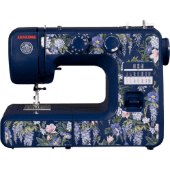
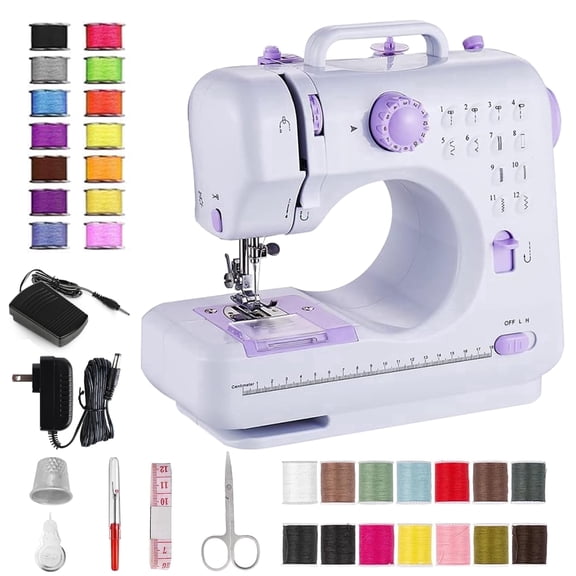
For sewing, you may want a sewing table with drawers, lower shelves, or side storage for folded fabric. You can keep thread, presser feet, patterns, and trim together while leaving room for your machine.
For scrapbooking, flat storage helps protect paper edges and sticker sheets. You can use a scrapbook storage cart or shallow drawers to separate cardstock colors, albums, embellishments, and tools.
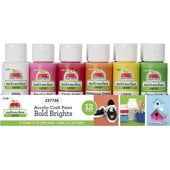
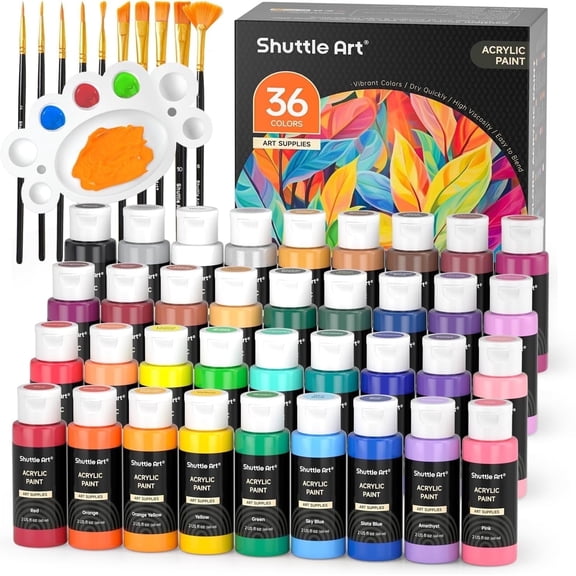
For painting, you may need open access to brushes, palettes, bottles, and drying supplies. You can use an art supply storage organizer with divided drawers, shelves, or bins that help sort by size and type.
If you work across several hobbies, modular craft room furniture can simplify your setup. You can combine a table, cabinet, and shelving unit to separate active tools from backup supplies and seasonal kits.
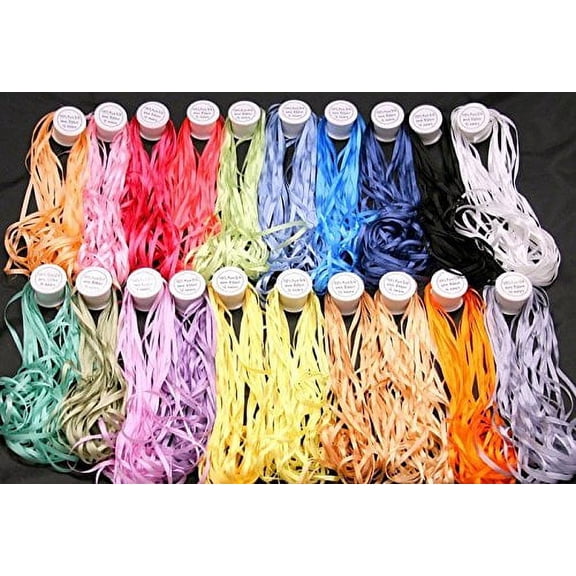
Holiday craft storage can also benefit from clear categories and movable pieces. You can keep ribbon, gift tags, ornaments, and wrapping tools grouped together, then roll or stack them when the season ends.
Using size, assembly, and storage style as decision criteria
You should measure your wall space, walking clearance, and chair movement before choosing larger pieces. You can prevent crowded corners when you compare furniture width and depth against your actual room footprint.
Assembly can vary based on frame style, hardware, and drawer count. You should consider how many parts you want to handle, and whether your room allows space to build and place the piece easily.
Open storage keeps supplies visible, while closed storage reduces visual clutter. You can mix both styles to keep daily tools close and keep backup materials sorted behind doors or inside drawers.
When you compare these details carefully, your setup becomes easier to maintain between projects. You can create a workspace that supports sewing, painting, paper crafts, and everyday organizing with less reshuffling.
Your ideal setup depends on how you craft, how much you store, and how often you move things. You can choose furniture that fits your room and keeps every project within comfortable reach.