

Wood Blinds in Blinds













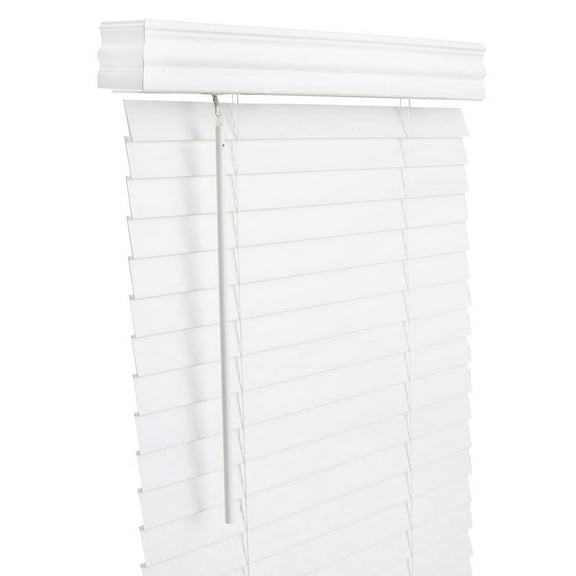


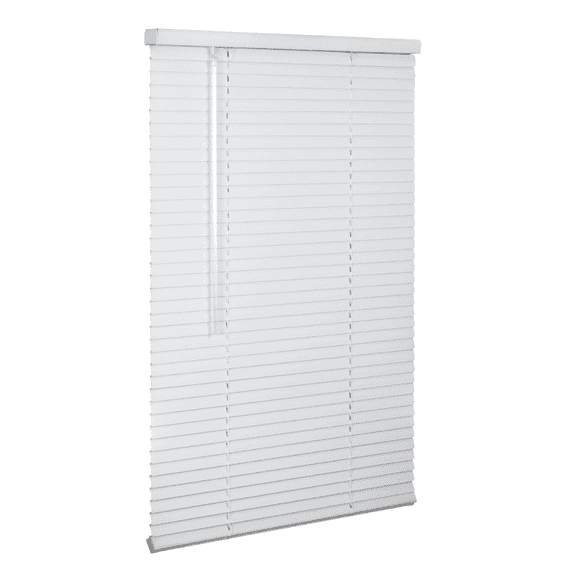
About Wood Blinds in Blinds - Walmart.com
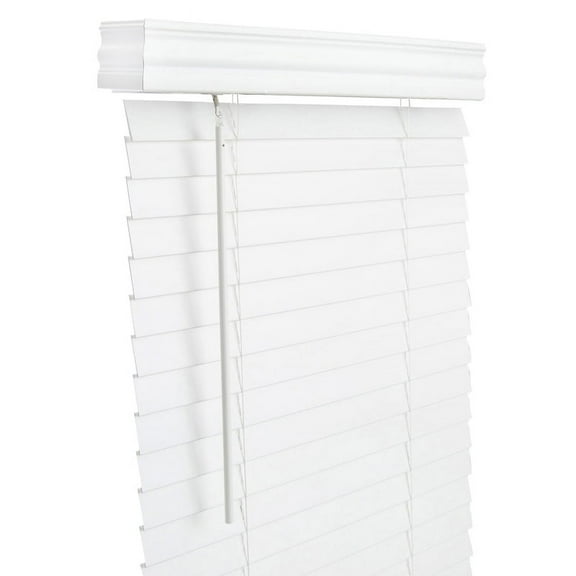
Wooden blinds bring natural warmth and crisp light control to busy rooms, and Walmart makes sizing and styling simple. Choose real wood slats for a finished look that pairs well with floors, trim, and furniture. Many options include matching valances, so the headrail looks clean from every angle.
Pick cordless or wand control styles that feel easy for daily use. When you want window coverage that looks tailored, wood fits right in.
Why wooden blinds work for everyday rooms
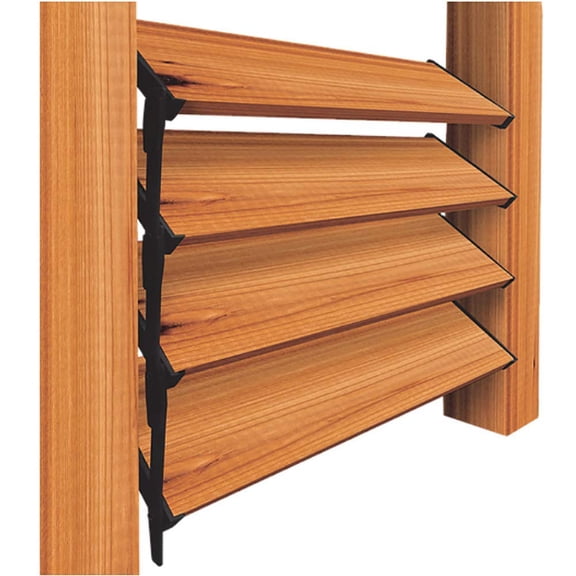
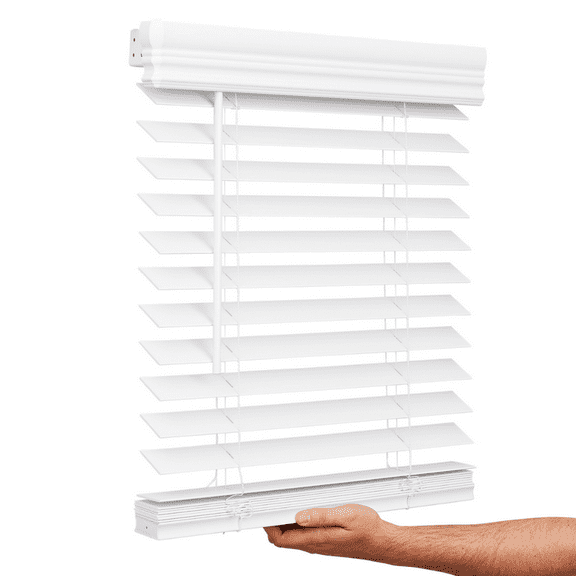
Wood slats tilt precisely, so you can shift from bright daylight to soft privacy in seconds. That control feels useful in street-facing spaces and sunny living areas. The stacked profile stays compact when raised, keeping your view open when you want it.
Real wood also adds texture that reads intentional, even in simple rooms. Living room wooden blinds help reduce screen glare during movies and afternoon lounging. In dining spaces, they frame the window without looking bulky beside a table.
Bedrooms benefit from tighter light management when you angle slats upward. Home offices feel more finished when the window treatment matches wood desks or shelving.
- Dial in sunlight with smooth tilt control, from full brightness to filtered light.
- Create a cohesive look by coordinating stain tones with trim, flooring, or furniture.
- Keep sightlines open with a compact stack height when the blinds are fully raised.
- Refresh the room fast with a clean-lined valance that hides the headrail.
Wood blinds also layer well with curtains when you want softness plus structure. Add side panels for color while keeping the slats as your daily light tool. That layered approach works in open living rooms with multiple windows.
It also helps larger windows feel balanced without heavy drapery.
Key features to compare before you choose
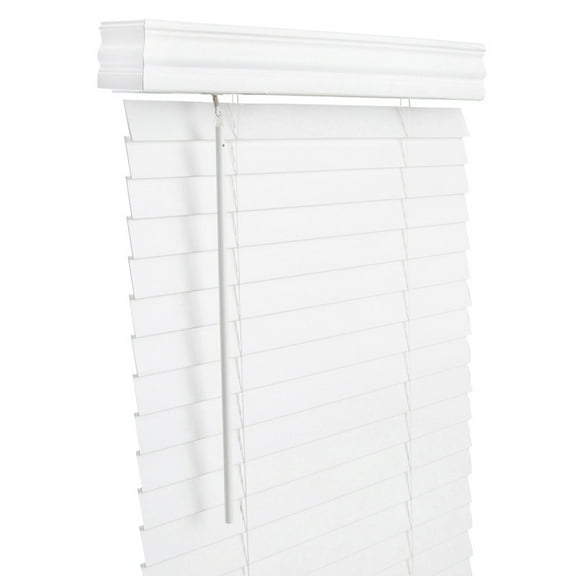
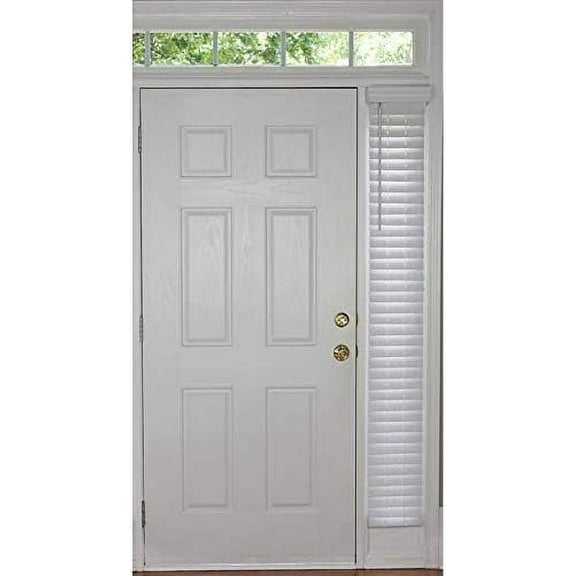
Start with slat size, because it changes both the look and the view. Two-inch slats are common for a classic profile and simple cleaning. Smaller options are what shoppers often call wooden mini blinds and suit tighter frames.
Wider slats can feel more contemporary and show more view between tilts. Pay attention to lift style, since it affects daily convenience. Cordless lift gives a streamlined front and quick height changes.
Cord lift can allow fine adjustments with familiar handling. Wand tilt versus cord tilt changes how quickly you rotate slats for privacy. Finish and color matter, but so does sheen.
A matte or low-sheen stain can hide fingerprints and blend with rustic decor. A brighter painted finish can match trim for a built-in look. If your space has mixed metals, choose neutral tones that won’t compete.
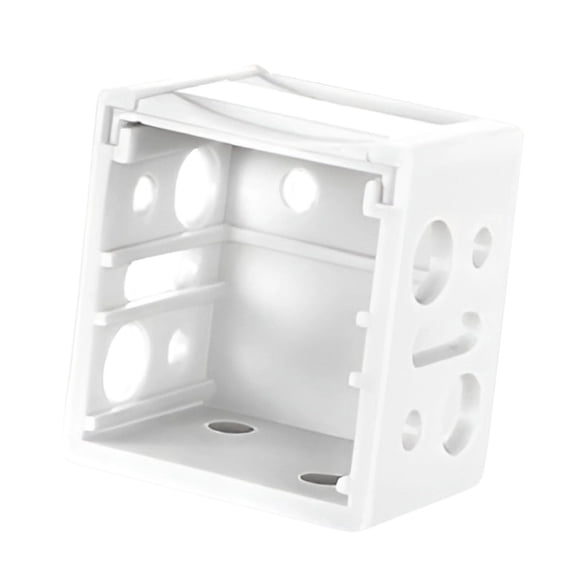
For a cohesive set, match undertones to your floors. Check the headrail and valance details for a more tailored install. A decorative valance can cover hardware and create a furniture-like edge.
Some sets include returns that wrap the valance to the wall. That helps the window look finished from side angles. It’s a small detail with a big visual payoff.
Measuring for wooden blinds for windows
Accurate measuring is what makes wood window blinds look custom. Decide first if you want an inside mount or an outside mount. Inside mount sits within the window frame for a clean, built-in appearance.
Outside mount can cover more area and create a larger visual window. For inside mount, measure width in three spots and use the smallest number. Measure height in three spots and use the largest number for coverage.
Confirm your frame depth so the headrail fits without sticking out too far. If the frame lacks depth, consider an outside mount for a more even look. For outside mount, measure the area you want covered, not just the glass.
Add extra width on both sides to reduce light gaps. Add extra height above the frame if you want the stack to sit higher. That approach can make windows look taller in living spaces.
Where wooden blinds fit in your home
In living rooms, wood slats help manage changing light throughout the day. Tilt them to keep the room bright while limiting direct sun on screens. Raise them during evening gatherings to open the view.
Pair them with neutral curtains for softness without losing control. In kitchens and breakfast nooks, wood tones can echo cabinets or open shelving. Choose a finish that coordinates with countertops for a pulled-together look.
If you like a minimal style, stick to simple valances and clean edges. That keeps the window treatment from overpowering the space. In bedrooms, wood blinds create a calm look that works with layered bedding.
Angle slats upward for privacy while still letting in gentle morning light. Use blackout curtains over them when you want more light blocking. The combination feels polished and flexible.
In offices, wooden blinds help reduce glare without darkening the whole room. Set the tilt for even, indirect light across your desk. Match stains to shelves to make the room feel planned.
That small coordination can make video calls look more put-together.
Care and upkeep for real wood slats
Routine care keeps the finish looking consistent over time. Use a soft duster or microfiber cloth to lift dust from each slat. Close the blinds, wipe, then reverse the slats and repeat.
A vacuum brush attachment can also work for quick weekly touchups. For deeper cleaning, use a lightly damp cloth and dry right after. Keep moisture minimal to maintain the finish and shape.
Focus on the cord area and bottom rail where dust collects. Regular, light maintenance usually keeps them looking crisp.
Confidence for your next install
Wooden blinds deliver structured style, precise light control, and a room-finished look that reads intentional. With the right measurements and slat size, they sit neatly and operate smoothly. Choose tones that match your space, then enjoy easy tilting for daily comfort.
The result is window coverage that looks tailored and stays practical.