


Find tires that fit
Let’s search for tires that fit your vehicle.Snow Tires & Cold Weather Traction
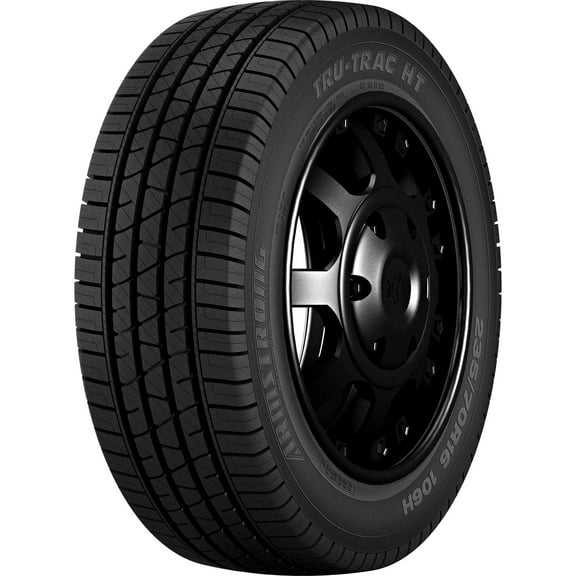

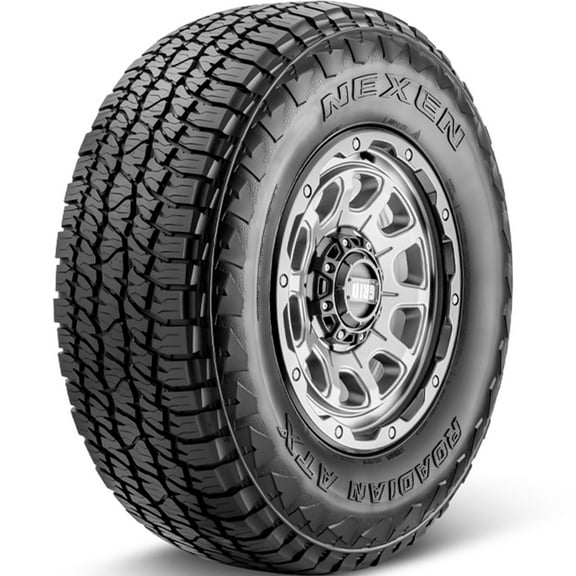
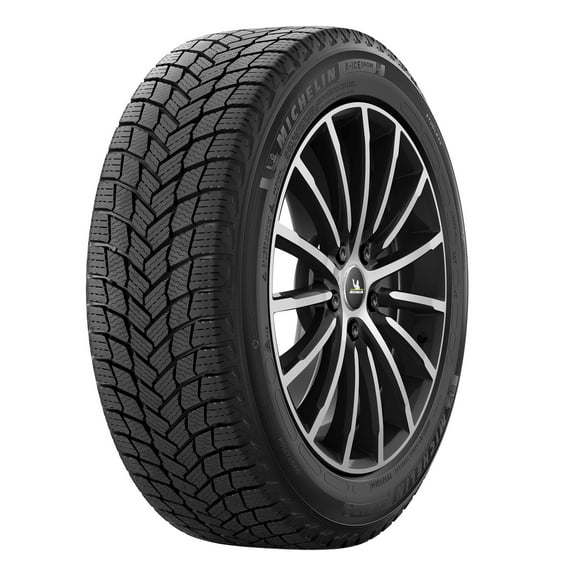


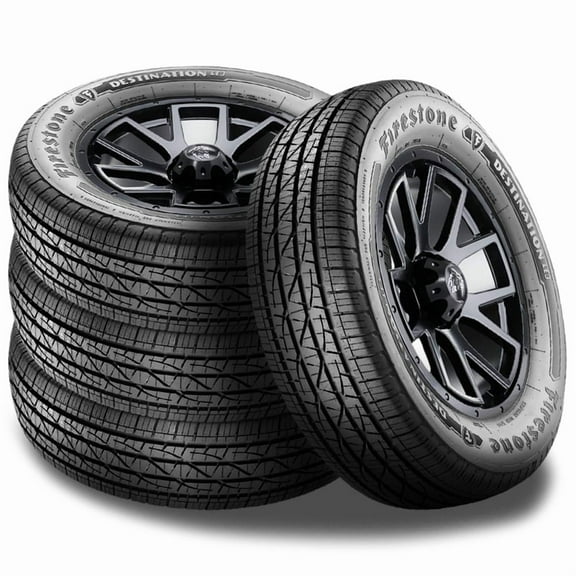
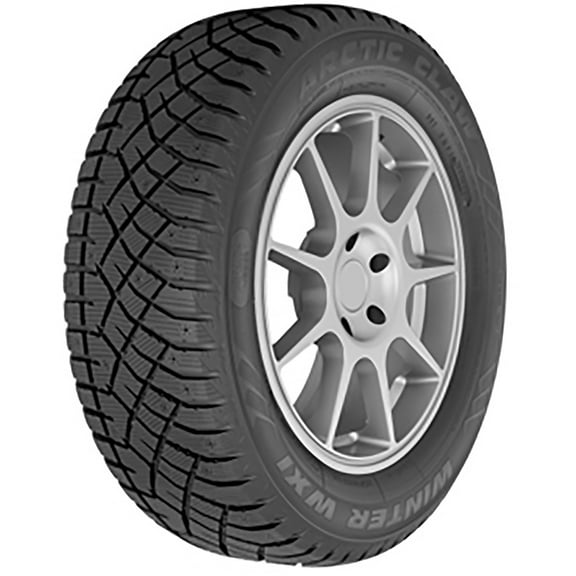

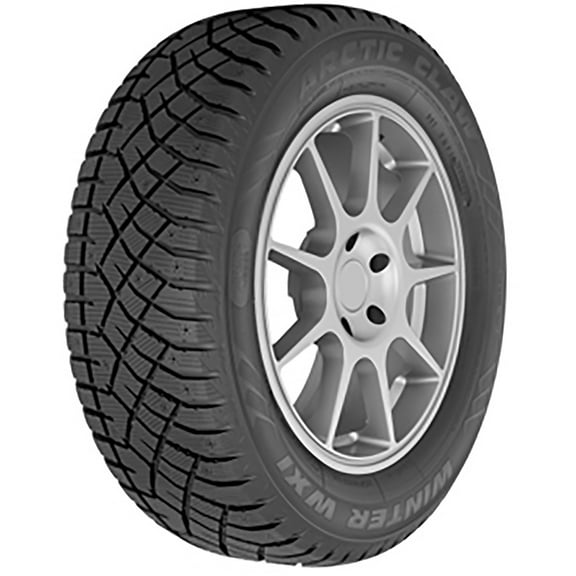

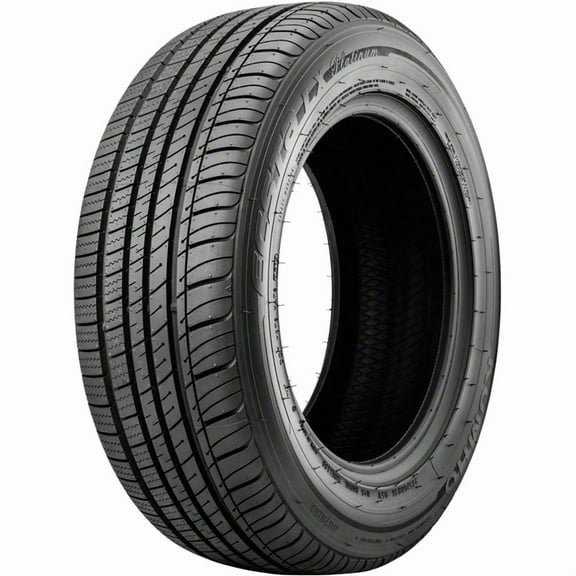
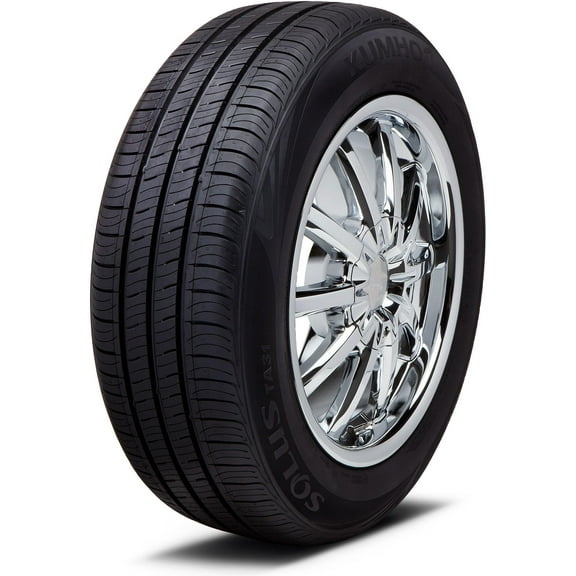





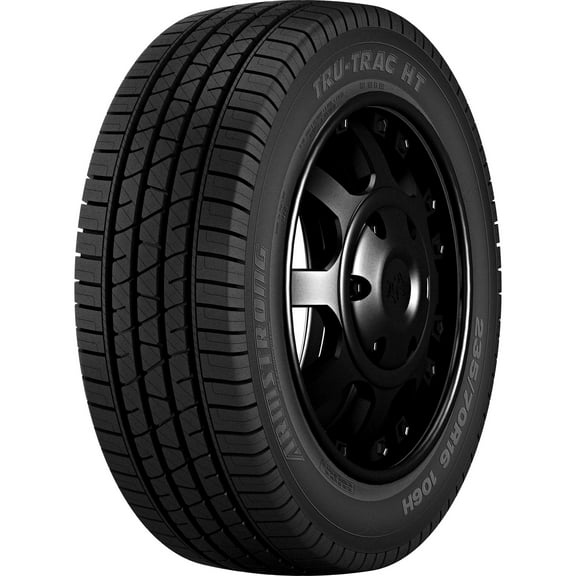
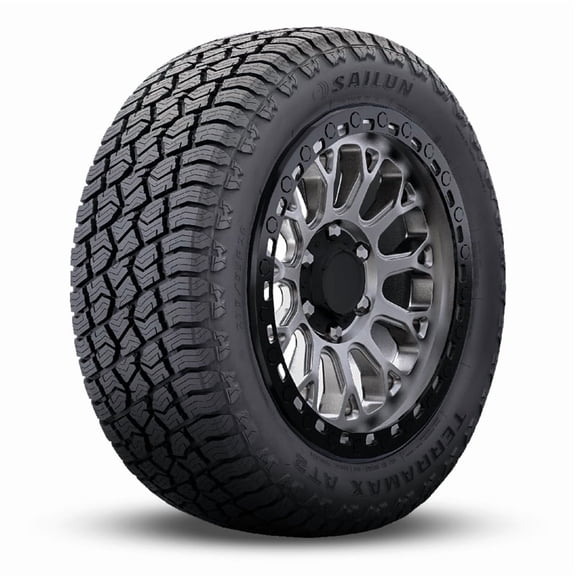
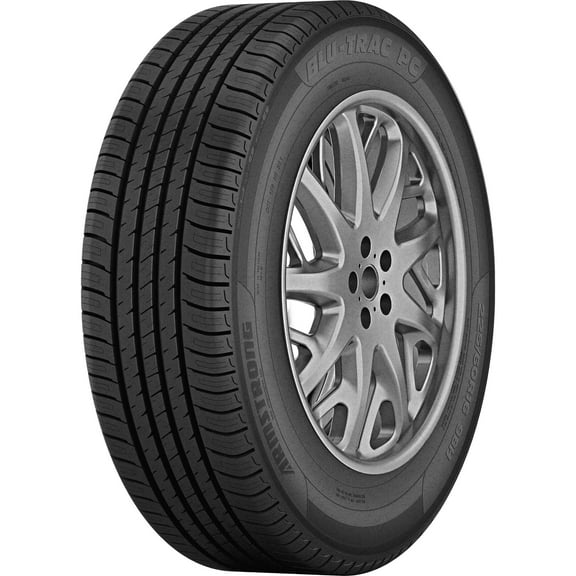

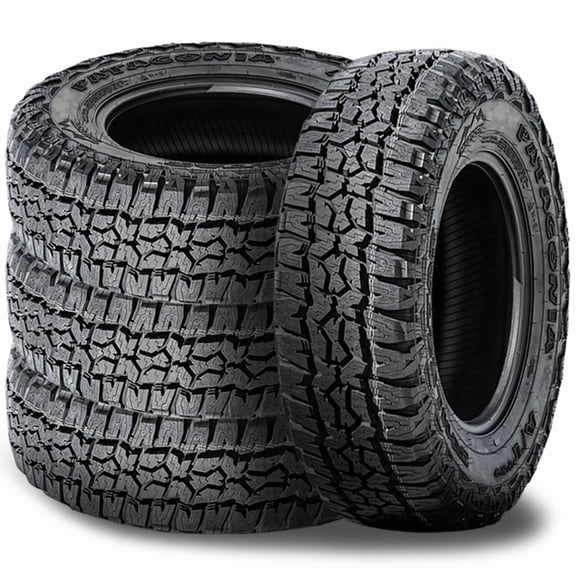
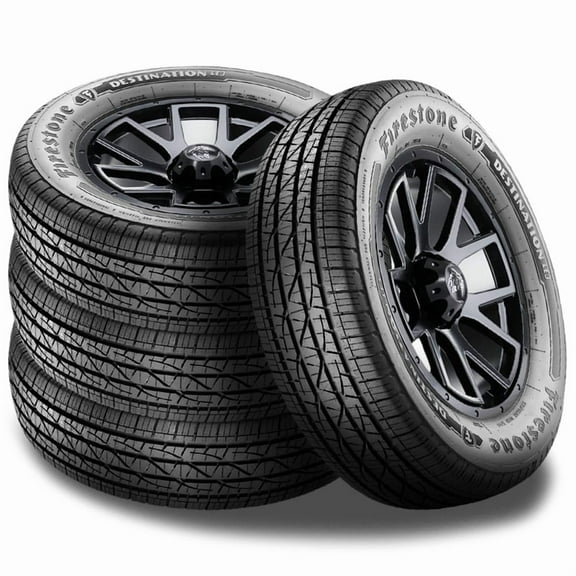




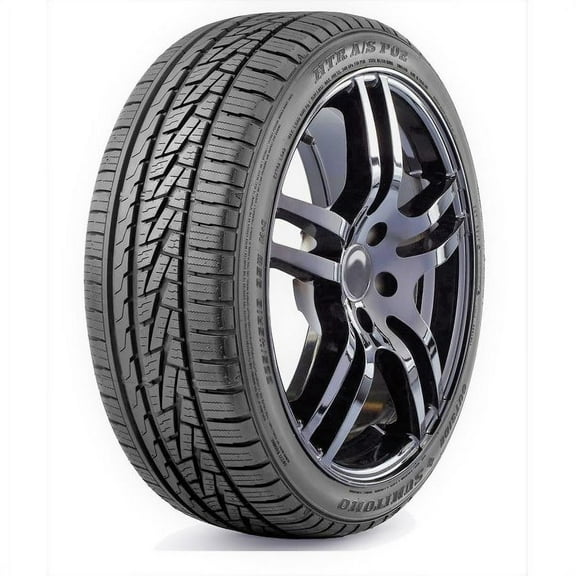


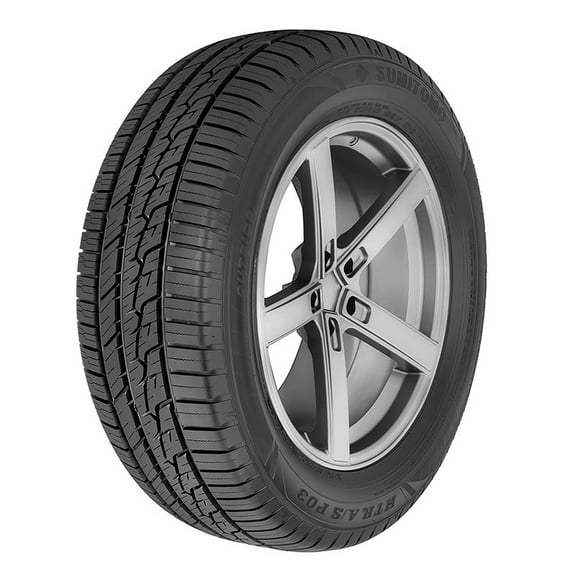




About Snow Tires & Cold Weather Traction - Walmart.com
Winter tires help you prepare for deep cold, packed snow, and icy pavement. You can compare size, stud options, and vehicle fitment for your winter driving routine.
How to choose winter tires for your vehicle
You should start with your vehicle’s tire size before you compare tread patterns or seasonal features. You can check your driver-side placard or current sidewall for width, aspect ratio, and rim diameter.
When you shop winter tires by size, you can narrow your choices quickly and confirm proper fitment. You should match the listed size carefully, because a 17 inch tire won’t fit an 18 inch wheel.
You can also compare fitment by vehicle type for a focused search. You may see passenger car winter tires, SUV snow tires, and truck winter tires grouped by driving needs.
Key benefits you can get from snow tires
You can use winter-focused rubber that stays flexible in freezing temperatures, unlike standard year-round options. You may get steady grip when roads feel slick, cold, or covered with light snow.
Snow tires also use tread designs that help you move through slush and packed snow. You can feel planted during starts, stops, and turns when winter weather changes your route.
- You can get cold-weather traction through tread blocks and siping designed for snow-covered roads.
- You can choose patterns that help clear slush and keep your contact patch working in messy conditions.
- You can match your tire to passenger cars, crossovers, SUVs, or light trucks for steady winter handling.
- You can compare touring, high performance, and all-terrain winter options for your usual roads.
If you’re comparing all-season vs winter tires, you should focus on temperature and road conditions first. You may want a winter-specific tire when cold weather and snow become part of your daily drive.
Choosing size, ratings, and construction details
You should confirm tire width, aspect ratio, and rim diameter before you look at tread style. Those numbers help you understand tire width, sidewall height, and wheel fit.
You can also check load index and speed symbol to match your vehicle’s requirements. Those ratings help you choose a tire that supports your vehicle weight and intended driving speed.
When you compare 15 inch, 16 inch, 17 inch, and 18 inch options, you should keep fitment exact. You can avoid guesswork when you filter by the size your vehicle already uses.
You may also want to compare performance ratings based on your winter routine. Touring tires can suit daily commuting, while high performance or all-terrain winter options can fit different road habits.
If tread life matters to you, you should read product details for durability and seasonal use expectations. You can use mileage warranty information as one clue about long-term wear patterns.
Choosing studded winter tires or studless snow tires
You should choose between studded winter tires and studless snow tires based on your local winter conditions. Studded designs can suit frequent ice, while studless patterns can fit mixed snow, slush, and cold pavement.
If you drive on long stretches of packed ice, you may prefer tires built for studs or ready for studs. You should check local rules first, because stud use can vary by region.
Studless snow tires can work well when you need winter grip without metal studs. You can choose them for city streets, plowed roads, and changing winter weather.
When you compare studdable winter tires, you’re choosing flexibility for climates with harsher ice periods. You can decide whether that construction matches your roads, commute, and winter travel plans.
Matching winter tires to cars, SUVs, and trucks
You should think about your vehicle type before you pick a tread pattern or performance category. Passenger car winter tires often support everyday road comfort, while SUV snow tires may focus on extra load support.
If you drive a light truck, you may want truck winter tires with ratings suited to heavier vehicles. You should also compare sidewall strength and load details when your truck carries gear regularly.
Crossover drivers can balance road comfort and winter control by checking size, rating, and road use together. You can make a clear choice when your tire matches your commute, cargo, and weather exposure.
If your route includes highways, neighborhoods, and occasional unplowed roads, you should compare touring against all-terrain winter designs. You can choose a pattern that fits how and where you actually drive.
What to look for before installation and seasonal use
You should verify fitment details before you schedule tire installation services or pickup. You can also confirm whether your selected tire matches your wheel size and vehicle category.
For seasonal use, you may want a dedicated winter set that you install during colder months. You can keep your warm-weather tires separate, and you can make seasonal changeovers straightforward.
You should also consider storage plans when winter ends and road conditions warm up. You can keep your off-season set organized by size and position for simple reinstalling later.
With the right winter tires, you can match cold-weather traction to your size, vehicle, and road conditions. You can head into winter with a setup that fits snow, slush, and freezing pavement.