


Shop Fresh Vegetables Online for Fruits and Veggies












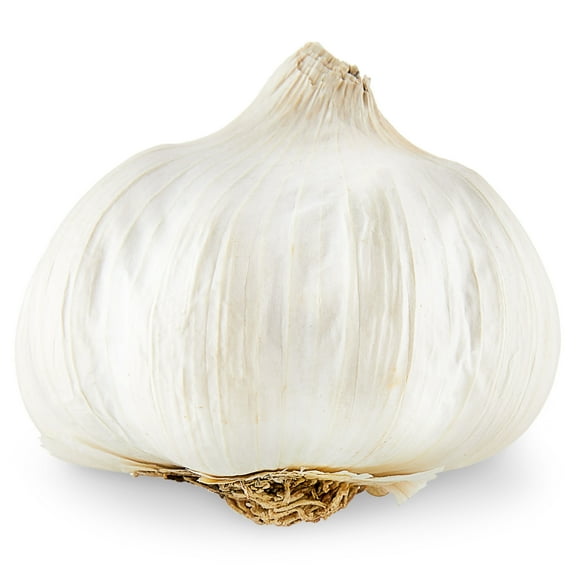

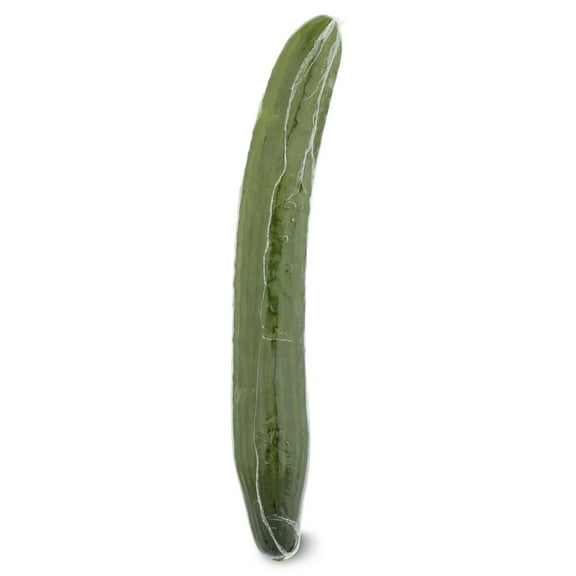


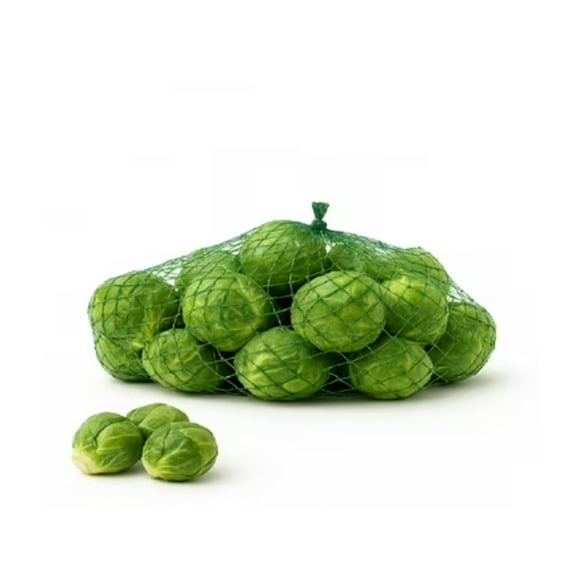
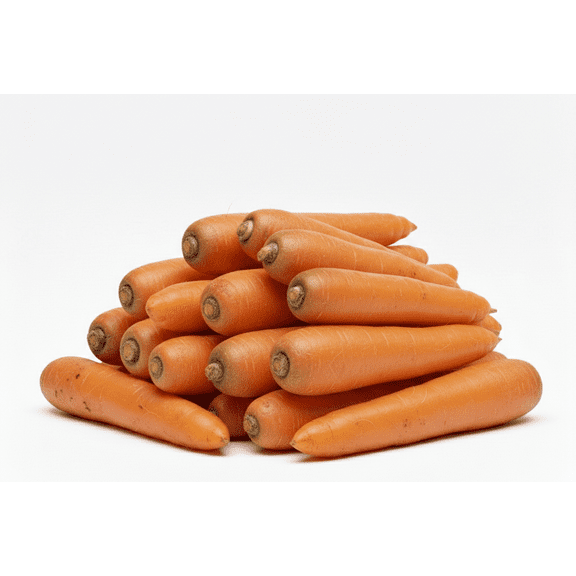
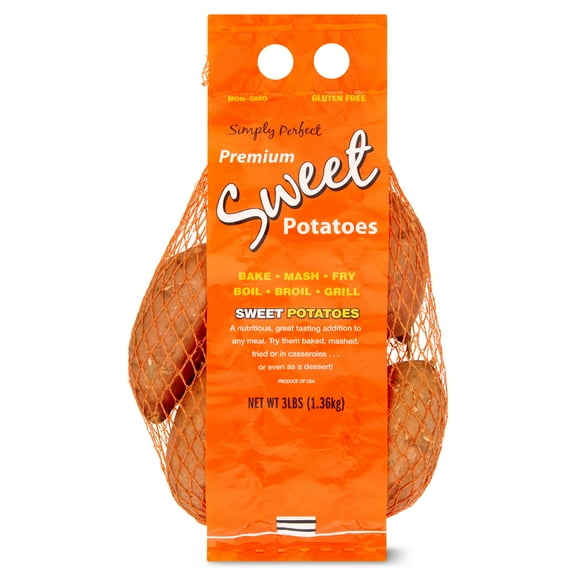
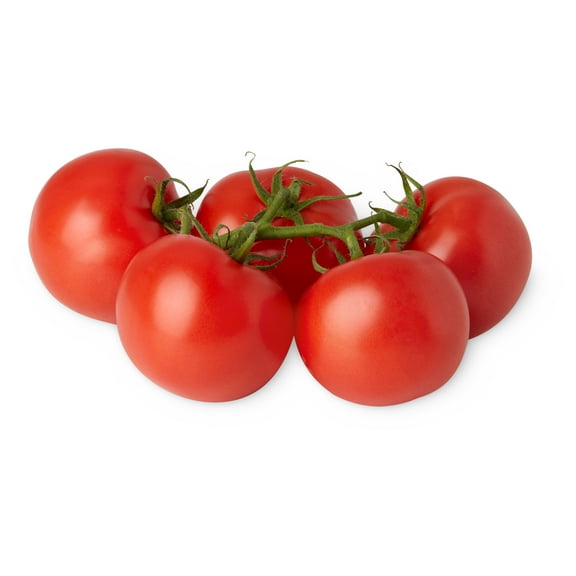
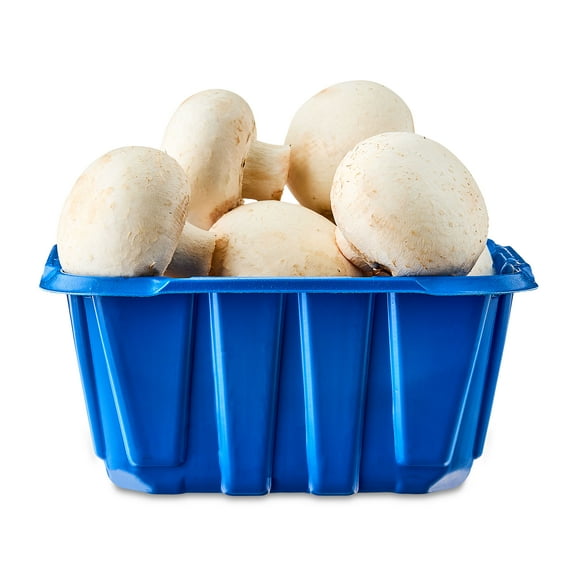

About Shop Fresh Vegetables Online for Fruits and Veggies - Walmart.com
Fresh produce helps you plan colorful meals, quick snacks, and easy sides in one stop at Walmart. You can compare fruits, vegetables, herbs, and salad kits with pickup or delivery that fits your routine.
When you buy fresh produce online, you can match your cart to breakfast, lunch, dinner, and snack needs. You can also choose organic produce, bagged picks, and whole items that fit your prep style.
How to choose fresh produce for your meals
When you shop this category, you can start with produce type and meal use. You may choose fresh fruits for snacking, smoothies, and desserts, while fresh vegetables fit sides, soups, and sheet pan dinners.
If you cook often, you can compare herbs and salad kits as separate needs. Fresh herbs help you finish pasta, roasted vegetables, and marinades, while salad kits help you build lunch quickly.
Before you order, you can also compare whole items with prepared formats. Whole produce gives you added cutting flexibility, while pre-cut packs and salad bowls help you move from prep to plate quickly.
- You can stock fresh fruits for breakfast bowls, snacks, and baking.
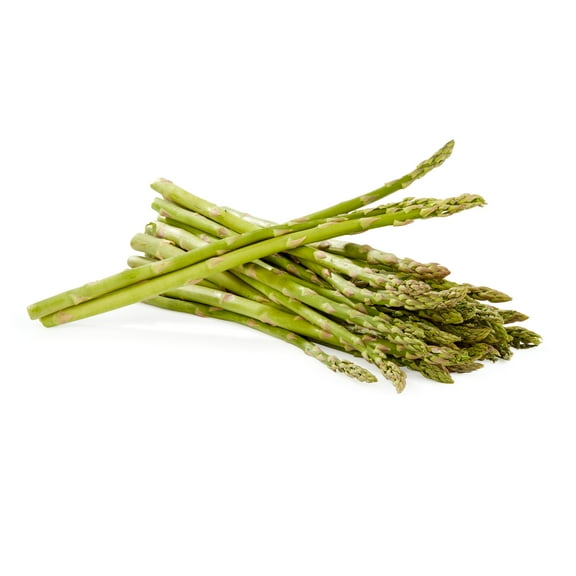
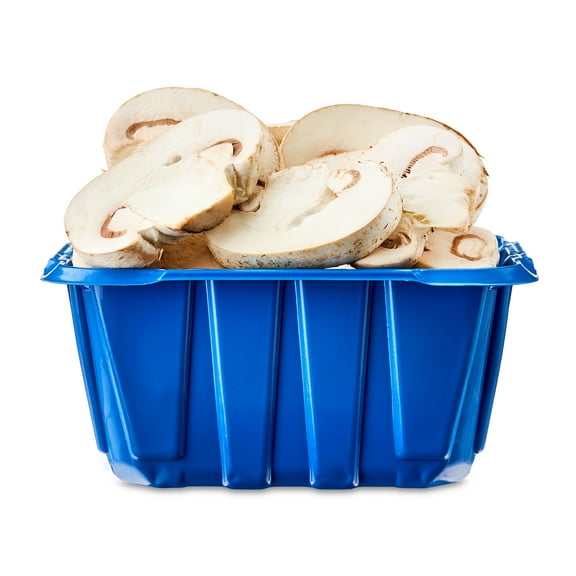
- You can choose fresh vegetables for roasting, steaming, stir-frying, and soups.
- You can add herbs for garnish, sauces, and recipe finishing touches.
- You can pick salad kits or bowls when you want quick lunch and dinner starters.
Choosing between fresh vegetables, fresh fruits, and prepared options
You can compare packaging because it affects prep time and storage. Bulk produce lets you pick exact amounts, while bagged produce can simplify weekly restocks.
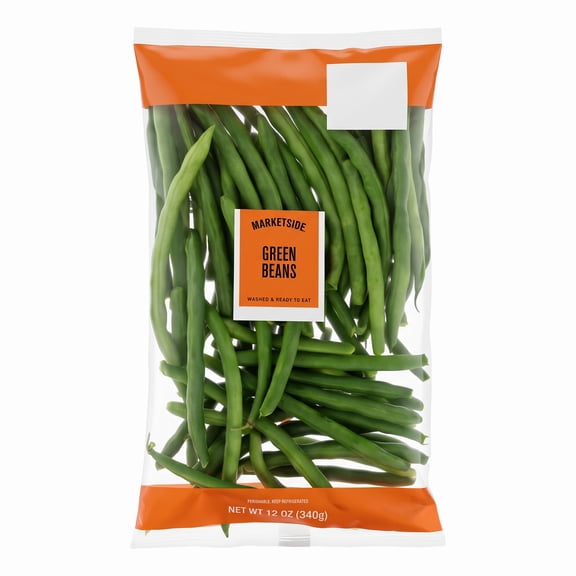
If your schedule feels packed, you may prefer pre-cut produce or salad bowls. Those formats help you handle lunch prep, party trays, and side dishes with less chopping.
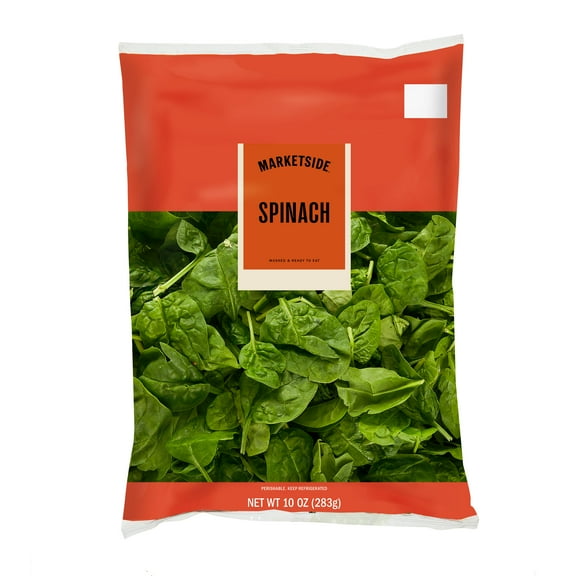
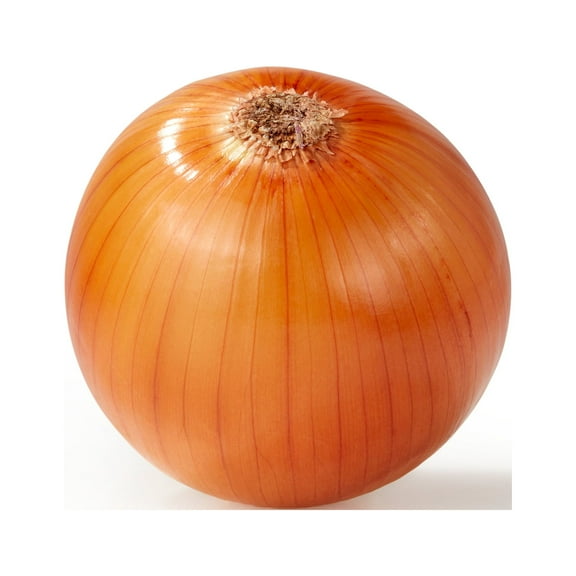
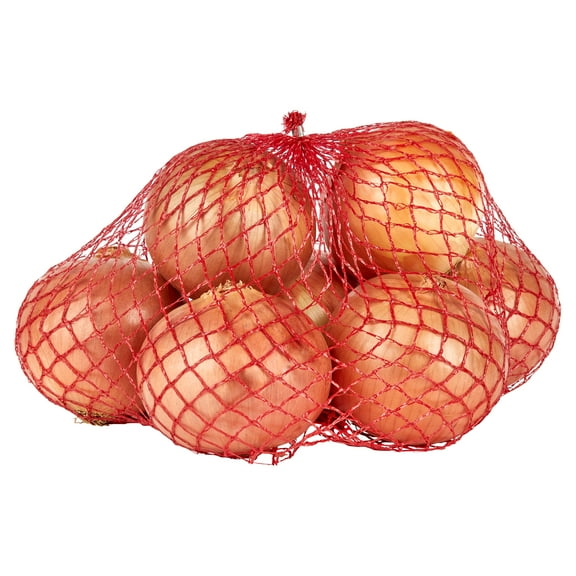
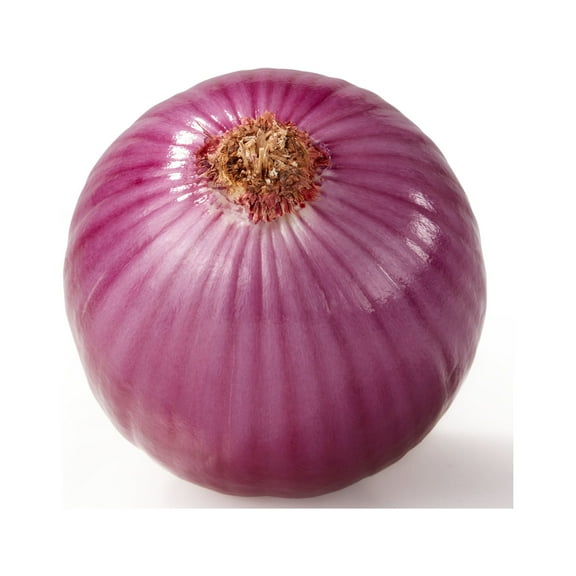
You can choose bagged greens, trimmed vegetables, or cut fruit when fast prep matters. You may choose whole onions, potatoes, apples, or citrus when you want flexibility across several meals.
Ripeness matters when you’re planning several days ahead. You can use firmer avocados, bananas, peaches, or tomatoes early in the week, then keep ready-to-eat picks for tonight’s meal.
For shelf life, you can match your order to your schedule. Leafy greens and berries usually work well for early-week meals, while carrots, cabbage, apples, and potatoes often have an extended shelf life.
In your refrigerator, you can keep delicate items away from heavier produce to help everything stay organized. You can usually get a smoother meal plan when you wash herbs and greens close to serving time.
Choosing organic produce and sourcing options
You may compare organic and conventional produce based on your preferences and basket goals. Organic produce follows specific farming standards, while conventional produce gives you another everyday option for meal planning.
If you’re building a mixed cart, you can choose organic berries, greens, or apples alongside conventional staples. That approach helps you balance recipe needs, household habits, and how often you restock.
Sourcing can also guide your decision when freshness and seasonality matter to you. You may see locally grown, regionally sourced, or imported produce depending on the item and time of year.
When you check sourcing, you can easily plan for seasonal recipes and familiar varieties. Local and regional options may align with harvest windows, while imported produce can support year-round availability.
You can also consider how sourcing connects to your intended use. Tender herbs and salad ingredients may suit near-term meals, while heartier produce can support extended storage and batch cooking.
Using fresh produce for everyday cooking and online grocery planning
You can build a practical cart by matching produce to breakfast, lunch, dinner, and snacks. Fresh produce works well when you map quick-use items first and hearty staples second.
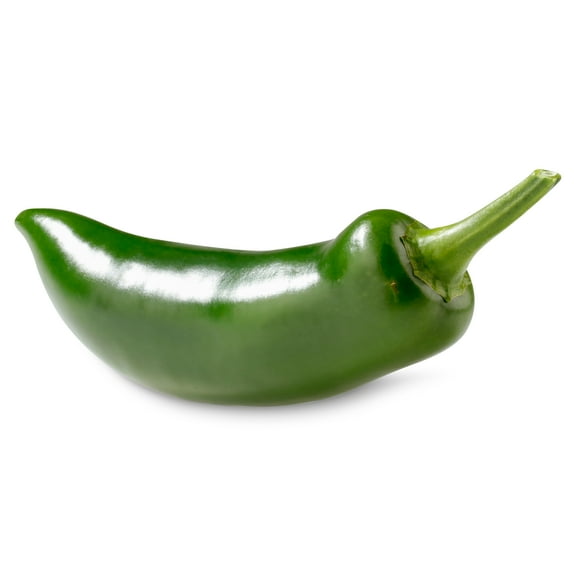
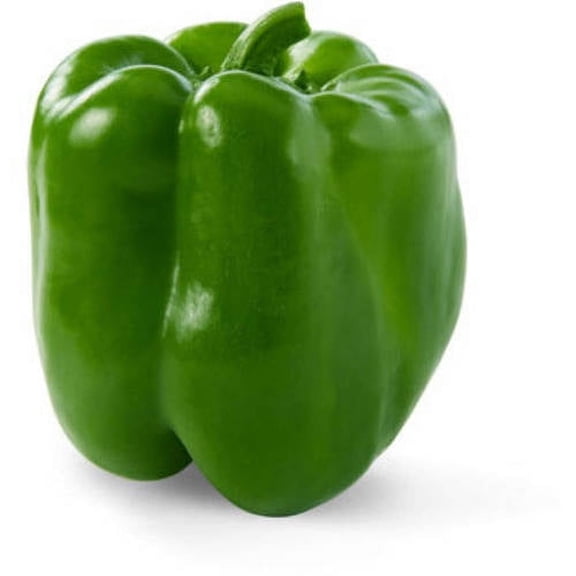
For breakfast, you may choose bananas, berries, melon, or citrus for easy grab-and-go options. For dinner, you can combine broccoli, peppers, onions, greens, or potatoes with proteins and grains.
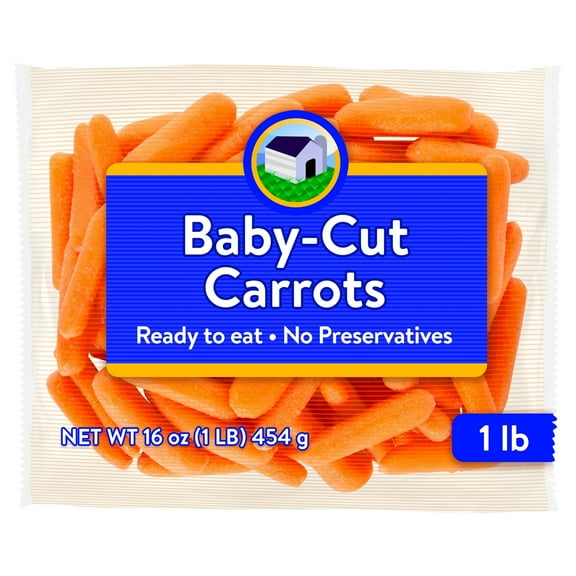
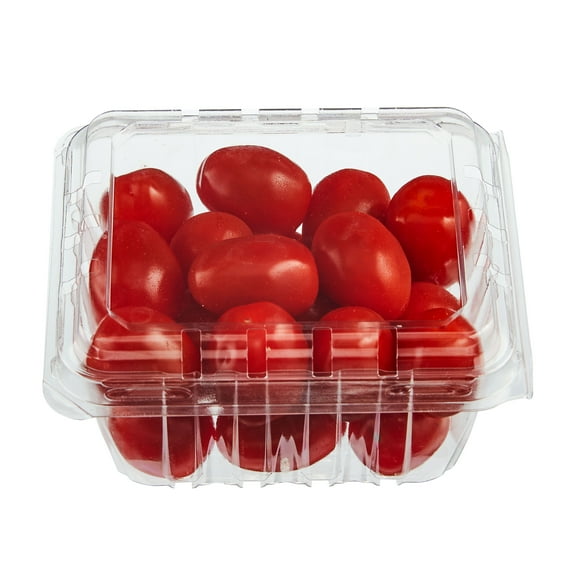
If you pack lunches, you can use salad kits, baby carrots, grape tomatoes, and cut fruit. Those choices help you portion meals quickly and keep weekday planning simple.
You may buy fresh produce online when you want to restock without extra store trips. Pickup and delivery can help you keep ingredients on hand for soups, salads, roasting pans, and snack trays.
When you order for your household, you can mix bulk produce with bagged and pre-cut items. That combination helps you cover meal prep, after-school snacks, and recipe ingredients in one order.
You can feel prepared when your cart includes a range of textures, colors, and uses. With fresh fruits, fresh vegetables, herbs, and salad kits, you can turn one grocery plan into several easy meals.
You can shop this category with a clear plan when you compare type, packaging, organic status, and sourcing. That approach helps you bring home produce that fits your meals, your timing, and your refrigerator space.