


Inflatable Pontoon Boats & Electric Pontoons | Walmart





About Inflatable Pontoon Boats & Electric Pontoons | Walmart - Walmart.com
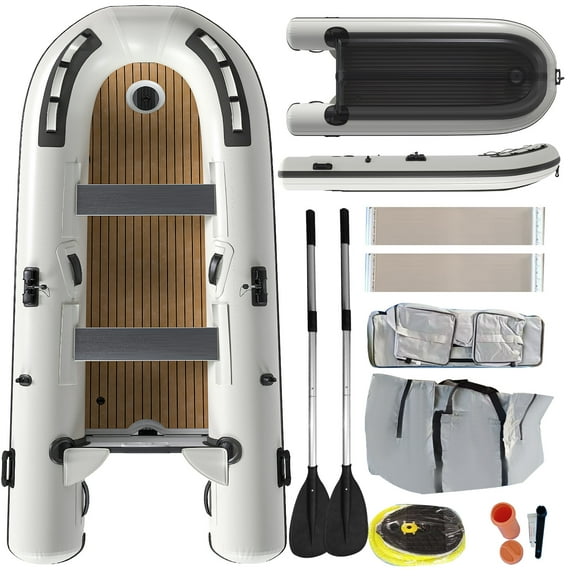
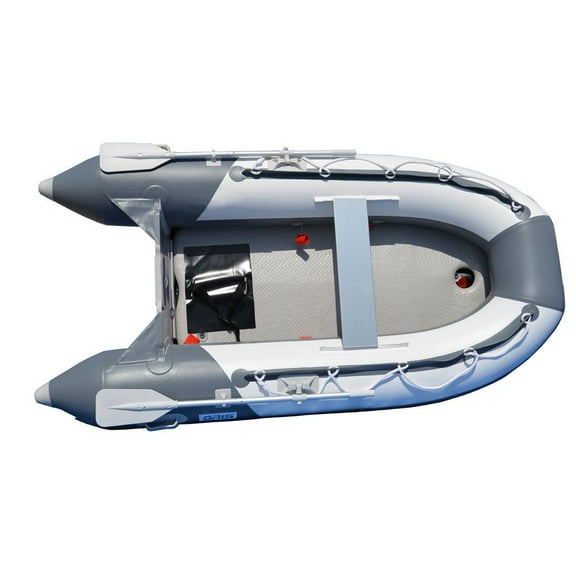
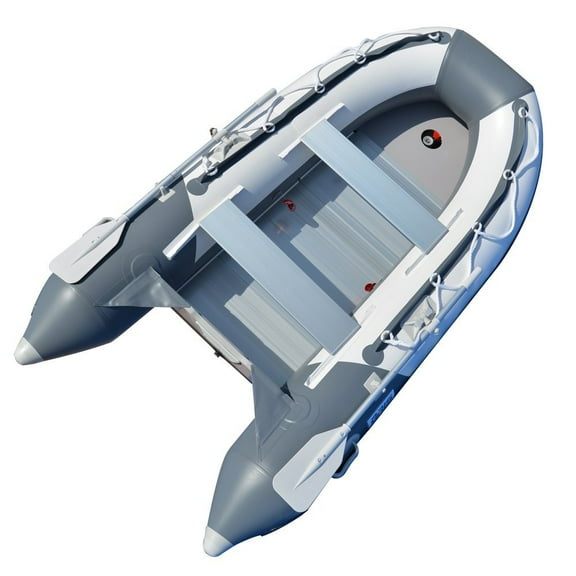
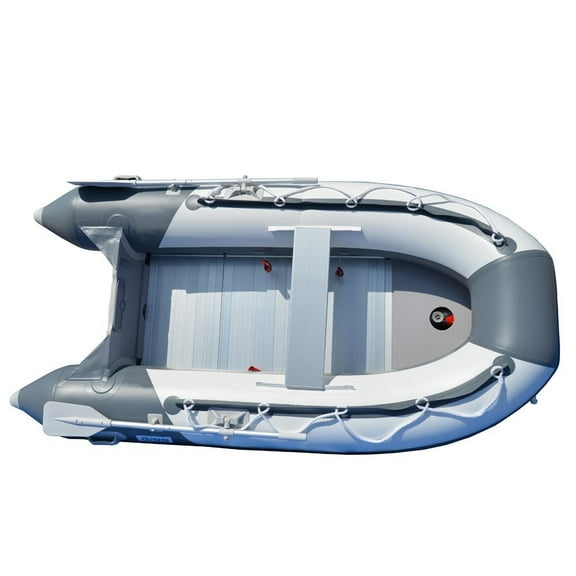
When you choose an inflatable pontoon boat, you get easier transport, simpler storage, and more flexible days on calm water. You can compare inflatable, electric, rigid, and folding options by capacity, power setup, and intended use.
If you want a craft for fishing, cruising, or lakeside lounging, you can benefit from decision-focused details before you choose. You can use this guide to compare boat type, passenger count, motor compatibility, and water conditions.
Choosing the right inflatable pontoon boat
You can usually start with boat type because each format changes transport, setup, and storage. You can carry inflatable models more easily, while rigid pontoons often suit permanent dock or trailer use.
When you compare folding designs, you may notice they aim to balance portability with a more structured frame. If you need quick packing between trips, you may prefer a compact inflatable or folding layout.
You should also match the hull style to your water conditions. If you use calm lakes or slow-moving rivers, you may want a model designed for steady tracking and predictable handling.
- You can pack many inflatable models into a car trunk or gear area.
- You can often get easier off-season storage than with rigid pontoon formats.
- You can choose layouts built for casting, relaxed cruising, or compact solo trips.
- You can find options that work with paddles, oars, or motor-ready mounts.
If you want less lifting at the launch point, an inflatable pontoon boat can make setup feel more manageable. You can also store many deflated models in garages, closets, or utility spaces.
How to compare capacity and passenger limits
You should check capacity before anything else because passenger count changes deck space, balance, and gear room. If you fish with a partner, a 2 person pontoon boat with motor may fit your trip style.
When you compare one-person and two-person layouts, you may notice clear differences in seat placement and storage zones. You can keep tackle, batteries, or a cooler more organized with a larger platform.
If you’re considering four-person or multi-person options, you should measure where passengers will sit and where gear will rest. You may want enough room for movement without crowding rods, bags, or controls.
You should read both passenger limits and total weight capacity together. If you bring batteries, motors, tackle boxes, and seating accessories, your real load adds up quickly.
What to look for in electric pontoon setups
You may want an electric pontoon when you prefer quiet movement and simple controls on smaller waters. You can compare integrated systems and motor-ready frames based on mounting points and battery space.
If you’re shopping for a small electric pontoon boat, you should check whether the frame supports the motor style you plan to use. You’ll also want to confirm where the battery sits for balanced weight.
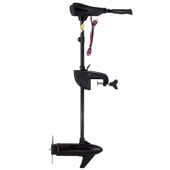
When you review motor compatibility, you should look for mount availability, thrust guidance, and shaft length fit. You can use thrust ratings to estimate how much motor force your loaded boat may need.
You should treat shaft length as a practical fit issue, not just a technical detail. If the shaft sits too short or too long, you may notice less consistent control.
Many shoppers also compare trolling motor compatible models for fishing-focused trips. You can pair that setup with marine batteries and charging accessories for a more organized launch routine.
Comparing features that affect setup and handling
You may want to compare inflation time, packed size, and frame design before choosing a portable model. If you travel often, faster inflation and simpler assembly can make launch prep smoother.
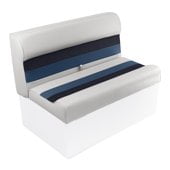
When you look at seat height and footrest placement, you can judge how comfortably you can cast, paddle, or steer. You should also compare rod holders, storage pockets, and deck layouts for task-specific use.
If you prefer easier transport from vehicle to shoreline, you should check total carry weight and packed dimensions. You can often tell which models suit solo loading by reviewing frame breakdown and bag size.
You should match the pontoon shape to the water environment you use most. If you stay on calm lakes, you may focus on comfort, while river users may prioritize tracking and responsiveness.
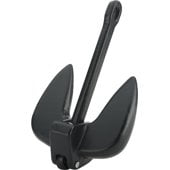
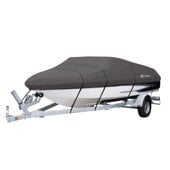
Because accessories affect how your trip feels, you may also compare anchor systems, covers, life jackets, and storage add-ons. You can build a more complete setup when your boat supports your routine.
Matching boat types to fishing, cruising, and lounging
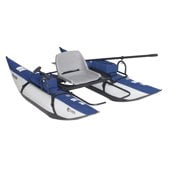
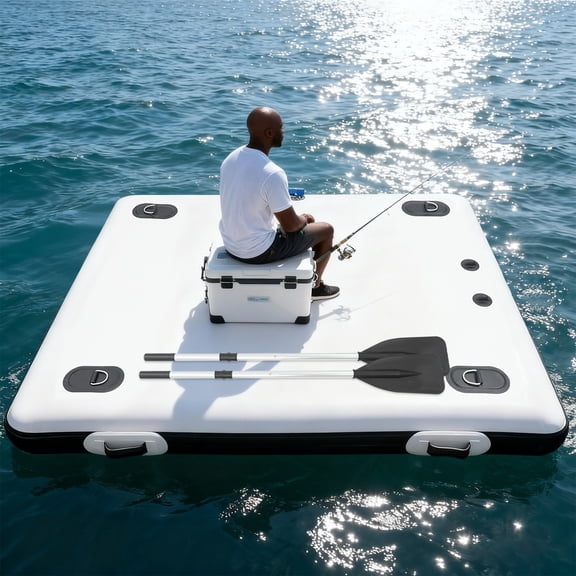
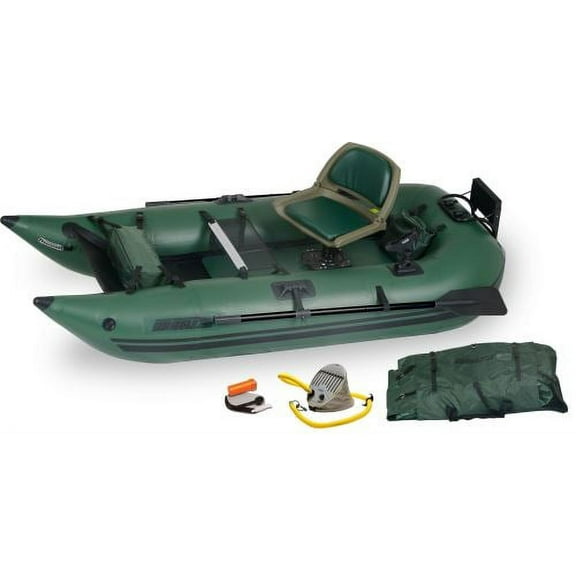
If you want a personal pontoon fishing boat, you should focus on casting space, gear access, and motor compatibility. You can benefit from layouts that keep rods, tackle, and seats within easy reach.
When you plan relaxed recreational cruising, you may care more about passenger comfort and simple steering. You can compare electric-ready platforms and multi-person layouts for longer afternoons on the water.
If you use your boat for hunting or utility trips, you should think about gear capacity and controlled movement. You may want room for equipment without losing balance or easy entry.
For lakeside lounging, you may prefer broader seating space and a stable platform for low-speed use. You can choose larger capacity options when your day centers on comfort instead of casting.
You should also think about where your trips begin and end. If you want convenient delivery or pickup planning through Walmart, you can coordinate your boat and marine accessories more efficiently.
Choosing the pontoon boat that fits your routine
You can make a smarter choice when you compare boat type, capacity, power source, and water conditions together. If you match those details to your trips, your pontoon setup can feel easier to use from launch to pack-up.
Whether you need a compact inflatable model or an electric-ready platform, you can narrow your choice with confidence. You can end up with a pontoon boat that fits your passengers, your gear, and your water plans.