

Pogo Sticks, Hoppers & Hoops in Outdoor Toys








































About Pogo Sticks, Hoppers & Hoops in Outdoor Toys - Walmart.com
Pogo sticks and ball hoppers give you a clear way to compare active play toys by bounce style, rider fit, and play setting. You can sort classic jumpers, seated hoppers, and hoops by weight capacity, grip feel, and indoor or outdoor use.
How to choose pogo sticks and ball hoppers
You should start with product type because each format changes how your child balances and moves. You can choose a classic pogo stick, a foam pogo jumper, an inflatable hopper ball, or a balance board hoop.
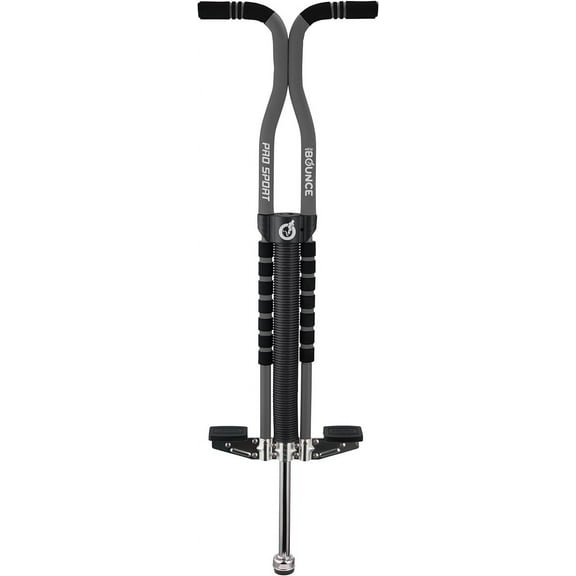
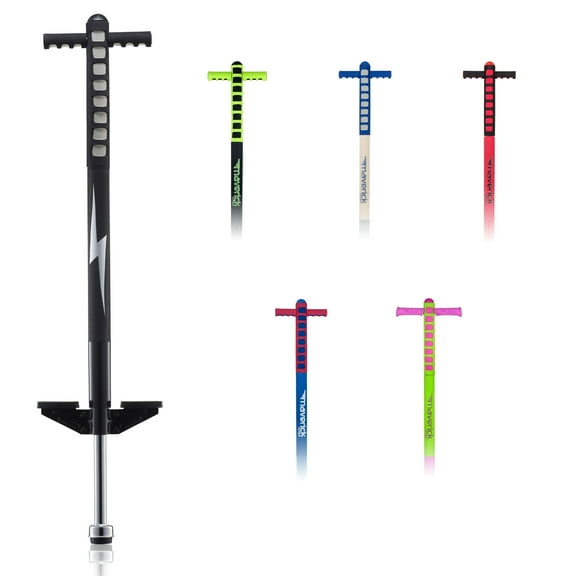
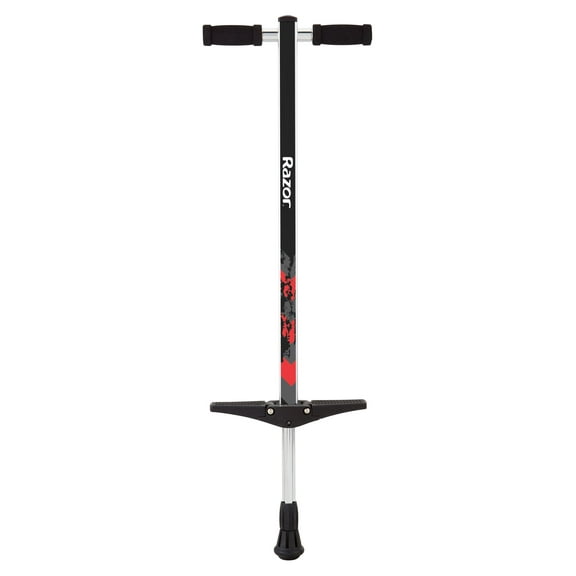
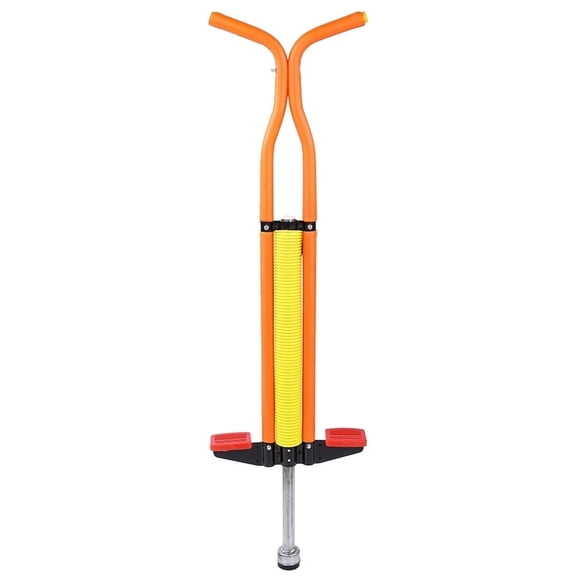
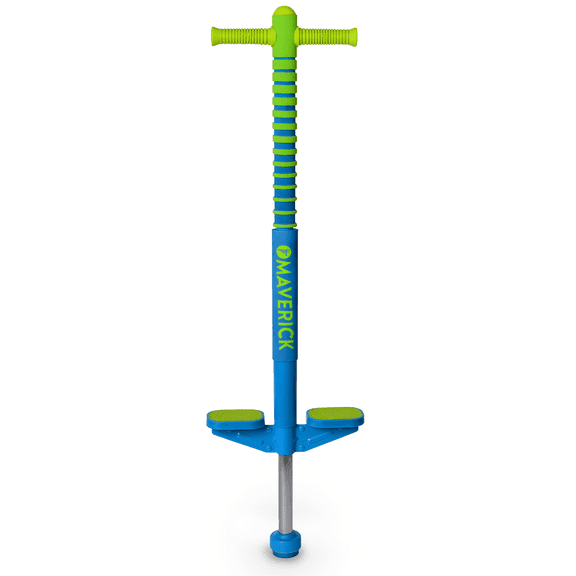
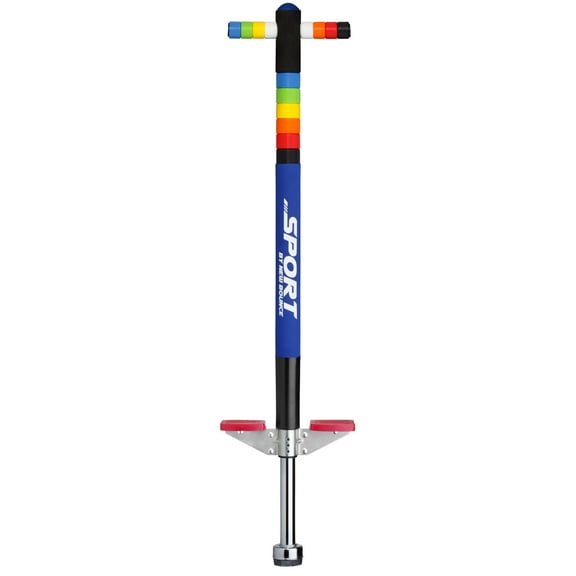
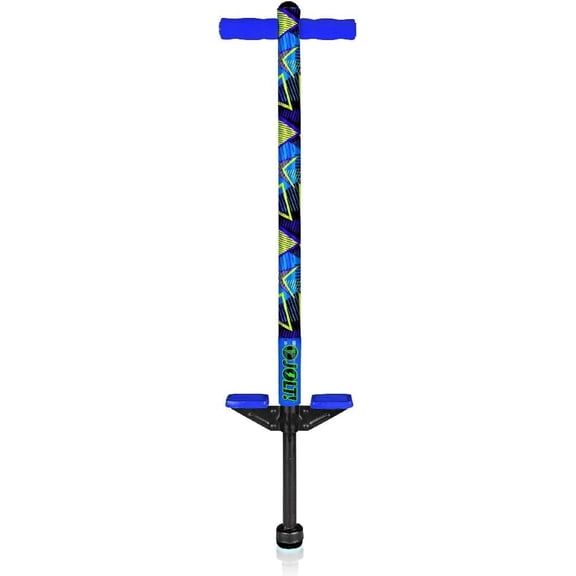
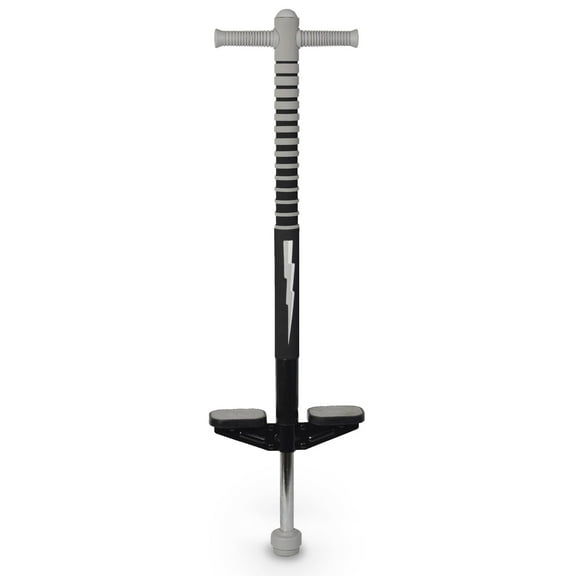
A classic pogo stick gives you a straight up-and-down bounce with handlebar control. You may prefer this format when your child wants a traditional jumping rhythm and a more structured ride.
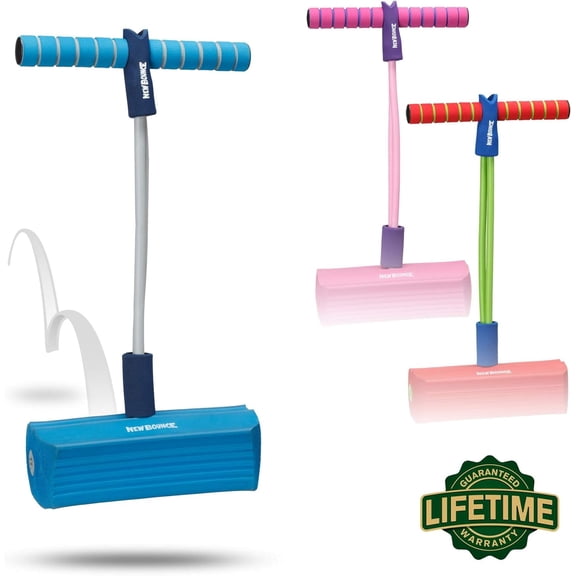
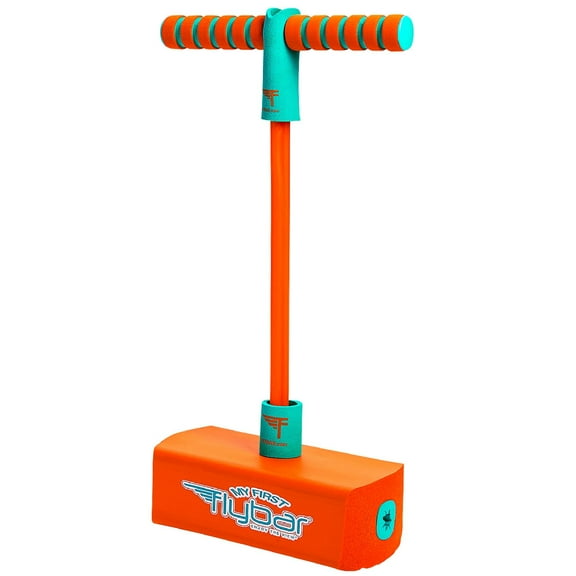
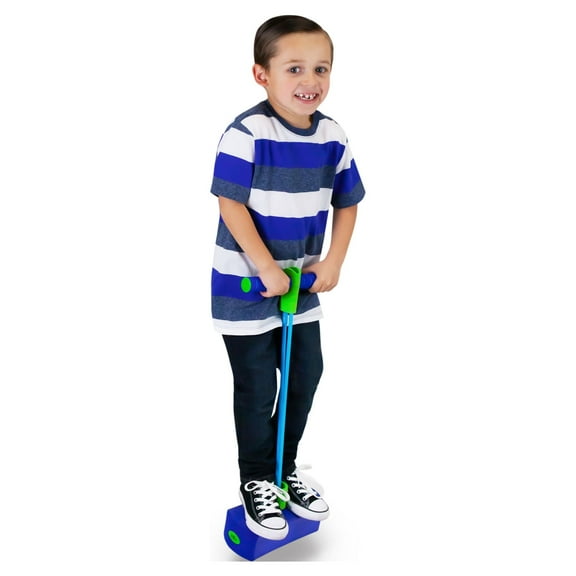
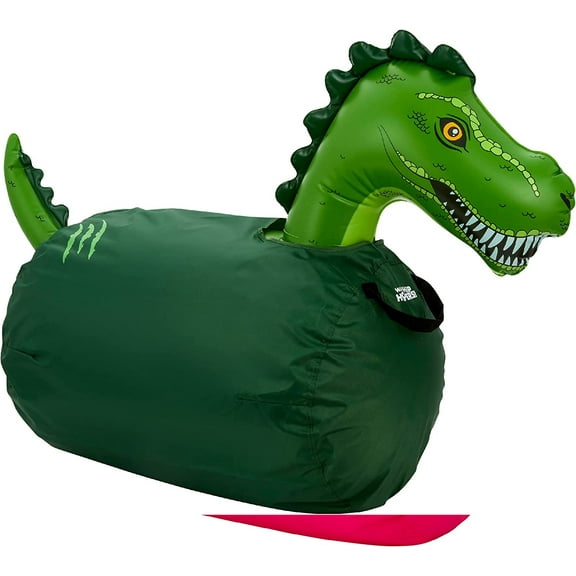
A foam pogo jumper gives you a softer contact point and an easier beginner setup. You can consider this type when your child wants a toddler pogo jumper feel without a metal frame.
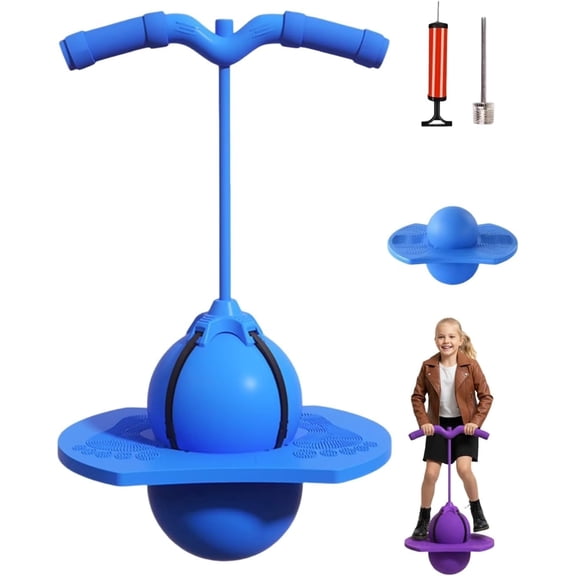
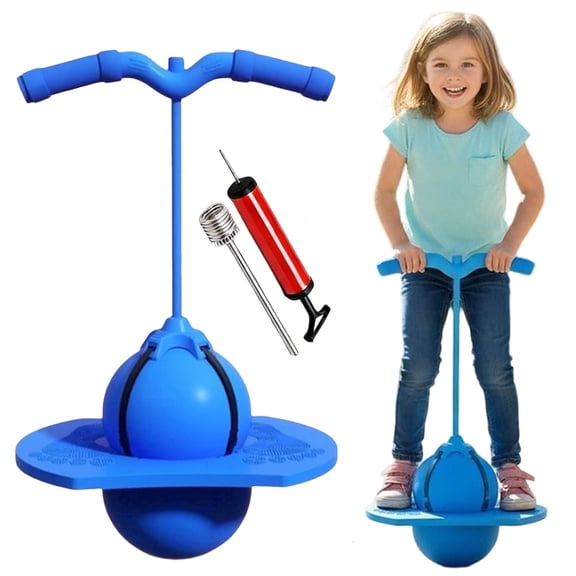
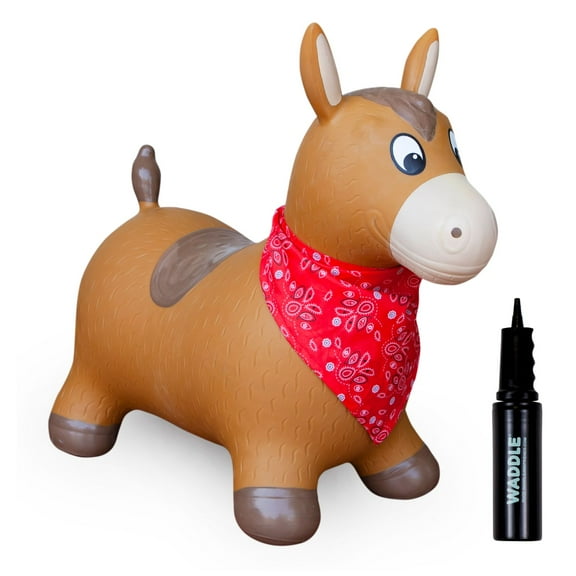
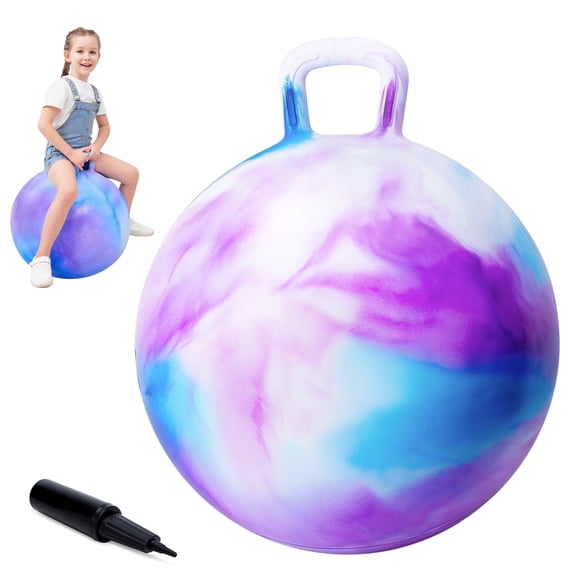
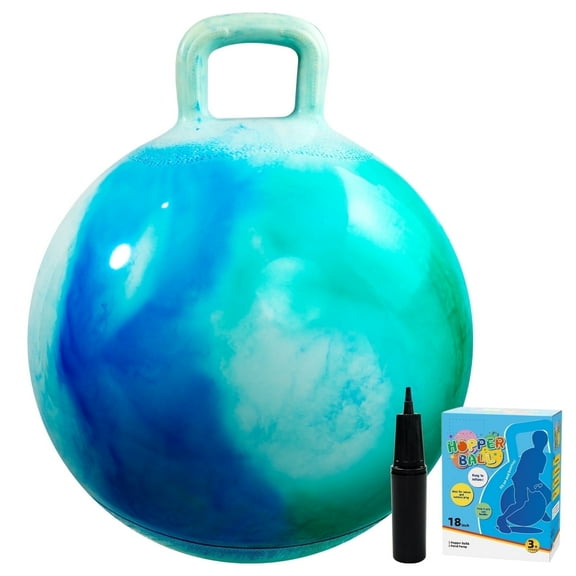
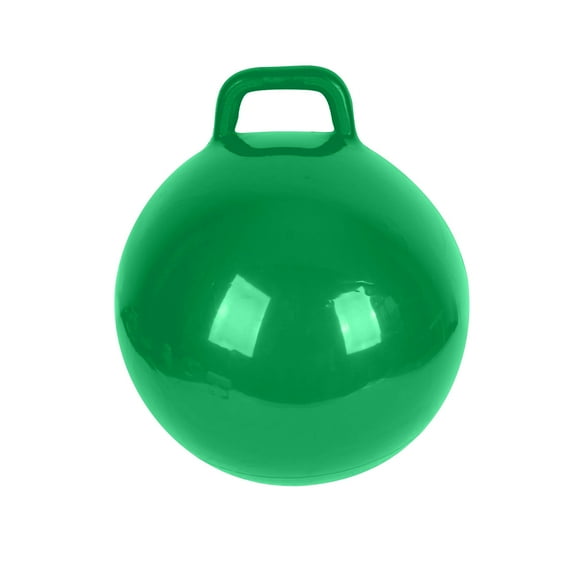
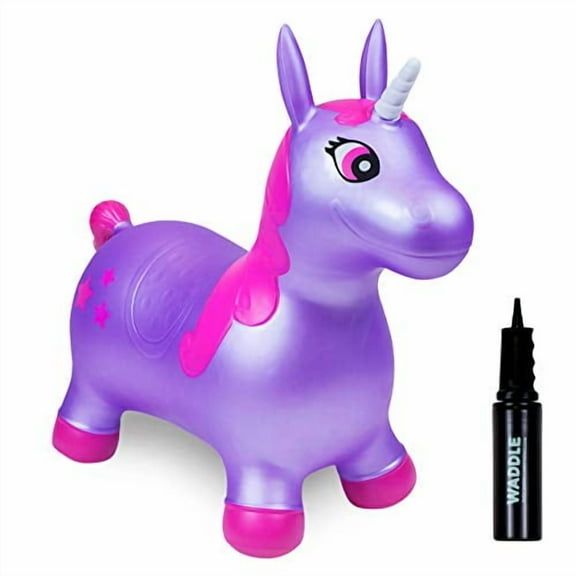
An inflatable hopper ball lets your child bounce from a seated position with a lower center of gravity. You may like this option when you want hopper balls that feel playful on grass, pavement, or indoor floors.
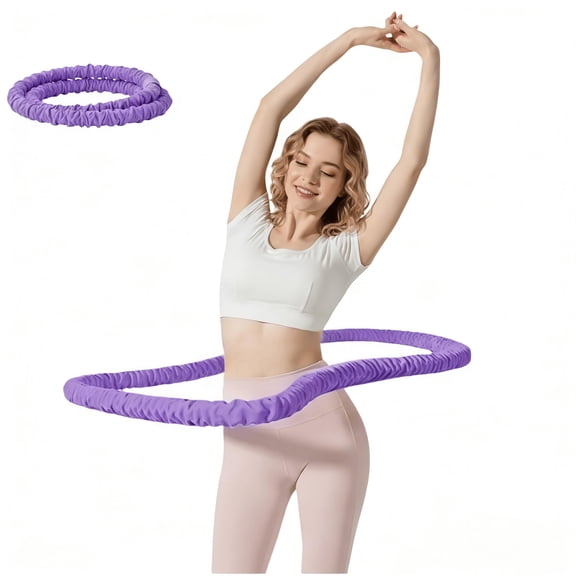
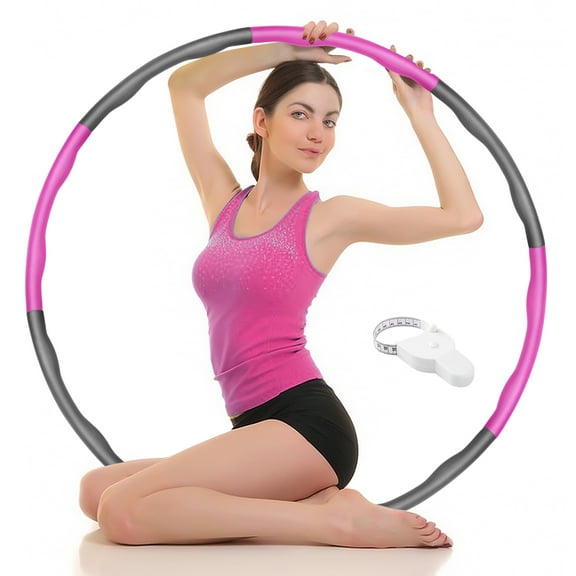
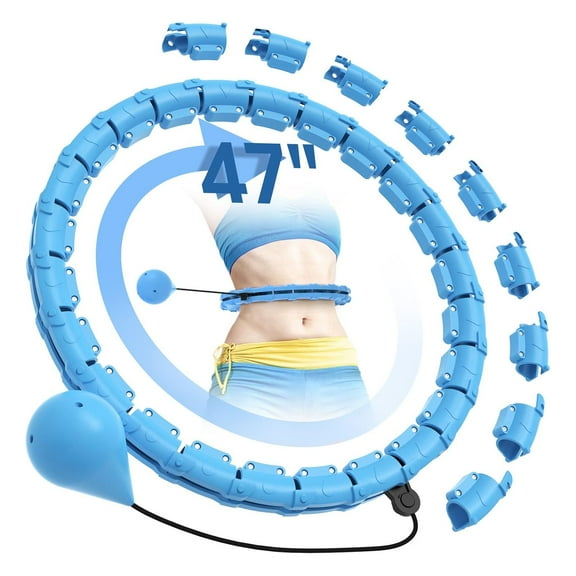
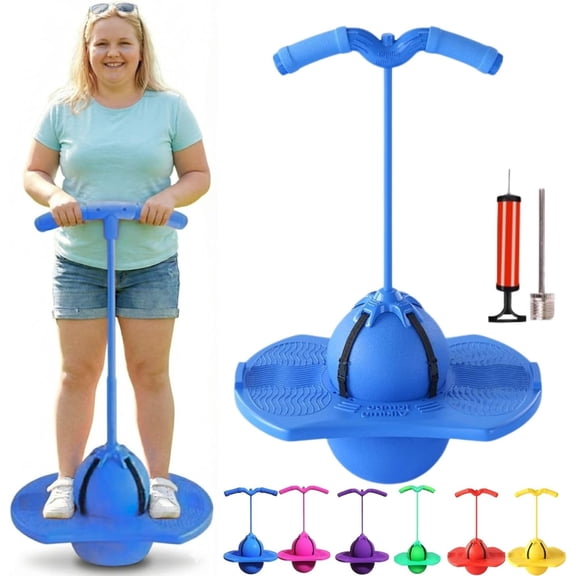
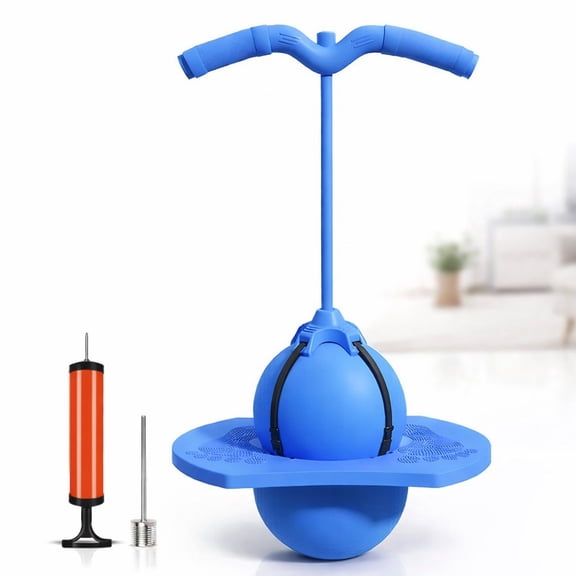
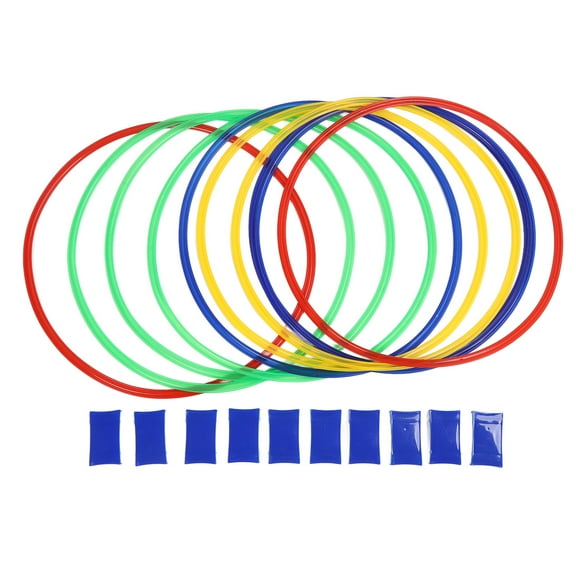
A balance board hoop changes the motion by adding stepping, spinning, and coordination practice. You can choose this style when you want active play toys that focus less on vertical bouncing.
Choosing pogo sticks for kids by age and weight capacity
You should check weight capacity first because it shapes comfort, control, and everyday use. You can match the ride to toddlers up to 80 lbs, kids from 80 to 160 lbs, or teens and adults over 160 lbs.
If you’re shopping for younger children, you may want a foam jumper or a small bouncing hopper toy. You can get easier balance cues and a lower learning curve for first-time riders.
When you’re shopping for older kids, you can look for pogo sticks for kids with roomier weight support. You may notice the right capacity helps the bounce feel steadier and easier to control.
If you need something for teens or adults, you should compare reinforced frames and stronger materials. You can also look for larger handles or wider foot areas that feel more secure during repeated jumps.
- You should match the listed lbs range to your rider before choosing a style.
- You can compare beginner-friendly foam jumpers with classic pogo stick designs.
- You may want seated hopper balls when you prefer a lower center of gravity.
- You should consider shared use if siblings or family members plan to rotate turns.
What to look for in materials and construction
You can learn a lot from the frame, grip, and contact points. You should compare metal frames with foam grips, heavy-duty rubber parts, non-slip foot pads, and enclosed safety springs.
If you choose a classic pogo stick, you may often see a metal frame with foam grip sections. You may prefer foam-covered handles because your hands can stay more comfortable during longer play sessions.
Non-slip foot pads matter when you want steadier placement during each bounce. You can look for this detail if you want more confident takeoffs and landings on smooth surfaces.
Enclosed safety springs are worth comparing when you want a cleaner exterior design. You may find this construction easier to evaluate if you’re deciding between entry-level and more structured pogo hopper options.
For hopper balls, you should compare heavy-duty vinyl or rubber-like materials with standard plastic builds. You can often get a sturdier feel when the ball keeps its shape through repeated bouncing and outdoor use.
Grip comfort also changes the experience more than many shoppers expect. You can compare foam handles with harder plastic grips when you want a better match for smaller hands or longer sessions.
Choosing by indoor, outdoor, and gym use
You should think about where play happens most often before you choose a format. You can match your item to indoor active play, outdoor backyard play, or school gym class routines.
If you need indoor use, you may want rubber bottoms or softer contact points. You can reduce floor scuff concerns and get a setup that feels more practical on playroom or hallway surfaces.
For backyard fun, you can compare sturdier tips, thicker materials, and easy-grip handles. You may like outdoor spring toys that stand up to repeated use on patios, driveways, or packed grass.
If you’re choosing for gym class, you should look for simple controls and repeatable movement patterns. You can use hopper balls, foam jumpers, or hoops when you want group-friendly motion stations.
Skill level matters here too because beginners often need a gentler learning curve. You may find a seated hopper ball or foam pogo jumper easier to start with than a classic metal pogo stick.
Matching use cases to the right active play style
You can build a clearer shortlist when you match the toy to a real routine. You should think about beginner practice, rainy-day movement, after-school backyard play, or energy-burning breaks between activities.
If your child wants quick indoor motion, you may lean toward a foam jumper or hopper balls. You can get bounce-focused play without needing the same balance pattern as a classic pogo stick.
When your family wants outdoor rotation play, you can mix a pogo hopper with a balance board hoop. You may keep kids engaged longer because each format uses different movement patterns and play styles.
If you’re shopping for a gift, you should compare age range, handle size, and riding position first. You can make a more confident choice when the toy fits the rider’s height, skill, and favorite way to move.
You can get an ideal category fit when you compare type, weight capacity, materials, and play setting together. You can narrow pogo sticks and ball hoppers with more confidence and choose a bounce style that feels right from the first session.