

Pie Dishes & Tart Pans - Glass, Ceramic & Metal























About Pie Dishes & Tart Pans - Glass, Ceramic & Metal - Walmart.com
You can compare pie dishes and tart pans by material, depth, and release style, so your crust bakes the way you want. You’ll also find options that fit fruit pies, quiches, custards, and neatly sliced tarts.
When you’re choosing bakeware for this category, you’ll want details that change browning, serving, and storage. You can use this guide to compare ceramic, glass, metal, and stoneware with confidence.
Choosing pie dishes and tart pans
You should start with the bake you make most often, because pies and tarts need different pan shapes. You’ll usually want a pie plate for juicy fillings and a tart pan for crisp edges.
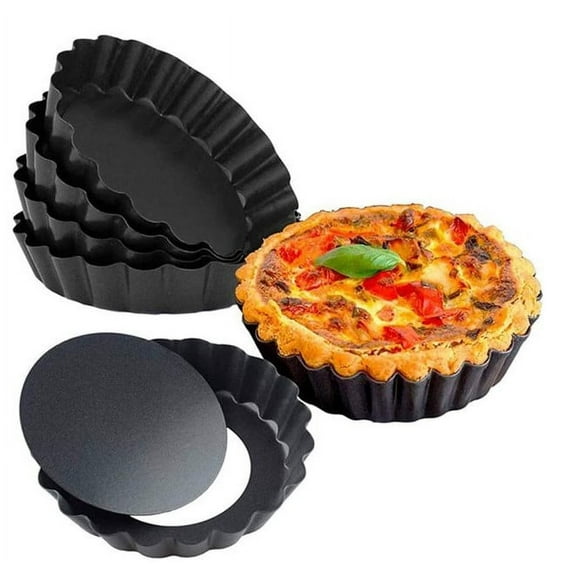
If you prefer clean slices and defined sides, you may choose a tart pan with a removable bottom. If you bake deeper fruit fillings, you’ll likely prefer a deep dish pie plate.
You can narrow your options faster when you compare a few practical details first. You should look at material, edge style, features, and shape before you pick a pan.
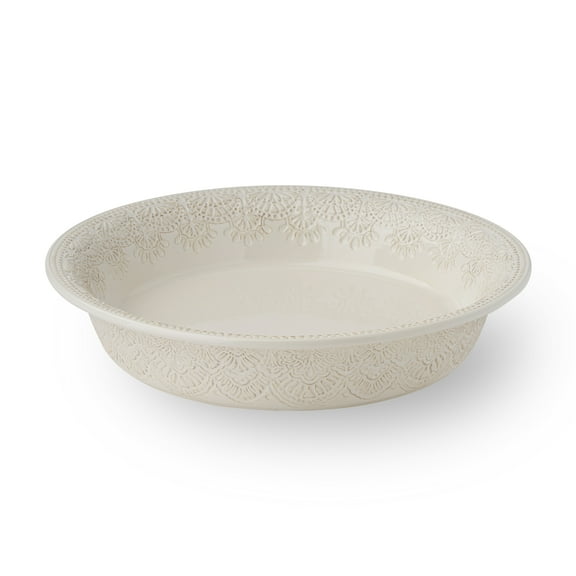
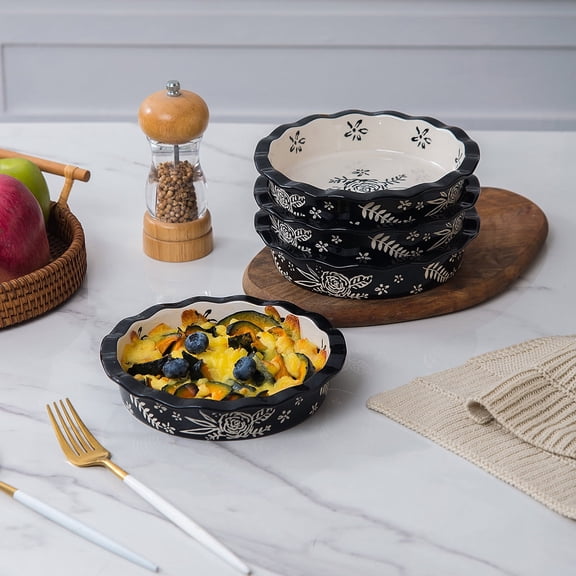
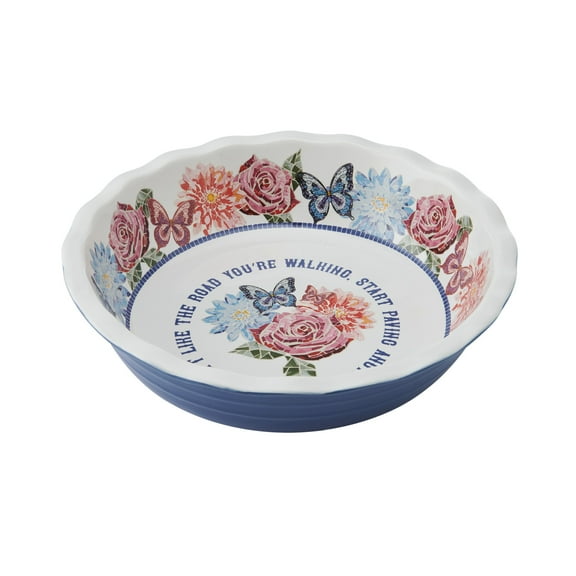
- You can use ceramic or stoneware when you want steady heat retention and an oven-to-table look.
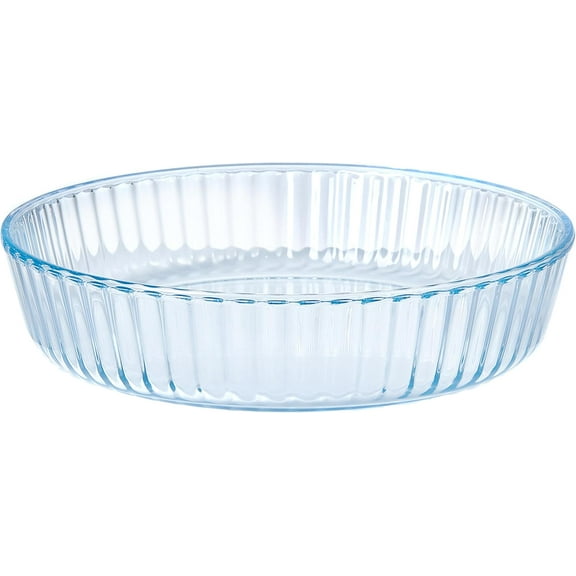
- You may prefer glass when you want to check crust color through the side and bottom.
- You’ll often choose metal when you want faster heat conductivity and a firmer, crisper crust.
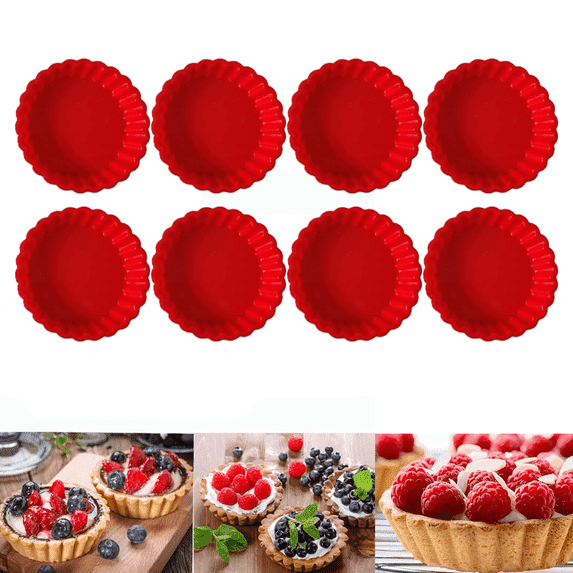
- You can pick fluted edges for tart presentation or smooth rims for classic pie serving.
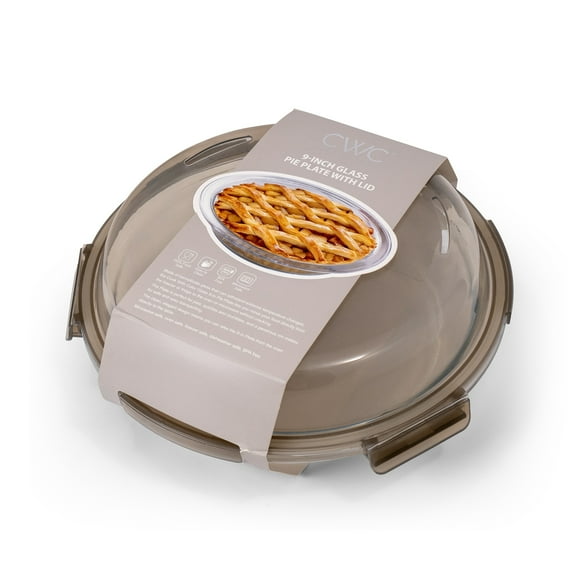
- You may want a pie plate with lid or handles when you carry desserts or store leftovers.
How to compare material and heat performance
You should compare material first, because it changes how your crust browns and how long your pan stays warm. You’ll notice that metal transfers heat quickly, while ceramic and stoneware hold heat longer.
If you bake a tart shell and want defined edges, you may reach for a metal tart pan. If you serve a cobbler-style pastry dish at the table, you may like ceramic or stoneware.
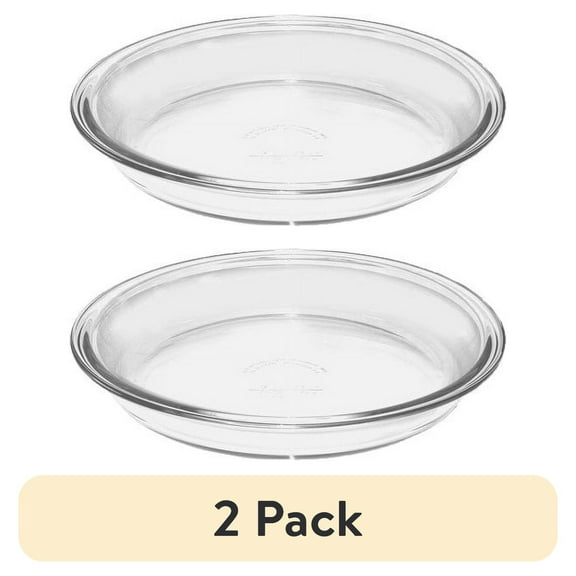
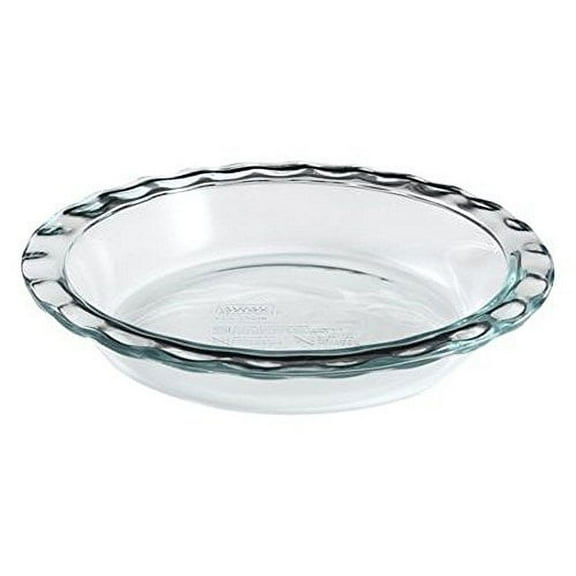
You can use a glass pie plate when you want to monitor bottom browning without lifting the bake. You’ll often find glass helpful for fruit pies where crust color matters.
When you compare ceramic, glass, metal, and stoneware, you should match the pan to your routine. You may want steady heat retention for custard pies or faster conductivity for flaky crusts.
What to look for in edge style and pan construction
You should check edge style next, because it affects both appearance and filling capacity. You’ll see fluted sides on many tart pans, while smooth rims appear on many pie plates.
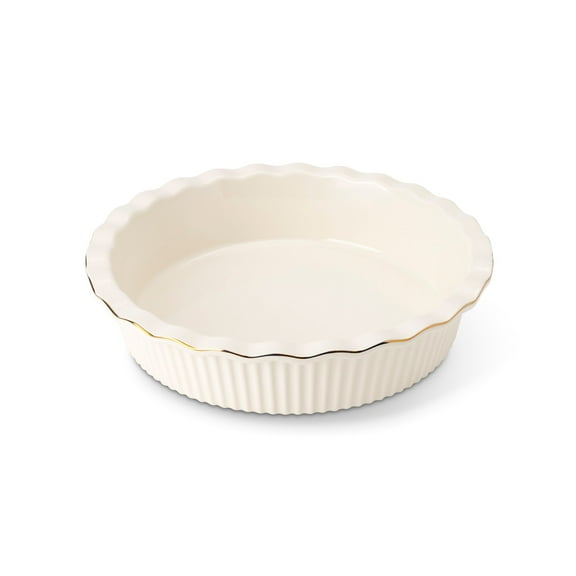
If you like a decorative finish, you may choose fluted sides for neat tart slices and defined pastry edges. If you want a classic dessert shape, you can choose a smooth round pie pan.
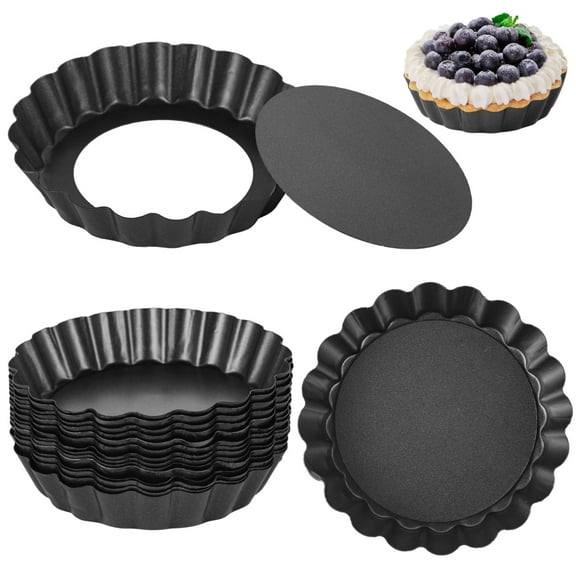
You should also compare loose-bottom and solid construction before you bake. You’ll usually want a removable bottom when you need to lift a tart out without breaking the crust.
If you serve fruit pie straight from the dish, you may prefer a solid pie plate. If you bake quiche or lemon tart, you can benefit from easier release and cleaner presentation.
Choosing depth, size, and shape
You should measure depth and diameter, because those details affect filling volume and baking results. You’ll commonly see round pans in 9-inch and 10-inch sizes, plus mini formats.
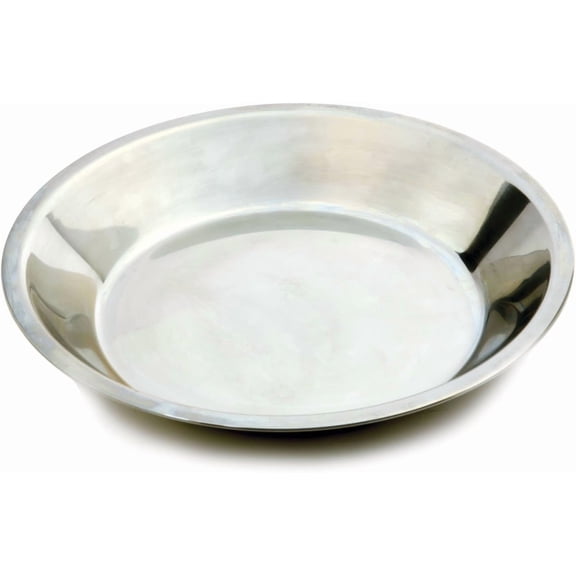
If you bake standard recipes, you may choose a 9-inch pie plate for familiar proportions. If you want extra fruit filling or taller layers, you can move to a deep dish pan.
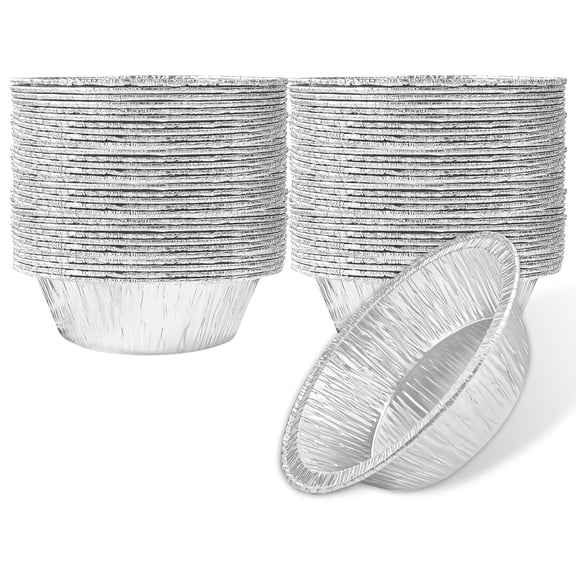
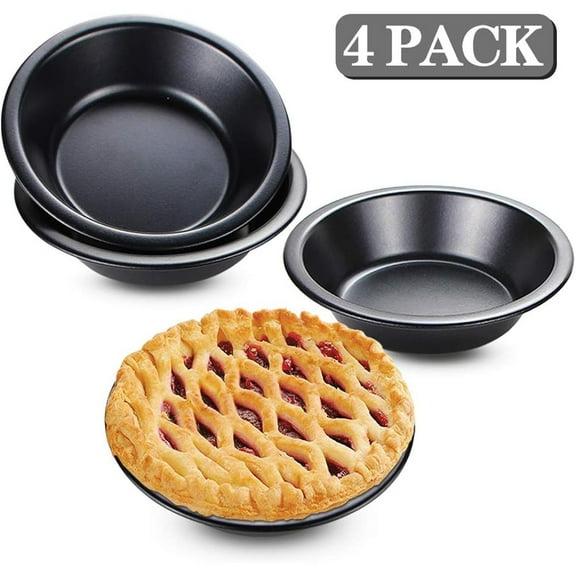
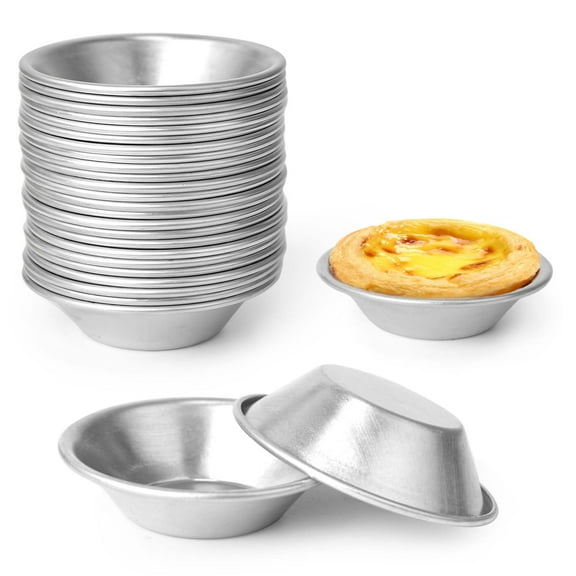
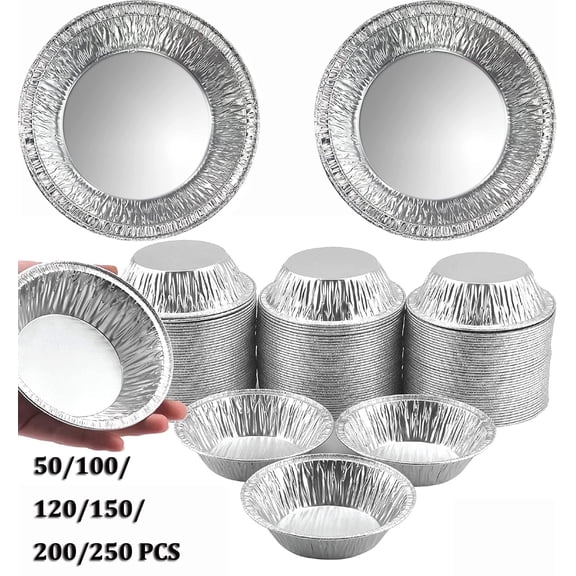
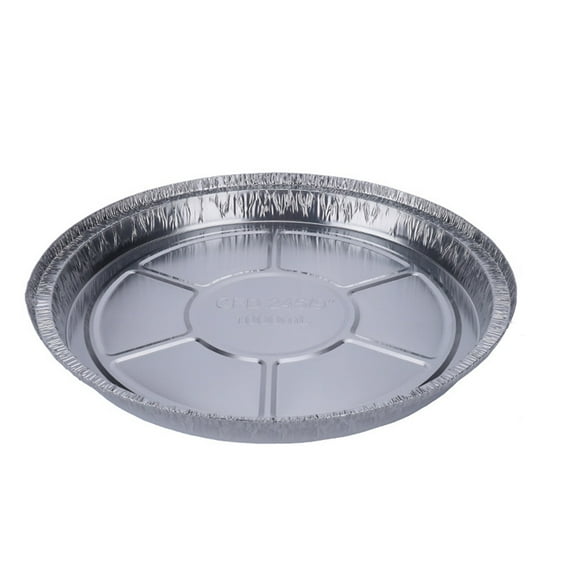
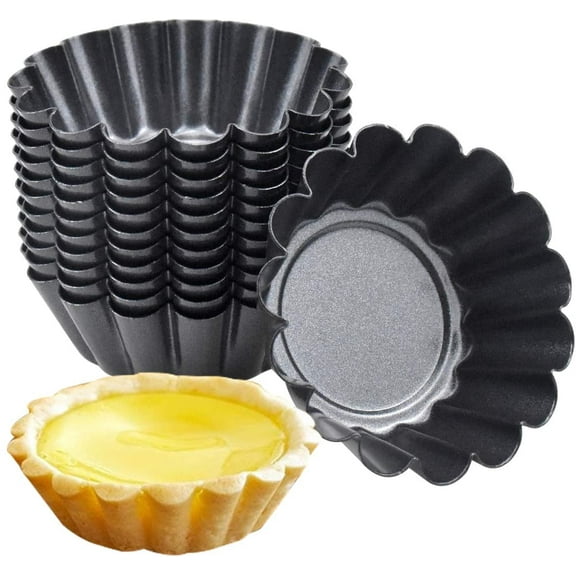
You may prefer mini tart pans when you serve individual desserts for parties or holiday trays. You can use a round pie pan for traditional apple, pumpkin, or pecan bakes.
When you compare capacity, you should think about crust thickness and filling height. You’ll get different results from a shallow tart pan than from a deep dish pastry dish.
Features for storage, transport, and serving
You should look at practical features when your baking goes from oven to table to refrigerator. You may want handles for a steadier grip and a pie plate with lid for covered storage.
If you bring desserts to gatherings, you can appreciate a covered pie plate that helps with transport. If you serve directly at the table, you may like side handles that support easier carrying.
You should also consider cleanup and how the pan fits your cabinet space. You’ll often find that shape, lid height, and handle width affect how easily your bakeware stores.
If you like vintage-inspired baking, you may search for a grandma pie pan with a familiar round shape. You can pair that style with modern features like handles or a fitted cover.
Matching the right pan to your baking routine
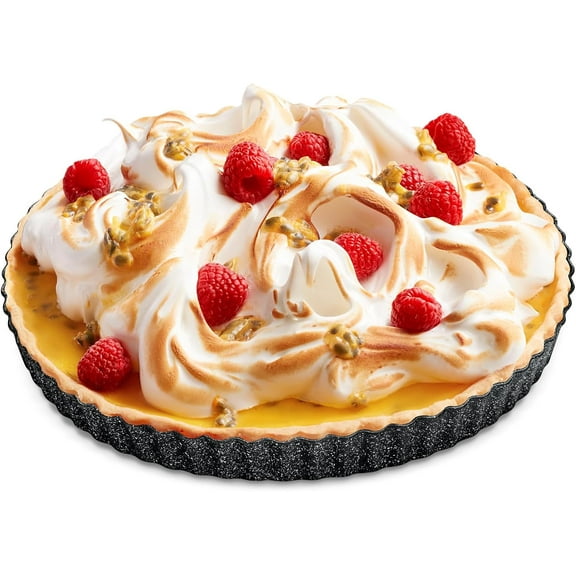
You can match a metal tart pan with a removable bottom to fruit tarts, quiche, and shell-first recipes. You’ll likely appreciate crisp edges and easier unmolding for neat slices.
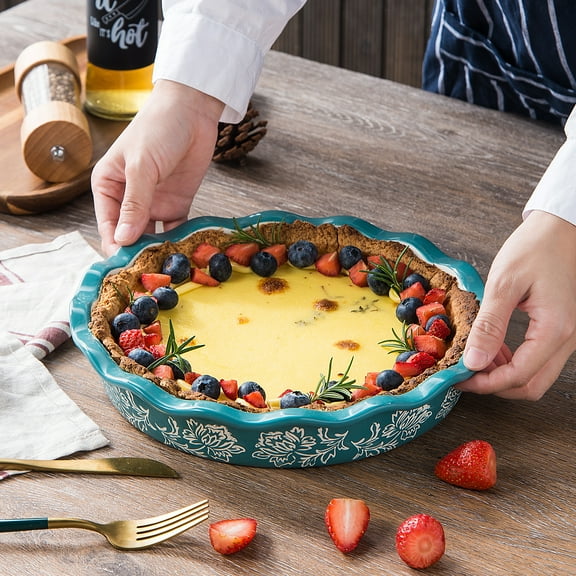
You may match a glass pie plate to berry pies when you want to watch crust color as it bakes. You can choose ceramic or stoneware when your dessert goes straight to the table.
If you bake deeper recipes for holidays, you should consider a deep dish pie plate with enough room for extra filling. If you store leftovers often, you may prefer a pie plate with lid.
You can feel more prepared when you compare material, depth, and features before baking day. You’ll end up with bakeware that fits your recipe, your oven routine, and your serving plans.