

Meditation Cushions in Yoga





About Meditation Cushions in Yoga - Walmart.com
Meditation cushions help you create a steadier seat for breathwork, quiet reflection, and yoga recovery at home. You can compare shape, fill, and cover details to find support that matches your posture and practice space.
If you sit for longer sessions, you may want height that supports your hip-to-knee angle and keeps your spine aligned. You can also choose between a single seat or a meditation cushion set for added floor coverage.
How to choose meditation cushions
You’ll notice that cushion height changes how your hips settle and how your knees meet the floor. You can use a taller seat if your hips feel tight during cross-legged sitting.
If you prefer more contact with the floor, you may choose a lower profile for a grounded feel. You can compare shape and firmness together, because both affect your sitting posture.
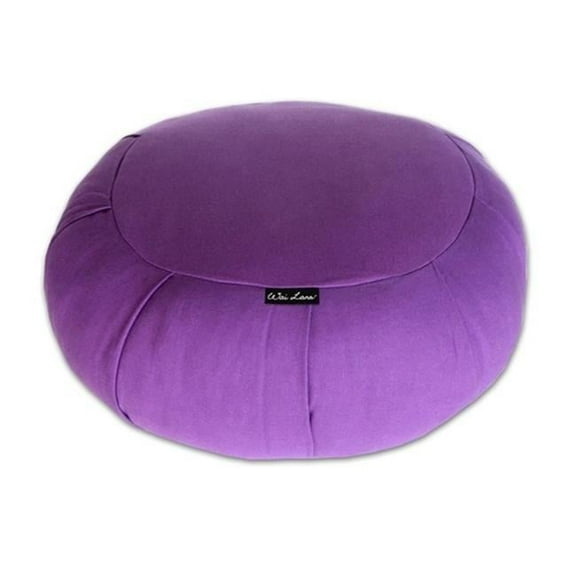
- You can use round cushions for classic cross-legged meditation and centered support.
- You may prefer crescent shapes when you want more room for your heels and ankles.
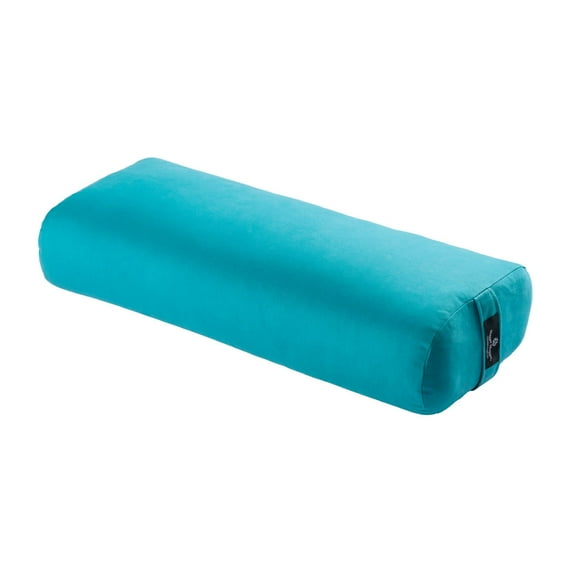
- You can place rectangular styles under your legs or switch them into flexible floor seating.
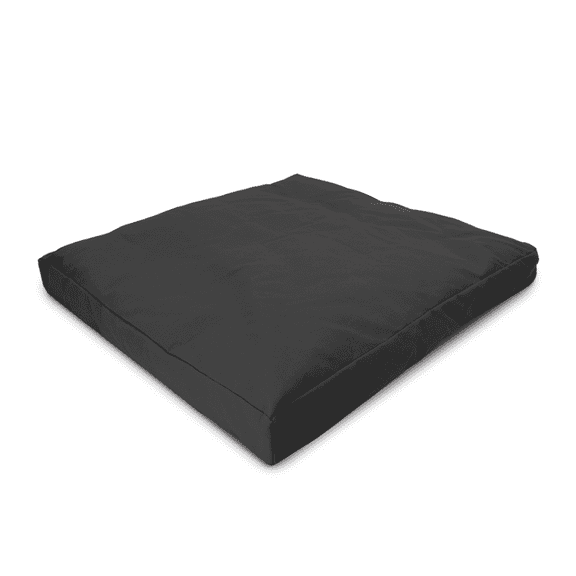
- You might choose a cushion and mat set when you want extra padding under your knees and feet.
A meditation pillow can help you sit with less shifting during shorter or longer sessions. You can pair it with a zabuton mat when you want a softer layer across a wider floor area.
Choosing shape, fill, and cover fabric
You can start with shape because it changes how your body settles into the seat. A round or crescent zafu cushion often suits seated meditation, while a rectangular form can feel versatile.
When you compare filling material, you should look at firmness first. Buckwheat hulls feel more structured, kapok fiber feels softer, and memory foam can feel smooth and consistent.
If you want an adjustable feel, you may like buckwheat hulls because they shift with your position. If you want a lighter, softer seat, you may lean toward kapok fiber.
You can also consider cover fabric as part of everyday use. Cotton canvas feels durable, velvet feels softer to the touch, and linen gives you a relaxed, textured look.
For easier care, you should check whether your cover removes for washing. You may also want a carry handle if you move your cushion between rooms or take it to class.
What to look for in a meditation pillow or zafu cushion
You should compare height with your flexibility, because that choice affects your hip-to-knee angle during seated practice. If your knees lift high, you may need more elevation.
When your hips sit slightly above your knees, you may find it easier to maintain an upright spine. You can look for shapes and fills that help you stay settled without constant readjusting.
A zafu cushion usually gives you a more defined seat for focused meditation sessions. A floor sitting pillow may feel broader and more casual when you use it for reading or relaxed stretching.
If you alternate between meditation and restorative poses, you may like a yoga bolster cushion in your setup. You can use that longer shape under your knees, legs, or seat for different positions.
You should also think about room size and storage. A single cushion fits smaller corners easily, while a meditation cushion set can create a fuller practice station.
Matching meditation cushions to your routine
You can choose a compact cushion when you practice before work and want quick setup on a bedroom or office floor. A removable cover helps when your routine includes frequent use.
If you practice longer sessions, you may want firmer support that keeps its shape through still sitting. You can add a zabuton mat for comfort under your ankles and knees.
For shared spaces, you might choose fabrics and colors that blend into your room when the cushion stays out. You can also pick a handle for easy carrying from shelf to floor.
If your routine includes breathwork, journaling, and stretching, you may prefer a rectangular or broader floor sitting pillow. You can move it from seated meditation to casual floor lounging with less effort.
When you want a more traditional setup, you may combine a meditation pillow with a mat for a defined sitting area. That pairing helps you create a calm, consistent place for daily practice.
You can narrow your choice faster when you compare shape, fill, fabric, and set configuration together. With the right meditation cushions, you’ll get steadier posture, easier comfort, and a more focused session.