

Play Sand for Kids & Sensory Play | Walmart










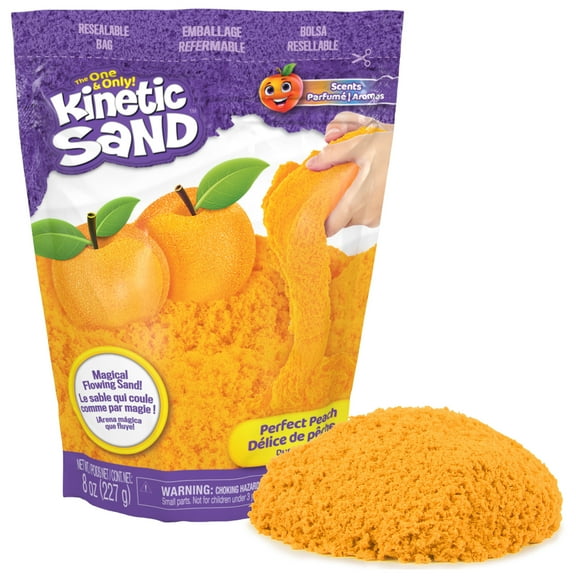

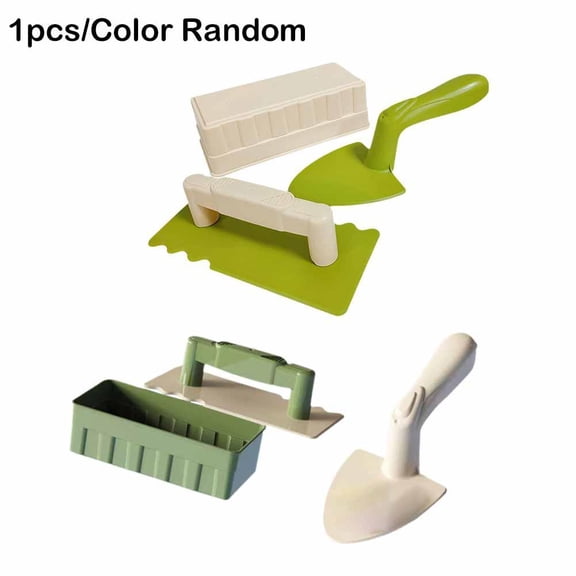


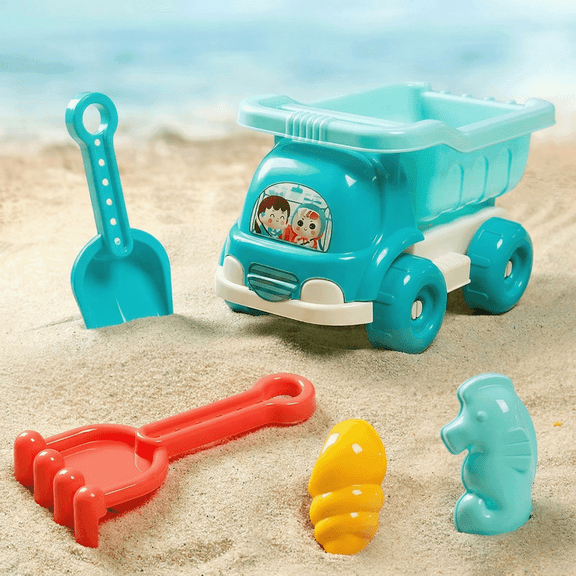
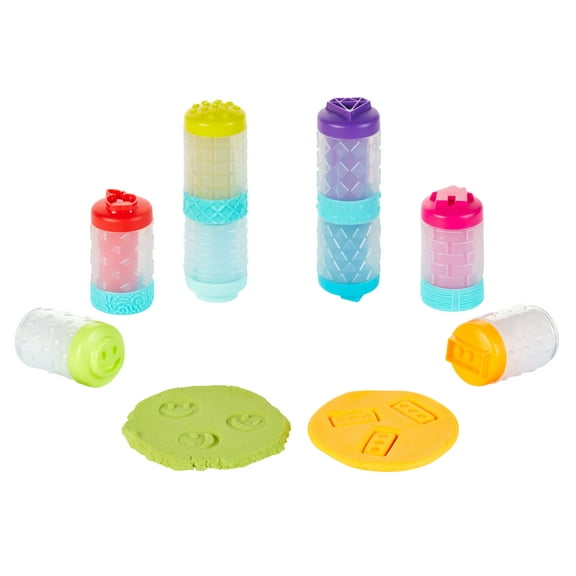


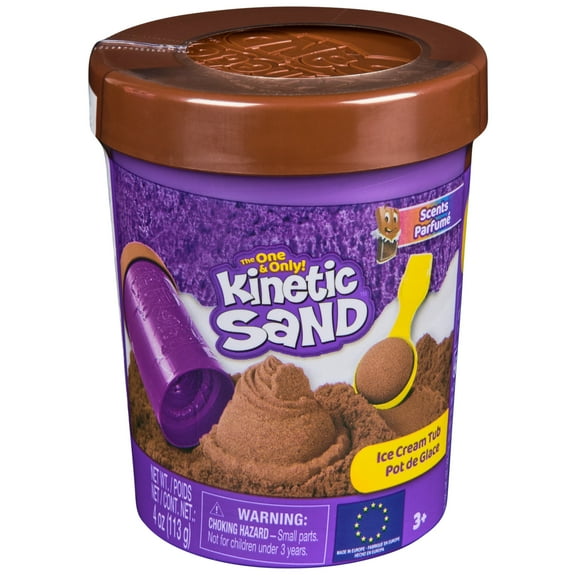
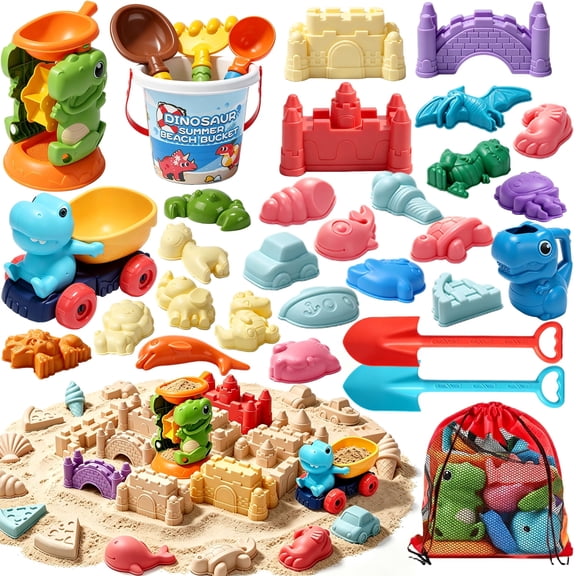


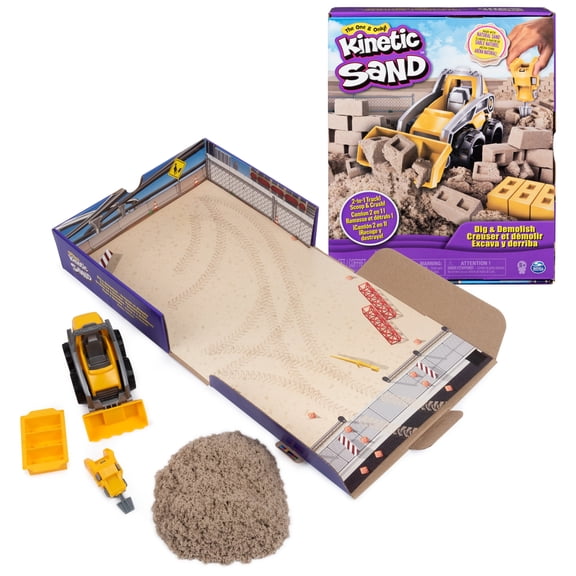
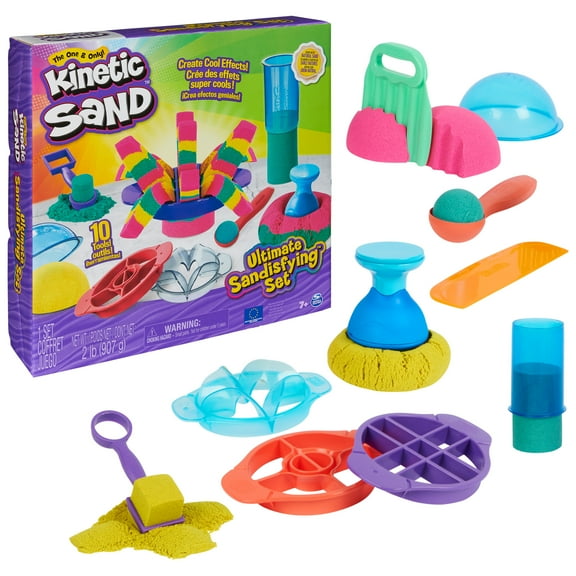
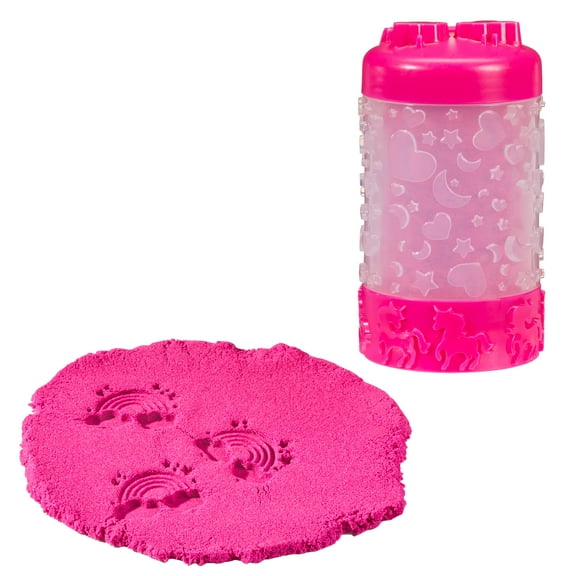

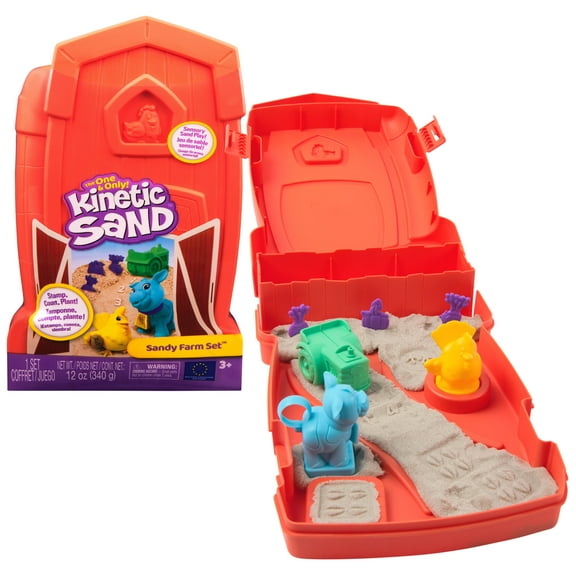


About Play Sand for Kids & Sensory Play | Walmart - Walmart.com
Play sand gives kids a hands-on way to scoop, pour, mold, and build during sensory play, table activities, or backyard sandbox time. This category centers on texture, moldability, format, and quantity, so you can compare options that fit your space and routine. Use it for indoor activity bins, outdoor projects, or sandbox refreshes when loose fill and easy shaping matter most.
Choosing play sand for kids
Start with the use case. Some options suit sensory play at a table, while others make more sense for larger sandbox play outdoors. A softer feel and shapeable texture can make castles, tracks, and molded forms easier to create during supervised family play.
Age also matters when comparing toy sand. Toddlers and preschoolers often use smaller amounts for scooping, cups, trays, and simple molds. Older kids may want larger volumes for digging, roads, forts, and layered sandbox scenes.
- Fine grain textures can feel smooth in bins, trays, and play tables.
- Moldable options help shapes hold together for buckets, castles, and pattern tools.
- Small packs work well for compact indoor activities and quick setup.
- Refill bags support sandbox upkeep when you need extra volume.
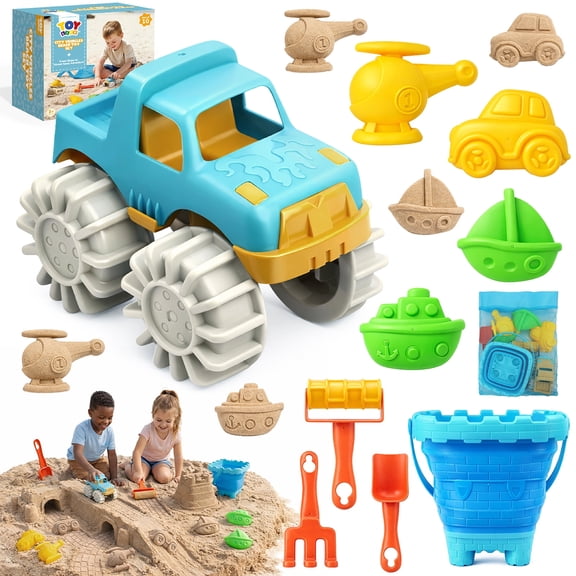
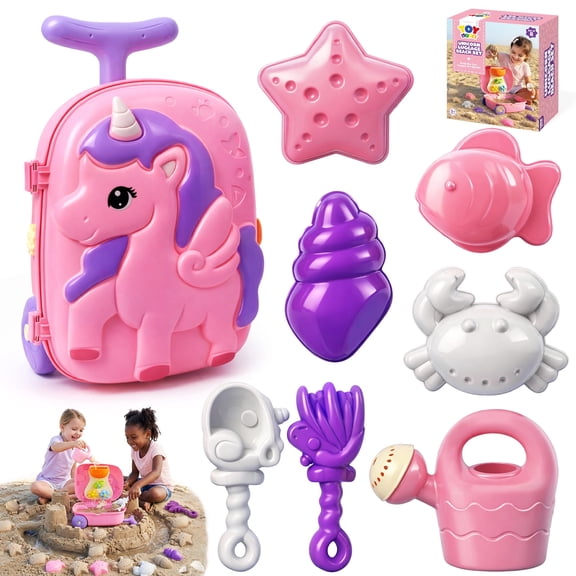
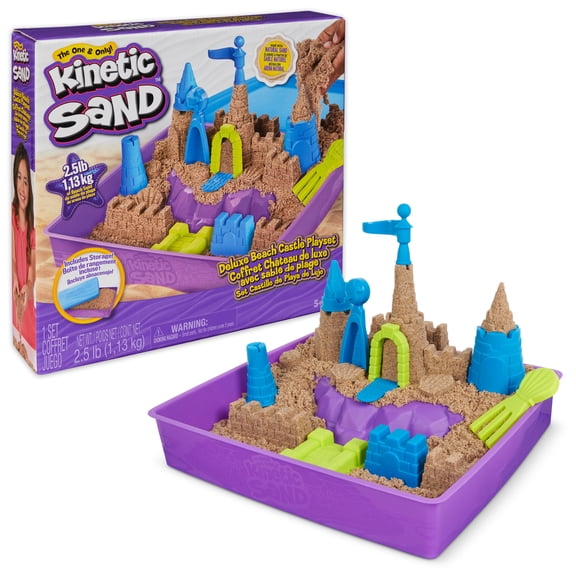
- Sand sets can pair the material with tools for more guided play.
What to look for in playsand texture and format
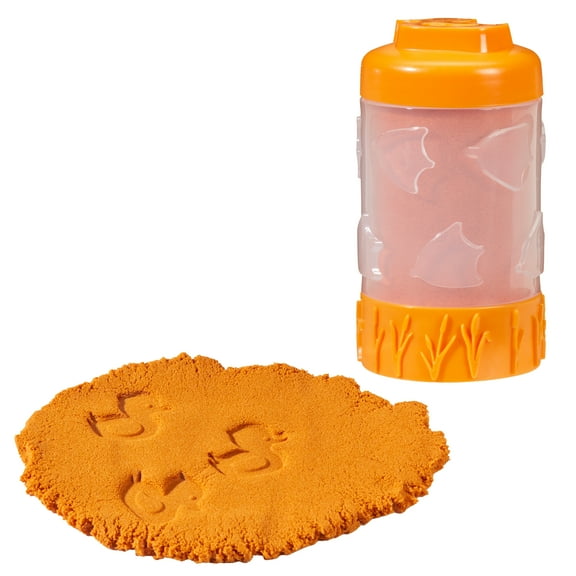
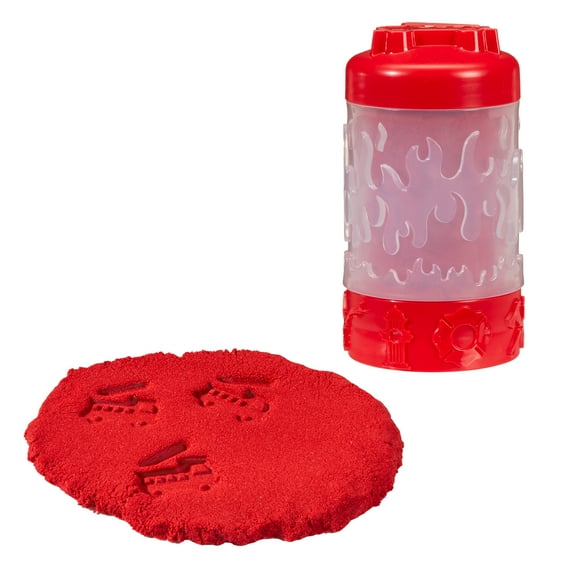
Texture affects how the sand moves through fingers, cups, sifters, and molds. Fine grain options usually pour easily, while easy-to-shape styles support packed forms and cleaner edges. If your child likes stamping patterns, compare moldability before choosing a format.
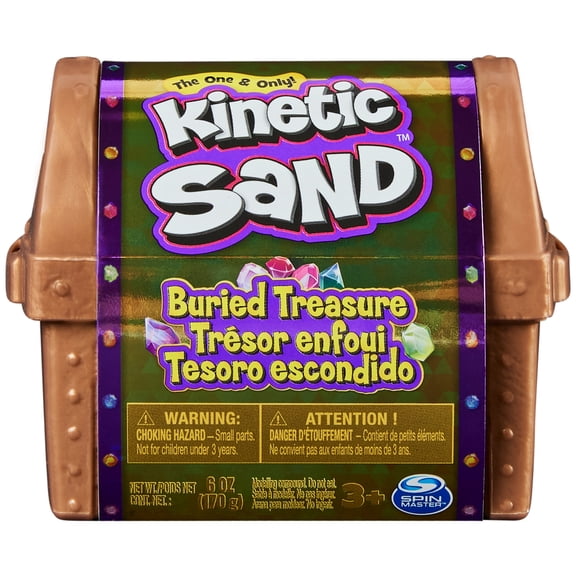
Format is another key decision. Loose sand works well when you already have bins, tables, or sandbox accessories at home. Sand sets can simplify setup because they often focus the activity around scooping, shaping, or building.
Consider where the play happens most often. Indoor table play may call for smaller packs that are simple to portion and store. Outdoor use often benefits from refill bags or larger quantities that cover more space in a sandbox.
Comparing use cases for sensory play and sandbox fun
Different setups support different routines. For sensory play, look for play sand that pours smoothly through funnels, cups, spoons, and small construction toys. This style works well in shallow bins, sensory tables, and craft-style activity stations.
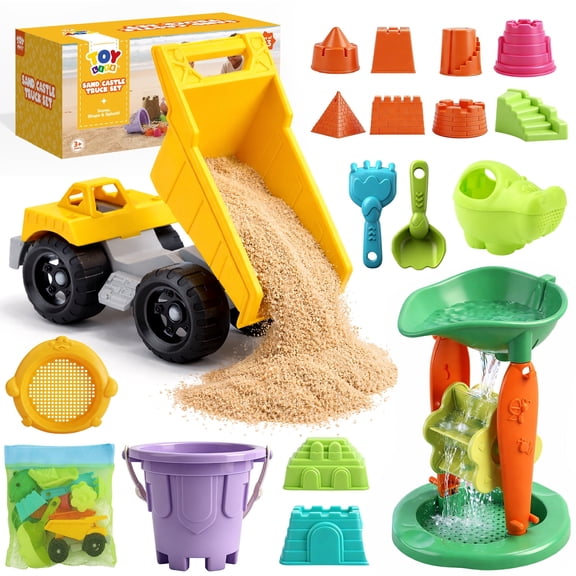
For sandbox use, quantity becomes a bigger factor. A larger fill level helps kids dig, rake, bury molds, and build roads with toy trucks. That makes refill quantity important when you're refreshing an existing box or starting a new outdoor play area.
Indoor activities often focus on controlled portions and easy cleanup. Outdoor activities usually allow broader digging and larger structures with buckets, shovels, and sand wheels. Matching the sand to the location helps the play session feel smoother from setup to storage.
Matching pack size and play location
Check whether you need a small pack, multi-pack, or bulk quantity. A small amount can fit apartment play tables, classroom trays, or occasional rainy-day use. Multi-pack options can help separate activities by room, container, or child.
Bulk and sandbox refill quantities support larger outdoor spaces. If a sandbox looks low after repeated play, a refill bag can restore digging depth and building room. For table play, smaller amounts can be easier to measure, portion, and put away.
Play location shapes the decision too. Indoor spaces often favor compact storage and quick transfer into bins or lidded containers. Outdoor spaces may favor larger bags that keep up with frequent digging, scooping, and reshaping.
How to compare toy sand for real play routines
Think about the activity before choosing toy sand. If the goal is simple pouring and scooping, compare grain feel and pack size first. If the goal is shaping roads, towers, and molded forms, prioritize easy shaping and enough volume.
Families often keep one type for table play and another for the sandbox. A compact format can support weeknight sensory bins, while a larger refill can handle weekend outdoor projects. That split works especially well when indoor and outdoor routines need different quantities.
Play sand also fits themed activities. Kids can create dig sites, construction zones, letter tracing trays, and miniature landscapes with the right tools. When the texture matches the task, setup feels easier and the play stays focused on building and exploring.
Why category details matter when choosing play sand
The right choice depends on use case, texture, format, age, location, and quantity. When those details line up, play sand supports smoother scooping, steadier shaping, and more satisfying sandbox or sensory play every time.