









Index Cards in Paper







































About Index Cards in Paper - Walmart.com
Index cards help you organize notes, build flash cards, and plan projects with a format that stays easy to sort and review. You can compare sizes, ruling styles, colors, binding types, and pack counts to match school, office, and home tasks.
How to choose index cards for your tasks
When you choose index cards, you should start with the way you’ll write, study, or present information. You can narrow your options faster when you compare size, surface layout, and how you’ll carry the cards.
For daily note-taking, you may want cards that fit in a pencil pouch, desk drawer, or small organizer. For speech prompts or recipe storage, you may prefer larger cards that give your handwriting more room.
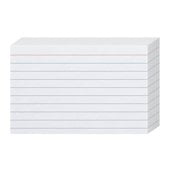
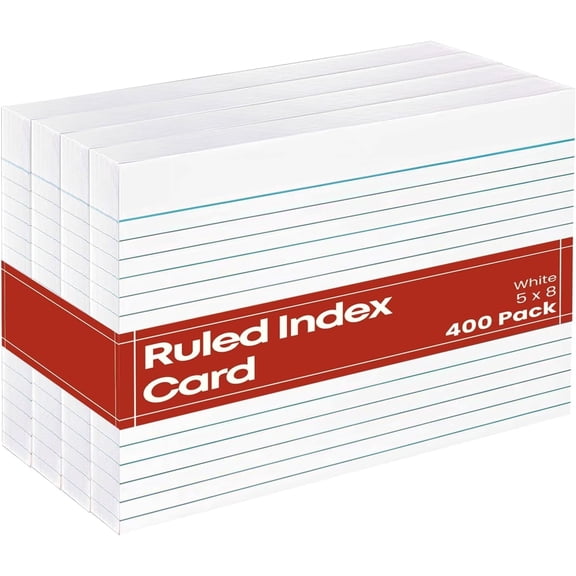
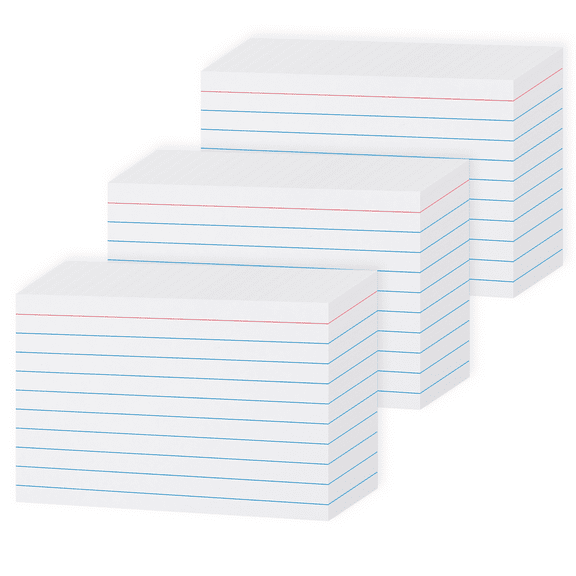
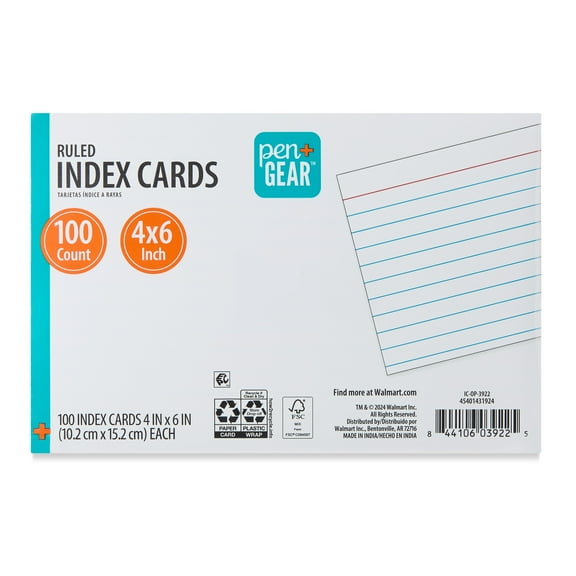
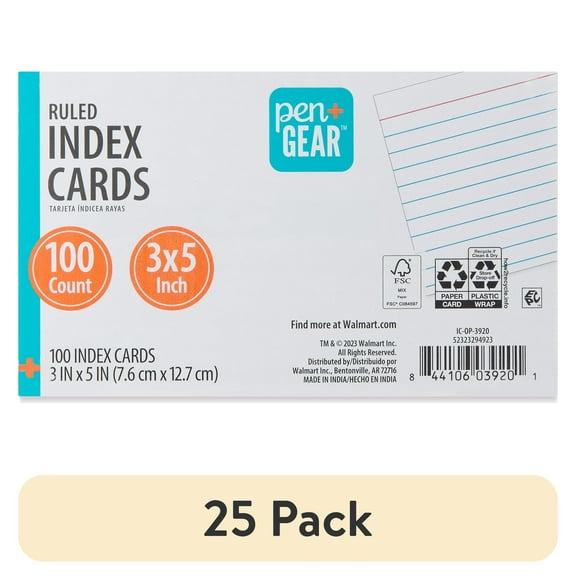
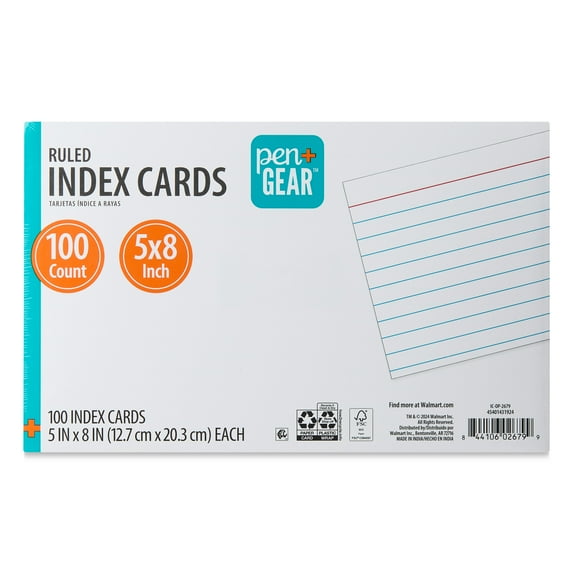
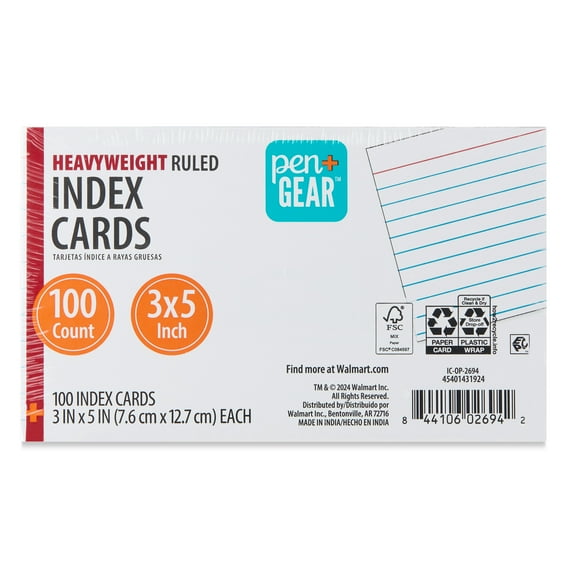
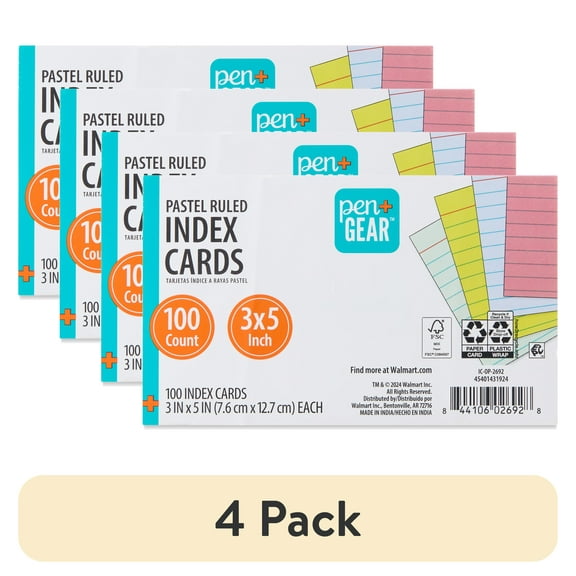
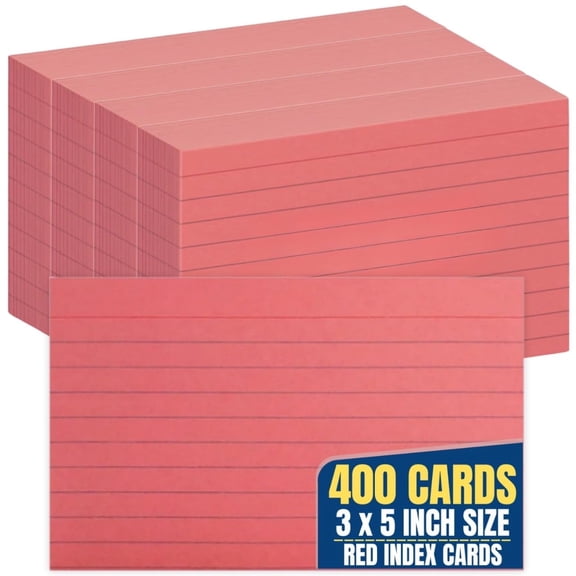
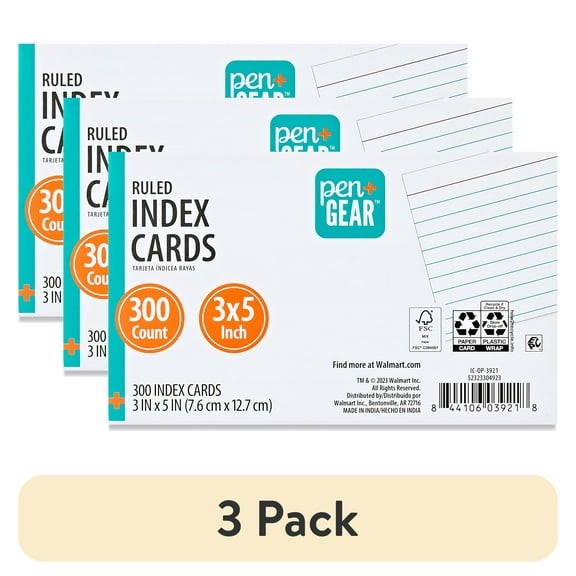
- You can use ruled index cards when you want straight lines for class notes, outlines, or vocabulary lists.
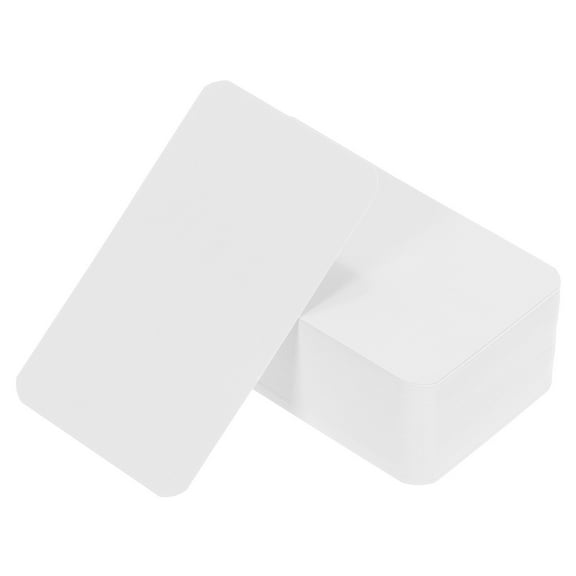
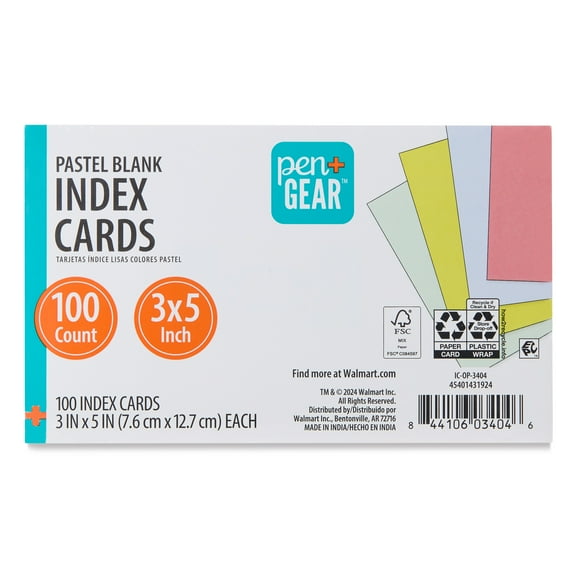
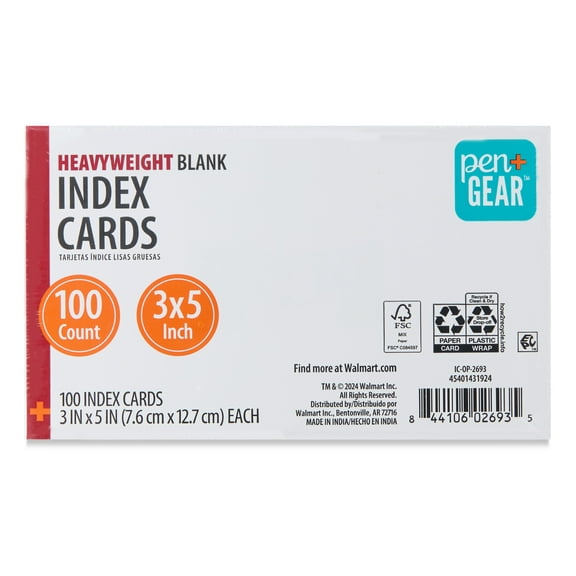
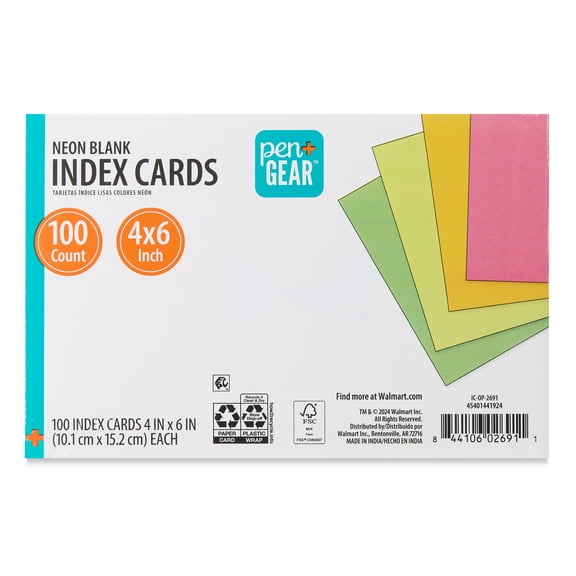
- You can choose blank index cards when you want open space for diagrams, sketches, or custom flash cards.
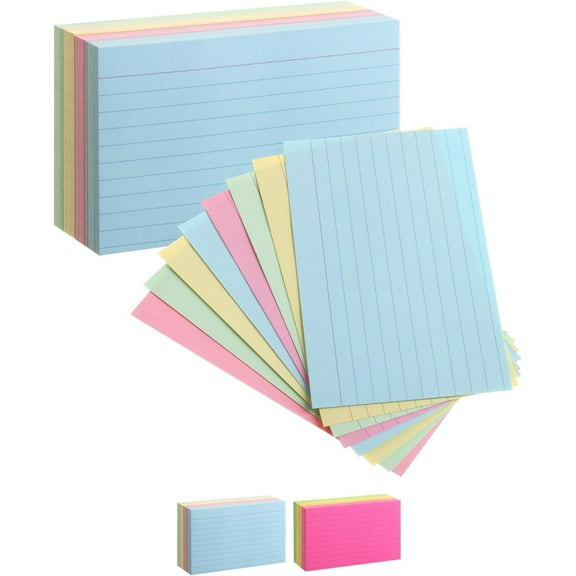
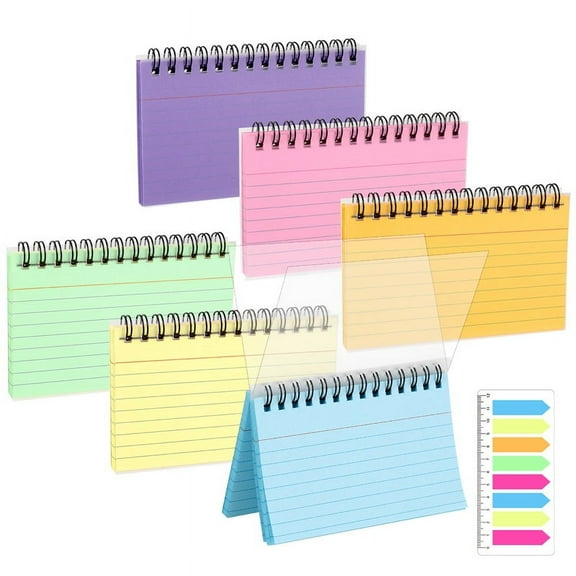
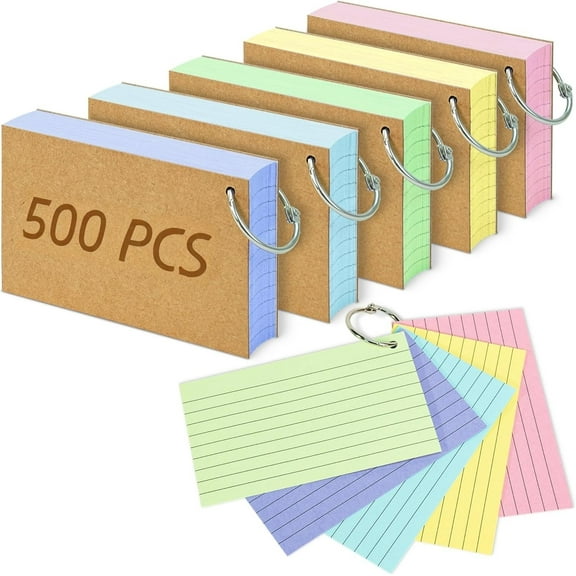
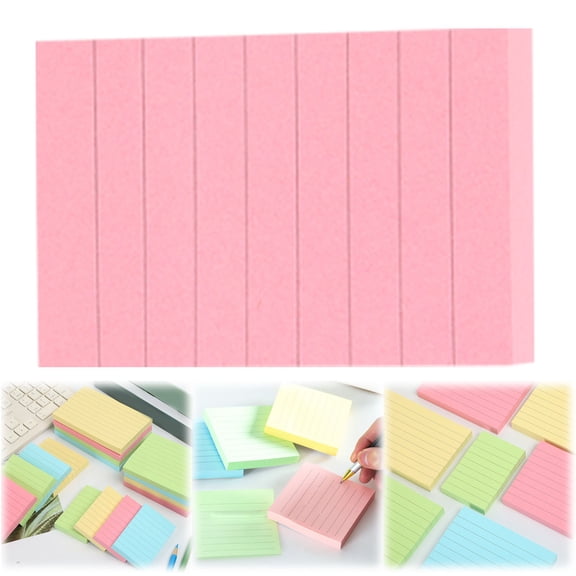
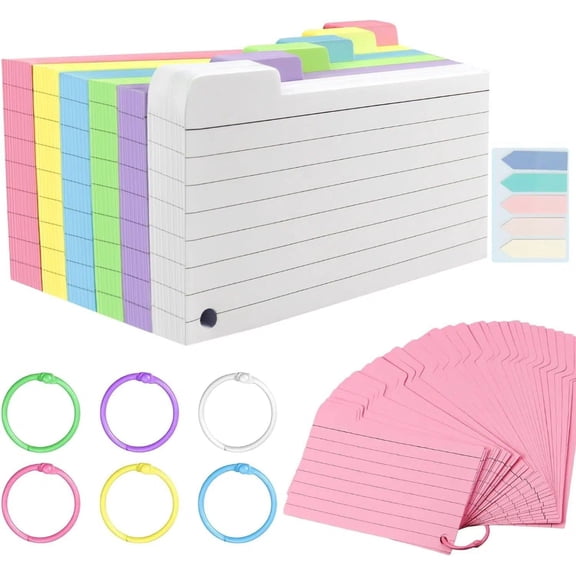
- You can pick colored index cards when you want to sort subjects, projects, or study sets by color.
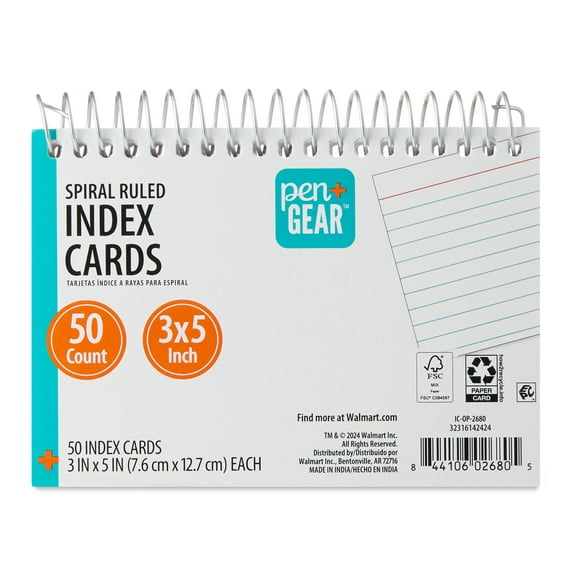
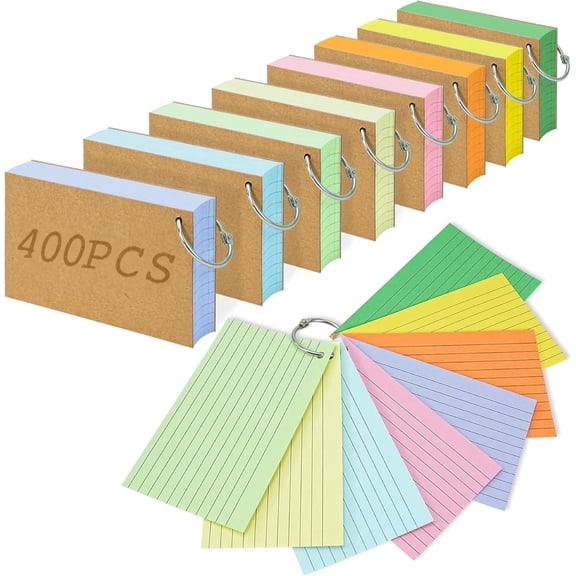
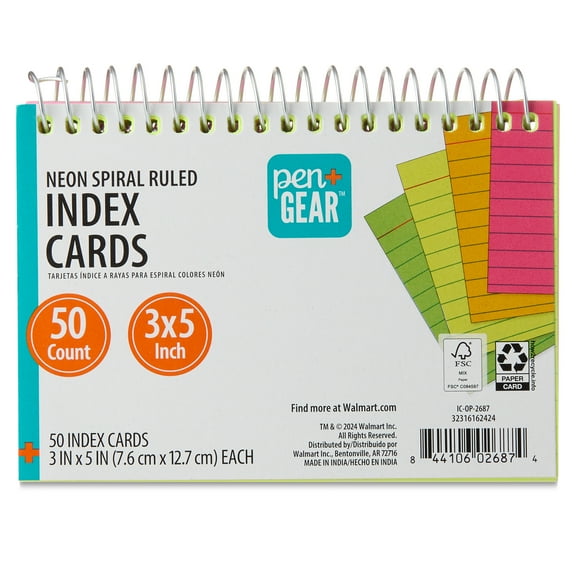
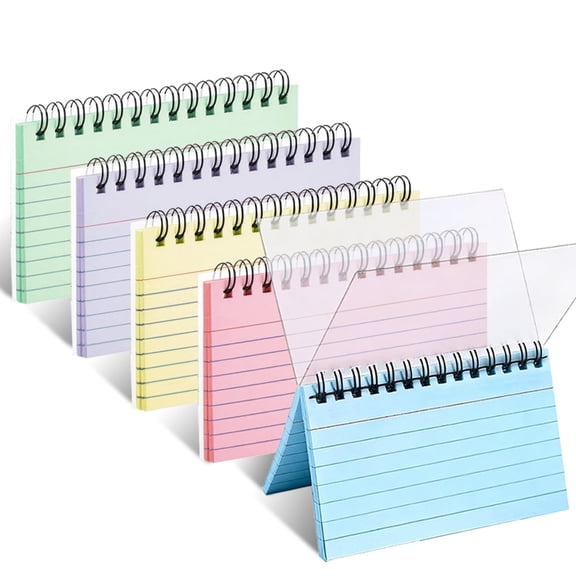
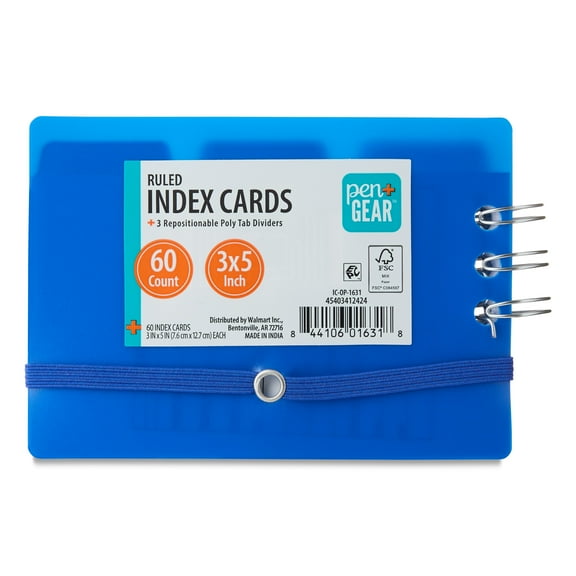
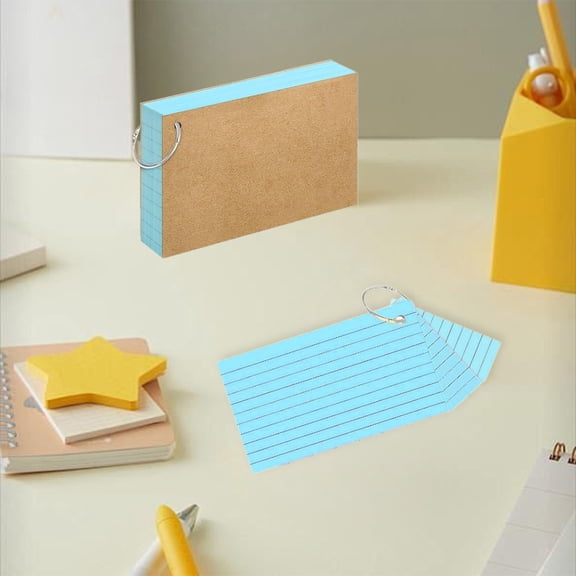
- You can look for spiral index cards or ring bound options when you want cards that stay together on the go.
If you write with gel pens or markers, you should also compare paper thickness before you choose. You’ll notice heavyweight index cards can give you a sturdier feel and cleaner writing results.
Choosing between ruled index cards and blank layouts
Ruled index cards work well when you want neat lines for definitions, reminders, and presentation cues. You can keep handwriting more consistent, which helps when you review information quickly.
Blank index cards fit projects that need flexibility, such as math steps, quick sketches, or hand-drawn study prompts. You can also use them for flash cards when you want to place words and images anywhere.
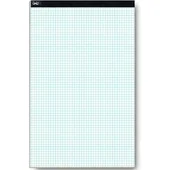
Grid layouts can help when you need spacing for charts, small diagrams, or organized figures. You may prefer that structure when your notes mix numbers, labels, and short written points.
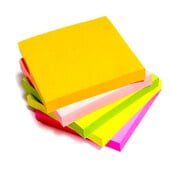
Color also changes how you organize information across classes, departments, or family schedules. You can use white cards for a clean standard look, or choose assorted colors and neon sets for faster visual sorting.
Choosing the right size with 3x5 index cards and 4x6 index cards
Size affects how much you can write and where you can store your cards. You should choose dimensions that fit your handwriting, storage space, and how often you’ll carry them.
3x5 index cards suit quick facts, vocabulary terms, and compact study decks. You can slip them into small boxes, pouches, and desk organizers without taking much room.
4x6 index cards give you more writing space for recipes, presentation prompts, or longer instructions. You may like this format when larger handwriting or extra detail matters during review.
5x8 cards support longer notes, project steps, and reference lists that need wider spacing. You can read them easily at a glance, which helps during meetings or speaking practice.
What to look for in paper weight and binding
Paper thickness matters when you want writing that looks clean on both sides. You should compare cardstock feel if you use pens, markers, or heavier ink.
Heavier cards can feel firmer in your hand and hold up well through repeated shuffling. You may find they work nicely for study decks, task systems, and cards you handle every day.
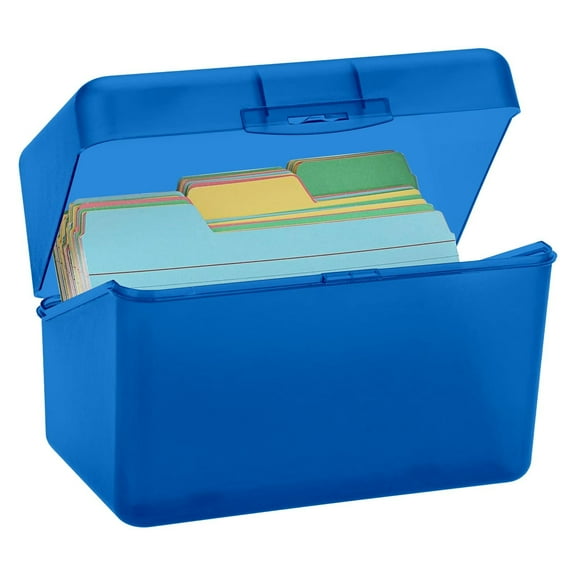
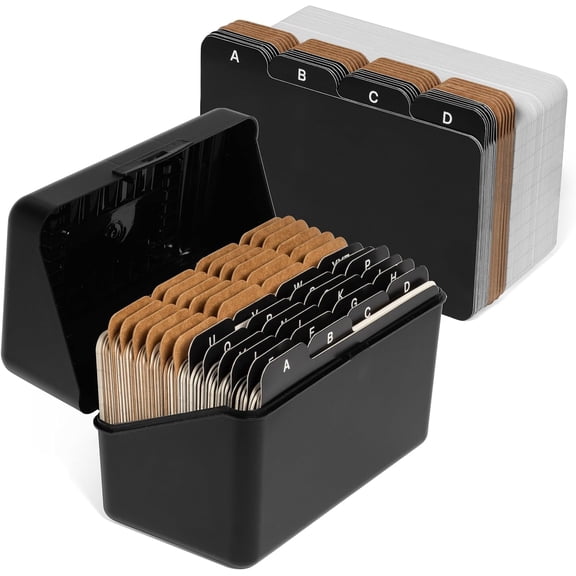
Binding style changes how you carry and store your notes. You can choose loose cards when you want to sort, reorder, and file them in boxes or holders.
Spiral index cards help you keep pages together in one pad for travel or quick lists. Ring bound styles also keep cards grouped, while still letting you flip through sections easily.
Pack size should match how often you refill your supply area. You can choose a 100-pack for lighter use, a 300-pack for regular needs, or larger counts for shared spaces.
How colored index cards fit study, office, and home use
Colored index cards support sorting systems that stay easy to scan during busy days. You can assign one color to each subject, project phase, or household category.
For school, you can build flash cards by class and separate terms, dates, and formulas by color. You’ll spend less time searching when your review sets already follow a visual pattern.
At work, you can use cards for talking points, training notes, and project checklists that move between meetings. You may also keep task categories separate by using white cards for planning and neon cards for reminders.
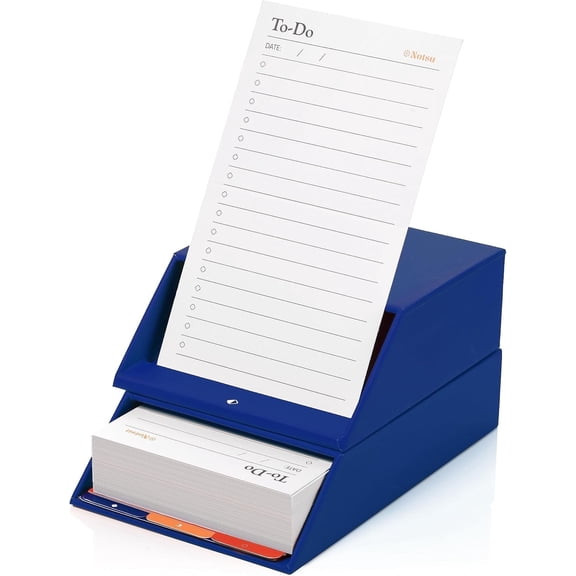
At home, you can write recipes, pantry lists, moving labels, or chore routines on cards that stay simple to update. You can pair loose cards with holders or boxes for easy access in drawers and shelves.
If you need portability, you can choose spiral index cards for backpacks, briefcases, or kitchen counters. You’ll keep your notes together, while still getting the familiar card format you expect.
With the right mix of size, ruling, color, and binding, you can build a system that matches how you study and stay organized. You’ll get index cards that support clear writing, quick sorting, and everyday planning.