






Hunting Boots in Hunting Clothing
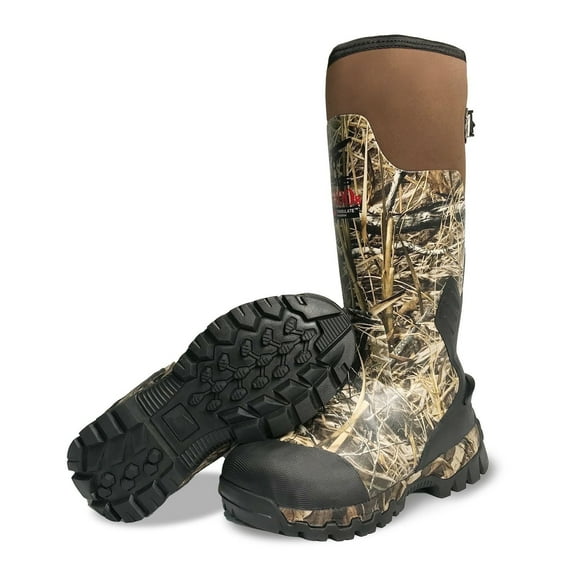


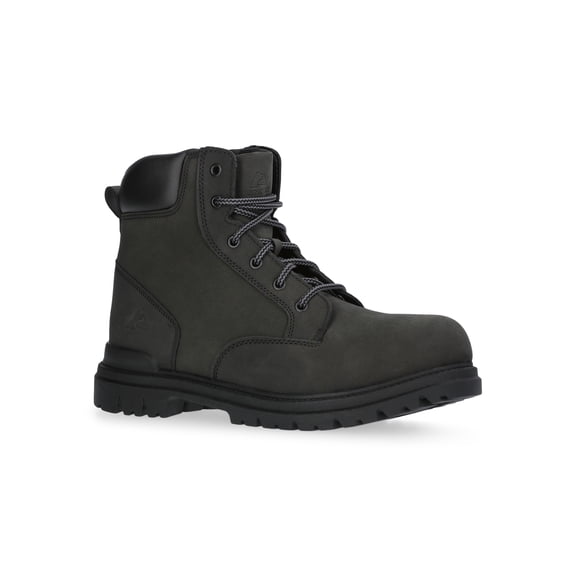


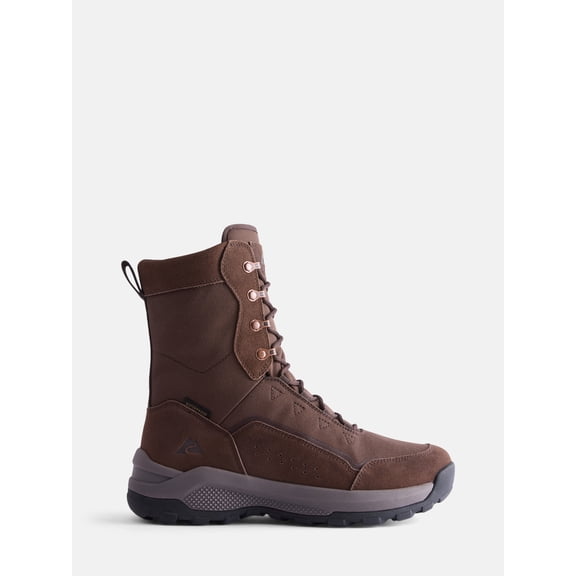


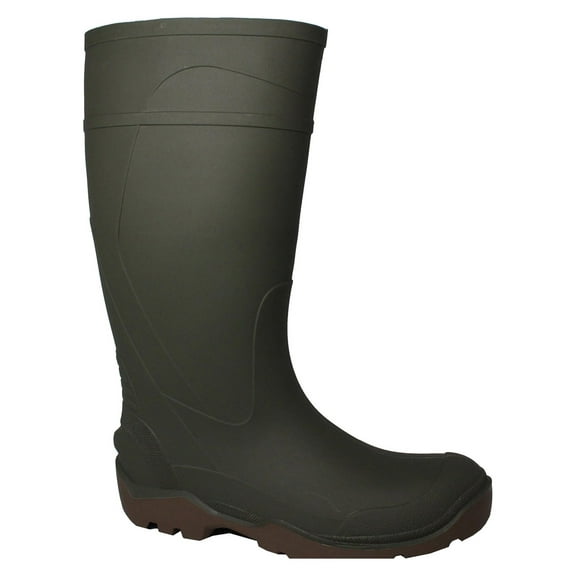






























About Hunting Boots in Hunting Clothing - Walmart.com
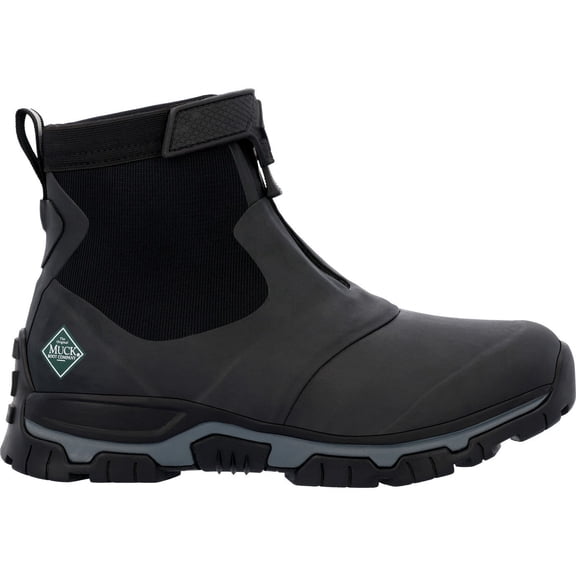
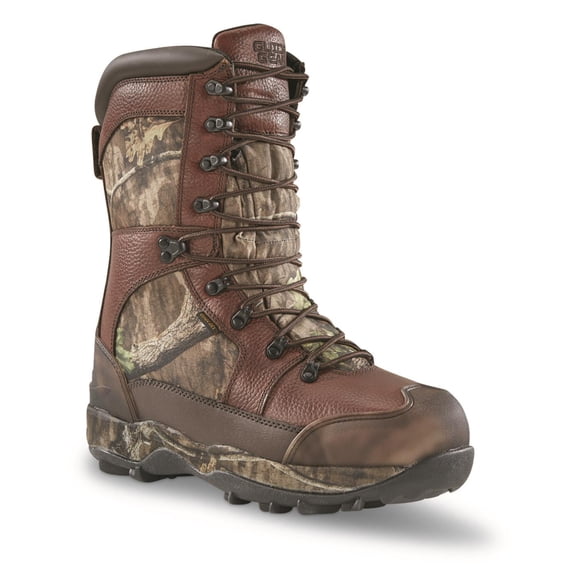
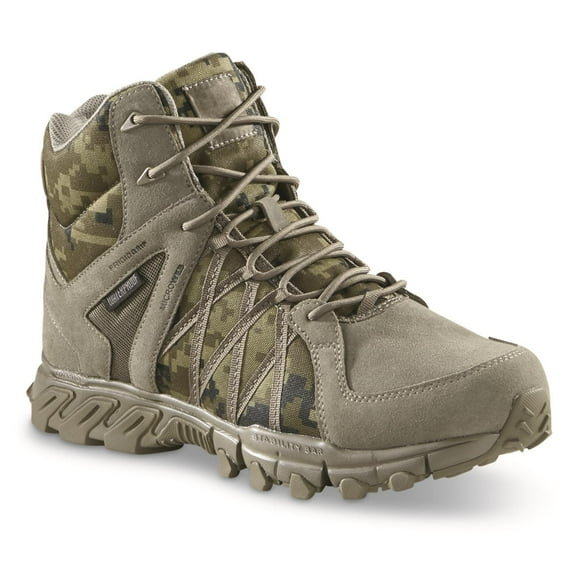
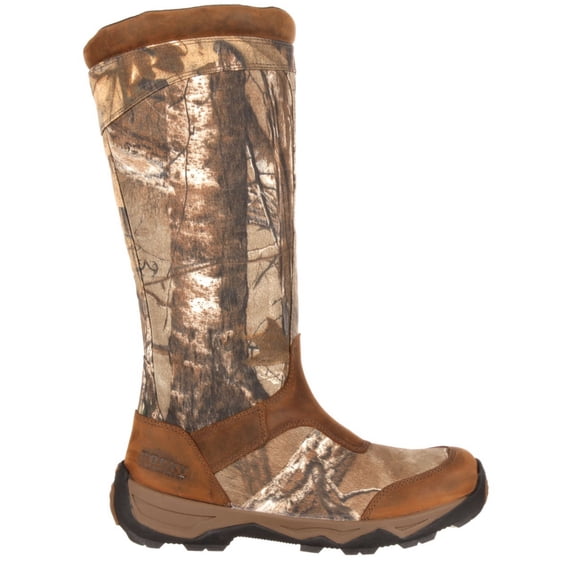
Hunting boots help you stay steady, dry, and prepared for changing terrain. You can compare insulation, materials, shaft height, and camo patterns to match your hunt.
How to choose hunting boots for your terrain
You should start with the ground and weather you expect most often. Your route through swamps, fields, ridges, or frozen woods changes which pair makes sense.
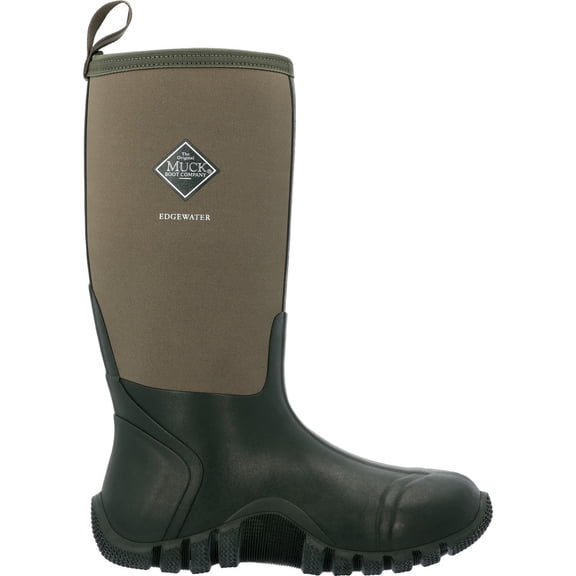
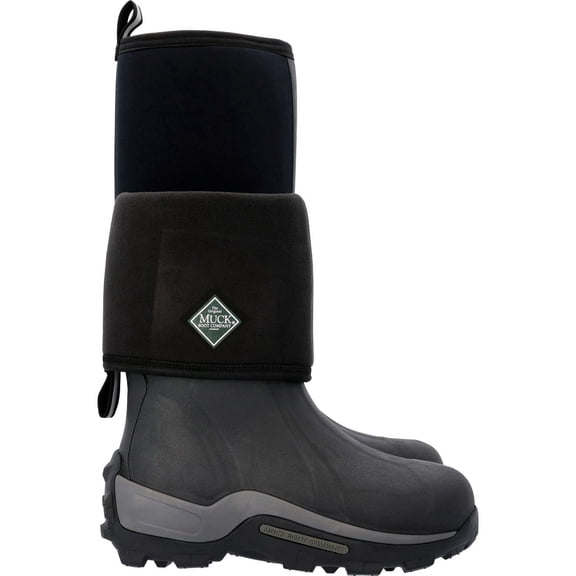
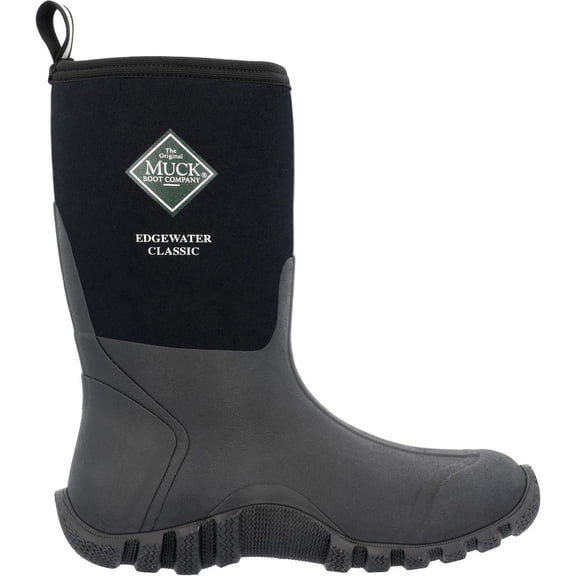
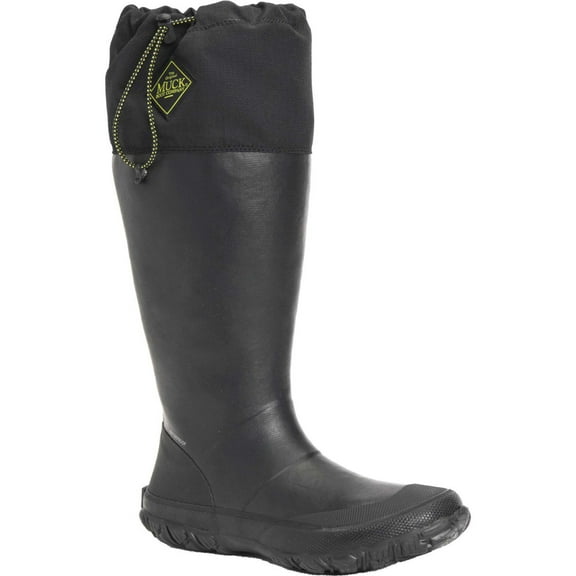
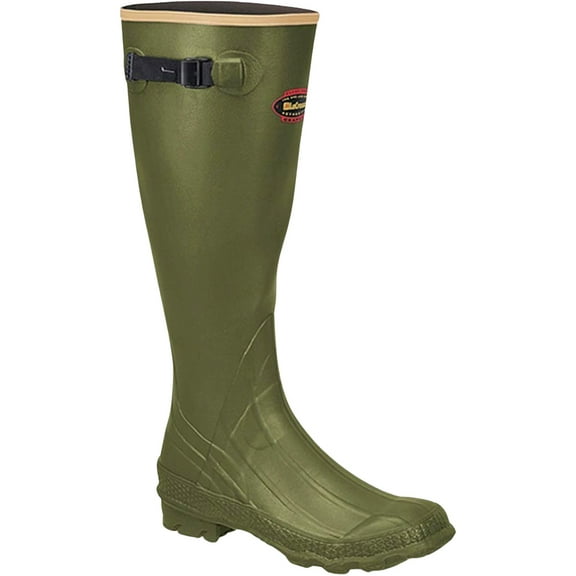
Rubber hunting boots work well when you cross wet grass, mud, and shallow water. You can get easy cleanup and solid weather coverage for marshes and blinds.
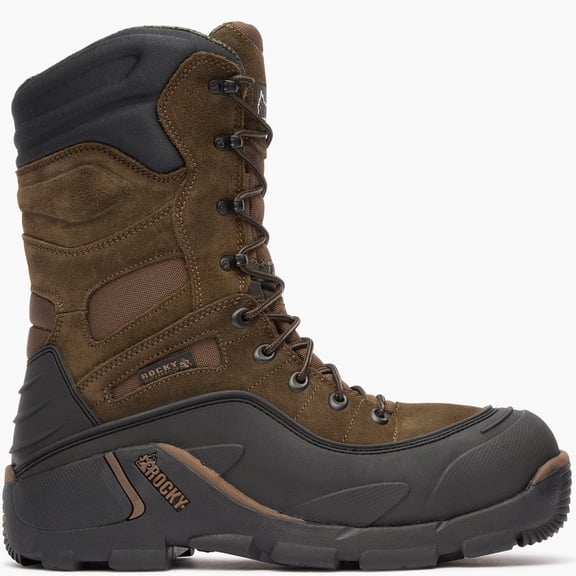
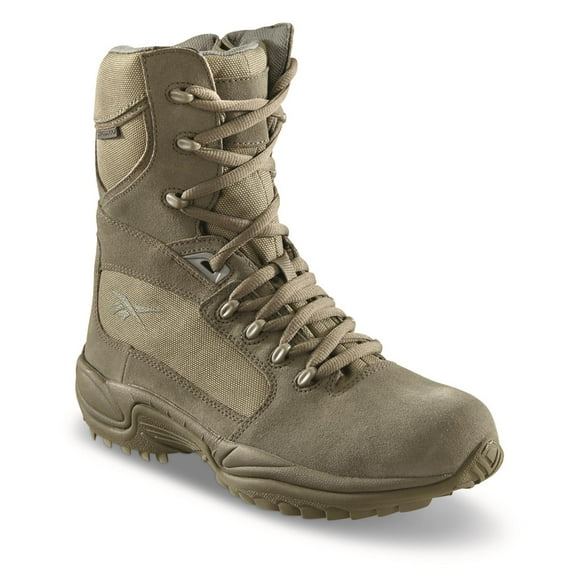
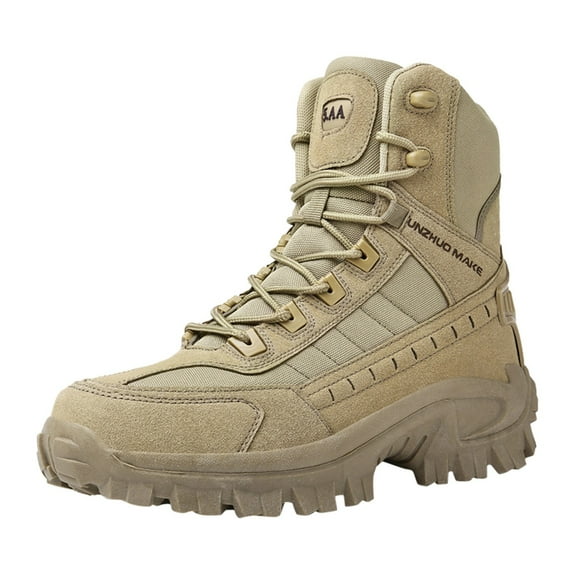
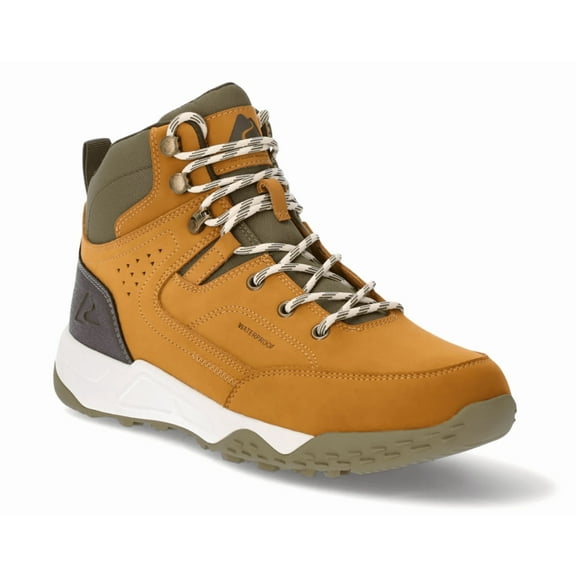
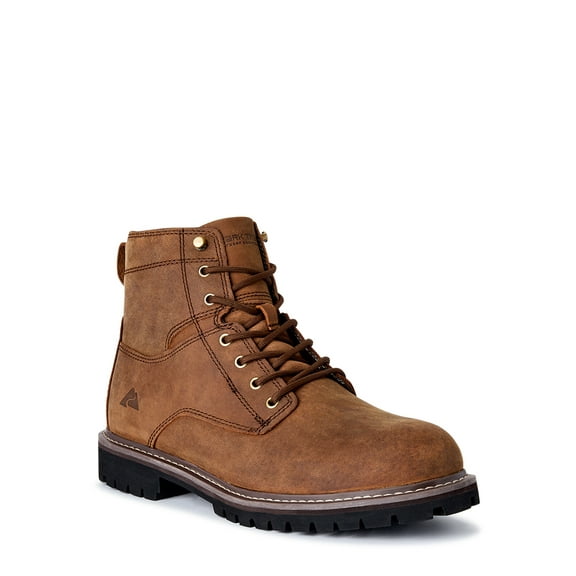
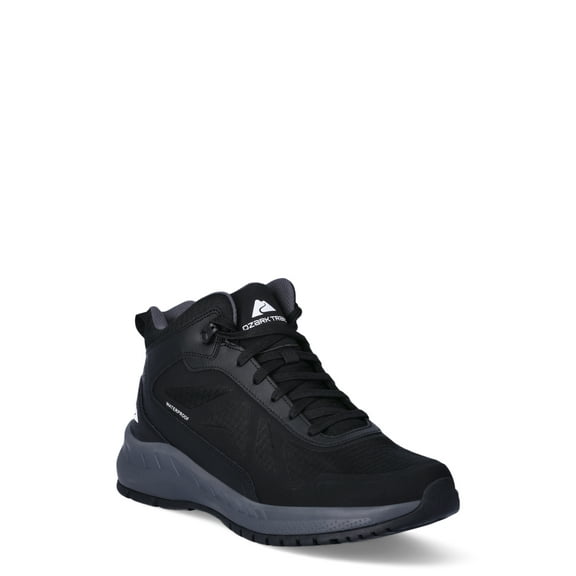
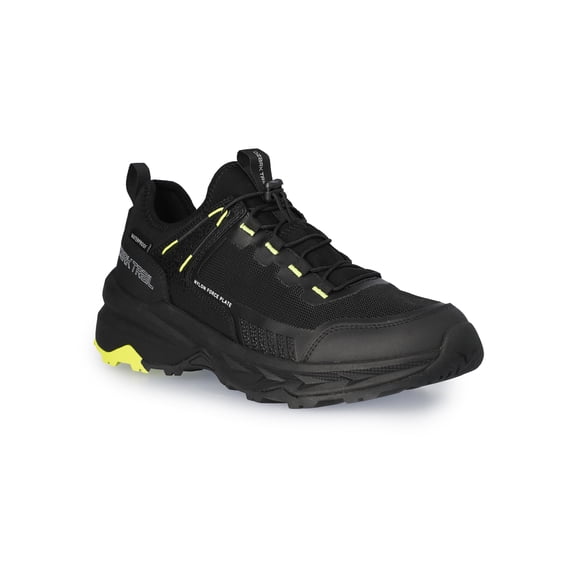
Leather and nylon styles fit you when you cover long distances on mixed ground. You can expect a lighter feel and added flexibility when your day includes steady walking.
Neoprene-lined options can feel comfortable when your mornings start cold and damp. You may prefer that softer interior when your hunt begins before sunrise.
Choosing waterproof hunting boots and weather protection
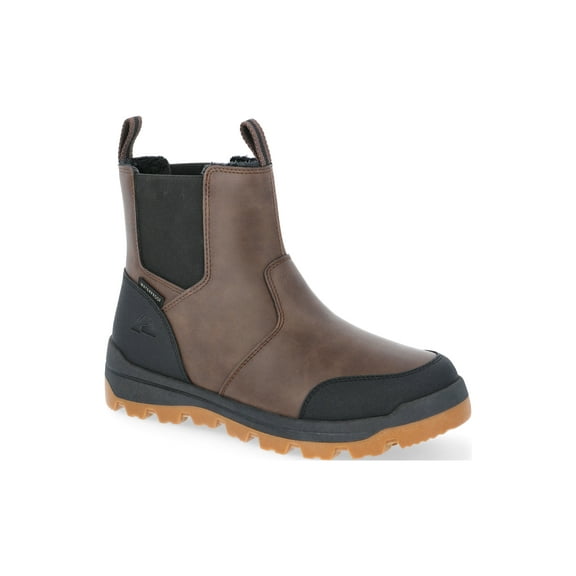
Waterproof hunting boots matter when you move through dew, puddles, creek edges, or wet brush. You may notice the right weather protection helps your socks stay drier through long sits.
You can also compare waterproof, water-resistant, and breathable builds by your season. Your warmer hunts may call for airflow, while your colder hunts may need stronger moisture blocking.
- You can use waterproof builds for marshy ground, rain, and soaked fields.
- You can choose water-resistant pairs for lighter moisture and shorter outings.
- You can look for breathable designs when your walks are longer and temperatures stay milder.
- You can compare taller shafts when your route includes deeper grass or shallow water.
Shaft height gives you another useful decision point before you choose. You may want an 8-inch shaft for mobility, or a 16-inch shaft for additional coverage.
Choosing insulated hunting boots by temperature and activity
Insulated hunting boots help you match warmth to your pace and season. You should compare insulation grams because that number affects how warm your boots may feel.
Non-insulated pairs suit early season hunts and active miles on dry ground. You can move comfortably without as much bulk when temperatures stay moderate.
Styles with 200g or 400g insulation often fit cool mornings and mixed activity. You may like these levels when you walk, stop, and walk again.
Boots with 800g or 1000g+ insulation fit colder sits and slower movement. You can look to cold weather hunting boots when you spend hours in a stand or blind.
You should think about your body heat and your hunting style before choosing heavier insulation. Your feet may feel too warm if you wear thick insulation on long, active hikes.
Material, camo, and fit decisions that affect comfort
You can narrow your options quickly by comparing material with your usual setting. Your wetland hunt may favor rubber hunting boots, while your upland route may favor leather or nylon.
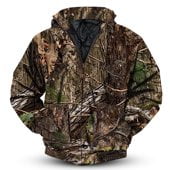
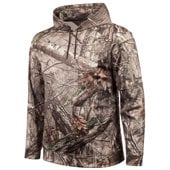
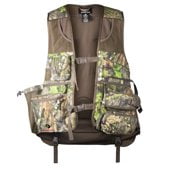
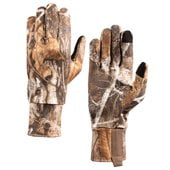
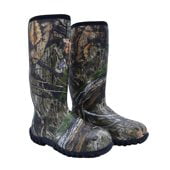
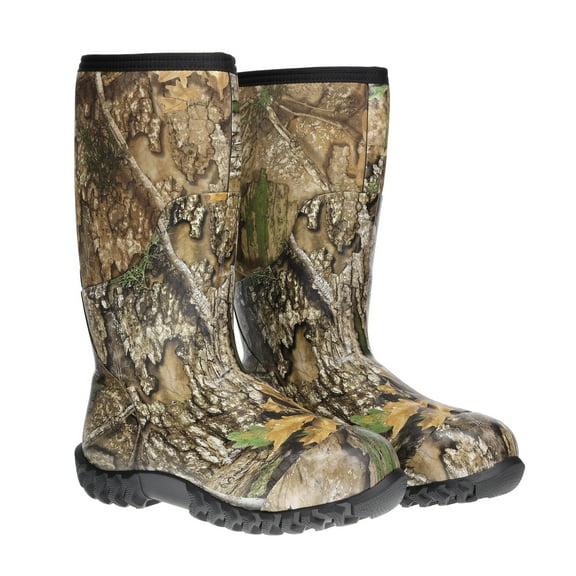
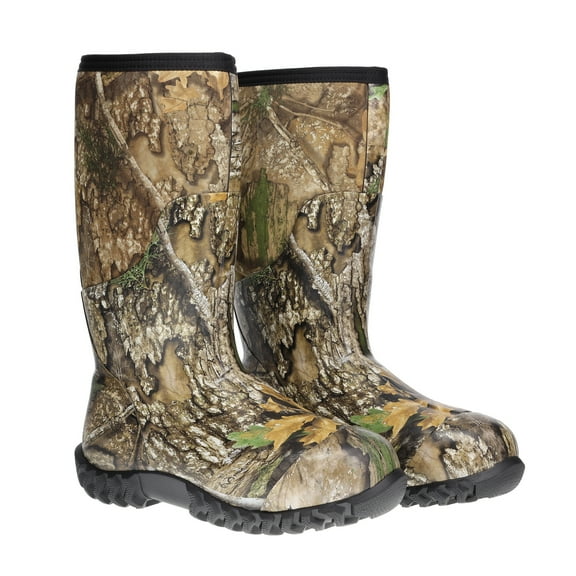
Camo patterns also help you match your gear to your cover. You can choose camo hunting boots in brushland styles, tree patterns, or solids for a simpler look.
Mens hunting boots, womens fits, unisex options, and youth sizes each shape comfort differently. You should check the fit you need before adding thick socks or base layers.
Your sizing choice matters even more when you plan to wear wool socks. You may want a little extra room if your cold-weather setup includes heavier layers inside the boot.
How to match hunting boots to real hunting situations
You can make an informed pick when you match boot details to your actual trip. Your location, pace, and weather window usually narrow the field quickly.
For marshes, flooded timber, or muddy access trails, you may want rubber, waterproof coverage, and a taller shaft. You can get easy cleanup after wet ground and brush.
For ridge walks and upland routes, you may prefer leather or nylon with lighter insulation. You can cover ground comfortably when your boots flex naturally.
If your hunt starts before frost lifts, you may need insulated hunting boots with 400g or 800g insulation. Your morning stand time can feel comfortable with that added warmth.
When late-season conditions turn colder, you can look at 1000g+ options and roomier sizing. Your heavier socks need space so your fit doesn’t feel tight.
You may also want lightweight hunting boots for quick movement during scouting and early season trips. Your feet can feel less weighed down when the day calls for miles.
Camo or solid finishes depend on how you build the rest of your setup. You can keep your look coordinated without giving up practical features like traction and weather coverage.
You can shop with confidence when you compare insulation grams, material, shaft height, and fit together. Your final pair should match your terrain, your season, and your pace.