





Hunting Blinds & Ground Blinds | Walmart.com






















About Hunting Blinds & Ground Blinds | Walmart.com
Hunting blinds help you stay concealed and comfortable while you wait for clear sightlines in changing field conditions. You can compare blind type, capacity, camouflage, and window design, so your setup fits your season and hunting style.
You may hunt deer at first light, wait on turkey in spring cover, or watch a food plot through shifting weather. You’ll want practical guidance that explains ground blinds, deer blinds, and portable hunting blinds in plain terms.
Choosing hunting blinds by blind type
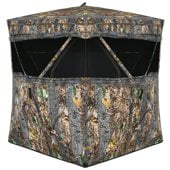
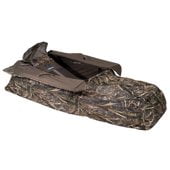
You’ll usually start with blind type because setup style affects your carry, your footprint, and your shooting room. You can compare ground blinds, hub blinds, tower blinds, and spring steel blinds based on how you hunt.
If you want flexibility, you may prefer ground blinds that move between tree lines, field edges, and brushy cover. You’ll often get a lower profile that helps your blind blend into natural surroundings.
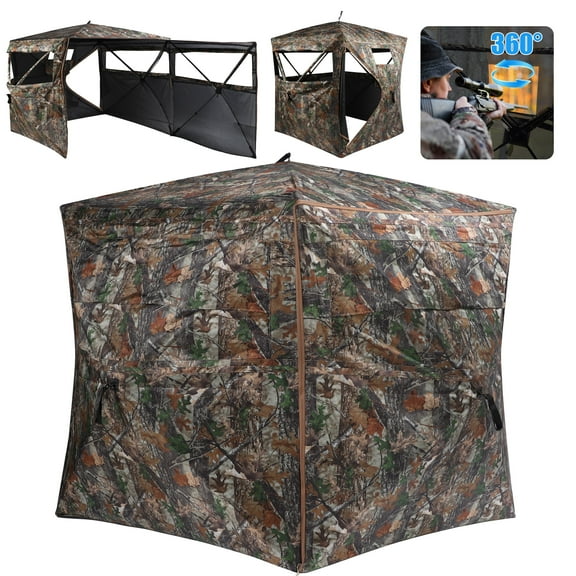
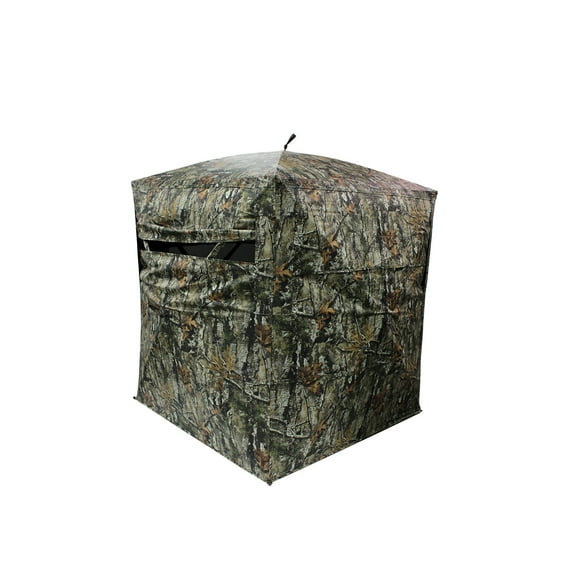
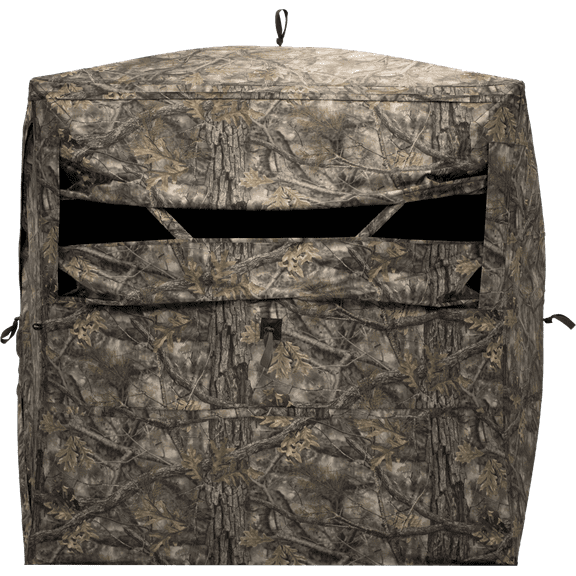
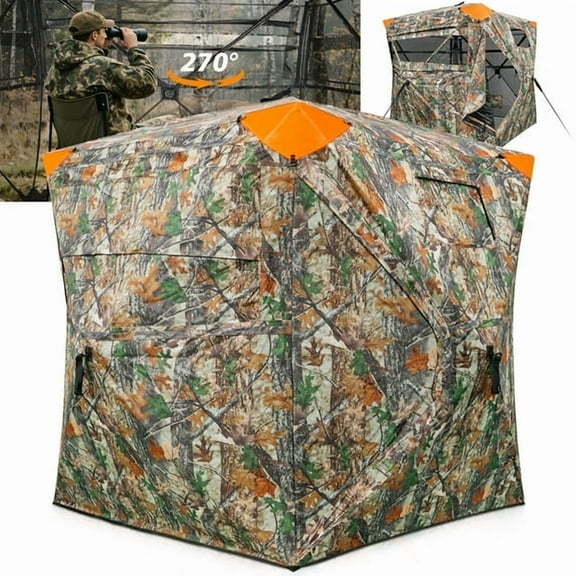
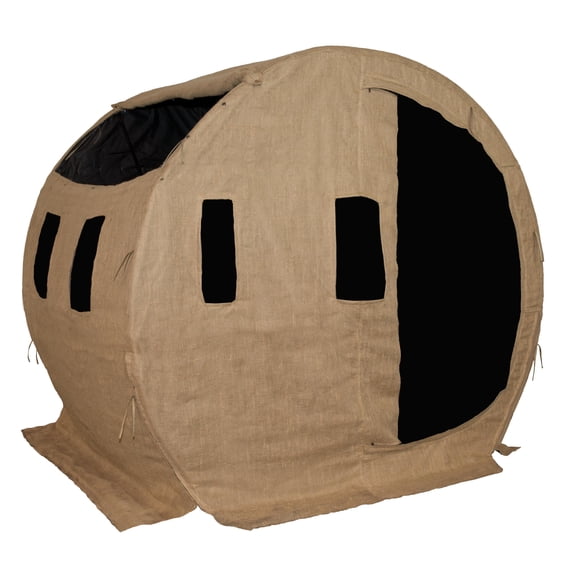
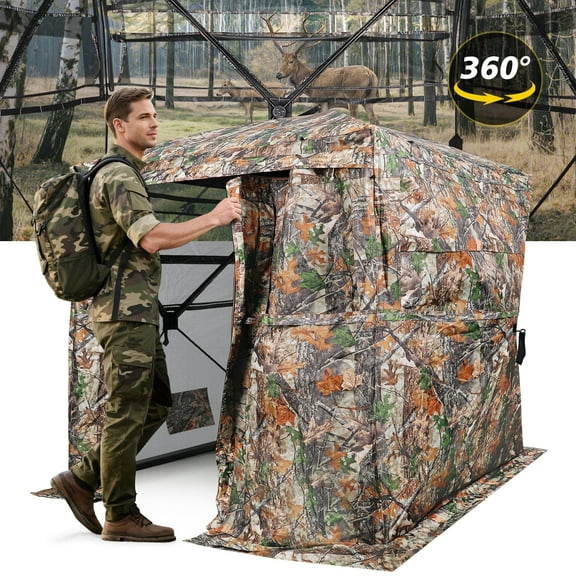
Hub blinds work well when you want quick pop-up setup and enough interior room for chairs, packs, and bows. You can fold many hub designs down for transport between scouting spots.
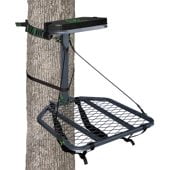
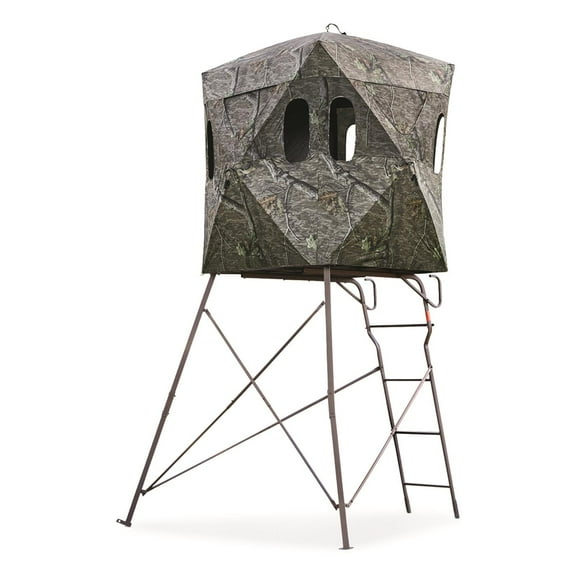
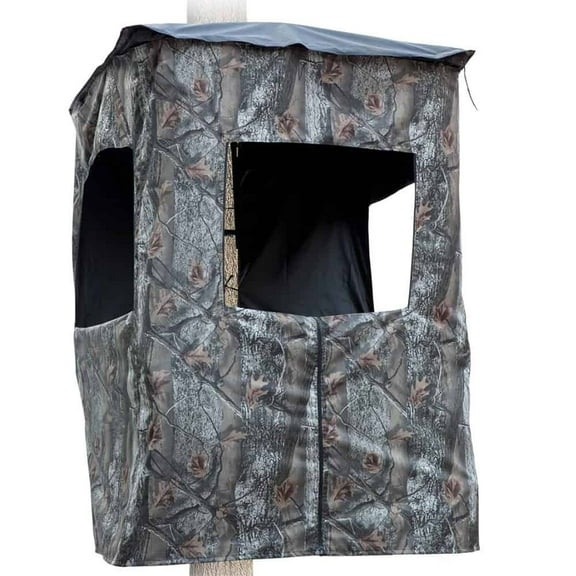
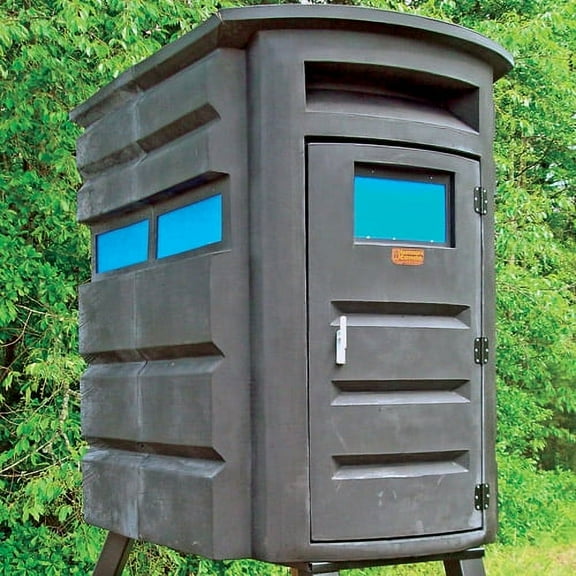
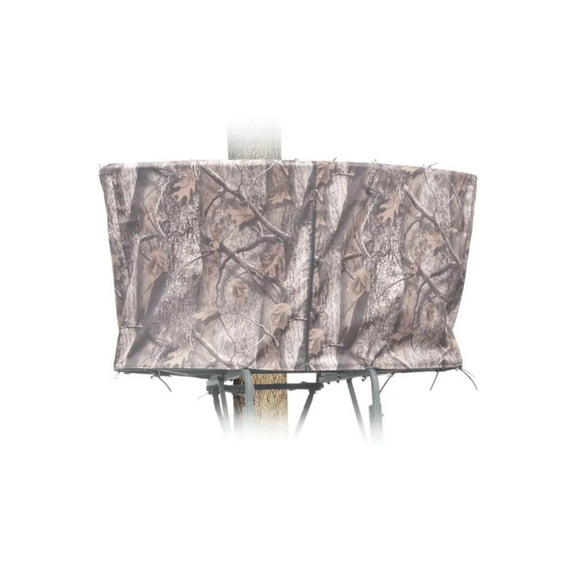
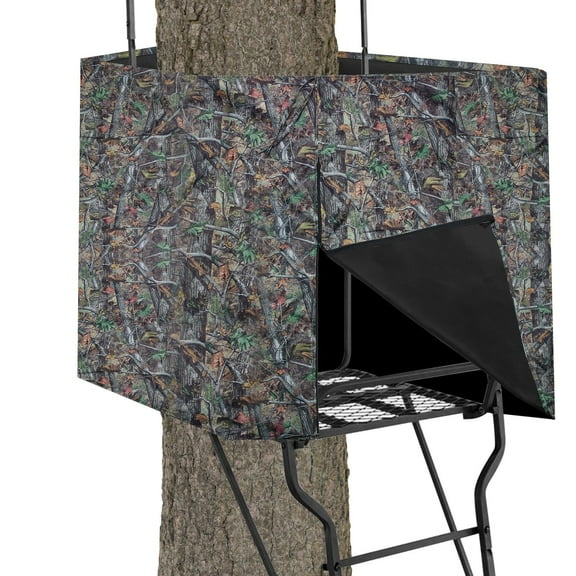
Tower blinds fit you when you want an elevated view over fields, lanes, or open property lines. You’ll often gain longer sightlines and a clearer angle when terrain or vegetation blocks ground-level visibility.
Spring steel blinds suit you when you want simple deployment without handling several hub joints or support points. You can open them fast, though you may need more room during takedown and storage.
Comparing ground blinds and deer blinds by capacity
You should check capacity early because space affects comfort, gear placement, and how easily you can enter and exit quietly. You’ll also notice that larger hunting tents usually weigh more and take more room to carry.
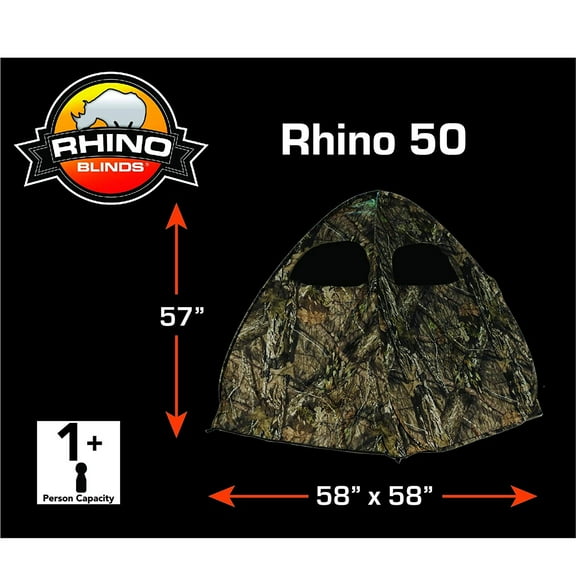
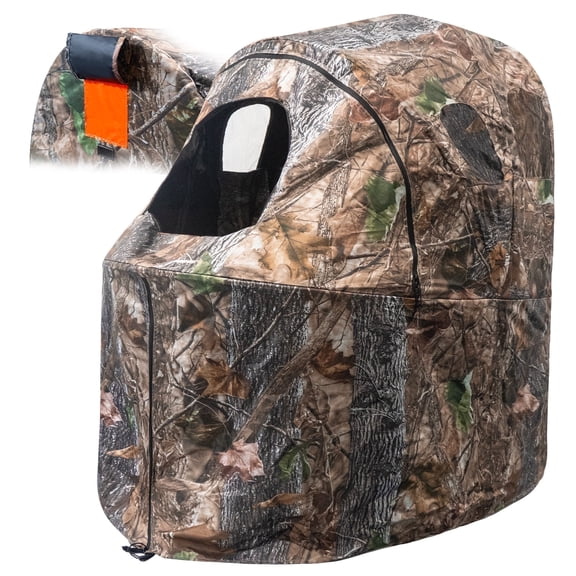
A one-person blind fits solo hunts where you want mobility and a smaller footprint near trails or feeding areas. You can keep movement tight and reduce extra interior bulk.
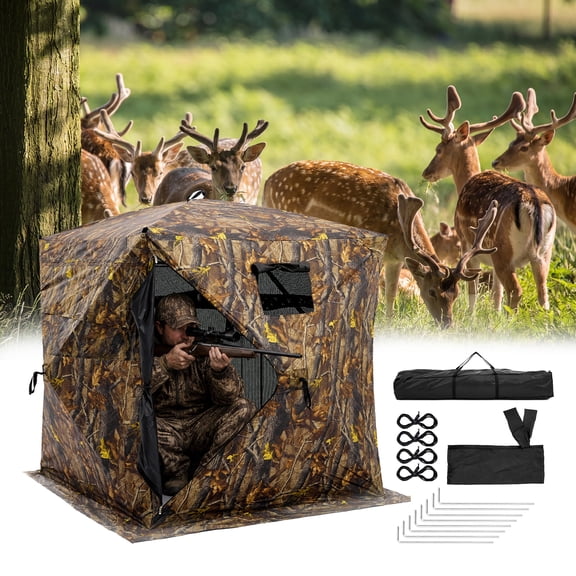
A two-person blind gives you room for a hunting partner, a youth hunter, or extra pack space. You’ll often find this size balances portability with elbow room for bows or crossbows.
Three-person and four-person options make sense when you need wider shooting lanes, extra seating, or more gear space. You should measure chair width and bow clearance before you choose a larger footprint.
- You can choose one-person blinds for lighter carry weight and tighter concealment.
- You may prefer two-person blinds when you want balanced room and portability.
- You should consider three-person or four-person models for shared hunts and bulkier gear.
- You can compare packed size before you commit to longer walks or frequent repositioning.
Selecting camouflage patterns for deer blinds
You should match camouflage to your cover because pattern choice affects how naturally your blind fits into the landscape. You’ll often compare woodland, brush, Realtree, and Mossy Oak styles by terrain and season.
Woodland patterns fit darker timber, leafy edges, and mixed green cover where shadows break up hard outlines. You can use them when your blind sits near trees, saplings, or thicker understory.
Brush patterns work well in dry grass, field borders, and tan vegetation where lighter tones look natural. You’ll want this look when your setup faces open ground, weeds, or late-season cover.
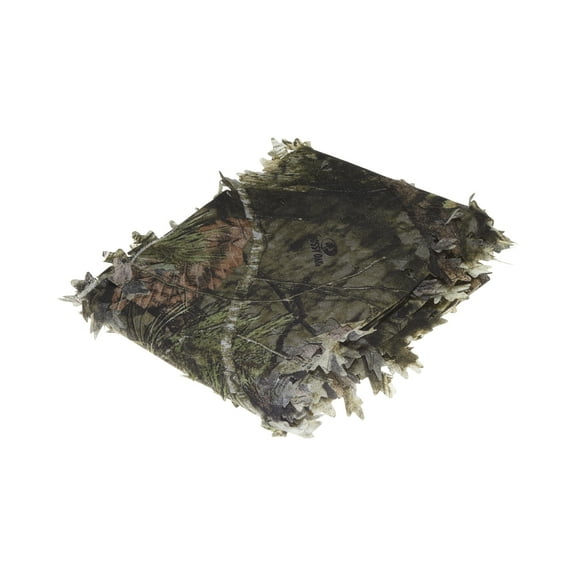
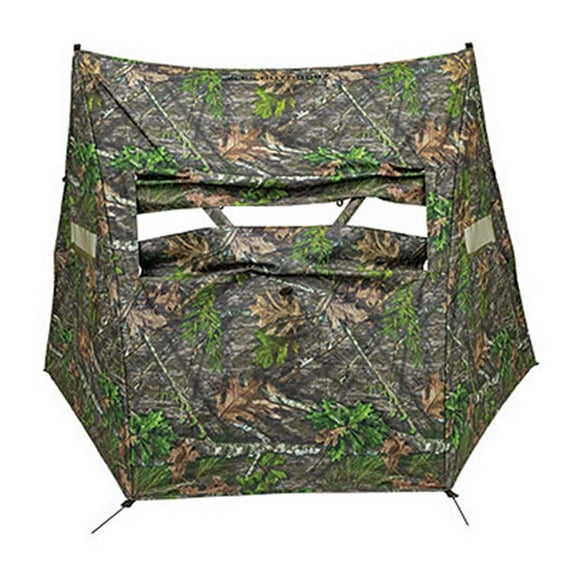
Realtree and Mossy Oak options give you familiar visual styles that many hunters recognize across deer blinds and ground blinds. You should compare branch detail, color tone, and contrast with your actual hunting area.
What to look for in windows and weather protection
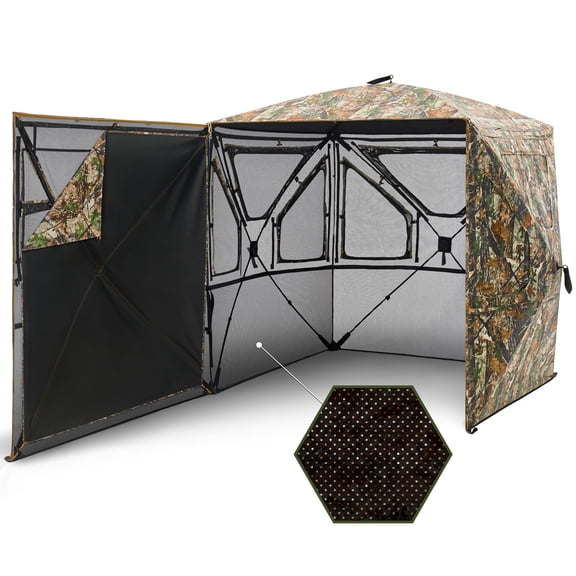
You should check window style closely because noise matters when you adjust for changing angles or passing game. You’ll often see silent slide windows and shoot-through mesh on portable hunting blinds.
Silent slide windows help you make small adjustments with less abrupt sound than hook-and-loop closures. You can open viewing lanes gradually, which helps when timing matters and movement needs to stay controlled.
Shoot-through mesh can help you stay concealed while keeping broad visibility across multiple directions. You should confirm whether your hunting method and preferred shot angles match that window layout.
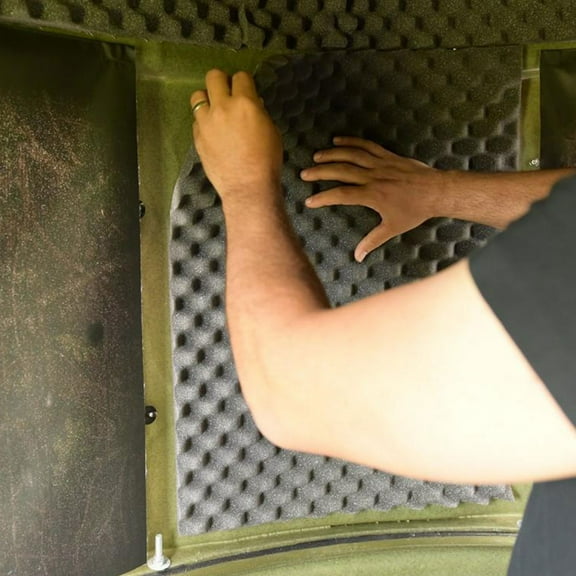
You’ll also want to compare waterproof fabric, insulated panels, and fabric denier when weather shifts. You can use denier as a toughness clue, since higher denier fabrics usually feel sturdier in rough brush.
Weather resistance ratings and wind protection matter when you expect damp mornings, steady gusts, or colder sits. You should look for reinforced corners, tight seams, and stable tie-down points for a steadier setup.
Matching hunting tents to real hunting scenarios
You may want a compact blind for solo archery sits where narrow access paths and quiet setup are highly important. You can pair a one-person or two-person hub blind with woodland camo for timber edges.
If you hunt field borders for deer, you may lean toward ground blinds with brush patterns and silent slide windows. You’ll get a profile that suits open cover while keeping window adjustments more controlled.
You might choose a larger layout when you hunt with a partner, guide a youth hunter, or carry extra cold-weather gear. You should compare three-person and four-person interiors with insulated panels for longer sits.
For changing spots across a season, you may prefer portable hunting blinds that pack down cleanly between locations. You can move from food plots to creek bottoms without committing to a fixed elevated setup.
Tower blinds fit longer-term property setups where you want broad visibility over open lanes and feeding areas. You’ll likely appreciate that height when grass, crops, or uneven terrain interrupt ground-level views.
You can narrow your choice faster when you compare type, capacity, pattern, windows, and weather features together. You’ll end up with hunting blinds that fit your terrain, your gear, and your time in the field.