



Hearing Aid Accessories & Replacement Parts | Walmart



















About Hearing Aid Accessories & Replacement Parts | Walmart - Walmart.com
You can choose hearing aid accessories with more confidence when you compare compatibility, fit, and routine replacement needs. Your options often include batteries, domes, wax guards, cleaning tools, and receivers for daily upkeep.
How to choose hearing aid accessories
When you shop hearing aid accessories, you should start with your device brand, model, and receiver type. Your match matters because small parts like domes and wax guards can vary by system.
Many shoppers need replacements on a regular schedule, not just once. You can keep daily listening more consistent when your supplies match your device exactly.
It also helps to compare universal options with brand-specific parts before you buy. You may prefer universal accessories for flexibility, or you may want parts for Phonak, Oticon, ReSound, or Signia devices.
Choosing accessory types for everyday use
You can narrow your options quickly by identifying the accessory type you need first. Your common choices include hearing aid batteries, hearing aid domes, hearing aid wax guards, cleaning kits, and receivers.
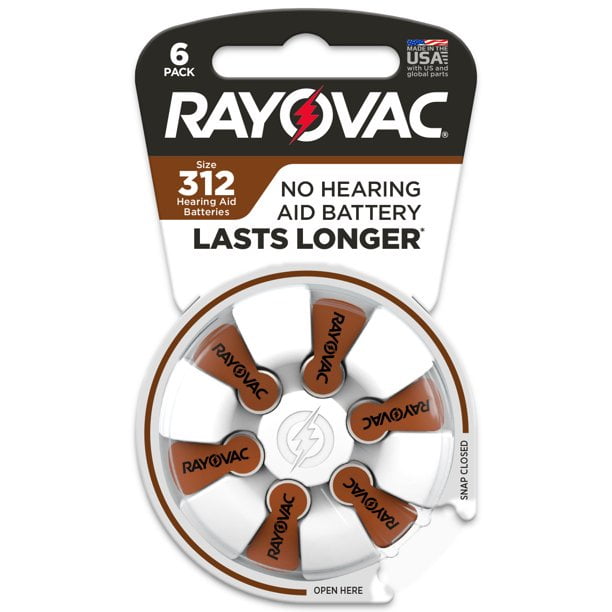
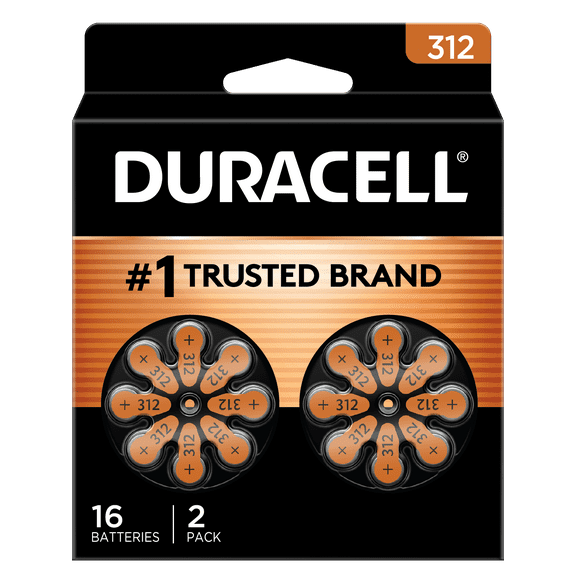
- You can replace batteries by matching the size and color code shown on your current pack.
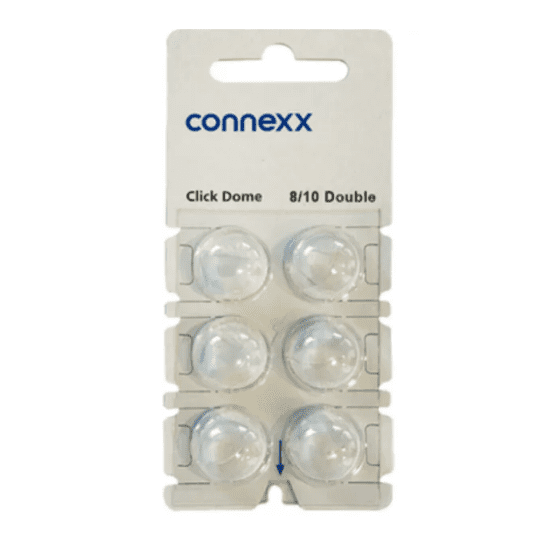
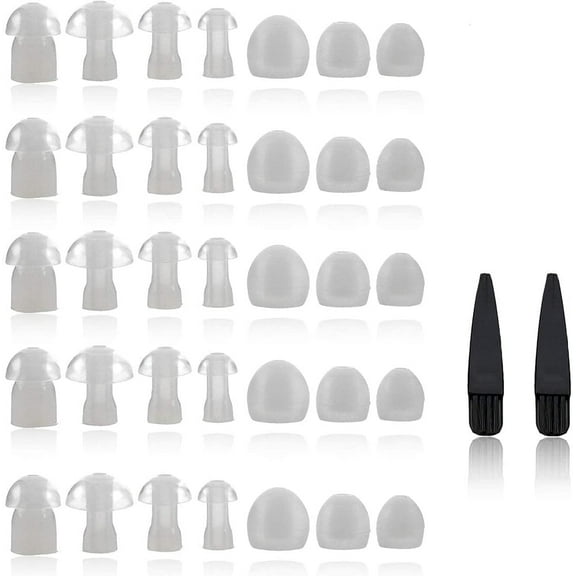
- You can choose domes by checking style, diameter, and whether your device uses open or closed tips.
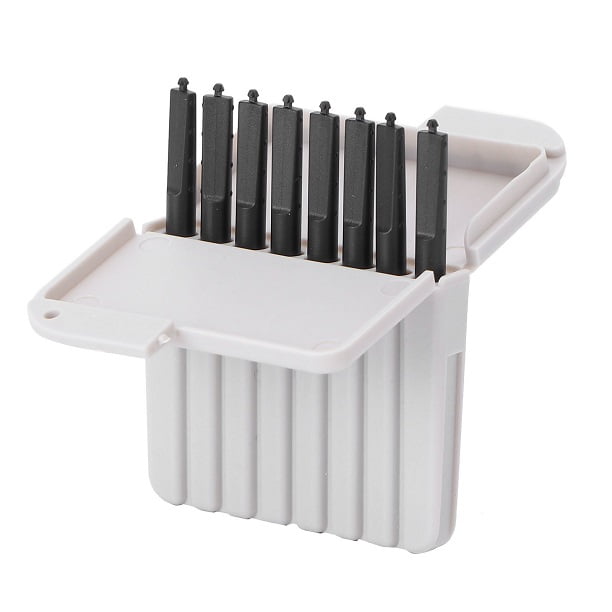
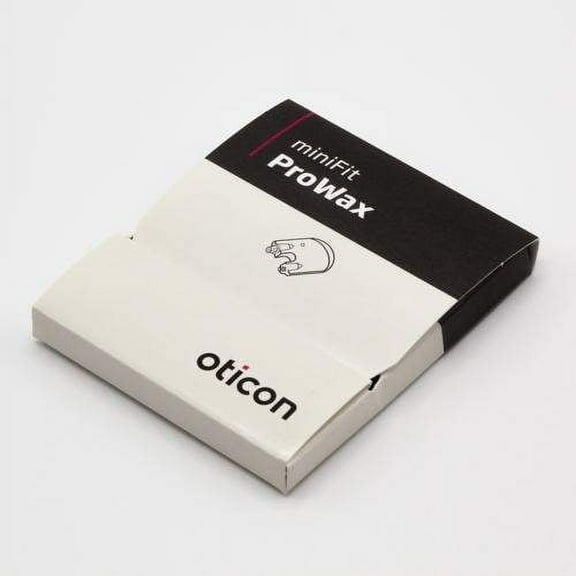
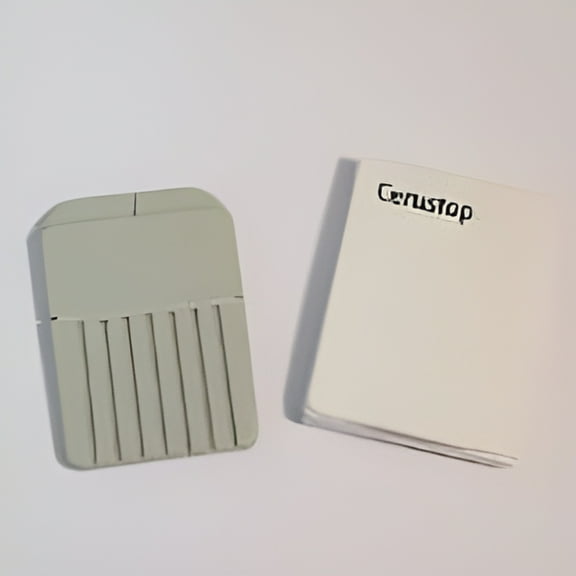
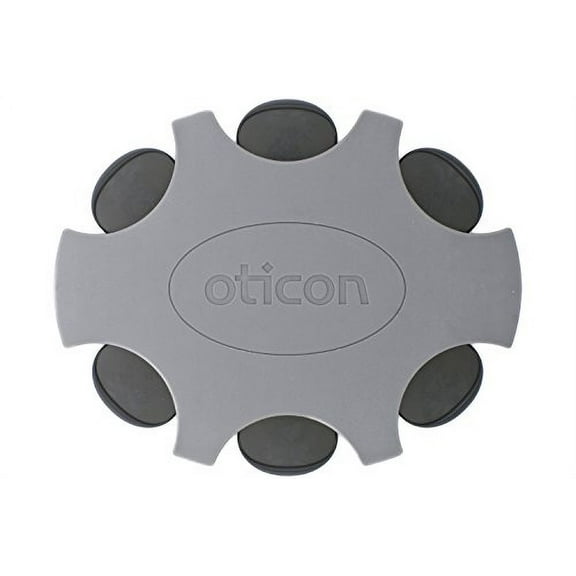
- You can swap wax guards when your device uses small filters that sit near the speaker opening.
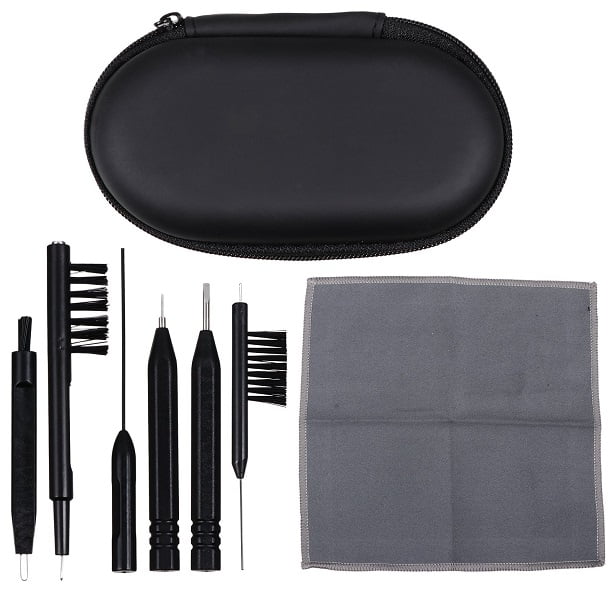
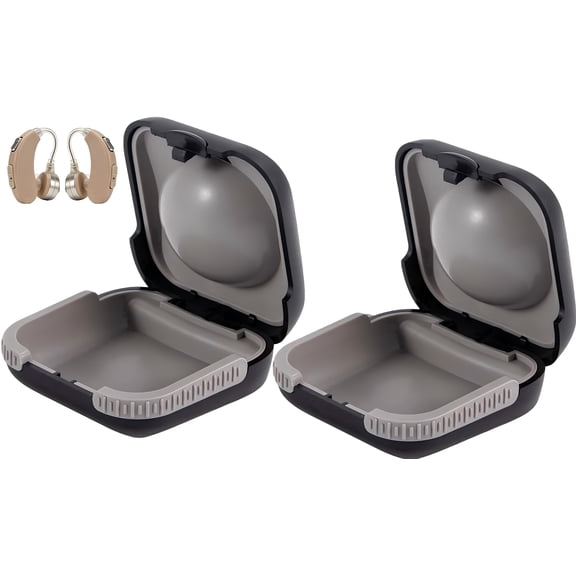
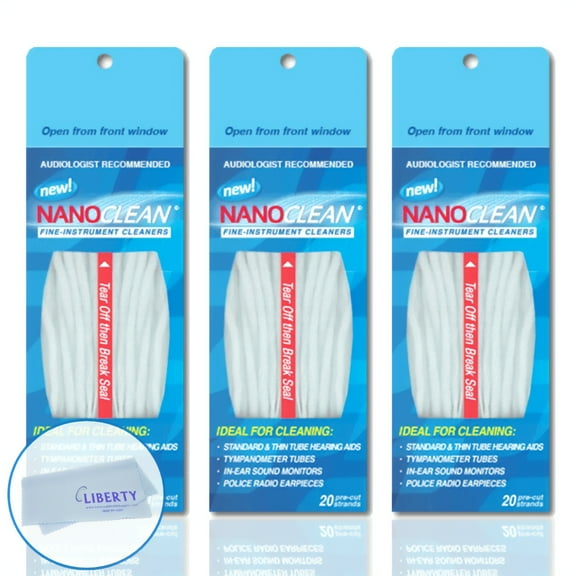
- You can use a hearing aid cleaning kit for brushes, picks, cloths, and storage tools.
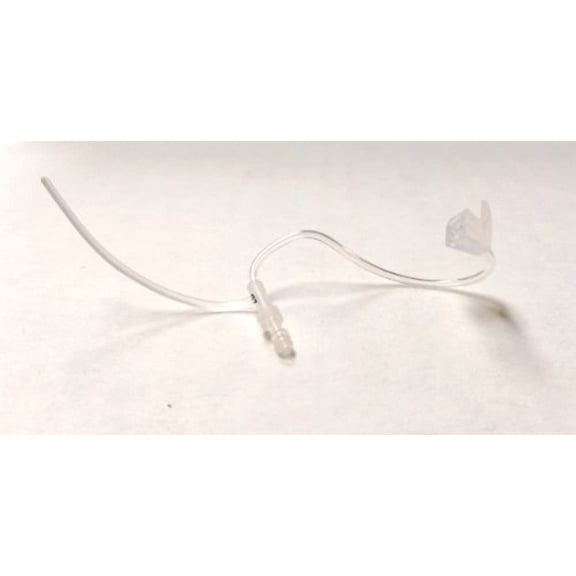
- You can compare a hearing aid receiver by confirming brand fit and wire or speaker style.
Each accessory supports a different maintenance step in your routine. You’ll make a clear choice when you confirm the exact part your device uses.
Choosing brand compatibility and receiver details
You should check whether your accessory is universal or made for a specific hearing aid platform. Your brand and model often determine which domes, wax guards, and receiver parts will fit.
If you replace a hearing aid receiver, you should compare the receiver type listed for your device. Your selection may depend on speaker style, side, wire length, and connection design.
Some accessories work across several brands, while others need an exact match. You can avoid guesswork by comparing your current packaging, user guide, or printed model details.
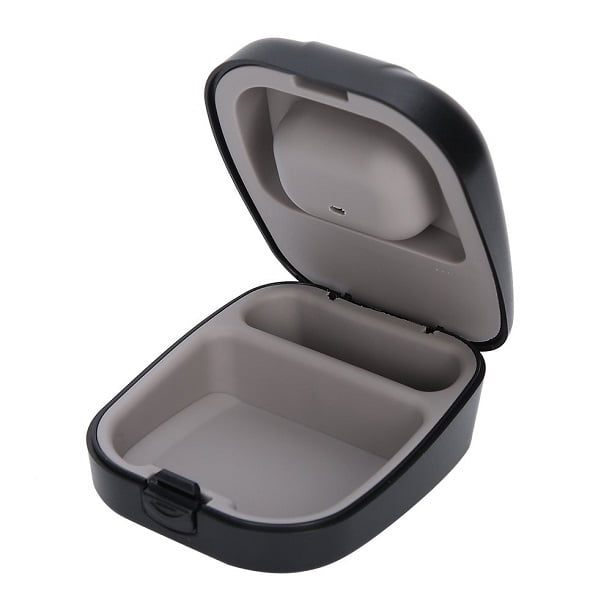
You may also want extra replacements for travel, work, or everyday storage. Your backup supplies can help you keep a familiar setup ready when a small part wears out.
Choosing hearing aid batteries by size and color
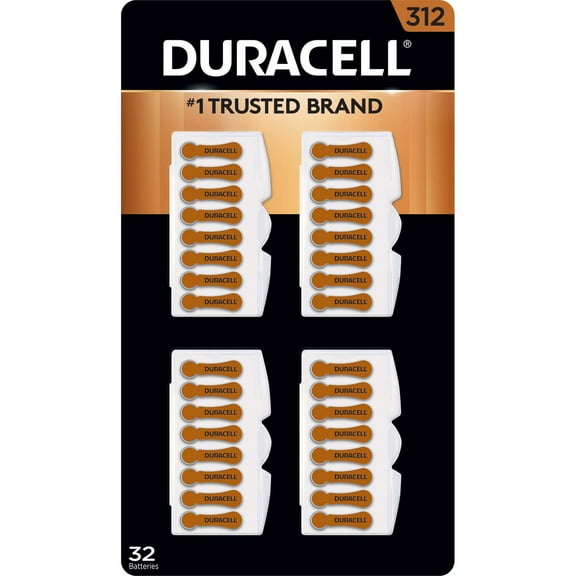
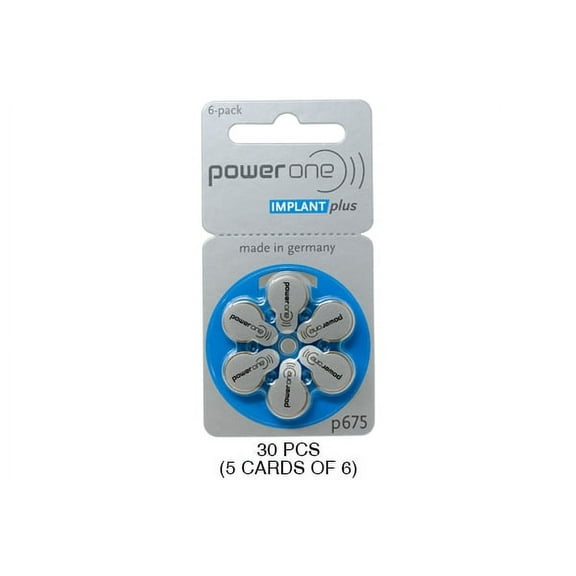
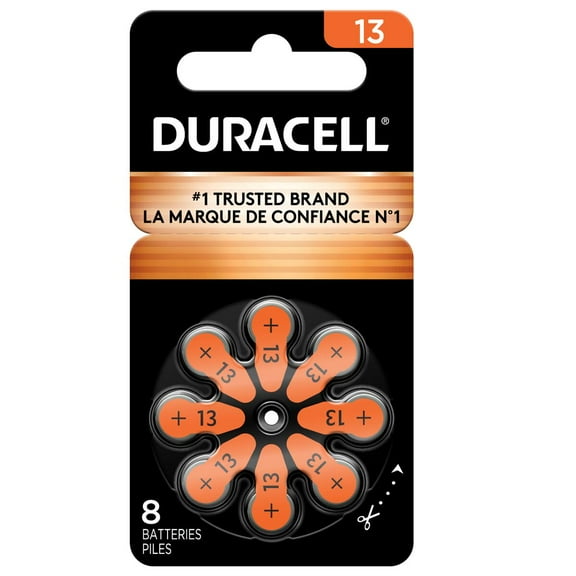
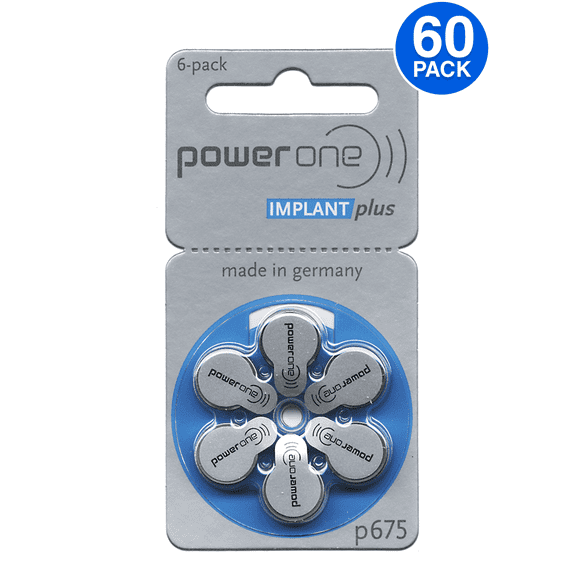
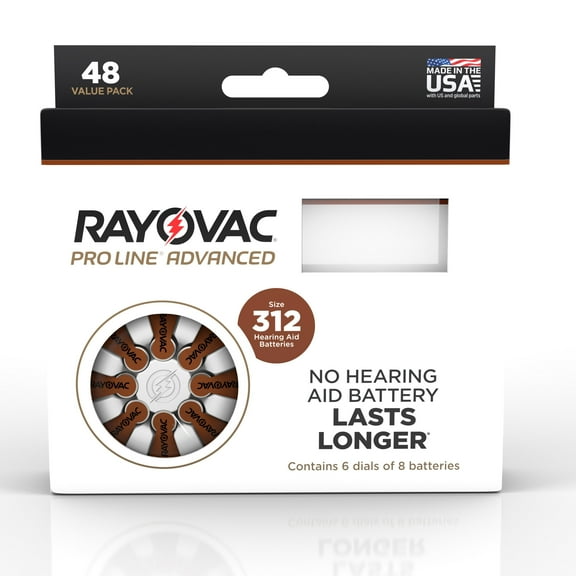
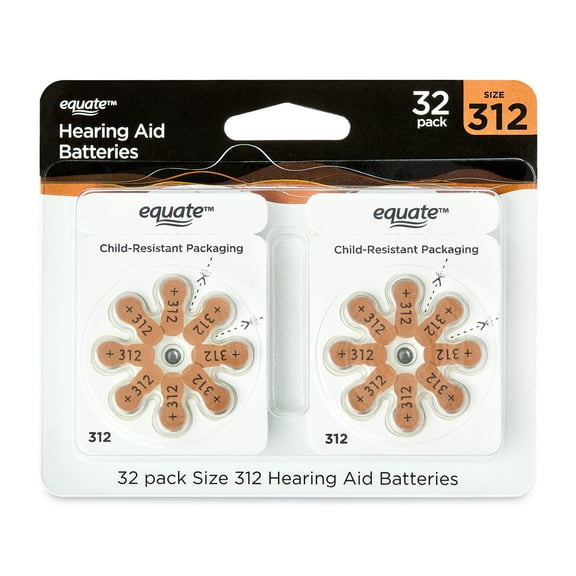
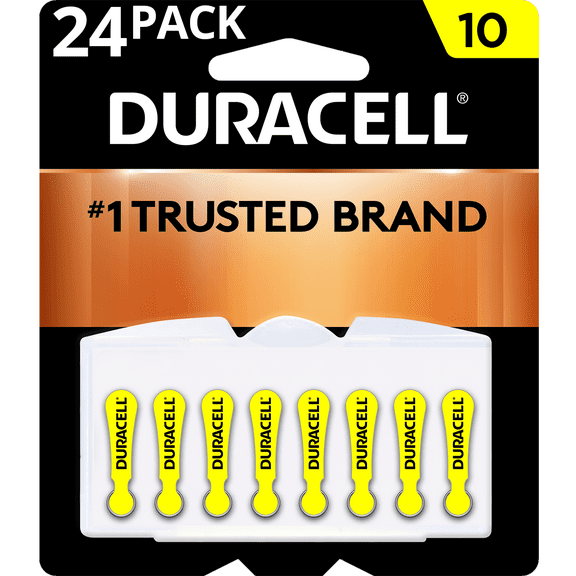
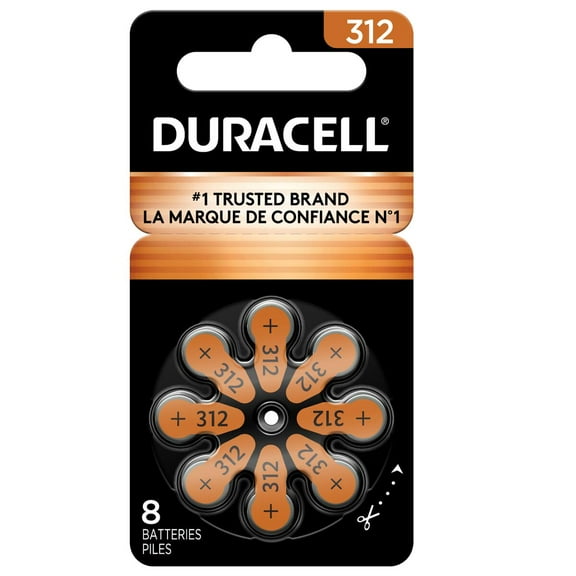
You can choose hearing aid batteries by matching both the number and the color tab. Your common options include size 10 with yellow, size 312 with brown, size 13 with orange, and size 675 with blue.
That color coding gives you a quick way to confirm the right battery pack. You should still verify the printed size because packaging can vary across brands.
If you use smaller behind-the-ear or in-the-ear devices, you may need size 10 or 312. If your device uses a larger battery compartment, you may need size 13 or 675.
You can keep battery changes simple by storing the same size together at home. Your routine becomes easier when you don’t mix similar packs in a drawer or bag.
Choosing hearing aid domes and hearing aid wax guards
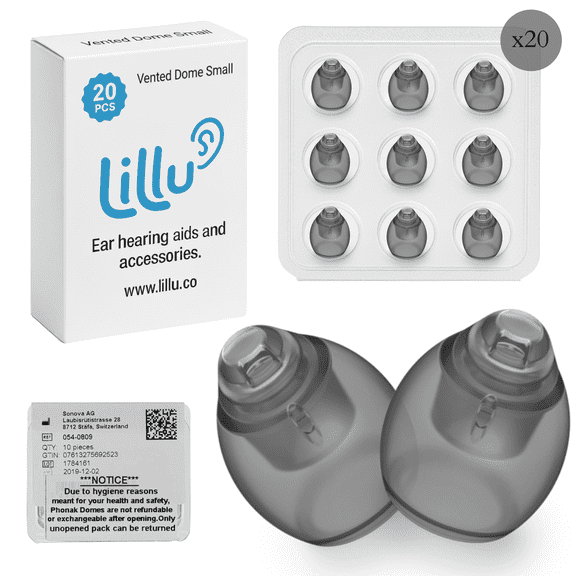
You should compare hearing aid domes by style, size, and the listening feel you prefer. Your dome choice can affect how secure the fit feels and how open the sound seems.
Open domes usually allow more outside sound to pass through naturally. You may prefer them when you want a lighter feel and a more open ear canal.
Closed domes and power domes create a tighter seal inside the ear. You may choose those styles when your device setup calls for stronger sound direction.
Tulip domes offer a flexible shape that some shoppers find simple to position. You should compare the dome style your current device uses before ordering hearing aid domes replacement parts.
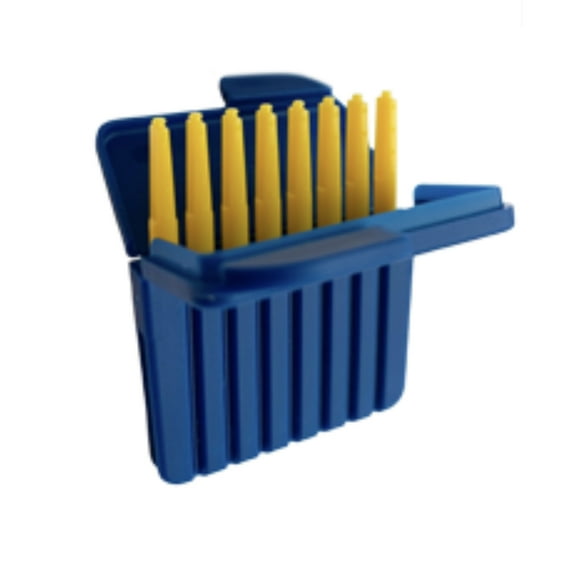
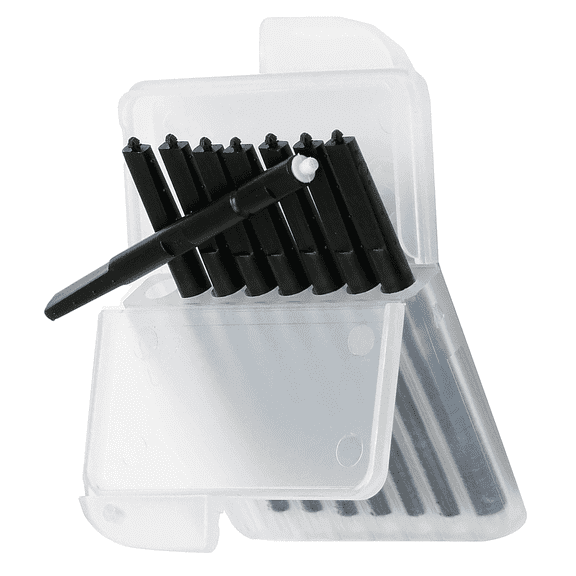
You can also compare hearing aid wax guards by the filter system your device accepts. Your wax guard should match the holder style and placement used by your hearing aid.
Regular wax guard changes help you maintain clear output from the speaker opening. You’ll usually want replacements on hand because these small filters are part of normal upkeep.
Choosing cleaning kits and maintenance tools
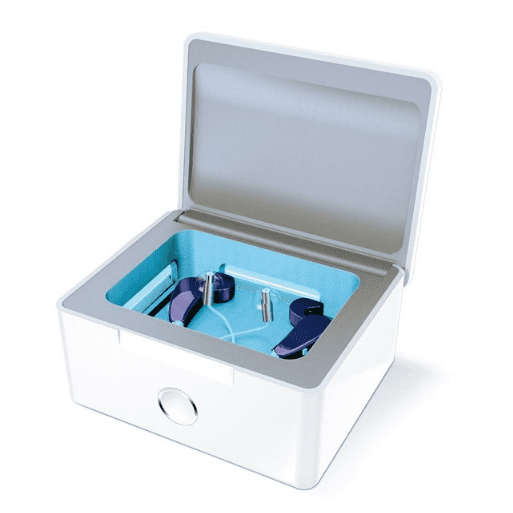
You can use a hearing aid cleaning kit to handle routine care between thorough part replacements. Your kit may include brushes, picks, cloths, and small tools for daily maintenance.
Cleaning tools help you remove buildup from domes, vents, and outer surfaces. You can keep your accessories organized when your kit includes a compact case or storage pouch.
If you use domes and wax guards often, you may want cleaning tools nearby at home and while traveling. Your maintenance routine feels easier when your tools stay with your spare parts.
Matching accessories to your routine
You might need batteries and wax guards for regular replacement, especially if you use your devices every day. Your setup may also call for spare domes if you like to refresh fit and comfort often.
If you wear behind-the-ear devices, you may compare receivers and domes together for compatibility. Your replacement process becomes simpler when you match both parts to the same system.
You may want a small stock of essentials for workdays, travel bags, or bedside storage. Your accessories can stay simple to manage when you group them by brand, size, and accessory type.
With hearing aid accessories that match your device details, you can keep everyday maintenance more straightforward. Your right combination of batteries, domes, wax guards, and tools supports a smoother routine.