




Ergonomic Chairs

























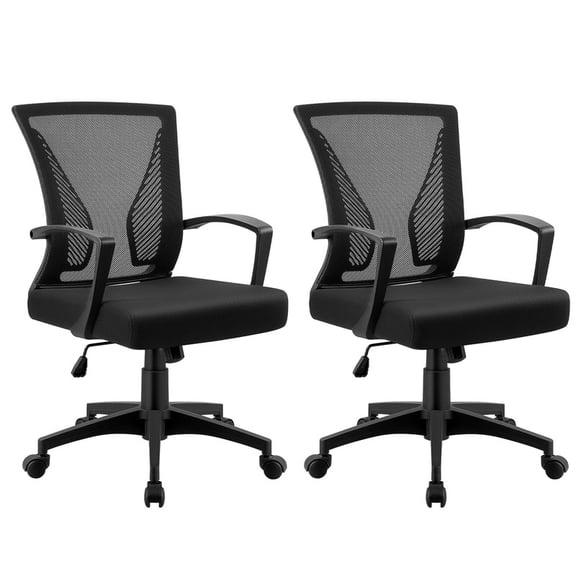
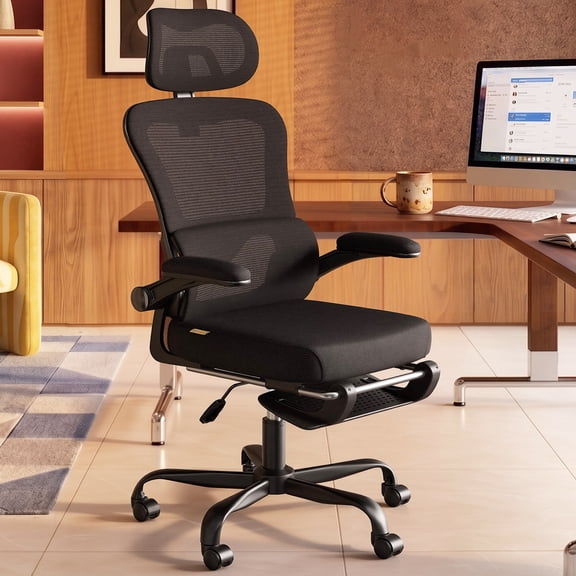


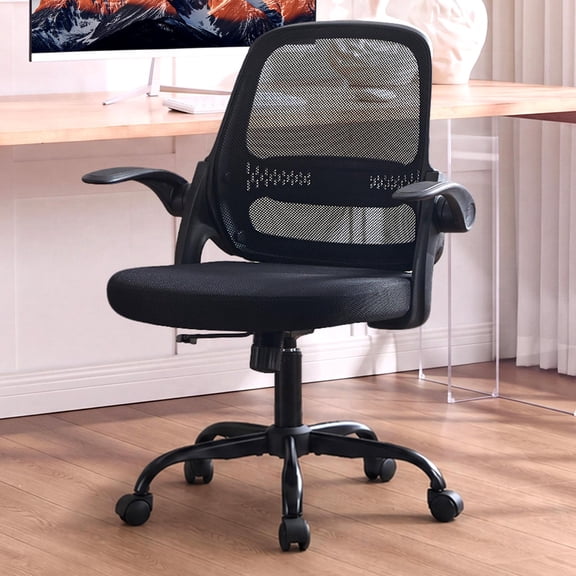


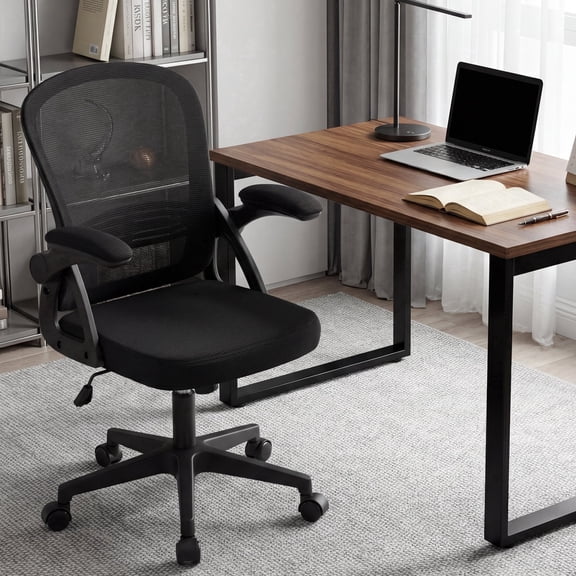













About Ergonomic Chairs - Walmart.com
Ergonomic chairs help you stay supported through long work sessions, video calls, and study hours. This category brings together adjustable seating, lumbar-focused designs, and space-conscious styles for home offices.
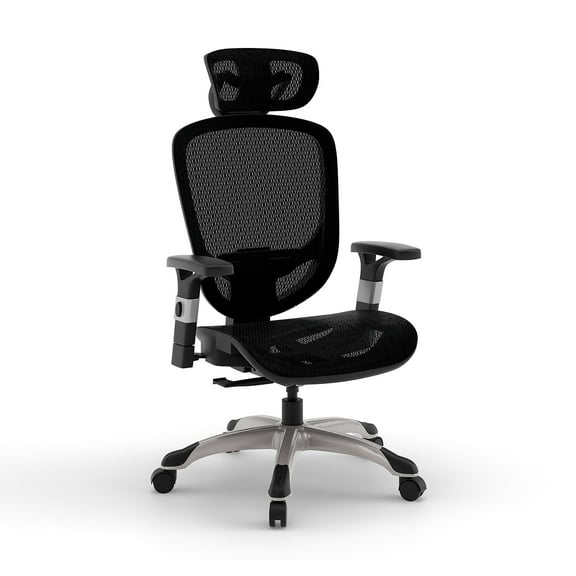
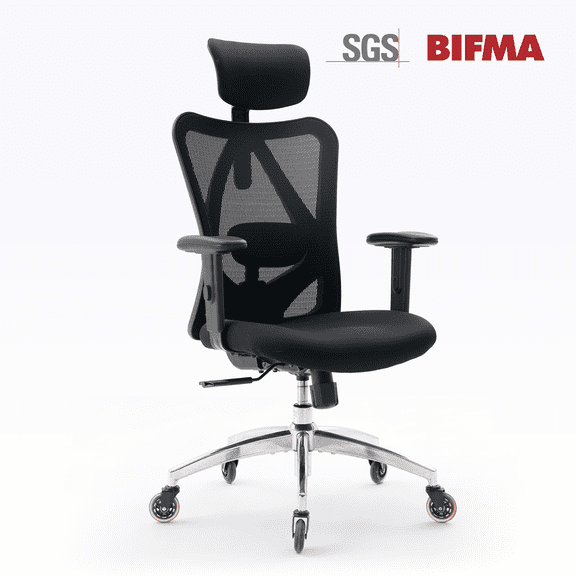
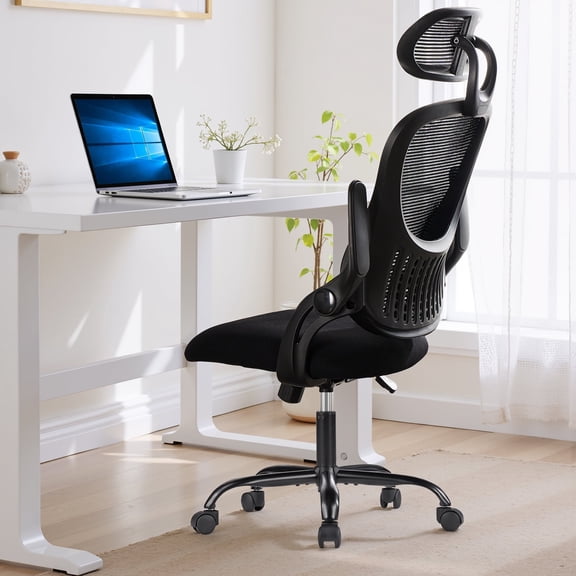
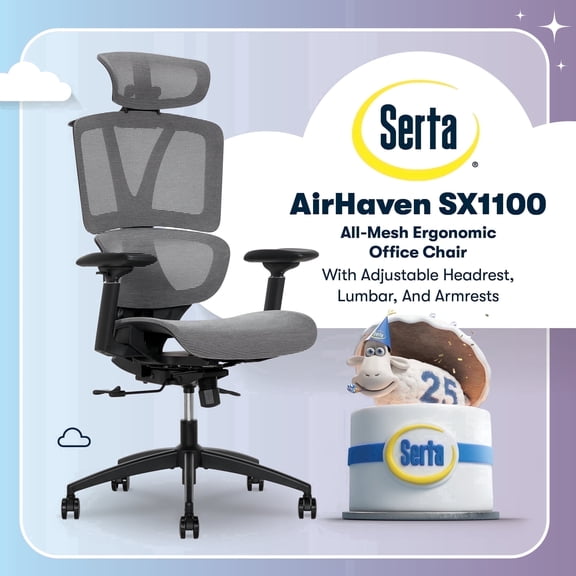
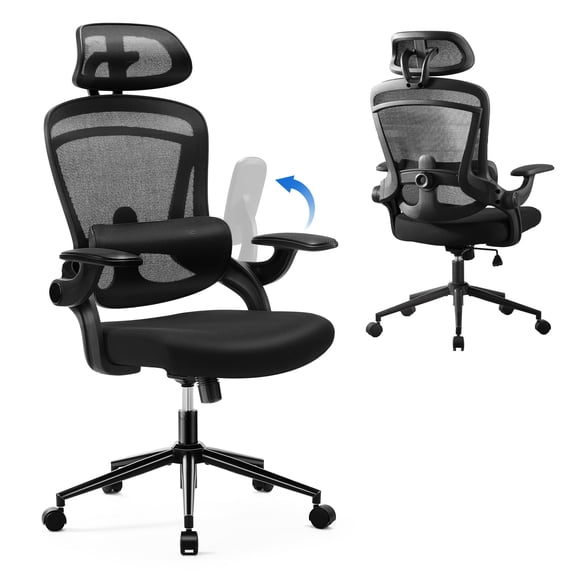
Unlike basic desk seating, these chairs are built around posture, movement, and fit. You’ll find options with mesh backs, headrests, flip-up arms, and tilt controls.
Ergonomic chairs for focused workdays
Comfort changes how your workspace feels from morning to evening. Ergonomic chairs are designed for seated tasks, with features that adapt to your height and desk setup.
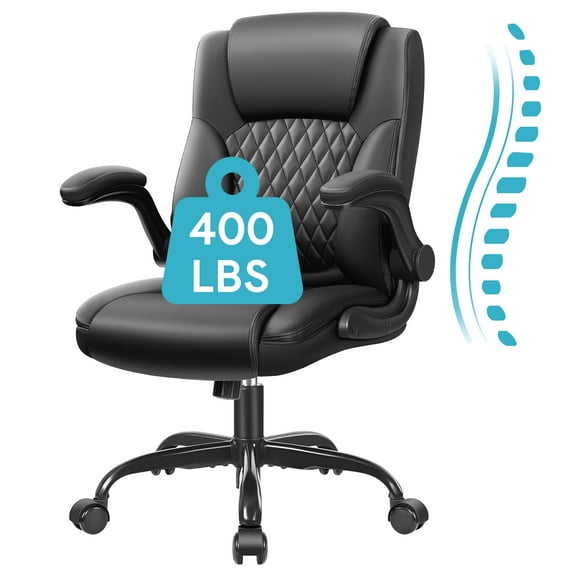
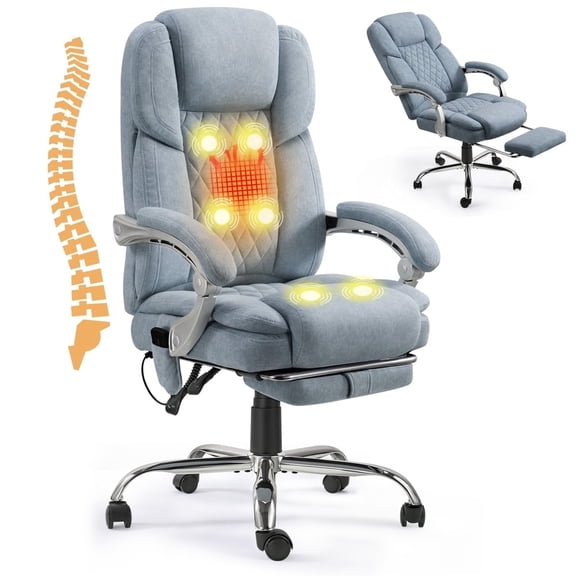
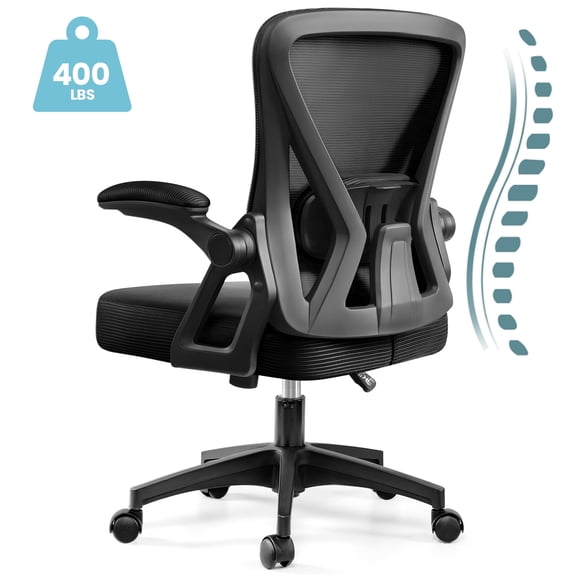
A shaped backrest can follow the curve of your spine more closely than a flat office chair. That makes long typing sessions, meetings, and reading blocks feel more settled.
- Mesh backs can feel airy during long desk sessions.
- Seat height adjustment helps align your chair with your desk and monitor.
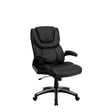
- Armrests can support your forearms during typing and mouse use.
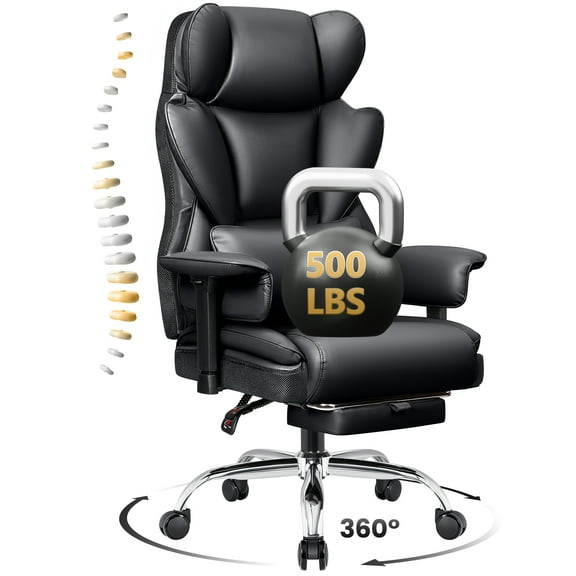
- Swivel bases and caster wheels make it easier to move around your workspace.
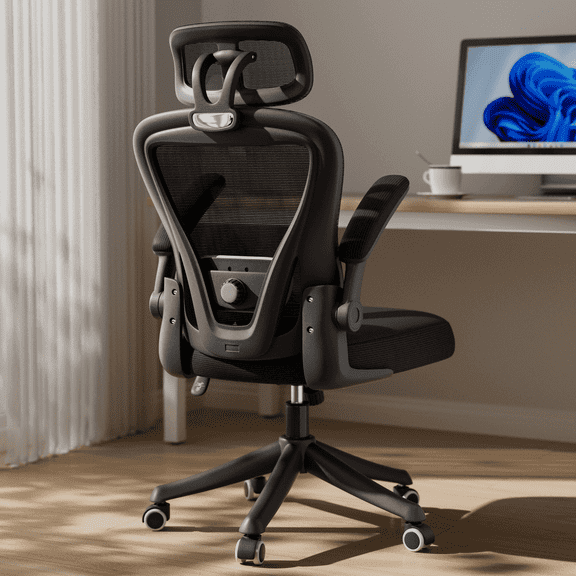
- Headrests and tilt functions support a more personalized sitting position.
These details matter when you sit for focused work, gaming, or class time. A chair that fits your frame can make your setup feel more natural and less cramped.
If you’re comparing desk chairs for a shared office, adjustable features can make switching users easier. That’s useful in multipurpose rooms, dorms, and family work areas.
Ergonomic office chair features that guide your choice
An ergonomic office chair often includes several adjustment points instead of a fixed frame. That gives you more control over seat depth, recline tension, arm position, and back support.
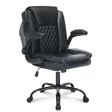
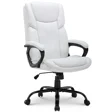
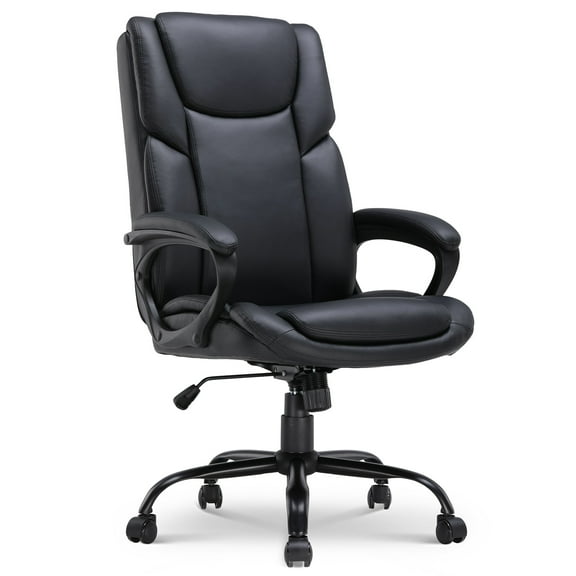
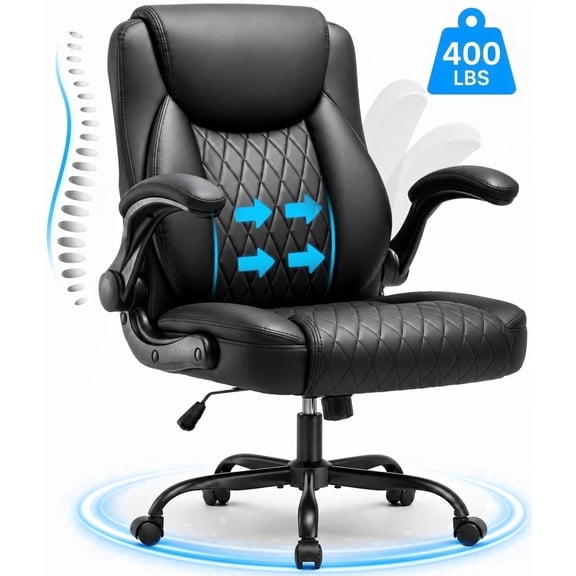
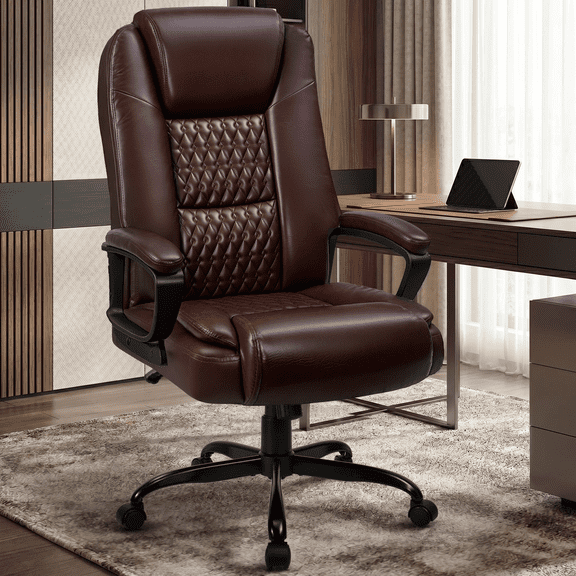
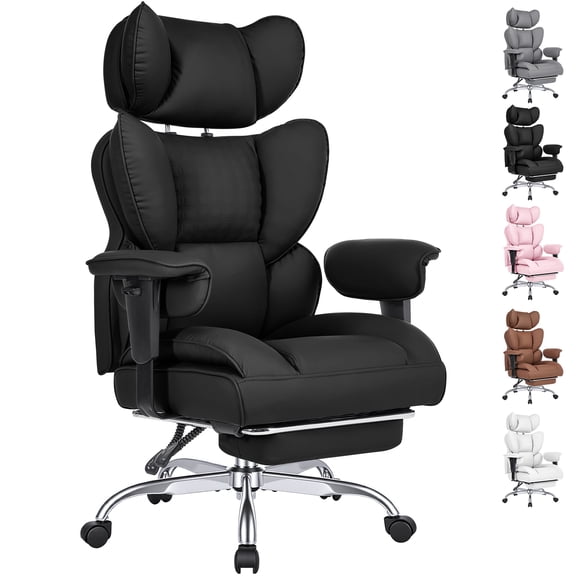
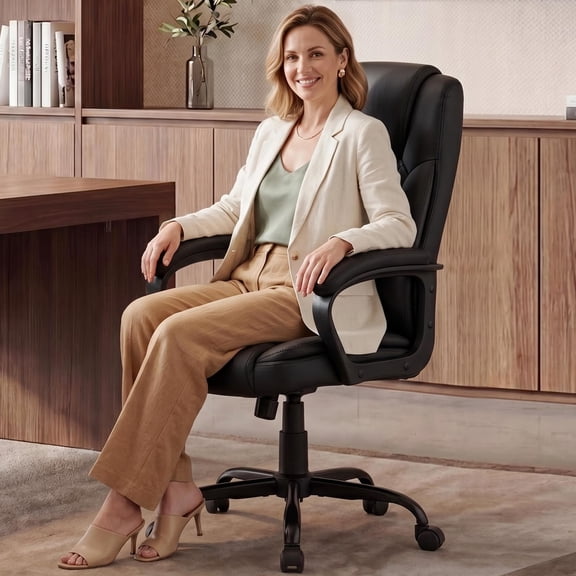
Mesh models are popular for their breathable feel and flexible back panels. Padded executive styles offer a fuller seat and a more substantial look.
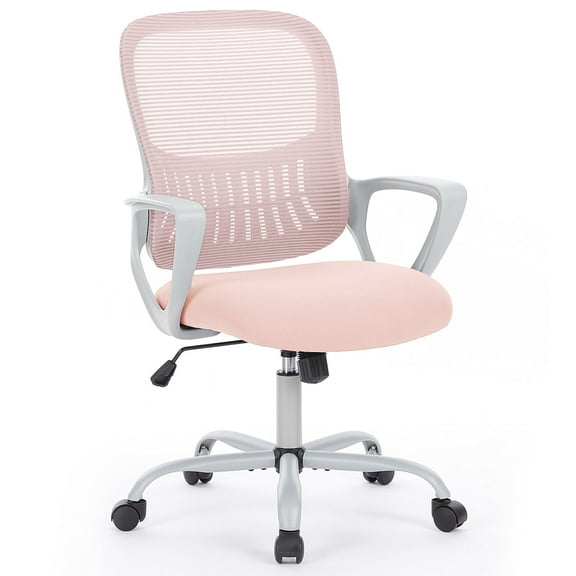
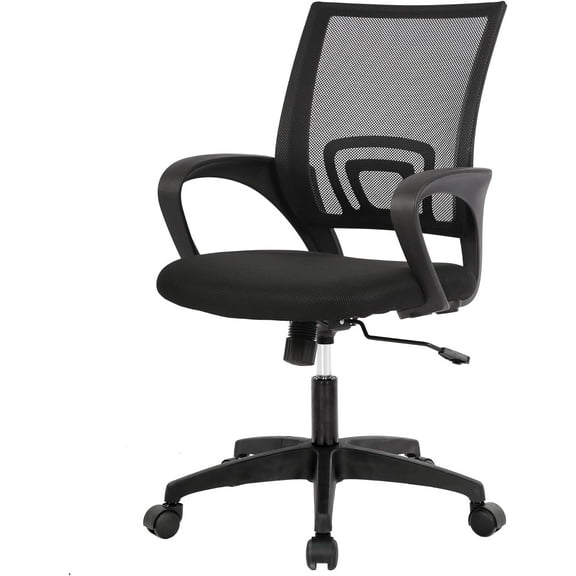
Task chairs usually have a smaller footprint, which fits compact desks and apartment offices. They’re often easier to tuck under a work surface when the room serves other purposes.
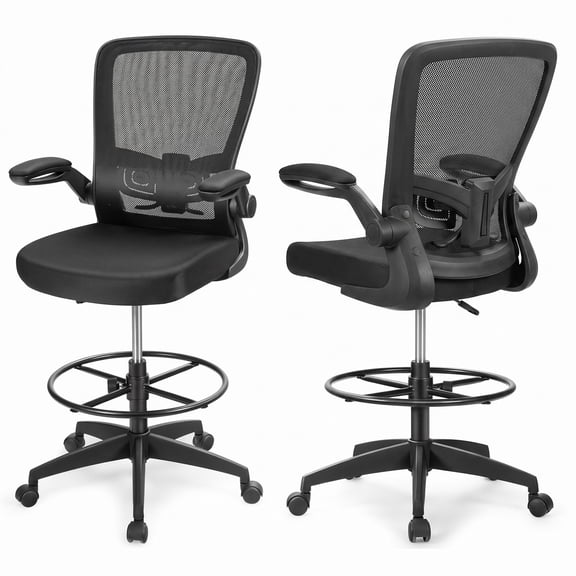
Look at seat height range if your desk sits higher or lower than standard. Check weight capacity, wheel type, and base size for a steadier fit.
Some shoppers want a lumbar support chair for office use with a pronounced lower-back curve. Others prefer gentler shaping with a waterfall seat edge and adjustable tilt lock.
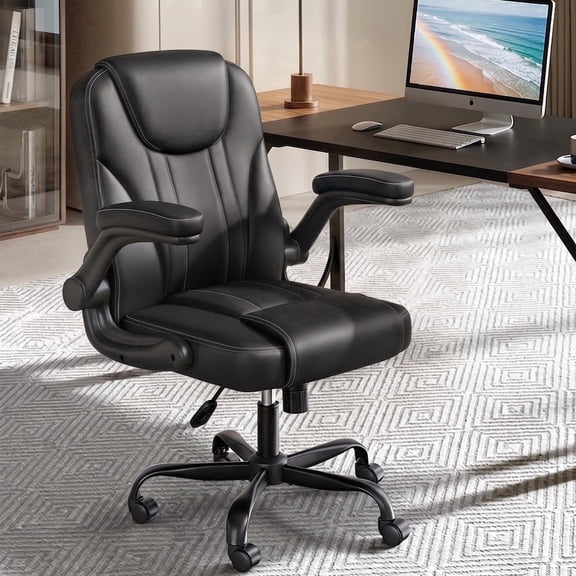
Materials also affect the overall feel of the chair. Faux leather gives a smooth finish, while fabric and mesh can create a softer, more casual office look.
If you’re searching for ergonomic chair under $100 options, simpler builds can still include key adjustments. Prioritize seat height, back shape, and a stable rolling base first.
Lumbar support chair for office setups and home desks
Different rooms call for different seating styles. A lumbar support chair for office use may suit a dedicated desk, while a compact task chair works well in a bedroom corner.
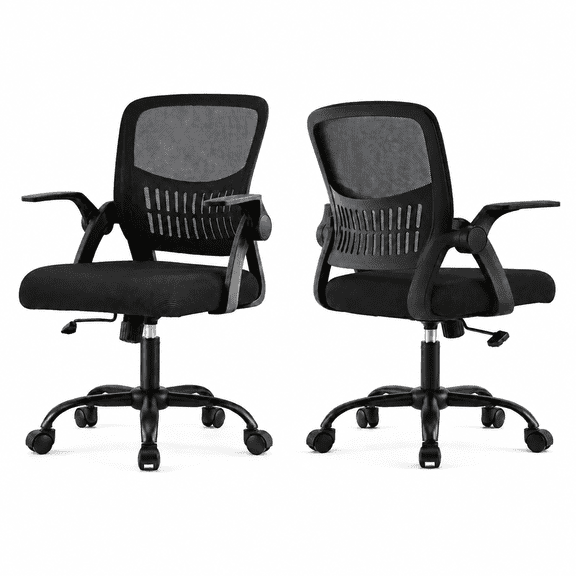
For remote work, a chair with flip-up arms can slide closer to the desk. That can help in smaller layouts where every inch matters.
Students often need seating that moves easily between writing, reading, and computer work. Swivel bases and caster wheels support that daily flexibility.
Creators, designers, and gamers may prefer a taller back with a headrest. That style can feel more anchored during long sessions at a monitor.
In shared homes, adjustable office seating helps different users find a more comfortable fit. Quick seat and tilt changes make the chair easier to use across varying heights.
Some shoppers still look up the ergonomics of a chair before choosing a model. This page supports that research with options built around adjustability, lumbar support, and practical desk use.
Pairing your chair with office desks and office mats can help create a more functional workspace. That combination supports smoother movement, cleaner cable paths, and better room flow.
How to compare desk chairs with confidence
Start with your daily routine and the size of your workspace. Then narrow your options by back style, arm design, and the adjustments you’ll use most.
Measure desk clearance before choosing a taller back or wider armrests. In compact rooms, a slim task chair may fit more cleanly than a broad executive frame.
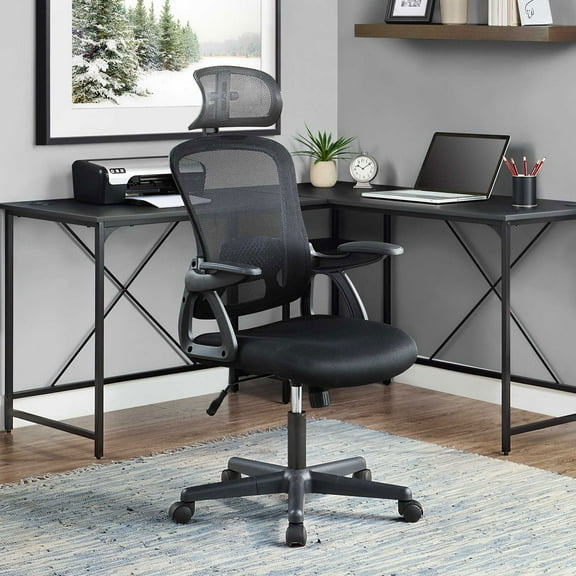
Think about floor surface too. Wheel movement can feel different on rugs, hard flooring, and chair mats, so base design matters.
Visual style plays a role in your final pick. Black mesh blends into modern setups, while upholstered finishes can soften a home office corner.
The right chair should match how you actually work each day. When support, adjustability, and fit align, your desk setup feels more usable from the first sit.