









Chocolate in Candy




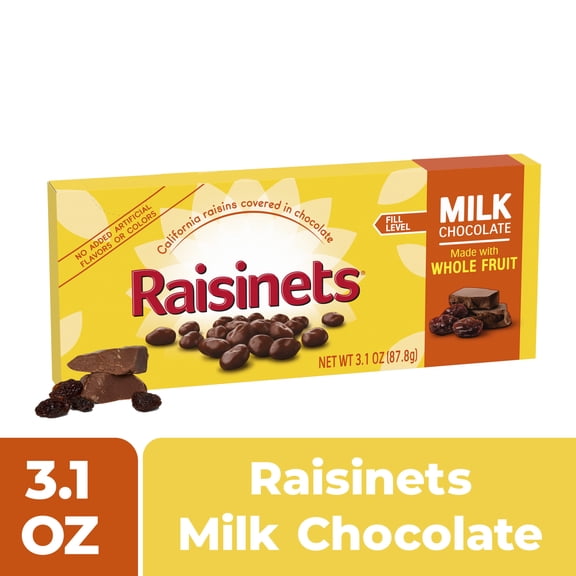
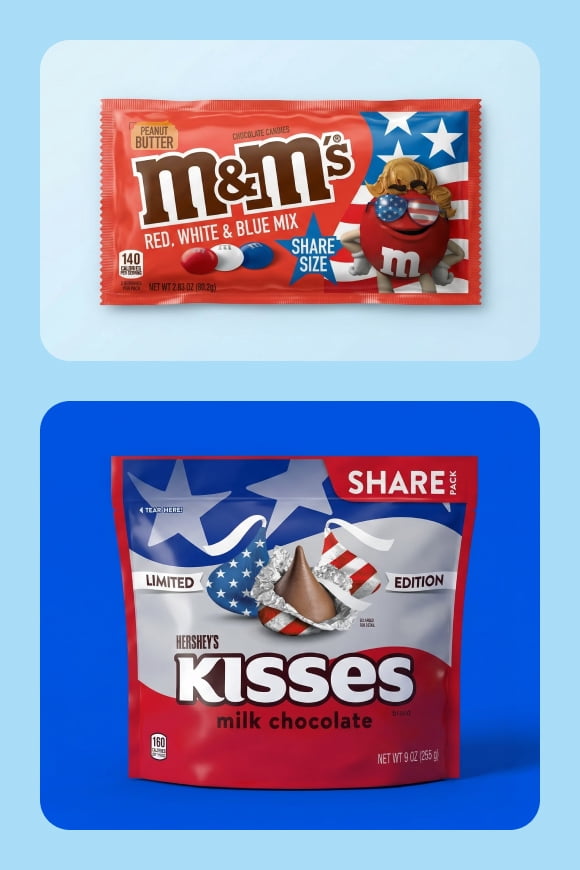
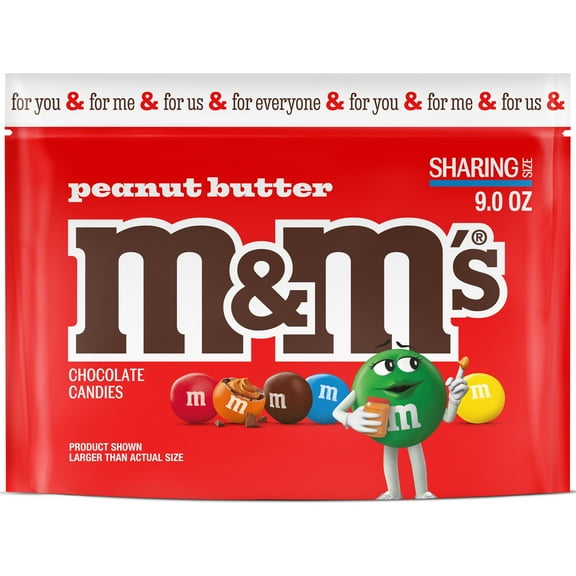
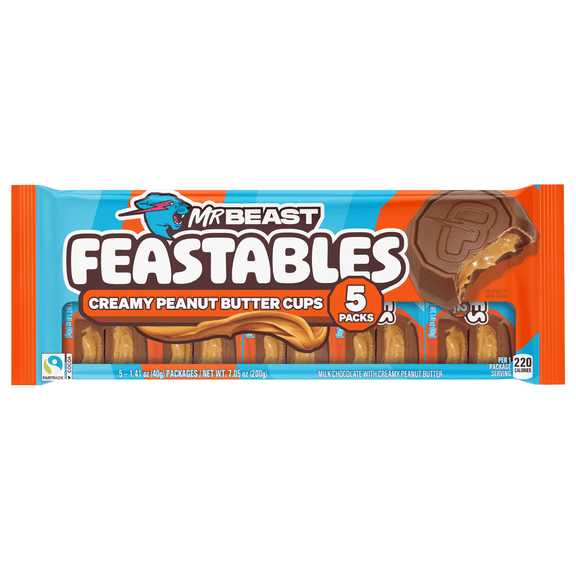





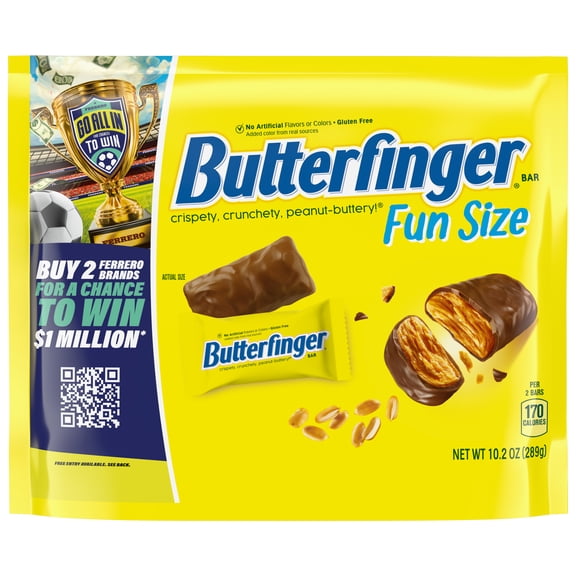
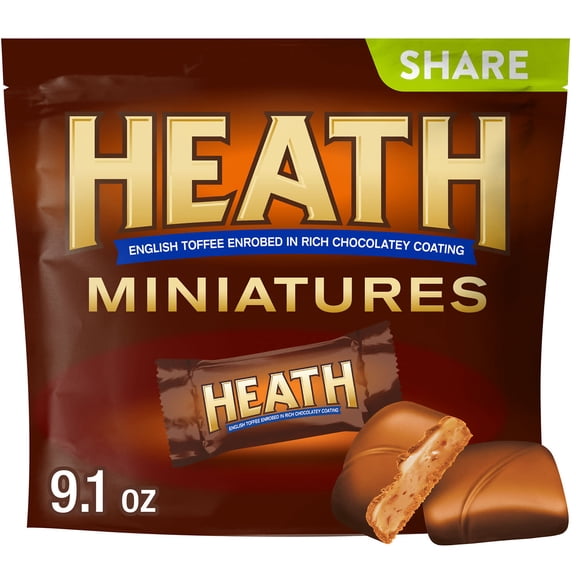
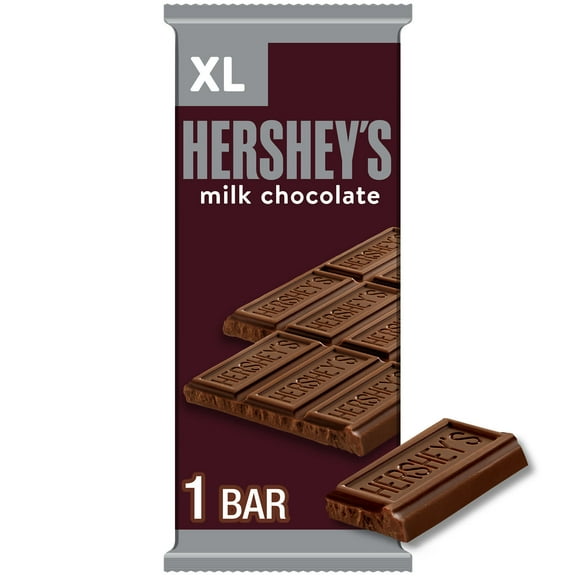
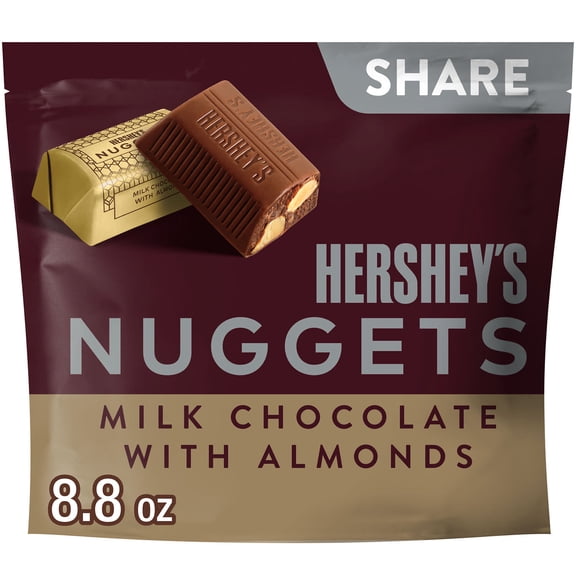





About Chocolate in Candy - Walmart.com
Chocolate helps you compare sweetness, cocoa intensity, and occasion in one aisle. You can sort milk chocolate, dark chocolate, and gift-ready assortments with filters that fit everyday treats, sharing, and seasonal plans.
How to choose chocolate by type
Chocolate candy starts with your favorite style and the sweetness level you want. You can choose milk chocolate for a creamier taste, dark chocolate for deeper cocoa notes, or white chocolate for a sweeter profile.
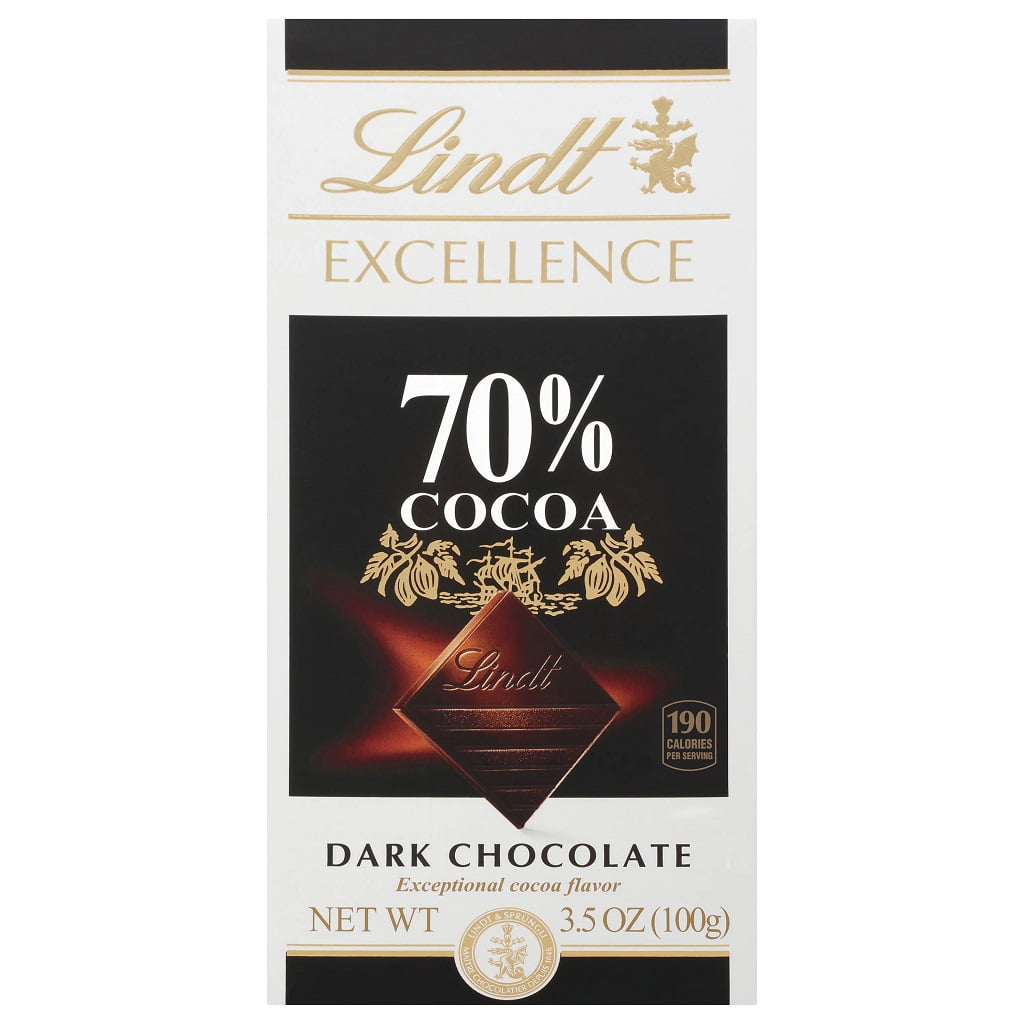
When you compare chocolate type, you should also check cocoa percentage because it shapes flavor. You’ll usually notice 30% cocoa tastes milder, while 70% or 85% cocoa tastes richer and less sweet.
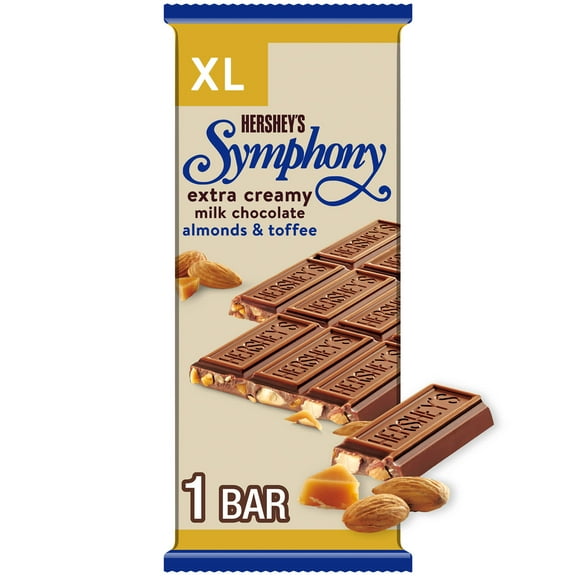
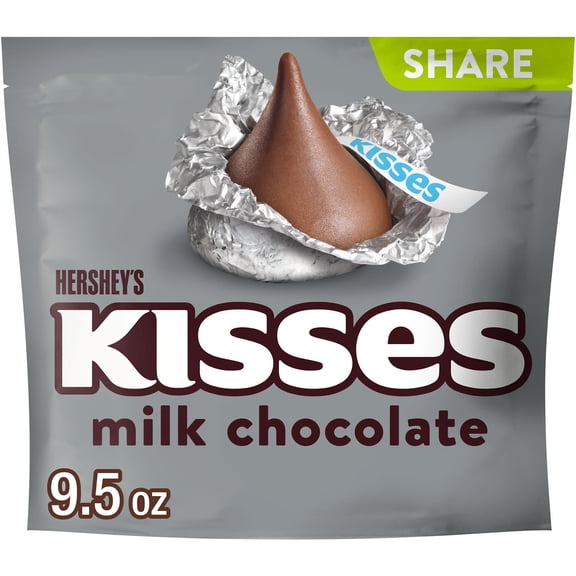
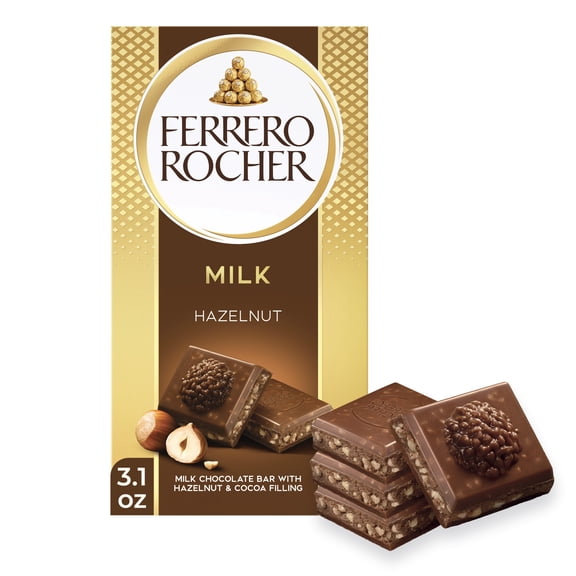
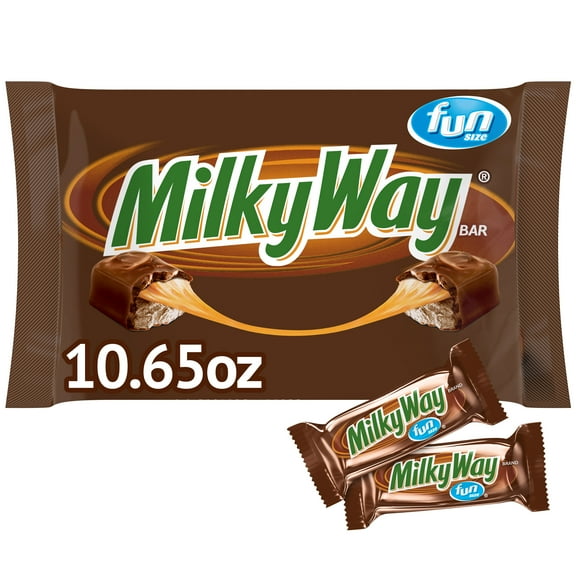
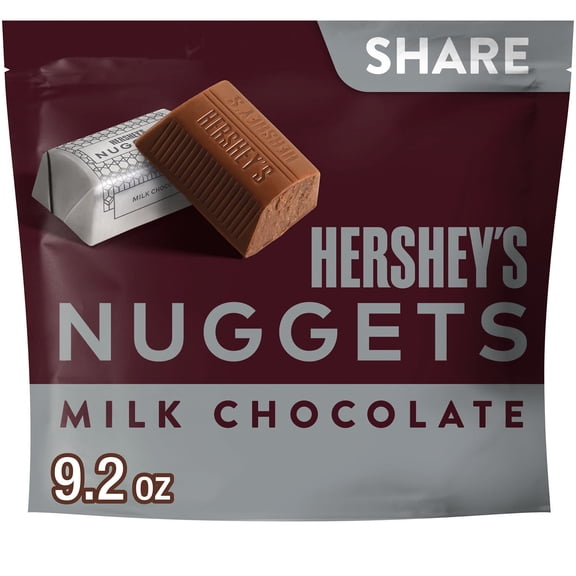
If you want a familiar snack, you may lean toward milk chocolate bars or individually wrapped pieces. If you want a bolder bite, you may prefer dark chocolate squares, chocolate bars, or assorted chocolates.
- You can pick milk chocolate when you want a smooth, sweet everyday snack.
- You can choose dark chocolate when you want stronger cocoa flavor and less sweetness.
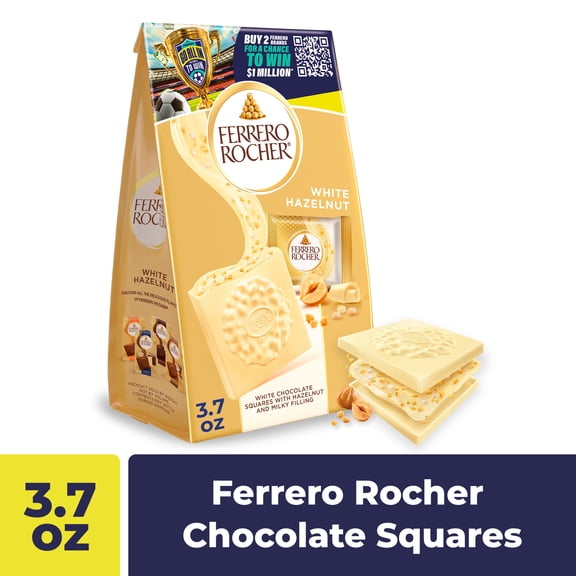
- You can select white chocolate when you want a creamy confection for gifting or dessert tables.
- You can compare cocoa percentages to match mild, balanced, or intense flavor preferences.
Choosing chocolate by form factor
You should choose form factor based on how you plan to serve, share, or store your selection. You can compare chocolate bars, truffles, individually wrapped pieces, and gift boxes for very different uses.
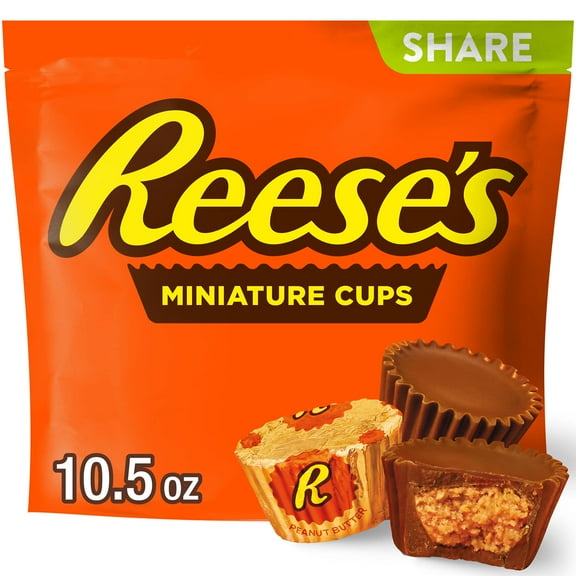
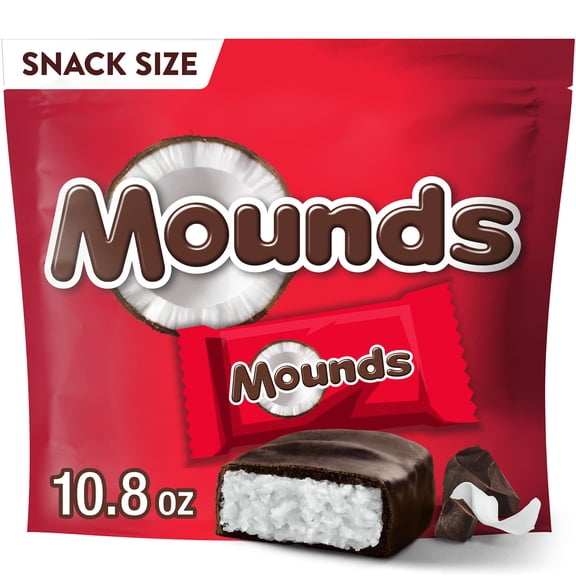
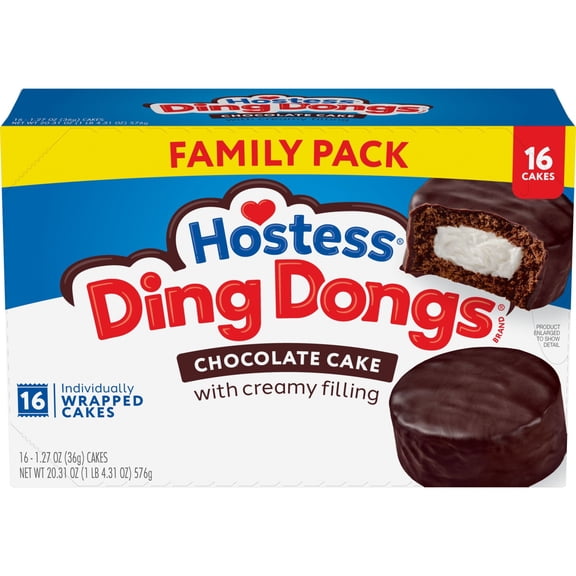
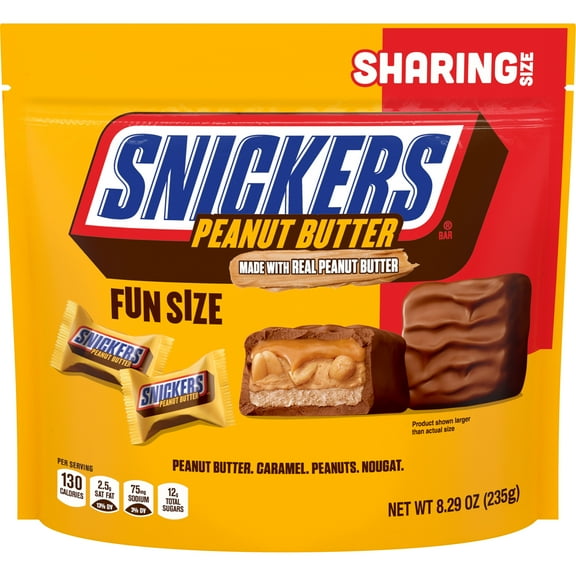
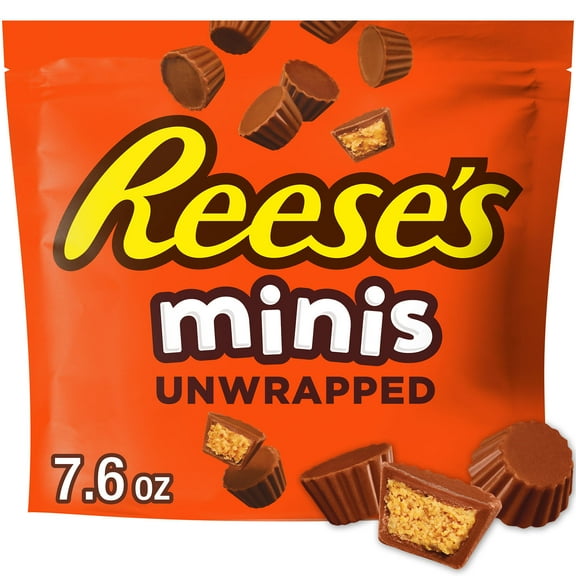
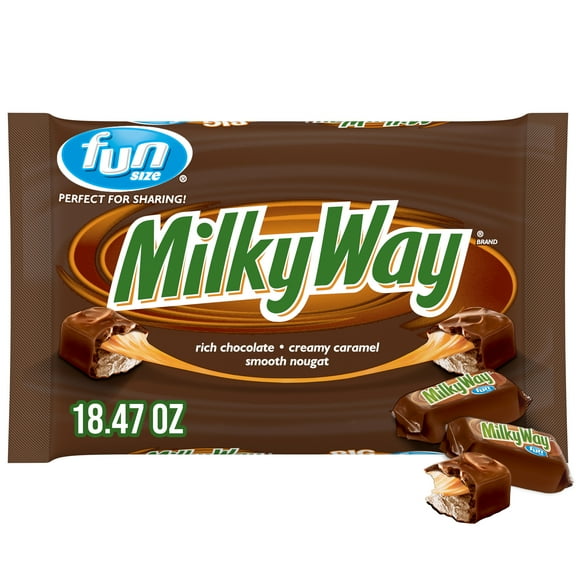
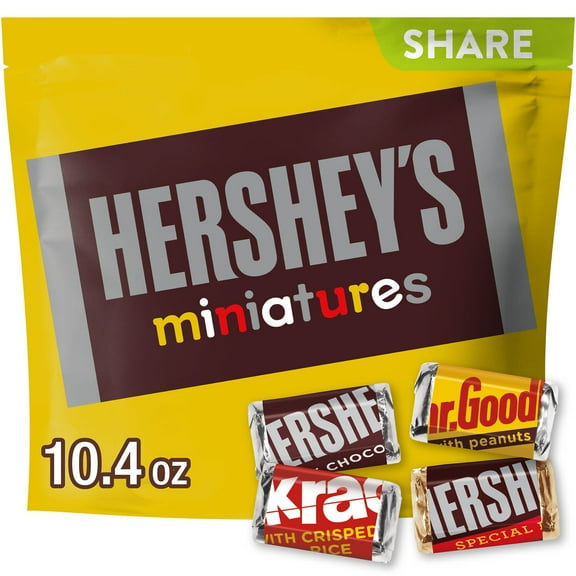
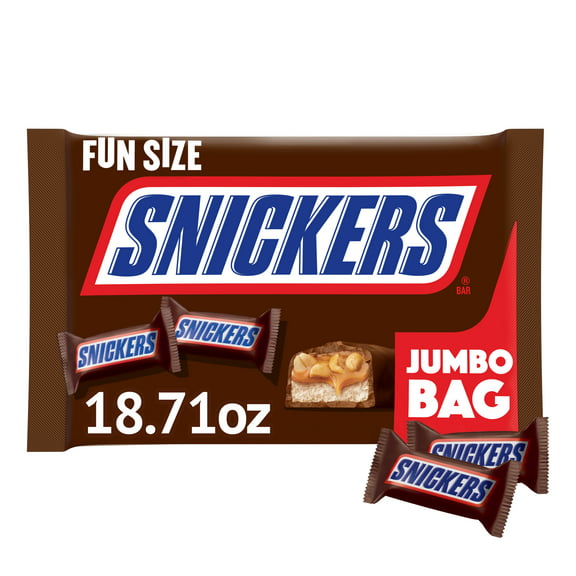
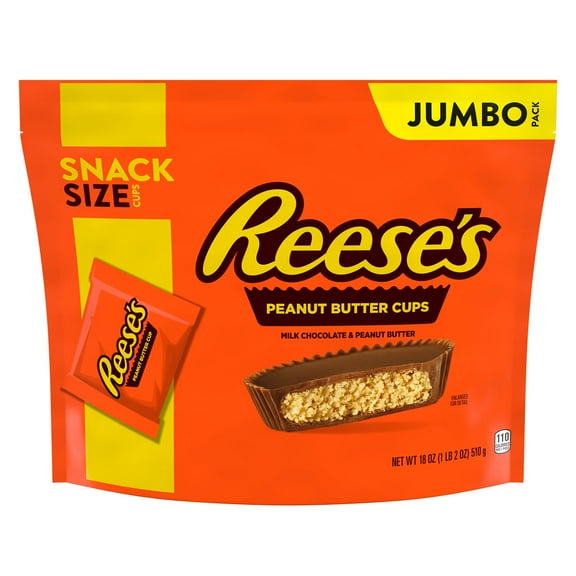
If you want something portable, you’ll find chocolate bars easy to pack in lunch bags or desk drawers. If you’re planning to share, you may prefer individually wrapped pieces that help you portion candy for bowls or parties.
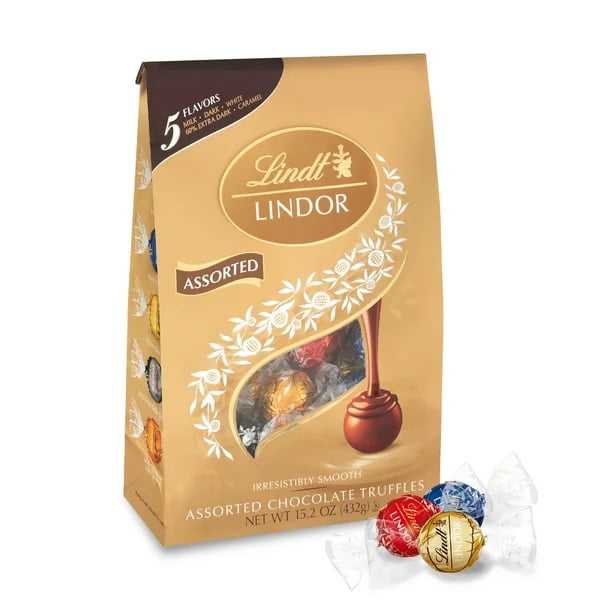
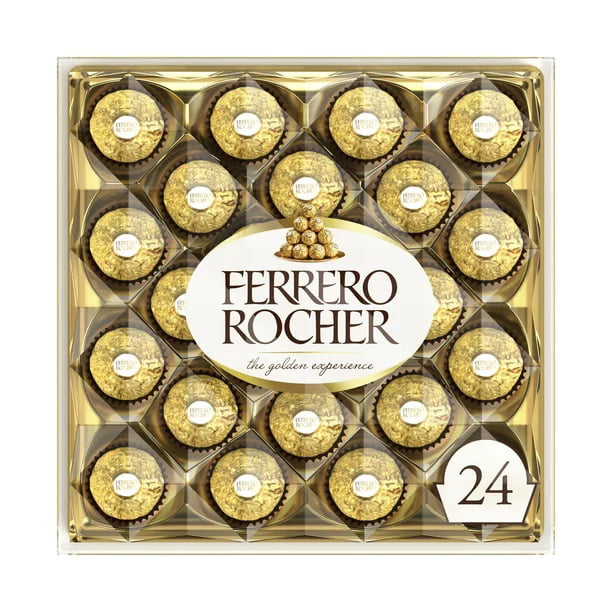
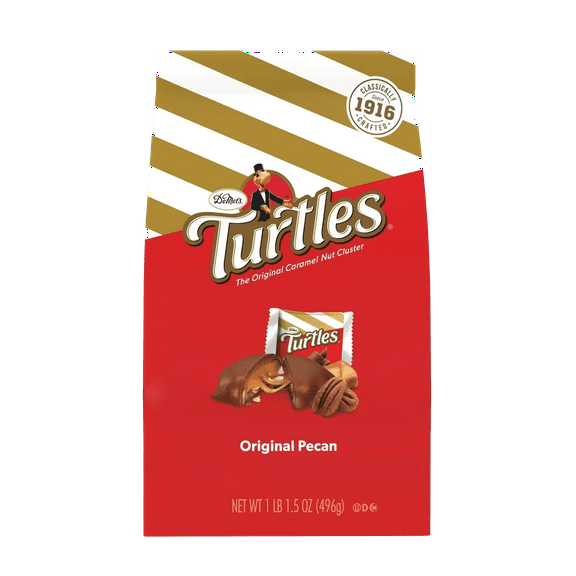
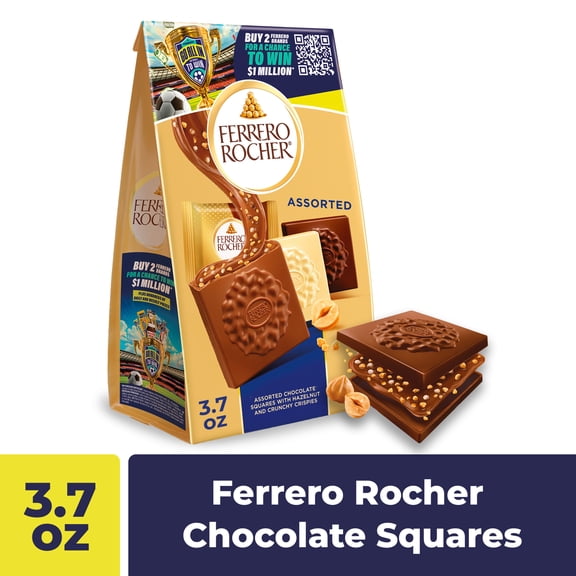
For gifting, you should look at truffles and gift boxes because presentation matters along with flavor. You can also compare assorted chocolates when you want mixed fillings, textures, and shapes in one box.
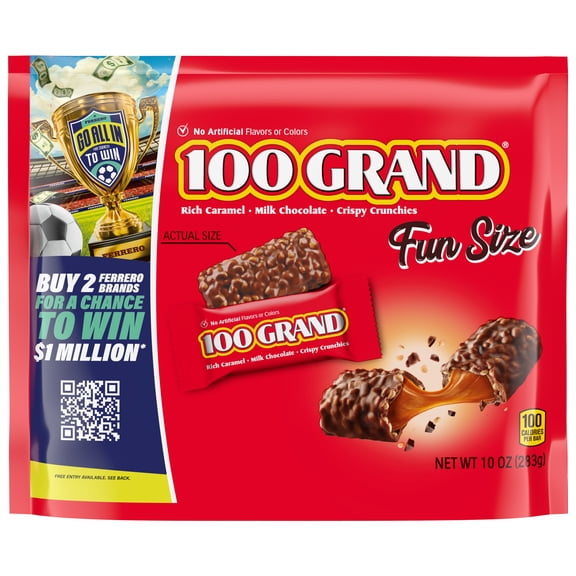
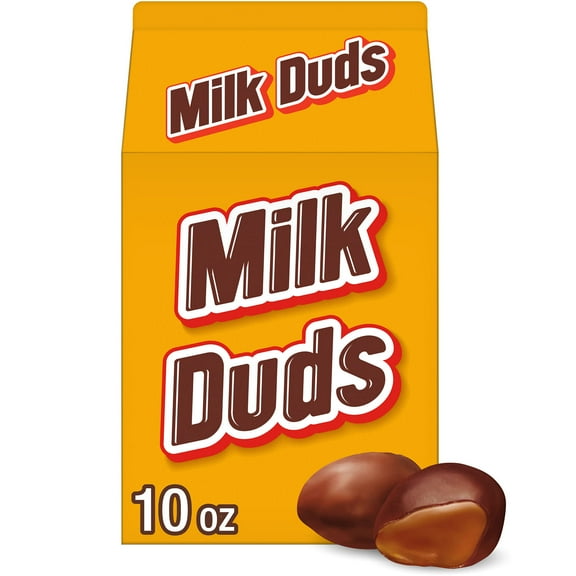
Texture also plays a role when you narrow your options within each format. You may look for smooth centers, crunchy add-ins, or filled pieces with caramel, nuts, or crisped layers.
What to look for in milk chocolate and dark chocolate
You should compare milk chocolate and dark chocolate by sweetness, cocoa percentage, and how you plan to enjoy each piece. You’ll often find milk chocolate works well for familiar snacking, while dark chocolate fits richer flavor preferences.
When you read labels, you should check cocoa percentage before you decide. You can use 50% cocoa for a balanced profile, 70% cocoa for noticeable intensity, and 85% cocoa for a deeper finish.
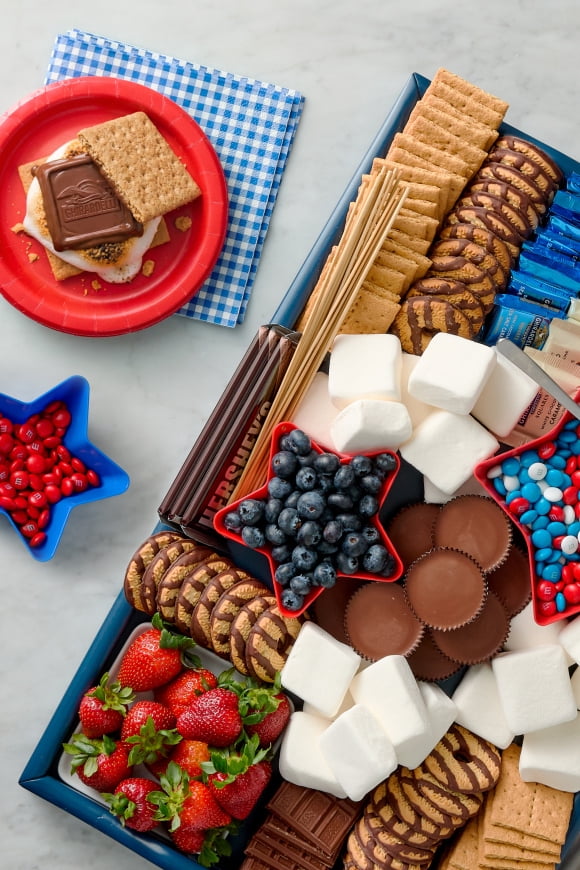
If you’re building a candy dish, you may want a mix of milk chocolate and dark chocolate. If you’re choosing for a group, you can include assorted chocolates so different sweetness and texture preferences feel covered.
You should also consider season and occasion when you compare these choices. You may want holiday chocolate in wrapped minis for gatherings, or boxed assortments when you need a polished presentation.
Comparing dietary details before you buy
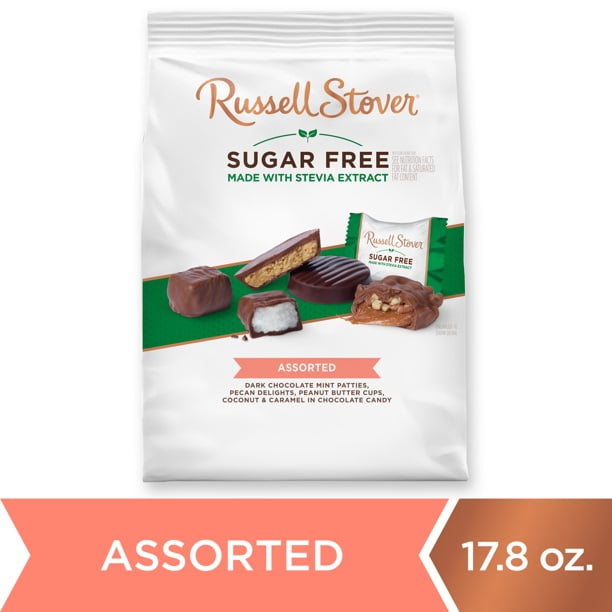
You should review dietary details early because they can quickly narrow the field. You can compare sugar-free, organic, fair trade, kosher, dairy-free, and vegan options based on your household’s preferences.
If you need a specific fit, you should check the package wording and product details carefully. You can use those details to separate everyday chocolate candy from options that match your ingredient or sourcing priorities.
For group events, you may want several dietary options in one order to cover different needs. You can pair classic chocolate bars with sugar-free chocolate or dairy-free choices for easier planning.
You should also think about who will eat the chocolate and when you will serve it. If you’re setting out treats for guests, you can keep labeled options together for quicker selection.
Matching chocolate to gifting, baking, and everyday snacking
You should match your chocolate choice to the moment because occasion changes what matters. You may want bars for everyday snacking, gift boxes for celebrations, and baking chocolate for recipes.
If you’re planning movie nights or lunchbox treats, you can choose individually wrapped pieces for simple portioning. If you’re assembling a present, you may prefer assorted chocolates with mixed textures and filled centers.
For recipes, you should check whether you want baking chocolate, chips, or bars that melt smoothly. You can also compare cocoa intensity when you want a sweeter dessert or a richer chocolate layer.
During seasonal moments, you may look for holiday chocolate shaped for baskets, stockings, or party favors. You can keep those options separate from everyday pantry picks so you’re ready for both planned events and casual cravings.
Frequently asked questions about chocolate
You may wonder how milk chocolate differs from dark chocolate in a practical way. You’ll usually taste more sweetness in milk chocolate, while you’ll notice deeper cocoa flavor in dark chocolate.
You may also ask how to choose between bars and assorted chocolates. You can pick bars for straightforward snacking, while you can choose assorted chocolates when you want variety in fillings and texture.
If you’re unsure about cocoa percentage, you should start with a middle range like 50% or 70%. You can then adjust toward milder or more intense chocolate based on your taste.
You can feel confident choosing chocolate when you compare type, form, dietary details, and cocoa percentage together. You’ll end up with candy that fits your taste, your occasion, and the way you want to share it.