

Rulers in Rulers, Compasses & Protractors


























About Rulers in Rulers, Compasses & Protractors - Walmart.com
Rulers help you measure, draw, and align with confidence across school, office, drafting, and craft tasks. You can compare materials, lengths, and markings to choose the format that fits your everyday projects.
How to choose rulers for your tasks
When you shop for rulers, you should start with the job you need to finish. You may want school rulers for notebooks, or you may need measuring rulers for drafting boards and fabric tables.
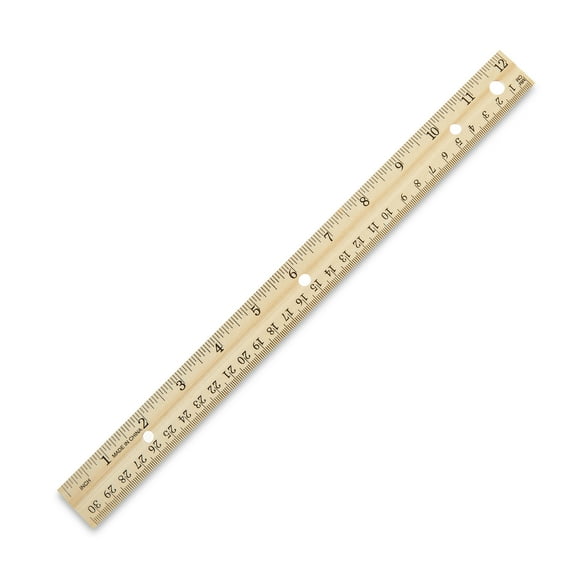
Material is your first decision point because it affects feel, durability, and flexibility. You can choose wooden rulers for a classic grip, metal rulers for firm edges, or plastic rulers for lightweight everyday use.
Length matters just as much because it changes how you work on paper, posters, and patterns. You might prefer 12 inch rulers for desks, while shorter six inch options fit pencil cases and planners.
Choosing material: wooden rulers, metal rulers, and plastic rulers
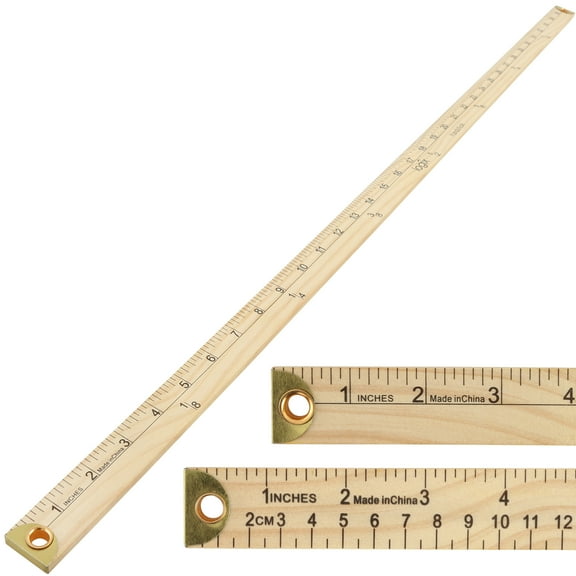
Wooden rulers give you a familiar hand feel and a sturdy straight edge for classroom and office tasks. You may like wood when you want easy reading and a traditional shape for repeated daily measuring.
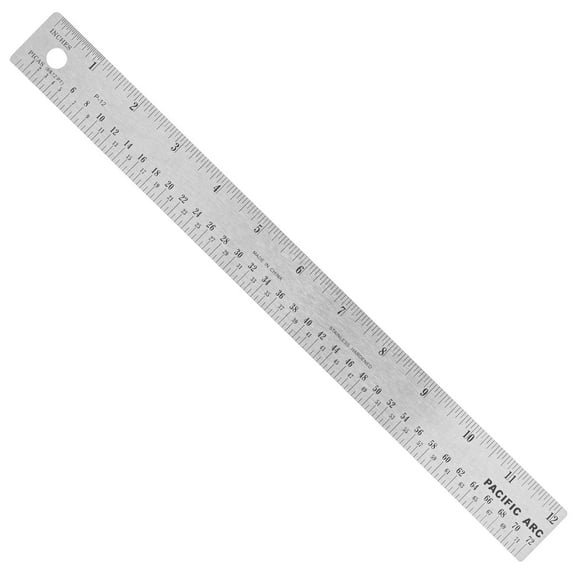
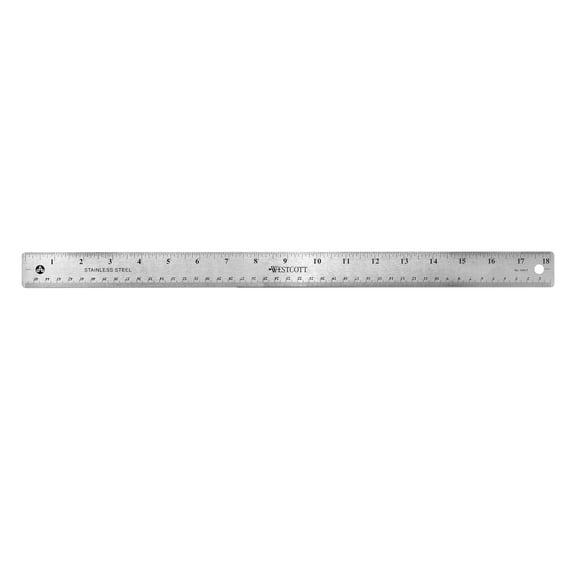
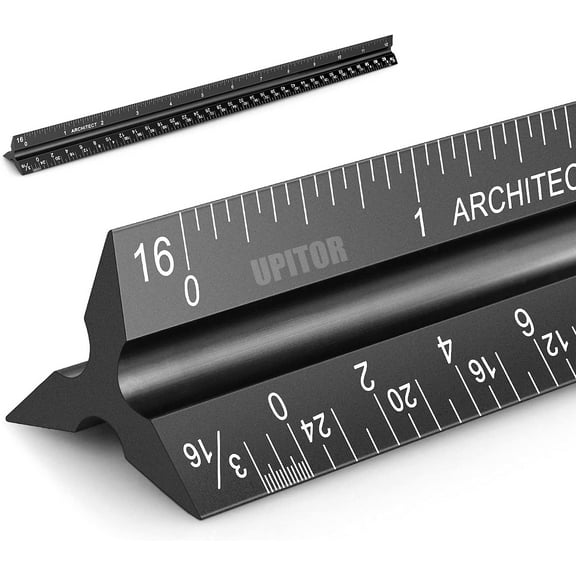
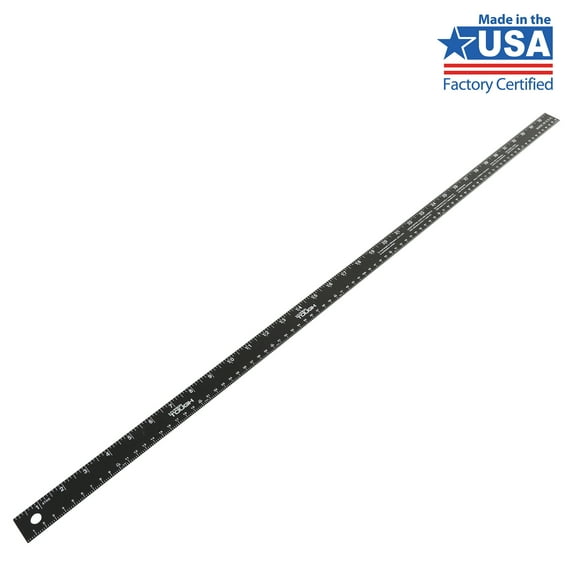
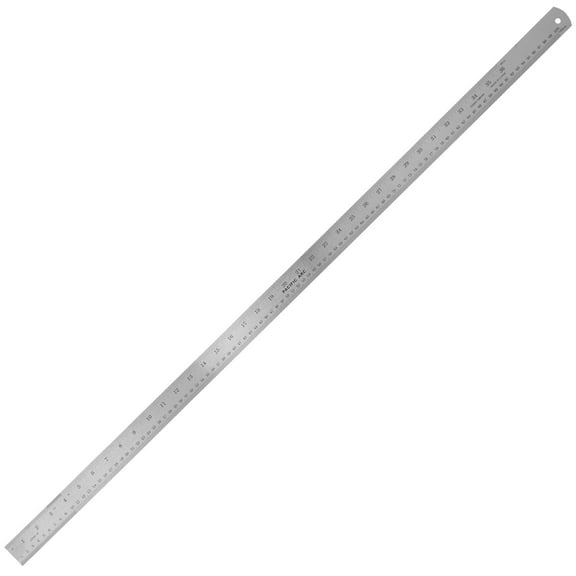
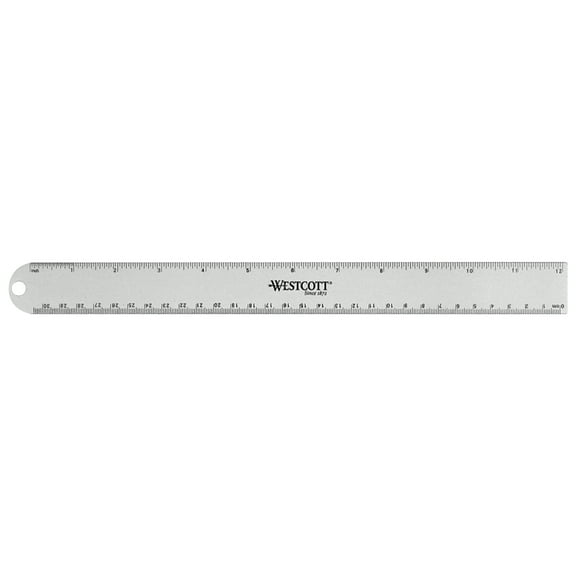
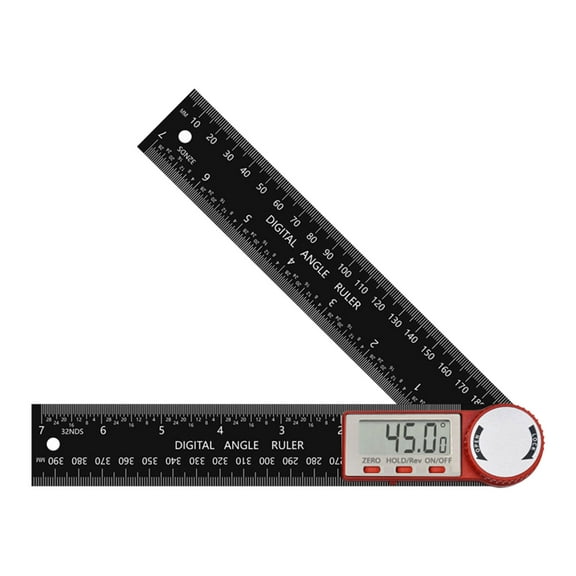
Metal rulers work well when you want a firm edge for clean lines and repeated alignment. You can compare aluminum and stainless steel options when your projects call for extra rigidity and a lasting finish.
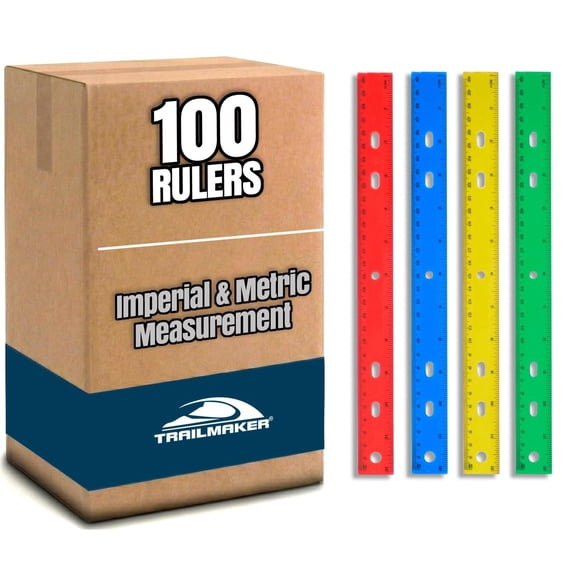
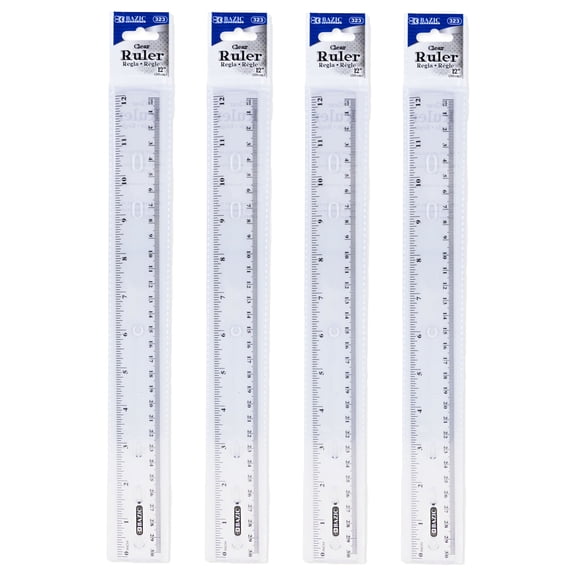
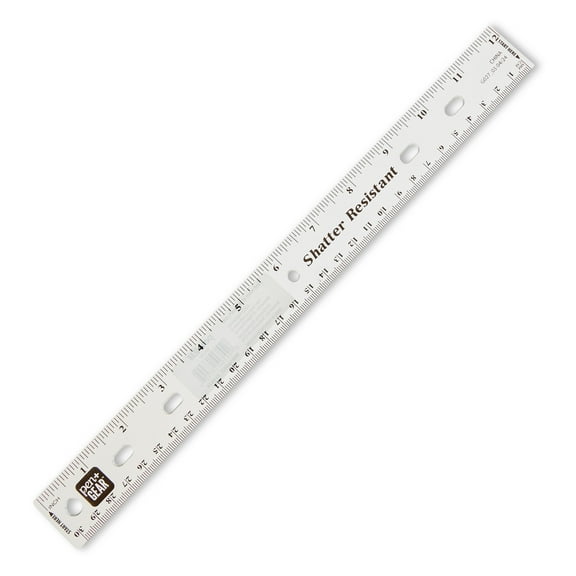
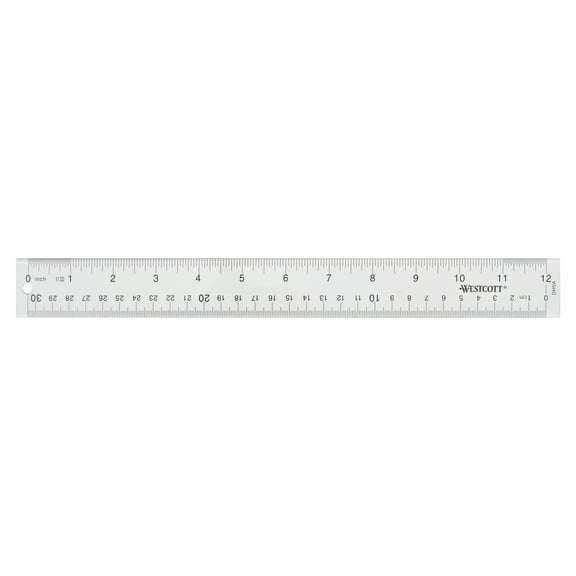
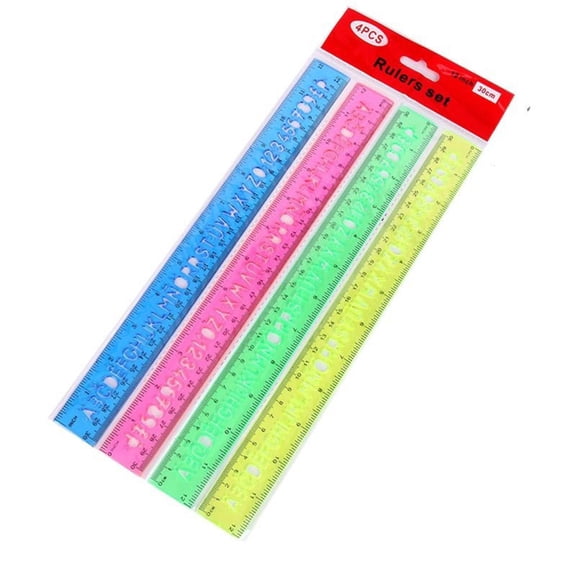
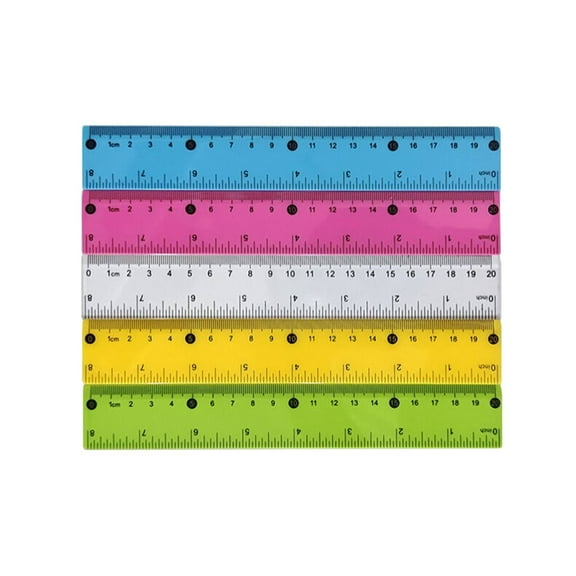
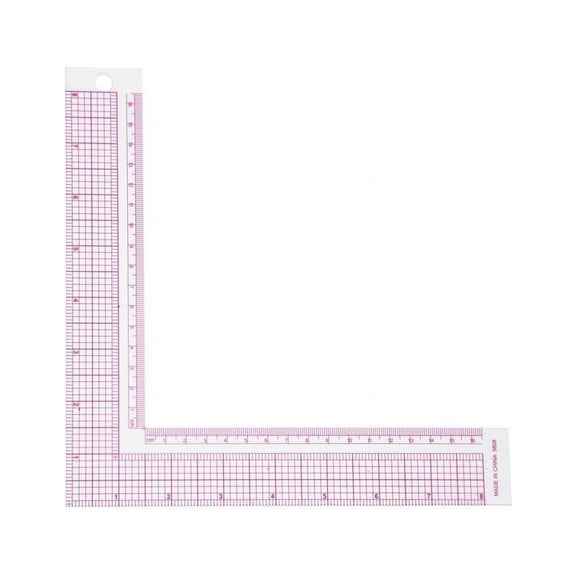
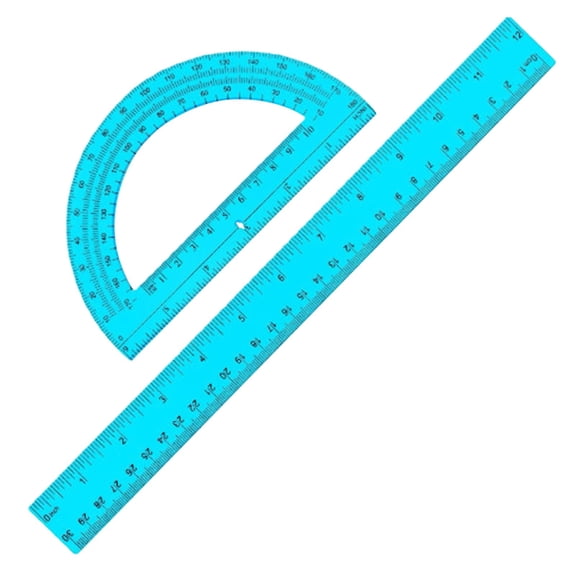
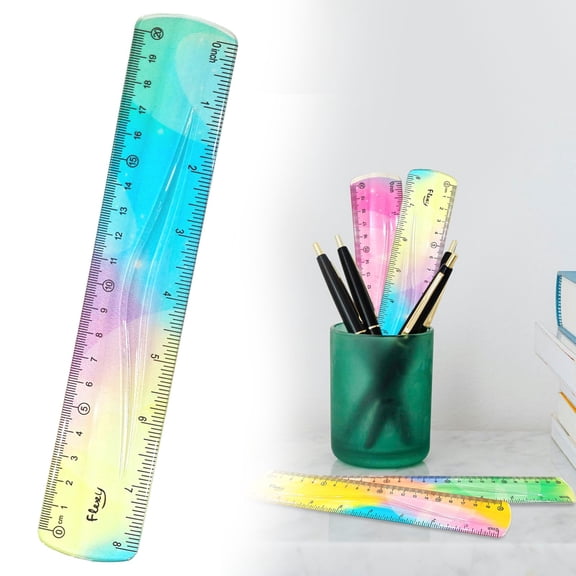
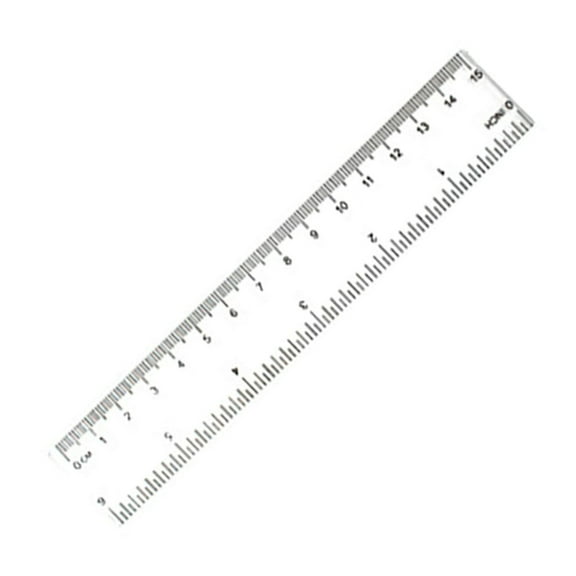
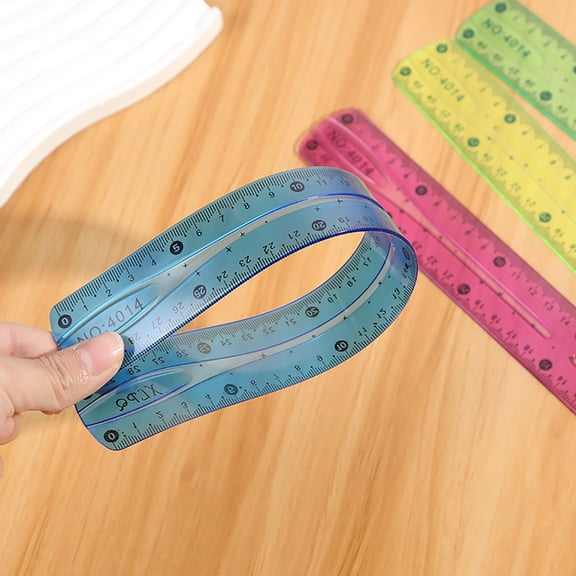
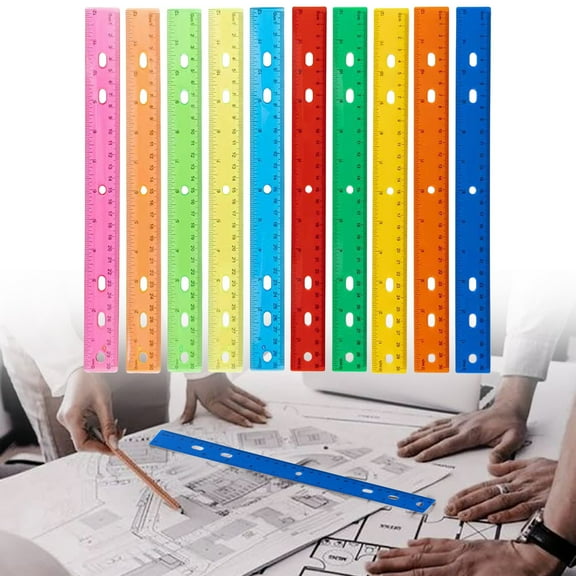
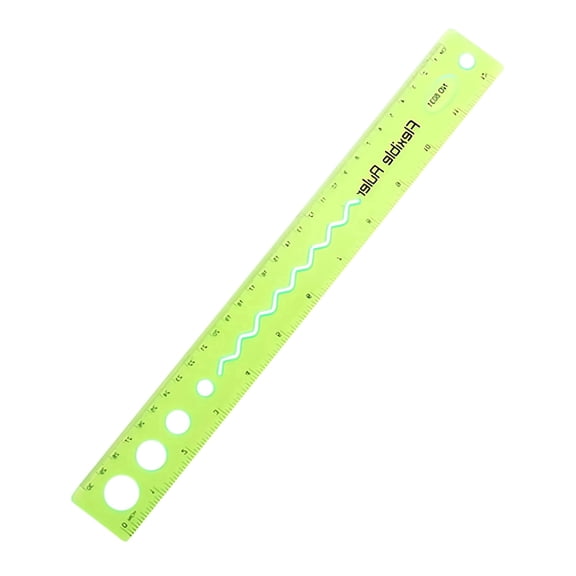
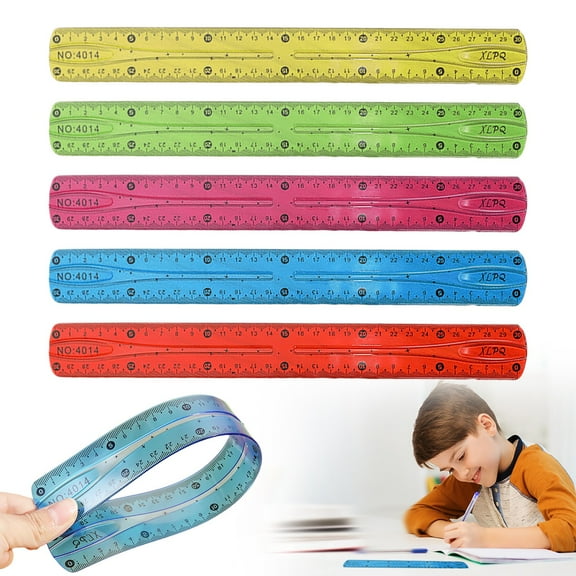
Plastic rulers keep weight low, and clear rulers let you see the page beneath the markings. You may also choose shatter-resistant plastic when you want flexible rulers that travel easily in backpacks and supply pouches.
- You can pick wood when you want a classic school and office feel.
- You can pick metal when you need a rigid edge for drafting and straight guideline work.
- You can pick plastic or acrylic when you want light weight, visibility, or flexible handling.
- You can check for stainless steel and shatter-resistant designs when durability matters in shared spaces.
What to look for in measuring rulers
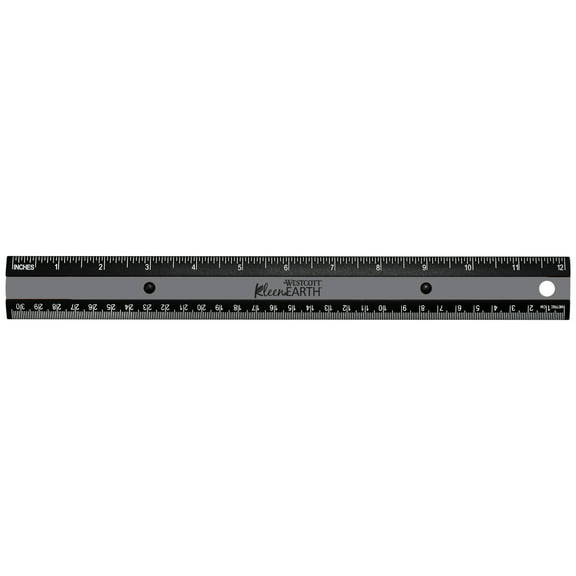
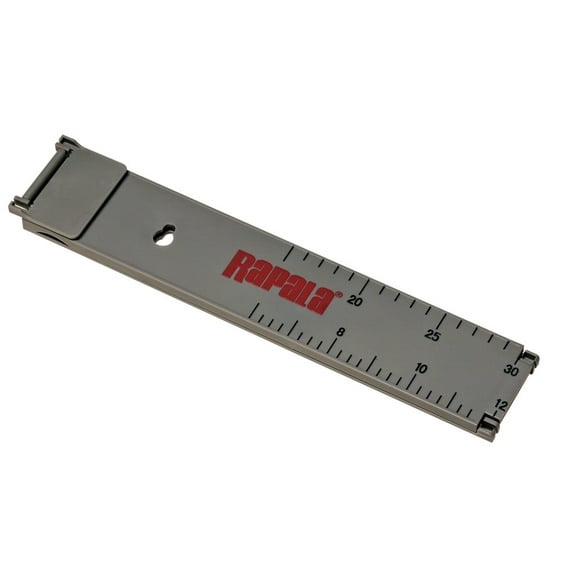
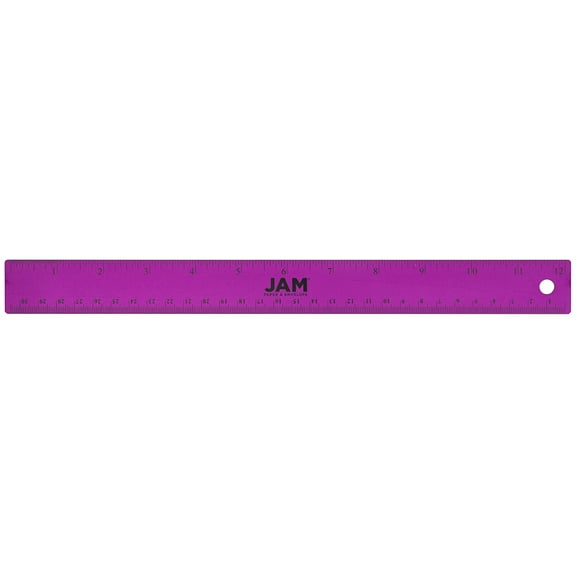
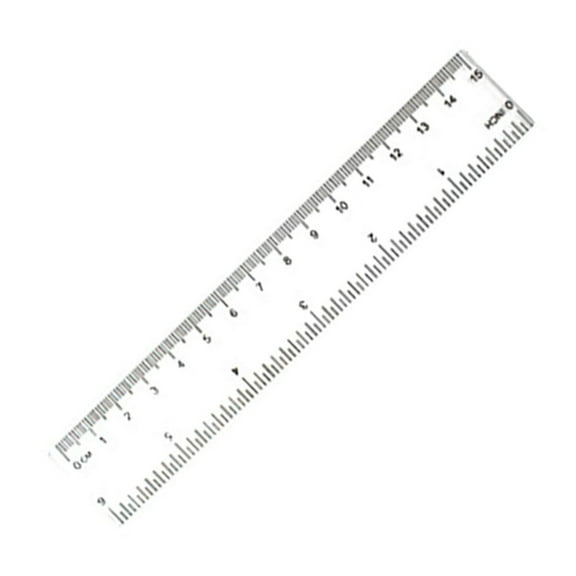
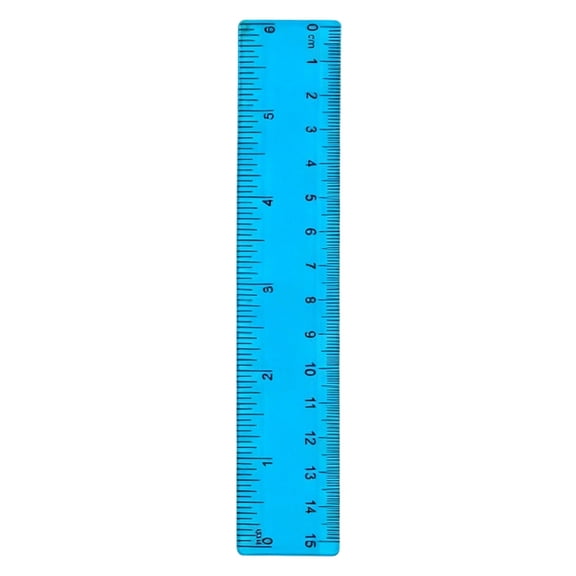
Markings should match the way you measure, so you should check inches, centimeters, or dual-scale layouts first. You can read dual-scale rulers quickly when your classwork, sewing, or design tasks switch between imperial and metric units.
Clear, dark markings help you line up edges and read small increments without slowing down. You should also compare whether the scale starts flush at the edge, since that detail affects everyday measuring accuracy.
If you draft often, you may want cork-backed metal styles that stay steadier on smooth surfaces. You can use that backing to reduce shifting while you draw long lines across large sheets.
Choosing the right ruler length
Your project size should guide your length choice before you narrow down materials or markings. You can use 12 inch rulers for standard school pages, folders, and desk work.
Six inch rulers fit compact kits, pencil cases, and planners when you need quick reference on the go. You may prefer 18 inch or 30 cm options when you mark larger art paper, binders, or sewing patterns.
Longer rulers help you keep lines continuous across wider surfaces without repositioning as often. Shorter options help you store supplies neatly when your workspace stays mobile or compact.
Matching rulers to school, drafting, crafting, office, and sewing
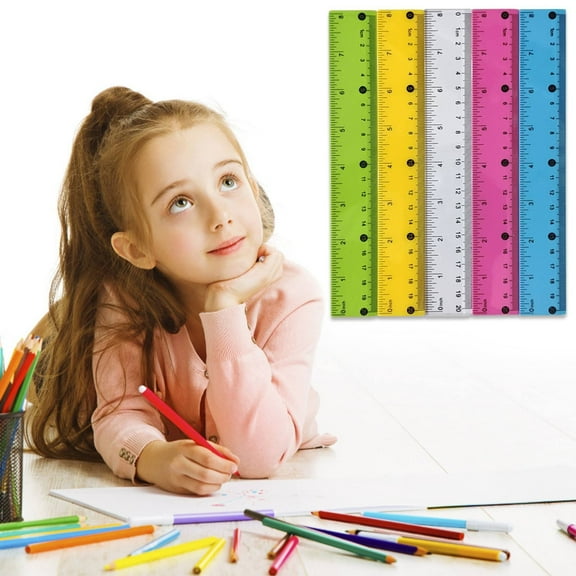
For school use, you may want school rulers with easy-to-read numbers and a simple straight edge. You can keep one in a backpack, locker, or homework station for math, charts, and handwriting guides.
For drafting, you should compare rigid metal rulers and cork-backed options for stable line work. You can use them on smooth desks or drawing boards when precision and repeat alignment matter.
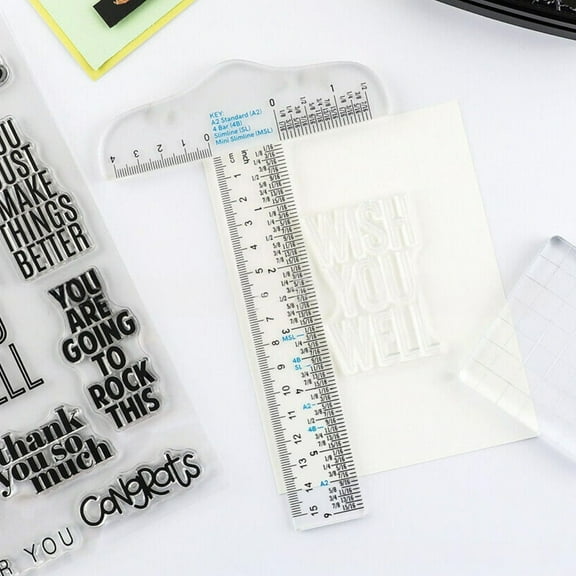
For crafting, clear rulers and acrylic styles help you see paper edges, photos, and layout marks. You may find flexible rulers useful when you measure curved materials or pack tools for classes and clubs.
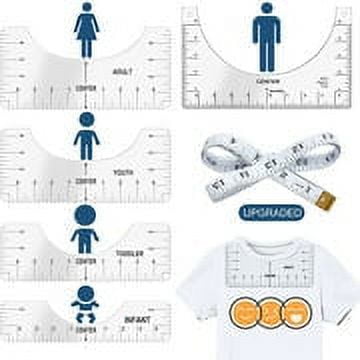
For office tasks, you can use measuring rulers to align forms, trim labels, and organize desk projects. For sewing, you should look for metric or dual-scale markings that support pattern checks and fabric measuring.
Key differences between ruler styles
Rigid styles give you a stable edge, while flexible styles bend more easily in bags and supply bins. You should compare how each style feels in your hand before choosing one for daily use.
Opaque finishes can make numbers stand out, while clear rulers let you view text and borders underneath. You can also compare rounded corners, hanging holes, and edge shapes for storage and handling.
When you choose rulers with the right material, length, and scale, your measuring tasks feel simpler and more consistent. You can move from class notes to craft layouts with a tool that matches your exact workflow.