





Bunk Beds


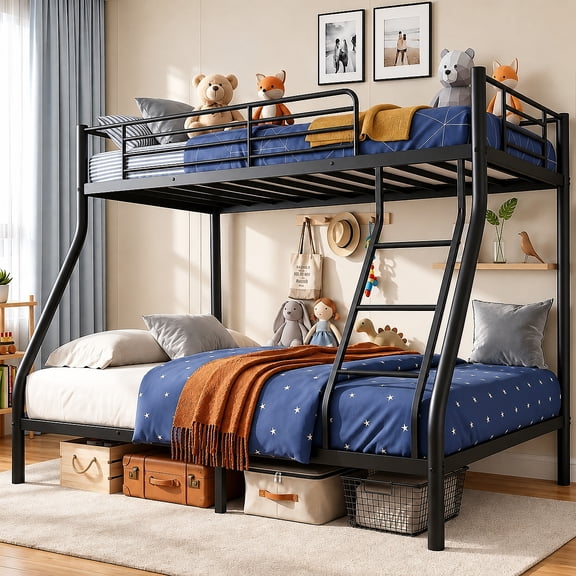


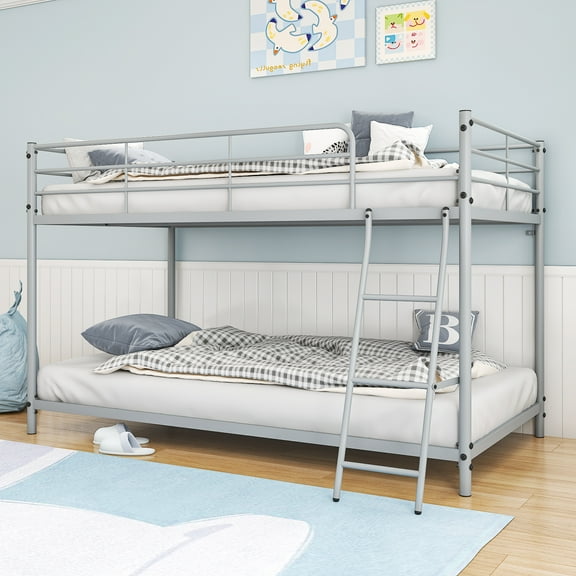
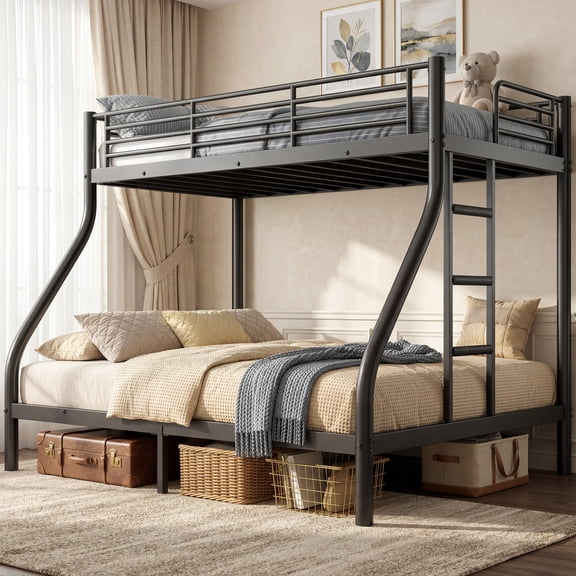




















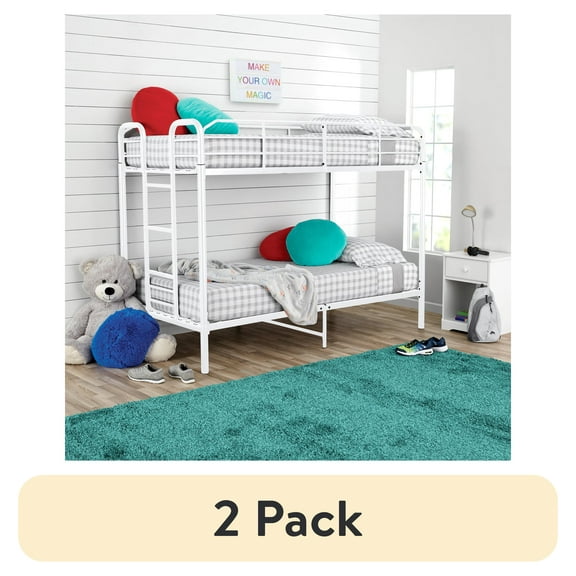

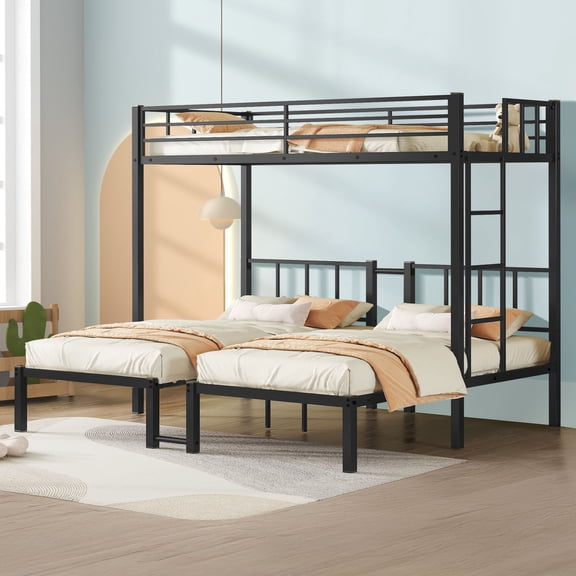


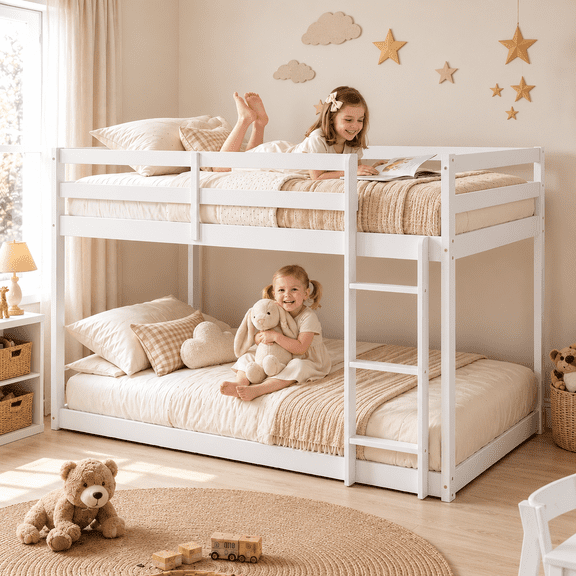


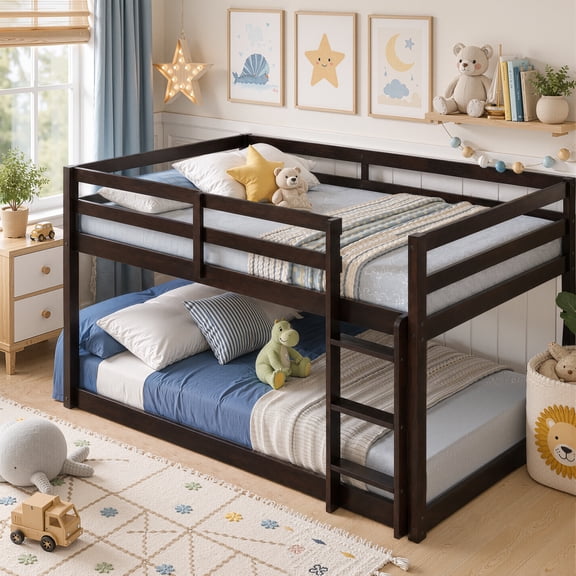










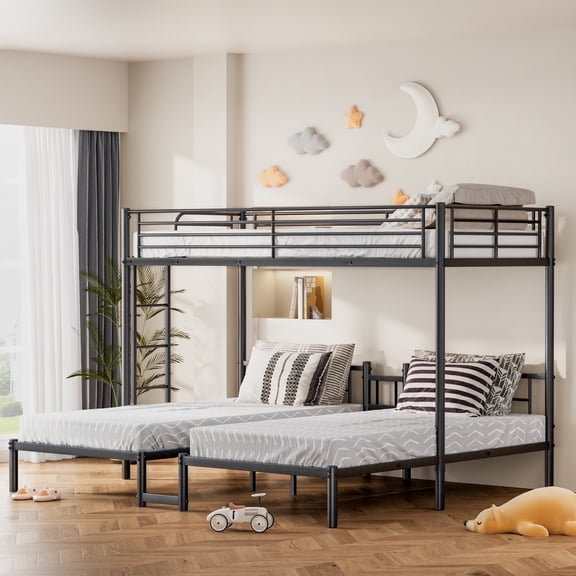


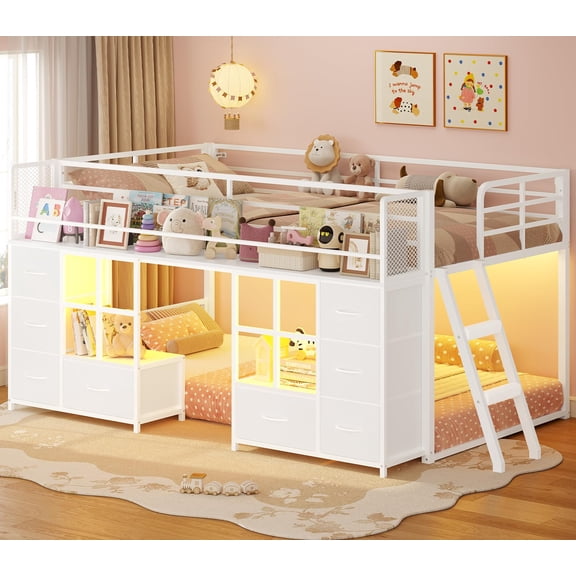


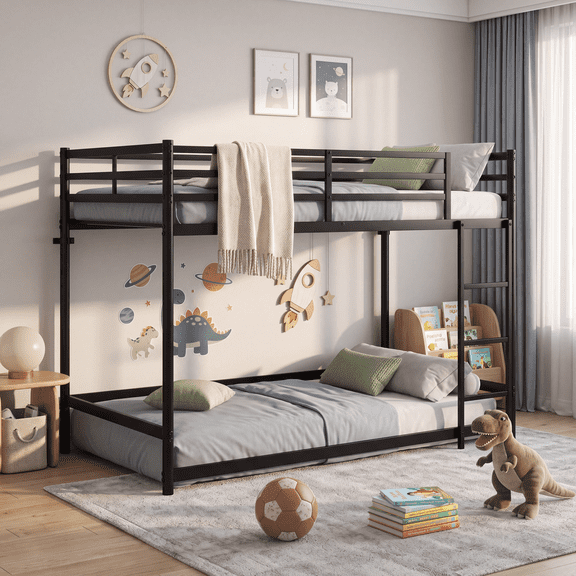


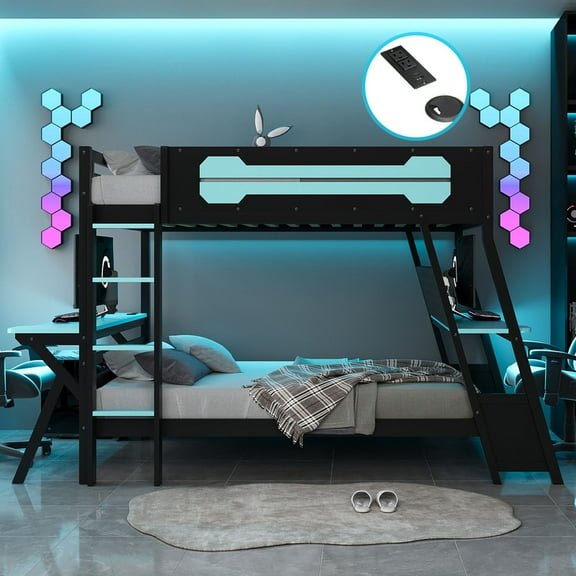




About Bunk Beds - Walmart.com
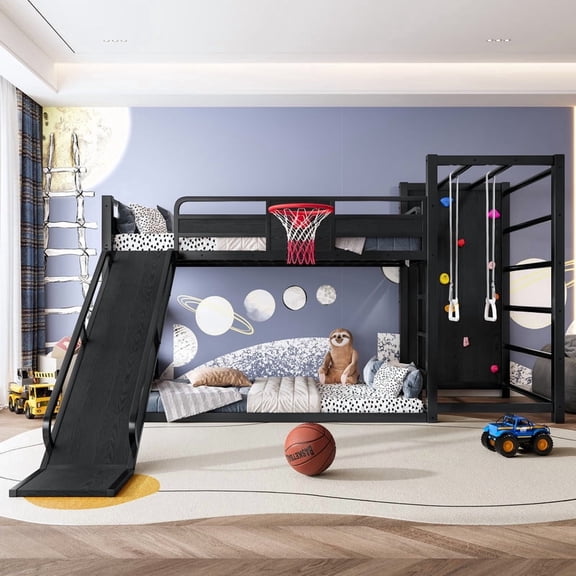
Kids bunk beds help you turn one bedroom into a smart shared space. You can compare configurations, materials, and storage options that fit your room and your routine.
If you're furnishing for siblings, sleepovers, or back to school kids beds, you need choices that use floor space efficiently. You can also narrow your pick by size, access style, and built-in function.
How to choose kids bunk beds by configuration
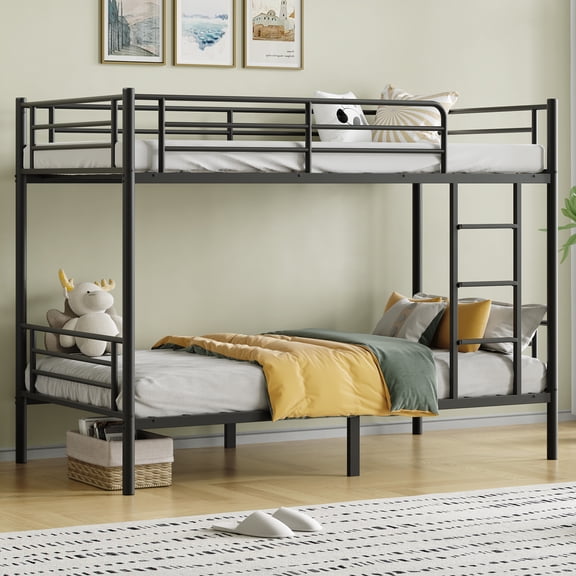
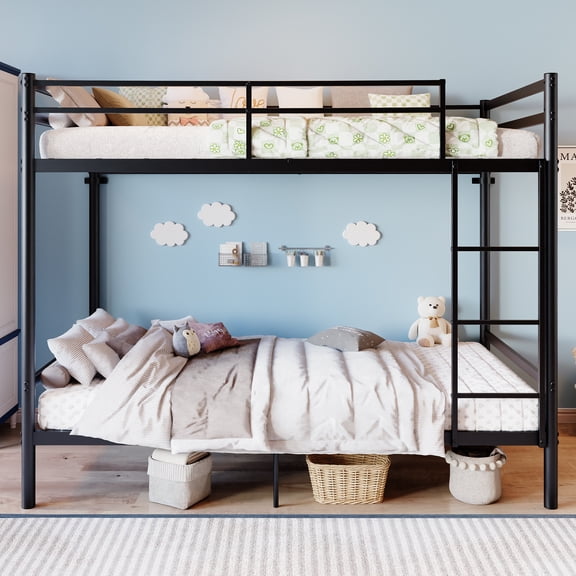
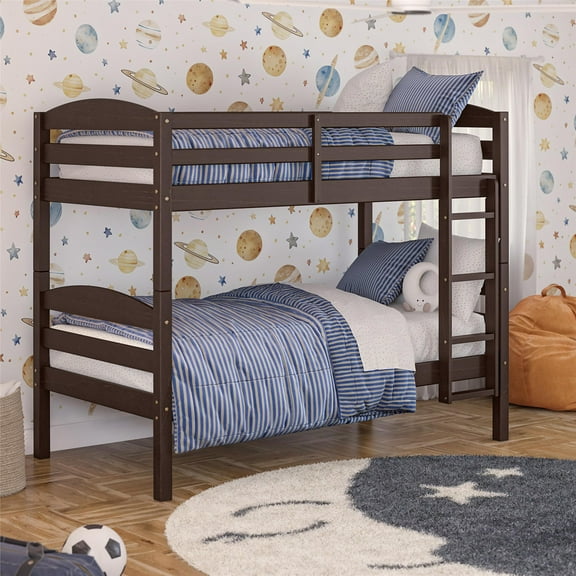
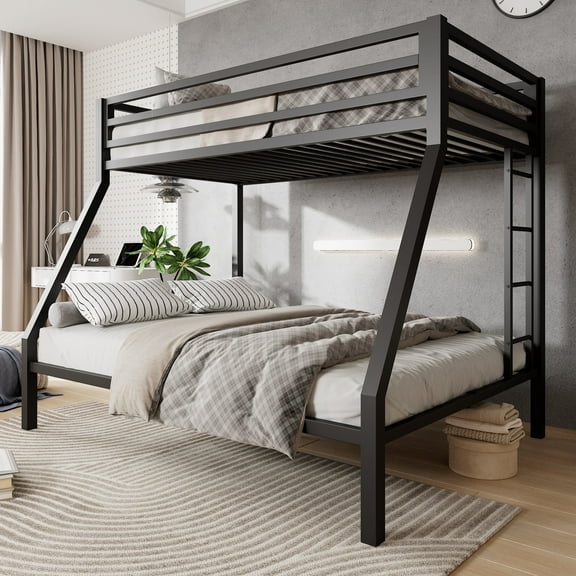
You should start with the sleeping setup your room requires. You can compare twin over twin bunk beds, twin over full, full over full, and loft bed designs.
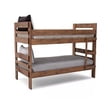
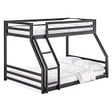
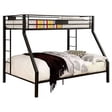
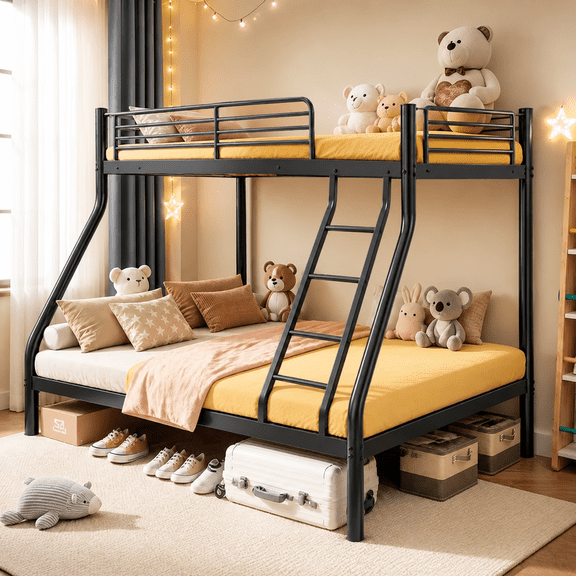
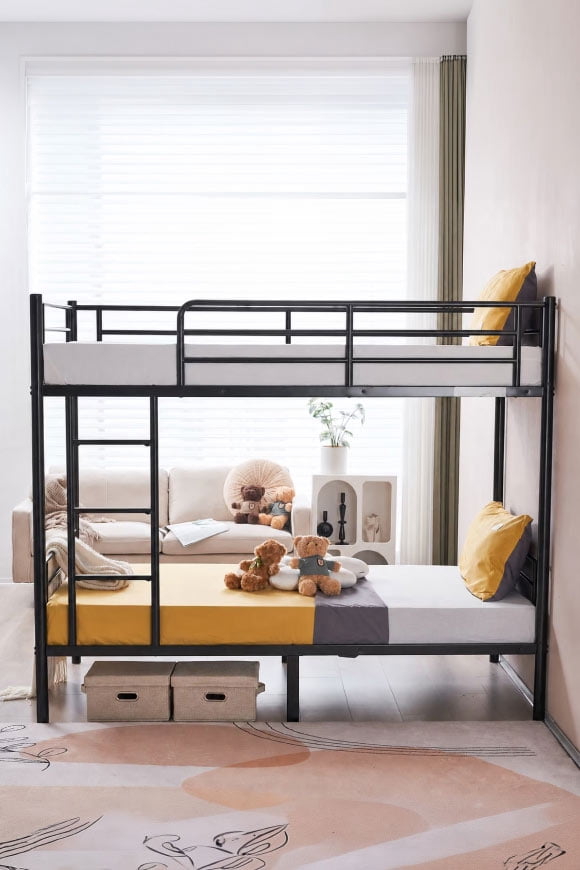
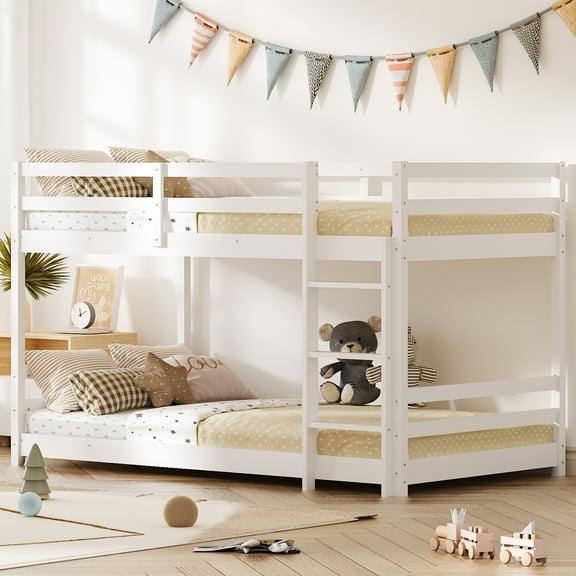
If you want a classic shared-room layout, you may prefer twin over twin bunk beds for two similar sleep spaces. If you need extra width below, you can consider twin over full designs.
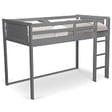
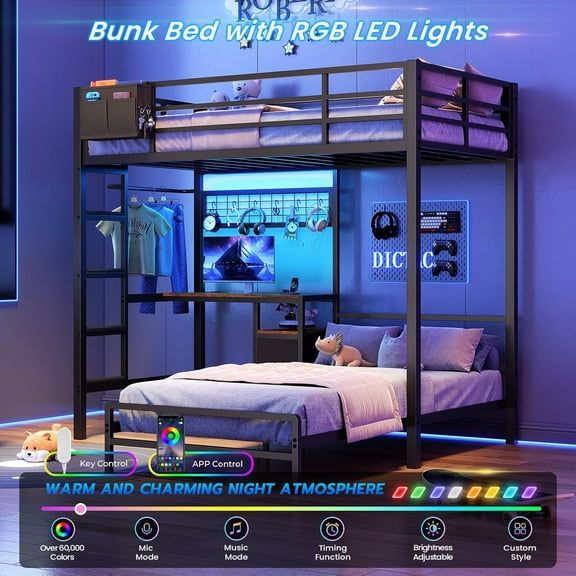
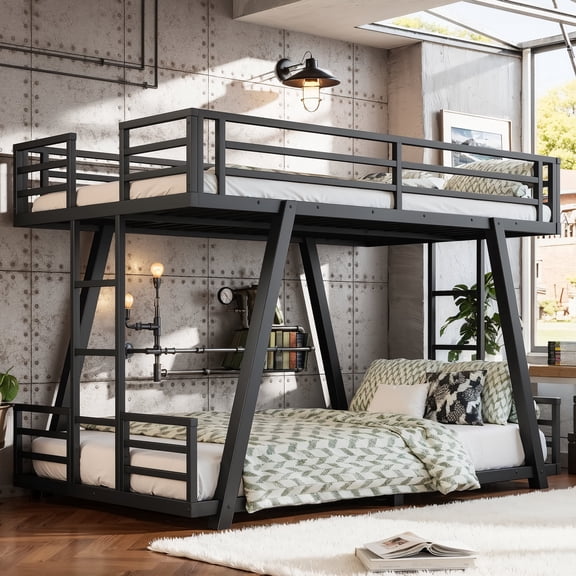
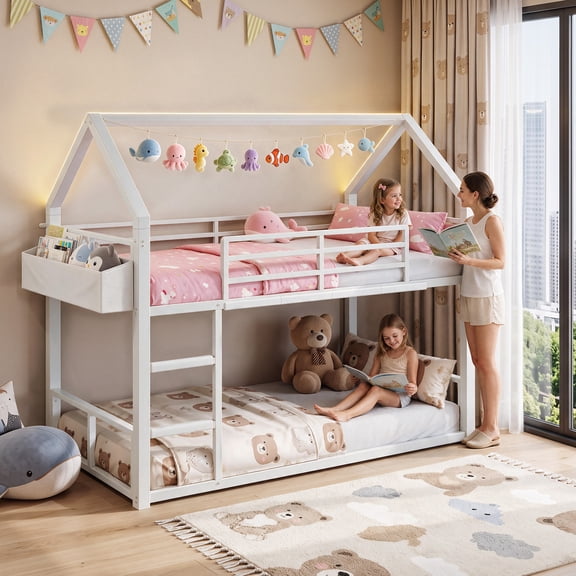
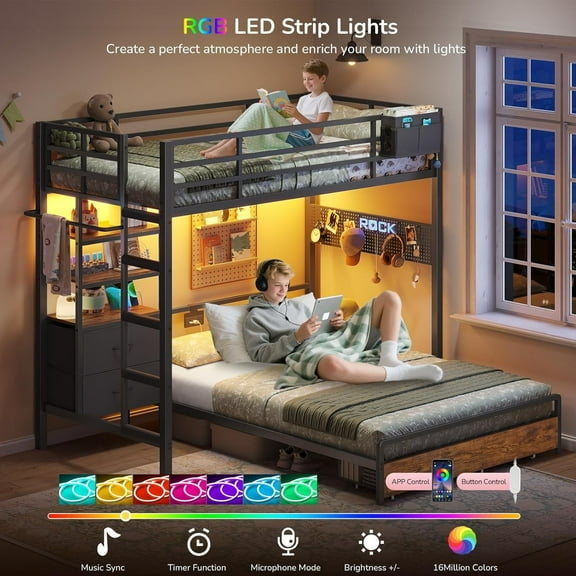
When your household needs two wider sleep surfaces, you may look at full over full frames. If you want open space underneath, you can choose loft beds for kids with room for study or play.
- You can fit two sleepers without using a second bed footprint.
- You can create open floor area with lofted designs.
- You can match the layout to siblings, guests, or changing routines.
- You can make efficient use of smaller bedrooms and shared spaces.
Choosing material, size, and style for bunk beds for kids
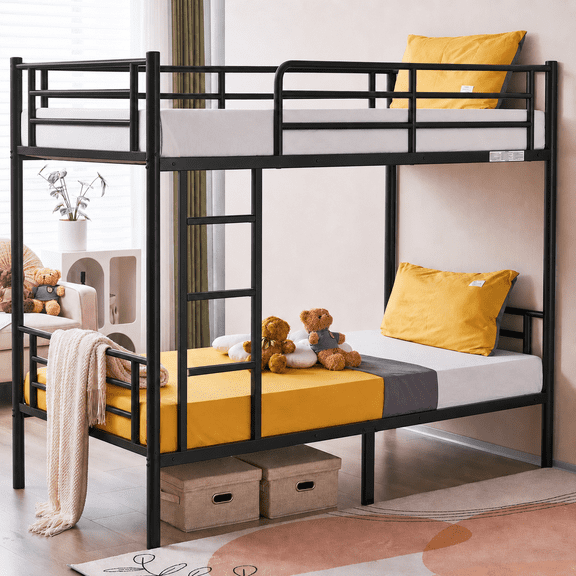
You should compare material first because it shapes the look, weight, and feel in your room. You can find kids wooden bunk beds, metal bunk beds for kids, and engineered wood options.
If you want a warmer bedroom look, you may lean toward wood or engineered wood frames. If you prefer a simpler profile, you may like metal finishes for a clean modern style.
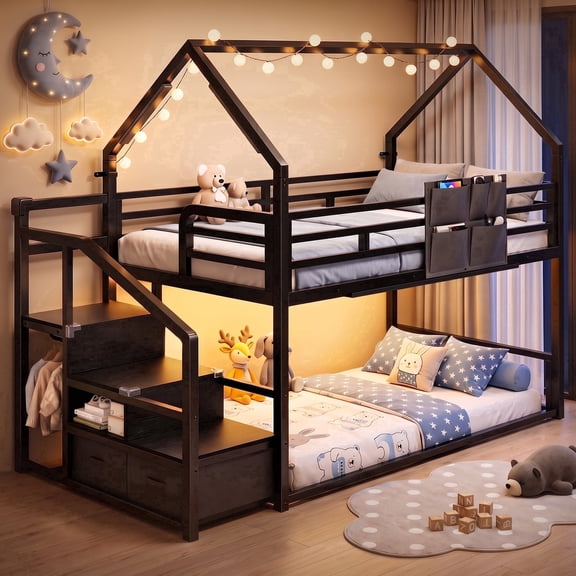
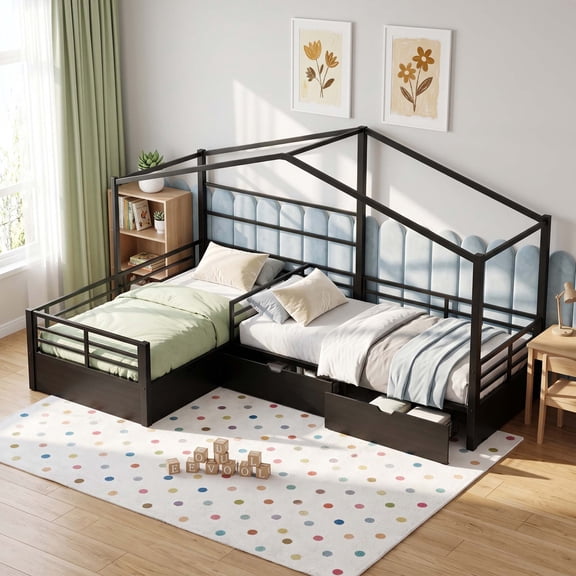
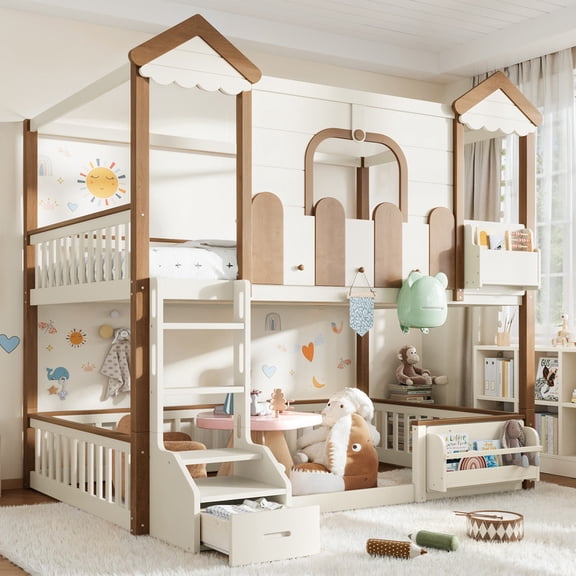
You also need to check whether twin or full sizing fits your mattress plan and room width. You can then compare modern, traditional, rustic, or playhouse styles that match your decor.
When you measure first, you can avoid crowding dressers, doors, and walkways. If you want the bed to anchor the room visually, you can use style as your final filter.
Comparing bunk beds with stairs, trundle, storage, and desks
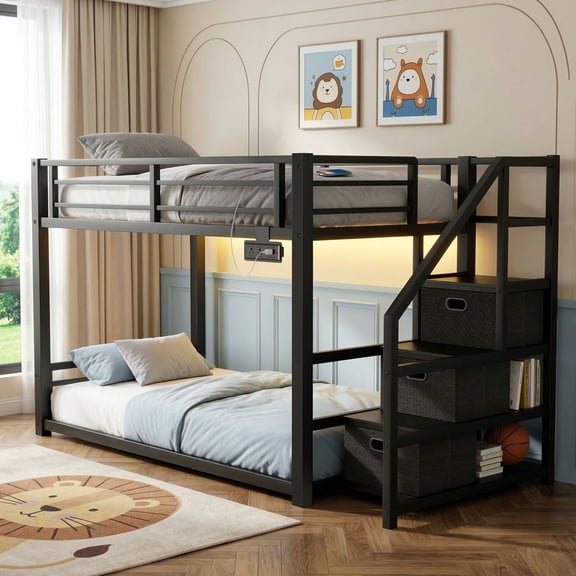
You should use feature choices to match how your household uses the room each day. You can compare bunk beds with stairs, standard ladders, trundles, storage drawers, and desks.
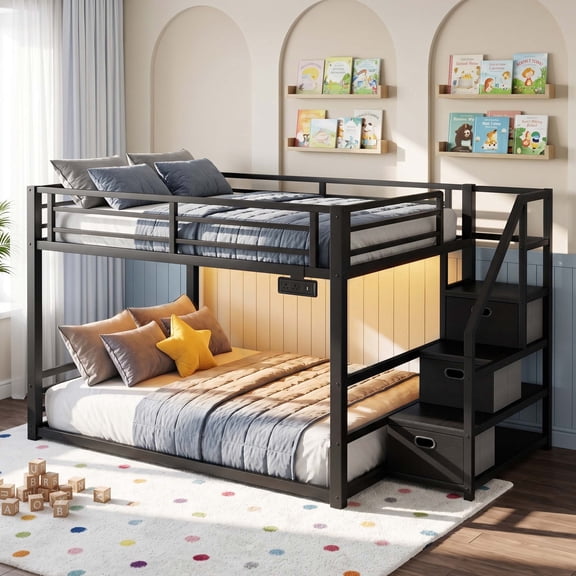
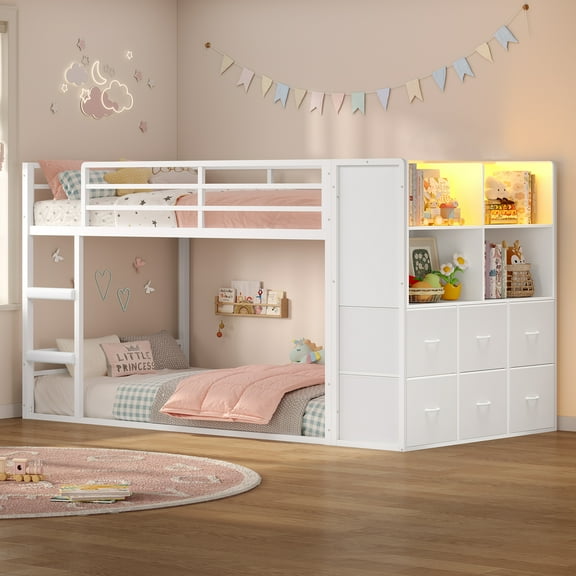
If you want easy step access and extra organization, you may choose bunk beds with stairs. You can often use stair units or nearby case pieces to keep clothes, books, and toys sorted.
If you need another sleep spot for guests, you may consider bunk beds with trundle options. If you want built-in function for homework or crafts, you can look for designs with a desk below.
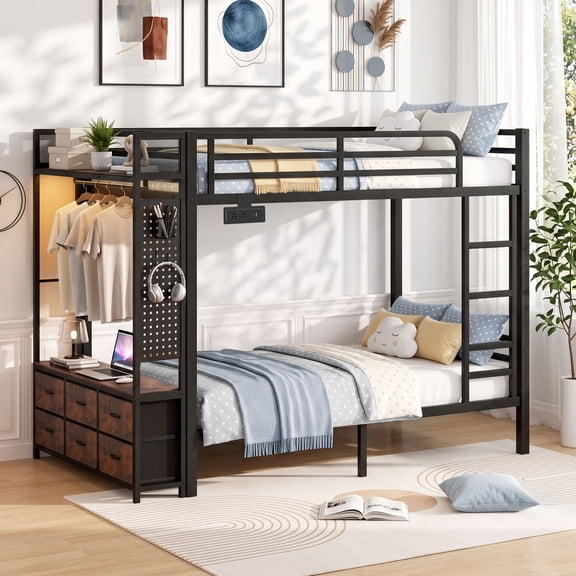
Storage matters when you want fewer loose bins and a clean floor. You can also compare bunk beds with storage to keep blankets, school supplies, or pajamas close by.
What to look for in kids bunk beds safety and fit
You should check guardrail coverage, mattress guidance, and support details before choosing bunk beds for kids. You can also look for ASTM Certified construction when it's listed on the product page.
If you're comparing top bunks, you need to check the stated mattress thickness range carefully. You should look for models that guide you toward a top mattress around six to eight inches.
That measurement matters because you want the guardrail to sit properly above the mattress surface. You can also review weight capacity limits so your setup matches the intended sleepers.
Ceiling height is another key measurement before you decide. You should leave enough vertical space so your child can sit up comfortably on the top bunk.
Room layout also affects how easily you place ladders, stairs, drawers, and nearby furniture. You can measure windows, fans, and door swings before you choose a final configuration.
Using kids bunk beds in real rooms
You can use kids bunk beds in shared bedrooms where two sleepers need separate spaces and open play area. You can also use them in vacation homes, guest rooms, or sleepover-ready setups.
If your room is narrow, you may prefer a ladder design that keeps the footprint compact. If your room has extra floor width, you may consider stairs or a trundle for added function.
When your child needs a study spot, you can compare loft beds for kids with open space below. If your household hosts guests often, you can use a trundle layout to add flexibility.
You may also pair your bed choice with kids mattresses and kids bedding for a finished setup. If you're planning a room refresh, you can coordinate colors, storage pieces, and bed height with less guesswork.
For growing households, these layouts help you plan ahead without overfilling the room. You can choose a configuration that supports sleep, storage, and daily movement in one footprint.
Choosing kids bunk beds with confidence
You can narrow your choice faster when you compare configuration, material, features, and room measurements together. With the right kids bunk beds, you get a setup that keeps sleeping space organized and your room working efficiently.