

Bronzer Makeup: Cream, Powder & Stick Bronzers












































About Bronzer Makeup: Cream, Powder & Stick Bronzers - Walmart.com
You can refine your makeup routine with bronzer that adds warmth, shape, and dimension in ways foundation alone can't. You’ll find options for subtle daytime color, precise contour placement, and softly blended all-over warmth.
Choosing the right bronzer for your routine
When you compare bronzer formulas, you’ll want to start with how you like your makeup to look and feel. You can choose powder, cream, liquid, or stick formats based on finish, skin type, and application style.
If you prefer quick blending, you may reach for a cream bronzer that melts into skin with a softer, dewy look. If your skin gets shiny, you might prefer powder because you can build color while keeping the finish more balanced.
You can also consider how much definition you want around your cheeks, forehead, and jawline. You’ll often get more precise placement from a bronzer stick, while a compact powder works well for diffused warmth.
How to compare formulas, finishes, and shades
You should match formulation to your skin type before you narrow your finish. If your skin feels dry, you may like cream or liquid textures, while oily skin often pairs well with powder.
For finish, you can choose matte when you want natural-looking depth without extra shine. You may prefer satin or dewy options when you want light to reflect softly across high points.
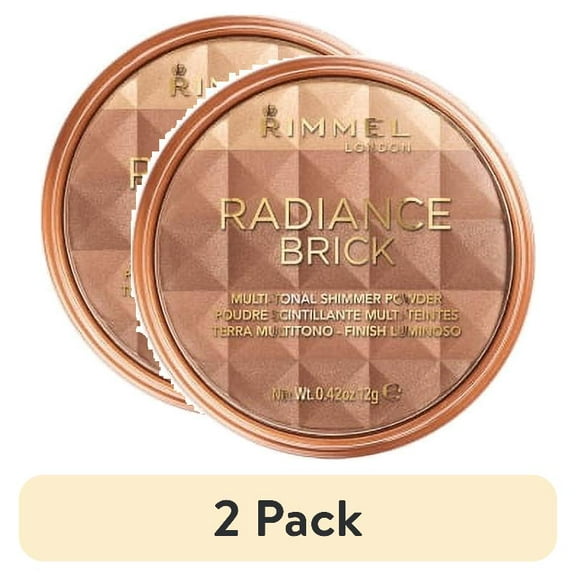
If you like a little radiance, you can explore shimmer formulas or a bronzing tint with glow. You should keep shimmer placement controlled when you want contour to look more defined.
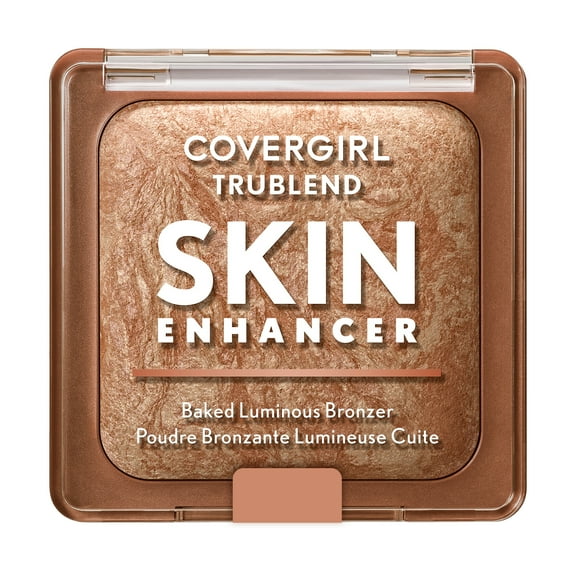
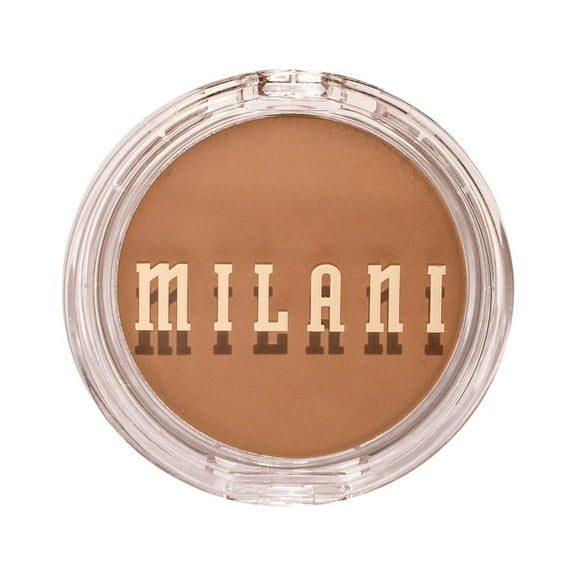
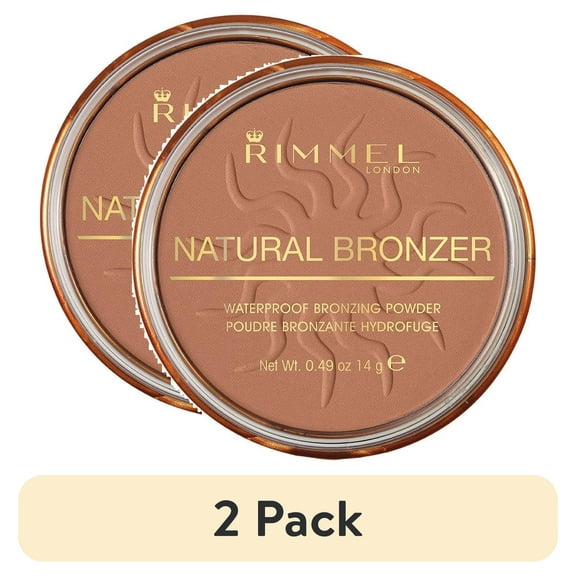
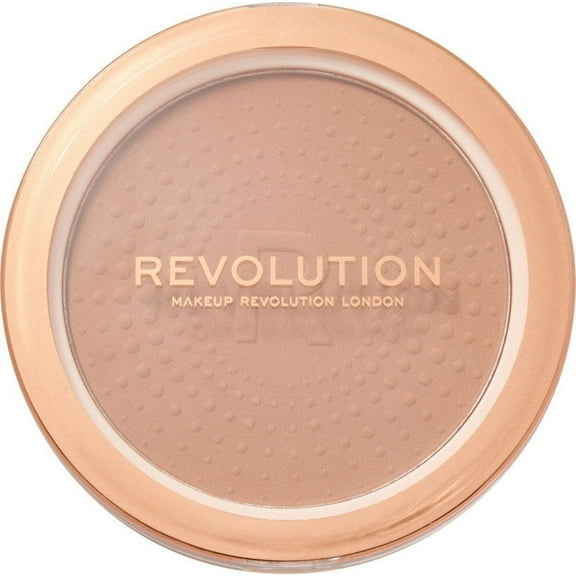
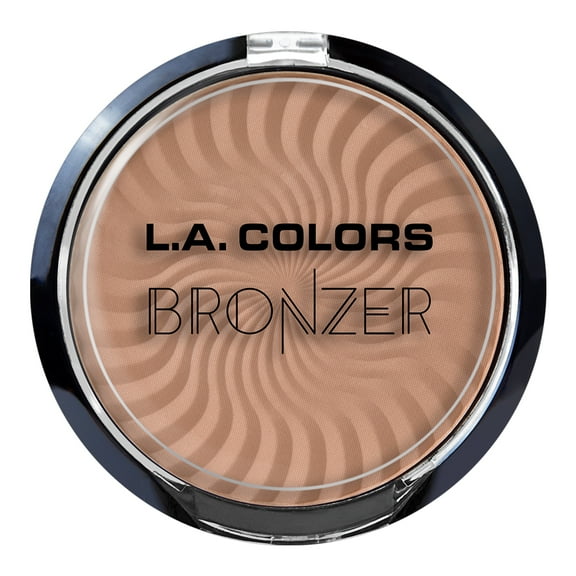
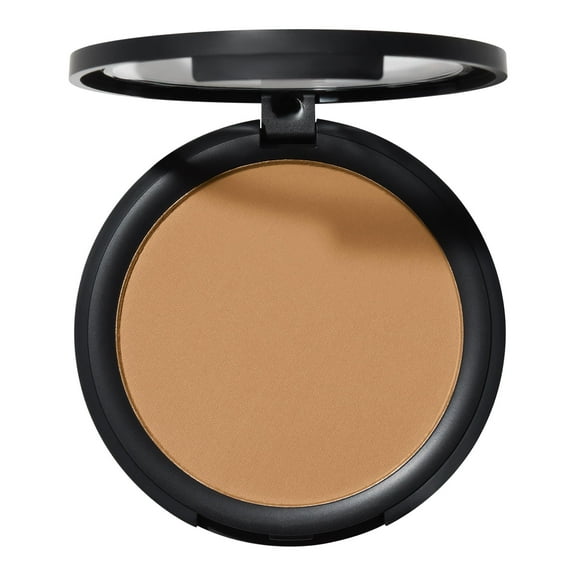
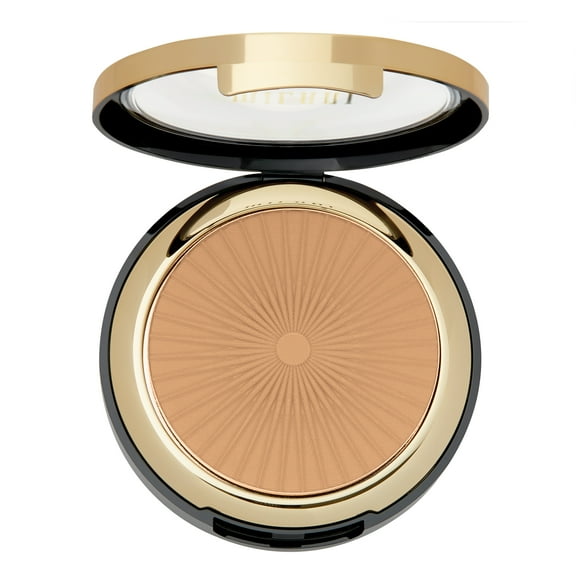
- You can use powder bronzer for all-over warmth and easy layering.
- You can use cream bronzer for a smoother, skin-like finish on drier complexions.
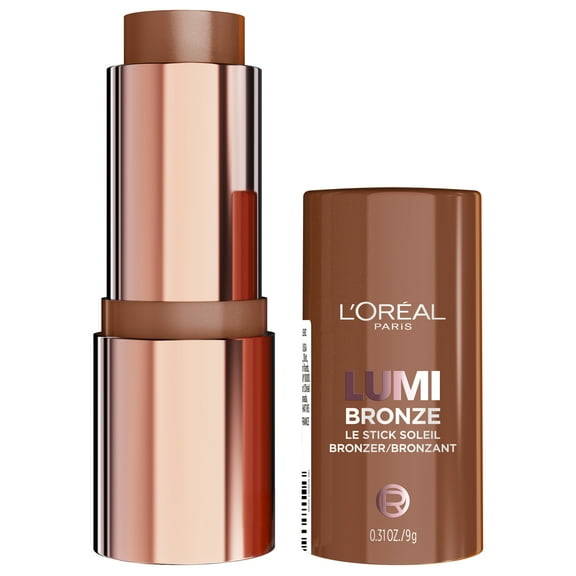
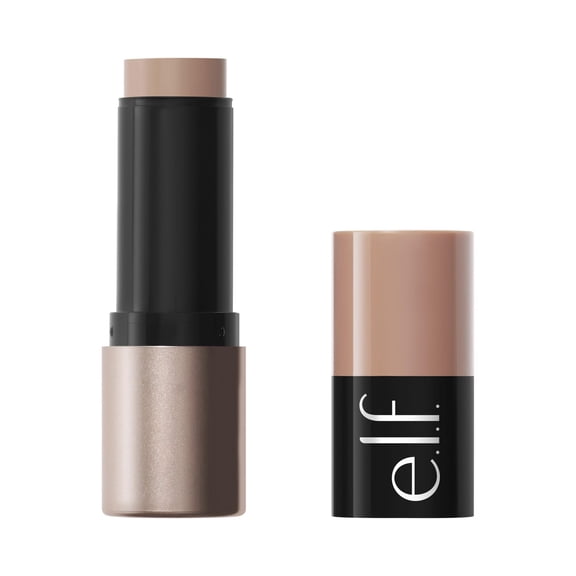
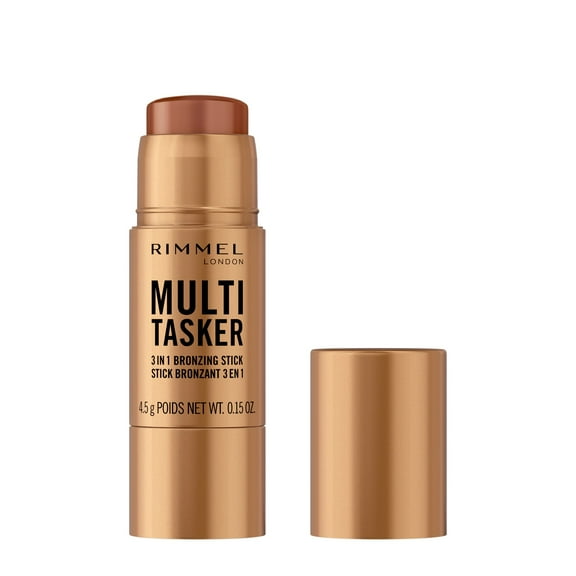
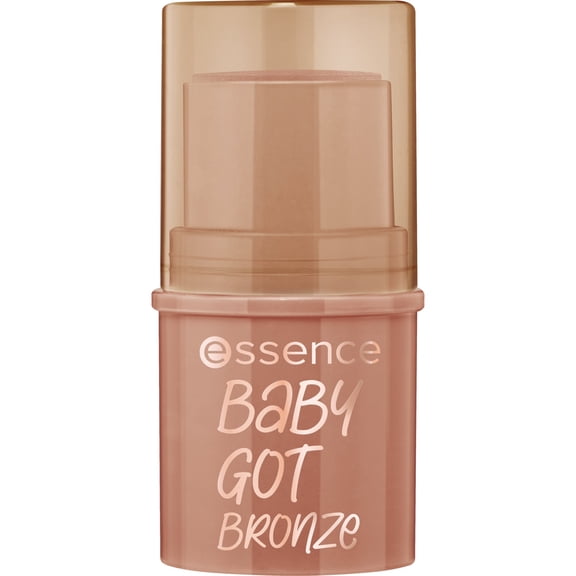
- You can use a bronzer stick for targeted contour lines and quick touchups.
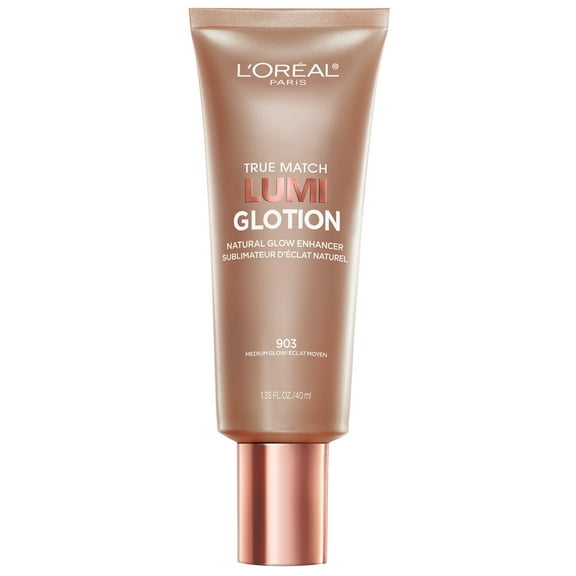
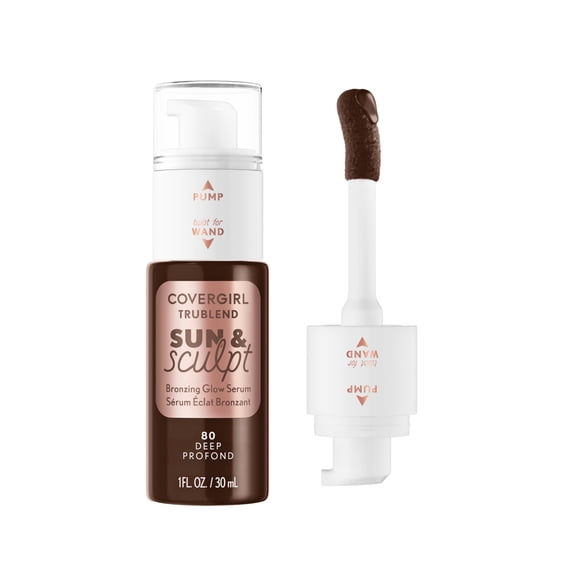
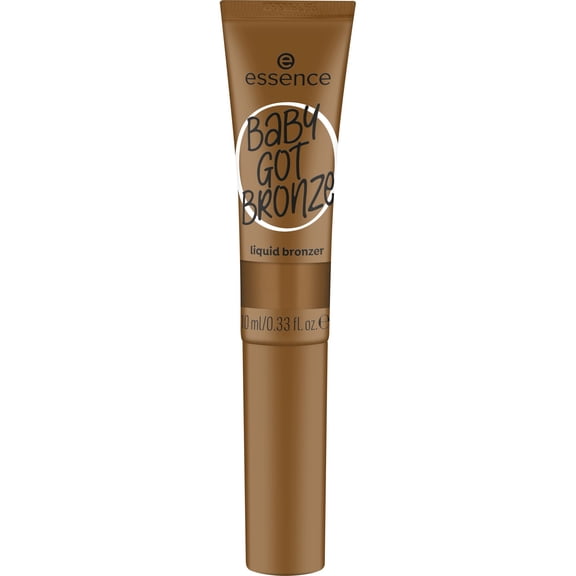
- You can use bronzing tint when you want sheer color that blends with foundation or moisturizer.
Shade choice matters just as much as formula, so you should look at depth and undertone together. You’ll usually want a shade one or two tones deeper than your natural complexion.
If your skin reads golden or olive, you may lean warm shades for a seamless effect. If your skin looks pinker or more neutral, you might prefer cool or balanced tones.
You should also check whether the range includes light, medium, and deep options that suit your complexion. You’ll get a more natural result when your bronzer adds warmth without looking orange or flat.
Choosing cream bronzer, bronzer stick, and bronzing tint
When you compare application types, you should think about where you apply bronzer most often. You may want a stick for on-the-go precision, a compact for brushes, or a dropper for fluid blending.
A cream bronzer usually works well when you tap product onto cheeks and temples with fingers or a sponge. You can build it gradually, which helps when you want control over depth.
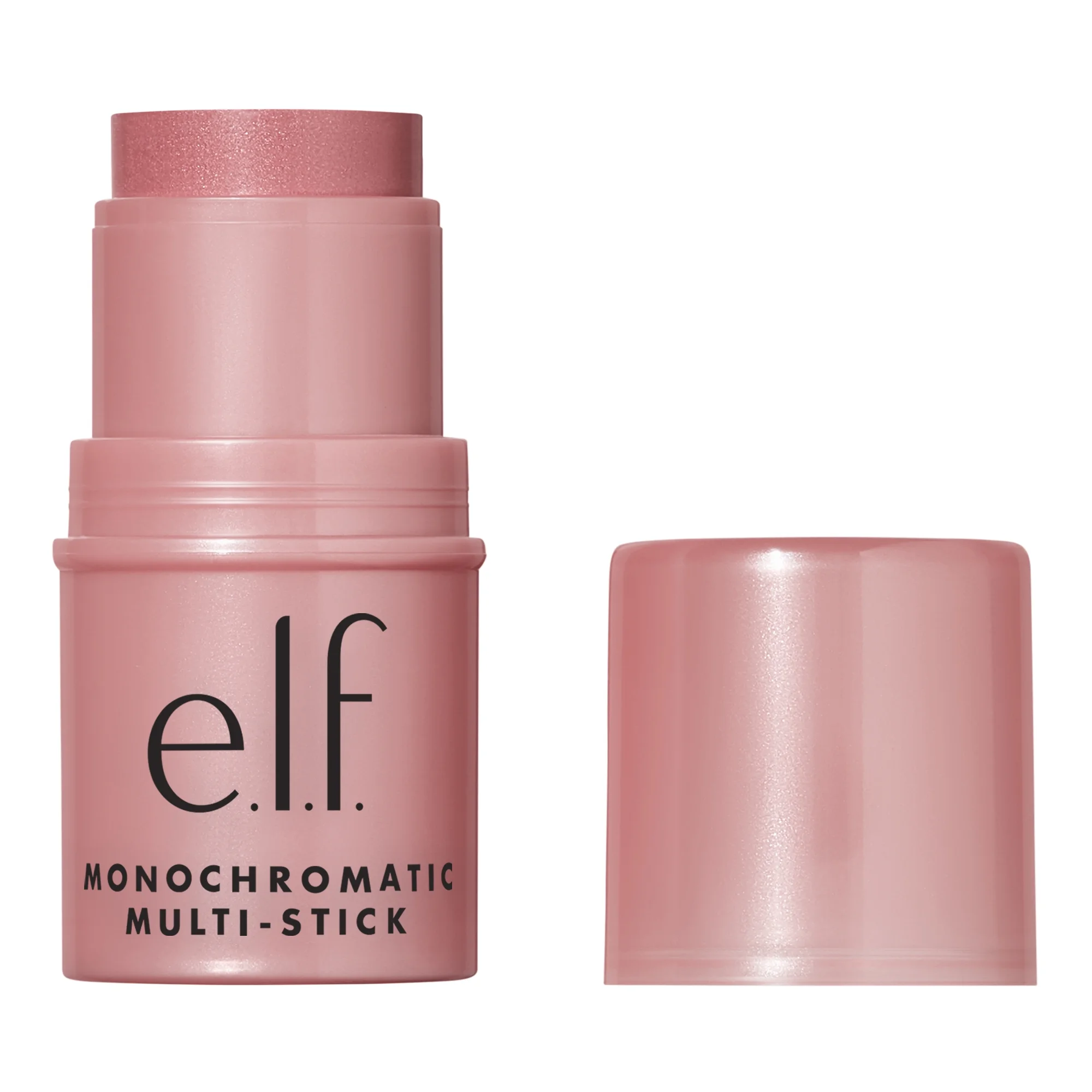
A bronzer stick can help you draw clean lines under cheekbones, along the hairline, and around the jaw. You’ll appreciate that format when you want contour placement without extra tools.
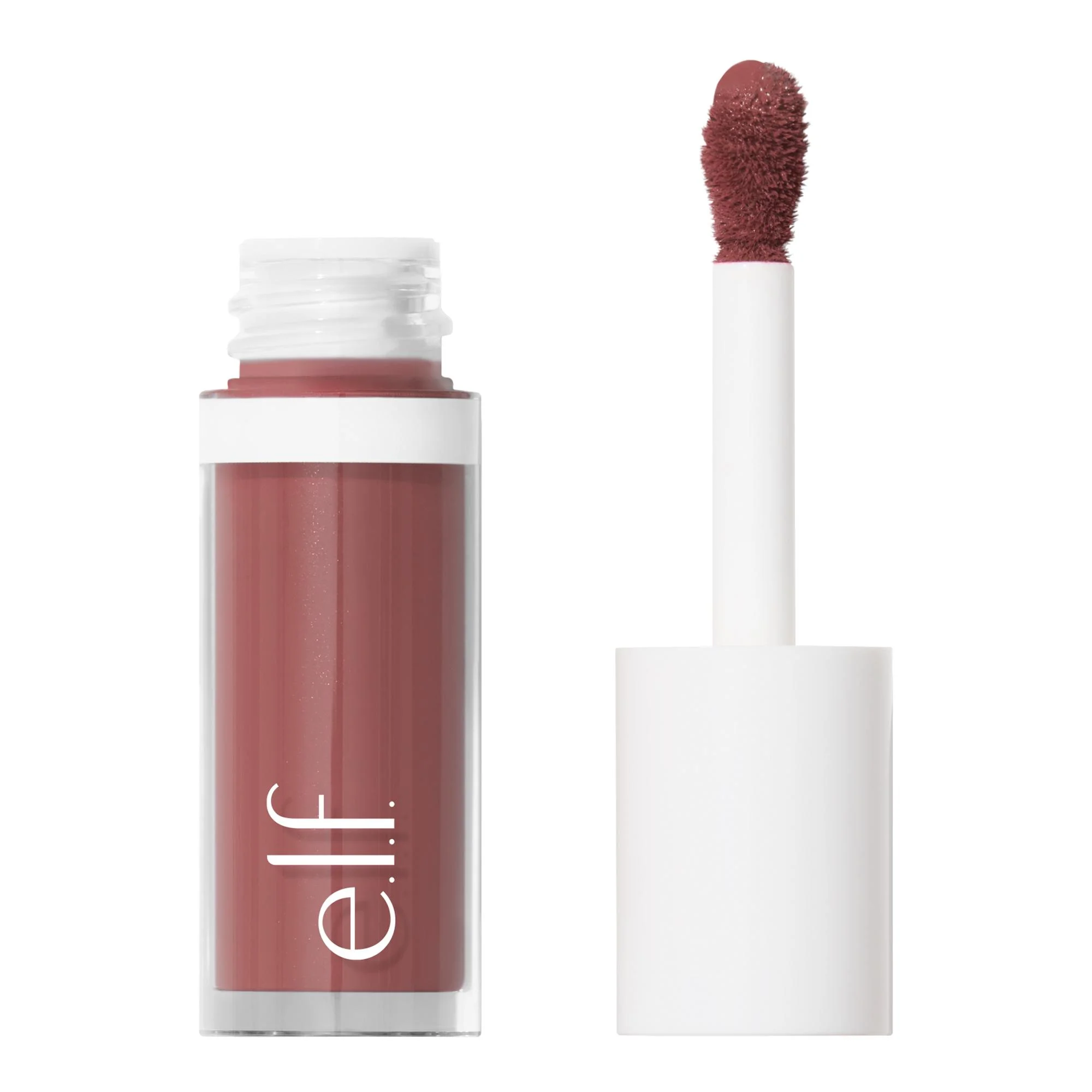
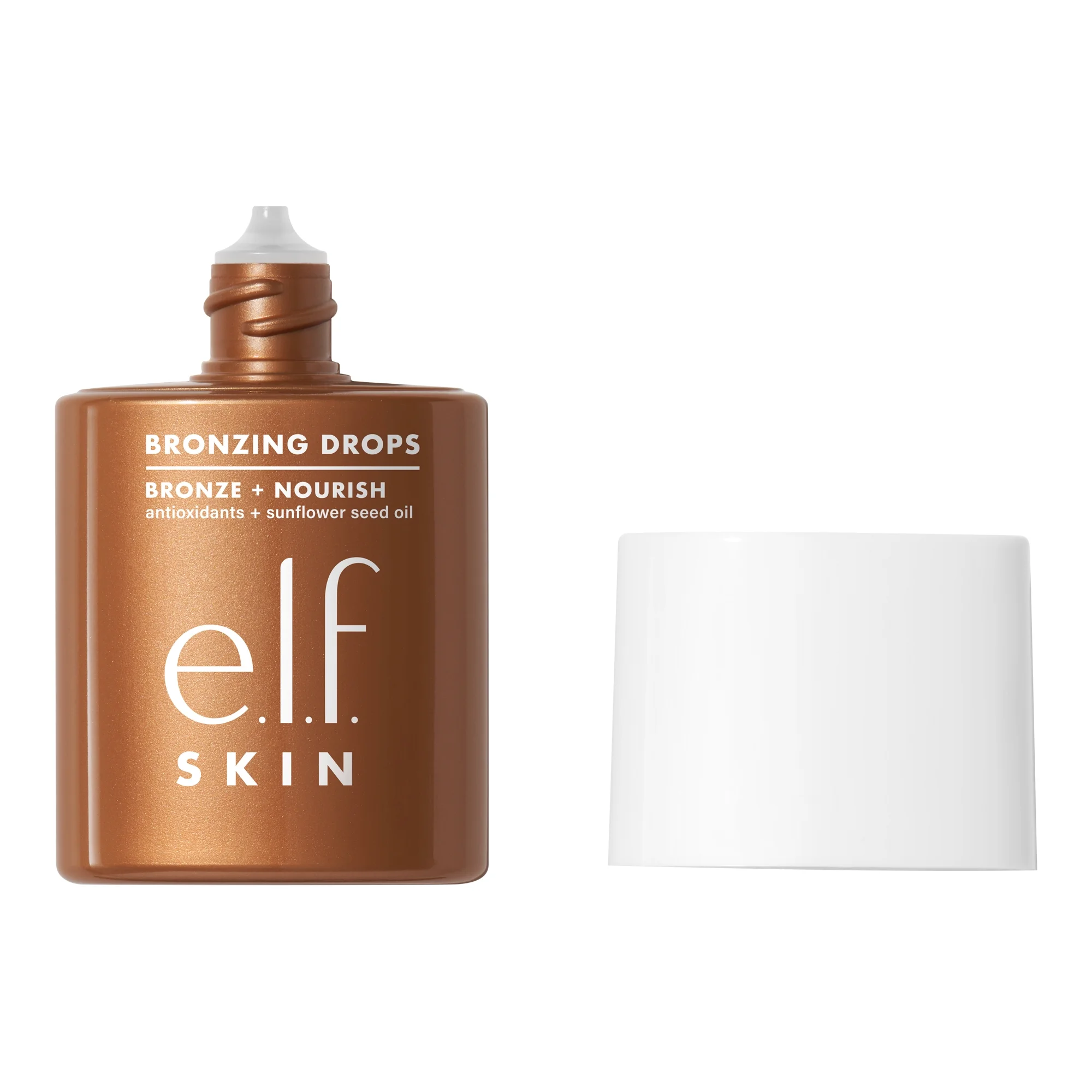
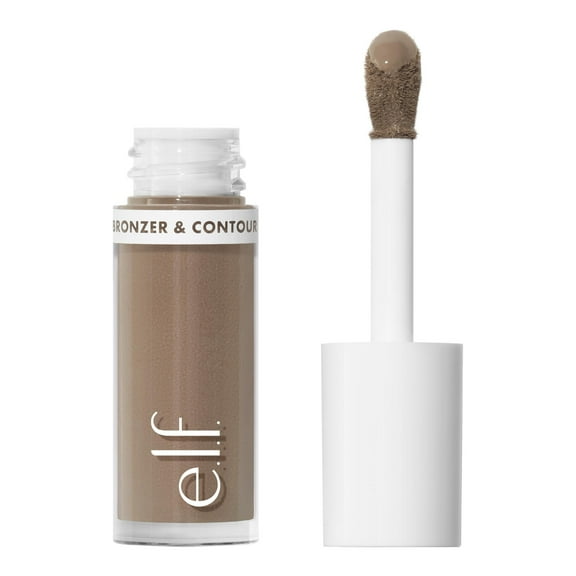
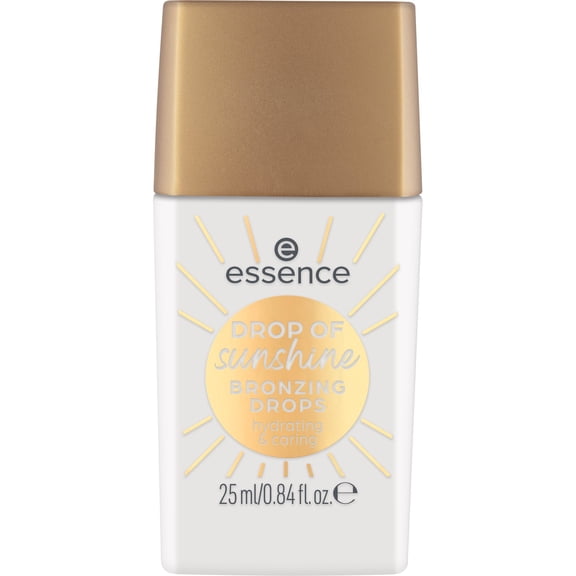
If you like lightweight layers, you can try bronzing tint in a liquid format with a dropper. You may mix a small amount into base makeup or blend it directly for a sheer wash.
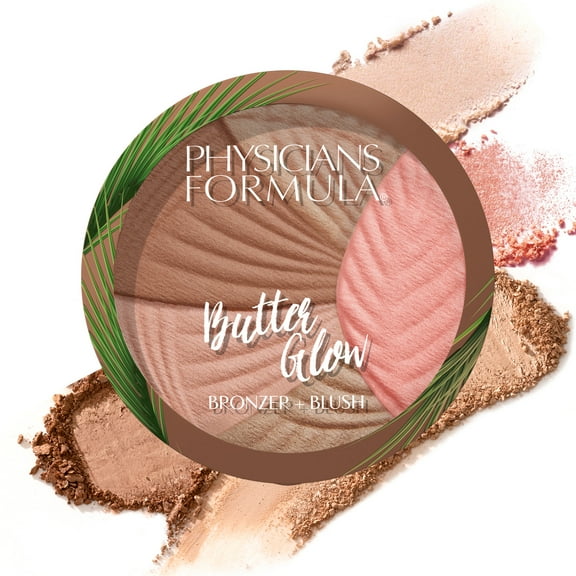
Palette styles can suit you when you want multiple tones in one place for mixing and adjusting depth. You can also compare finishes side by side when you’re deciding between matte and shimmer looks.
You should check wear details when bronzer for daily use matters in your routine. You’ll want formulas that stay even through long hours and continue looking smooth after blending.
Transfer-resistant wear can matter to you if you layer bronzer over foundation or tinted base products. You can also look for buildable pigment, because it helps you keep application controlled.
How to match bronzer to your look and skin type
If you want natural daytime warmth, you can sweep powder across the forehead, cheeks, and nose bridge. You’ll get a sun-touched effect that looks soft instead of sharply sculpted.
For a more defined makeup look, you can use a bronzer stick to map contour placement first. You can then blend edges outward so your features look shaped but still smooth.
If your skin is dry, you may prefer cream bronzer with a satin or dewy finish. You’ll often notice it layers more comfortably over moisturizing base products.
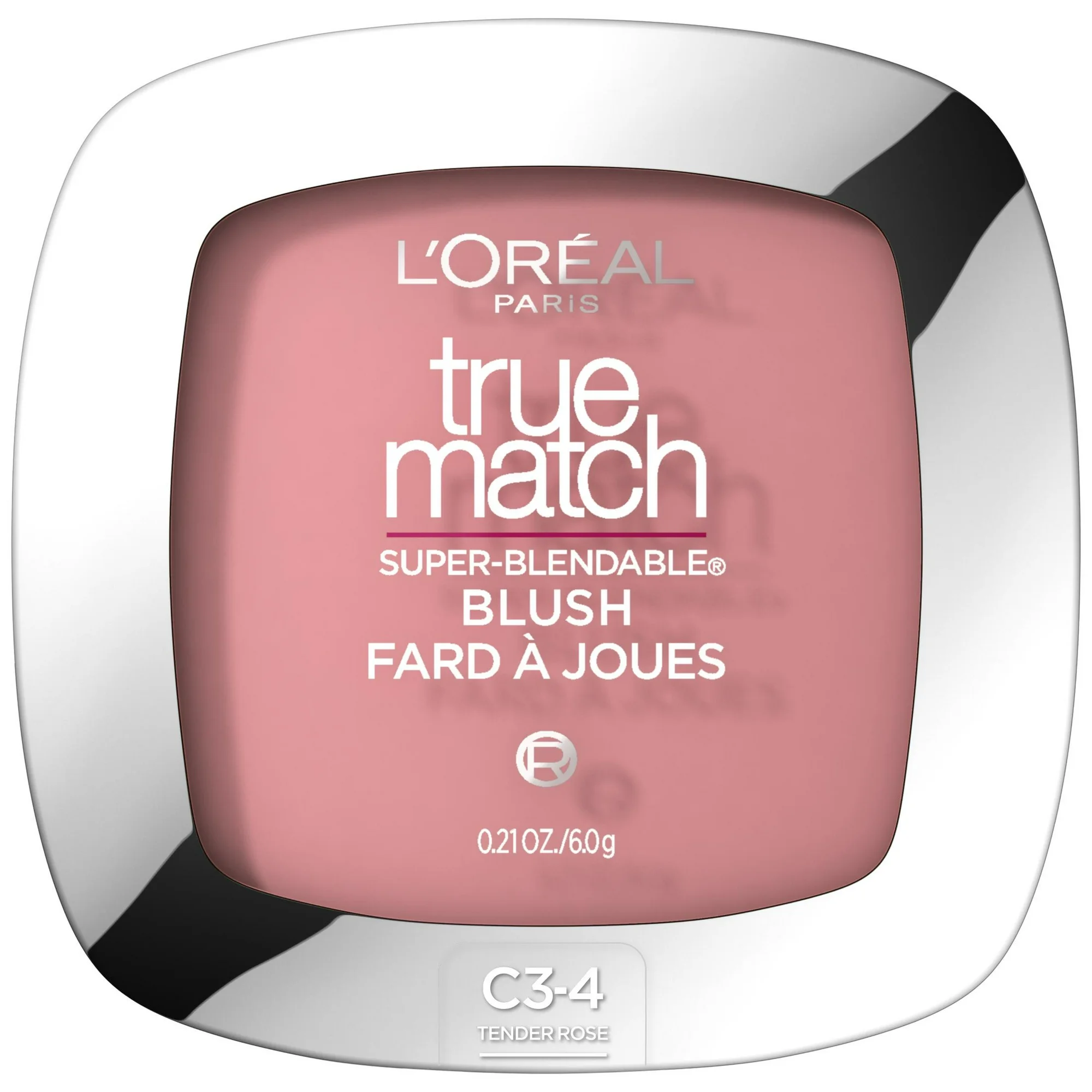
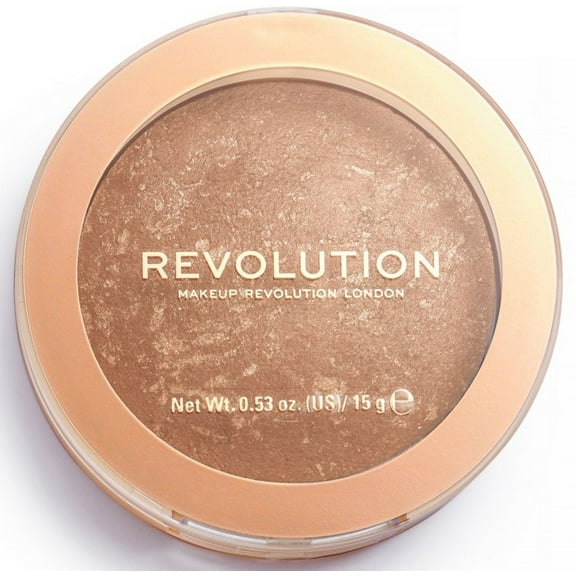
If your skin is oily or combination, you may gravitate toward powder in a compact. You can buff it on gradually, which helps you control intensity and keep texture looking even.
Sensitive skin can make you more selective about texture and layering, so you may prefer simple routines. You can choose lightweight formats that blend easily and avoid heavy-looking buildup.
You may also shop bronzer alongside other drugstore beauty products to create a complete face routine. You can pair it with blush, highlighter, foundation, and makeup brushes for coordinated application.
If you search with brand terms like essence bronzer or maybelline stick bronzer, you’re often comparing format and shade as much as brand. You should still focus on undertone, finish, and placement needs first.
You’ll feel more confident choosing bronzer when you compare formulation, finish, shade range, and application type together. You can create natural warmth or defined contour with a format that fits your skin and routine.