

Bike Apparel and Footwear for Cycling











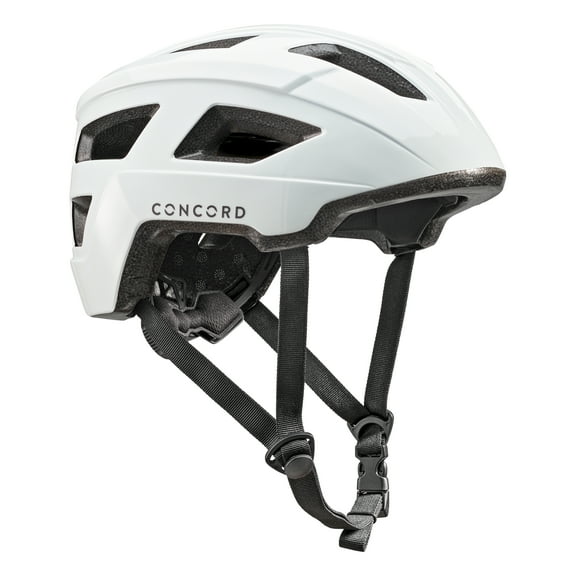


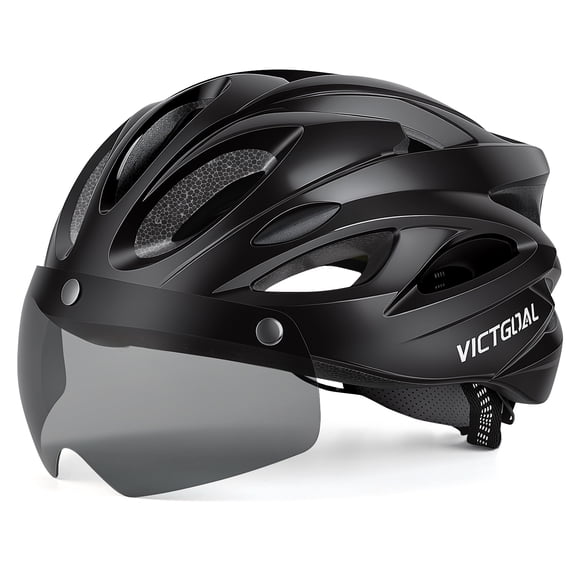


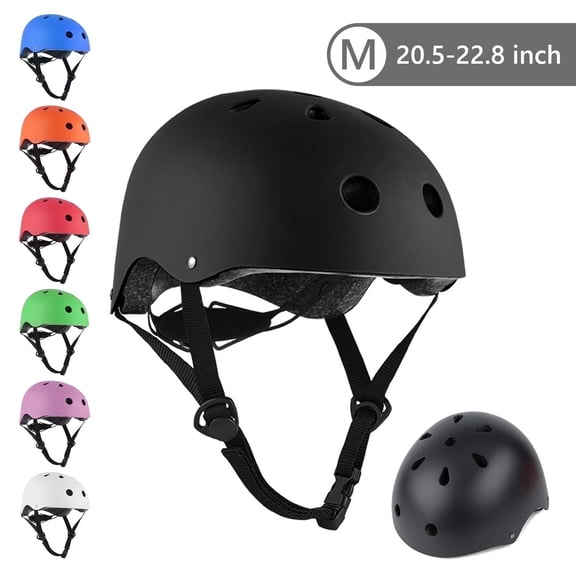


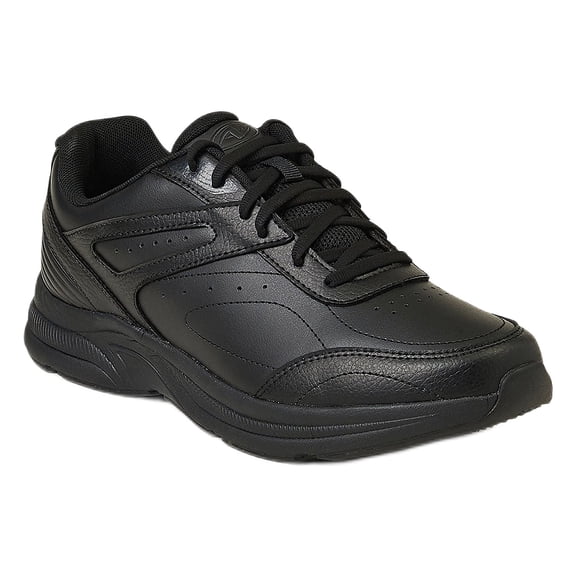


















About Bike Apparel and Footwear for Cycling - Walmart.com
You can compare bike apparel by ride type, fit, and fabric, so your next kit matches how you pedal and layer. You can find cycling clothing for road rides, trail days, commutes, and changing weather on one page.
How to choose bike apparel for your ride
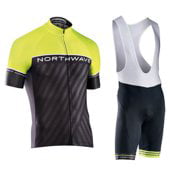
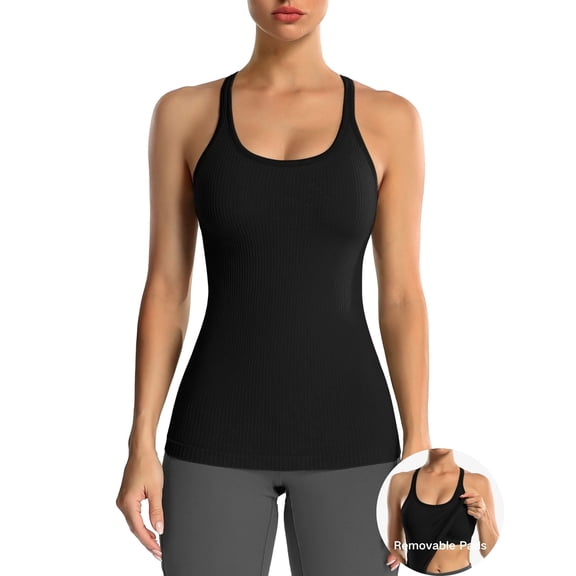
Start with apparel type, because your ride usually decides what you need first. You may want cycling jerseys for airflow, padded bike shorts for seated comfort, jackets for wind, or tights for cooler starts.
Next, compare your riding discipline, because road cycling gear and mountain bike clothing feel different on the bike. You may notice road pieces fit closer, while trail-focused styles often give your arms and knees more room.
Then, check fit type and size guidance before you choose a style. You can compare aerodynamic compression, semi-fitted, and relaxed fit options by reading charts, stretch notes, and inseam details.
Key benefits in cycling clothing
When you choose cycling clothing with the right fabric, you can stay drier during climbs and steadier during long miles. You may notice breathable panels and moisture-wicking materials feel lighter as your ride heats up.
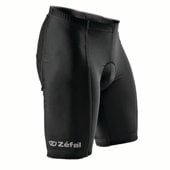
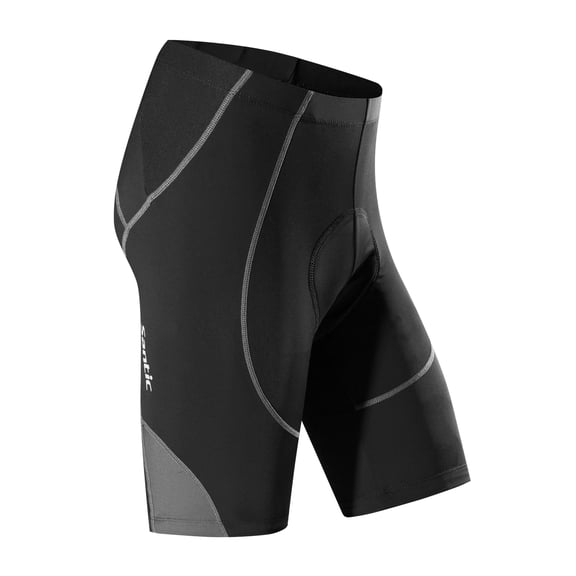
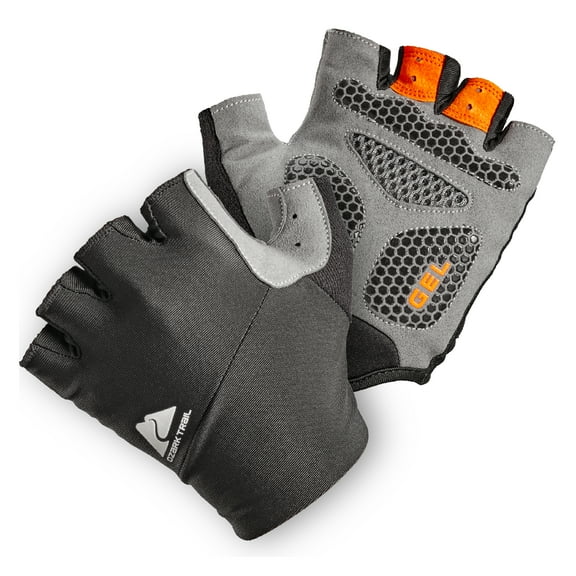
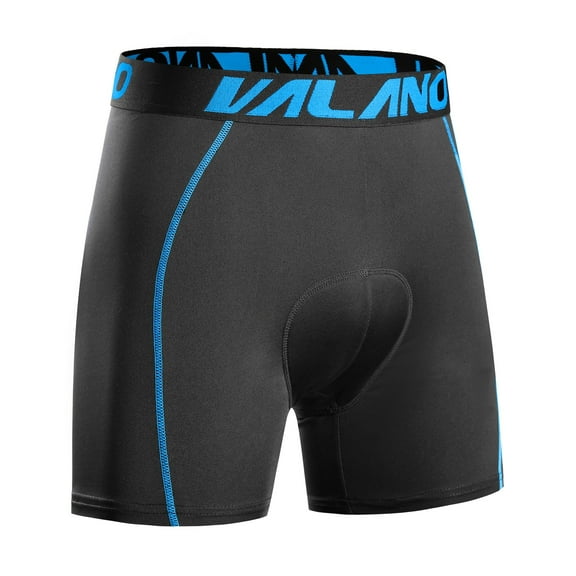
Padding is another major benefit when you spend long stretches in the saddle. You can look for padded bike shorts with multi-density foam or gel inserts, because those details help distribute pressure across longer routes.
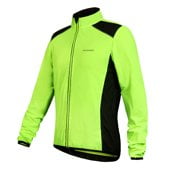
Weather-focused layers help you ride through changing conditions without carrying bulky extras. You can compare windproof fronts, water-resistant shells, and thermal fabrics based on morning temperatures and afternoon forecasts.
- You can use cycling jerseys to keep small ride essentials close with rear pocket storage.
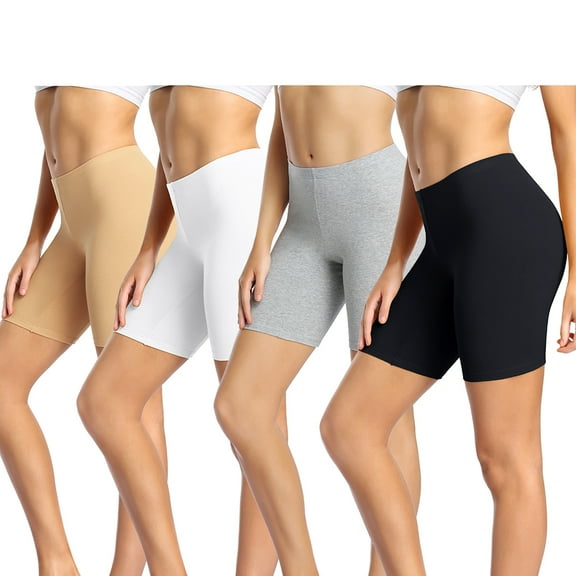
- You can choose padded bike shorts to add seated comfort during training rides or weekend routes.
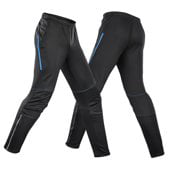
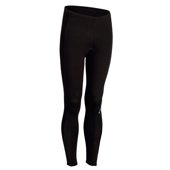
- You can rely on jackets and tights when your route starts cool or stays breezy.
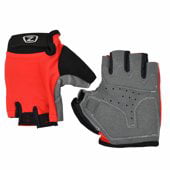
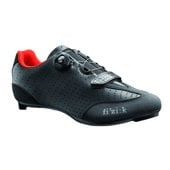
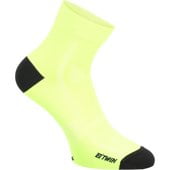
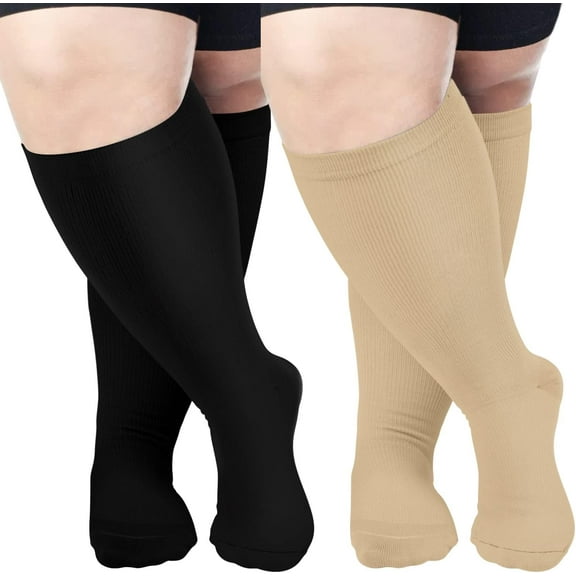
- You can pick breathable socks and base layers to support comfort inside snug cycling shoes.
What to look for in cycling jerseys and shorts
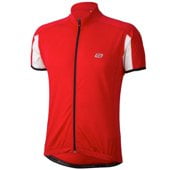
Look at jersey construction first, because closure style and pocket placement affect how you ride. You may prefer a full zipper for temperature control, while a longer back hem can give you added coverage in riding position.
Shorts and tights deserve extra attention, especially if you ride several times each week. You can compare chamois thickness in millimeters, multi-density foam placement, and gel insert zones to match your usual ride length.
Fabric stretch also matters when you move between standing climbs and seated efforts. You may want enough stretch for pedaling, but you may also want a secure waistband or grippers that help reduce shifting.
Check whether your preferred fit matches your riding goals before choosing a size. You can use compression fits for a close silhouette, semi-fitted cuts for mixed riding, or relaxed fits for casual paths and trail days.
Choosing by discipline, weather, and rider
Your route can guide nearly every clothing decision you make. You may want road cycling gear with a close cut for speed-focused rides, while mountain bike clothing often suits wider motion and layered trail setups.
Commuting calls for versatility, especially if you ride in regular clothes part of the day. You can choose semi-fitted tops, water-resistant outerwear, and easy-care fabrics when your ride includes work, errands, or stop-and-go traffic.
Gravel riding often blends road pace with rougher surfaces and longer hours outside. You may want padded shorts, breathable jerseys, and packable shells that handle changing wind, dust, and mixed terrain.
Demographic fit also matters because men’s, women’s, unisex, and kids’ sizing can vary in cut and proportions. You can compare size charts, rise, sleeve length, and stretch notes to get a more accurate fit.
How material features change comfort
Material details can make your ride feel more consistent from the first mile to the last. You may appreciate moisture-wicking fabric when you want sweat to move away from your skin more quickly.
Breathable panels can help you feel less overheated on climbs or warm commutes. You can use thermal fabrics when cold air moves in, and you can layer windproof or water-resistant pieces during unsettled weather.
Socks and lighter layers can also support comfort in ways you notice quickly. You may want thinner fabrics for hot rides, while cooler conditions often call for tights, jackets, and fuller coverage at the ankle and wrist.
Use cases for everyday riding and training
If you train for longer distances, you may focus on padding density, stretch, and jersey pocket access. You can pair cycling jerseys with padded bike shorts when you want storage, airflow, and seated comfort on repeat routes.
For casual rides, you may prefer a more relaxed setup that still feels made for pedaling. You can choose softer fabrics, semi-fitted tops, and shorts that balance bike movement with everyday wearability.
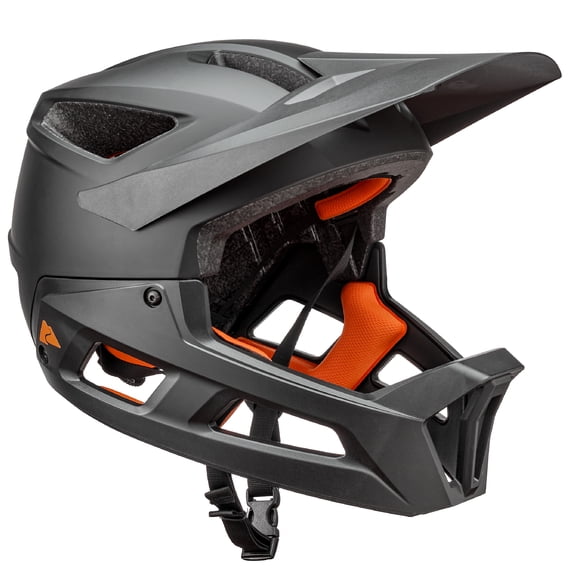
Trail riders often need coverage that moves through corners, climbs, and uneven surfaces. You can look for mountain bike clothing with relaxed cuts, durable fabrics, and layers that work over pads or liners.
When weather changes fast, your clothing system matters as much as your route plan. You can keep a lightweight shell, thermal layer, or extra socks in rotation, so your ride stays more comfortable across shifting conditions.
You can shop bike apparel with more confidence when you compare apparel type, discipline, fit, and fabric as one system. Your ride feels more dialed in when each layer supports comfort, movement, and weather-ready coverage.