


Air Guns in Recreational Shooting












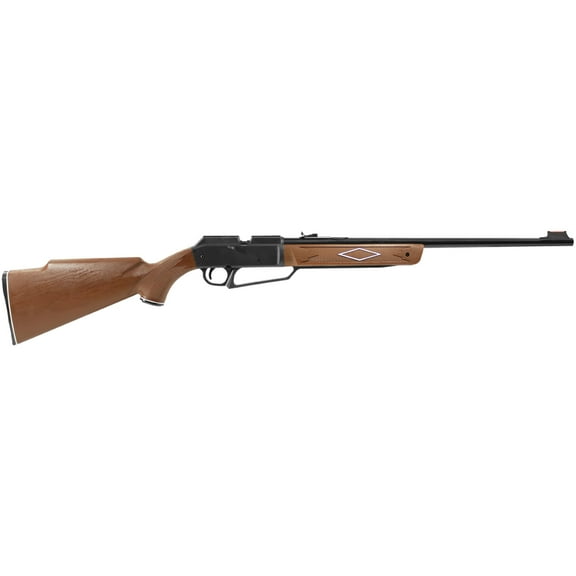
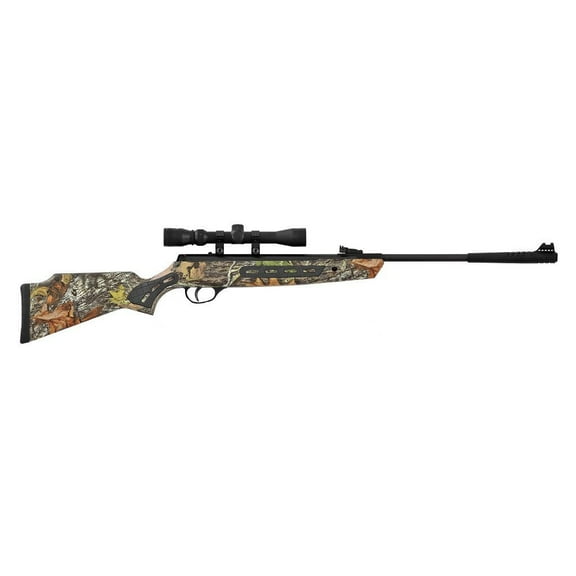
About Air Guns in Recreational Shooting - Walmart.com
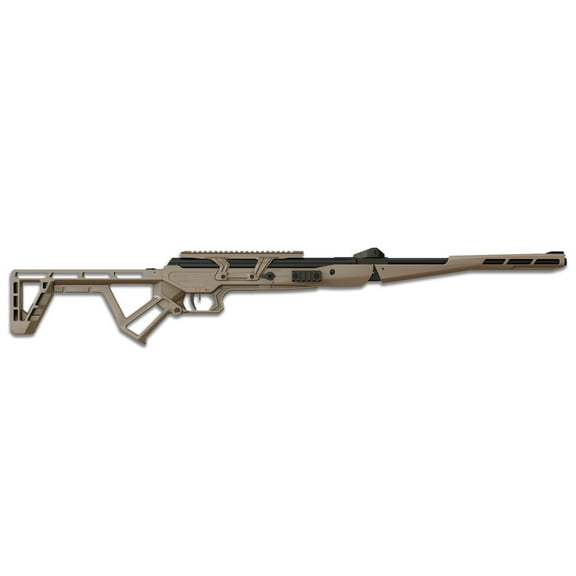
Air guns give you a flexible way to compare pellet guns, bb guns, and air rifles for target practice and backyard plinking. You can narrow your choice faster when you understand power source, caliber, ammunition, and action style.
How to choose air guns for your shooting style
You’ll want to start with how and where you plan to shoot. Your routine helps you decide between air pistols for compact handling or air rifles for longer sight lines.
If you’re building a setup for informal target sessions, you may focus on easy loading and simple upkeep. If you’re comparing options for small game hunting, you may look closer at caliber, velocity, and action type.
You can also compare accessories that support your setup. Your list may include air gun ammo, paper targets, pellet traps, and shooting safety gear.
Choosing the right power source for air guns
You may see several power systems across this category, and each one changes your shooting experience. Your choice often comes down to convenience, shot consistency, and how much setup you want.
- You may choose CO2 air guns when you want quick follow-up shots and simple operation.
- You may prefer spring-piston models when you want self-contained power with no cartridge refills.
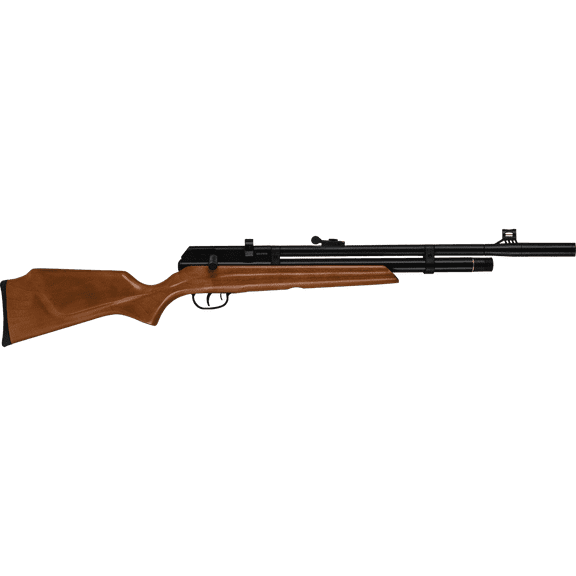
- You may consider PCP options when you want repeated shots with steady performance.
- You may like multi-pump designs when you want manual control before each shot.
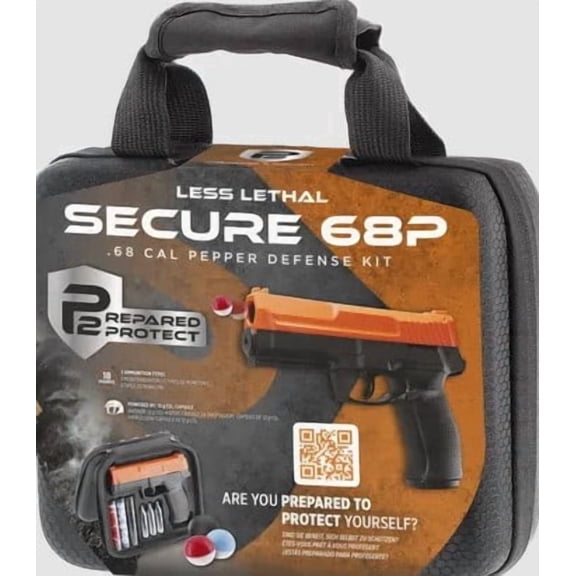
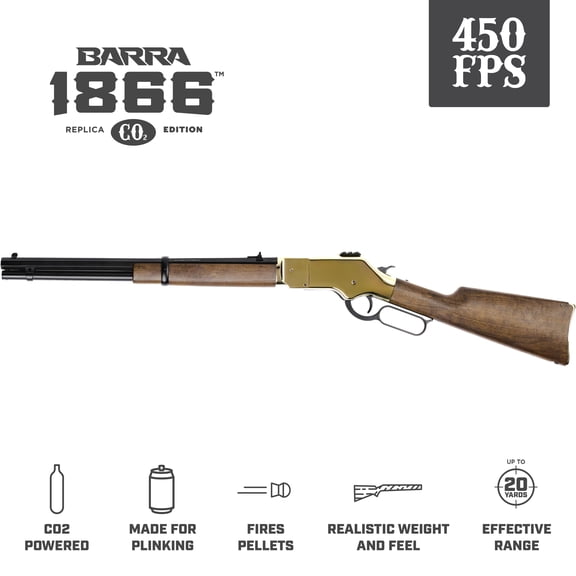
With CO2 air guns, you use cartridges that support fast shooting and repeating action styles. You may notice they fit casual plinking and replica-style air pistols especially well.
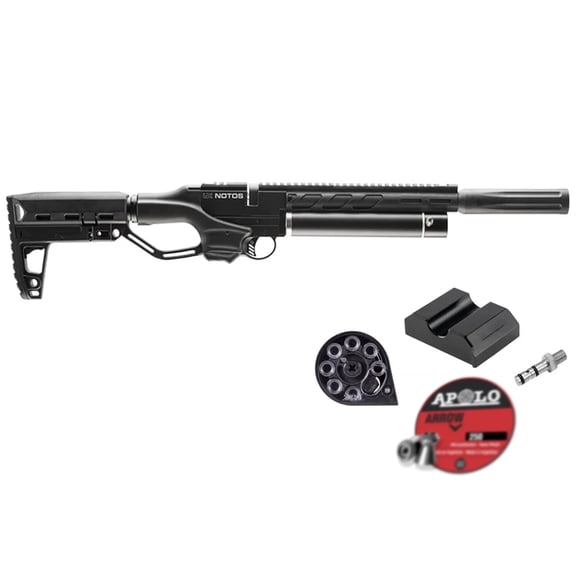
With PCP, or pre-charged pneumatic models, you fill a reservoir before shooting. You may compare them when your focus is shot consistency and higher-volume target sessions.
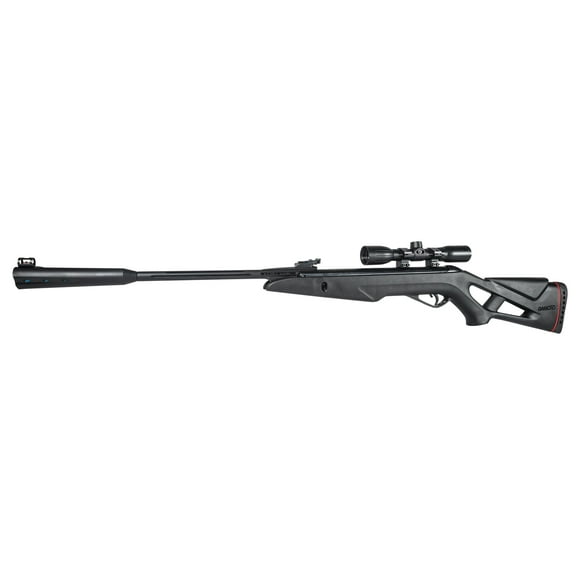
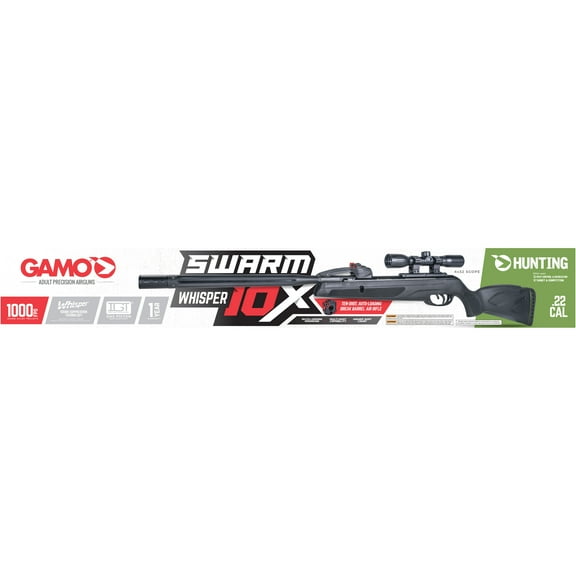
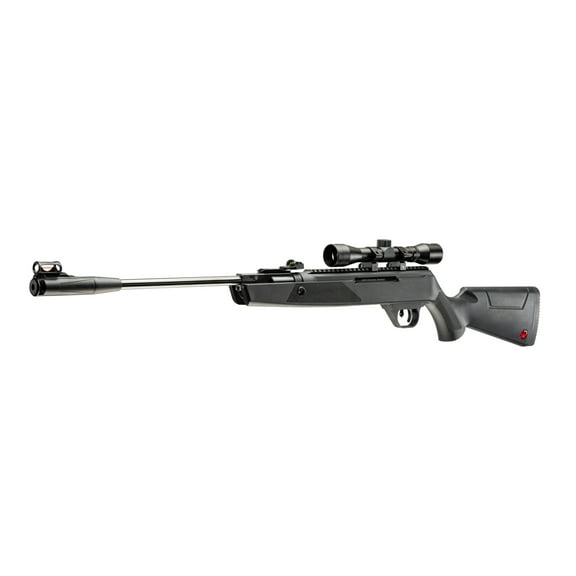
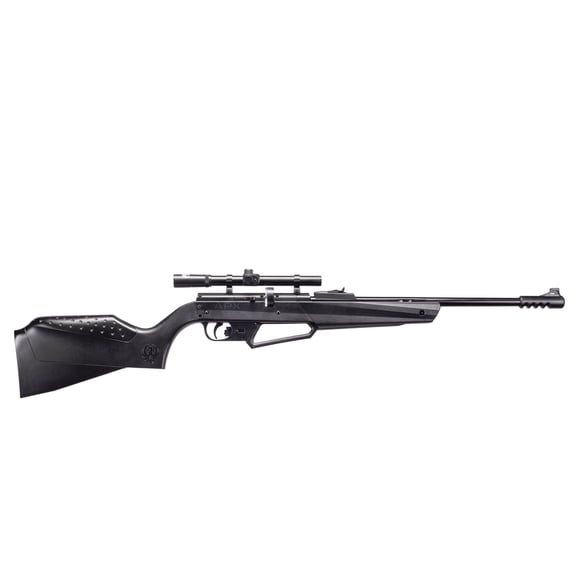
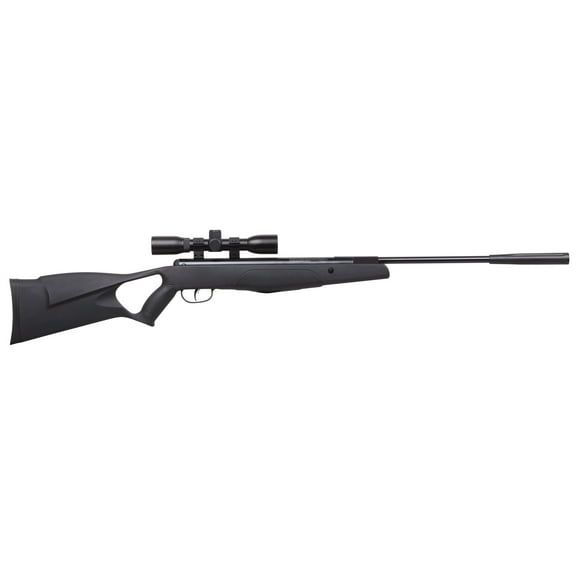
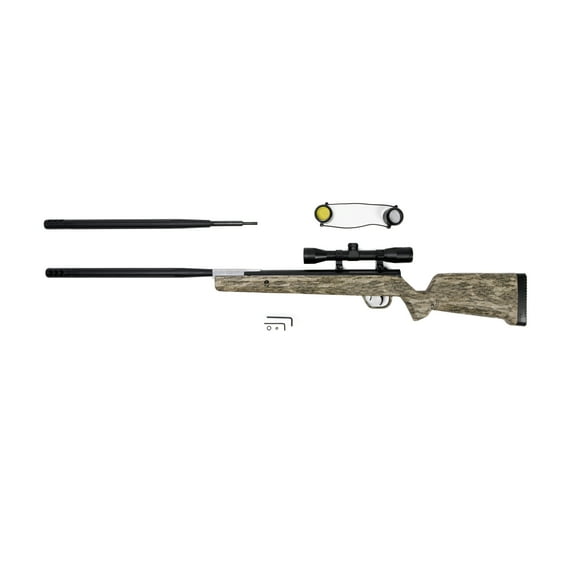
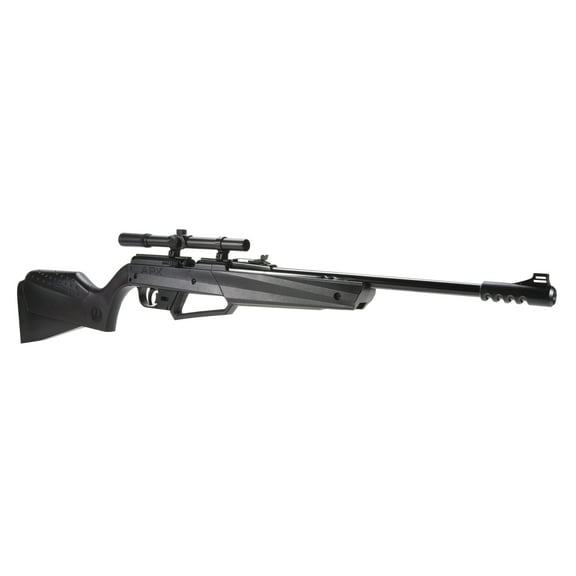
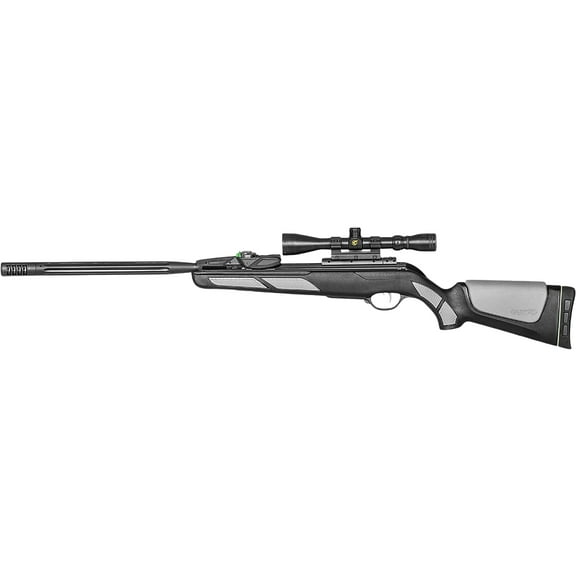
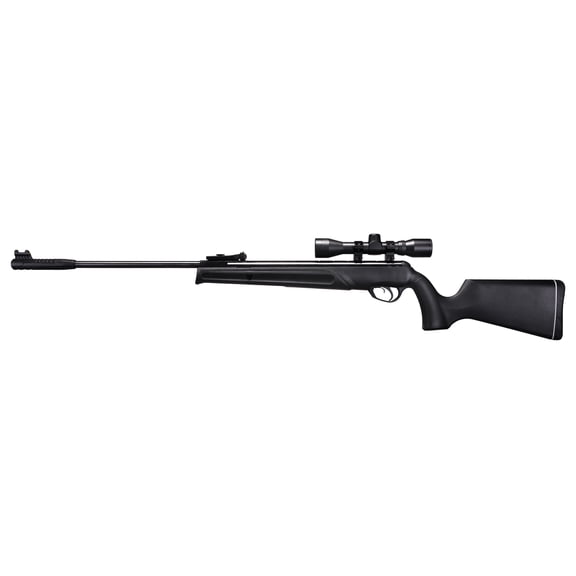
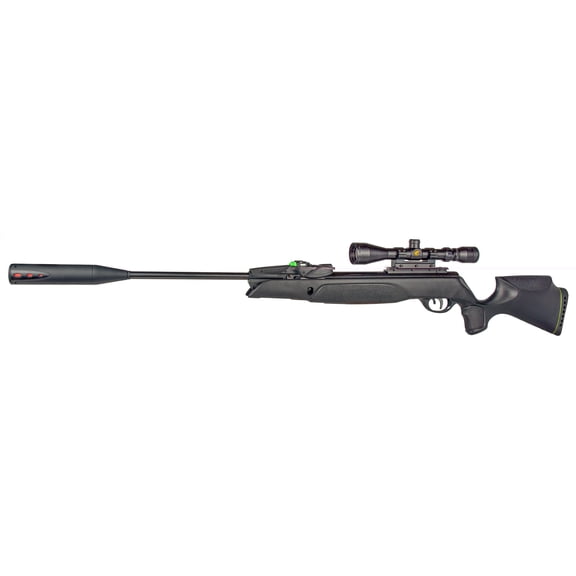
With spring-piston designs, you cock the action before each shot to compress the power source. You may often see this setup in a break barrel air rifle format.
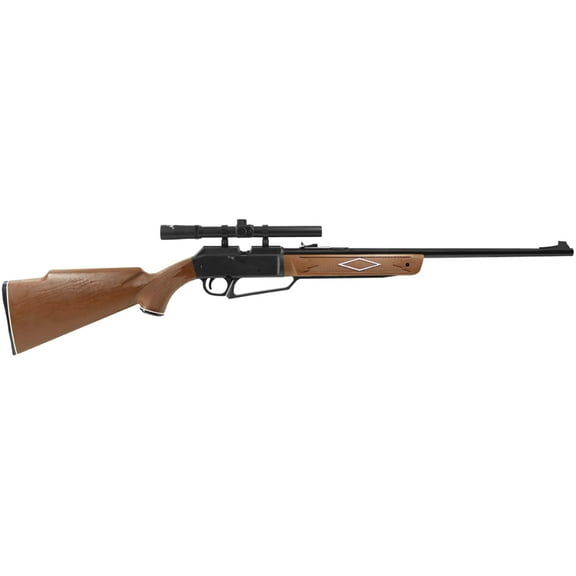
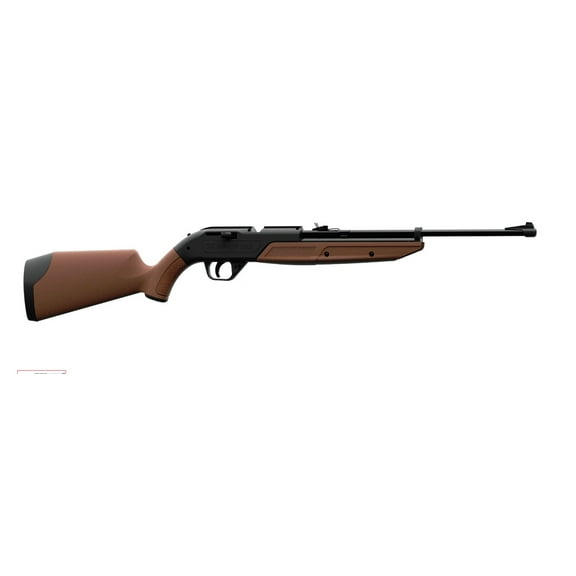
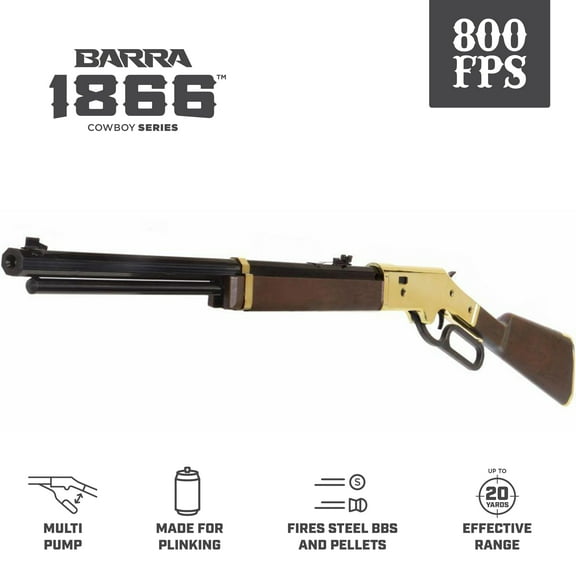
With multi-pump models, you build pressure manually before firing. You may choose this style when you want a more hands-on routine and adjustable feel.
Comparing caliber and ammunition type
You should check caliber and ammo compatibility before anything else. Your air guns perform differently depending on whether you shoot BBs, pellets, or dual ammo designs.
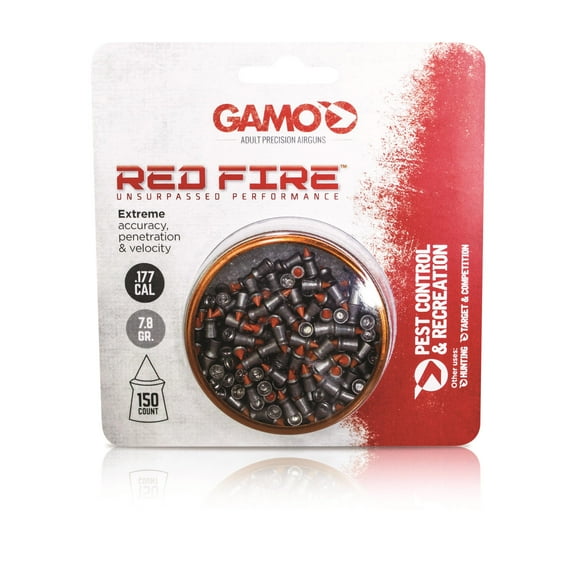
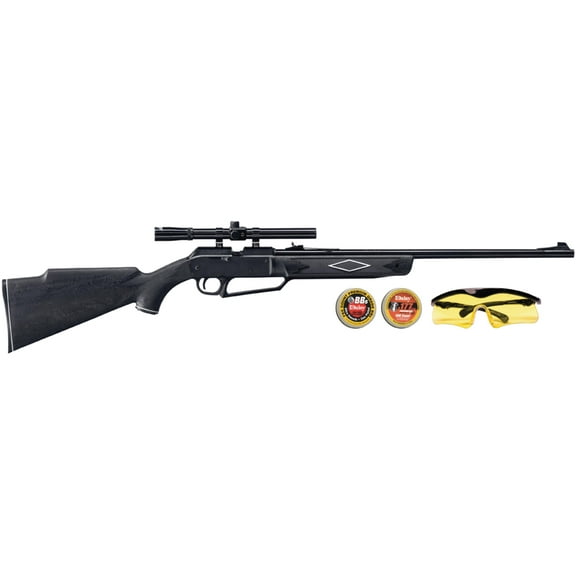
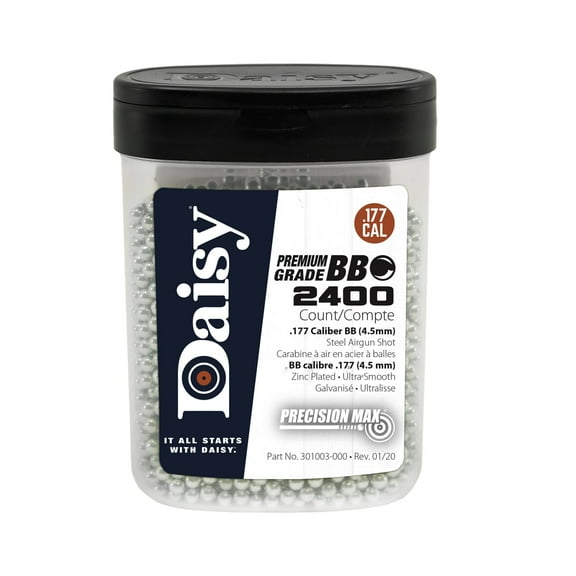
BB guns typically use 4.5mm steel BBs, and you may choose them for casual plinking. Pellet guns usually use shaped lead or alloy pellets, and you may prefer them for precise target work.
You may often compare .177 caliber, .22 caliber, and .25 caliber models. Your choice affects speed, impact feel, and the type of shooting you plan to do.
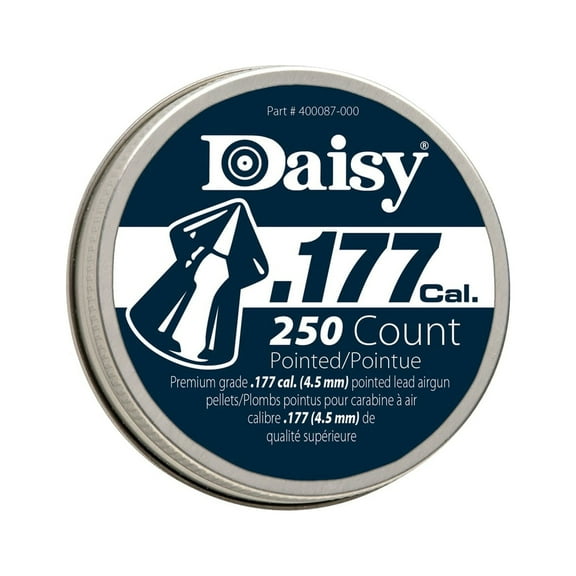
A .177 caliber option often supports common target practice and high-volume sessions. You may like it when you want flatter flight and broad pellet availability.
A .22 caliber option usually suits shoppers who want added impact for longer backyard sessions or field use. You may compare it carefully when you need pellet-focused performance.
A .25 caliber option is more specialized, and you may see it in select air rifles. You usually consider it when your shooting goals call for a larger pellet size.
If you want flexibility, you can compare dual ammo designs that accept BBs and pellets. You should still confirm exact compatibility because your loading system varies by model.
Looking at action types and handling
You’ll find that action type affects loading speed, feel, and maintenance. Your handling preference can be as important as caliber or power source.
A break barrel air rifle uses a hinged barrel for cocking and loading. You may choose this format when you want a straightforward routine with fewer extra components.
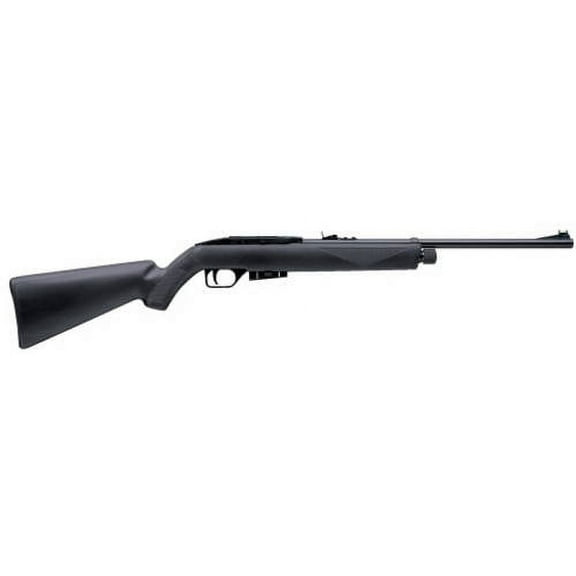
Semi-automatic styles can appeal to you when you want quick follow-up shots during plinking sessions. You may often see this action paired with CO2-powered air pistols and some bb guns.
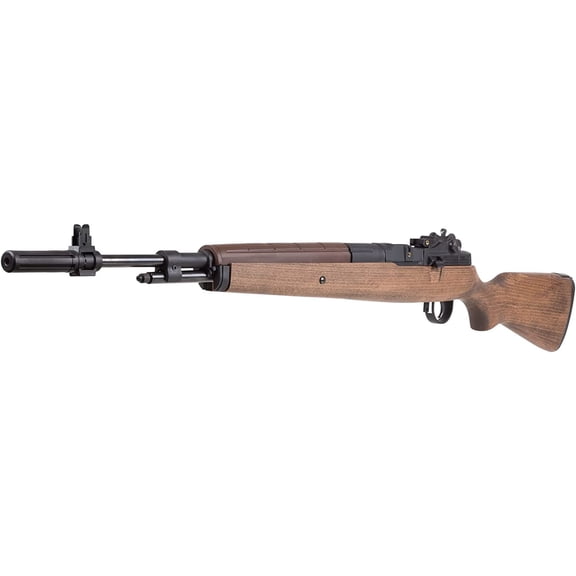
Bolt action models give you a deliberate loading rhythm that many target shooters appreciate. You may like that approach when your focus is slower, controlled practice.
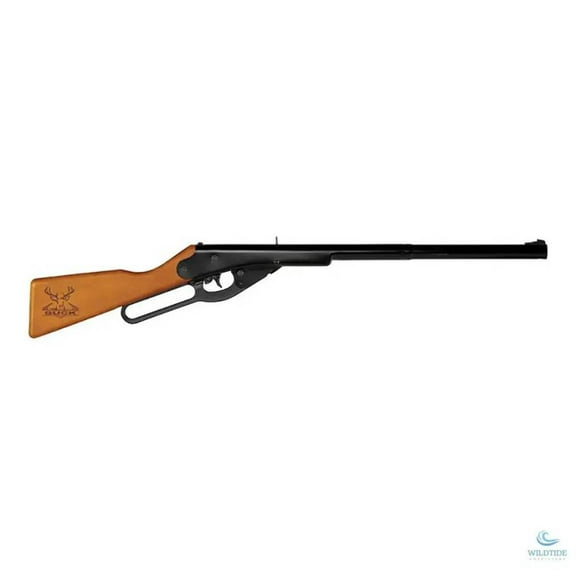
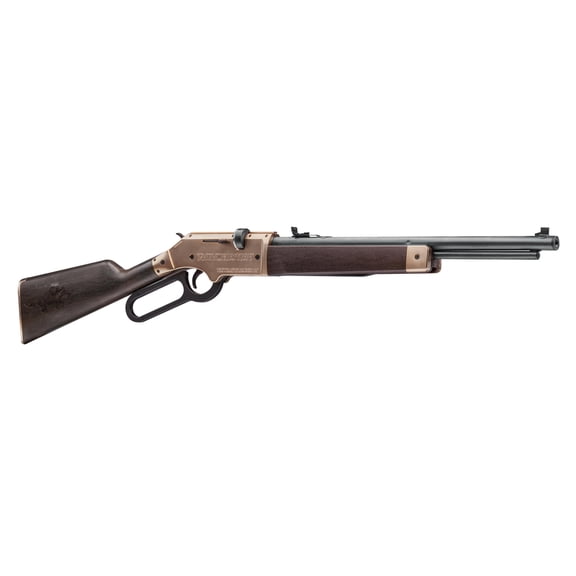
Lever action designs offer a classic feel and a distinct cycling motion. You may compare them when your shooting style favors hands-on handling and visual appeal.
Matching use cases to pellet guns, bb guns, and air rifles
You can make a stronger choice when you match features to your actual use case. Your ideal setup for plinking won’t always match your target shooting or field needs.
For backyard plinking, you may prefer bb guns or dual ammo models with easy loading. You’ll likely appreciate simple controls and repeatable handling during shorter sessions.
For paper targets, you may lean toward pellet guns in .177 caliber with steady accuracy. You can compare air rifles and air pistols based on your available space and stance.
For longer practice sessions, you may focus on comfortable grips, balanced stocks, and manageable reloading. You’ll also want to check whether your preferred power source fits your shooting pace.
If you’re reviewing options for small game hunting, you should confirm local regulations before choosing. You’ll also want to compare velocity, caliber, and platform style for your intended use.
You should always review age requirements, local rules, and intended use guidelines before purchase. Your setup also works better when you pair it with eye protection, targets, and the correct ammo type.
When you compare air guns with these decision points in mind, you can sort choices with more confidence. Your final pick can fit your preferred ammo, power source, and shooting routine more closely.