







































Caregivers Long Term Care























About
Long term care helps you support daily routines with practical products for home care, assisted living, and facility use. You can compare long term care supplies by task, care setting, and durability, so your choices fit real daily needs.
How to choose long term care supplies
You should start with the product category that matches the routine you manage most often. You may need daily living aids, mobility support, incontinence care, or personal hygiene items for smoother day-to-day care.
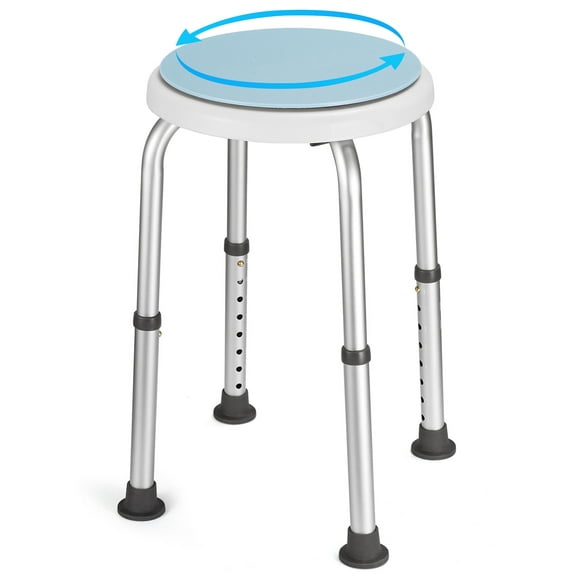
When you compare daily living aids, you can look for reachers, dressing tools, utensil supports, and bath accessories. You’ll notice these items help you handle grooming, mealtime, and dressing with less strain.
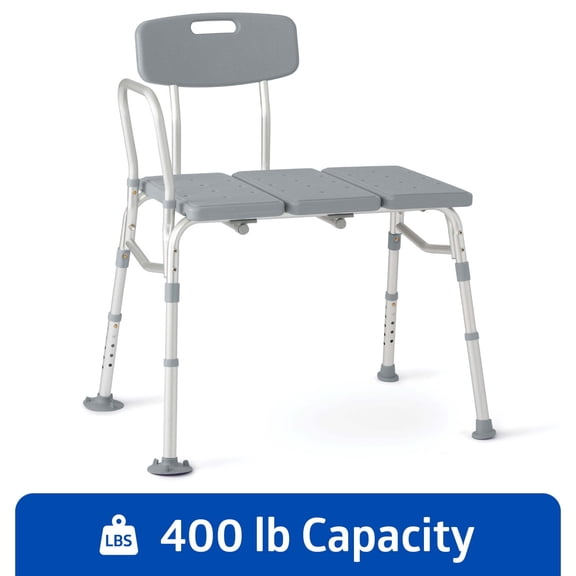
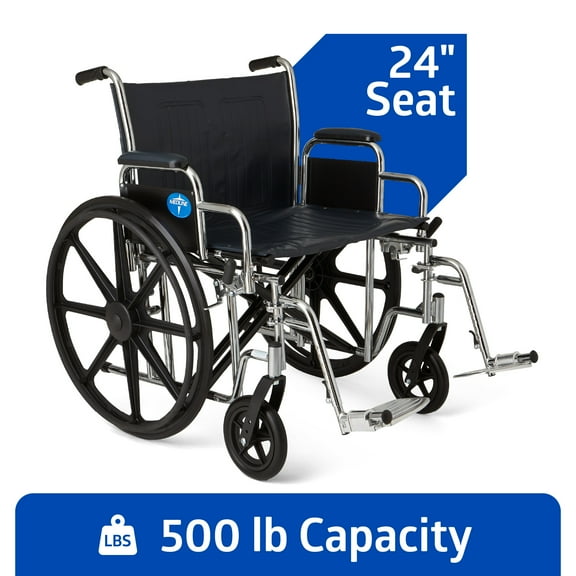
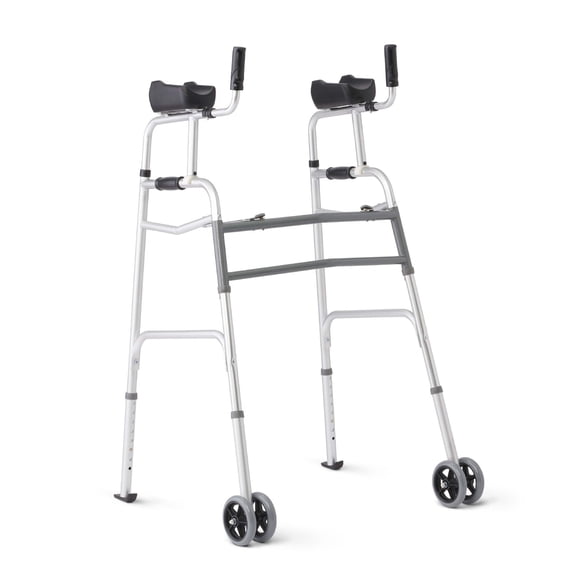
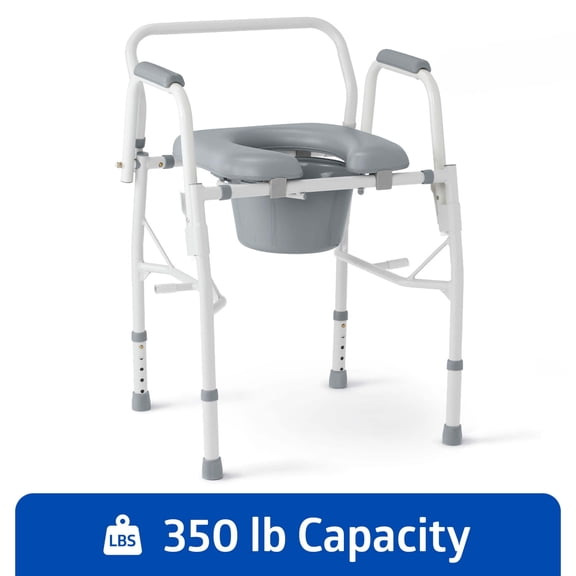
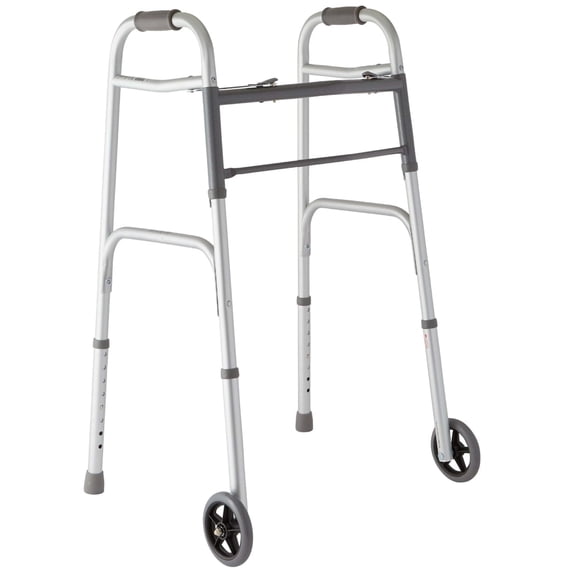
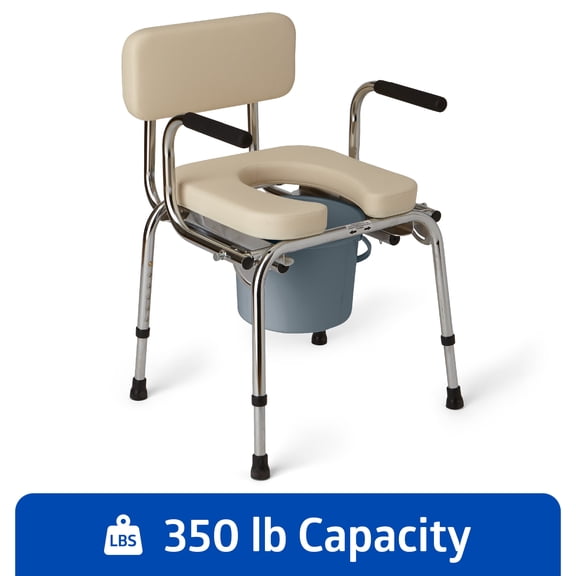
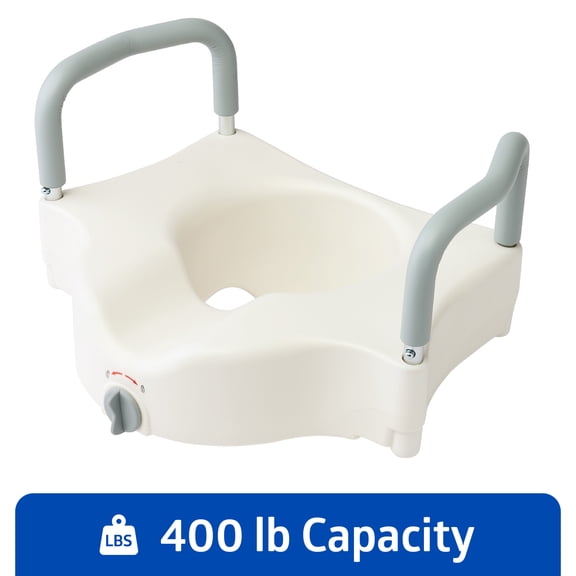
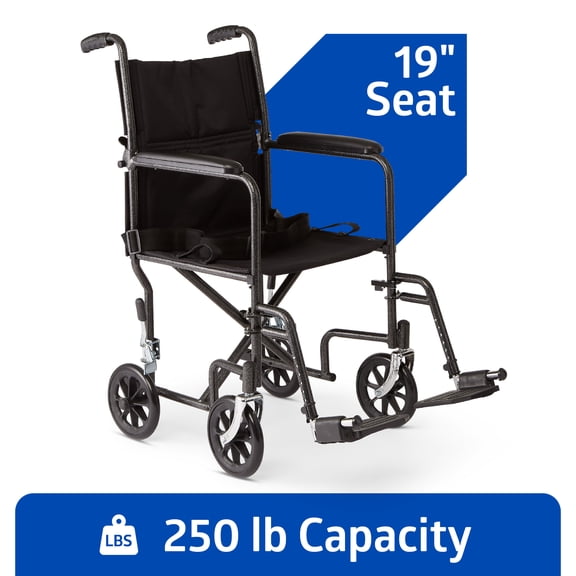
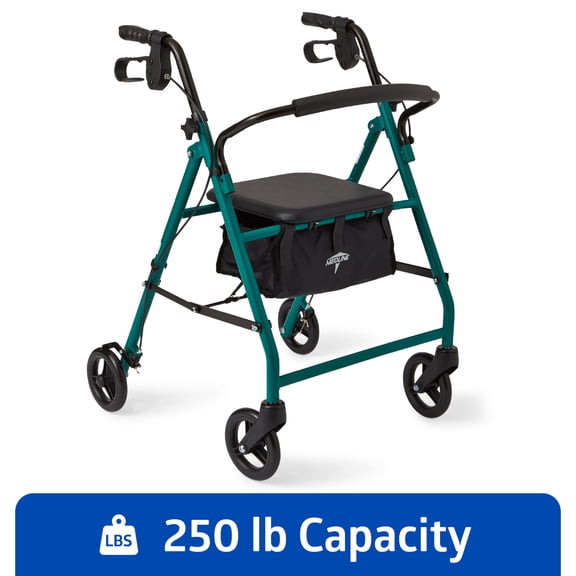
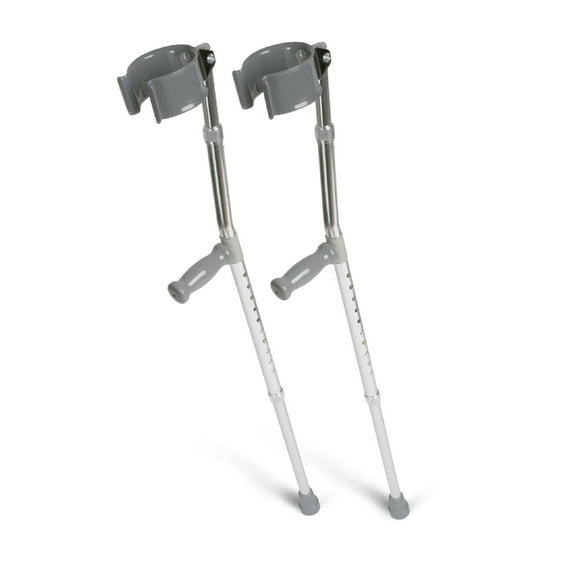
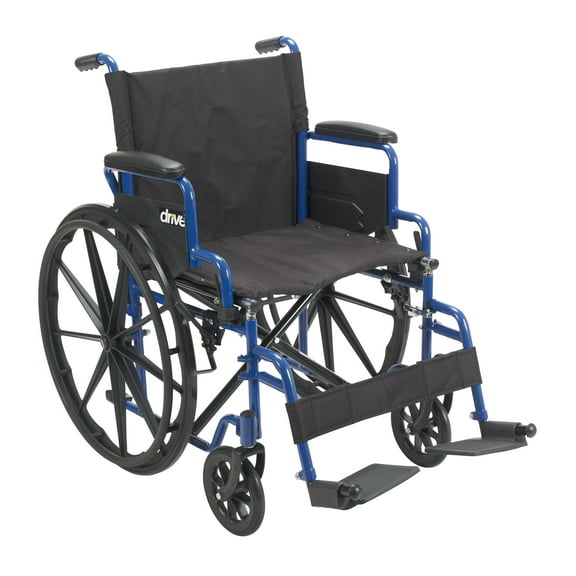
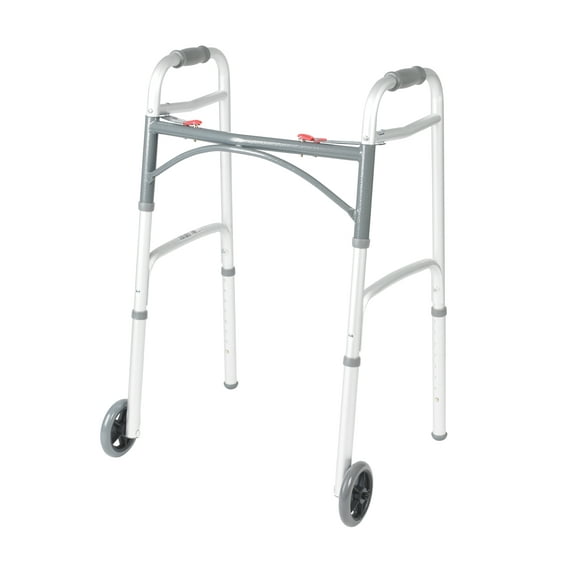
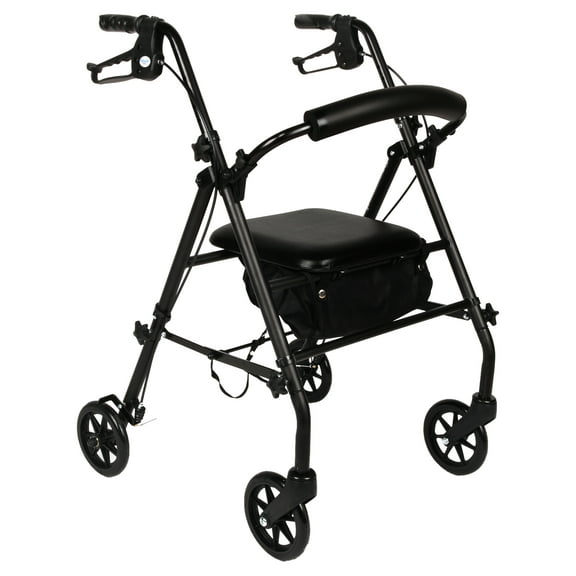
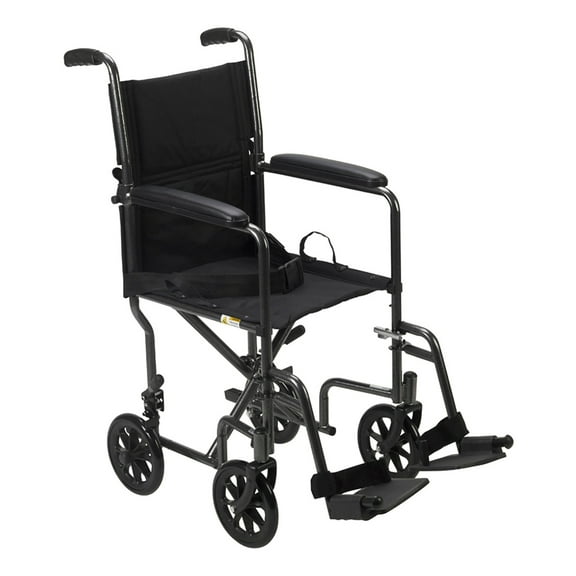
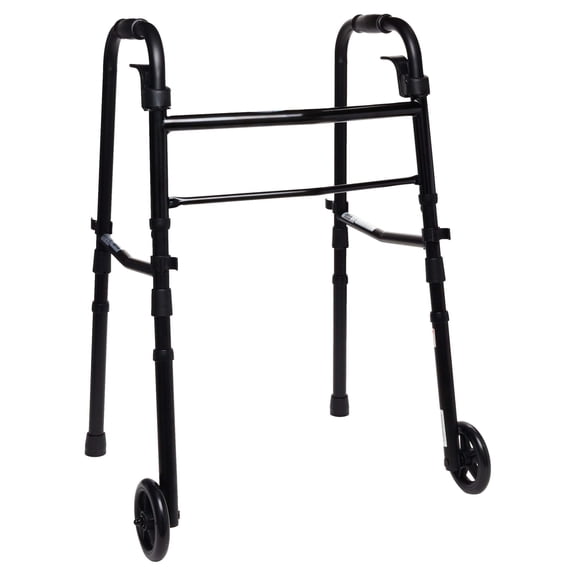
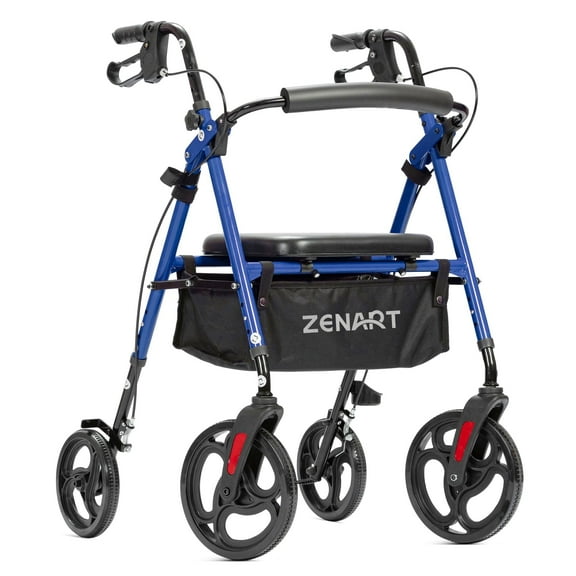
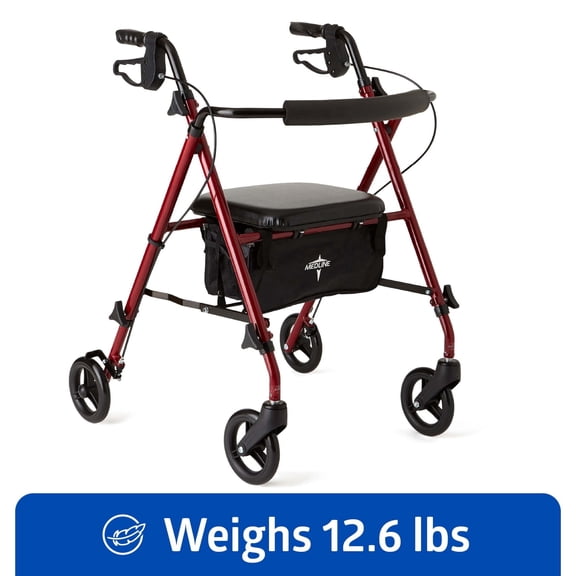
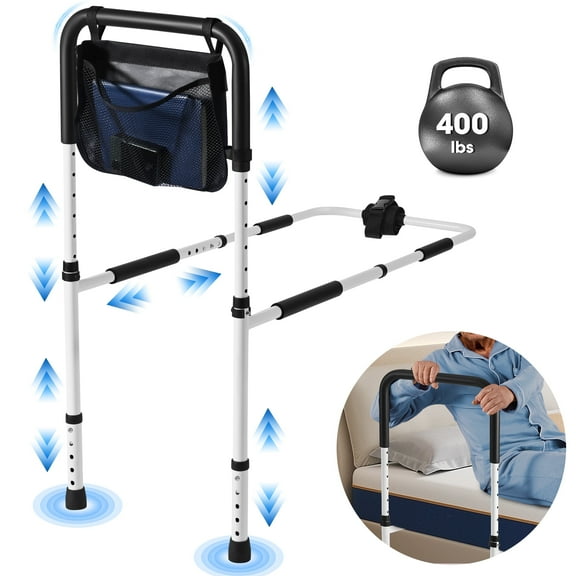
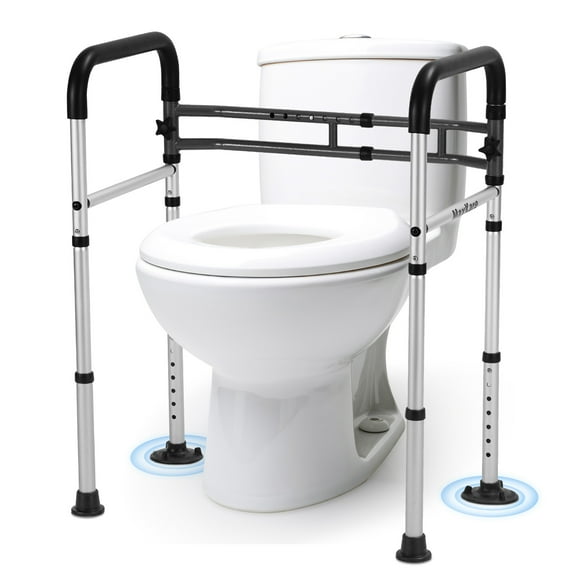
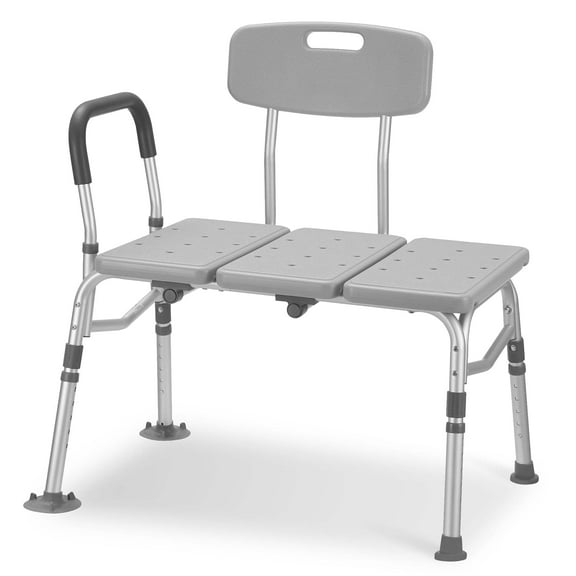
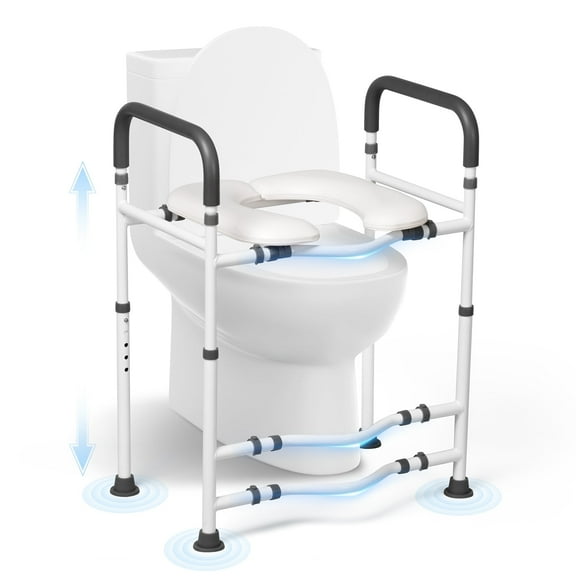
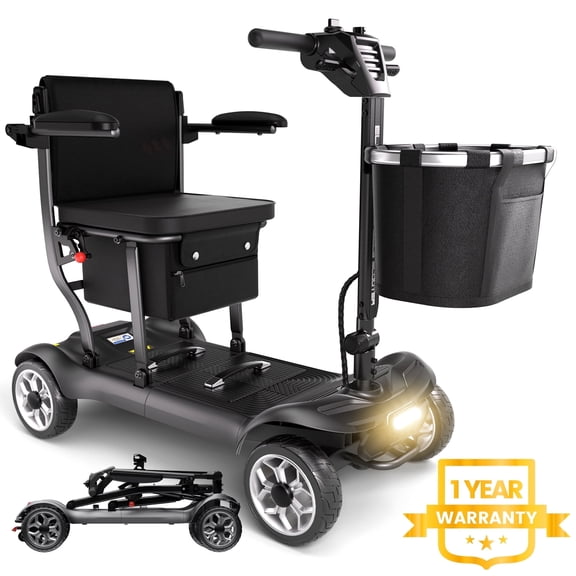
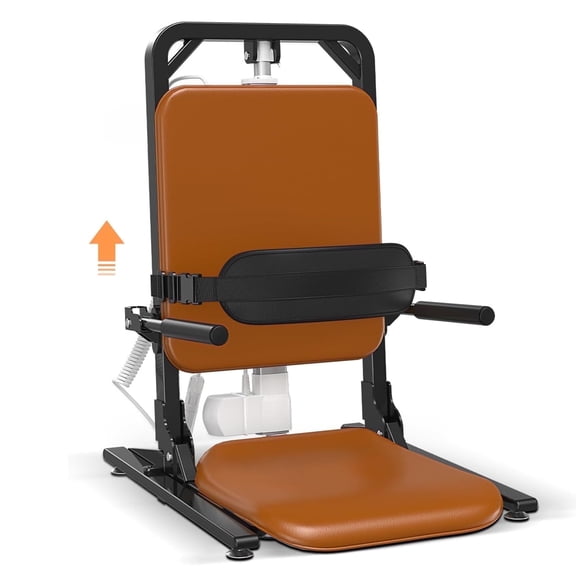
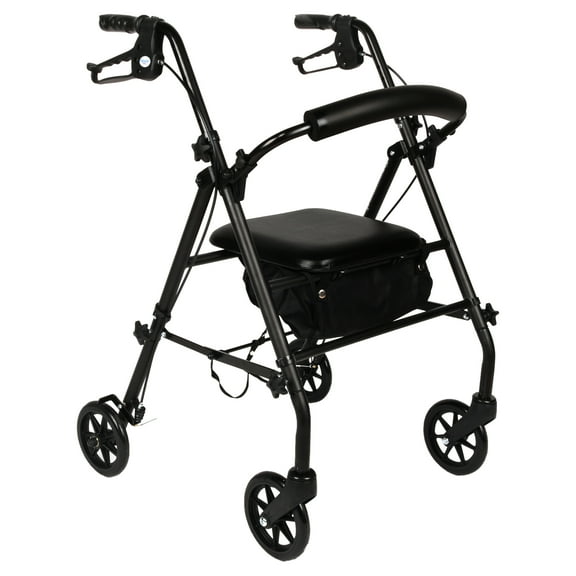
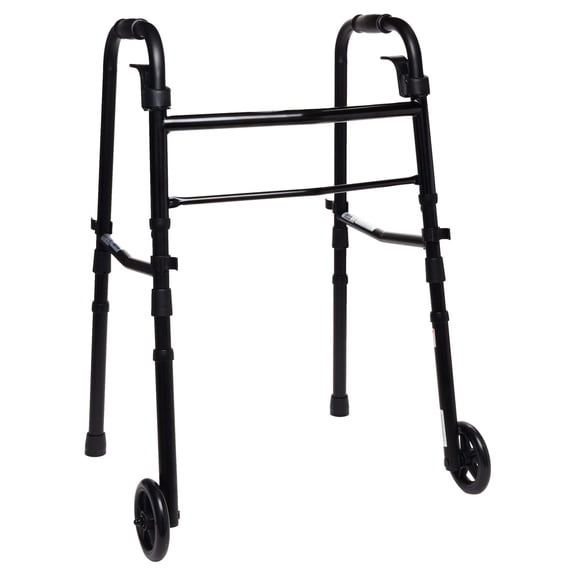
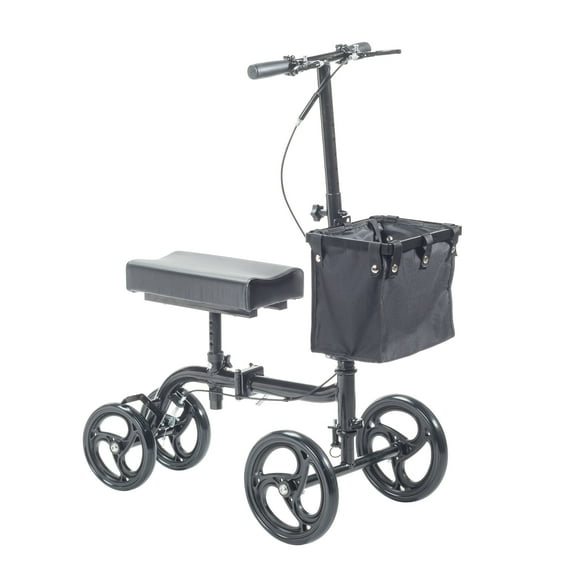
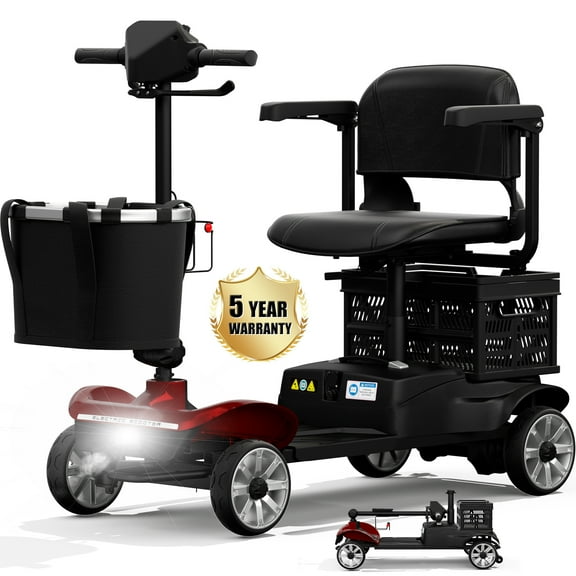
If you’re choosing mobility support, you should check dimensions, weight limits, and material strength before anything else. You can use those details to match walkers, transfer aids, or support equipment to your space and routine.
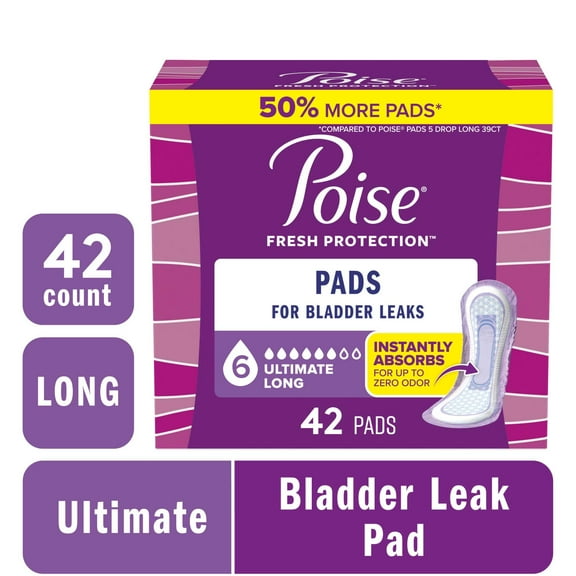
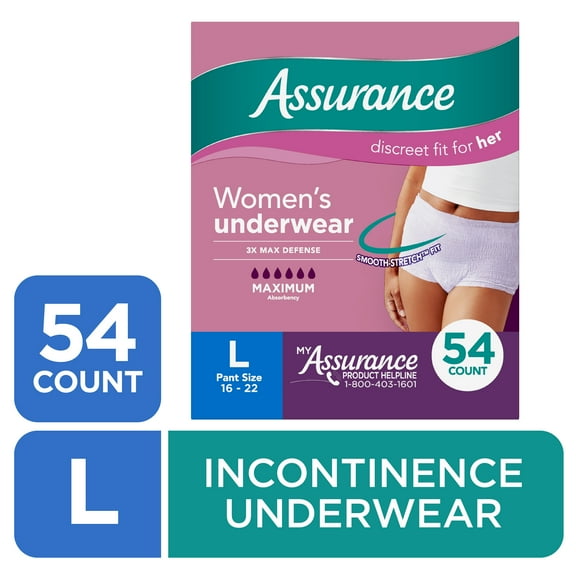
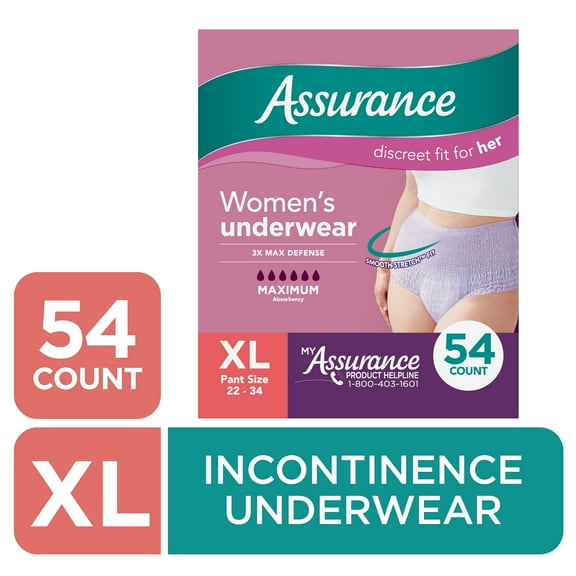
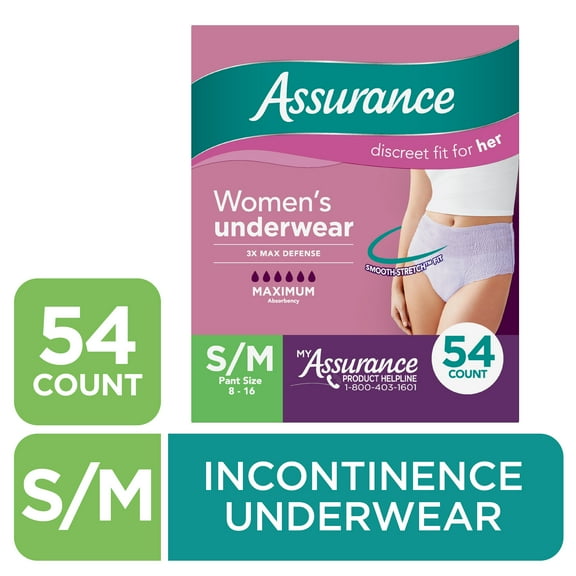
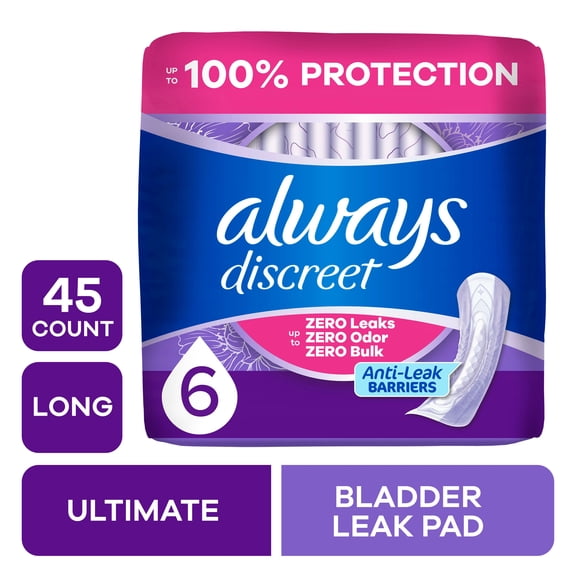
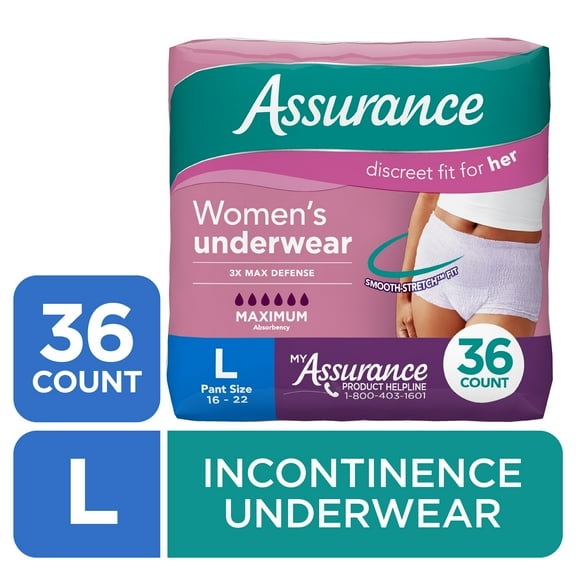
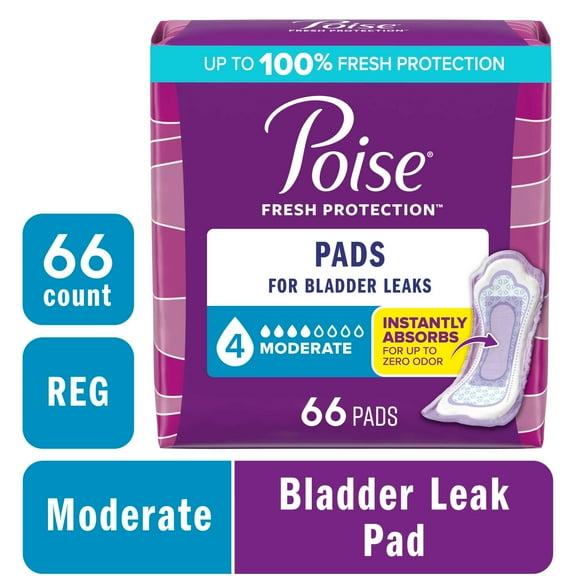
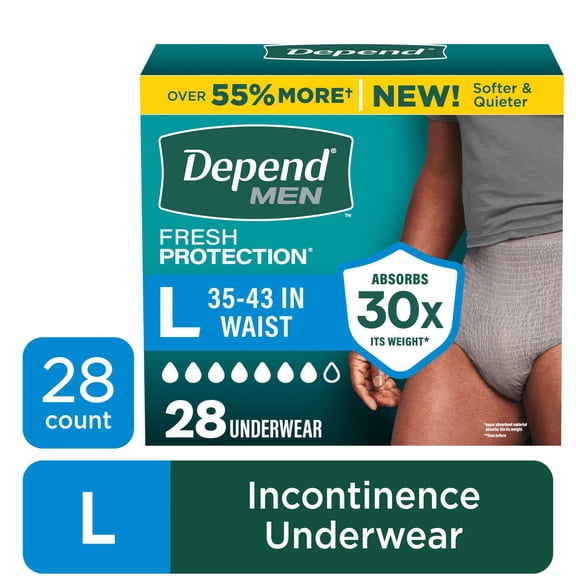
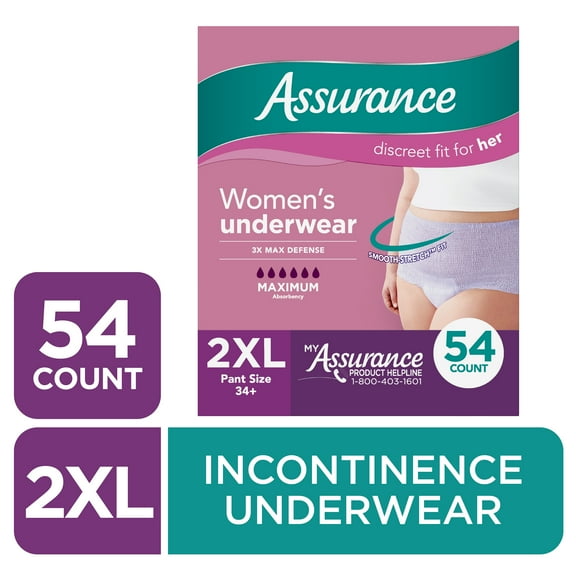
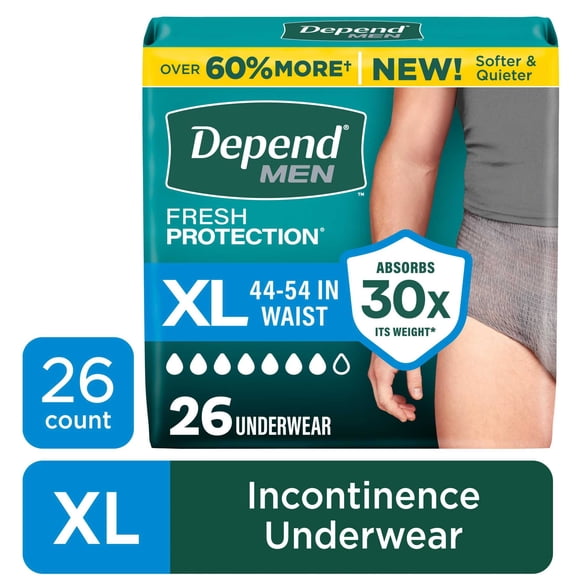
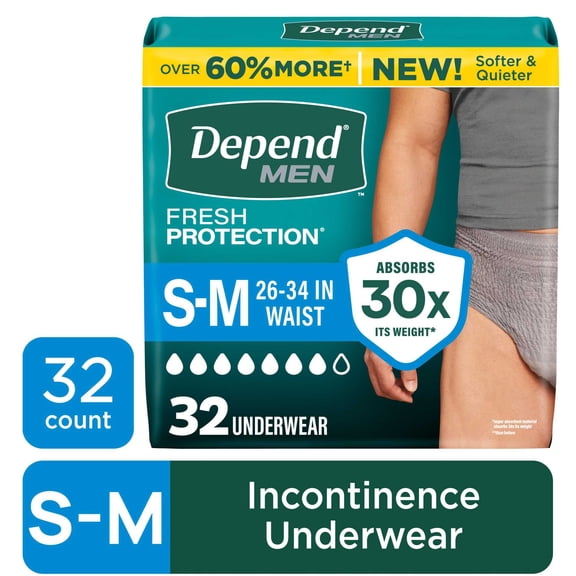
For incontinence care, you may compare disposable and reusable options based on changes, laundry needs, and storage space. You’ll also want materials that feel comfortable against skin and fit the planned wear schedule.
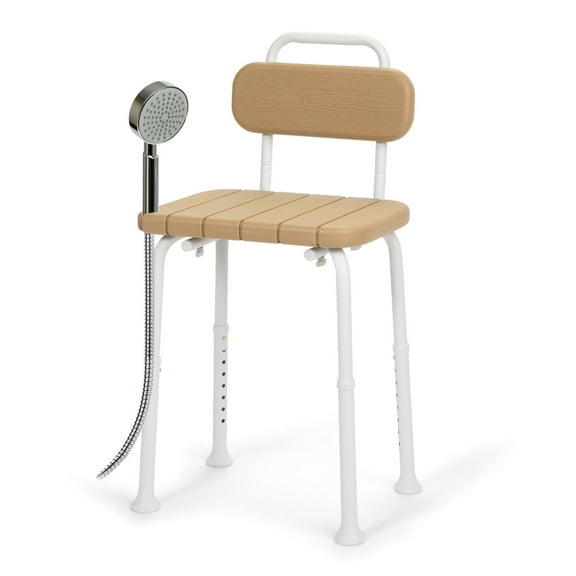
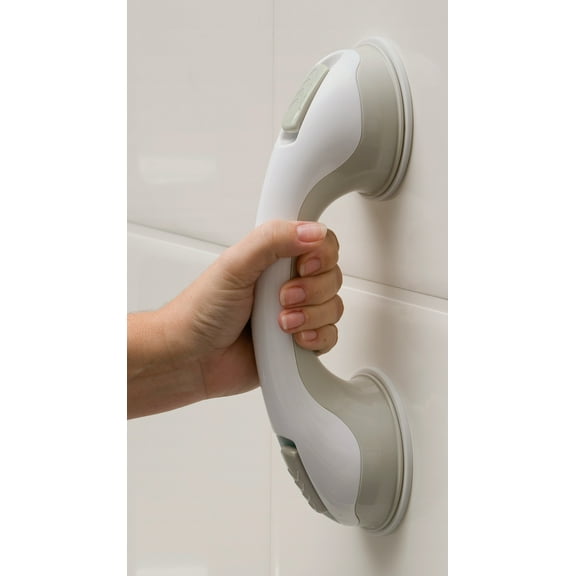
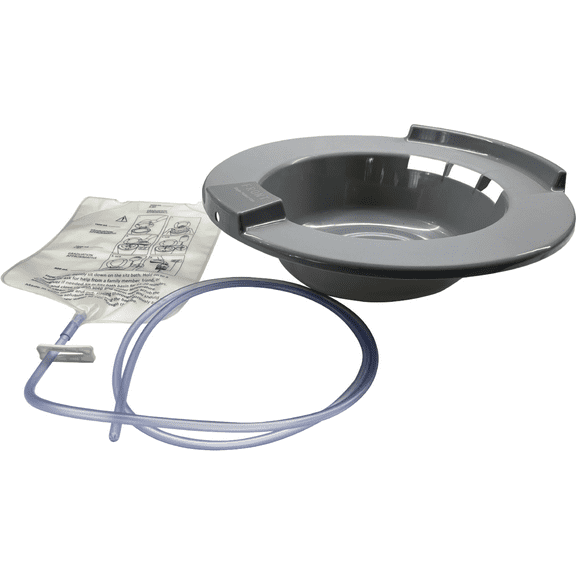
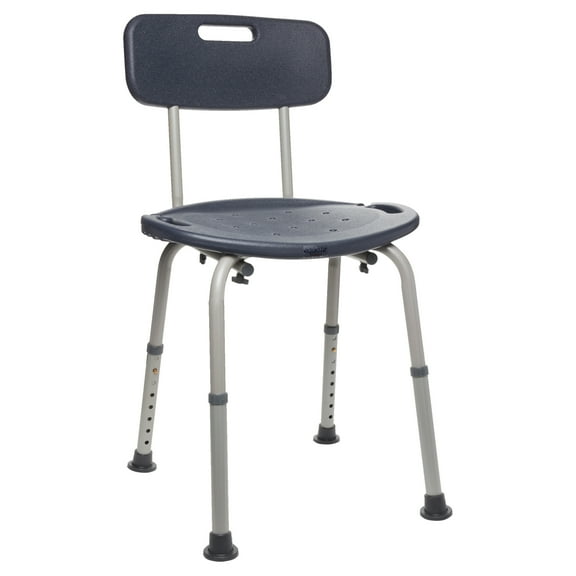
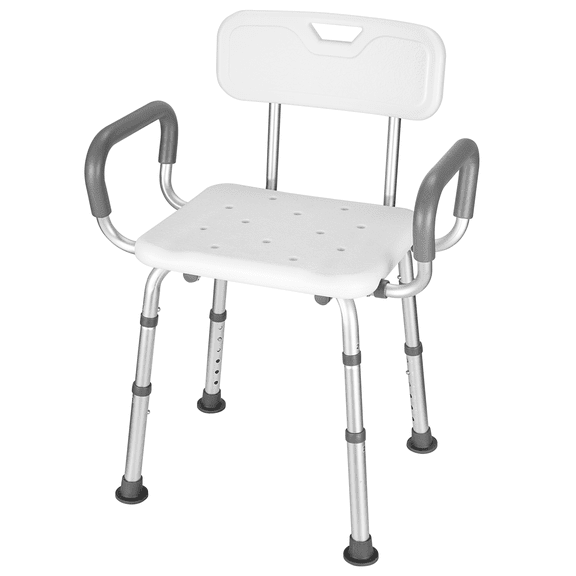
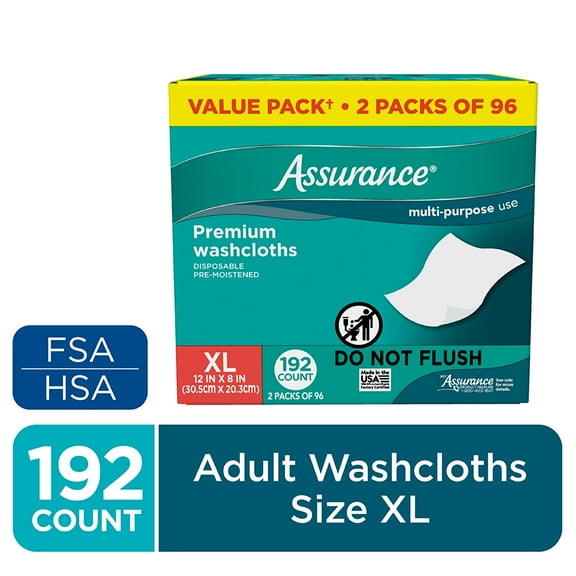
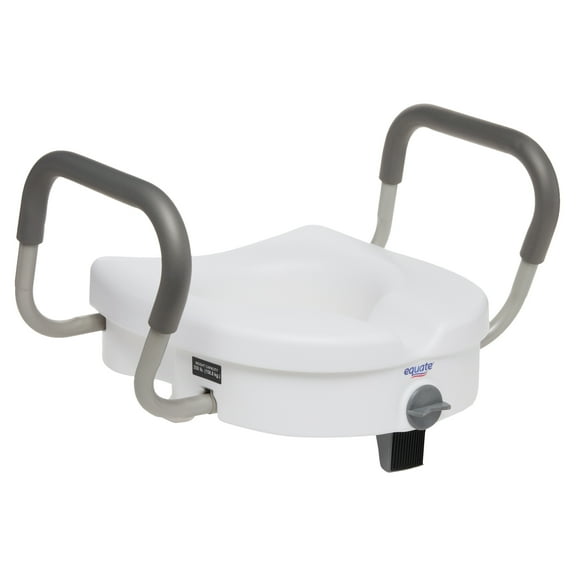
With personal hygiene products, you can focus on handles, grip texture, and easy-rinse surfaces. You’ll appreciate designs that simplify bathing, grooming, and cleanup during repeated daily use.
What benefits you get from senior daily living aids
Senior daily living aids can help you maintain familiar routines with less effort during dressing, bathing, eating, and moving around the home. You’ll often find these tools support smoother caregiving during morning, mealtime, and bedtime tasks.
- You can simplify routine tasks with tools designed for reach, grip, and control.
- You can support cleaner spaces with surfaces that wipe down quickly after use.
- You can match disposable or reusable formats to your laundry and supply plan.
- You can compare sizing details and weight capacity for more reliable daily compatibility.
You may also notice that category-specific options reduce guesswork when several people share caregiving responsibilities. You can choose items with clear setup steps, which helps keep handoffs more consistent across shifts.
Another benefit comes from selecting products by care setting instead of shopping item by item. You can build a home care, assisted living, nursing home, or hospice routine with more continuity.
Comparing elder care products by setting and user needs
Elder care products work differently depending on where you use them and who uses them each day. You should compare home care, assisted living, nursing home, and hospice needs before narrowing materials or formats.
In home care, you may prefer compact items that fit existing bathrooms, bedrooms, and hallways. You’ll want tool-free setup when possible, especially if you need quick placement around furniture.
For assisted living supplies, you can look for products that are easy to label, clean, and restock. You may also prefer reusable options when you need steady routines across daily staff support.
In nursing home or hospice settings, you should consider turnover, cleaning frequency, and supply replacement patterns. You can compare disposable items for convenience or reusable items for repeated daily use.
User needs matter just as much as setting, especially when size and support needs differ. You should check measurements, weight capacity, and intended fit for seniors, bariatric users, or rehabilitating patients.
When personal care is part of your routine, you may also look for soft-touch materials and skin-friendly properties. You’ll want those details clearly listed, especially for frequent-contact items and absorbent products.
What to look for in long term care equipment
Long term care equipment should match your space, cleaning routine, and expected level of daily use. You can often make a faster decision by comparing durability, assembly, and maintenance requirements together.
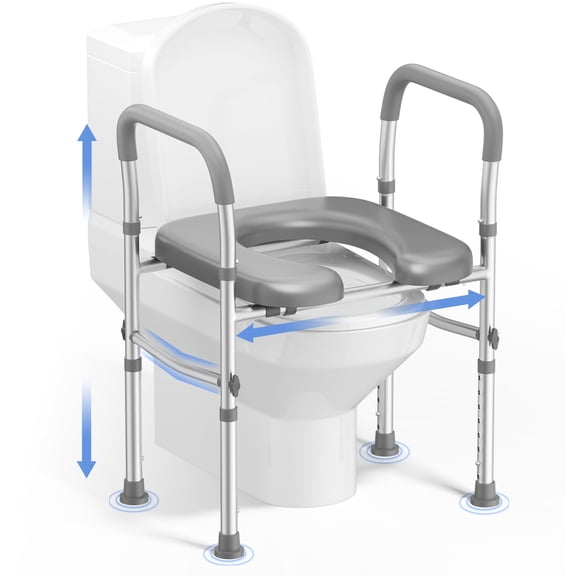
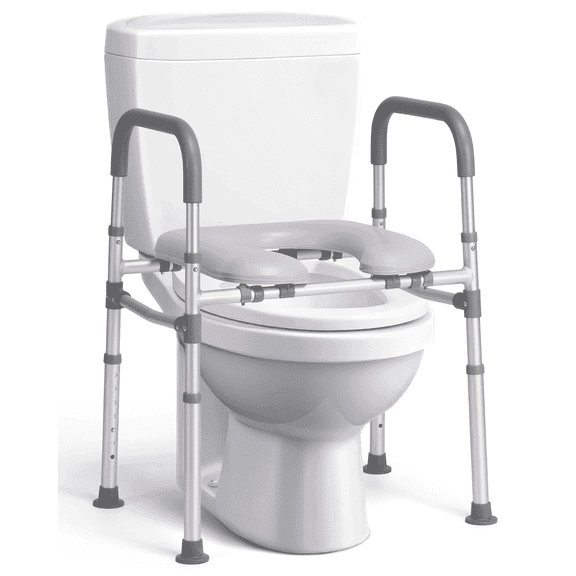
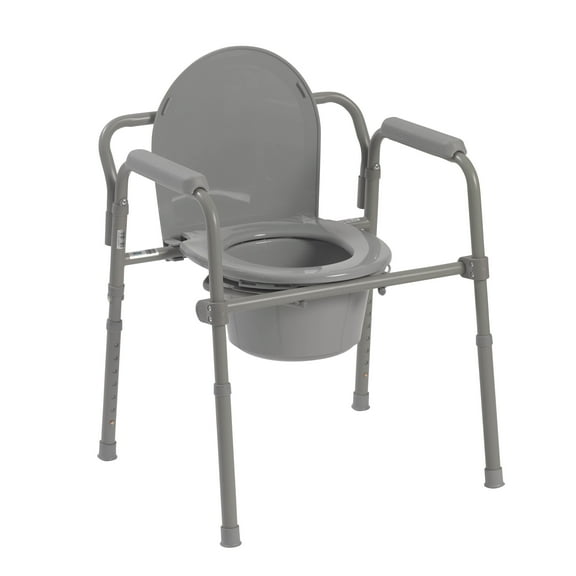
Dimensions are one of the first details you should measure before choosing support equipment. You’ll want width, height, and clearance to fit around beds, toilets, chairs, and narrow walkways.
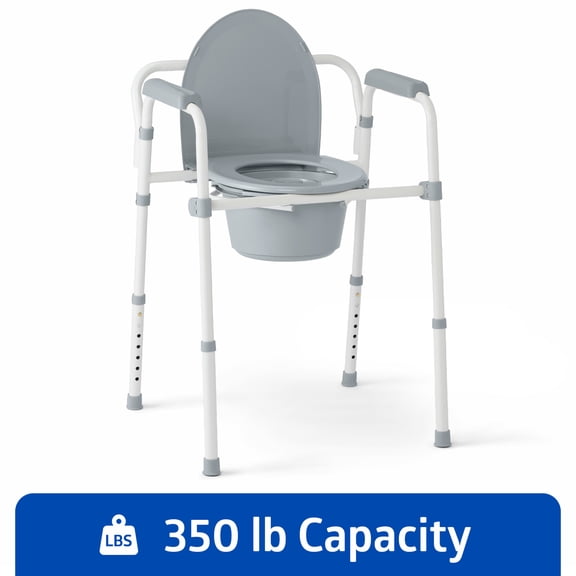
Weight limits and material strength are also decision-critical when you need dependable support. You can use those specs to compare durable options with lighter everyday alternatives.
Cleaning needs can shape your choice as much as size or strength. You may prefer smooth surfaces, removable parts, and washable components when you handle frequent cleanup.
Assembly matters when you need products in use without extra tools or complicated instructions. You’ll appreciate tool-free setup, simple adjustments, and designs that don’t slow down daily routines.
Durability and use type also affect how you build your care plan over time. You can compare disposable products for one-time use, reusable products for repeat care, and sturdy formats for frequent demands.
Matching assisted living supplies to everyday routines
You can create a more workable setup when you match products to the exact moments they support. You may need one group of items for bathing, another for dressing, and another for transfers.
During morning routines, you might rely on hygiene tools, grooming aids, and bathroom supports that clean easily afterward. You’ll benefit from items that store neatly and stay ready for the next use.
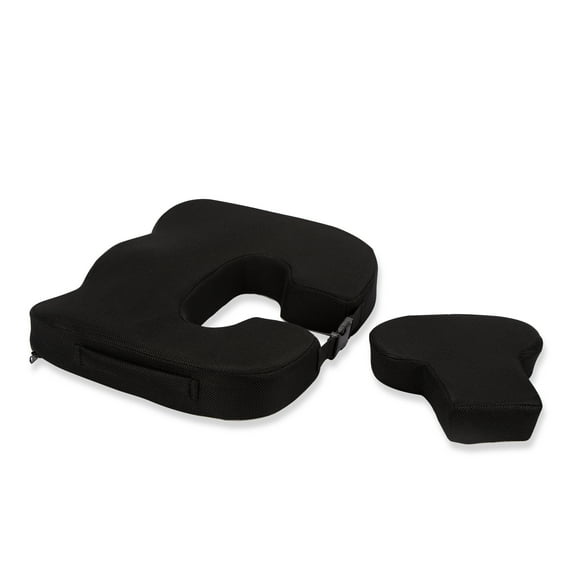
At mealtime, you can use adaptive utensils, grip aids, and seating support accessories for steadier handling. You may find these choices especially useful when hand strength or reach changes from day to day.
For mobility throughout the day, you should compare support items by room layout and travel distance. You can choose options that work beside beds, through hallways, or around shared living areas.
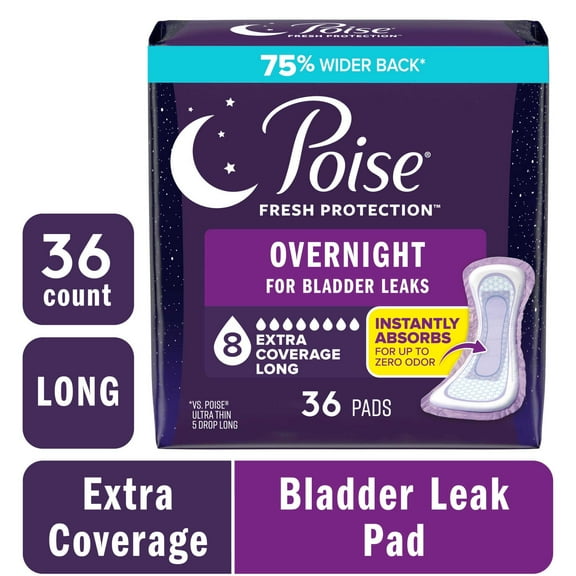
Overnight care often calls for absorbent products, hygiene supplies, and easy-change formats that simplify routine checks. You’ll want options that align with your replacement schedule and cleaning workflow.
When you choose carefully across these routines, your long term care setup feels more organized and easier to maintain. You’ll gain a clearer path to daily comfort, cleaner transitions, and steadier caregiving support.