

Bakeware in Kitchen & Dining





















About Bakeware in Kitchen & Dining - Walmart.com
You can compare bakeware by material, pan type, coating, and set size, so your baking setup fits your recipes and your kitchen space. You’ll find options for cookies, cakes, muffins, breads, and casseroles, with shapes designed for even baking and easy handling.
How to choose bakeware for your kitchen
When you choose bakeware, you’ll want pieces that match what you bake frequently and how you like to clean up. You can start with individual pans for specific recipes or select bakeware sets for a more complete starter setup.
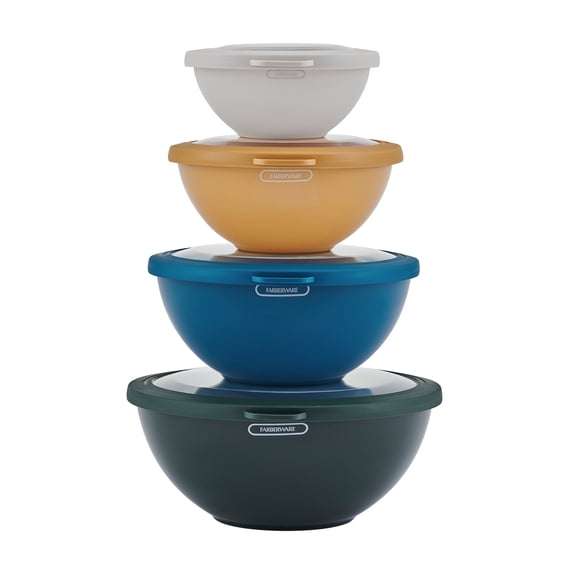
If you bake every week, you may want nesting pans that stack neatly in your cabinet and keep your shelves easier to organize. If you bake for holidays, you may prefer a wider mix of cake pans, loaf pans, and silicone baking molds.
- You can match pan shapes to your usual recipes, including baking sheets, muffin tins, loaf pans, and round cake pans.
- You can choose coatings based on cleanup needs, from nonstick bakeware for quick release to uncoated pans for a classic baking surface.
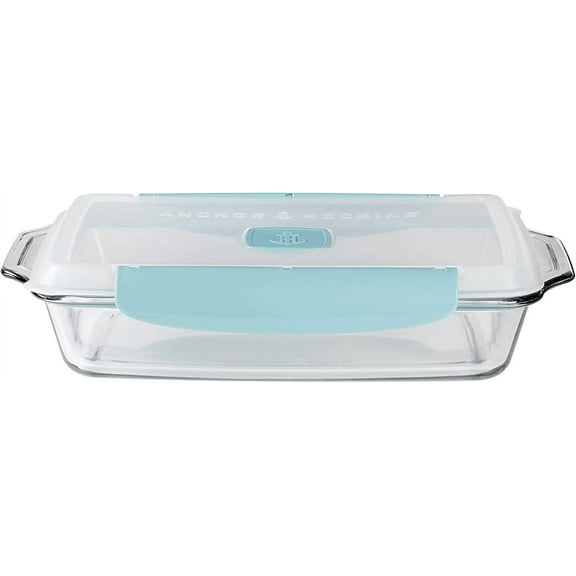
- You can compare materials like metal, glass, silicone, and ceramic based on heat response, handling, and storage preferences.
- You can pick starter sets or multi-piece collections when you want coordinated sizes that cover everyday baking tasks.
Choosing the right material for bakeware
You’ll notice each material changes how your recipes bake, brown, and cool on the counter. You can use metal when you want faster heat response, or choose glass bakeware when you want to watch browning from the sides.
When you compare metal pans, you may see aluminum gauge and steel core details. You can use heavier gauge aluminum for steadier heat, while a steel core can help your pan hold its shape.
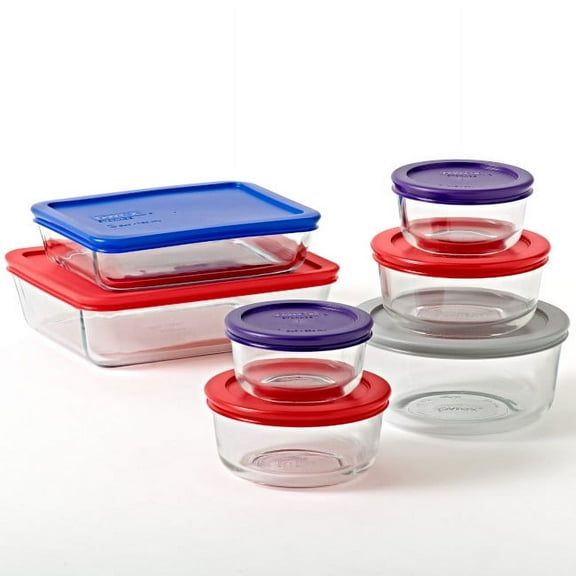
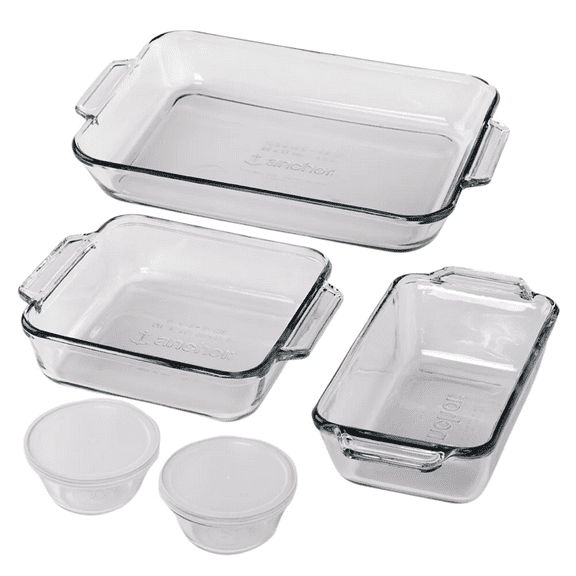
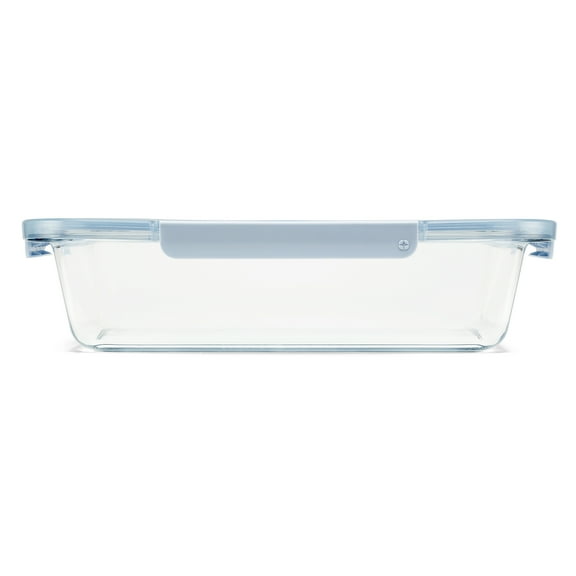
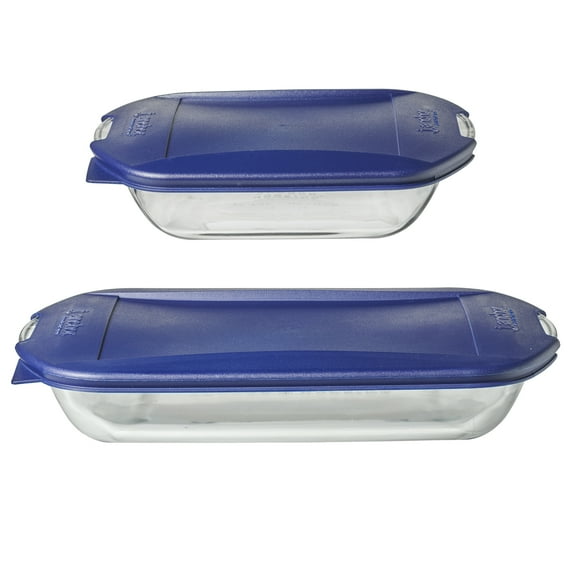
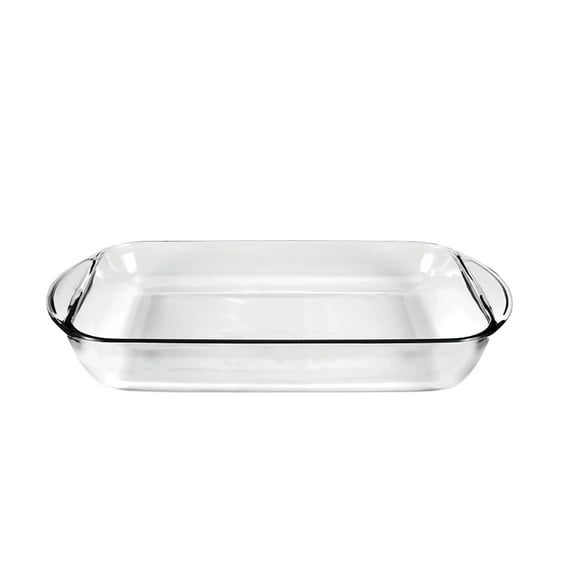
If you’re considering glass bakeware, you may also compare borosilicate glass and tempered glass. You can use those terms as a clue to thermal shock resistance and everyday oven-to-table handling.
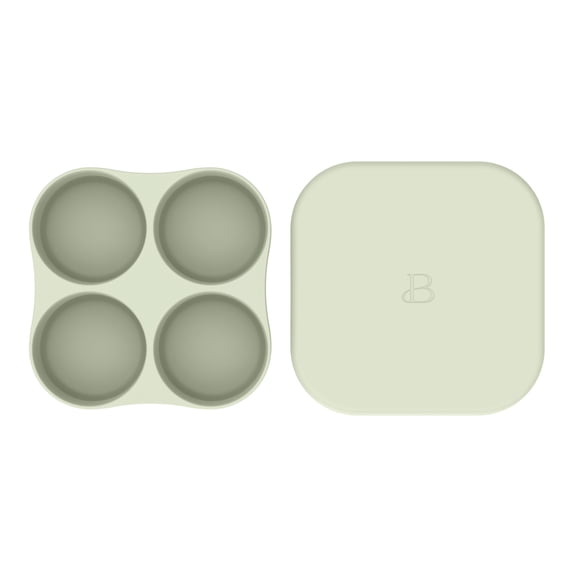
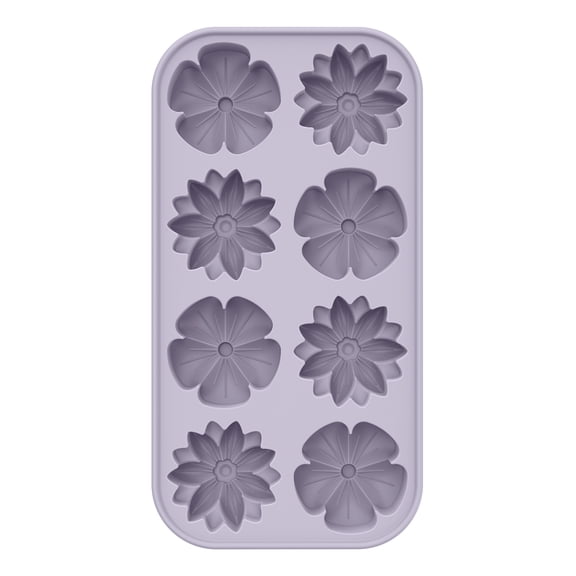
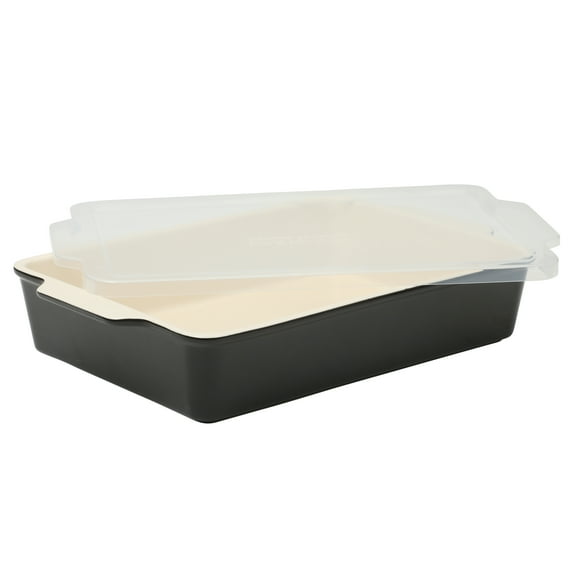
You may prefer silicone when you want flexible baking molds that release baked goods with less sticking. You can also choose ceramic when you want a classic baking dish look for cobblers, baked pasta, and casseroles.
Comparing coatings and release performance
You can compare coating types by how easily your food lifts out and how much scrubbing you want afterward. If cleanup is your priority, you may lean toward nonstick bakeware for cookies, roasted vegetables, and quick weeknight prep.
When you use uncoated pans, you may get a familiar baking surface that works well with parchment or liners. You can choose ceramic-coated options when you want a smooth release surface with a different pan feel.
If you bake delicate cakes or muffins, you’ll want a surface that helps edges release cleanly and keeps shapes intact. If you roast or broil often, you may prefer a finish that matches your cooking habits and utensil choices.
Choosing bakeware sets and pan sizes
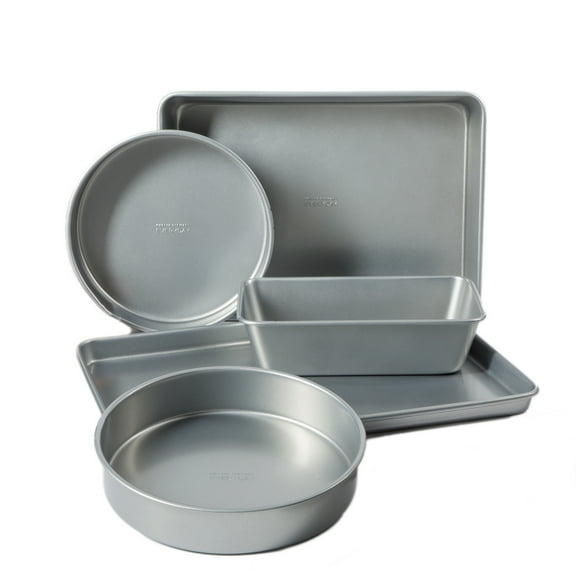
You can simplify your setup by choosing bakeware sets with the core pans you’ll use regularly. Starter sets usually help you cover sheet pan meals, birthday cakes, muffins, and quick breads without piecing together every item.
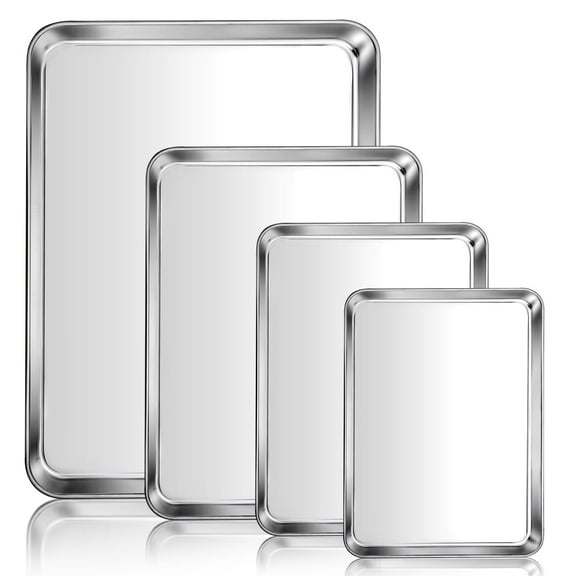
When you compare set size, you’ll want to check whether your pans nest well and fit your cabinet depth. You can also measure your oven racks before choosing larger baking sheets or deeper roasting pieces.
If your kitchen has limited storage, you may prefer a smaller group of versatile pans with stacking-friendly shapes. If you bake for parties, you may want multiple sheet pans or cake pans so your batches keep moving.
How to compare baking sheets, cake pans, muffin tins, and loaf pans
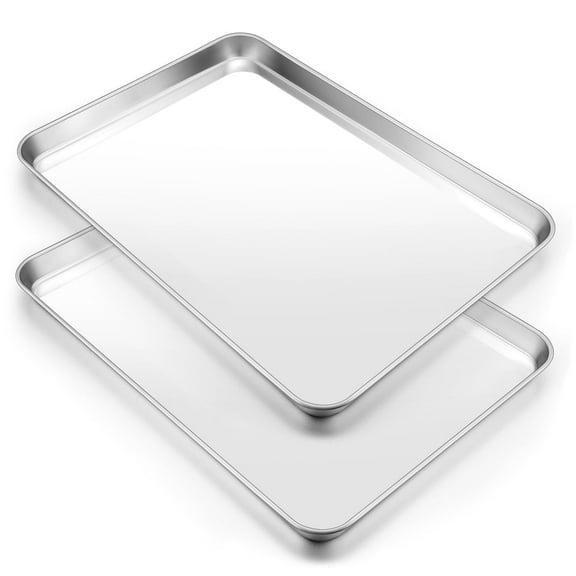
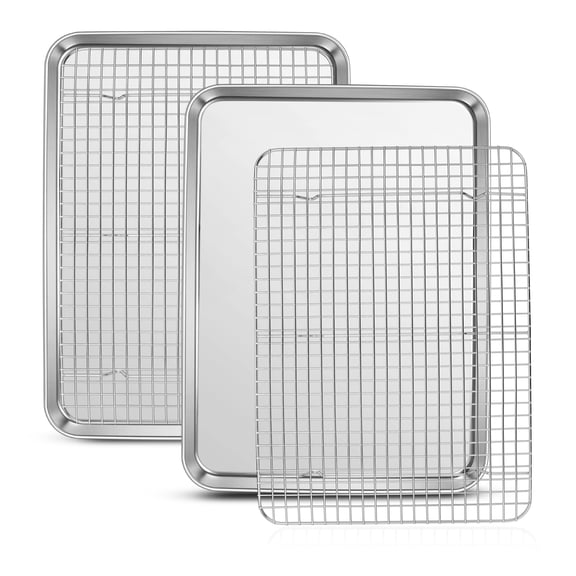
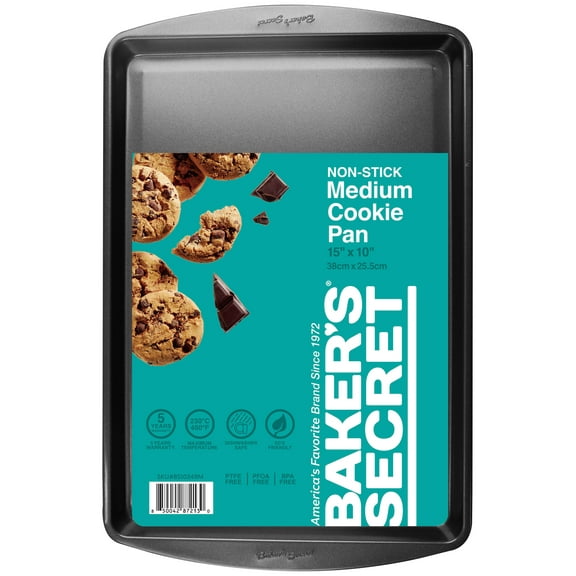
You’ll want baking sheets for cookies, roasted vegetables, and one-pan meals that need broad, open space. You can compare rimmed and flat styles, depending on whether your recipes need easy airflow or more spill control.
When you choose cake pans, you’ll want the shape and depth that match layer cakes, snack cakes, or brownies. You can check straight sides, pan depth, and material so your batter bakes more evenly from center to edge.
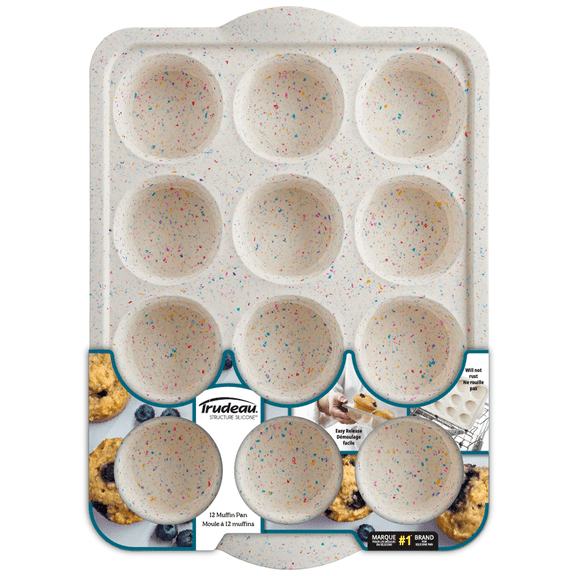
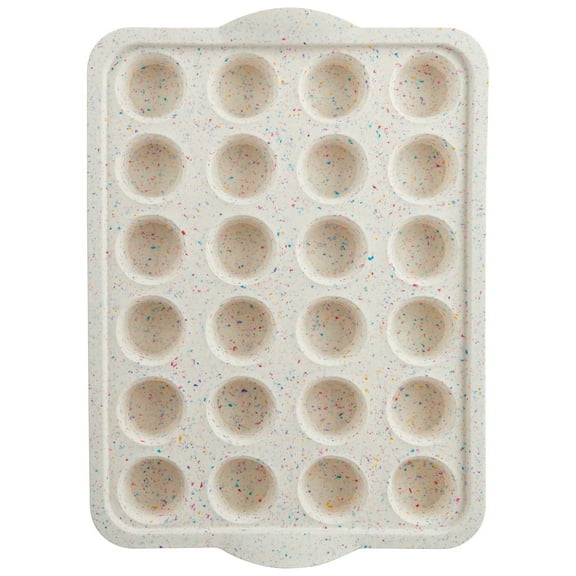
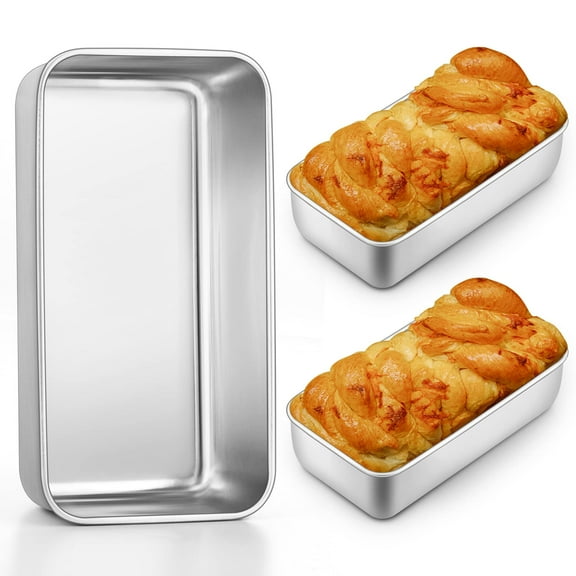
If muffins and cupcakes are part of your routine, you may want muffin tins that fit standard liners and steady portion sizes. You can use loaf pans for banana bread, sandwich bread, meatloaf, and freezer-friendly prep.
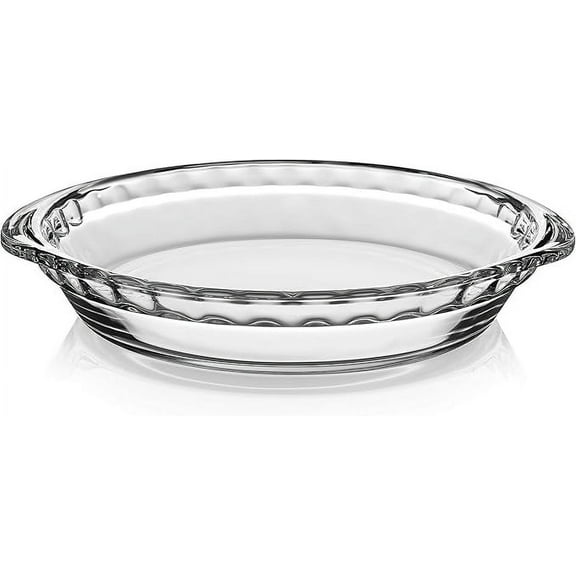
You may also want specialty pieces like springform pans, pie dishes, or tart pans for more specific recipes. You can build around your frequently used pan types first, then add extras as your baking plans grow.
Using bakeware for everyday baking and seasonal recipes
You can use metal baking sheets for weeknight dinners, batch cookies, and crisp roasted vegetables with easy rotation between racks. You may prefer glass or ceramic dishes when you want to carry baked desserts or casseroles straight to the table.
If you bake with kids or make holiday treats, you may like silicone baking molds for shaped cakes, mini desserts, and festive candies. You can also keep a muffin tin and loaf pan ready for breakfast bakes, snacks, and make-ahead recipes.
When you prep for holidays, you’ll likely want extra capacity and a mix of pans that support pies, bars, rolls, and layered cakes. You can cover more recipes smoothly when your pans match your oven space and your storage setup.
You can feel more confident choosing bakeware when you compare material, coating, pan type, and set size with your cooking habits in mind. Your right mix helps you get more even baking, easier release, and a kitchen setup that stays organized.